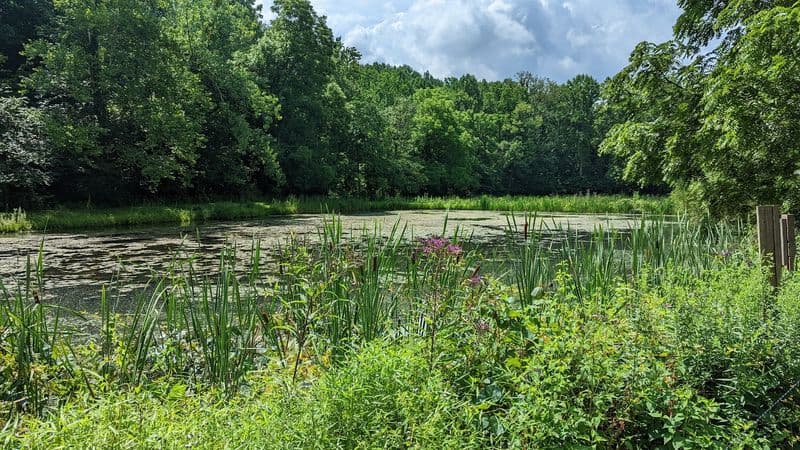
Some of the best bird stories in Indiana start on a gravel road outside a small Fayette County town. Out there, tiny hummingbirds get their own talks, trails wind through woods and meadows, and the gates open at 5 a.m. for anyone eager to beat the sunrise.
Families have been coming here for generations, first as scouts, then as parents, and now as grandparents. The place is run with one clear mission, which is to give birds and wildlife a safe home while letting people share it.
Ahead you will find where it is, what makes the hummingbird talks a crowd favorite, how the trail network works, what to pack, and why so many locals call it their go-to escape. Grab your binoculars, because this one is worth the drive.
A Bird Haven Off a Fayette County Back Road
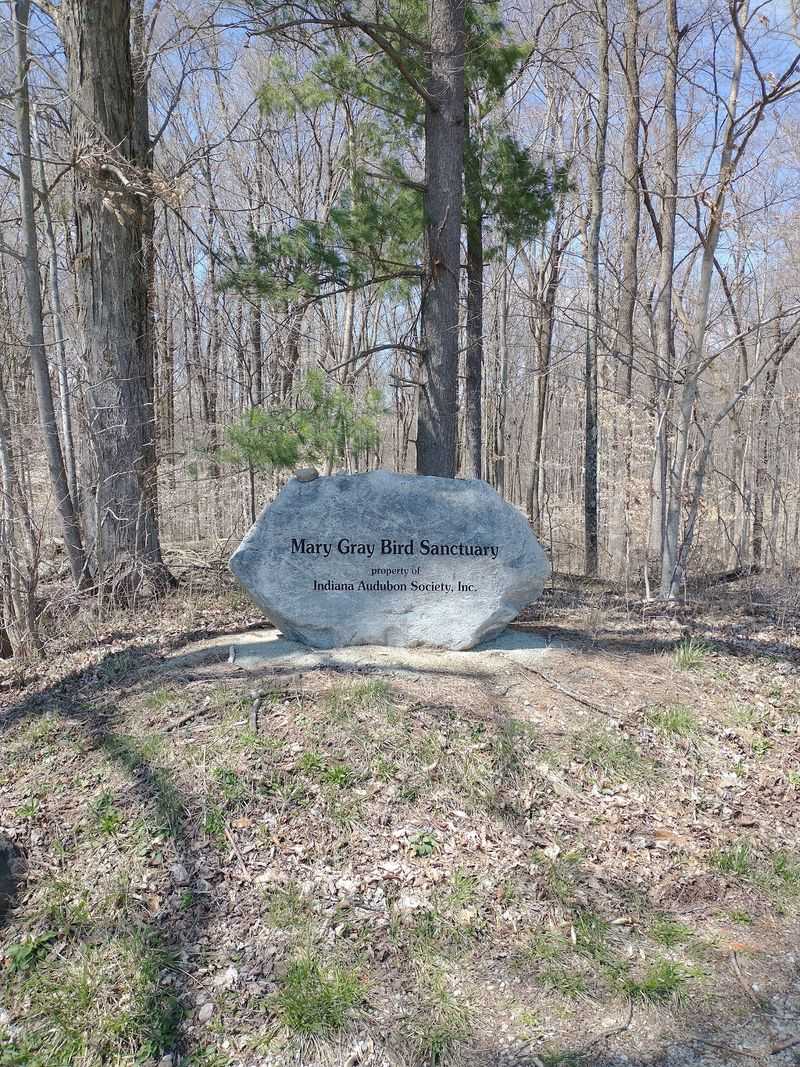
Tucked into the countryside of east-central Indiana, Mary Gray Bird Sanctuary sits at 3499 S Bird Sanctuary Rd, Connersville, IN 47331. Yes, the road is literally named for the sanctuary, which makes the GPS part refreshingly easy.
Connersville is the seat of Fayette County, and the sanctuary sits just outside town. Locals treat it as the area’s favorite nature reserve, and that title is well earned.
The property is a nature reserve rather than a city park. That difference shapes everything about a trip here, from the rules to the overall pace of the day.
Instead of ball fields and splash pads, the focus is on woods, open fields, ponds and the wildlife that depends on them. Trails loop through it all, giving hikers and birders plenty of ground to cover.
Road-trippers from Indianapolis, Richmond or the Cincinnati side of the state line will find it a manageable day trip. It works nicely as a half-day outing or a full morning of slow wandering with binoculars.
The name on the gate is only the beginning, though. The real story lies in who looks after this land and why it exists in the first place.
The Audubon Connection Behind the Gate
Behind every great bird spot is a group that keeps it that way. Here, that group is the Indiana Audubon Society, and the sanctuary’s official page lives on the organization’s website.
Audubon groups exist to protect birds and the habitats they need. That mission explains why the property feels less like a recreation area and more like a protected home for wildlife.
Some rules follow naturally from that purpose. Morel mushroom hunting is not permitted, and this is not considered a hunting ground.
Fishing comes up in some local memories, yet the sanctuary is not set up as a fishing destination. Anyone hoping to cast a line should check current rules on the Audubon website before packing a tackle box.
The protective approach pays off in clear ways. Trails stay well maintained, the grounds stay clean, and the wildlife has room to go about its business.
It also gives the place a dependable reputation as a safe spot for kids to run around. Parents in the area mention that peace of mind often, and it is a big reason families return.
Knowing who runs the land makes the first view from the parking area even more interesting. That view happens to include a barn and a pair of ponds.
First Impressions: A Barn and Two Ponds
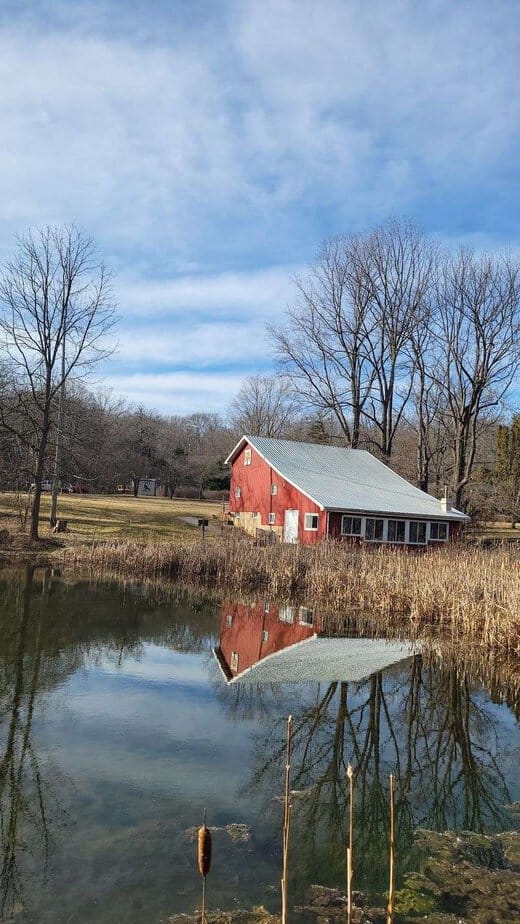
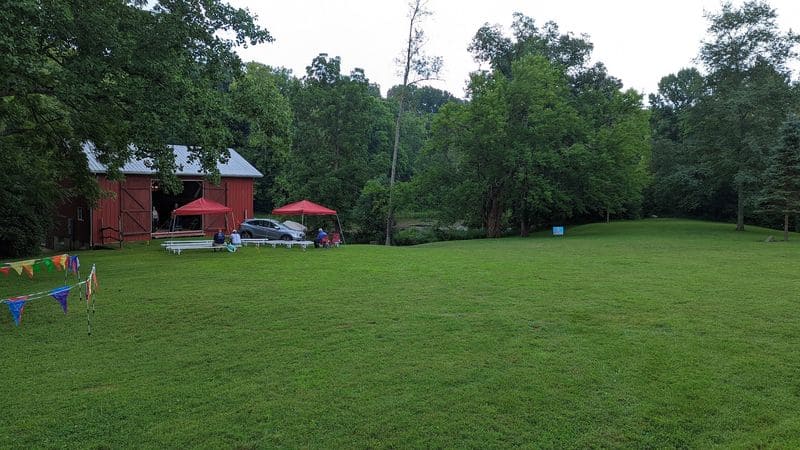
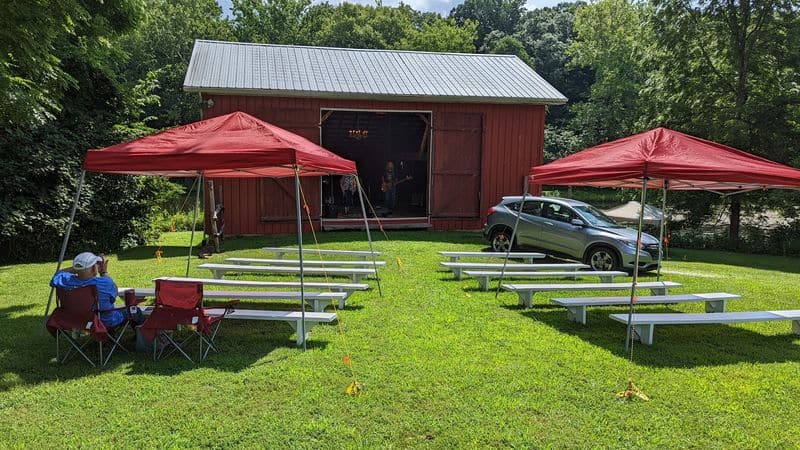
No long hike is needed for the opening act. As soon as you park, a handsome barn and ponds come into view, setting the tone for the rest of the visit.
That arrival scene is one of the most talked-about features of the property. It feels very much like old rural Indiana, which suits the nostalgic streak in plenty of Hoosier day-trippers.
The barn and ponds also make a natural meeting point. Groups can gather here, grab a map, and decide which trail to tackle first.
Photographers have noticed the setting too. Families book portrait sessions on the grounds, and the barn makes an easy backdrop for that kind of shoot.
The ponds add a different habitat right next to the parking area. That variety matters at a bird sanctuary, since different species prefer water, field or forest.
Picnic tables nearby turn this spot into a handy base camp for lunch breaks. Many groups start here, head out on the trails, and circle back to refuel.
Of course, the barn is just the welcome mat. The trails beyond it are where the sanctuary really stretches its wings.
More Trails Than Most Expect
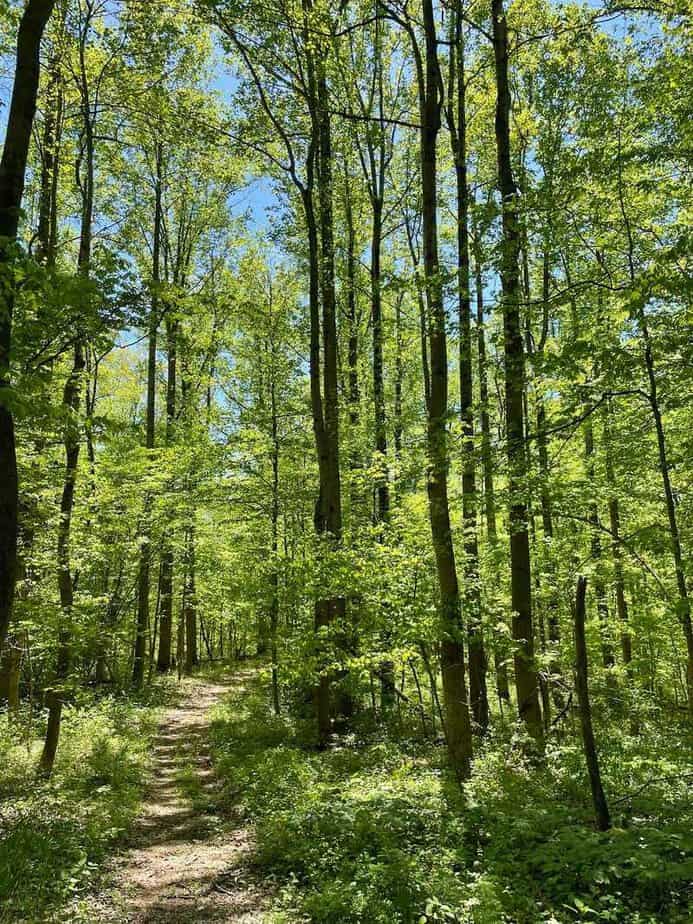
Surprise is a common reaction once people realize how many trails are packed into this sanctuary. The network is larger than a first-timer might guess from the road.
Trails are the single most discussed feature of the place, and for good reason. They are well maintained, clearly marked and easily walkable for most hikers.
Short strolls are easy to arrange for anyone wanting a quick dose of fresh air. Longer outings are just as possible, and some birders happily spend a few hours making their way through the woods.
The routes move through several kinds of terrain, so the scenery shifts as you go. Forest sections give way to more open ground, which keeps the walk from feeling repetitive.
A word of planning advice is in order here. Covering a lot of ground means a fair amount of walking, so comfortable shoes and water are smart additions to the day bag.
Hikers who like a quiet trail tend to love this place. It rarely feels like a crowded city path, which is half the appeal for people trying to escape town for a while.
With so many options, though, a little navigation help goes a long way. Thankfully, the sanctuary has that covered.
Maps, Markers and No Wrong Turns
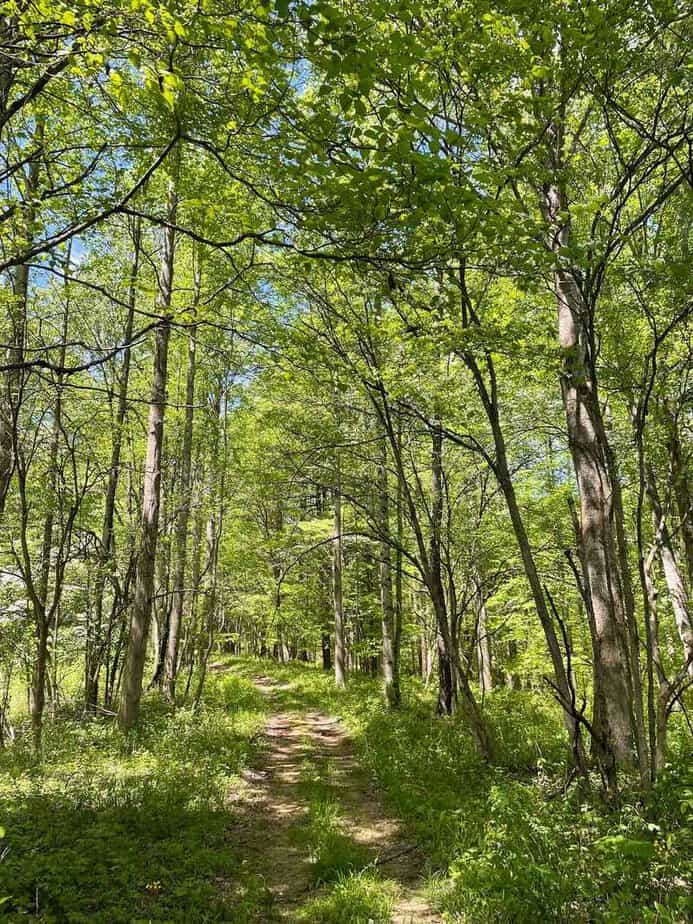
Getting lost is not on the itinerary here. Maps are available on site, and the trails are well marked, which takes the guesswork out of exploring.
That is a real perk for newcomers. Plenty of nature preserves leave hikers squinting at faded posts, but this one earns praise for clear directions and helpful maps.
One small tip helps even more. Some hikers have wished for clearer distance information on the trail maps, so it is worth planning a route with some extra time built in.
Checking the Indiana Audubon website before the trip is another good move. The sanctuary page there is the best place to look for current trail details and any updates.
Having a map also makes it easier to match the walk to the group. Families with younger kids can pick a shorter loop, while serious birders can link several trails together.
Staff and volunteers have a reputation for being friendly and helpful. If something on the map looks confusing, asking a question is a perfectly good strategy.
Once the route is set, the next question is simple. What exactly lives out there along those well-marked paths?
Habitats That Keep Birders Busy
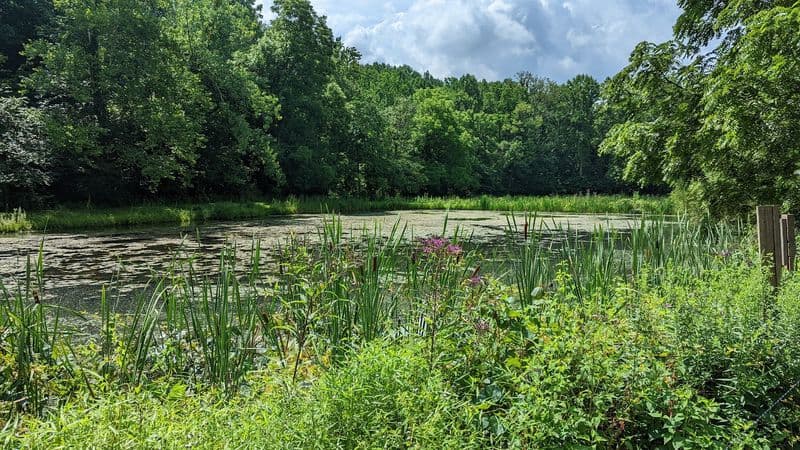
Birds are picky about real estate, and this sanctuary offers plenty of choices. Forest, open land and ponds all share the property, creating a nice variety of habitats.
That mix is exactly what birders want. Different species favor different settings, so moving from woods to field to water can turn up a wider range of birds in a single outing.
Serious birders call the place a dream. Some spend hours on the trails and still feel there is more to find.
Wildlife here goes beyond feathers, too. The sanctuary is known for a broad variety of creatures, giving even casual hikers something to spot along the way.
Kids tend to enjoy this part most. A walk becomes a scavenger hunt when every bend in the trail could reveal something new.
Bringing binoculars is a smart call, along with a simple field guide or a bird identification app. Those small tools make a big difference in turning a nice walk into a memorable birding day.
Still, one group of tiny birds gets a spotlight all its own. The hummingbirds have their very own talk, and it draws a dedicated crowd.
Hummingbird Talks Steal the Show
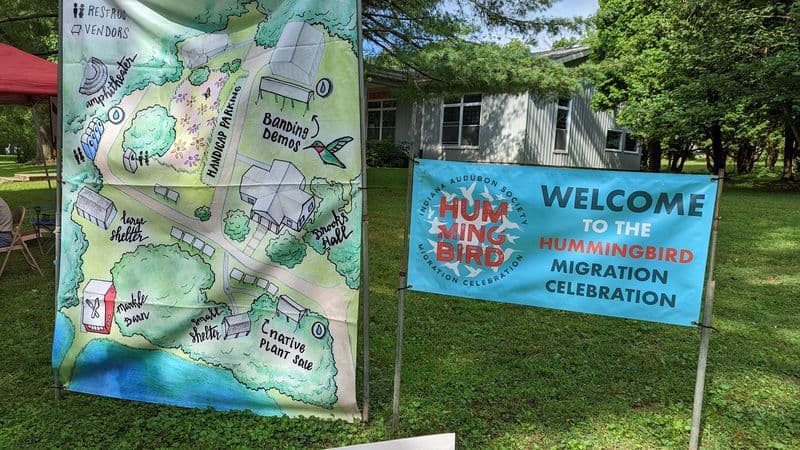
Small bird, big following. The hummingbird talk is the most talked-about program at the sanctuary, and it has become a signature reason to make the drive.
These sessions focus on the tiny fliers that zip through Indiana in the warmer months. For many families, the talk is the highlight of an event day at the sanctuary.
Hummingbirds are a fun subject for every age. Kids love their speed, and adults tend to leave with a fresh appreciation for how much energy such a small bird packs.
At one event, the hummingbird talk was held at noon. Times can change from event to event, so checking the Indiana Audubon website before heading out is the best way to catch it.
Arriving early is a wise plan on talk days. That leaves time to park, grab a map and settle in before the program starts.
Here is a fun bit of trivia to share with the kids on the drive. The ruby-throated hummingbird is the species most commonly seen in Indiana, and it is the only hummingbird that regularly nests east of the Mississippi.
Hummingbirds are not the only stars on the program, either. Bigger birds get their moment too.
Raptors, Gatherings and Learning Days
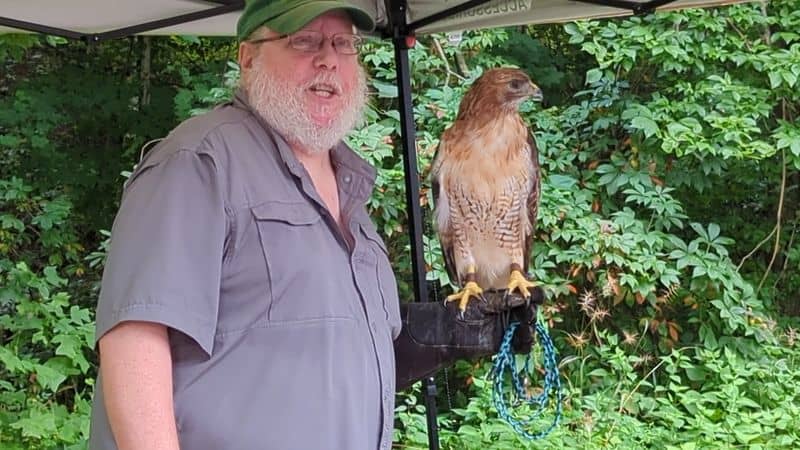
From the smallest birds to the fierce ones, event days cover a lot of ground. Alongside the hummingbird program, the sanctuary has hosted a raptor talk, which once followed at 1 p.m.
Back-to-back programs can be a little tricky to juggle. Some attendees found it hard to catch both, so it pays to review the schedule and plan which sessions matter most.
The spring gathering is another popular event. Activities have been well suited for elementary-age kids and adults alike, mixing education with plenty of free time to explore.
That balance makes it a strong pick for families. Kids get hands-on learning, and parents get a relaxed day outside without a packed agenda every minute.
Staff and volunteers earn kind words for their friendly approach during these events. Restrooms have also been kept clean on busy days, a detail parents never overlook.
Event dates and details live on the Indiana Audubon website. A quick check there before planning a trip can turn an ordinary visit into a full learning day.
Not every season brings an event, though. Some of the best days here come down to timing with nature itself.
Every Season Gets a Turn
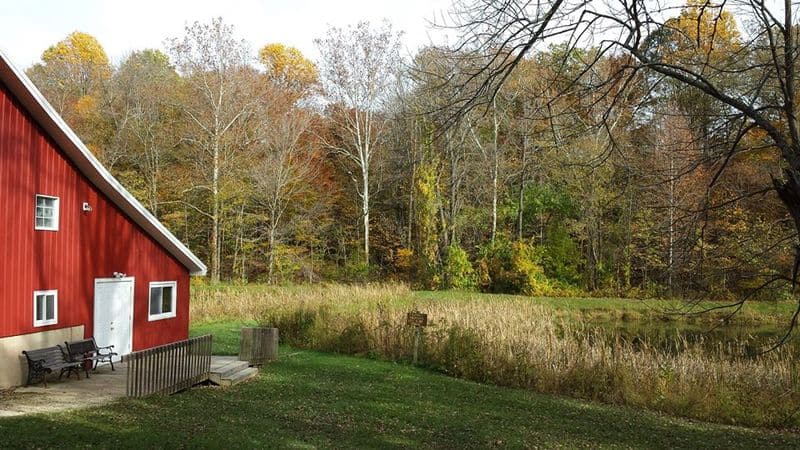
Calendars matter at a bird sanctuary. The scenery changes a great deal from one season to the next, and each one has fans.
Fall brings bright foliage that turns a simple walk into a scenic one. Even a short stroll during the autumn color season leaves a strong impression.
Spring has its own appeal, with the woods filling in as trees leaf out. Some people make a point of returning once the canopy is full, expecting an even more secluded feel on the trails.
Summer is prime time for hummingbirds and the talks devoted to them. It is also the season for insects, which is something to plan for, as a later section explains.
Winter visits are less common, but the trails remain open with the same daily hours. Bare trees can actually make some birds easier to spot.
Locals describe the views as worthwhile all year round. That makes this an evergreen day-trip choice instead of a one-season stop.
Changing seasons are only part of the story. The people who keep coming back across the decades tell the rest.
Three Generations on the Same Trails
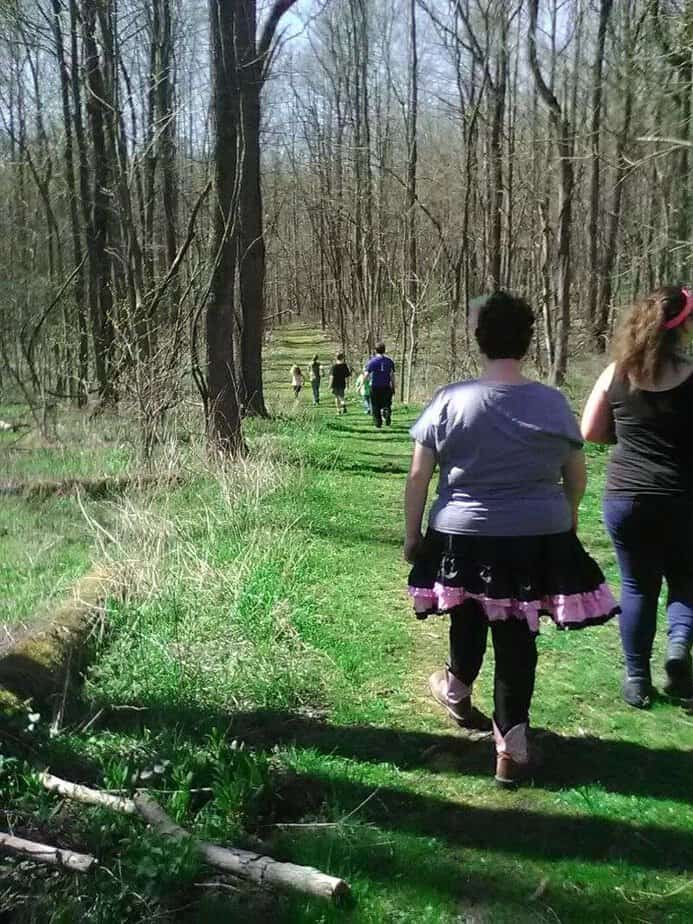
Ask around Connersville, and plenty of people have a sanctuary story from childhood. Some attended scout camp here as kids, later brought their own children, and now hike the trails with grandchildren.
That kind of loyalty is rare. It speaks to a place that has stayed steady while plenty of other things in town have changed.
Families describe it as a constant, a reliable getaway whenever they are back in their hometown. It is the sort of spot people recommend first when someone asks where to hike in Fayette County.
Safety is a big part of that appeal. Parents feel comfortable letting kids run and explore, and the grounds are known for being clean and friendly.
The sanctuary also suits a wide range of ages. Toddlers, teens, parents and retirees can all find a trail that fits their pace.
For Indiana families looking for a low-stress outing, that range is a big win. Nobody has to sit out because the activity is too hard or too boring.
Two-legged hikers are not the only regulars, either. Some of the most enthusiastic trail fans walk on four paws.
Pups, Portraits and Quiet Wanderers
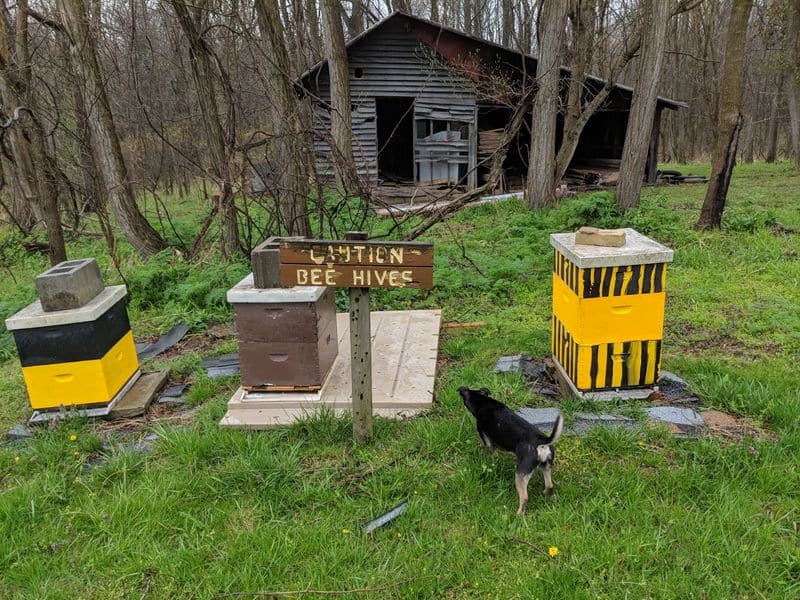
Dogs seem to love this place as much as their owners do. Pups have happily explored the trails here, making it a handy outing for anyone who wants to bring the family dog along.
Keeping dogs leashed and under control is the respectful move at a wildlife sanctuary. Birds and other creatures call this land home, and a calm pup helps keep it that way.
Photographers find plenty to work with as well. Families have booked portrait sessions on the grounds for different milestones, using the barn, ponds and trails as backdrops.
Solo hikers form another loyal group. Many come simply for a calm walk and a break from the rush of daily life.
Some locals treat a trail walk here as their personal reset button. It is a common choice for anyone needing an hour or two away from screens and schedules.
That calm atmosphere is a big reason the sanctuary stands out. Even on busier days, the size of the trail network spreads people out.
Some guests want more than an afternoon, though. That raises a popular question about staying overnight.
The Campground Question
Here is a detail that confuses even some longtime locals. Is there camping at a bird sanctuary?
The answer appears to be yes, at least for certain groups and events. A campground exists on the property, and those attending the spring gathering found it dry, roomy and well kept.
Older memories back this up too. Some locals camped here in their twenties with friends, swapping stories around the site after dark.
Scout camps have also used the grounds over the years. That history ties the campground to the sanctuary’s long role in local family life.
Still, the property is a sanctuary first, and camping does not seem to be a casual walk-in option for everyone. Some longtime fans believe camping is not available at all.
Because of that mixed picture, the best approach is simple. Reach out through the Indiana Audubon website before planning any overnight stay, and confirm what is allowed.
Day-trippers have nothing to worry about either way. The trails, ponds and picnic tables make for a full outing without a tent.
Speaking of day trips, a few practical details can make one go much more smoothly.
Hours, Parking and the Bug Spray Rule
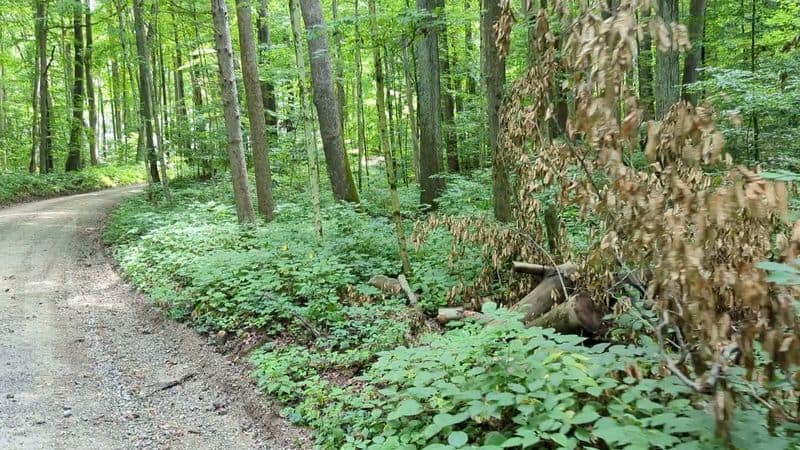
Early birds get the best deal here, literally. The sanctuary is open every day of the week from 5 a.m. to 9 p.m., giving plenty of flexibility for sunrise birding or an evening walk.
Parking is plentiful, so there is no need to circle around looking for a spot. A public restroom and lots of picnic tables round out the basic amenities.
Now for the most important packing tip. Mosquitoes can be fierce, and bringing a strong repellent, such as one with 40 percent DEET, is highly recommended.
Comfortable walking shoes are a must as well. Many of the trails cover a fair amount of ground, so footwear matters.
Accessibility is worth planning around. The trails are natural paths, and some guests with limited mobility have found them hard to explore without help, so it is wise to call ahead with specific questions.
For event schedules, trail updates and current details, the Indiana Audubon website is the go-to source. Program times can vary, so a quick check prevents disappointment.
With the logistics squared away, only one question remains. Is the drive really worth it?
Why This Sanctuary Earns the Drive
Some places try hard to impress, and some simply do their job well for decades. Mary Gray Bird Sanctuary falls firmly in the second group.
The appeal is easy to sum up. Well-kept trails, a wide mix of habitats, friendly staff and volunteers, and programs like the hummingbird talk give people of every age something to enjoy.
It also checks the boxes Indiana families care about. The grounds feel safe, the amenities are solid, and the setting carries a nostalgic, small-town charm.
Birders treat it as a serious destination. Casual hikers treat it as a reliable escape, and families treat it as a tradition worth passing down.
A few simple steps make the trip better. Check the event calendar, pack bug spray, wear good shoes, and give yourself time to wander.
Fayette County might not be the first place that comes to mind for a nature getaway. That is exactly why this sanctuary feels like such a satisfying find.
So load up the car, bring the binoculars, and head down Bird Sanctuary Road. The hummingbirds, and the trails beyond them, are waiting for their next audience.