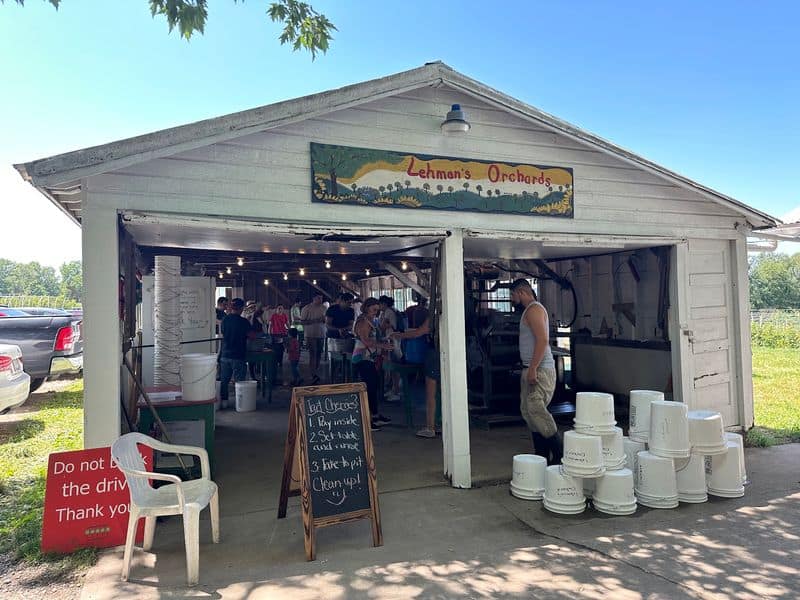
Some Michigan road trips end with a cooler full of fruit, a bag of jam jars, and a pie plan for the week. A family farm in Berrien County, close to the Indiana line, has been quietly sending Michiganders home that way for years.
The setup is simple: grab a bucket, walk out to the bushes or trees, and pick until your arms give out. Back at the country store, the shelves hold honey, preserves, fruit syrups, vinegars, salsas, dried fruit, and apple cider donuts.
It is the kind of stop many drivers on the way to Amish country never notice. The farm also offers berries that rarely show up in grocery stores, plus a machine that pits your cherries for you.
Keep reading to learn where it is, when to go, what to pick, and the small tricks that make the trip easier.
A Family Farm on Portage Road
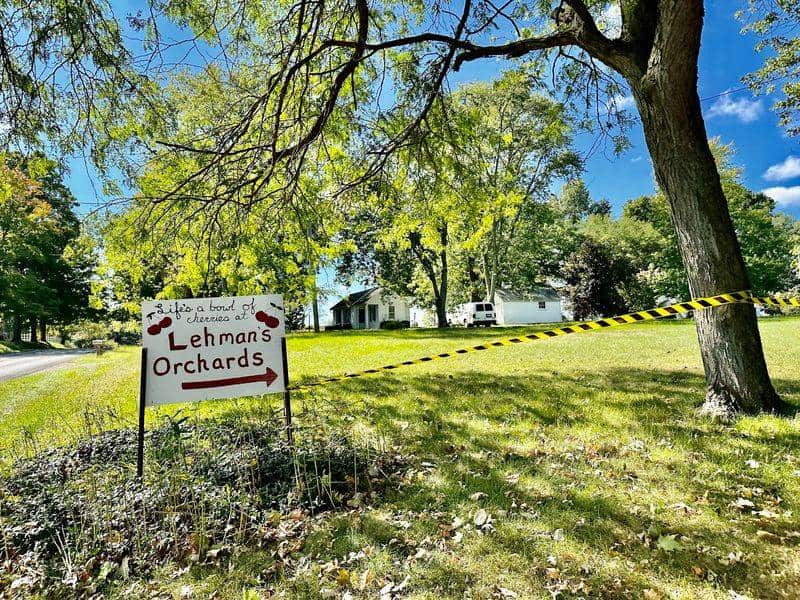
The mystery farm is Lehman’s Orchards, found at 2280 Portage Rd, Niles, MI 49120, in the southwest corner of Michigan.
It is a family-run orchard with a country store, u-pick fields, and a steady lineup of fruit that changes as summer rolls along.
Niles sits right near the Indiana border, so the farm draws folks from both states. Downtown South Bend is only about 15 to 20 minutes away by car.
For Michigan families heading toward the Amish country around Shipshewana, the orchard makes an easy side trip. It is close enough to the state line to fit into a weekend loop without adding hours to the drive.
The property is not a giant theme park with rides and gift barns. Instead, it is a working farm where fruit is the main event.
Shoppers can pick their own fruit or buy it already picked in the store. That flexibility makes the stop work for both energetic families and retirees who would rather skip the bending.
Most people speeding past on bigger highways never learn it exists. That is exactly why it earns a spot on any list of overlooked Michigan farm stops worth the gas.
Two Sides of the Road, One Big Harvest
Here is a fun layout detail: the farm is split in two by the road itself.
On one side sits the store along with fields of berries right behind it. Blueberries, currants, gooseberries, and raspberries grow in that area.
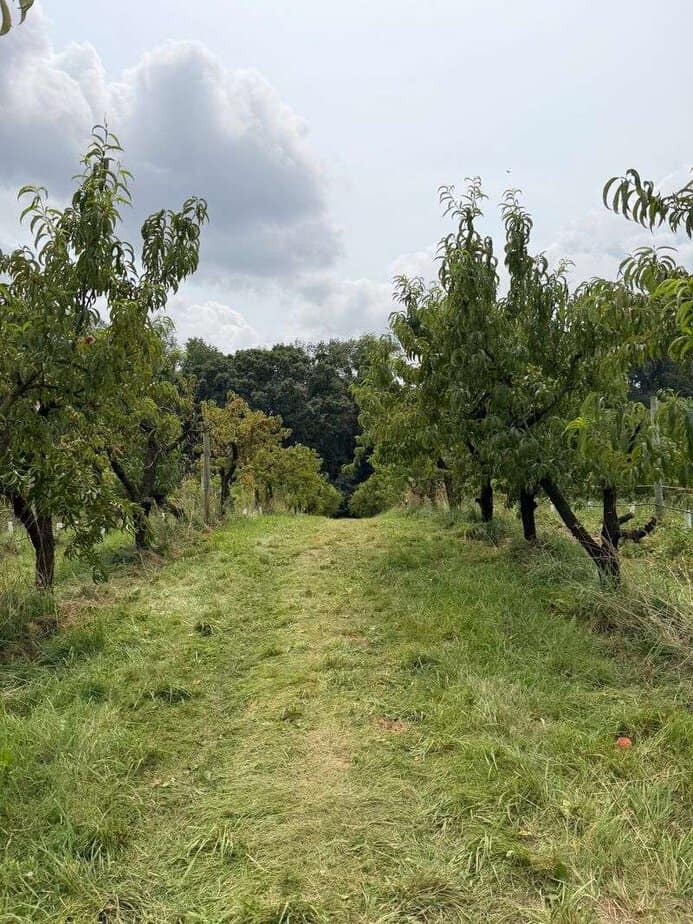
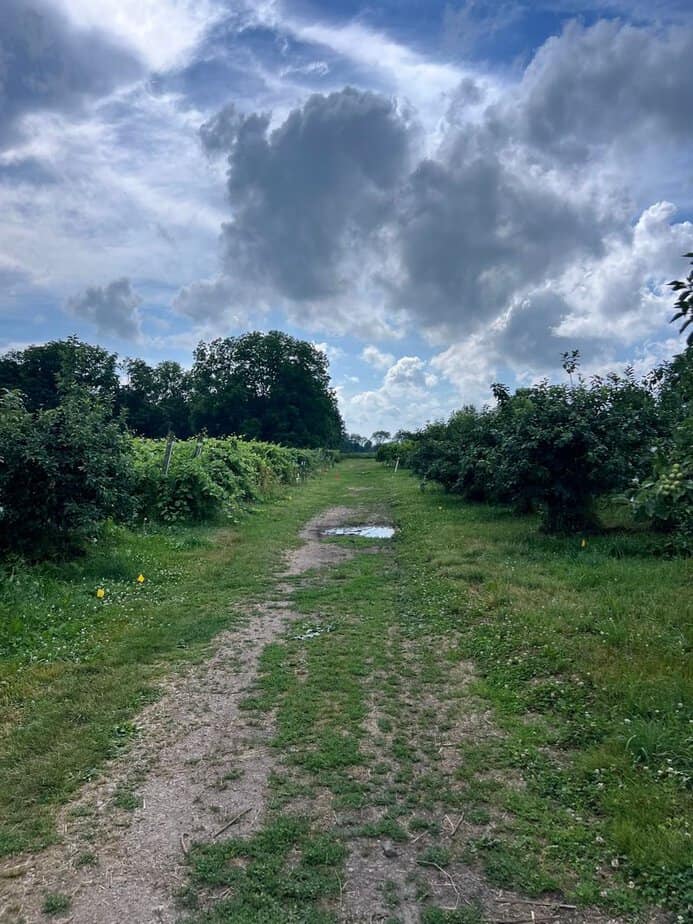
Across the street stands the orchard. Cherry trees fill much of that ground, and peach and pear trees grow there as well.
The arrangement keeps things organized. Berry pickers can stay close to the store, while cherry and peach fans head across to the tree rows.
It also means families can split up if they want. One group can work the blueberry bushes while another tackles tart cherries on the far side.
There is some walking involved no matter which side you choose. The good news is that pickers can decide how far they want to roam.
Plan to visit the main entrance first before heading anywhere else. That step matters, and the next section explains why.
With two picking zones and a store in between, the farm packs a surprising amount into one stop along a quiet country road.
Your License, Your Ticket
First-timers often miss one small but important rule at the door.
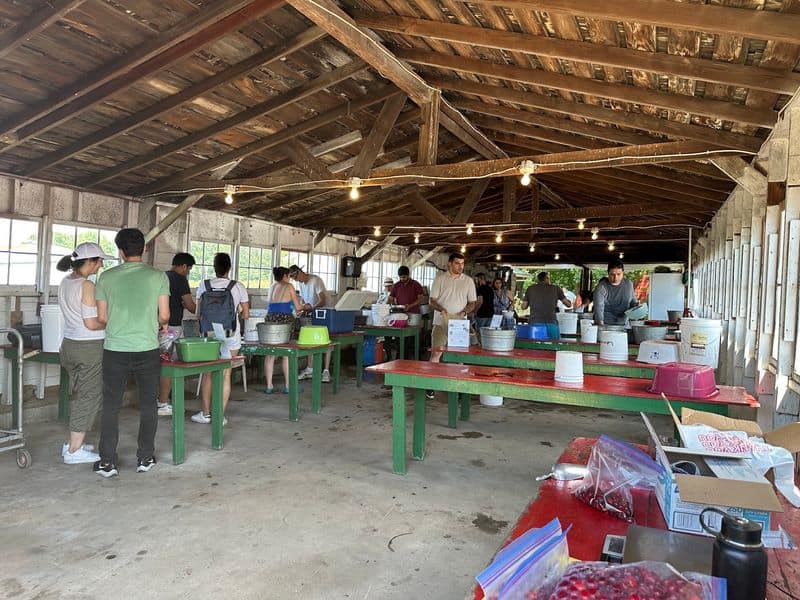
Before anyone heads into the fields, they stop at the main entrance and exchange a driver’s license for a u-pick card, which works as an entrance ticket. The license comes back when you settle up.
The staff hands out buckets and pails for the fruit. Nobody needs to haul their own containers from home.
Workers are known for being helpful with directions, even when the place gets crowded. They will point you to whichever crop is ready that day.
A heads-up on arrival, too. The driveway can feel a bit like pulling into someone’s home, and the sign has at times been tucked behind daylilies and branches.
Slow down as you approach on Portage Road and look carefully for the entrance. Once parked, things get much easier.
Parking itself is simple, and the store staff at the register are friendly and informative.
Getting the check-in step right saves a walk back across the road later. Treat it like the first chore of the day, and the rest of the outing runs smoothly.
Tart Cherries and the Pitting Machine
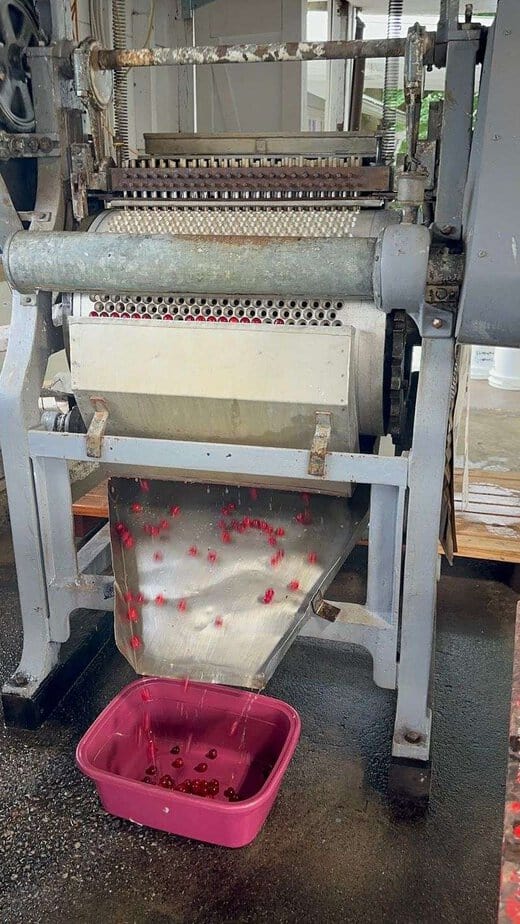
Anybody who has pitted cherries by hand knows it can eat up an entire afternoon.
Lehman’s solves that headache on site. The farm has a washing station plus a de-pitting machine, so cherries can go home cleaned and ready for baking.
That is a big deal for pie makers. One couple picked tart cherries on a Saturday, had them pitted before leaving, and turned them into a homemade pie.
In the baking-supplies sense, this is where the farm really shines. A bucket of washed, pitted cherries is about as useful as kitchen ingredients get.
The tart cherries are sprayed, which is another reason the washing station comes in handy. Rinse first, then pit, then head home.
Weather plays a big role with this crop. In recent years, freezes damaged the tart cherries and the harvest did not make it.
A quick call to the farm before driving out is smart during cherry season. Much of what is ready depends on how the season treated the trees.
When the crop does come through, the pitting machine turns a messy job into a quick stop on the way out the door.
Organic Blueberries and a Noisy Guard
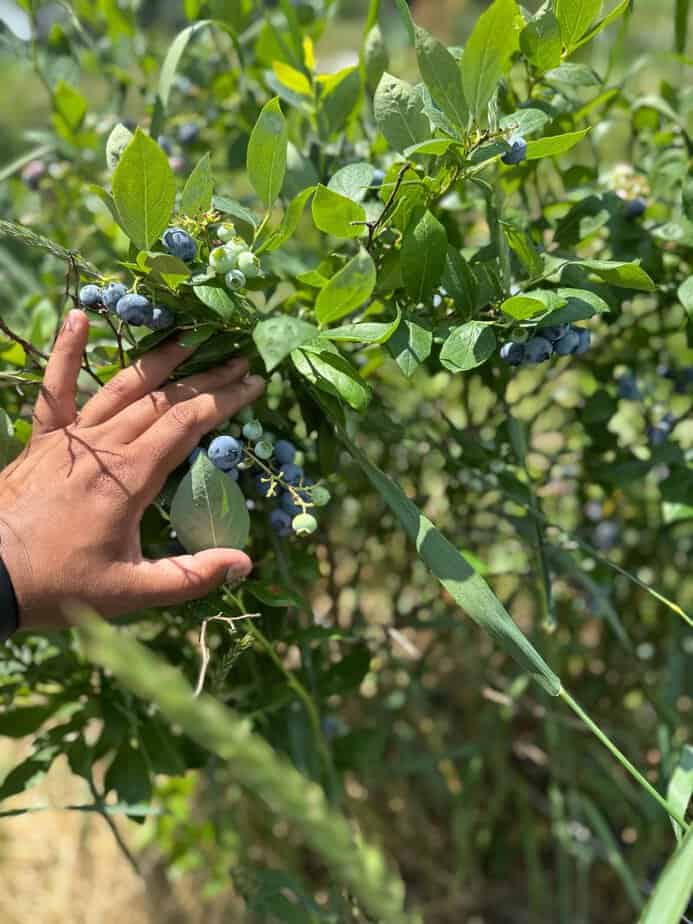
Blueberries come up more often than almost any other crop when folks talk about this farm.
The blueberries are grown organically. For bakers who want muffins, crisps, or jam without spray worries, that is a real bonus.
The bushes tend to be abundant during the season. Some years the berries run a little small, which means picking takes a bit longer.
One family brought home blueberries and peaches and made a blueberry crisp. That is the kind of payoff that makes the drive worthwhile.
Now for the quirky part. A big box among the blueberry bushes plays the calls of birds of prey.
The idea is to keep smaller birds from snacking on the crop before people can. It works as a farm scarecrow with a speaker.
Solo pickers sometimes bring headphones to tune it out. Families with kids may find it makes the trip more of an adventure.
Blueberry picking stands out as one of the most popular activities here, so expect company on nice days. Bring patience, a hat, and plenty of room in the cooler.
Berries the Grocery Store Forgot
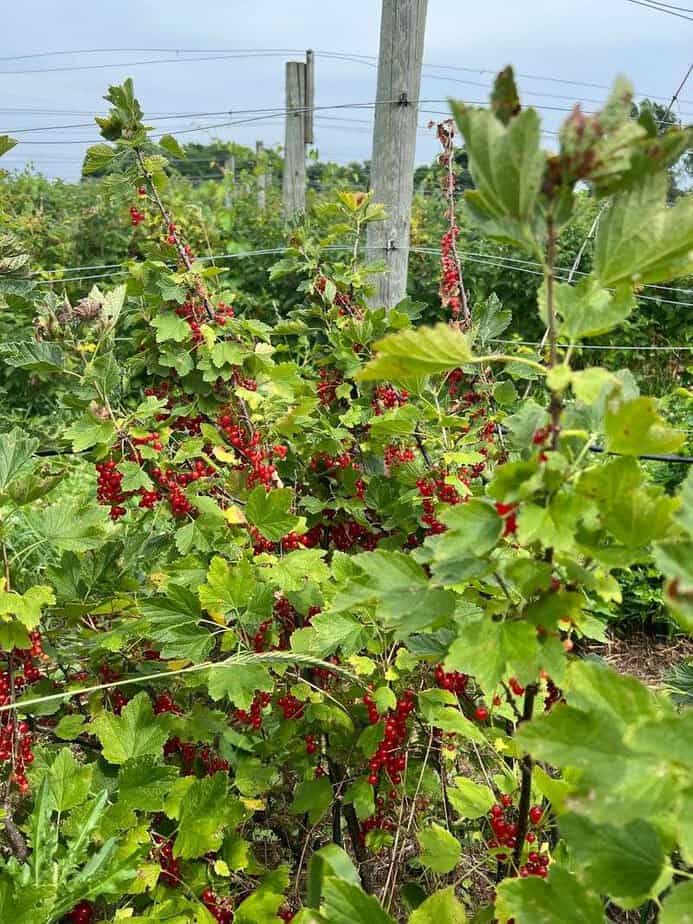
Ever tried to find gooseberries at a regular supermarket? Good luck with that.
Lehman’s grows several fruits that rarely land on store shelves. Red currants, black currants, and gooseberries all grow in the berry fields behind the store.
Black currants are tiny and must be picked one at a time. Because of that, the bushes are often left mostly untouched, leaving plenty for patient pickers.
Red currants here have a reputation for good quality. They make a fine base for jellies and sauces.
Then there are the golden raspberries. They show up for only a short window each season, and some people call this their favorite orchard just because of them.
Regular raspberries are also a big draw. They rank among the crops people mention most.
For Michigan home bakers chasing something different, this section of the farm is the real insider find. Few places nearby offer this kind of variety in one walk.
Timing is everything with the rarer berries. Call ahead so the golden raspberries do not slip past before you arrive.
Peaches, Strawberries and the Summer Lineup
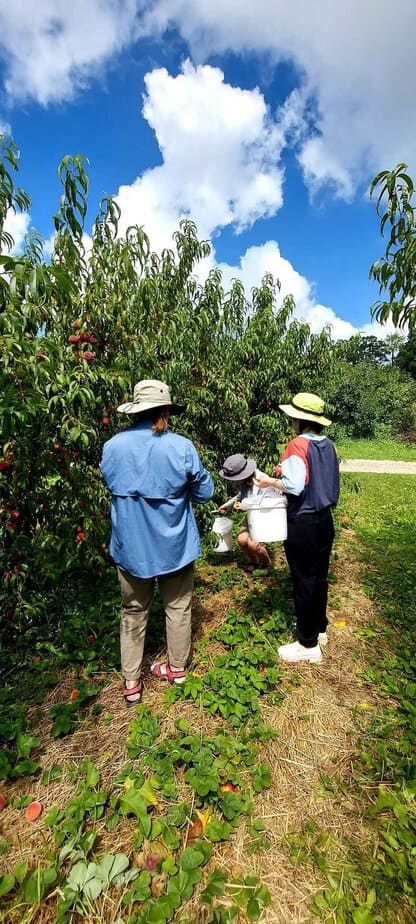
Summer at Lehman’s works like a relay race, with one crop handing off to the next.
Strawberries arrive early in the season. On the first days of u-pick, the patches may be thin, so later visits can bring better picking.
Shoppers hoping for pre-picked strawberries should check first. At the start of the season, picking your own may be the only choice.
Peaches follow later and are a favorite. Many families come back each summer just for them and find the price reasonable.
Pear trees also grow in the orchard across the road. Combined with cherries and berries, the variety keeps things interesting from early summer onward.
A fair warning: not every trip lands at the perfect moment. Some pickers find the peaches only so-so on a given day.
Because the farm offers different options at different times, checking what is ready before leaving home is the smartest move.
Picking a peach straight off the branch beats grabbing one from a plastic clamshell, and the kids tend to agree.
Apple Season and Honeycrisp Hopes
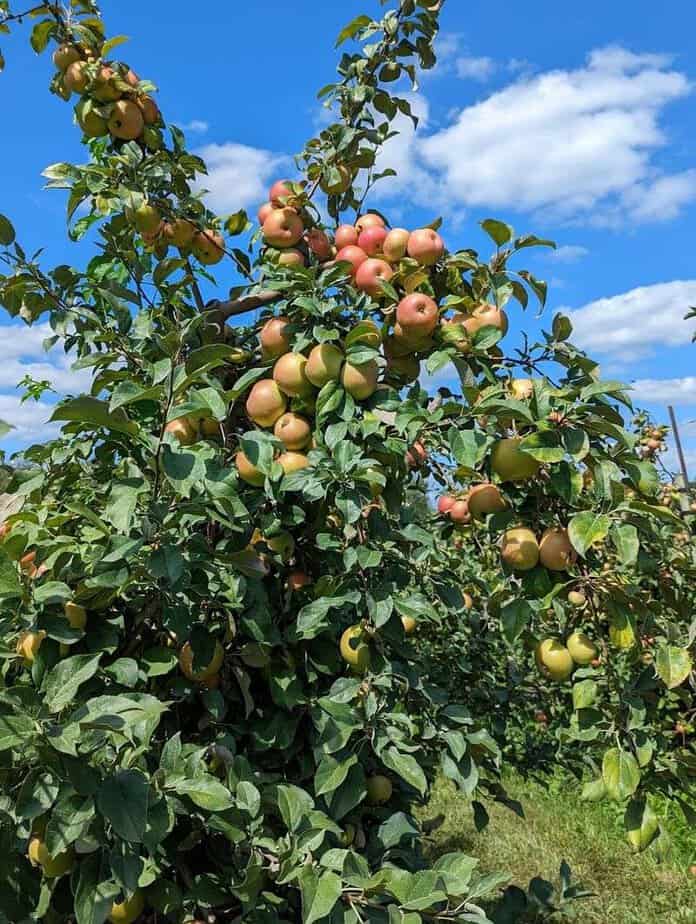
When summer berries wind down, the apple trees take center stage.
Apple picking is one of the most talked-about activities at the farm. Honeycrisp apples get special attention from fans.
Fall trips pair nicely with a stop in the store for apple cider and apple cider donuts. Those donuts are a common impulse buy.
Honesty helps here. Late in the season, some rows can get heavily picked over, with fallen fruit on the ground.
Certain trees may also be roped off. That can be frustrating if the best-looking apples are just out of reach.
Going earlier in apple season, and on a weekday if possible, raises the odds of better picking.
Rain can also wash out a planned apple day. Even then, the store still makes the trip worthwhile with jams and preserves to take home.
Apple pie bakers should pick a little extra. A full bucket covers a pie, applesauce, and a few for the lunchbox, which stretches the value of a single Saturday.
Inside the Little Country Store
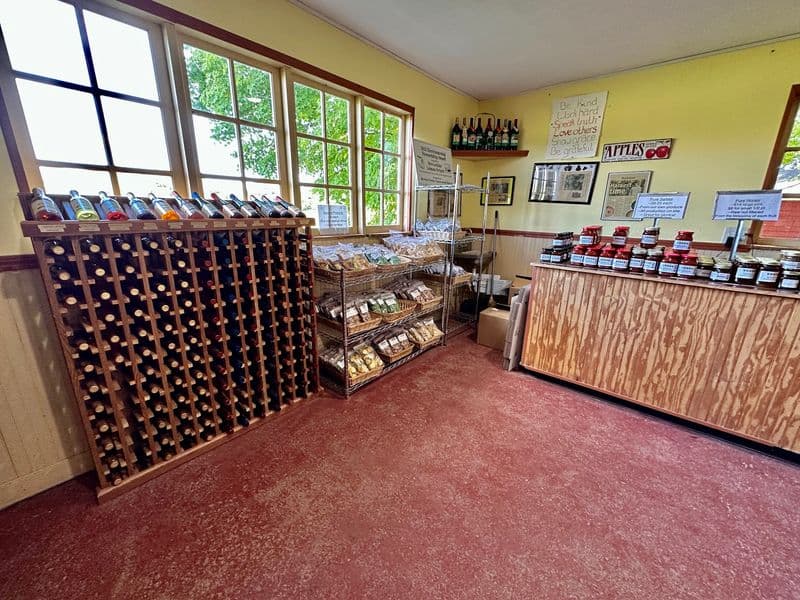
Skipping the fields entirely? The store alone justifies the stop.
Shelves hold honey, jams, preserves, fruit syrups, vinegars, salsas, and dried fruit. Pre-picked fruit is sold here too, for anyone short on time or energy.
The peach, raspberry, and blueberry preserves have earned serious praise, with some calling them the best they have found at a farm stand.
Apple cider is stocked, and the apple cider donuts are often served warm. They make an easy road snack for the drive home.
Shoppers looking for local gifts often walk out with an armful. Jars of honey and jam pack well for holiday baskets.
There is a trade-off worth knowing. Self-picked fruit often costs the same per pound as fruit already picked in the store.
For some families, the fun of picking is the real prize. For others, grabbing a ready box is the smarter choice.
Either way, the country store works as a one-stop shop for summer baking supplies, and few people leave with empty hands.
A Day Without Commercial Clutter
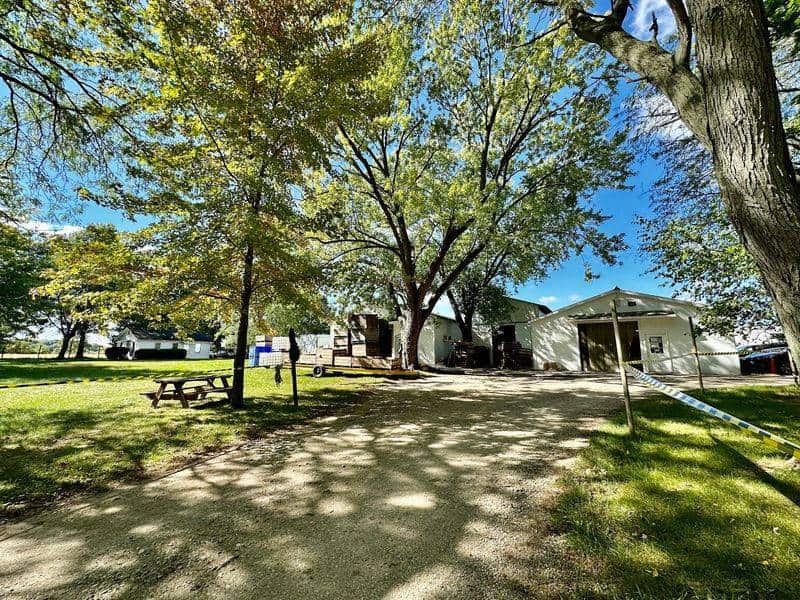
No arcade games, no inflatable slides, no gift shop maze. That is part of the charm.
Families describe the farm as a place to spend time outdoors without commercialized distractions. Kids pick fruit, adults chat, and everybody goes home with something useful.
Supporting a local family business is another draw. Money spent here goes back into a working Michigan farm.
The fields stay well kept, and some pickers are surprised by how few bugs they run into during berry season.
Wildlife sometimes makes a cameo. One couple picking currants once came face to face with a large beaver, and both sides scrambled away.
The pace suits a date, a family outing, or retirees looking for a calm morning. Some folks even call fruit picking their therapy.
Picking right off the bush is not encouraged, though many find the ripe fruit hard to resist. Follow the farm’s rules and save the snacking for later.
The result is an outing that feels old-fashioned in the best way, and that simplicity keeps families returning year after year.
What to Wear and Bring
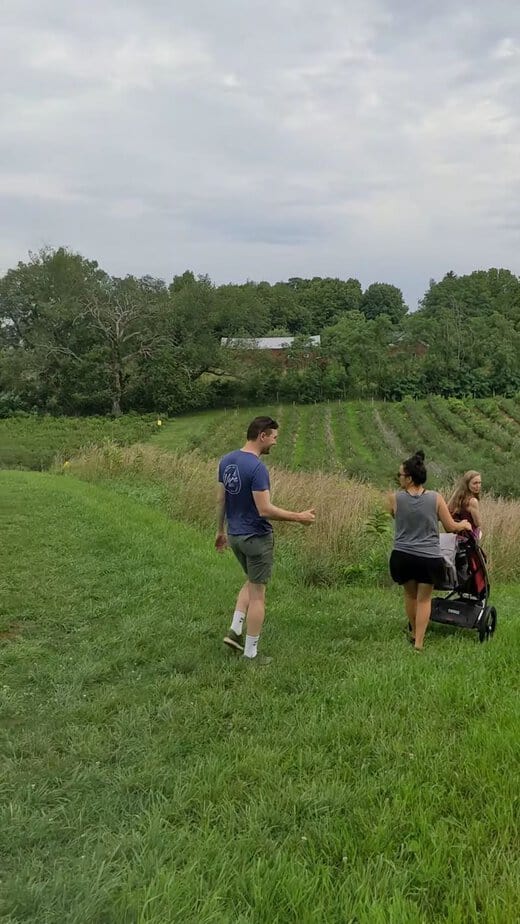
Shorts may seem like summer’s obvious choice, but long pants win out at this farm.
Long pants help most in the fields across the street, where the terrain can be rougher. Sturdy shoes are also a good idea.
The ground is uneven, which matters for anyone with mobility concerns. The farm is not really wheelchair friendly, though an electric wheelchair may manage some areas.
Bathrooms are available on site. That is a relief for families with little ones on a long day.
Credit cards are accepted with a minimum purchase, and most shoppers hit that number without trying.
Headphones can help solo pickers near the blueberry speaker box. A cooler in the car keeps fruit in good shape for the ride home.
Bring your driver’s license too, since it is exchanged for the u-pick card at the start.
A little planning turns a good trip into a great one. Pack light, dress for brush, and save room in the trunk.
Hours, Weather and Smart Timing
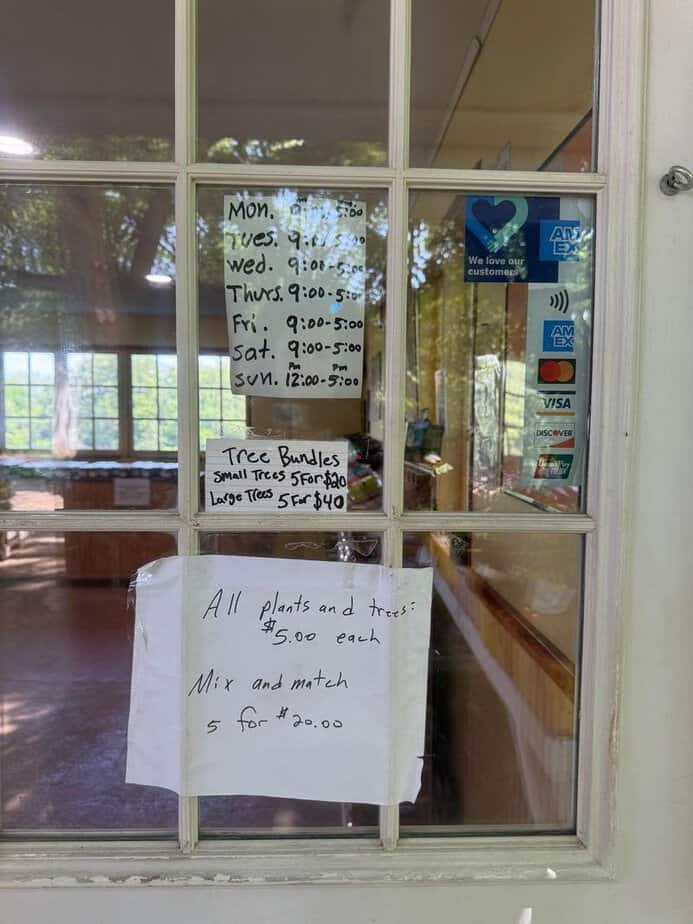
Monday through Saturday, the doors open at 9 a.m. and close at 5 p.m.
Sunday hours are shorter, running from noon to 5 p.m. After-church trips work, but the window is tighter.
Arriving early in the day tends to mean fuller bushes and calmer rows. Afternoon crowds can thin out the easy picking.
Crops depend heavily on the weather. A late freeze, a wet week, or a slow start can shift what is ready.
Calling ahead is the best way to avoid a wasted drive. Ask which fruit is in season and whether u-pick is open that day.
Rainy days can cancel picking plans. The store usually remains a solid backup for preserves, honey, and donuts.
Prices are generally considered fair, though some feel they could be lower. Expect to pay by the pound, and prices may vary by crop and season.
Since a two-hour drive can feel disappointing on a thin harvest day, a quick phone check first is the cheapest insurance a road-tripper can buy.
Worth a Spot on the Michigan Road Trip
Some stops are about the photo. This one is about what fills the trunk.
Lehman’s Orchards offers organic blueberries, tart cherries with on-site pitting, rare currants and gooseberries, peaches, apples, and a country store full of preserves.
It sits close to South Bend and an easy detour for Michiganders heading toward Indiana’s Amish country. That makes it practical for a day trip or weekend loop.
Not every visit hits the jackpot. Weather, timing, and late-season picking can all change the experience.
Still, the friendly staff, fair prices, and old-school farm feel keep plenty of families making it a yearly tradition.
Owners also run a restaurant in nearby Buchanan, which is handy for anyone wanting to round out the day.
Bakers get real ingredients, kids get a bucket and a mission, and retirees get a slow, simple morning outdoors.
For a southwest Michigan outing that is simple, affordable, and still a little under the radar, this family farm on Portage Road deserves a pin on the map.