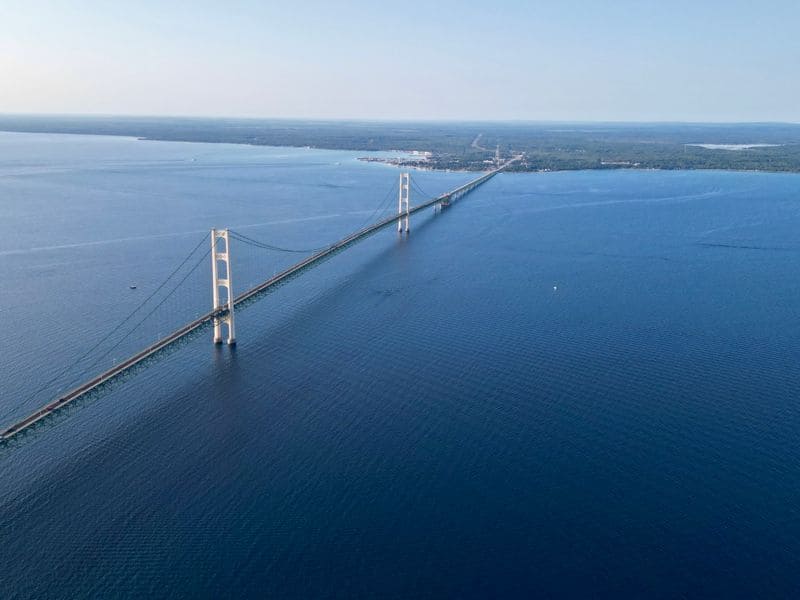
Some Michigan traditions sound almost too good to be true, like a long line of glowing semi trucks crawling across five miles of steel high above the water. The idea of two hundred lighted big rigs on one famous span is enough to make any Michigander want to grab a lawn chair and a spot by the shore.
The bridge itself is worth the drive on any day of the year, and it only costs a few dollars to cross. Here is everything a Michigan family needs to know before heading north to see it.
Where Two Peninsulas Finally Shake Hands
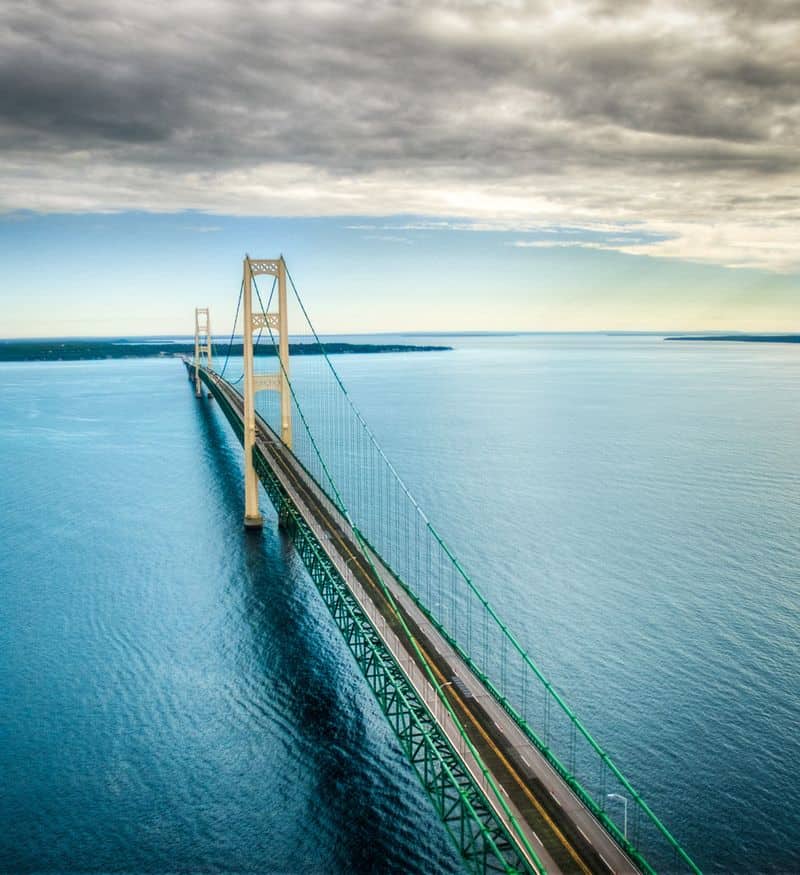
Every Michigan map has one spot where the mitten reaches up and nearly touches the Upper Peninsula. The Mackinac Bridge closes that gap, and its southern end sits in Mackinaw City, MI 49701, in the United States.
The bridge spans the Straits of Mackinac, where Lake Michigan and Lake Huron meet. On the north side, the road lands in St. Ignace and the Upper Peninsula.
For most Michiganders, this is the gateway to everything up north. Crossing it often marks the official start of a U.P. trip, or the moment a long weekend winds down on the way home.
The span is open 24 hours a day, seven days a week. That means there is no bad time on the clock to cross, only better and worse weather.
Locals call it the Mighty Mac, and the nickname has stuck for decades. It shows up on license plates, postcards, and plenty of family photo albums across the state.
A big truck parade makes headlines, but the bridge earns a trip all on its own. The rest of this guide covers both the spectacle and the everyday reasons to point the car north.
A Parade of Rigs Worth Bundling Up For
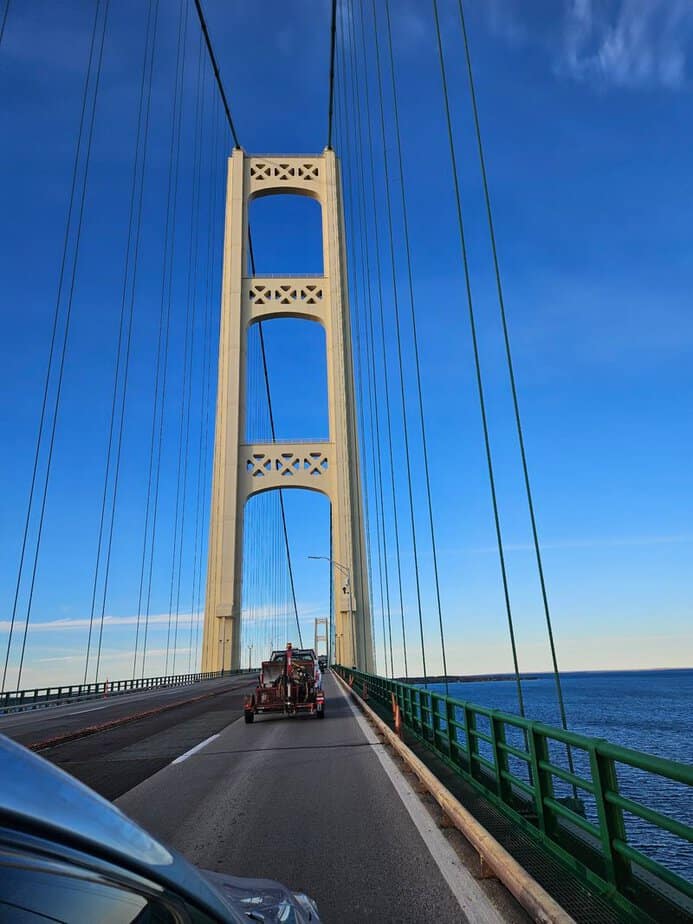
Two hundred semis lit up like rolling holiday displays is not something most people expect to see on a suspension bridge. Yet the idea of a lighted truck procession over the Mighty Mac has a way of grabbing every Michigander’s attention.
Big rigs already have a special relationship with this span. Trucks move slowly across it, and drivers often say that pace gives them extra time to take in the views over the water.
Put that slow crawl together with strings of colorful lights, and the result is a moving show stretching across five miles. The towers and cables frame the whole thing from either shore.
Dates, times, and the exact number of trucks can change from year to year. Families planning around a lighted truck event should check the official Mackinac Bridge Authority website at mackinacbridge.org for current details before making the drive.
Weather in the Straits can also shift plans quickly. Strong winds are common here, and bridge operations can be affected when conditions turn rough.
Still, catching a convoy like this even once is the kind of story that gets told at family gatherings for years. A thermos, warm coats, and a good shoreline spot are all it takes.
Numbers That Make Engineers Grin
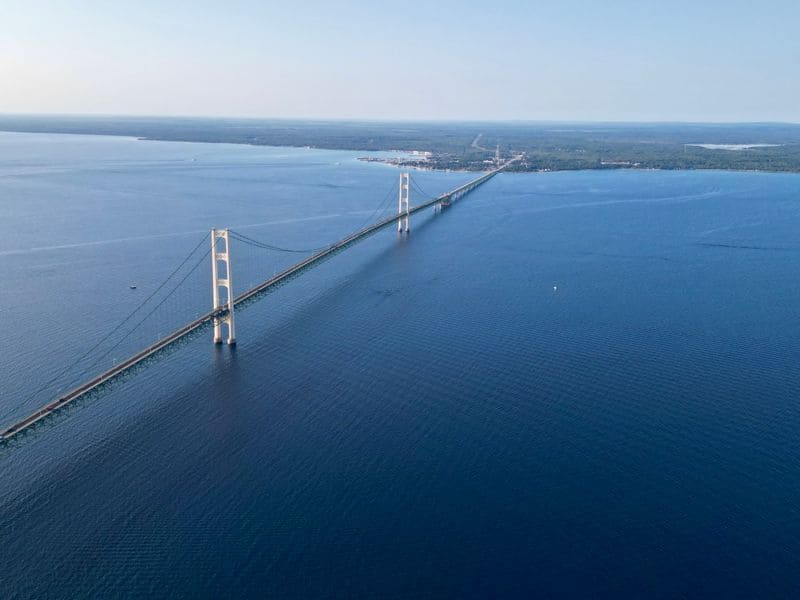
Here is a number to share at the next dinner table: 26,372 feet. That is the total length of the Mackinac Bridge, which works out to about five miles of road over open water.
The two main towers rise 552 feet above the strait. Ivory towers paired with deep green trusses give the bridge its well-known look.
Engineering comes up again and again when people talk about this place. Many call it a masterpiece, and it is easy to see why once the scale sinks in.
The suspension design relies on massive cables, heavy anchorages, and a long line of suspenders running along the span. Together they hold a deck built to handle wind and winter ice.
Upkeep is part of the story, too. The bridge is now around 70 years old, and it still gets plenty of praise for how well maintained it looks.
Five uninterrupted miles of crossing is a rare thing in the Midwest. For kids who love building block towers, this is the real-life version with a lot more steel.
Seventy Years of Holding Michigan Together
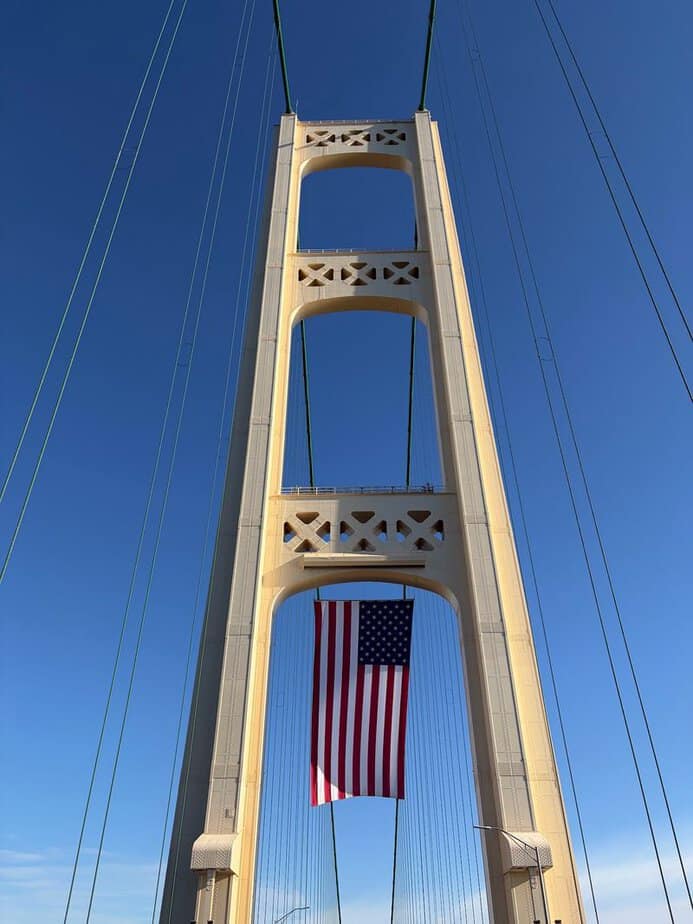
Some folks have crossed the Mighty Mac hundreds of times over a lifetime. One longtime traveler counts roughly 250 trips across in about 70 years and says it still never gets old.
That kind of loyalty says a lot about what the bridge means here. It is more than a road for Michiganders.
For decades, the span has been the link between the Lower Peninsula and the Upper Peninsula. It turned two separate halves into one state that families can drive across in a single day.
Many people describe it as a symbol of unity between the peninsulas. It ranks among the most recognizable sights anywhere in Michigan.
Grandparents who crossed it decades ago now bring grandkids along for their first trip. The tradition gets passed down like a favorite family recipe card.
A bit of history makes the crossing feel bigger. Before rolling onto the deck, it is worth taking a moment to think about how much this one structure changed travel up north.
The Four-Dollar Ticket to the U.P.
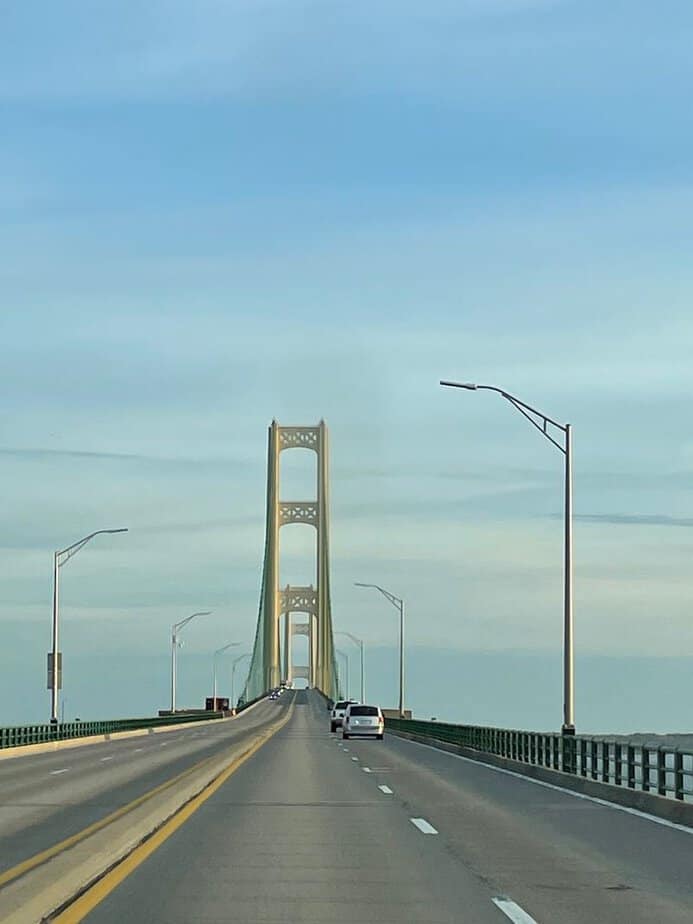
Budget road-trippers, rejoice. Crossing into the Upper Peninsula costs about $4 for a regular car, a price many first-timers call well worth it.
The toll gate sits on the north side of the bridge, near St. Ignace. Drivers heading south from the U.P. will pass through it before reaching the span.
One thing catches out-of-state drivers: the bridge does not accept E-ZPass or I-Pass. Bring cash or sign up for a MacPass, the bridge’s own electronic payment option.
MacPass is handy for Michigan families who cross often. It can save time in line during busy weekends.
Booth workers get frequent praise for being friendly. A quick hello and some change, and the trip continues.
Toll amounts for motor homes, trucks, and larger vehicles can differ, and prices may change over time. The official bridge website lists current rates, so a quick check before leaving home avoids surprises at the booth.
Good News for Nervous Drivers
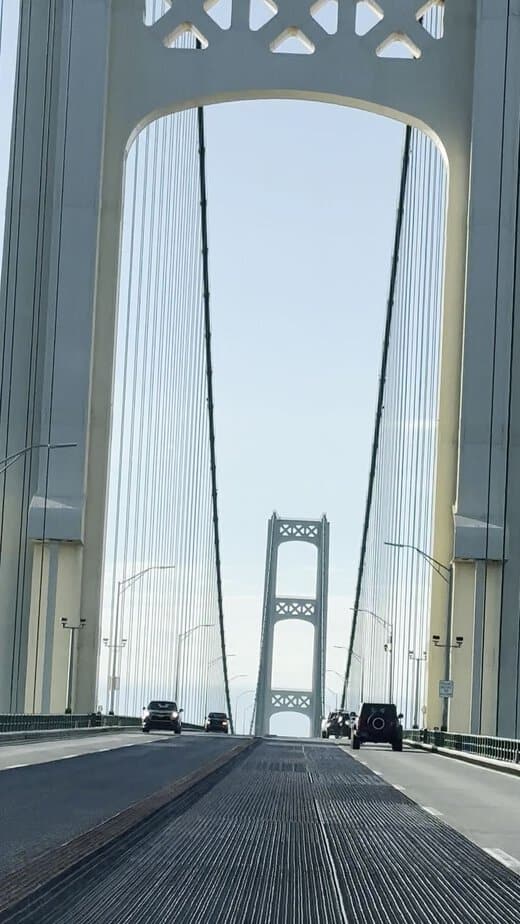
Plenty of folks spend days worrying about driving over the Mighty Mac. Then they reach the deck and find out there was nothing to fear.
The secret is simple. One lane in each direction is fully paved the entire way, so drivers do not have to roll over the open grating.
Staying in that paved lane makes the trip feel much like crossing any other bridge. Some drivers even end up laughing at how anxious they were beforehand.
Bridge-shy passengers have their own tricks. Handing the phone to someone else for photos and taking slow, deep breaths helps a lot of people get through the five miles.
The rails can look low to first-timers, and that does rattle a few nerves. Keeping a steady speed and both hands on the wheel goes a long way.
Families with a nervous driver might let a more confident relative take the first crossing. After one trip, most people are ready to try it themselves.
When the Straits Get Breezy
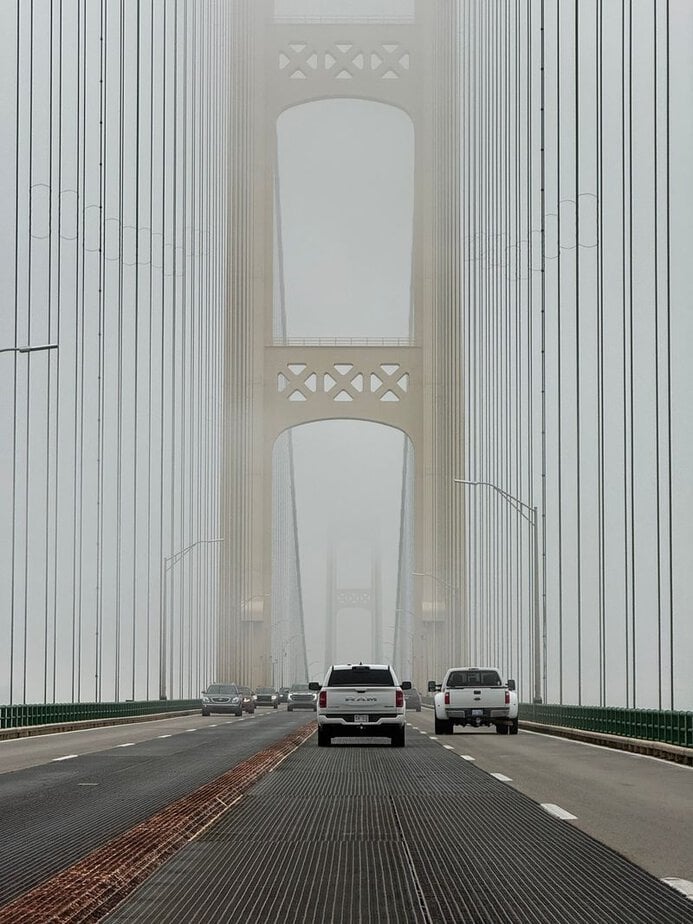
Wind is the most talked-about topic among people who cross this bridge, and for good reason. The Straits of Mackinac can turn breezy in a hurry.
Crossings during wind advisories are not unusual. Some drivers have made the trip with pre-gale warnings in effect.
Gusts matter most for tall or light vehicles. Motor homes, campers, and high-profile trucks should pay close attention to conditions before heading out.
Fog also rolls through from time to time. It can hide the towers and shorten views across the water.
During the Labor Day walk, the bridge is known to move a little underfoot. That slight sway is part of how suspension bridges handle the forces acting on them.
A smart move is checking the forecast and the bridge website before the trip. Packing an extra jacket is never a bad idea for shoreline stops, even in summer.
Five Miles on Foot Every Labor Day
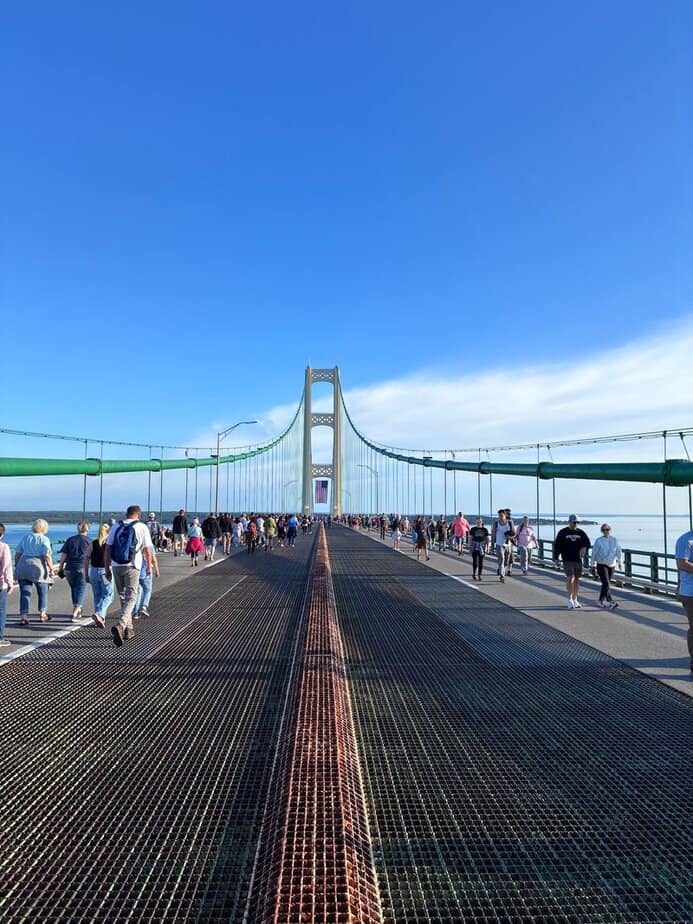
Once a year, the Mighty Mac trades cars for sneakers. The Labor Day Bridge Walk is one of the most beloved traditions in Michigan.
Families, couples, and longtime walkers sign up to cross on foot. For many, it sits right at the top of a bucket list.
Some take on a double crossing. That means walking from St. Ignace to Mackinaw City and back again, or the other way around, for about 10 miles total.
Timing matters for double crossers. Walkers need to arrive at the start line early because everyone must return to their starting side before 10 a.m.
Nobody wants to end up stranded on the wrong peninsula. Planning ahead keeps the day relaxed.
Many families turn the walk into a full Michigan vacation, adding nearby lakes and towns to the trip. Parents and grown kids often make it a yearly tradition.
Event details can change, so the official bridge website is the best place to confirm times and rules.
Lights On After Dark
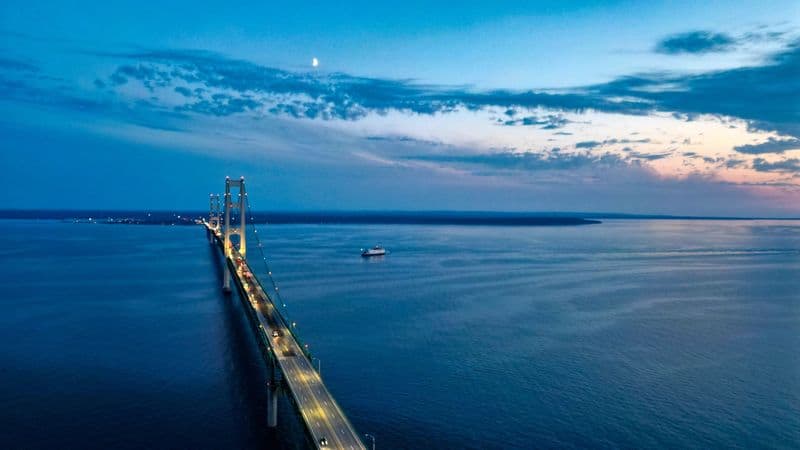
Sunset brings out a whole new side of the bridge. As evening sets in, the span becomes a glowing line across the water.
Many people say sunset is their favorite time to see it. Photographers and drone hobbyists often time their trips around that window.
There is one catch worth knowing. The bridge lights are sometimes turned off for maintenance on the lighting system.
Some families have driven up for an evening show only to find the lights dark that night. A quick online search or a check of the bridge website can save that disappointment.
Even without the lights, the shoreline offers plenty to see at dusk. The towers stand out against the evening sky either way.
Night crossings are possible too, since the bridge never closes. A first-time trip after dark can make a Michigander want to return in daylight to catch the full view.
Best Seats in the House on Shore
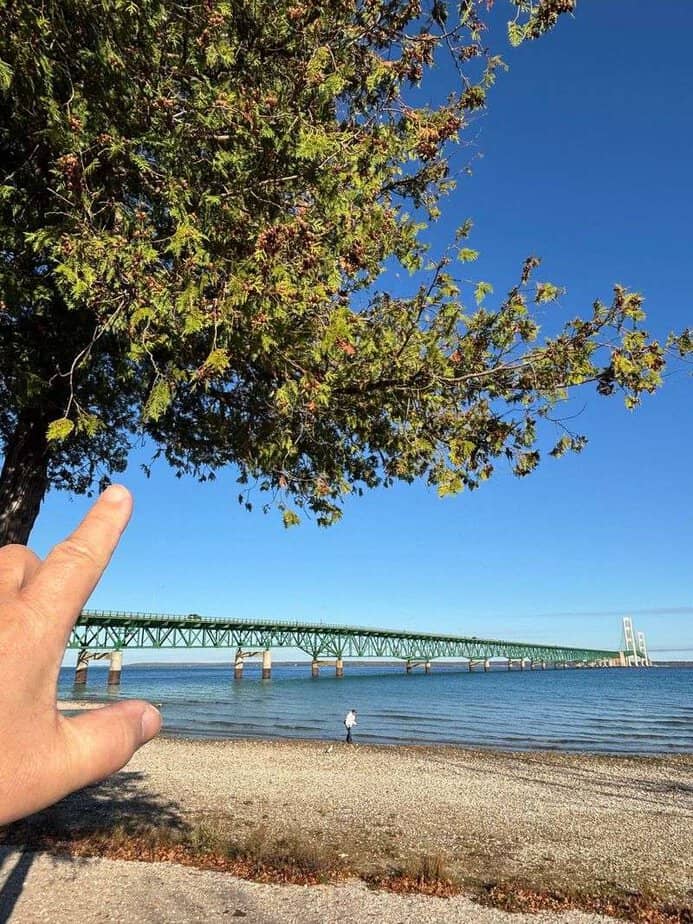
Some of the best views of the bridge come from solid ground. Viewing points on both ends show off the full scale of the span.
In Mackinaw City, beaches along the shore give families a free place to sit and watch traffic roll over the water. Spots near the water tower and along the north shore are popular.
A paid access area sits near the northwest edge of town. Prices may vary, so bring a little extra just in case.
The south end city park is another favorite stop. It sits near a lighthouse and a colonial fort, giving kids a little history with their bridge views.
For a truck parade or an evening light show, these shoreline areas are where folks tend to gather. Arriving early helps snag a good spot.
A picnic blanket and a few chairs turn the waterfront into an easy family hangout. It costs little and fills an afternoon.
Looking Up From a Ferry Deck
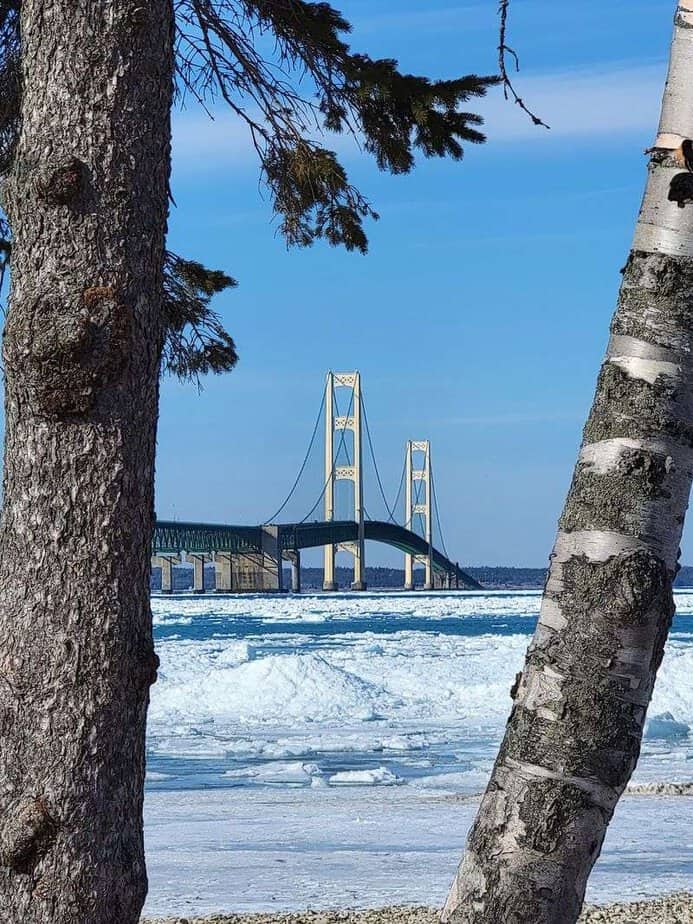
Most people only ever see the bridge from above or from the beach. A ferry ride offers an angle that surprises plenty of folks.
Ferries heading toward Mackinac Island sometimes cruise beneath the span. On calm days, passengers get a look at the underside of the deck and the towers from the water.
Shepler’s is one ferry line known for taking riders under the bridge. Routes and schedules can change, so it is wise to ask when booking.
Calm water makes these trips especially pleasant. Windy days may affect the route.
The bridge area also offers views toward Mackinac Island. Pairing an island trip with a bridge viewing makes for a full day up north.
For Michigan families who have crossed by car many times, a ferry ride turns the old familiar span into something brand new. A new angle can make the Mighty Mac feel like a first visit again.
Quiet Season and Crowd Season
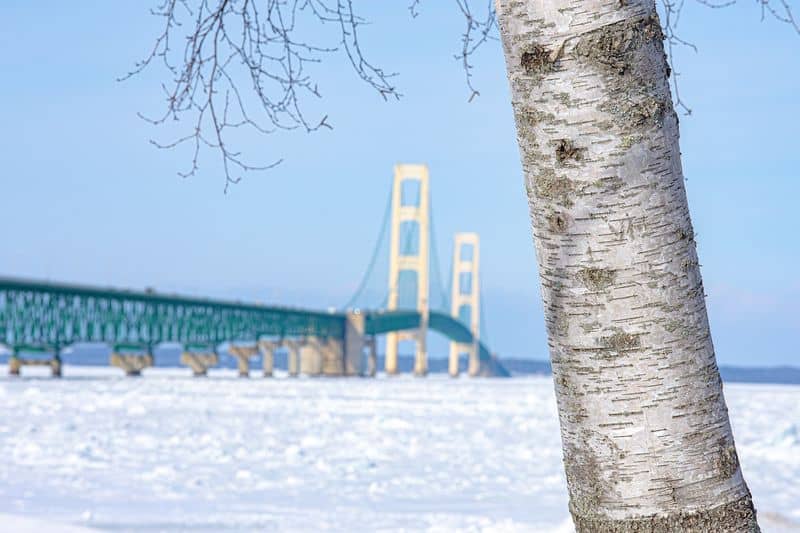
Summer brings the biggest crowds to the Straits area. Busy weekends can mean more traffic and fuller viewing spots.
Late fall tells a different story. By late October, the summer rush has faded and the shoreline feels peaceful.
Cooler weather comes with that trade-off, so warm layers are a must. Wind off the lakes can make it feel colder than the forecast suggests.
Clear days are the real prize in any season. On those days, the views across Lake Michigan and Lake Huron seem to go on and on.
Even cloudy days have fans. The size of the bridge still impresses when the sky is gray.
Mackinaw City and St. Ignace both offer restaurants, hotels, shops, and attractions near the bridge. That makes it easy to build a budget-friendly weekend around a crossing, whatever the month.
Retirees with flexible schedules may find weekdays in the off-season the calmest time to go.
Why the Mighty Mac Belongs on Every Michigan List
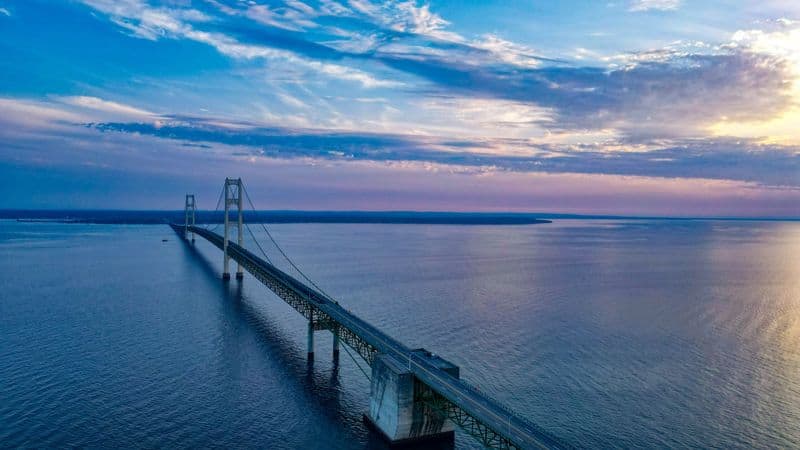
Few road trip stops in Michigan deliver this much for so little. A few dollars in toll money buys five miles of open water views and a piece of state history.
The bridge is open around the clock and is surrounded by free shoreline spots. Families can make a full day of it without spending much.
Special events add an extra layer of fun. A Labor Day walk or a convoy of lighted big rigs turns a familiar landmark into a memory.
Planning is simple. Bring cash or a MacPass, check the wind forecast, and look up event dates and lighting updates on the official website.
Nervous drivers can stick to the paved lane. Photographers can aim for sunset, and history fans can pair the trip with the lighthouse and fort at the south end.
Every Michigander should cross the Mighty Mac at least once. Seeing it glow with a parade of trucks might just be the reason to go back again next year.