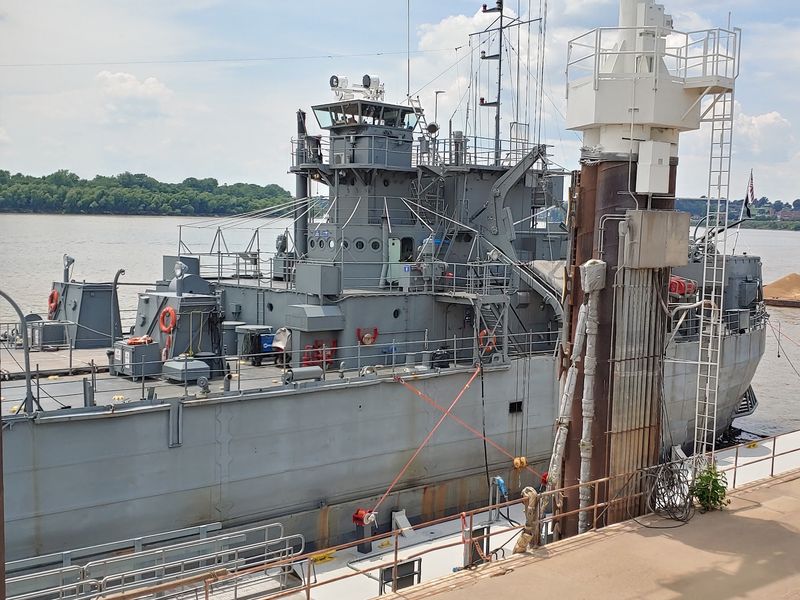
On the morning of June 6, 1944, a flat-bottomed Navy ship rolled toward the coast of France carrying troops and equipment for the biggest seaborne invasion in history. Today that very same ship sits on the Ohio River in southern Indiana, and plenty of people drive past it without a second thought.
It is not a replica, and it is not a movie prop. It still runs, it still travels, and it still welcomes families aboard for a close look at how sailors lived and worked during World War II.
Keep reading to learn where it is, what you will see on board, what a ticket costs, and the smart tips that make a trip here worth the drive.
A Normandy Veteran on the Evansville Riverfront
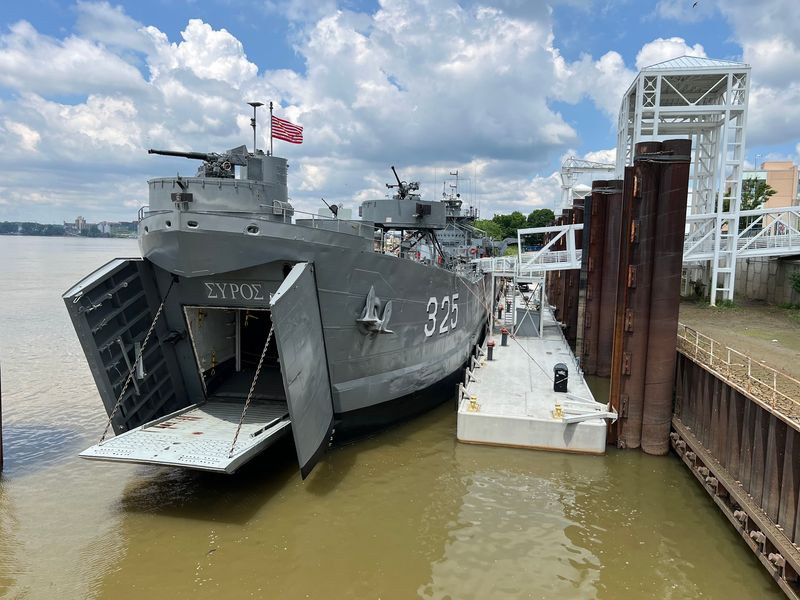
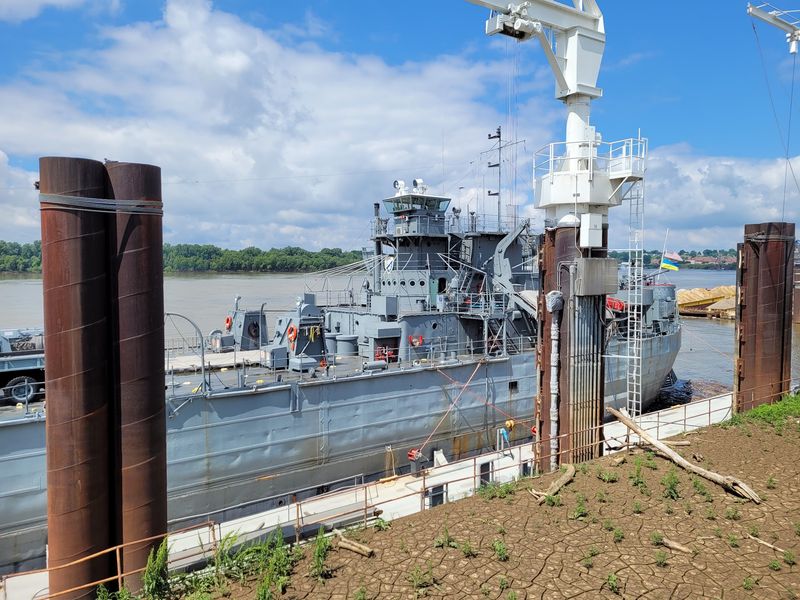
Southern Indiana keeps one of its biggest surprises tied up right along the water. The USS LST-325 is docked at 610 NW Riverside Dr, Evansville, IN 47708, on the Ohio River in the southwestern corner of the state.
LST stands for Landing Ship, Tank. These vessels were built during World War II to carry tanks, trucks, and troops straight onto beaches without needing a harbor.
The ship now operates as a history museum and memorial. It ranks among the most-loved attractions in the region, holding a 4.8-star standing from more than 800 people who have shared their thoughts about it.
What makes it stand out is simple. This is a real World War II vessel, not a model built later to look the part.
Its wartime résumé includes the Normandy invasion, where it took part in the D-Day landings in June 1944. That connection alone puts it in very rare company among surviving ships in the United States.
For Hoosiers, the bigger surprise is that this piece of world history sits a short drive from home. Many residents still have no clue it is there, which makes it a fine excuse for a weekend road trip.
From Omaha Beach to a Second Navy
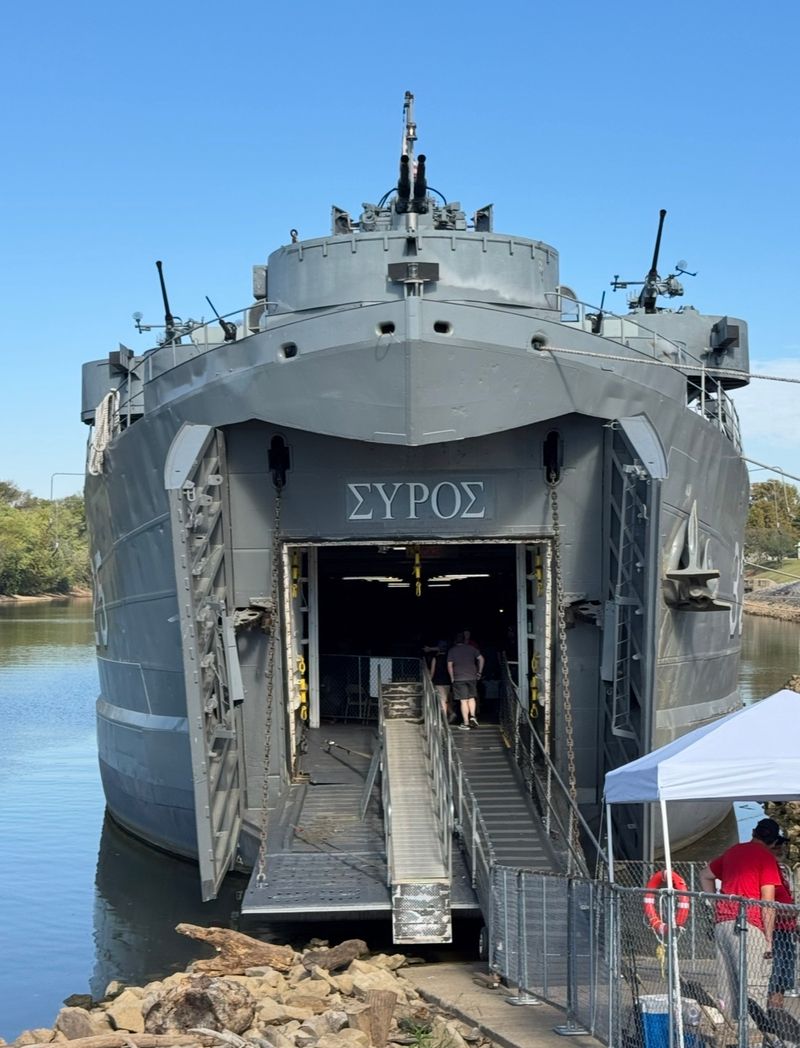
History did not stop for this ship when the war ended. After serving the United States Navy in World War II, including the D-Day landings at Normandy, the LST-325 later went on to serve in the Greek navy.
That second career kept the vessel working for decades in a completely different part of the world. It is one reason the ship survived long after many of its sister ships were gone.
Eventually, the ship came home. Getting it from a scrapyard condition back into running order took an enormous amount of work, and that effort is part of the story told on board today.
Restoration is not just a footnote here. Volunteers have kept the ship maintained and seaworthy, which explains why it can still leave the dock and travel.
Tours explain how LSTs played a role in securing Allied victories in every theater of the war. The ship carried soldiers toward the fight and helped evacuate the wounded from battle areas.
All of that turns a museum stop into something closer to a time machine with a gangway. Few places in Indiana can claim a link to two navies and one of the most famous days of the twentieth century.
The Flat Bottom That Changed Beach Landings
Most warships are built to stay far from the shore. The LST was designed to do the opposite.
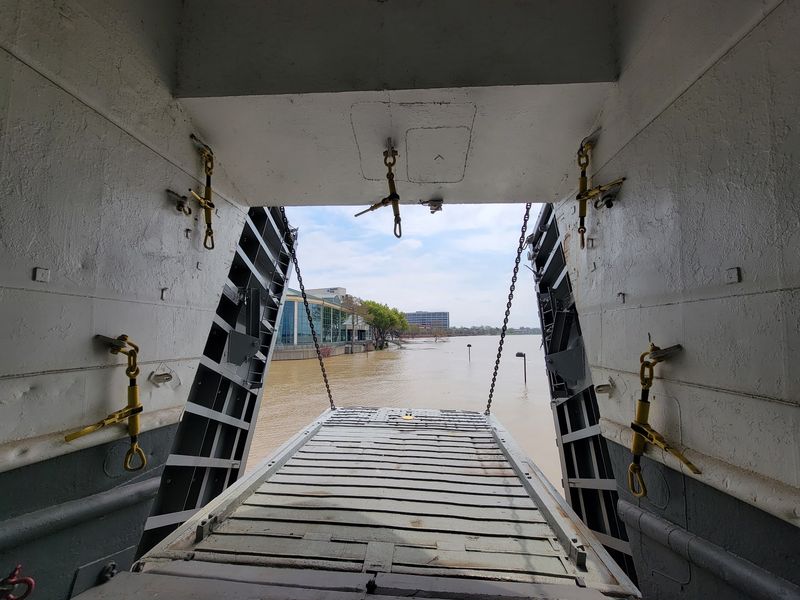
Its flat-bottom hull let it drive right up to a beach, open its bow doors, and unload heavy equipment directly onto the sand. That design solved a huge problem for military planners who needed to move tanks and supplies onto coastlines without docks.
Touring the ship makes that purpose much easier to understand. Standing aboard gives a clear sense of the scale of the work required to move troops and equipment during World War II.
Reading about these ships in a textbook is one thing. Being on one shows how much space, planning, and manpower went into each landing.
Many people leave with a new appreciation for how practical the design was. It was not flashy, but it was effective, and it helped make major invasions possible.
Kids especially tend to grasp the idea quickly once they see the layout in person. A boat that is meant to bump into the beach on purpose is a fun concept to explain on the drive home.
Bunks, Galley, and the Captain’s Quarters
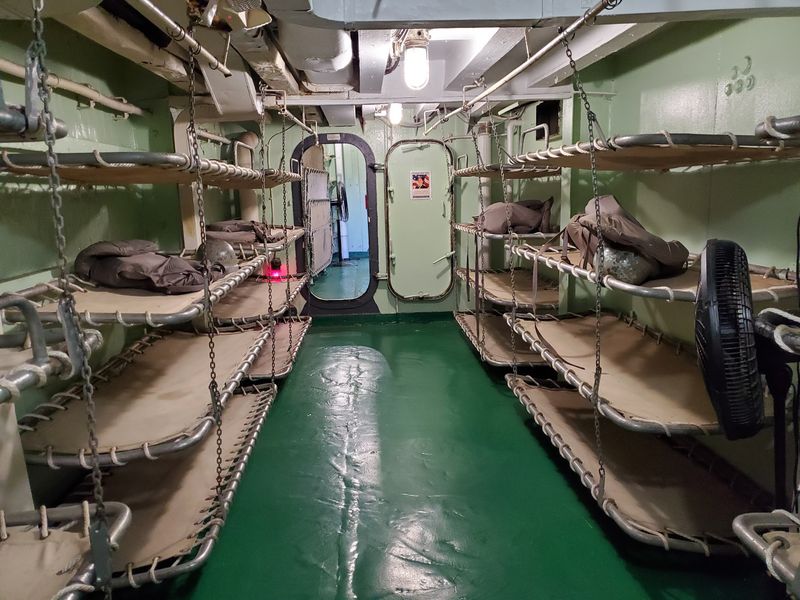
Space was a luxury sailors did not get. The tour shows that clearly through the ship’s tight living quarters.
Stacked sleeping areas reveal just how little personal room each crew member had. Grandparents bringing grandkids often find this part sparks the most questions.
A working kitchen is also part of the tour. Seeing where meals were prepared for a full crew helps explain daily routines at sea.
The captain’s quarters offer a contrast worth noticing. Rank brought a little more privacy, though even the person in charge did not live in grand style.
The museum does a strong job detailing the living conditions of three groups. These include the ship’s crew, the soldiers carried aboard for landings, and the wounded who were evacuated from battle.
Each group lived a different version of life aboard the same vessel. Learning about all three gives a fuller picture than a typical warship tour.
Many guests mention leaving with a real perspective on what service members endured. A one-hour visit only scratches the surface of a ship this complex, so plan to linger if time allows.
Guides Who Actually Wore the Uniform
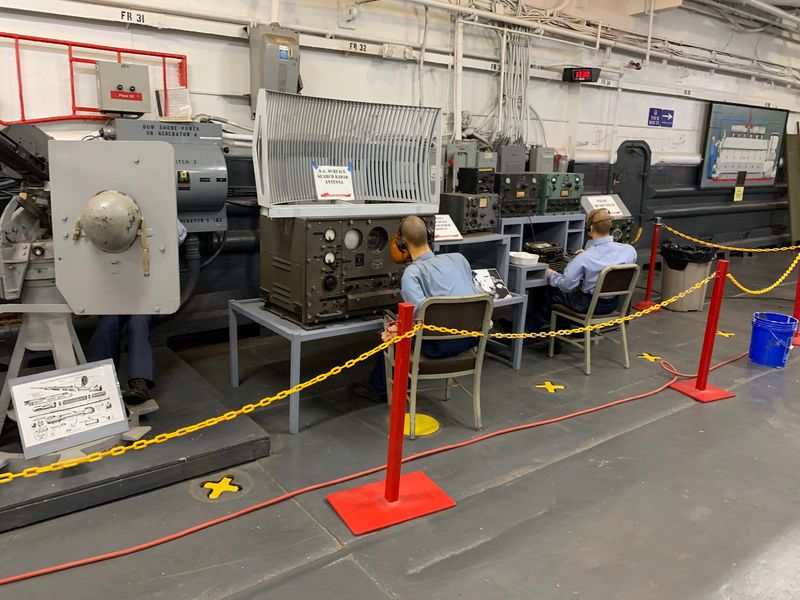
Ask a question on this ship and there is a decent chance the answer comes from someone who served. Many of the volunteers aboard are military veterans stationed at different parts of the vessel.
Their job is to explain the stations, equipment, and history of each area. They are known for being friendly, patient, and genuinely happy to share facts.
Tour guides are one of the most talked-about parts of a trip here. Knowledgeable staff come up again and again as a highlight.
Some guides have made such an impression that people remember them by name. Former Navy sailors have said they learned plenty of things they did not know before boarding.
Small groups tend to get the most out of these conversations. With fewer people around, there is more time for follow-up questions and personal stories.
The crew members who travel with the ship actually live aboard during its trips. That adds another layer to the experience, since the people sharing the ship know it from daily life.
A good guide can turn steel walls and old equipment into a story that sticks. Here, that seems to happen on a regular basis.
A Warship That Still Leaves the Dock
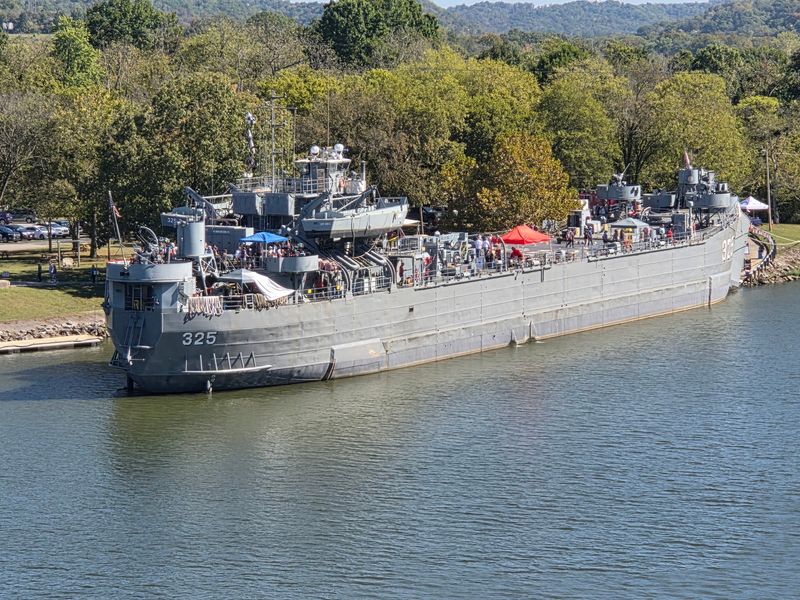
Here is the twist many people miss. The LST-325 is still operational, and it travels the rivers to visit other cities.
On these trips, sometimes called mini deployments or an annual cruise, the ship stops in river towns and opens for tours. Recent stops have included places such as Hendersonville and Clarksville in Tennessee, Muscatine in Iowa, and Alton in Illinois.
Crowds in those towns often turn out early just to watch the ship depart. Seeing a World War II vessel move under its own power is a rare event in the modern era.
For Hoosiers, this matters for planning. When the ship is away on a cruise, it is not sitting at its Evansville dock.
Checking the official website before driving is the smart move. The site at lstmemorial.org is the best place to confirm where the ship is and when it returns home.
That travel schedule also explains why so many people outside Indiana know the ship well. Folks along other rivers sometimes have toured it before residents of its own home state.
A little advance homework can keep a family outing from turning into an empty riverbank and a long ride back.
Hands-On Fun for the Younger Crew
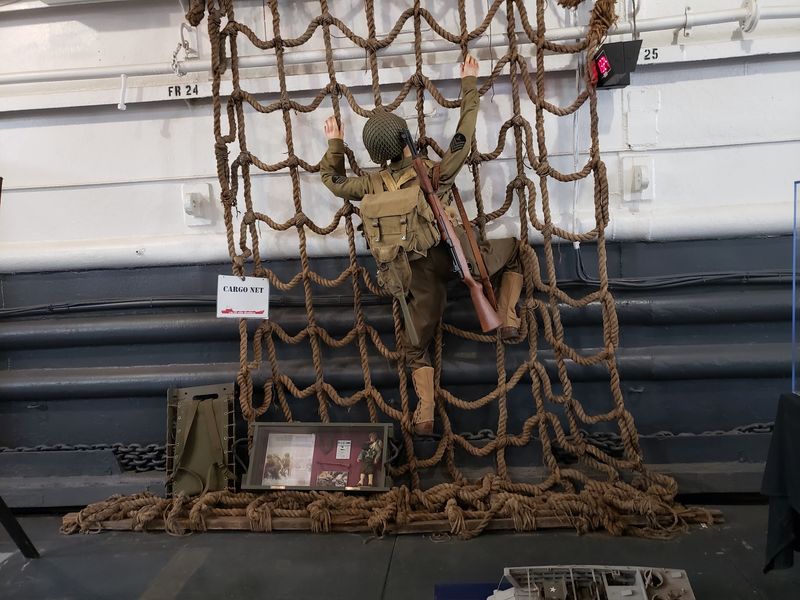
History lessons go down easier when kids can touch something. The ship includes a few hands-on spots where children, and plenty of adults, can try things out.
There are also several photo opportunities scattered through the tour. Those make for good souvenirs and a nice way to keep younger guests engaged.
Grandparents seem especially fond of this stop. Bringing an 11-year-old museum fan here has been described as both fun and educational.
Children often focus on the tight quarters and how sailors managed in such small spaces. Those details make the past feel real in a way books cannot always manage.
The tour is recommended for all ages. Families with multiple generations often come together, with a grandfather or parent who served sharing memories along the way.
Some guests arrive with personal ties to similar ships. Relatives of sailors who served on other LSTs have said the tour gave them a better sense of what their loved ones experienced.
Bringing the younger generation is a recurring theme. A ship that helped shape history becomes a family conversation starter long after the visit ends.
Self-Guided Paths and Ladder Workouts
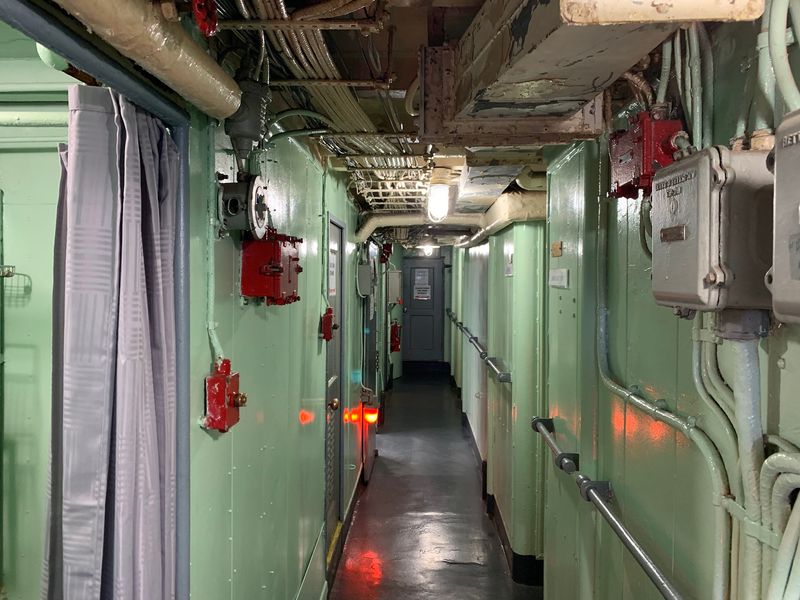
Comfortable shoes are not optional here. Tennis shoes are strongly recommended because the route includes ladders, narrow passageways, and multiple levels.
The gangway itself is not very strenuous. Still, there are several flights of steps involved, so guests with mobility concerns should plan accordingly.
Most tours are self-guided. The route is easy to follow, and the information along the way is clear and well presented.
Volunteers are stationed throughout the ship to answer questions. That setup lets guests move at their own pace while still getting expert help.
Some people wish for a fully guided option, and guided tours have been offered at times. Asking on arrival is a good way to find out what is available that day.
The self-guided format covers a surprising amount of the ship. Plenty of areas are open for exploring, which is part of the appeal.
Displays add useful historical insight between stops. Plan for at least an hour, though history fans could easily spend longer reading every panel and chatting with the crew.
Twenty Dollars for a Ticket to 1944
Money talk first. Admission is $20 for adults.
Tickets are sold on-site only, with no advance sales. Credit card payments carry a 2 percent service fee, so bringing cash can save a little.
A military discount is offered for active duty members only. Veterans should not assume the discount applies to them.
Hours at the Evansville dock run from 10 AM to 4 PM, Wednesday through Sunday. The ship is closed on Mondays and Tuesdays.
Arriving close to opening time is a solid strategy. It leaves room to explore without rushing before the 4 PM close.
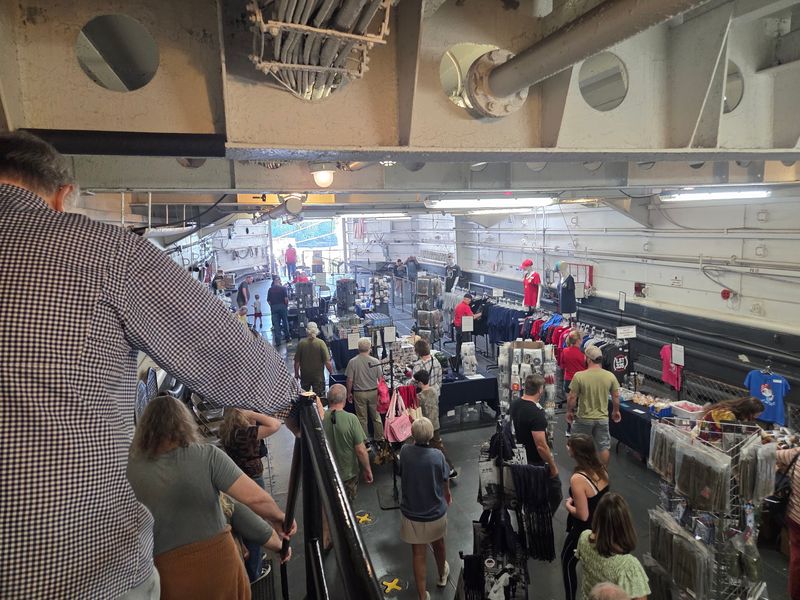
A gift shop sells Navy and ship merchandise. Its hours can differ from special event times, so plan purchases during regular hours.
Private events can also be booked on the ship. Staff can provide quotes for anyone interested in hosting a gathering aboard.
For a real World War II ship with a D-Day story, the price of admission is reasonable for most families. Put simply, it is a modest fee for a very big chapter of history.
Smart Moves for Summer and Busy Days
Summer brings heat inside the ship. Bringing plenty of water and a cooling towel is a wise idea during warmer months.
Steel ships hold heat, and the climbing adds to the effort. Taking breaks and pacing the tour helps keep everyone comfortable.
Crowds can also be a factor, especially during traveling stops. The open lower deck has become congested at busy times, with lines backing up near the stairs.
Patience goes a long way in those moments. Following the marked line keeps things moving for everyone.
Guests should know that ship guns are sometimes discharged during events. Anyone sensitive to loud noises, including veterans, may want to ask staff about timing before boarding.
Pets may be present on occasion, since some guests bring dogs. Staff have shown they are quick to help if a minor issue comes up.
Quieter weekdays usually mean smaller groups. Smaller groups often get more time with guides and a more relaxed pace overall.
A little preparation turns a good trip into a great one. Water, sneakers, and an early start make the biggest difference.
Worth the Drive Down to the Ohio River
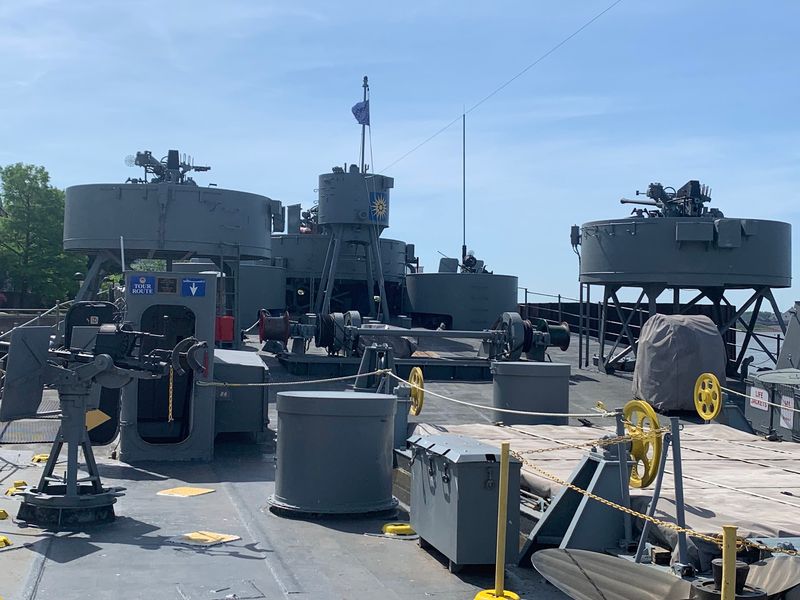
Some attractions are fun for an afternoon. This one tends to leave people with something more lasting.
Many guests describe the tour as both a privilege and a humbling experience. Learning about the builders, the crew, and the soldiers who relied on this ship adds real weight to the visit.
History buffs will find plenty of depth. Casual travelers will find a unique outing that feels nothing like a typical museum.
Families planning a weekend trip have a strong option here. The ship pairs history, hands-on moments, and expert volunteers in one stop.
Indiana has a habit of hiding world-class things in plain sight. A D-Day veteran ship floating in Evansville is a perfect example.
Before heading out, check the website to confirm the ship is home and not on a cruise. Then pack water, wear sneakers, and bring cash for the $20 adult ticket.
Plenty of Hoosiers still have no idea this ship is here. After one visit, odds are good they will be the ones telling friends and family about the Normandy veteran waiting on the Ohio River.