Most drivers in southeastern Indiana roll past gray rock and never think twice. That is a mistake, because the stone in this corner of the state is packed with creatures far older than the dinosaurs.
Kids crouch near the rubble and walk away with seashells that came from an ocean long gone, and nobody hands over a ticket. The spot sits near a tiny town in Dearborn County, close to the Ohio line, and it costs exactly nothing to look.
This guide explains what is hiding in that rock, why Indiana has so much of it, and how families can go about a visit the smart and safe way. There are also a few rules worth knowing before anyone grabs a bucket.
Keep reading, because the next time a road trip heads toward Cincinnati, the drive itself could become the main event.
A Pin on the Map in Dearborn County
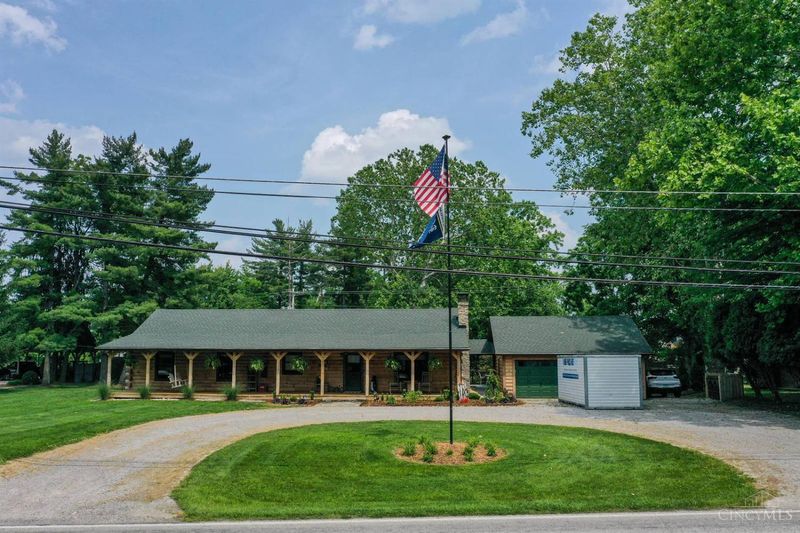
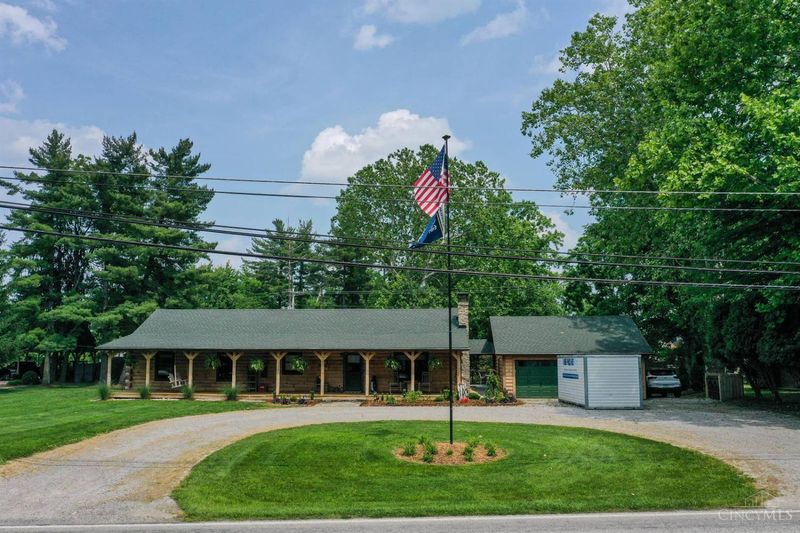
Small towns rarely make headlines, and St. Leon seems perfectly fine with that. The place in question is St Leon Ct, listed simply as St Leon, IN 47060, in Dearborn County in the southeastern corner of Indiana, United States.
St. Leon is a quiet community near Interstate 74, the main route linking Indianapolis and Cincinnati. Drivers heading toward the Ohio border pass right by it.
The listing itself is modest, with no fancy visitor center and no gift shop attached. That plain profile is part of the charm.
What makes the area interesting lies underfoot rather than on a sign. The bedrock around this part of the state belongs to a famous band of ancient sea floor that geologists and hobby collectors have studied for generations.
Dearborn County sits within the broader Cincinnati region, a zone known worldwide among fossil fans. Stone exposed by road building, creek beds, and hillsides in the region often holds the remains of small marine animals.
So the address may look like a dot on a map. For families who know what to look for, that dot is the starting line for a very old story.
Ocean Floor Under the Cornfields
Long before anyone farmed southeastern Indiana, the land was covered by a warm, shallow sea. That was during the Ordovician Period, roughly 450 million years ago.
Countless small animals lived and settled on that sea floor. Over time, mud and shell fragments piled up and hardened into layers of limestone and shale.
Those layers are the same rocks found around St. Leon today. Geologists group much of this stone into what is often called the Cincinnatian Series, named for the region around Cincinnati.
The timing is worth a moment. These creatures were around long before the first dinosaurs appeared.
That means a child holding a shell from this rock is holding something older than a T. rex by a huge margin. It makes for a pretty great show and tell moment.
Indiana did not stay underwater, of course. The sea retreated, the land rose, and erosion and later construction eventually cut into those ancient layers, putting the old sea floor back within reach.
Why Road Cuts Became Treasure Chests
Highway builders were not trying to help fossil hunters. They simply needed flat, level roads through hilly country.
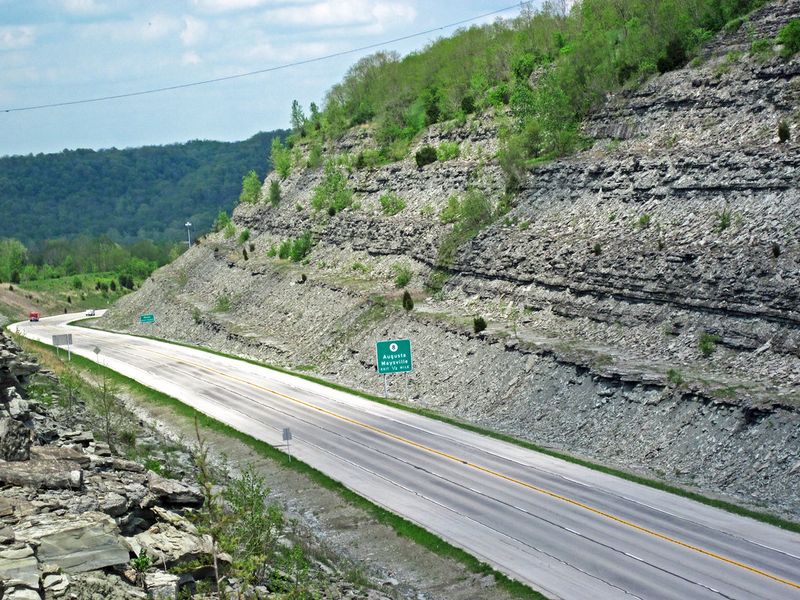
To get there, crews blast and slice through hillsides. The result is a road cut, a wall of exposed rock that shows layer after layer like pages in a book.
In the hills near St. Leon, those walls reveal the shale and limestone of the old Ordovician sea floor. Weather breaks the softer shale down, and loose pieces tumble toward the base.
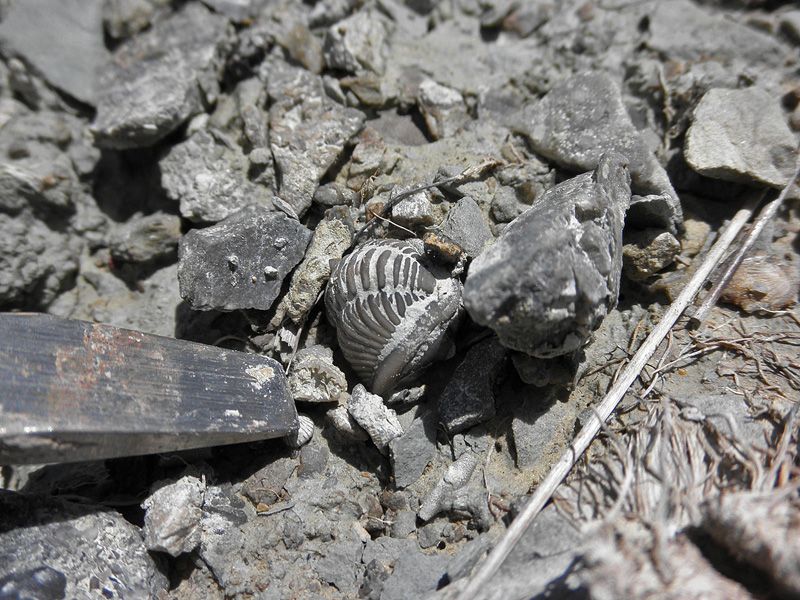
Those loose chips are where many fossils turn up. Rain washes them clean, and sharp eyes can spot shells resting right on the surface.
Every season of freezing and thawing loosens a bit more rock. That slow process keeps the supply refreshed year after year.
It is a happy accident of engineering. A project meant for trucks and commuters ended up opening a window into deep time.
Brachiopods, the Stars of the Show
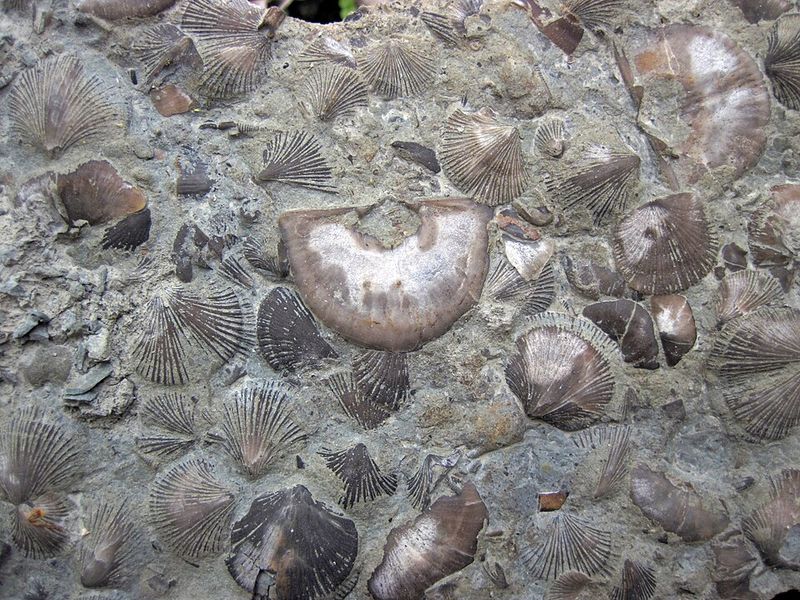
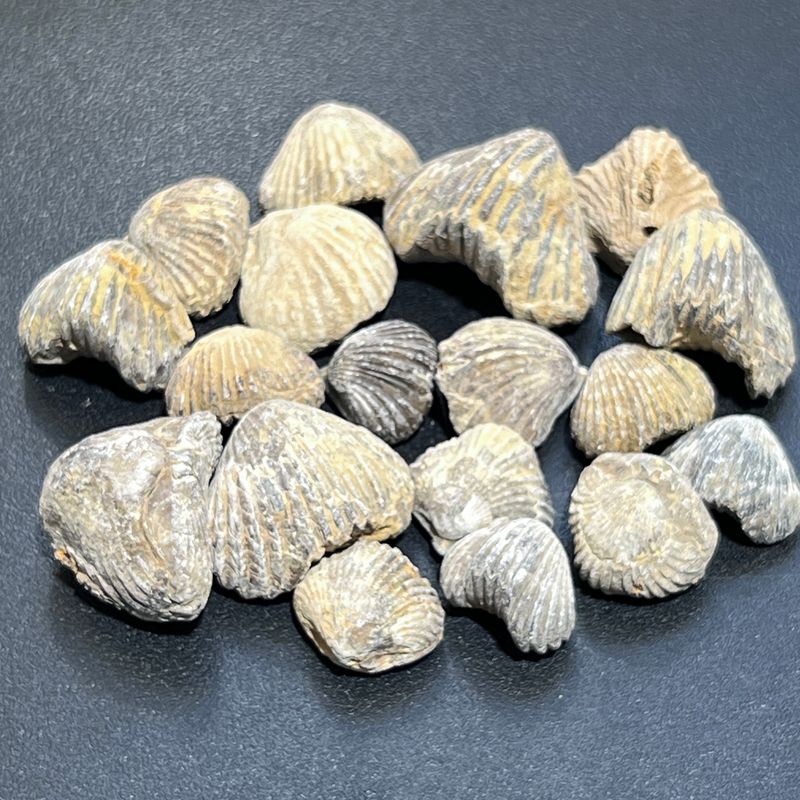
Ask a seasoned collector what turns up most often in Cincinnatian rock, and brachiopods top the list. These are the little shells most kids find first.
Brachiopods look a lot like clams at a glance. They are a different group of animals, though, with two shells that are shaped differently from top to bottom rather than side to side.
In the Ordovician seas, they were everywhere. Their sheer numbers explain why so many survive as fossils today.
Many have fine ridges running across the shell. Some are flat, some are puffed up, and some are about the size of a thumbnail.
Because they are so common, they are a perfect first find. A child can pick up several in a short stop and start comparing shapes.
Here is a fun bit of trivia for the ride home. Brachiopods are still alive today in some oceans, so these fossils belong to a family that has stuck around for an astonishingly long time.
Crinoid Stems That Look Like Tiny Buttons
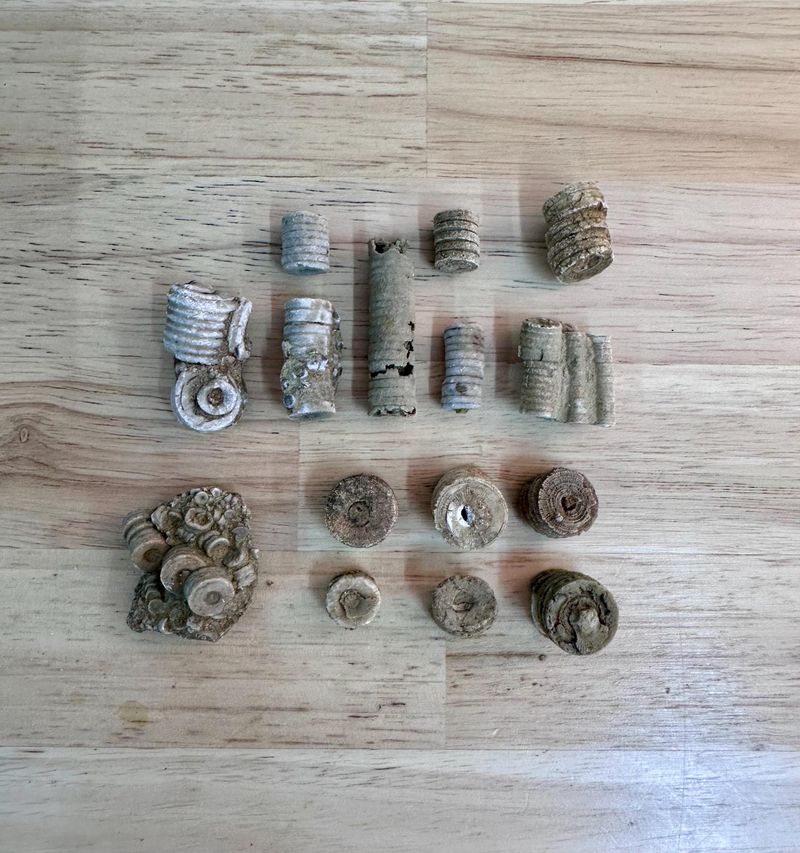
Plenty of young hunters call them stone Cheerios. Crinoid stem pieces are small, round discs, often with a hole in the middle.
Crinoids are sometimes nicknamed sea lilies. They are actually animals related to starfish and sea urchins.
In life, a crinoid had a long stalk made of stacked discs, topped with a cup and feathery arms. When the animal broke apart, the stalk scattered into dozens of separate pieces.
That is why loose stem segments are far more common than complete crinoids. A full head, with the cup and arms intact, is a rare prize.
Kids tend to love these because they are easy to spot once the eye gets trained. A short section of several discs still stuck together is a nice step up from a single button.
Collectors in the region have long gathered them by the handful. They also make a great starting point for a talk about how animals and plants can look surprisingly alike.
Bryozoans and Horn Corals in the Mix
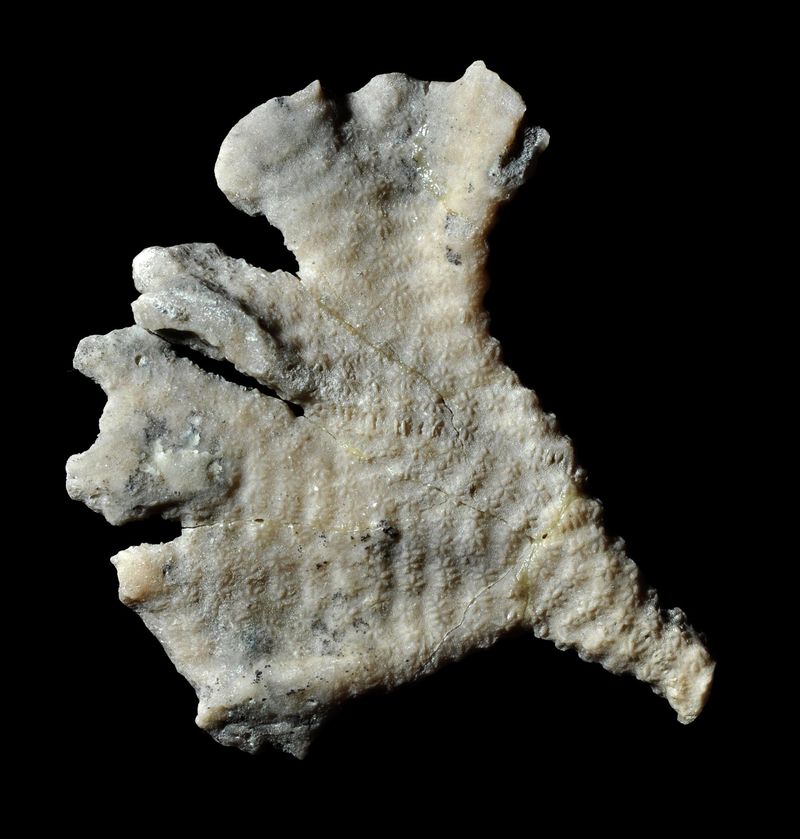
Not every fossil here is a shell. Some of the most common finds look more like twigs.
Those twiggy pieces are usually bryozoans. They were colonies of tiny animals that built branching or mound shaped skeletons on the sea floor.
Look closely at a bryozoan fragment and the surface is covered in very small pores. Each pore once held one of the tiny members of the colony.
Horn corals are another possible find in Cincinnatian rocks. They are shaped like a small cone or an animal horn, which explains the name.
These corals lived alone rather than in big reefs. Their curved shape makes them easy to recognize once someone has seen one.
Finding a mix of these alongside brachiopods tells a bigger story. It shows that the old sea floor was a busy neighborhood with many different residents.
The Trilobite Dream
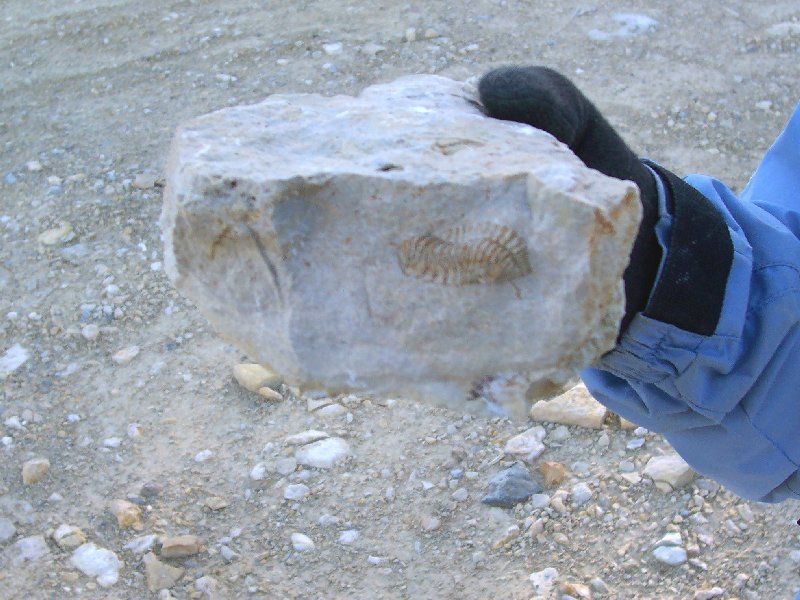
Every fossil hunter in this region secretly hopes for one thing. That thing is a trilobite.
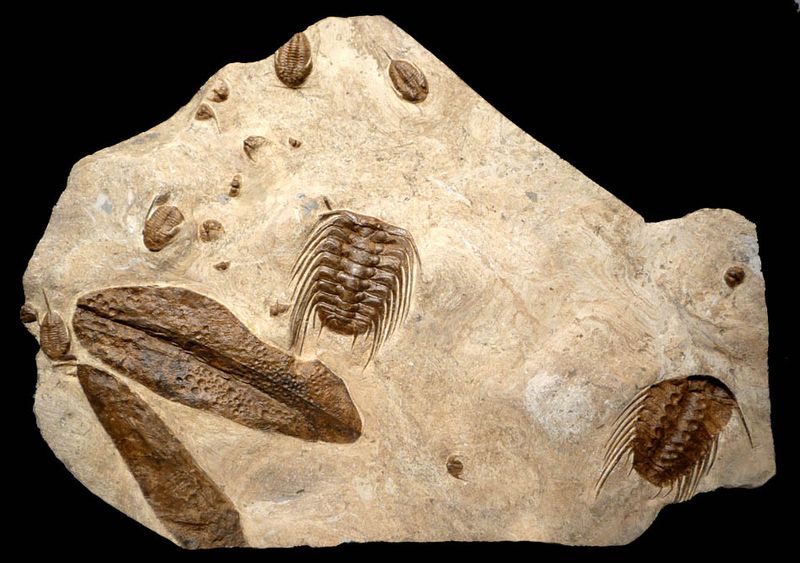
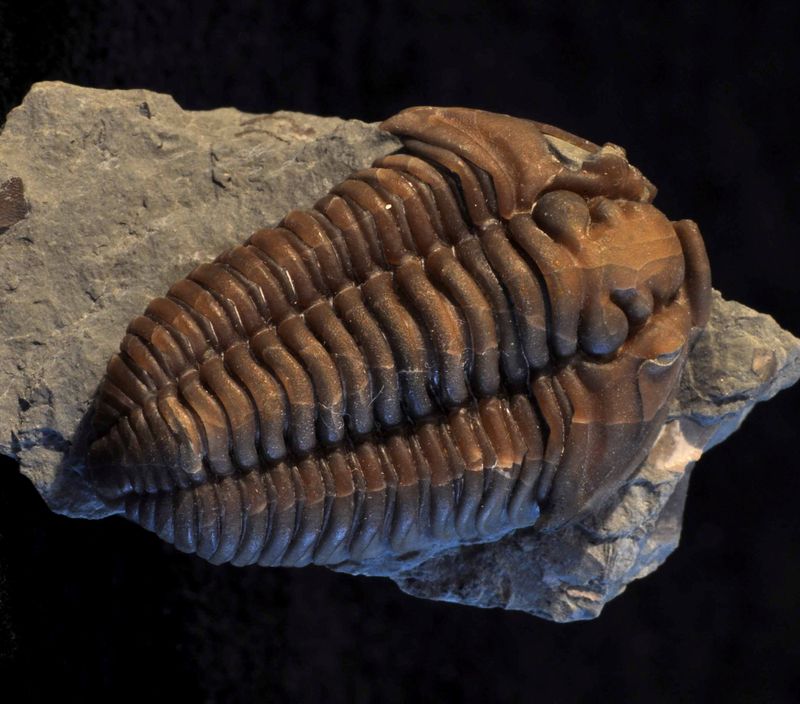
Trilobites were armored sea creatures with segmented bodies, distant relatives of today’s insects, crabs, and spiders. They lived in the Ordovician seas that once covered Indiana.
Complete trilobites are rare finds in the Cincinnati area rocks. Much more often, people find small pieces, such as part of a tail or a section of the body.
Even a fragment counts as a win. It is a real piece of an animal that crawled along the sea floor hundreds of millions of years ago.
Managing expectations helps here. Telling kids that trilobites are the rare bonus, not the guaranteed prize, keeps the outing fun.
That way a pile of brachiopods still feels like success. And if a trilobite piece does show up, the celebration becomes a family legend.
Safety Before Shells
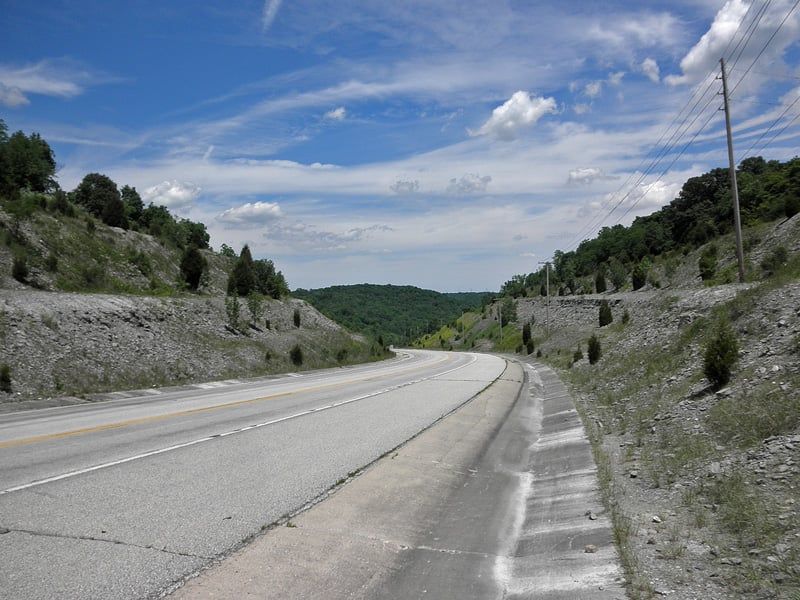
Here comes the serious part, and it matters more than any fossil. Interstate highways are not places to pull over and wander.
Stopping on the shoulder of Interstate 74 for anything other than an emergency is unsafe and is generally not allowed. Fast traffic and narrow shoulders make it a poor choice for families.
Rock walls along roads can also shed loose stone. Climbing on them is risky, especially for children.
A smarter approach is to look for legal, safe access points away from heavy traffic. Local roads, public land with clear rules, and organized club outings are better options.
Bright clothing, sturdy shoes, and an adult keeping an eye on younger kids all help. Staying at the base of any slope rather than climbing it is a good habit too.
A fossil is not worth a close call. Planning ahead keeps the adventure in the happy memory category.
Rules of the Rock
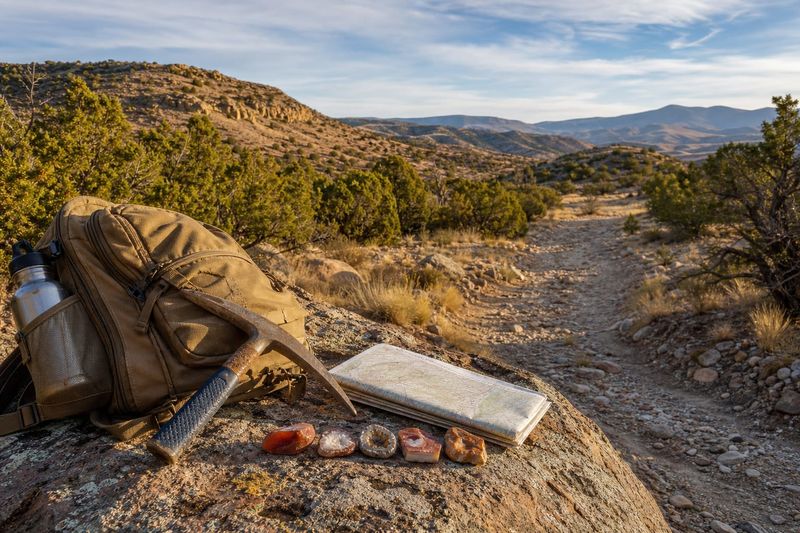
Free does not always mean open to everyone. Land ownership matters, even when the rock looks like it belongs to nobody.
Much of the land in rural Indiana is private property. Asking permission before collecting on someone’s land is the right move.
Highway right of way is controlled by the state. Rules about stopping and collecting there can differ from rules on other land, so checking first is wise.
State parks and nature preserves often have their own policies. Many protected areas do not allow fossil collecting at all.
A quick call or online check with the right agency can clear things up. Local rock and fossil clubs also tend to know which places welcome collectors.
Following the rules keeps these spots available for the next family. It also teaches kids that respecting a place is part of exploring it.
A Kid-Sized Science Lesson
Few school lessons stick like a fossil found by hand. That is the real magic of a spot like this.
Children get to see how layers of rock form over time. They learn that the ground under Indiana was once an ocean.
Sorting finds into groups makes for a great follow up activity. Brachiopods go in one pile, crinoid pieces in another, and mystery items in a third.
A small magnifying glass adds a lot. Bryozoan pores and shell ridges become much easier to spot.
Older kids can try sketching their favorite pieces. Younger ones usually just want to count them, which works too.
Library books and museum websites about Ohio Valley fossils help put names to finds at home. By the end, a car ride has quietly turned into a hands-on science unit.
What Goes in the Bag
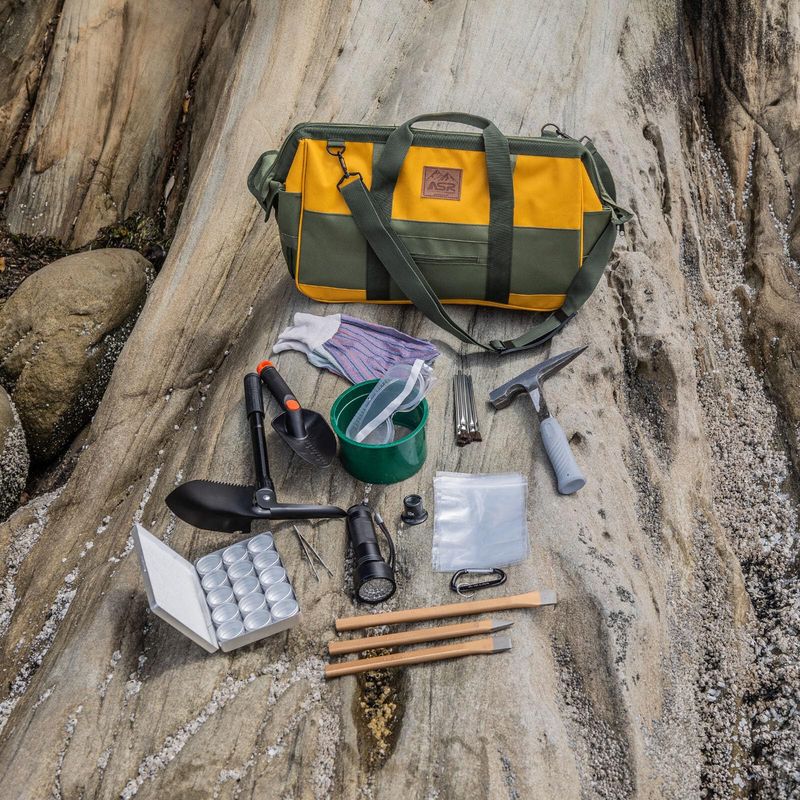
Good gear for this trip fits in a small backpack. Nothing expensive is required.
Zip bags or an old egg carton keep small fossils from rattling around and breaking. Labeling each bag with the date and place helps later.
Work gloves protect hands from sharp rock edges. Closed shoes with good grip are a must.
Water and snacks keep the crew going. Sunscreen and a hat help on open, unshaded ground.
A magnifying glass and a simple fossil guide make identification much easier. A phone camera works for snapping finds in place before picking them up.
Hammers and chisels are usually unnecessary for loose surface pieces. Many of the best finds are just sitting there, waiting to be noticed, so light packing beats heavy hauling.
Timing the Hunt
Weather plays a bigger role than most people expect. Rain can be a fossil hunter’s best friend.
After a good rain, loose shale and limestone chips get washed clean. Fossils that were dusty or buried become easier to spot.
Spring and fall tend to offer comfortable temperatures for crouching and searching. Summer works too, with plenty of water and some patience.
Winter freezing and thawing loosens new rock. That means early spring visits may turn up fresh material.
Daylight matters as well. Searching in good light makes small shells easier to tell apart from plain stone.
Very wet or icy days are a different story. Slick slopes are a hazard, so a slightly drier day after a storm usually strikes the right balance.
Getting There Without the Fuss
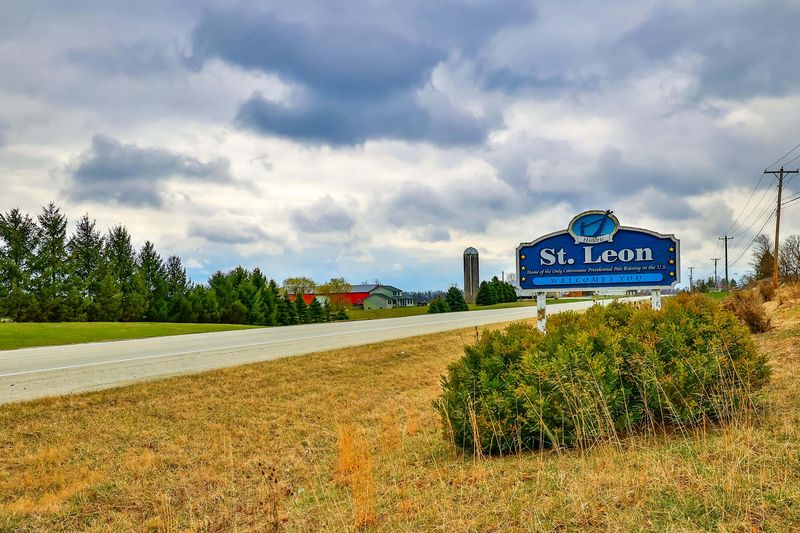
Reaching St. Leon is simple for anyone driving across southeastern Indiana. The town sits near Interstate 74 in Dearborn County.
Indianapolis lies to the northwest along that interstate. Cincinnati sits a short drive to the southeast across the Ohio line.
That location makes it an easy add-on for a family day trip. It also works as a stretch break on a longer drive.
The listing does not include posted hours or an admission price. There is no ticket booth tied to the address in the available information.
That is the value angle that makes this area appealing. Looking at rocks costs nothing beyond gas and snacks.
Parking should always be in legal, safe spots, never on an interstate shoulder. Mapping a route on local roads ahead of time takes the guesswork out of arrival.
Worth the Detour for Curious Families
Some outings need tickets, reservations, and a budget. This one mostly needs patience and a sharp pair of eyes.
St. Leon and the surrounding Dearborn County hills sit on top of an ancient sea floor that still gives up shells today. That alone makes the area a quiet point of Hoosier pride.
Families get a free science lesson, a little fresh outdoor time, and a pocketful of stories. Kids get to hold animals older than the dinosaurs.
The best visits follow a few simple habits. Stay off the interstate shoulder, ask before collecting on private land, and keep a close eye on little ones.
Bring bags, gloves, and a sense of humor about what turns up. Brachiopods are likely, crinoid buttons are common, and a trilobite is the lucky bonus.
For road-tripping Hoosiers, it is a reminder that ordinary scenery can hold extraordinary history. The next drive through southeastern Indiana might just come home a little heavier, in the best way.