Some of the best wildlife watching in southern Indiana happens with the windows rolled down and the engine idling. Just outside Seymour, a quiet auto tour winds past ponds, swamps, and restored wetlands where herons, cranes, and other wild neighbors go about their day.
You can stay in your seat the whole time, or park and wander a paved trail when something catches your eye. Here is everything you need to know before you make the drive.
A Federal Refuge Hiding Near Seymour
Most drivers on the highways around Jackson County never guess that a federal wildlife haven sits just off their route.
Muscatatuck National Wildlife Refuge is located in Seymour, IN 47274, United States, in the southern half of Indiana. It is managed as a national wildlife refuge, which means the land is set aside first for animals and their habitat.
People come for the birds, the hiking, and the slow drive through wetlands. The refuge holds a strong 4.8-star standing from more than a hundred write-ups, which says plenty about how locals feel about it.
The property is large, with plenty of ponds, lakes, and river areas spread across it. Several trails, viewing decks, and a fishing dock add to the mix.
Families use it as a quick escape, photographers use it as a backdrop, and bird lovers treat it like a second home. Some people even stumble onto it by accident while exploring back roads, then keep coming back.
The heart of the experience is the auto tour route, a loop built for spotting wildlife from the driver’s seat. That loop is where the real fun begins, so buckle up for the next stop.
Twelve Stops on the Auto Tour
Road trips usually reward speed, but this one rewards patience.
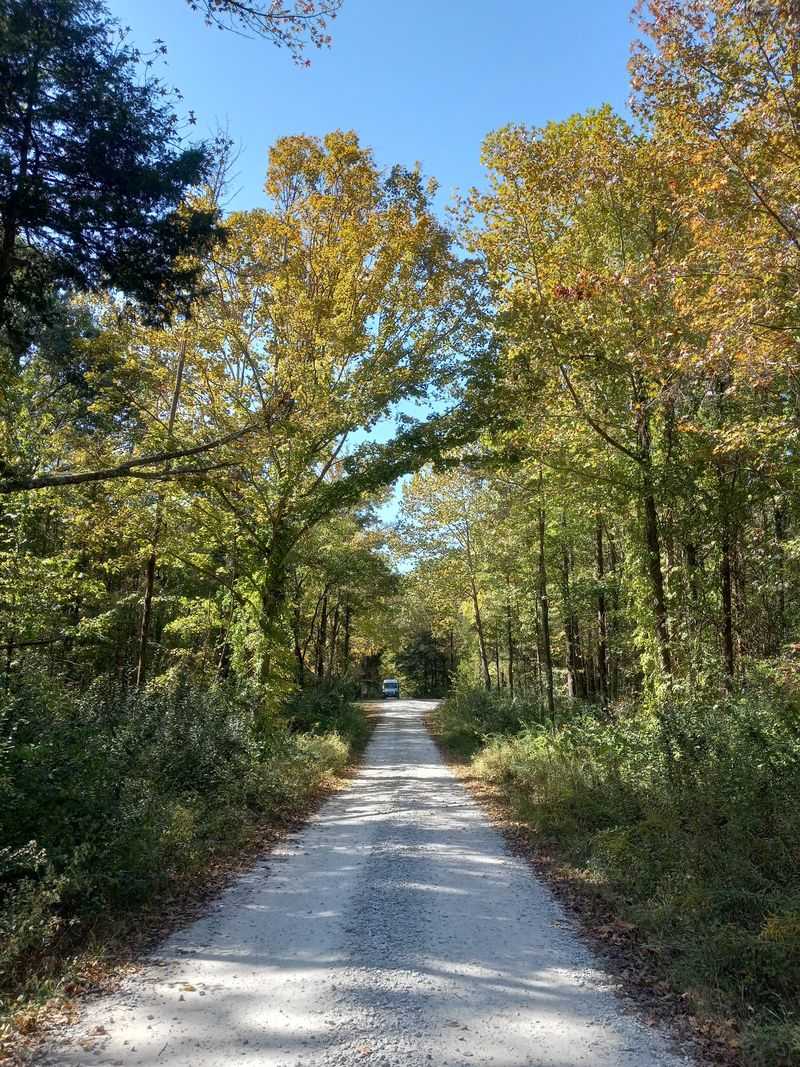
The auto tour at the refuge is made up of 12 designated stations. Each one points out something worth a pause, and plenty of extra features sit between them.
Along the way, the route passes ponds, lakes, a boat launch, viewing decks, a fishing dock, a historic cabin, a barn, and trailheads. It is easy to spend a whole morning on a loop that looks short on a map.
The beauty of the setup is flexibility. You can drive the full route without stepping out, or park at one of the many trail lots and stretch your legs.
That makes it a smart pick for grandparents, little kids, or anyone with limited mobility. Wildlife often feels less bothered by a quiet car than by a group on foot, so staying inside can pay off.
The headline promises bald eagles and river otters, and wetlands like these are where people hope to find them. Nature keeps its own schedule, though, so no sighting is ever guaranteed.
Some trips bring a parade of birds, and others bring very little. Regulars treat a quiet day as a reason to return, not a reason to quit.
Where Every Trip Should Begin
Smart explorers grab the map before they grab the binoculars.
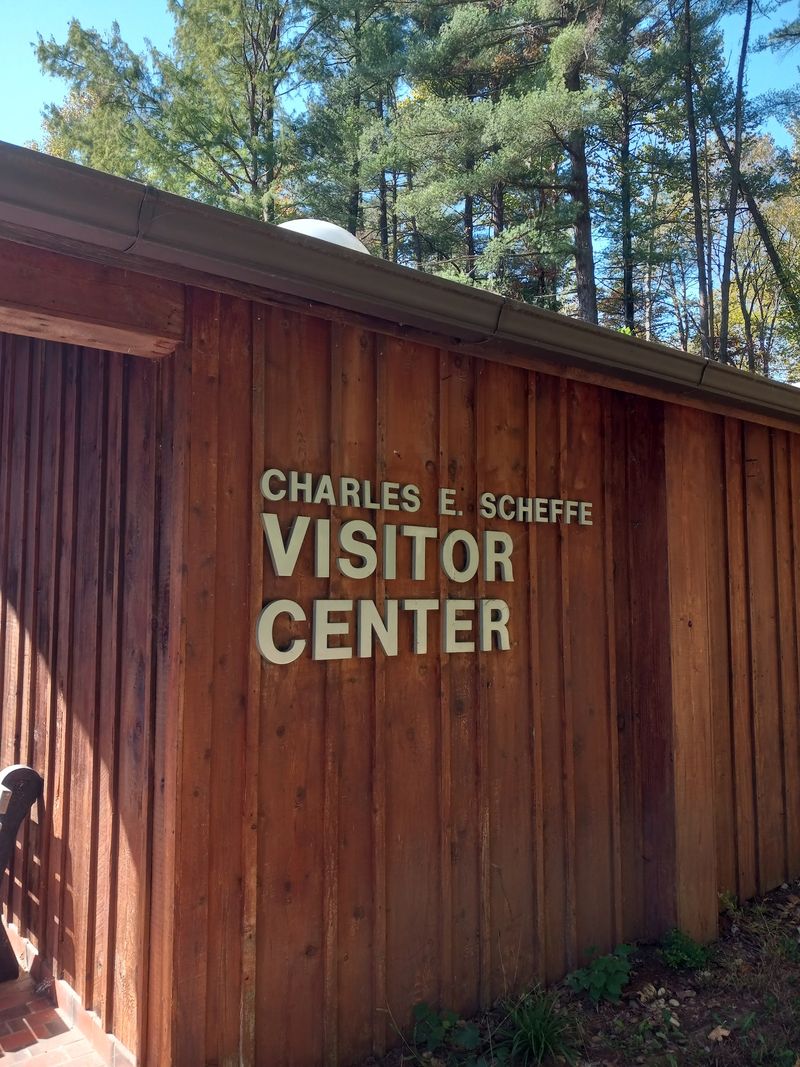
The visitor center is the recommended first stop, and it earns that spot. Inside, informative displays explain the refuge and the animals that live there.
A small gift shop sits inside as well. It is a handy place to pick up a souvenir for the kids or a reminder of the trip.
The staff get frequent praise for being friendly, helpful, and full of good information. They can point you toward the most active areas of the day.
A practical tip: make sure the nature center is open before you plan around it. Hours can change, so checking the official refuge website at fws.gov ahead of time saves a wasted stop.
One trail begins near the center, which makes it an easy warm-up walk. You can stroll it, come back, and then head out on the driving loop with a better idea of what to look for.
Starting here turns a scenic drive into a smarter one. Knowledge from the displays helps you recognize birds and habitats that might otherwise blend right into the scenery.
Wings Over the Wetlands
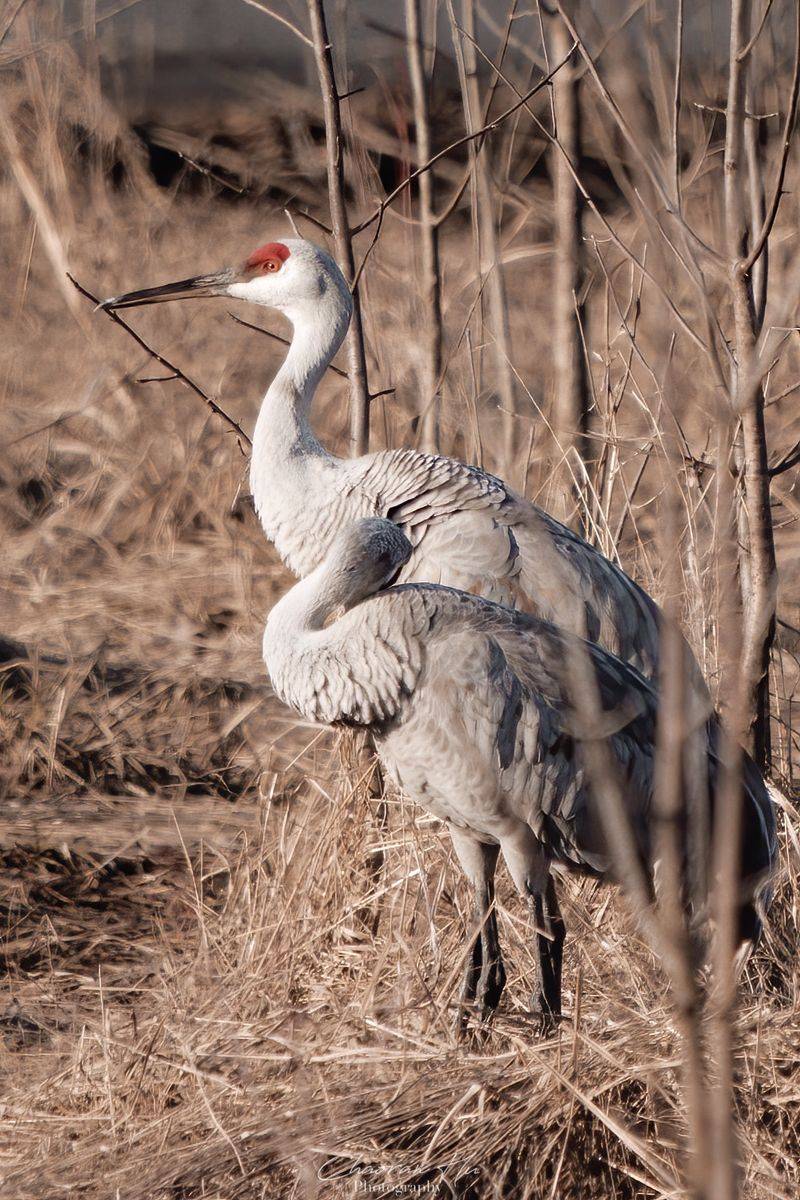
Bird watching is the single biggest reason people circle this loop again and again.
The restored wetlands draw a wide range of birds through the year. Sandhill cranes come up often in talk about the refuge, and they are a highlight for many who visit in the colder months.
Winter is considered a great time for bird watching here. Open habitat makes it easier to spot birds when the trees are bare.
Spring migration is another season people look forward to. One local guessed there must be millions of birds passing through during the busy months, which captures the excitement even if nobody is counting.
Viewing decks along the route give you a steady spot to set up a camera or scope. Bring binoculars, since many birds prefer to stay at a distance.
For anybody chasing the bald eagles mentioned in the headline, the wetlands and lakes are the places to scan. Treat any eagle as a bonus rather than a promise.
Even on slower days, there is usually something moving on the water. A heron, a duck, or a flash of wings can turn an ordinary drive into a story worth sharing at dinner.
Ponds, Swamps, and a Brand-New Dock
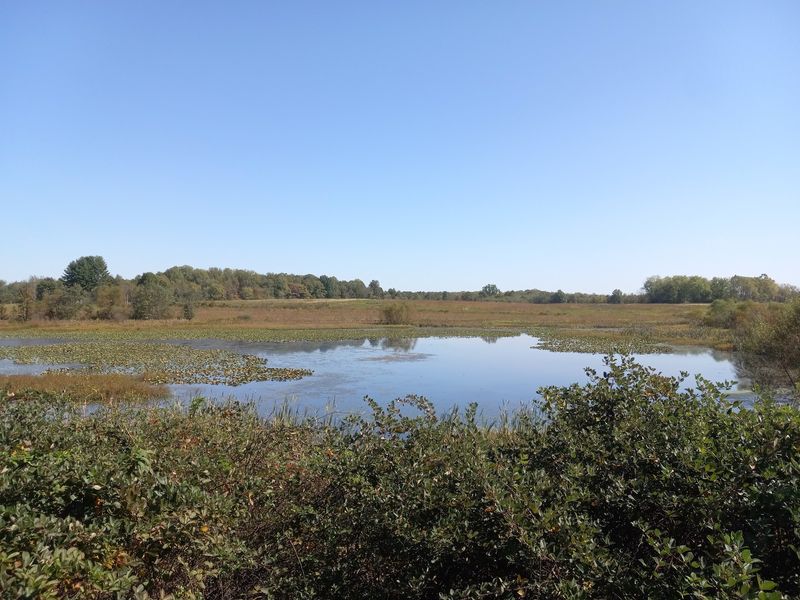
Water shapes almost everything at this refuge, from the wildlife to the walking routes.
Ponds, lakes, swamps, and river areas are scattered across the property. Each type of water supports different plants and animals, which keeps the scenery changing as you drive.
Lake Linda now has a new dock that is handicap accessible. It opens up a peaceful spot on the water for people who use wheelchairs or walkers.
Summer brings lots of flowers and dragonflies around the ponds. Snakes appear too, including a copperbelly watersnake spotted by one family on a summer trip.
Frogs are common along the water’s edge. Turtles and snakes sunning on logs are a regular part of the show.
Wetlands are also the kind of habitat where people hope to catch a glimpse of a river otter. Keep your eyes on the shorelines and calm stretches of water, and give yourself time.
The swamp areas feel wild and a little mysterious. They make a strong reminder that this land was set aside for wildlife first, and people are simply guests passing through.
Old Cabin, Old Stories
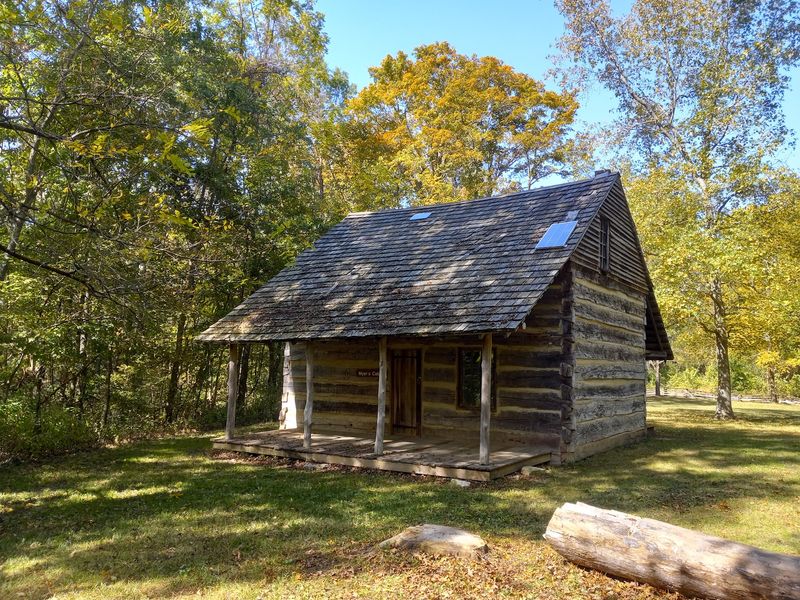
History sneaks into the wildlife tour in the form of a weathered log home.
The Myers Cabin is one of the best-loved stops on the route. It is listed among the refuge’s historic areas, and many people name it as a favorite.
A barn also stands along the tour. Together, these buildings hint at the farm families who lived on this land before it became a refuge.
The cabin makes a popular photo spot. Its rustic look pairs well with the surrounding woods in every season.
Plan ahead for bugs here. Mosquitoes can be heavy around the cabin in summer, so spray before you step out of the car.
Trails near the cabin lead to other historic sites, but some paths get crowded by invasive multiflora roses later in the year. One family needed two years and several attempts to reach a historic site past the cabin because of overgrowth.
There is also a safety note worth remembering. An unmarked, uncovered well sits nearby, so watch your footing and keep children close.
The cabin is a fine place to pause and think about how much this landscape has changed.
Trails for Quiet Feet
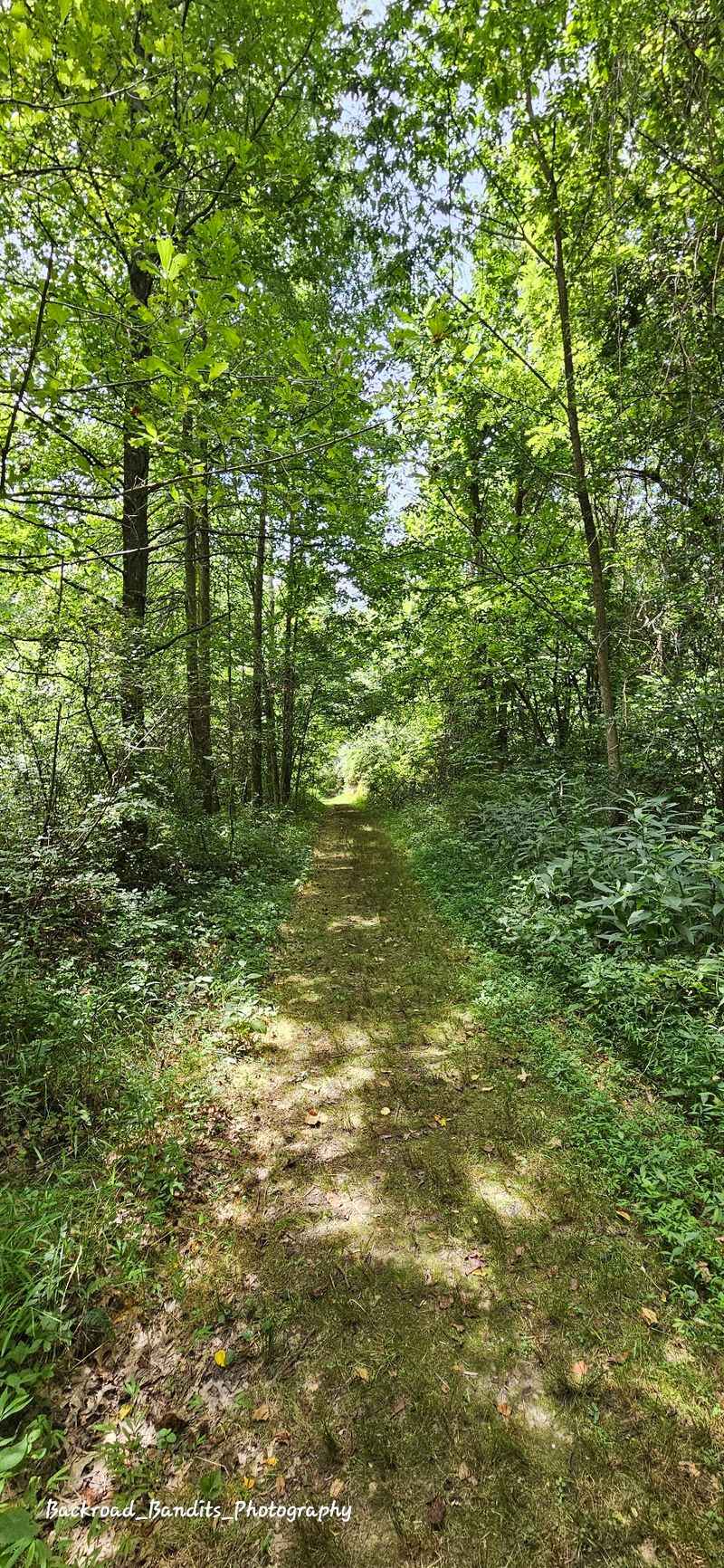
Hiking gets mentioned more than any other activity here, and for good reason.
The refuge offers several trails, many of them short and easy. A few are paved, which makes them friendly for strollers and slower walkers.
Parking is plentiful at the easy-access trailheads. Benches line many routes, and helpful educational signs explain what you are seeing.
Solitude is a big draw. It is common to see other cars on the loop but never meet another person on the trail.
Fall brings mushrooms popping up all over, sometimes right in the middle of the path. Wildflowers add color in the warmer months.
Not every trail is polished, though. Some paths are dirt and can get weedy, and one trail bridge has been missing a few boards.
Wear sturdy shoes and long pants for the less groomed routes. The paved trails are the better choice if you want an easy outing.
Choosing your trail by your mood works well here. A short paved walk suits a lazy afternoon, while the wilder paths suit anybody ready for a little adventure.
A Refuge That Changes With the Calendar
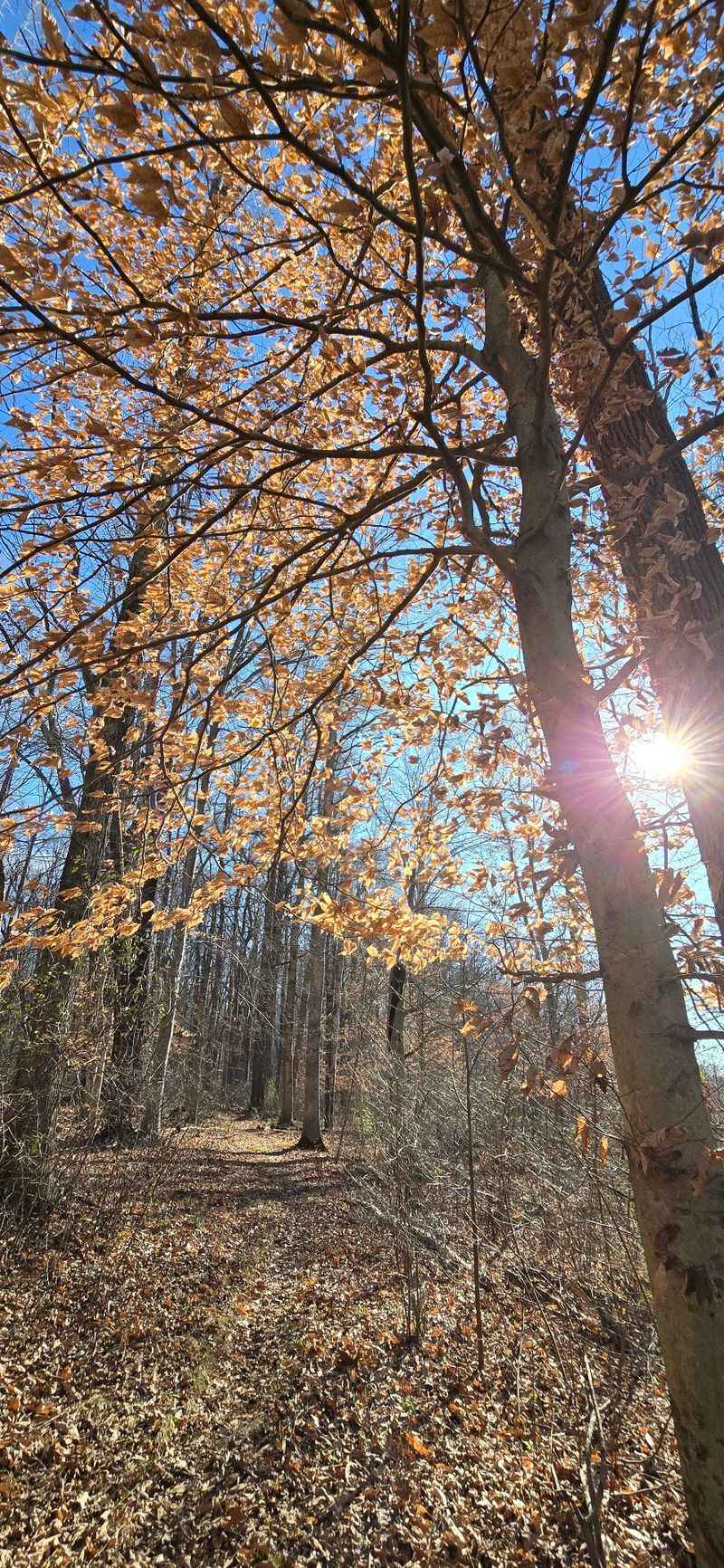
Regulars say the refuge changes nearly every day, which is the best argument for coming back often.
Spring brings fresh green growth and the hope of big migration days. By mid-May, the woods and wetlands have filled out quickly.
Summer means flowers, dragonflies, snakes, and frogs. It also means mosquitoes and ticks, so pack bug spray and do a tick check afterward.
Fall paints the maples in color and drops persimmons along the paths. Early October is when the leaves start to turn.
Winter strips the trees and opens up long views across the habitat. That makes it a favorite time for bird watching, including the hunt for cranes.
Families who visit year round notice small shifts that a single trip would miss. A pond that looks empty in July might be busy in December.
That variety is part of what keeps the place fresh. One loop can feel like four different drives, depending on the month you pick.
Fishing Tips and Practical Know-How
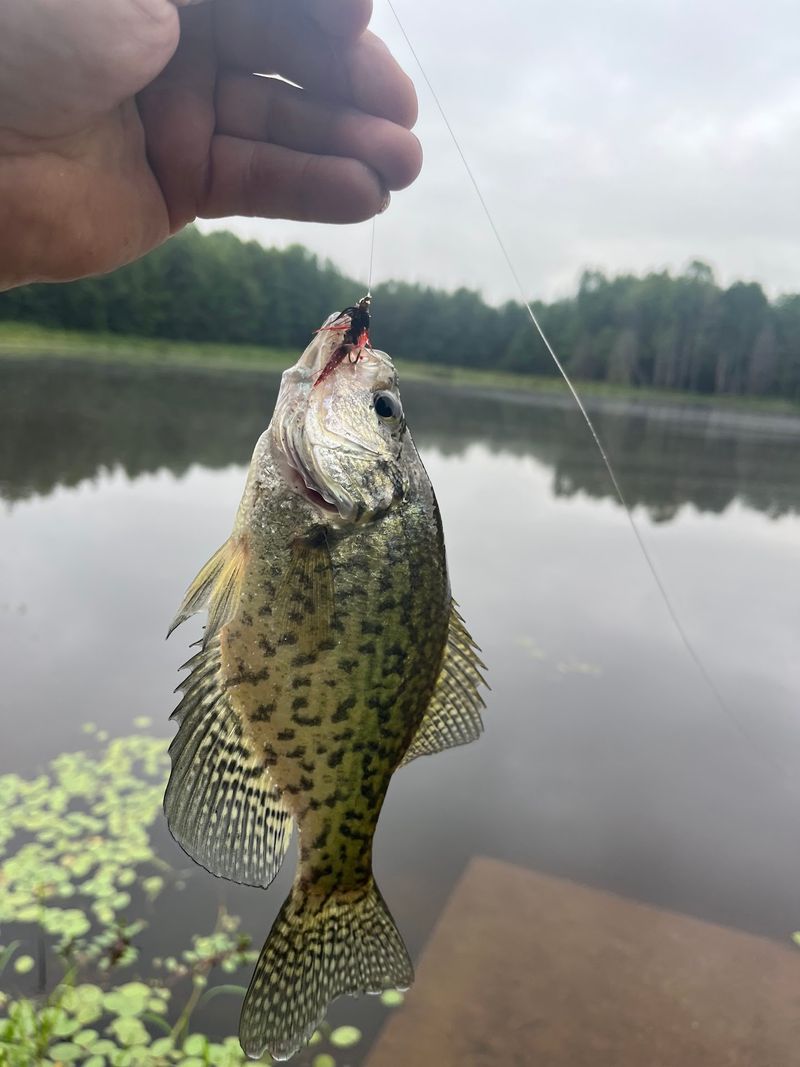
Anglers should adjust their expectations before packing the tackle box.
The refuge has designated fishing ponds, a fishing dock, and a boat launch. Bank access, however, is often overgrown and hard to use.
A kayak or small boat is the better plan for fishing. Even then, thick water plants like water lettuce can make paddling tricky.
Some anglers report slow luck in recent months. The new accessible dock on Lake Linda is a solid option for casting without bushwhacking.
For general planning, cell service is decent in spots. One guest kept two bars of Verizon coverage across the property.
Bring bug spray, water, binoculars, and a camera. Long pants help on the weedier trails, and a tick check is wise at the end of the day.
The data available does not list hours or fees, so check the official U.S. Fish and Wildlife Service page for current details before you go.
The site at fws.gov/refuge/muscatatuck keeps information up to date.
A little preparation goes a long way toward a smooth, worry-free outing.
Worth the Detour Down Jackson County Roads
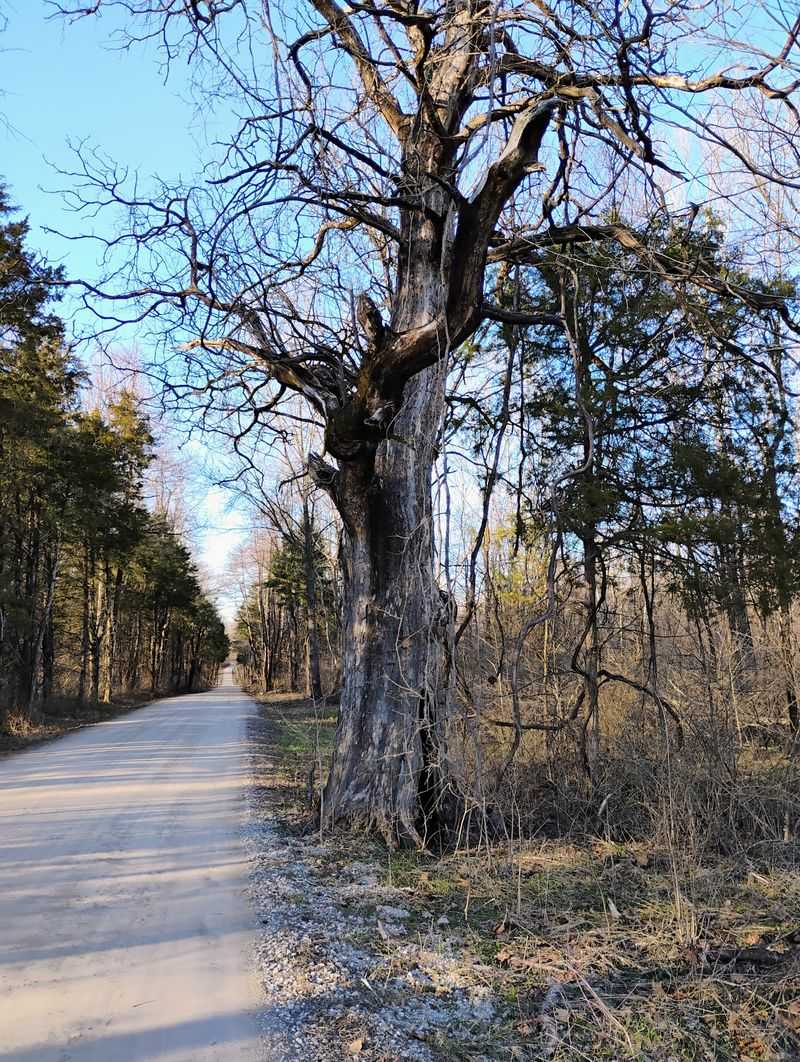
Few Indiana day trips offer this much wild country for so little effort.
The refuge works for retirees who want a slow drive, families who need an easy outing, and photographers hunting for a natural backdrop. One family even drove in from Ohio for senior pictures.
It also works for people who just want quiet. A parent and daughter describe it as their go-to escape for down time and exploration.
The auto tour is the star, with 12 stations and plenty to see between them. The visitor center, the Myers Cabin, and the new dock round out the trip.
There are a few rough edges. Some trails need clearing, bugs can be fierce, and the fishing banks are tough to reach.
Still, the strong local affection is hard to ignore. Most people leave planning their next visit.
Bald eagles and river otters are the dream sightings, and the wetlands give you a real shot at wildlife of all kinds. Even if the stars stay hidden, the cranes, herons, and frogs make fine supporting players.
Pack the car, grab the binoculars, and let the loop do the rest.