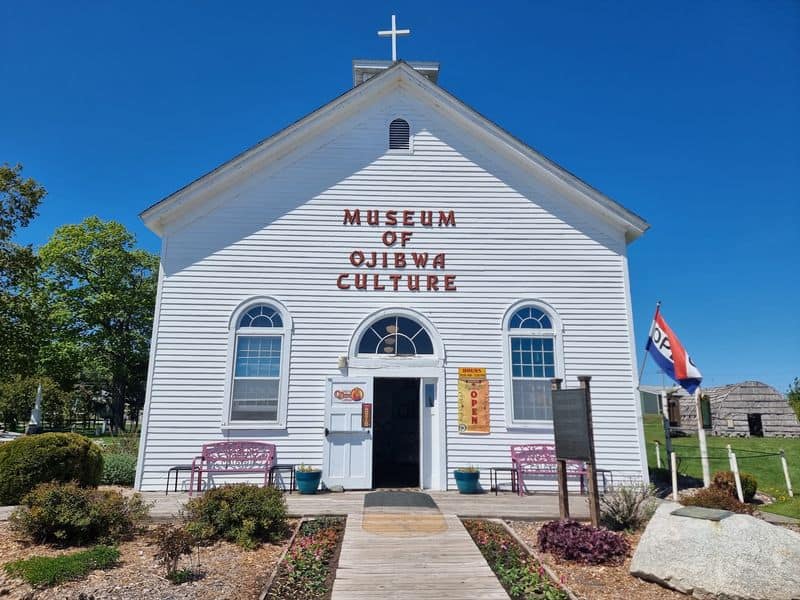
Long before Michigan had highways, cities, or even a name, the Anishinaabe peoples were living, trading, and raising families across these lakes and forests. Their story is still being told today, and much of it lives inside museums that many Michiganders drive right past.
This list covers six places, from a tribal cultural center in Mt Pleasant to a historic Odawa home in Harbor Springs, where you can learn about Ojibwa, Odawa, and Potawatomi history in a real and personal way. Most of them make an easy day trip, and a few might surprise even lifelong residents.
1. Ziibiwing Center, Mt Pleasant, MI
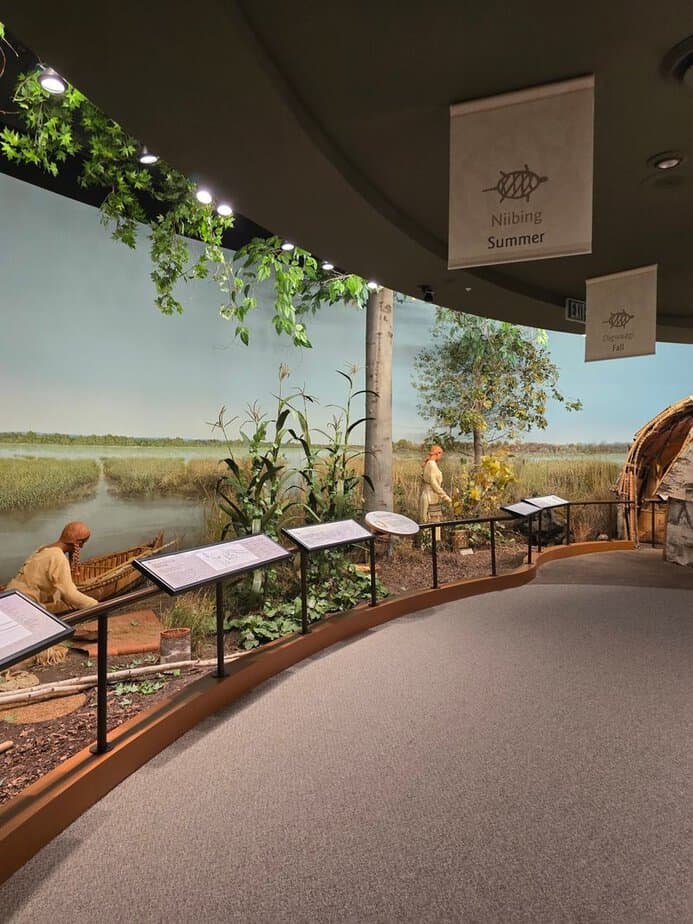
Most museums tell Native American history from the outside looking in. At the Ziibiwing Center, run by the Saginaw Chippewa Indian Tribe of Michigan, the story comes straight from the community it belongs to.
The exhibits walk visitors through Anishinaabe culture and ways of life, with historic photos, real relics, and carefully made replicas of Chippewa objects. Interactive language displays let you hear and practice Anishinaabemowin words, which is a fun challenge for kids and grown-ups alike.
There is also a theater, a small cafe, and a gift shop stocked with authentic, reasonably priced items. I like this stop for anyone looking for a souvenir with real meaning behind it.
Plan around the schedule. The center is open Monday through Friday from 9 AM to 4:30 PM and closed on weekends, so a weekday road trip works best.
You will find it at 6650 E Broadway Rd, with on-site parking.
2. Museum of Ojibwa Culture at Old Mission Saint-Ignace, St Ignace, MI
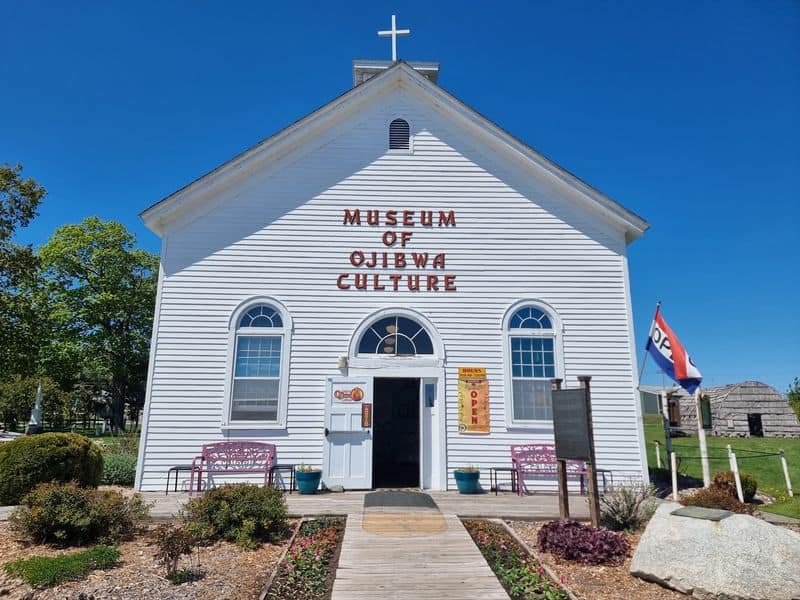
Plenty of Michiganders roll through St Ignace on their way to the ferry docks or across the bridge. Fewer stop at 500 N State St, where a small museum explains how the Ojibwa shaped the Upper Peninsula long before anyone built a bridge.
The tour is self-guided, so you can move at your own pace through photos, artifacts, displays, and video interviews. The exhibits give a thoughtful look at local history, with the Ojibwa people at the center of it.
Step outside and the grounds keep going, with monuments, sculptures, gardens, and a longhouse. Kids get a coloring area inside, and the gift shop carries authentic Native American art and crafts.
The museum is open seasonally, daily from 10 AM to 5 PM during its season, so check ahead before you go. Saturdays bring the biggest crowds, while Tuesday mornings tend to be quiet.
3. Michigan History Center, Lansing, MI
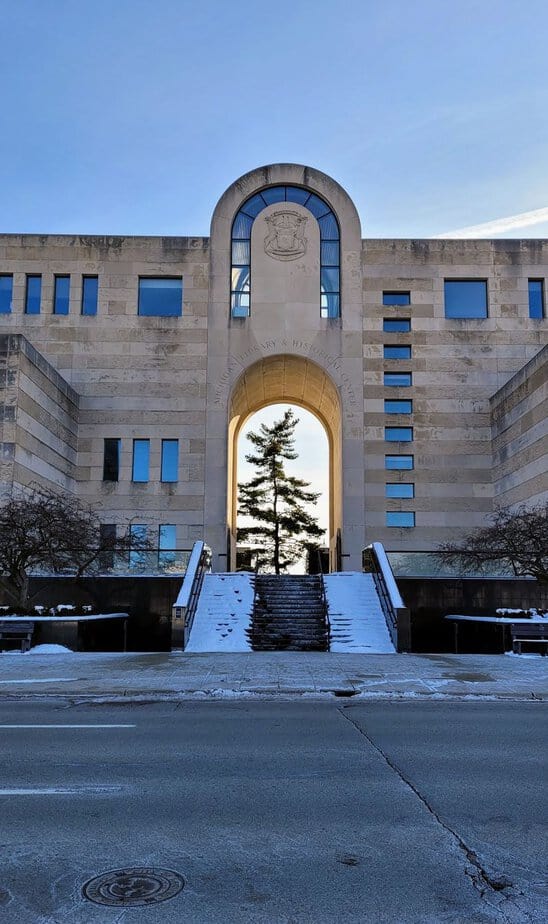
Here is a budget tip worth knowing. The Michigan History Center in downtown Lansing offers free admission on Sundays.
The museum spreads across five levels, and the timeline starts way back in the Ice Age before moving through wars, the Civil War, and the state’s industrial boom years. Along the way, the exhibits cover the Native peoples of the Great Lakes, including canoes and travel across Michigan waterways.
Hands-on features and media displays keep younger visitors busy, and knowledgeable volunteers can help answer questions. There is a cafe, a gift shop, and changing tables for families with little ones.
Hours are limited, so plan carefully. It is open Tuesday and Wednesday from 10 AM to 4 PM and Sunday from 1 to 5 PM.
Parking is paid, either in the lot or on the street at 702 W Kalamazoo St.
4. Grand Rapids Public Museum, Grand Rapids, MI
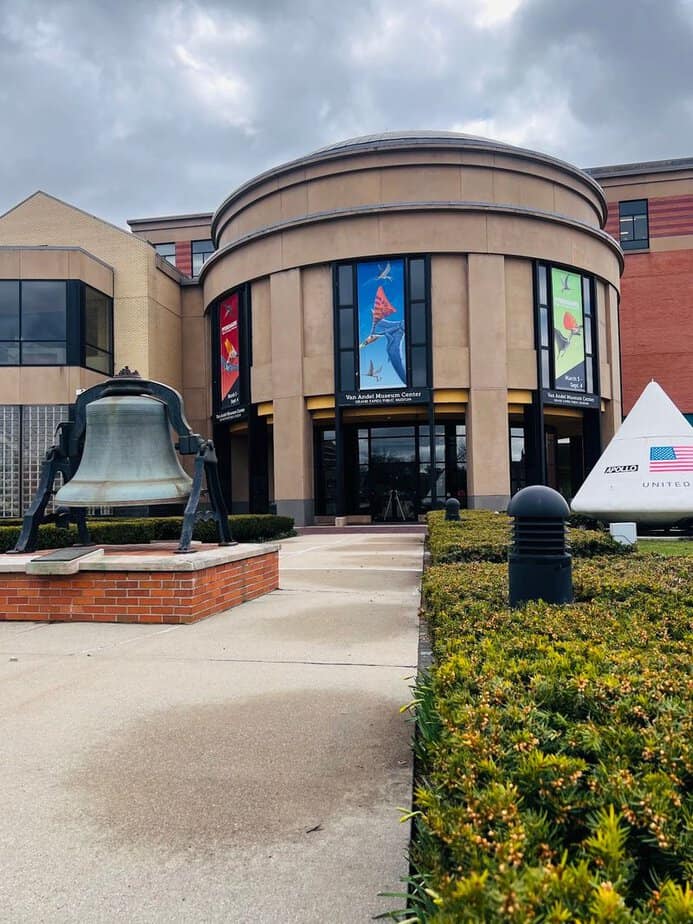
A 1928 carousel and a planetarium might not sound like the start of a Native history lesson. Yet the Grand Rapids Public Museum packs Anishinaabek exhibits right alongside those crowd-pleasers.
Across three floors, visitors find traditional crafts, navigation tools, and birchbark canoe work, plus displays that touch on Indigenous history and reconciliation in the region. The museum also covers Hispanic American history, spaceflight, dinosaurs, and Michigan rocks.
Families tend to linger in the old town exhibit, which recreates a hardware store, grocery store, and pharmacy. There is a theater, a restaurant, a cafe, and a nursing room, which makes a full-day visit easy to manage.
The museum is open daily except Thursday, from 9 AM to 5 PM on weekdays and 10 AM on weekends. Kids and active military members get discounts.
Saturday afternoons get busy, so weekday mornings are the calmer pick.
5. Andrew J Blackbird Museum, Harbor Springs, MI
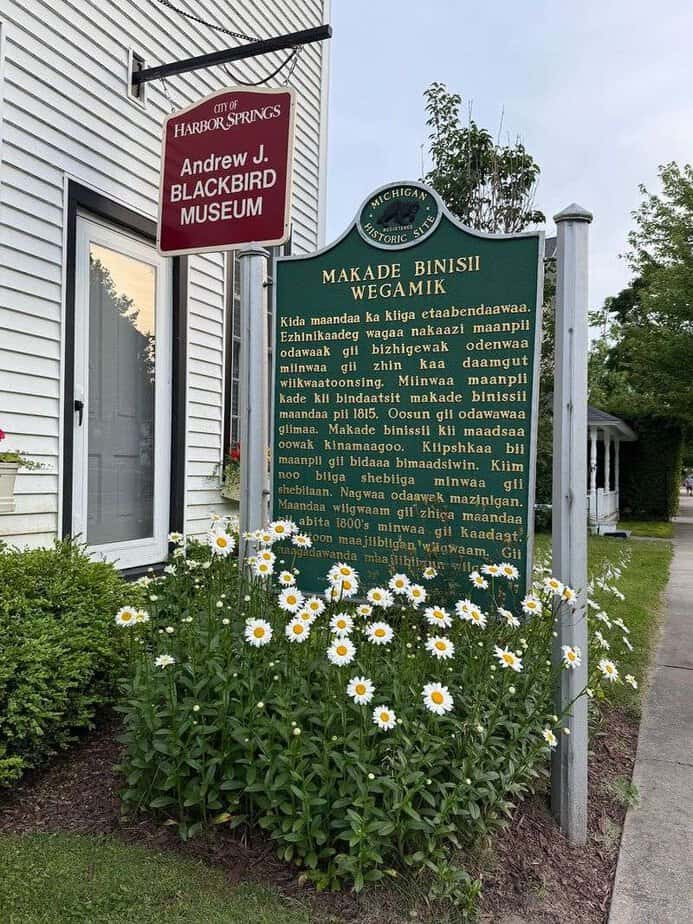
Back in 1858, an Odawa leader named Andrew J Blackbird lived in a modest house on what is now Main Street in Harbor Springs. That same home is now a museum, and it is listed on the National Register of Historic Places.
Blackbird was a notable Odawa figure, and his house now holds a collection of American Indian artifacts tied to the region. Exhibits cover Michigan’s Native communities and the settlement period that changed northern Michigan.
Harbor Springs is often known for its pretty waterfront and shops. This stop adds a deeper layer to a visit, and it is small enough to fit into an afternoon in town.
Timing matters here. The museum is open Saturdays only, from 10 AM to 4 PM, at 368 E Main St, with on-site parking.
Calling ahead at 231-526-9771 is a smart move.
6. Marquette Regional History Center, Marquette, MI
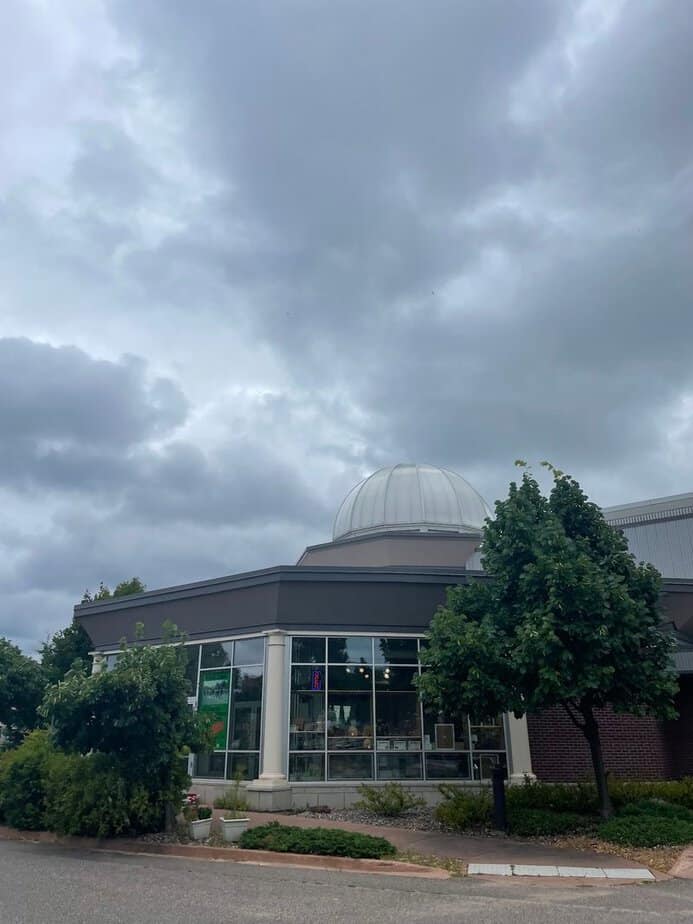
Shipwrecks and early settlers get plenty of attention in Marquette. The regional history center makes sure the Ojibwa people are part of that Upper Peninsula story too.
The permanent exhibits cover local cultural and natural history, including Native watercraft traditions, with interactive sections throughout. A rotating special exhibit focuses on a different piece of local history, so repeat visits can turn up something new.
The gift shop carries some of the best Marquette postcards around. That is a small detail, but it makes a nice keepsake from a Lake Superior trip.
Find it at 145 W Spring St. Hours run Monday through Friday from 10 AM to 5 PM, with late hours until 8 PM on Wednesdays, and Saturday from 10 AM to 3 PM.
From Mt Pleasant to Marquette, these six museums show that Michigan’s Native history is still here, still told, and closer than many of us realized.