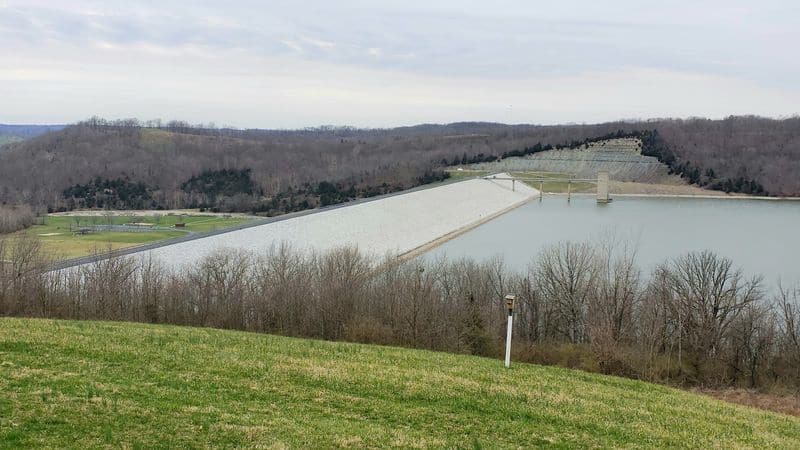
Down in southeastern Indiana, a giant wall of earth holds back one of the biggest lakes in the state. Boaters, anglers, and swimmers flock here every warm season, and so do some quiet, slithering locals that like the shoreline just as much as people do.
Learning to share the water is part of the fun, and it is easier than most folks think. Here is what to know before you pack the cooler and head for the shore.
An Earthen Giant in Franklin County
The star of this story sits at Brookville, IN 47012, in the rolling hills of southeastern Indiana. Brookville Lake Dam is an earthen dam, which means it is built mostly from packed soil and rock instead of poured concrete.
Behind it stretches a sprawling reservoir that has become a favorite weekend target for anglers and boaters across the region.
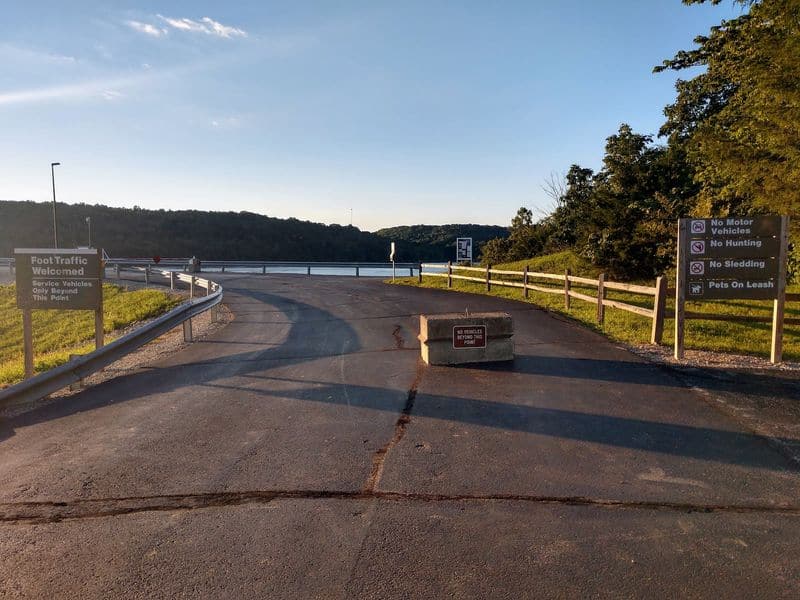
From the top, the scale is easy to grasp. The grassy slope runs a long way, and the water fans out into the valley far past where the eye can follow.
The town of Brookville sits just downstream, so the dam is close to gas stations, small shops, and everyday conveniences. That makes it an easy add-on for road-trippers heading toward the Ohio border.
Many people drive past the sign without realizing how much water is waiting on the other side. Once they do stop, the size of the lake tends to surprise them.
For families looking for a full day outdoors without a long haul, this spot checks a lot of boxes. There is room to spread out, plenty of shoreline, and a reservoir big enough that crowds rarely feel packed together.
Of course, people are not the only ones who have noticed all that shoreline.
Why a River Became a Lake
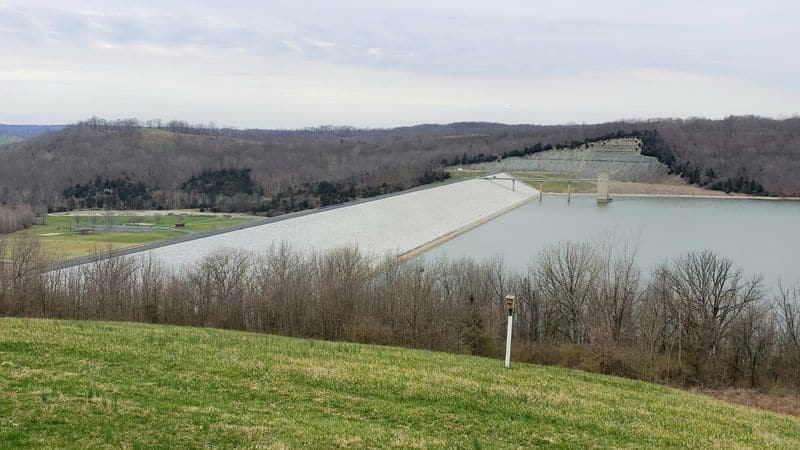
Floods shaped this valley long before boats ever did. The Whitewater River country around Brookville has a long history of high water, and controlling it was a big reason the dam was built.
The U.S. Army Corps of Engineers took on the project, damming the East Fork of the Whitewater River.
The result was a reservoir that helps manage flooding downstream while also giving the region a huge new playground.
That double duty is what makes a place like this interesting. One structure protects homes and farms, and the same structure created a lake where families now cast lines on Saturday mornings.
Earthen dams like this one rely on careful engineering under the surface. The grassy face hides layers designed to hold back an enormous amount of water year after year.
For history fans, the setting tells a clear story about how southeastern Indiana changed in the twentieth century. A working river valley became a recreation hub almost overnight in the bigger scheme of things.
Today, most people at the shore are thinking about fish, boats, and sunscreen rather than flood control. Still, it is worth a moment to appreciate that the lake exists because someone planned for the worst.
And when a river turns into a lake, the wildlife moves in fast.
The Slithering Neighbors Along the Shore
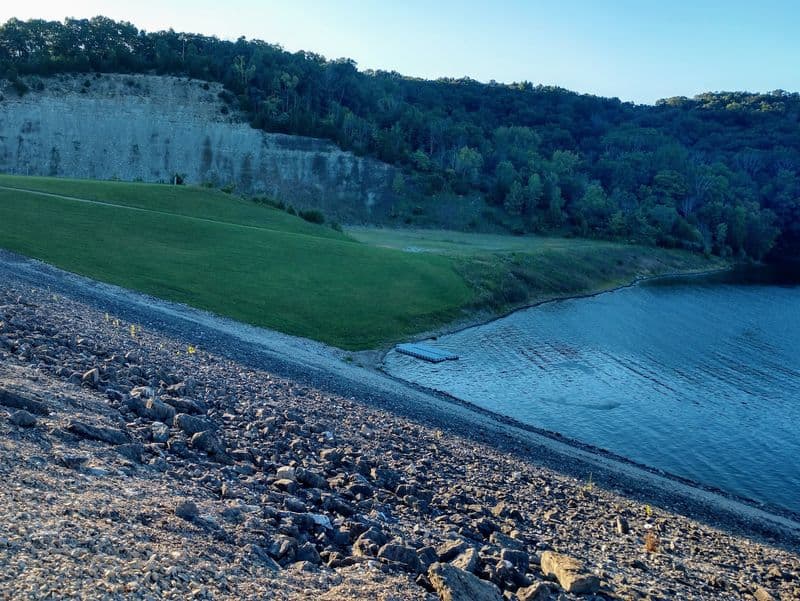
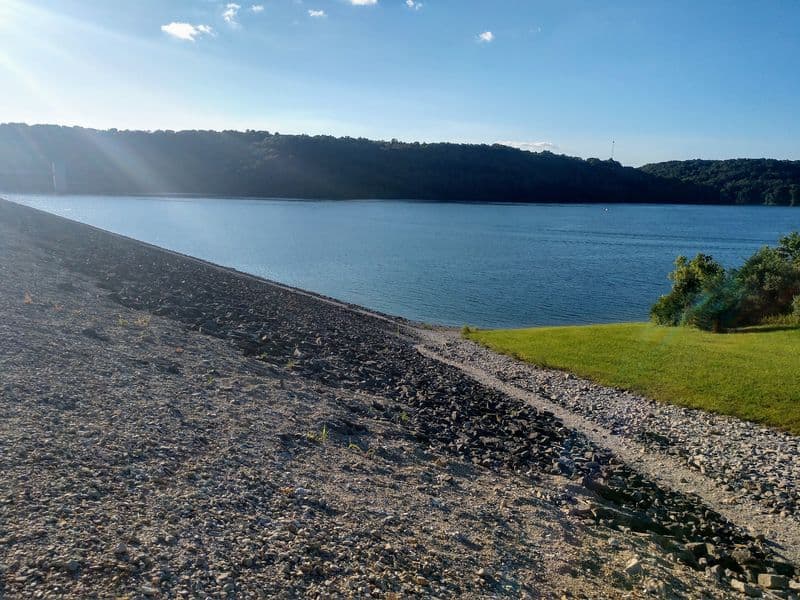
Snakes are part of the deal at nearly any large lake in Indiana, and this one is no exception. Rocky banks, logs, and weedy coves give them plenty of places to rest and hunt.
The snake most people spot around Indiana lakes is the northern water snake. It is a common, nonvenomous species that swims well and often hangs out near rocks and docks.
Here is the quick fun fact. Water snakes are often mistaken for cottonmouths, but cottonmouths are not part of the usual picture in this part of Indiana.
That does not mean anyone should reach out and grab one. Water snakes will bite to defend themselves if handled, so the best plan is simple distance and respect.
Seeing one swim across a cove can startle a first-timer. Seasoned lake regulars usually just watch it go about its business and then get back to fishing.
These snakes eat fish and frogs, which makes them a natural part of a healthy reservoir. Their presence is a sign the lake is doing what lakes do.
So the snakes are real, but the panic does not need to be. A little knowledge turns a scary moment into a cool wildlife sighting.
Smart Swimming Habits for Snake Country
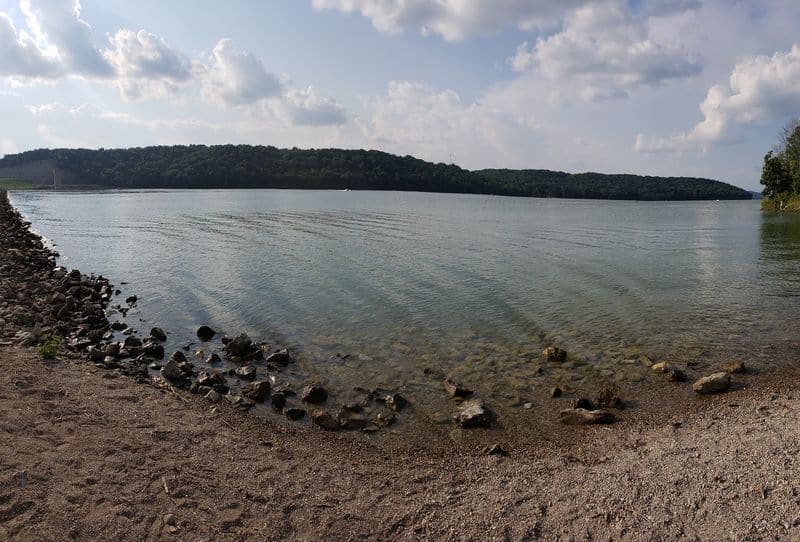
A few easy habits keep swim days relaxed. Most of them are things careful swimmers already do at any big lake.
Stick to designated swimming areas when they are available. These spots tend to have more open water and fewer rocky hideouts than random stretches of bank.
Watch the water before wading in. A quick scan of nearby rocks, logs, and floating debris takes only a minute.
Give any snake a clear path. Most will move away from people on their own if they are not cornered.
Keep an eye on kids who like to explore the rocks along the edge. Those piles are exactly where a snake might be resting on a warm afternoon.
Water shoes are a smart idea too. They help with sharp stones and make wading over uneven ground a lot more comfortable.
Above all, skip the urge to poke, chase, or catch. That is where most bites happen, and it is entirely avoidable.
None of this needs to dampen the fun. Think of it as the lake version of looking both ways before crossing the street, a quick habit that quickly becomes automatic.
Anglers Have Their Own Reasons to Visit
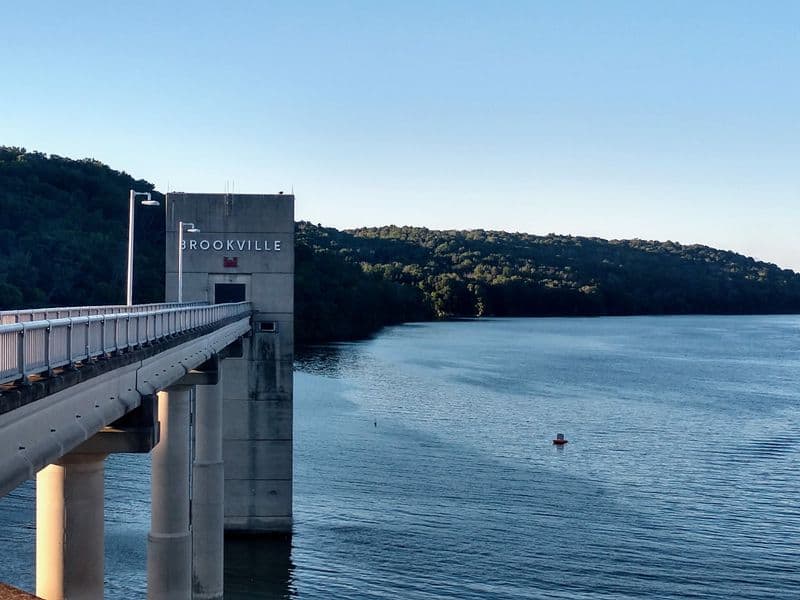
Fishing is one of the biggest draws here, and it is not hard to see why. A reservoir this size offers coves, drop-offs, and open water for nearly every style of angler.
The lake is popular among anglers from across Indiana and nearby Ohio. Some come for a quick morning on the bank, while others spend the whole day trolling from a boat.
Areas near the dam tend to attract attention because the deeper water draws fish. Tailwaters below dams are also classic fishing spots in general.
Bring an Indiana fishing license, since state rules apply here like anywhere else. Checking current regulations before the trip saves a headache later.
Anglers working rocky banks should keep the snake lesson in mind. Water snakes like the same spots fish do, so it is common to share a stretch of shoreline.
The good news is that a calm, patient approach works for both fishing and wildlife. Sit still, watch the water, and let nature do its thing.
For retirees and families looking for a low-cost outing, a rod, some bait, and a folding chair go a long way. A full day here can cost little more than gas and snacks, which makes the reel deal hard to beat.
Boats, Wakes, and Wide Open Water
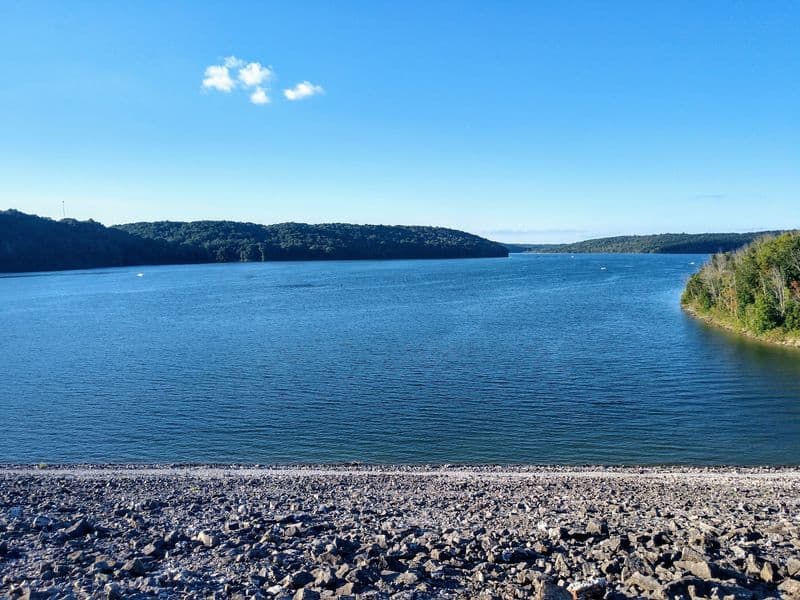
Boaters treat this reservoir like a summer highway. The sheer size of the water gives room for pontoons, fishing boats, and faster craft to spread out.
Wide stretches of open lake mean less crowding than smaller Indiana lakes. That extra elbow room is a big part of the appeal.
Pontoon days are especially popular with families. Everyone gets a seat, the cooler rides along, and the kids can swim off the boat in permitted areas.
Anyone jumping off a boat should still check the water first. Snakes do swim in open water sometimes, and a quick look costs nothing.
Boating rules from the state apply, so life jackets and registration matter. It is smart to brush up on Indiana boating requirements before launching.
The dam itself makes a handy landmark from the water. Its long, low profile helps boaters keep their bearings on such a big lake.
Weekends in peak summer tend to get busier, as you would expect at a popular reservoir. Weekdays and early mornings usually offer calmer conditions.
For first-time boaters, the scale may feel like a lot. Take it slow, stay aware, and the lake quickly feels less like a puzzle and more like a playground.
Who Feels Right at Home Here
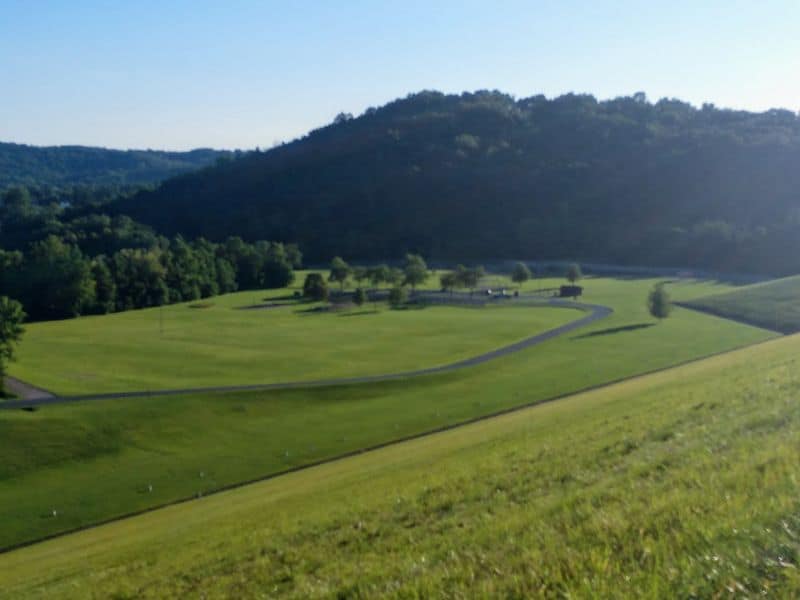
Not every lake suits every crowd, but this one covers a lot of ground. The mix of fishing, boating, and open shoreline gives different groups their own reasons to show up.
Families like it because there is space. Kids can explore, parents can relax, and nobody feels squeezed in.
Retirees often appreciate the slower side of the lake. Quiet fishing mornings and easy scenic stops near the dam fit a laid-back pace.
Road-trippers find it a handy stop in southeastern Indiana. It works as a destination or as a break on a longer drive.
Nature fans get plenty to watch, including the famous snakes. For curious kids, spotting a water snake from a safe distance can turn into the highlight of the day.
People who prefer polished resorts with lots of amenities may find the setting simpler than they expect. The appeal here is the water and the open space, not fancy extras.
Anyone nervous about wildlife might want to stick to busier, more open areas. Activity tends to keep the shy critters at a distance.
In short, this lake rewards people who enjoy the outdoors on its own terms.
Practical Notes Before the Drive
Planning ahead makes a lake day go smoother. A few practical points help avoid surprises once you arrive.
The dam is in Brookville, Indiana, in the southeastern part of the state. It is a reasonable drive from Indianapolis, Cincinnati, and other nearby areas.
Specific hours and fees can vary by area and season, so check current details with official sources before heading out. Recreation areas around the lake may have their own rules.
Pack the basics. Water, sunscreen, snacks, water shoes, and a fishing license if you plan to cast a line.
Bring a little patience on summer weekends. Popular launch areas and shoreline spots tend to fill up when the weather is nice.
Leave wildlife alone, including snakes, birds, and anything else that wanders by. Distance is the simplest safety tool there is.
Cell coverage and services can be thinner in rural parts of the area. Downloading directions in advance is a small step that pays off.
With those notes covered, the rest of the day can focus on what matters most. That means time on the water, a few casts, and maybe a snake story to tell on the ride home.
A Lake Worth Sharing, Scales and All
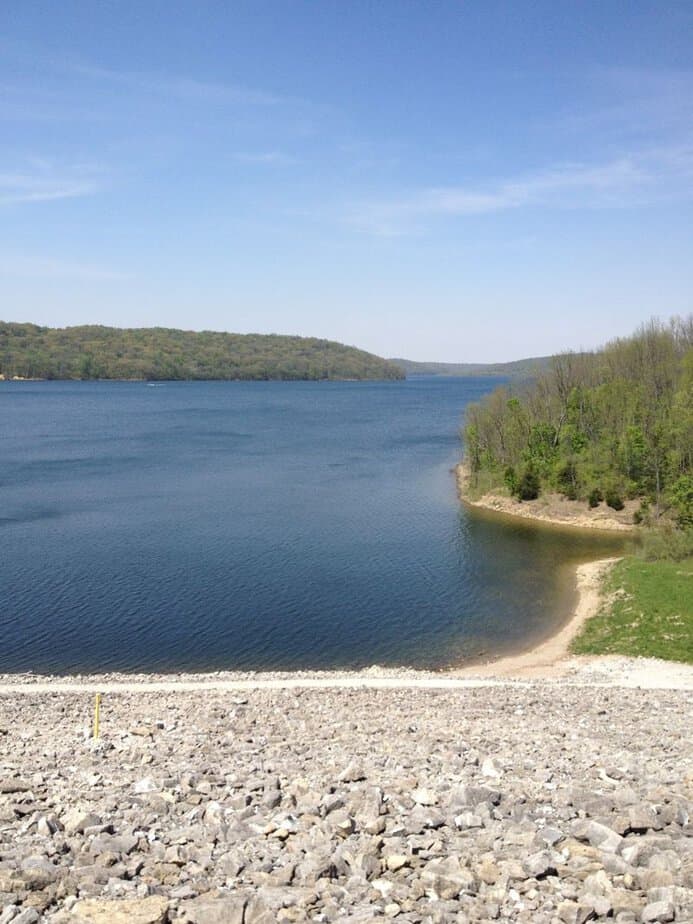
Some places earn their reputation the honest way. Brookville Lake Dam is big, practical, and full of life, including the kind with scales.
The snakes get the headlines, but they are only one piece of the picture. The real story is a massive reservoir that gives Hoosiers a nearby escape for fishing, boating, and family time.
Swimmers who learn to watch the water end up enjoying it more. A quick scan, a little distance, and some common sense go a long way.
For anglers, the lake offers room to roam and plenty of water to explore. For boaters, it offers open space that smaller lakes simply cannot match.
Families on a budget will appreciate that a day here does not need to cost much. Bring your own gear and food, and the lake does the rest.
It also carries a bit of Hoosier pride. A flood-control project turned into one of the most popular outdoor spots in southeastern Indiana, which is quite a second act for a pile of earth.
So load up the car, call the cousins, and make a plan. Just remember to keep one eye on the shoreline, because the locals were here first.