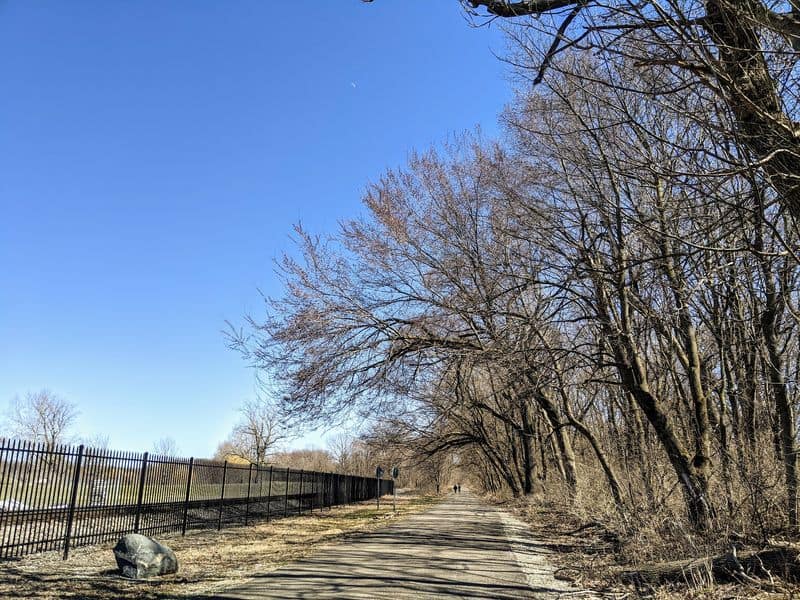
Trains once rumbled across east central Indiana, hauling freight and passengers between small towns that depended on the rails. The trains are gone now, but the path they followed is still there.
Today it carries bikes, walkers, and families out for a cheap Saturday instead of boxcars. Stretching about 62 miles, it ranks as the longest rail trail in the state, and it rolls right through farm country, quiet main streets, and old depot towns.
The best part for anyone watching a budget is simple: riding it costs nothing. Grab a helmet, pack some water, and keep reading to learn where this path begins, what you will pass along the way, and how to plan a trip that is easy on both your legs and your wallet.
Where the Rails Became a Trail
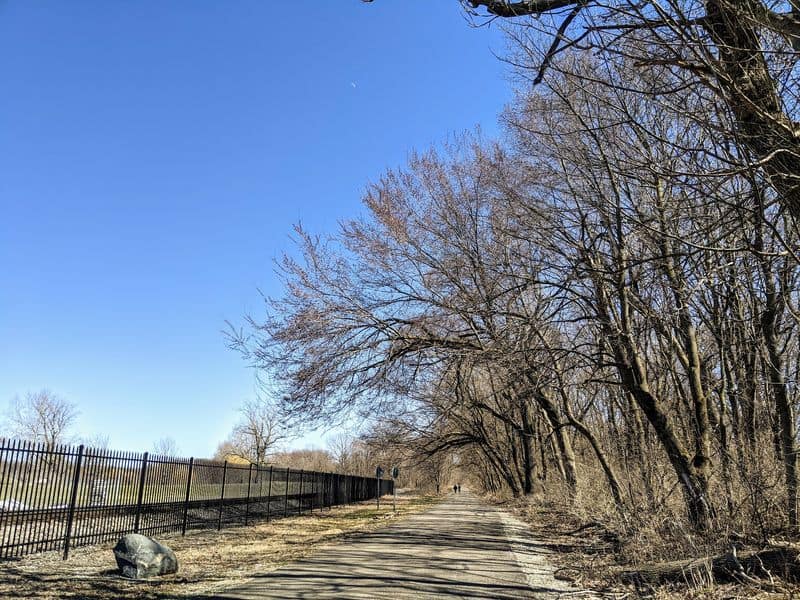
Hoosiers have a long trail in their own backyard, and it is called the Cardinal Greenway Trail. Its listed location is simply Indiana, USA, which fits, since the path crosses several counties in the east central part of the state.
The route runs roughly 62 miles from the Marion area in the north, down through Muncie, and on toward Richmond near the Ohio line. That makes it the longest rail trail in Indiana.
Much of the path follows the former bed of the Chesapeake and Ohio Railway. When train traffic faded, the old corridor was converted into a paved recreation route.
The trail is managed by Cardinal Greenways, a nonprofit group based in Muncie. The organization works to maintain and promote the path for the public.
Railroad beds make excellent trail foundations because they were built to stay fairly level. Trains do not like steep hills, and as it turns out, neither do most casual riders.
That gentle grade is a big reason families and retirees feel comfortable here. Few people want a weekend outing to turn into a workout they did not sign up for.
Knowing where the path sits is only the start. The real fun begins once you see how it was pieced together.
A Railroad Story With a Second Act
Long before anyone pedaled here, steel wheels did the heavy lifting. The rail line helped tie small farm communities to bigger markets and cities.
As railroads across the country cut back, many lines in Indiana went quiet. Some corridors were sold off or simply left behind.
This one got lucky. Local leaders saw a chance to keep the long, connected corridor in public use rather than letting it split apart.
Cardinal Greenways formed in the 1990s, and the trail opened in stages over the following years. Section by section, the old line turned into a continuous path.
The project became part of a national movement known as rails to trails. Across the country, groups have converted unused rail lines into routes for walking and biking.
Here, the result is a corridor that still feels connected to its past. Old depot sites and small town crossings remind riders that this was once a working railroad.
Fun fact for the history fans: the trail has also been recognized nationally, earning a spot in the Rail-Trail Hall of Fame from the Rails-to-Trails Conservancy.
A second act, it turns out, can be just as busy as the first. It just runs at a slower speed.
Small Towns Along the Line
Ride long enough and the map starts to read like a list of places most interstates skip. That is the charm of this route.
Between the larger anchors of Marion, Muncie, and Richmond, the path passes small communities that grew up around the railroad. Towns such as Gaston, Losantville, and Economy sit along or near the corridor.
Many of these places look much as they did decades ago. Brick storefronts, grain elevators, and quiet crossroads give riders a view of rural Indiana that cars often zoom past.
That slower pace is a big part of the appeal. On a bike, a small town is something to roll through and notice, not a blur in the windshield.
Families often treat each town as a natural checkpoint. Riding from one community to the next breaks the long distance into friendly chunks.
It also gives road-trippers a reason to plan a return visit. Each section reveals a different set of main streets and farm views.
For anyone who loves the nostalgia of old Indiana, these towns deliver it without any admission fee. Time may have left them behind, but the trail brought the traffic back.
Muncie, the Trail’s Busy Middle
Every long trail needs a home base, and Muncie plays that role. The headquarters of Cardinal Greenways sits in the city.
The Wysor Street Depot in Muncie serves as a well-known trailhead. The restored depot ties the modern path back to its railroad roots.
Because Muncie is the largest city along the route, this section tends to see more walkers, joggers, and cyclists than the rural stretches. It is a handy starting point for first timers.
Parking, nearby services, and easy access make the city segment a practical choice. Riders can head north toward Marion or south toward Richmond from here.
Muncie is also home to Ball State University. Students and local residents add plenty of everyday traffic to the trail.
The Cardinal Greenway also links with the White River Greenway in Muncie. That connection lets riders extend their outing along another path.
Short trips work great here too. A quick out and back near town gives a taste of the trail without committing to a full day.
Think of Muncie as the trail’s busy downtown. The quieter countryside waits in both directions.
Bridges, Fields, and Open Country
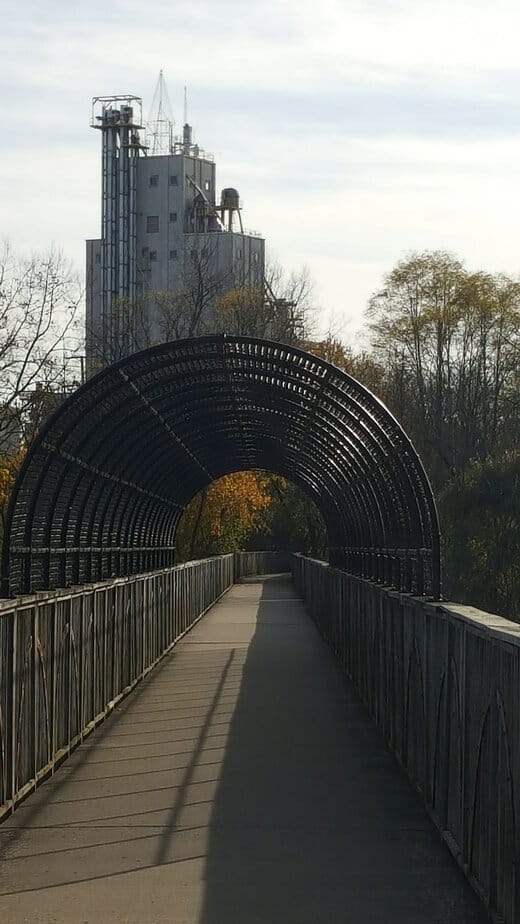
Leave the cities and the scenery changes fast. Farm fields open up on both sides, and the horizon stretches far.
Railroads had to cross creeks and rivers, so the trail inherited a number of bridges. Riders cross several of them along the route.
Wooded patches break up the farmland in places. These stretches give the ride some variety between the wide open fields.
Wildlife sightings are part of the deal in the rural sections. Birds and other small creatures make their homes along the green edges of the corridor.
Since the path is mostly flat, it is easy to keep a steady pace and enjoy the view. Nobody has to stare at their front tire while grinding up a hill.
Seasons shift the look of the land throughout the year. Spring planting and summer crops give the fields a different face each visit.
Shade can be limited in the most open sections. Sunscreen and a hat are smart packing choices on summer days.
Out here, the trail feels less like a city park and more like a long ribbon through Indiana farm country. That contrast is exactly why people keep coming back.
Who Rides, Walks, and Rolls Here
Grandparents, toddlers in bike trailers, and serious distance riders can all share the same path. That mix is one of the trail’s quiet strengths.
The paved surface works well for bikes, strollers, and walkers. Its gentle grade keeps the outing friendly for different ages and fitness levels.
Retirees often enjoy short morning walks near the trailheads. Families like having a safe place away from car traffic where kids can ride.
Long distance cyclists treat the full length as a challenge. Some ride big chunks in a day, while others split it over several trips.
Runners use the route for training too. Mile after mile of steady path makes it easy to track distance.
Dogs on leashes are a common sight along the way. Owners should bring bags and keep pets close when others pass.
Basic trail manners keep things smooth for everyone. Stay to the right, pass on the left, and give a friendly call before going around someone.
The atmosphere stays relaxed and welcoming. Nobody needs fancy gear or a racing jersey to belong out here.
The Price Tag: Zero Dollars
Some of the best outings in Indiana cost exactly nothing. This trail sits firmly in that category.
There is no general fee to walk or ride the path. Anyone can show up at a trailhead and start moving.
That makes it a strong pick for families watching the budget. A full day outdoors can cost little more than gas and a packed lunch.
Trailheads along the route offer places to park and start a ride. Muncie’s depot area is among the most popular access points.
Cardinal Greenways, as a nonprofit, relies on community support to keep the path in shape. Donations and memberships help fund upkeep.
Bringing your own bike is the simplest plan. Riders without one may want to check with local shops in the larger towns before the trip.
Hours and any seasonal notices are best confirmed through the Cardinal Greenways organization before heading out. Trail conditions can change with weather and maintenance work.
Free fun rarely lasts this long. Sixty-two miles of it is quite a bargain.
Smart Moves Before You Pedal
A little planning turns a good ride into a great one. Long rural stretches mean services can be spread out.
Water is the top item on the list. Carry more than seems necessary, especially on warm days with little shade.
Plan the distance before you go. Many riders pick a single segment, such as Muncie to a nearby town, instead of tackling the whole length.
An out and back ride is the easiest approach. Riders simply turn around at the halfway point of their planned day.
For one-way trips, some groups leave a car at each end. That trick saves tired legs from doubling the mileage.
A basic repair kit is wise. A spare tube and pump can rescue a ride far from town.
Road crossings appear where the trail meets local streets and county roads. Slow down and look both ways every time.
Spring through fall tends to be the most popular riding season. Mild weather makes those months comfortable for most people.
Prepared riders spend less time worrying and more time enjoying the route. A short checklist goes a long way.
Worth the Drive, Mile After Mile
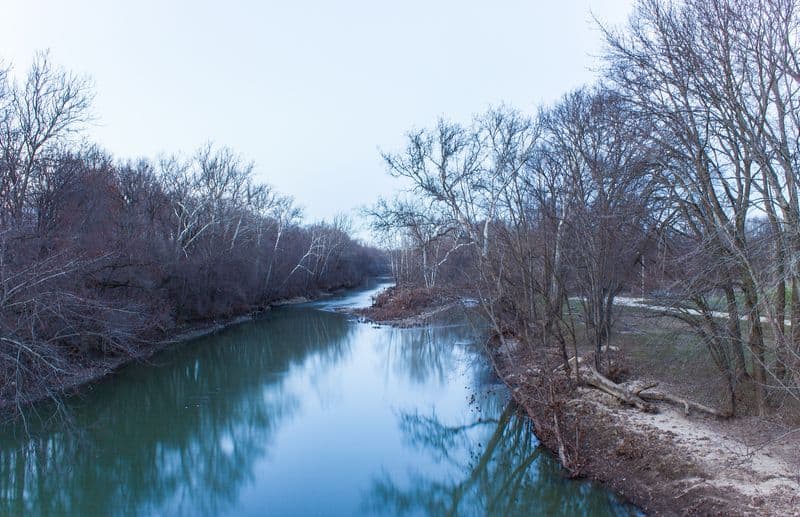
Few places in Indiana pack history, small town charm, and free recreation into one long line. The Cardinal Greenway manages all three.
It honors the railroad that built these communities while giving them a fresh purpose. Old corridors now carry families instead of freight.
Short visits and long adventures both make sense here. A one hour stroll near Muncie and a multi-day ride across the region are equally valid ways to enjoy it.
The flat path welcomes beginners without boring experienced riders. That balance is harder to find than it sounds.
Road-trippers looking for a reason to explore east central Indiana have one ready-made. Each trailhead points toward a different stretch of countryside.
Hoosier pride fits nicely too. Not every state can claim a trail with national recognition running through its farm towns.
Pack the bikes, check the forecast, and pick a starting point. The rails may be gone, but the journey is still very much open for business.