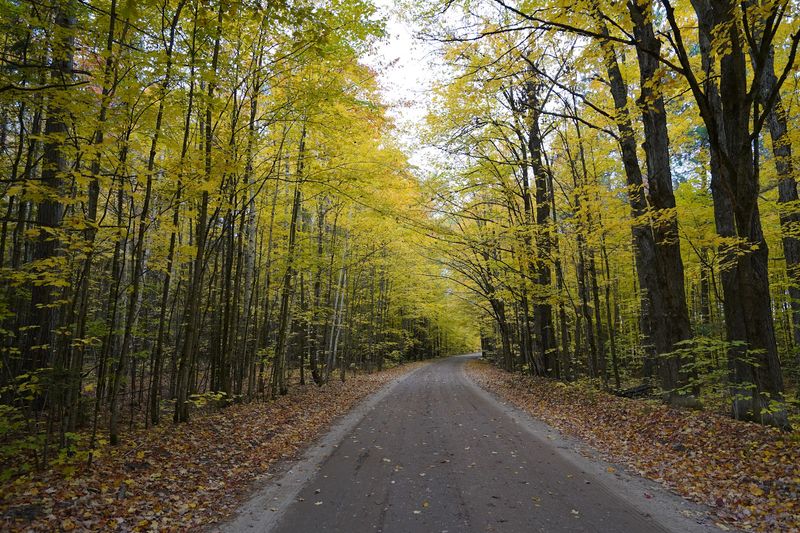
Deep in the northern Lower Peninsula, there is a forest where the cell signal gives up long before the dirt roads do. Wild elk roam these woods, trout hold in cold rivers, and fall colors turn the backroads into a slow-motion show.
Many Michiganders drive right past the turnoff on their way somewhere else, and that is exactly why the place still feels like a secret. Stick around to learn where to start, what to pack, which trails and rivers to target, and how to find your way in a forest where a paper map beats any phone.
A Headquarters Hidden Off Twin Lakes Road
Every good adventure needs a starting line, and this one sits at MI DNR Pigeon River Country State Forest Headquarters, 9966 Twin Lakes Rd, Vanderbilt, MI 49795, in northern Michigan.
The headquarters serves as the front door to Pigeon River Country State Forest, a big stretch of public land in the northern Lower Peninsula. Michiganders often shorten the name to just the Pigeon or the PRC.
Inside, the staff are known for being knowledgeable and patient with questions. Several kinds of maps are available here, each tailored to a different activity, from driving routes to trail outings.
That matters more than it sounds. Cell service across most of the forest is close to nonexistent, so the driving map from this building can be the difference between a relaxed loop and a long afternoon of wrong turns.
The place holds a 4.7-star average on Google from 159 people, which says plenty about how Michiganders feel once they find it. Families who have come for decades still treat a stop here as step one.
Hours can shift by season, so checking the official Michigan DNR page before the drive is a smart move. Grab a map, ask about current road conditions, and the forest starts to make a lot more sense.
Elk Country in the Northern Lower Peninsula
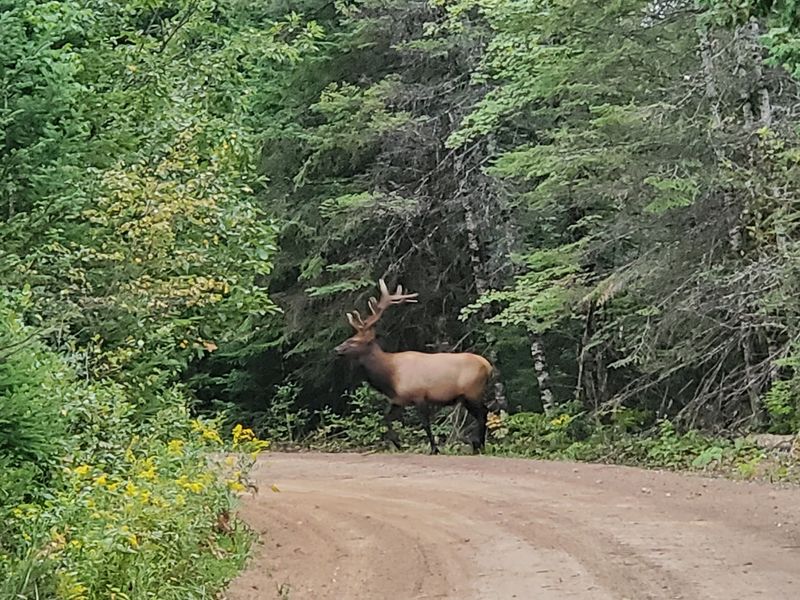
Elk are the headline act here, and they come up more than any other topic among people who know the forest.
Spotting a wild elk in these woods is the moment many families remember for years. The animals roam freely across the forest, which means sightings are never guaranteed.
Some people leave without seeing a single one. That honesty is part of the deal, because this is wild country, not a fenced exhibit.
Those who want a near-certain close look sometimes pair the trip with a stop at the elk park in Gaylord. Then they head back to the Pigeon for the thrill of finding elk on their own terms.
Fall is the season that turns the forest into the amphitheater promised in the title. The changing leaves and the elk activity make autumn a favorite time for slow drives on the backroads.
Patience pays off. Driving the dirt roads quietly, keeping a respectful distance, and asking staff at headquarters about recent activity all improve the odds.
Treat any sighting as a gift rather than a guarantee, and the forest tends to reward the effort.
Trails Through Pine and Hardwood
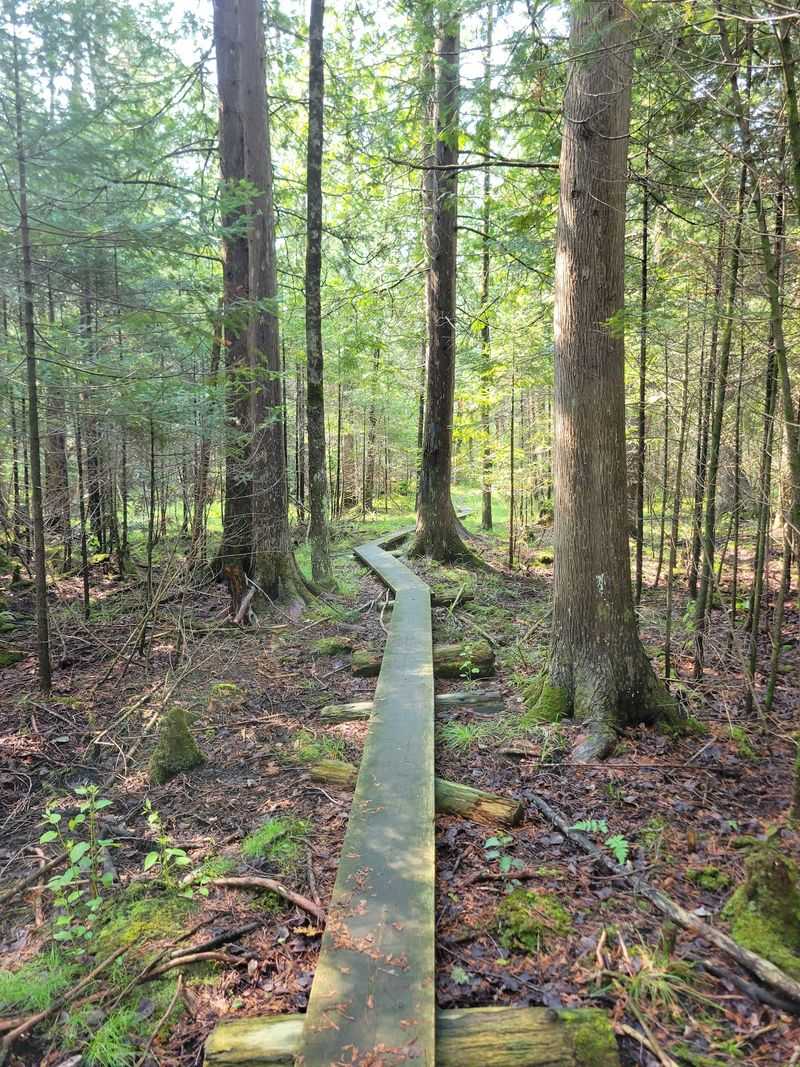
Hiking ranks right behind elk as the reason people make the drive, and the trail network gives them plenty to chew on.
The Shingle Mill Pathway is a well-known route, with a common start at the Pigeon Bridge Campground. Blue paint and markers on the trees keep the path easy to follow.
Most of the trail runs flat. The stretch north of Grass Lake is the exception, and it also happens to be the only spot with cell service.
A few cautions help. Parts of the pathway have grown over in recent years, and the Grass Lake Overlook view has been blocked by trees.
Hikers going counterclockwise finish on about half a mile of wooden boards. Those boards get very slippery when wet and covered in leaves, so good footwear and slow steps are wise.
The forest mix keeps things interesting, with red and white pine, hardwoods, jack pine, and balsam fir. Some hikers also enjoy the area history along the way.
Ticks are common, especially for anyone bringing a dog. Permethrin-treated clothing is a popular defense among regulars.
Trout Water Without the Crowds
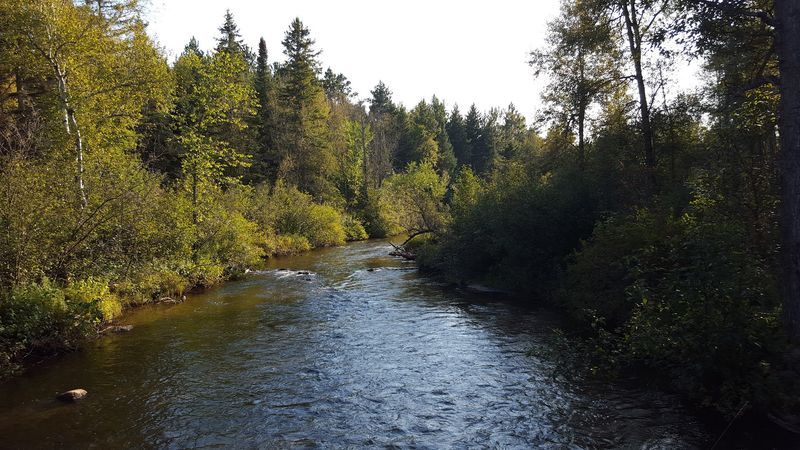
Labor Day weekend usually means packed rivers across Michigan, yet anglers on the Pigeon River have reported hardly anyone around.
Fly fishing here comes with easy wading in some spots. The river holds naturally reproducing brook trout, rainbows, and brown trout.
The Pigeon is not the only option. The Black River also has a strong reputation for trout, and many small lakes scattered through the forest give spin anglers and families more places to cast.
Old-timers remember brook trout as one of the forest’s lasting treasures. Some came every year for decades, chasing fish along with grouse, wild turkey, and morel mushrooms.
Michigan fishing licenses and regulations apply, so check the current rules before wetting a line.
For a budget-minded family, a quiet river and a cooler of sandwiches can fill an entire day. No guide fees, no boat rentals, just a rod and a little patience.
The fish may not always cooperate, but the empty riverbanks rarely disappoint.
Campgrounds Built for Roughing It
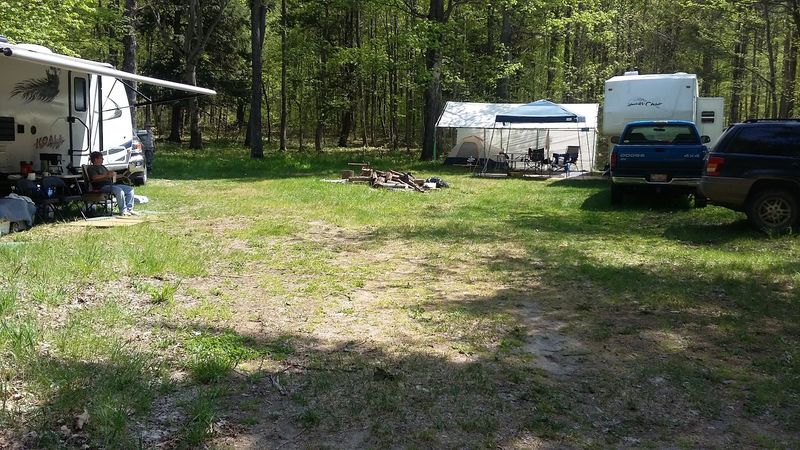
Electrical hookups are not part of the plan here, and that is precisely what keeps the campgrounds feeling like real woods.
The forest offers both free and paid camping. The campgrounds are primitive but kept clean, often near the river, and well shaded.
Expect pit toilets and no shower building. Some campers simply cool off in the river instead.
Horseback riding is a big draw, and equestrian camping is available. Riders find the forest well suited to long days in the saddle.
Dispersed sites offer even more solitude. Some near Grass Lake have fallen trees and overgrowth, which leaves room for only two or three small tents.
A site overlooking Section 4 Lake has been noted as being in good shape with a nice view, though it is also small. Larger groups should plan accordingly.
For Michigan families watching their budget, free camping is a rare find. Pack in what is needed, pack out what is used, and the forest stays wild for the next crew.
Section 4 Lake and Its Turquoise Water
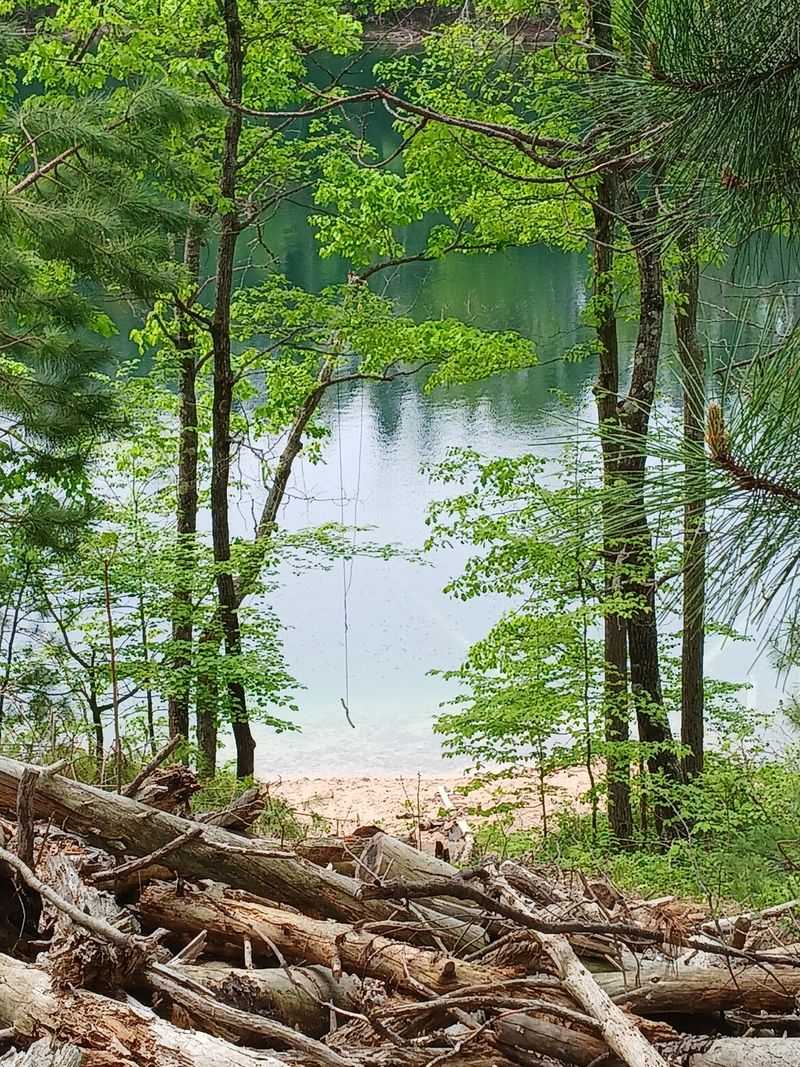
Ask a longtime fan of the Pigeon about a favorite swimming spot, and Section 4 might come up fast.
The lake is a large natural spring with clear, turquoise water. Trees lie visible in the lake, which makes it a memorable stop.
Lakes in general are a recurring highlight in the forest. Many small ones are tucked among the trees, good for a swim, a cast, or a lunch break.
Hiking to the upper cabin is another outing that loyal fans mention. The forest rewards those willing to explore past the main roads.
Not every lake is easy to find, though. Signage is limited, and some first-timers have driven around without locating the water they heard about.
That is where the maps from headquarters pay off. Staff can point out which lakes are reachable and which roads are passable that week.
Treat the lakes with care, since much of their appeal comes from how undisturbed they remain. A quiet swim here is a reminder of why so many Michiganders keep the forest close to their hearts.
Dirt Roads, Flooded Two-Tracks, and Fall Color
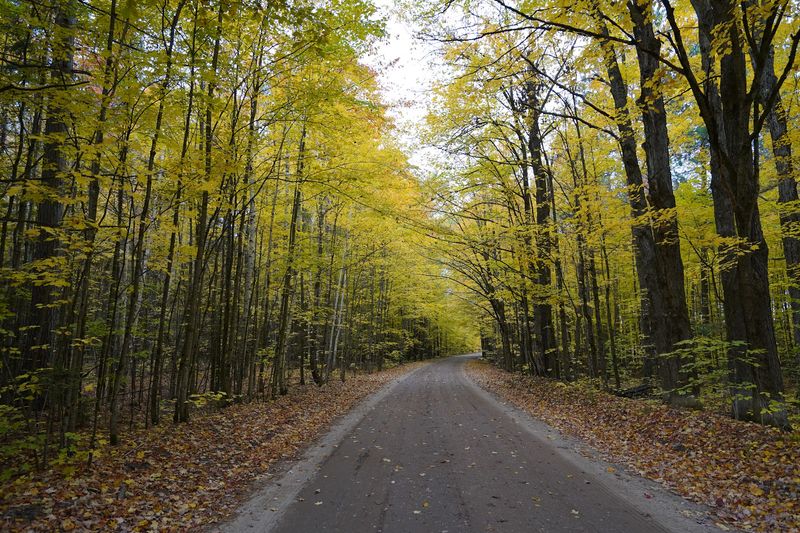
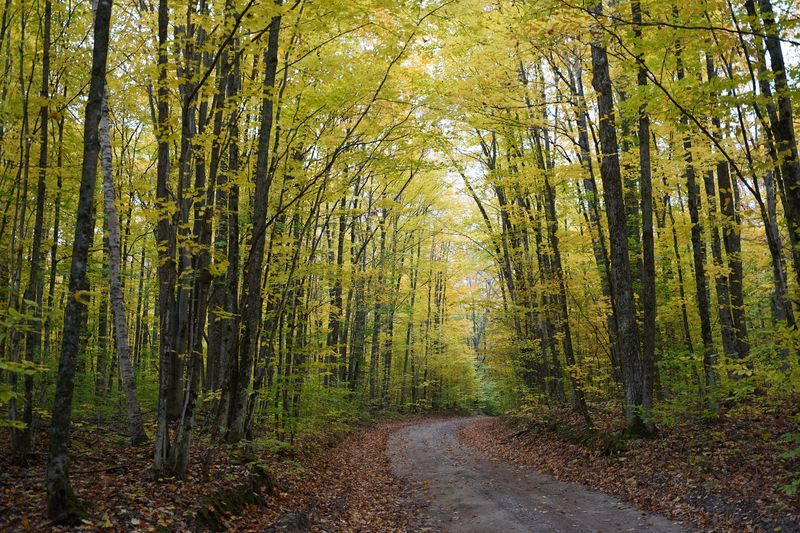
Paved roads are scarce in the Pigeon, so a bumpy, dusty drive is part of the experience.
Many roads are seasonal and traveled at your own risk. Flooding has been reported on routes such as Duby Lake Road, Osmun Road near Dog Lake, Clute Road, and Cornwall Creek Road near the Cornwall Creek Flooding.
Tubbs Trail and Chaffee Trail have also been in rough shape at times. Off-road vehicle riders enjoy the trails but should watch for washed-out sections.
Road signs could be better across the forest. Combined with weak phone coverage, that makes the paper driving map from headquarters essential.
Oil well sites dot parts of the landscape. They are not much to look at, but the access roads do make getting around easier.
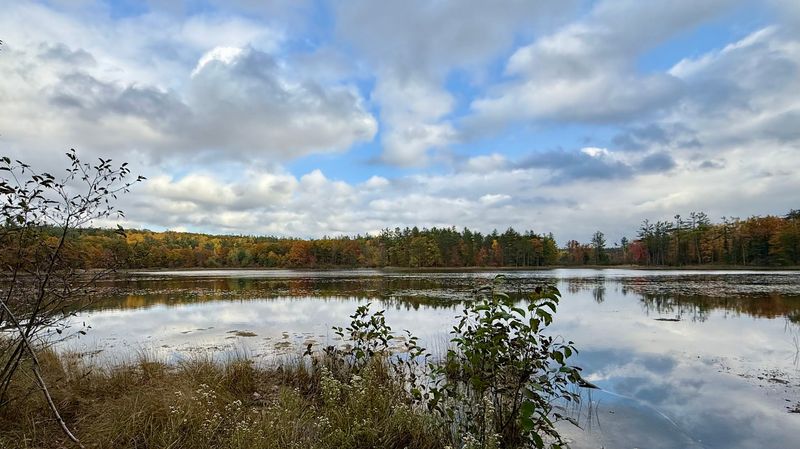
The payoff arrives in autumn. Fall colors draw people back year after year, and a slow drive through turning leaves remains one of the cheapest scenic outings in Michigan.
Bring a full tank, a spare tire, and some snacks. Then let the backroads set the pace.
Worth the Drive for Michiganders
Some families have been coming to the Pigeon since they were kids, and others have logged visits for 20 years or more.
That loyalty says a lot. The forest offers hiking, fishing, camping, hunting, swimming, horseback riding, and exploring, all on public land.
It is not a polished destination. The discovery center may be closed on some days, wildlife sightings are hit or miss, and amenities stay basic.
When the nature center is open, it makes a handy stop for well water and clean restrooms. Weekend hours in fall have been confirmed, but checking ahead is smart.
For budget-minded families and retirees, the math is simple. Free camping, free trails, and no-cost scenic drives make this one of the more affordable getaways in the northern Lower Peninsula.
Respect matters here. Many who love the forest hope it stays wild for generations, so leave no trace and give the elk plenty of room.
Start at the headquarters, grab that driving map, and head into the trees. The elk may or may not show up, but the Pigeon has a way of earning a return trip.