Some of the best special effects in Indiana cost nothing to film and need no crew at all. On certain damp, quiet nights along the southern shore of Lake Michigan, a few kinds of forest fungi produce their own faint green light, a natural trick called bioluminescence.
The place where this happens is better known for towering sand hills, fog rolling off the lake, and beaches that stretch for miles, so the tiny light show tends to stay a secret. This guide covers where the park sits, why its woods suit these glowing fungi, which trails and dunes deserve your time, and the practical details that help you plan a trip worth the drive.
A Lakeshore Park in Westchester Township
Northwest Indiana keeps one of its strangest secrets right on the edge of Lake Michigan. Indiana Dunes State Park sits in Westchester Township, IN 46304, in Porter County, Indiana, USA.
The park lies close to the town of Chesterton, and it is surrounded by the larger Indiana Dunes National Park. People often mix the two up, so it helps to know that the state park is its own separate property with its own entrance and fees.
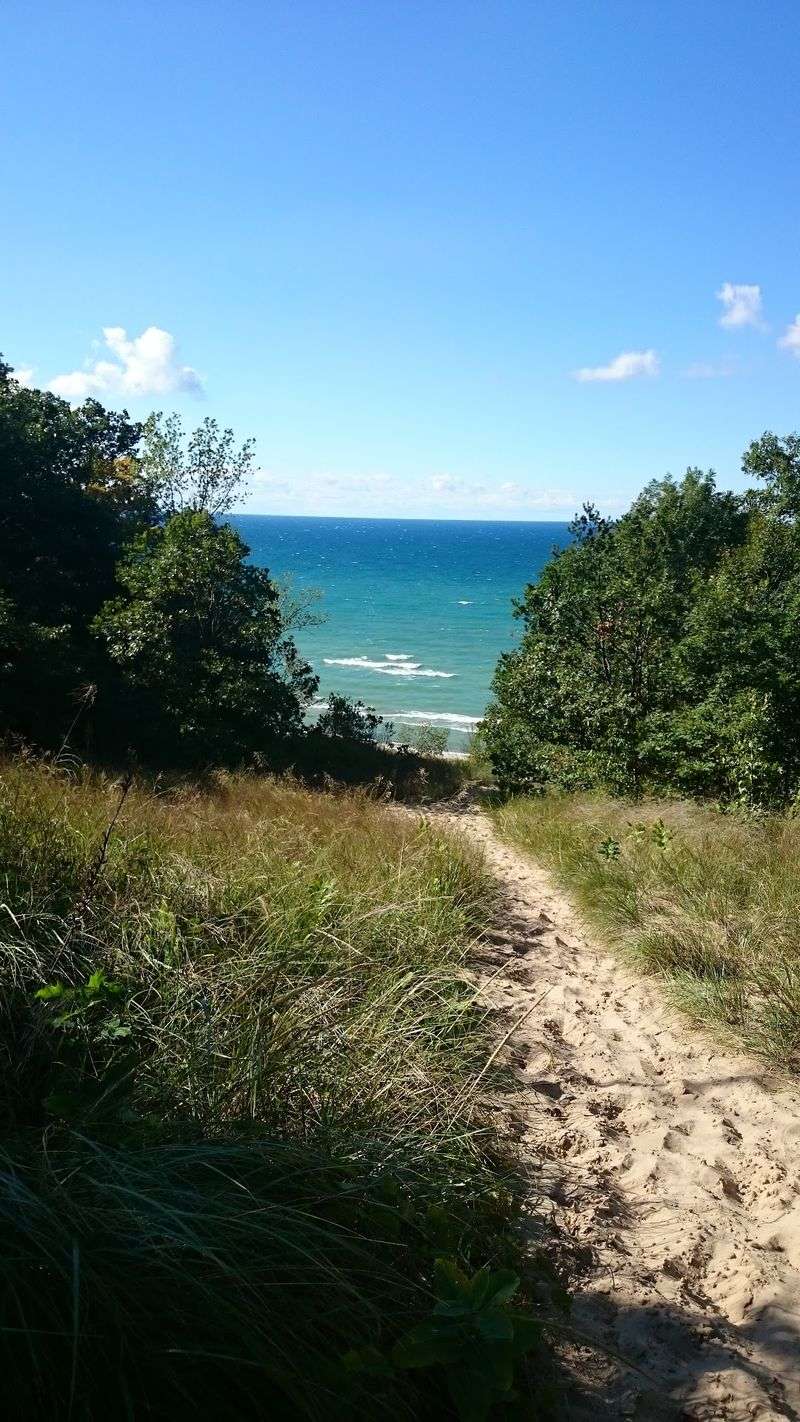
Inside its borders you will find roughly three miles of Lake Michigan beach. Behind that beach rise some of the tallest sand dunes in the state, and behind those dunes sit wetlands and thick woods.
That mix is the key to the whole story. Sand, water, and forest all meet in a fairly small space, which creates the shady, moist pockets where unusual fungi can grow.
For Hoosiers, the park is close enough for a day trip from much of the northern half of the state. For Chicago-area families, it is barely more than an hour away in typical traffic.
So the setting is easy to reach, yet it still feels a little wild once you leave the parking lot behind.
A Century of Protected Sand
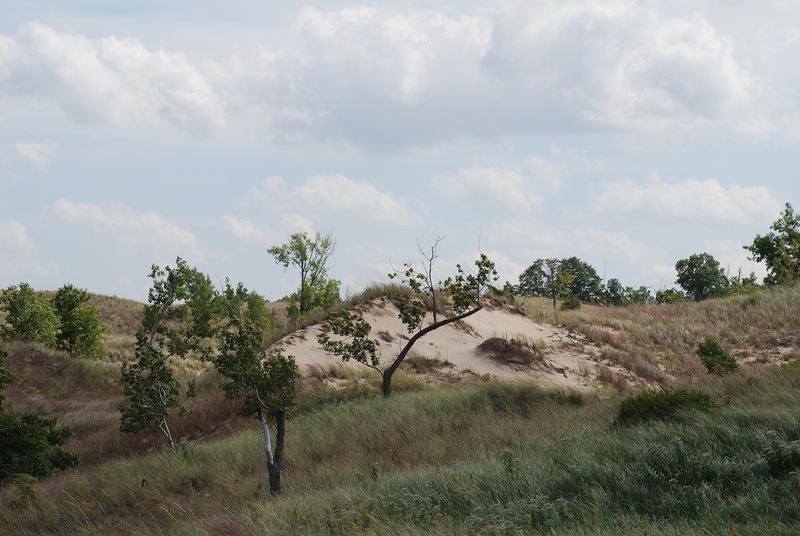
Long before anyone posted dune photos online, Indiana residents were fighting to save these hills. The push to protect the area grew in the early 1900s, when industry was spreading fast along the southern shore of Lake Michigan.
Indiana Dunes State Park was established in the 1920s. That makes it one of the older state parks in Indiana, and it has now passed the century mark.
Conservation groups, scientists, and local supporters argued that the dunes held rare plant communities found in few other places in the Midwest. Their work helped set the stage for the later creation of the national lakeshore, which eventually became Indiana Dunes National Park.
Researchers have studied the area for over a hundred years. The dunes became an important outdoor classroom for the idea of plant succession, which explains how bare sand slowly turns into grassland and then forest.
That slow change matters for mushroom fans. The older wooded dunes hold layers of leaf litter and fallen timber, which give fungi plenty of material to grow on.
In other words, the glow you might spot today has roots in a conservation decision made generations ago.
Fungi That Make Their Own Light
Hollywood needs computers to make a forest glow. Nature handles it with a chemical reaction.
Bioluminescence happens when certain living things produce light through a reaction involving a compound called luciferin. Fireflies are the famous example, but some fungi can do it too.
In the Midwest, a few species are known for this ability. The jack-o’-lantern mushroom, a bright orange fungus that grows in clusters near the bases of hardwood trees, has gills that can give off a faint green glow.
Another form of the effect is called foxfire. That term describes fungal threads inside old, soft wood that can make the timber itself appear to shine in deep darkness.
Scientists still debate exactly why fungi glow. One idea is that the light may attract insects that help spread spores, though research on this question continues.
The important part for a trip is simple. The glow is real, it is natural, and it is usually very dim, so it rewards patient eyes rather than quick glances.
A word of caution belongs here too. Jack-o’-lantern mushrooms are toxic, so they are strictly for looking and never for picking.
Why the Woods Here Suit a Glow
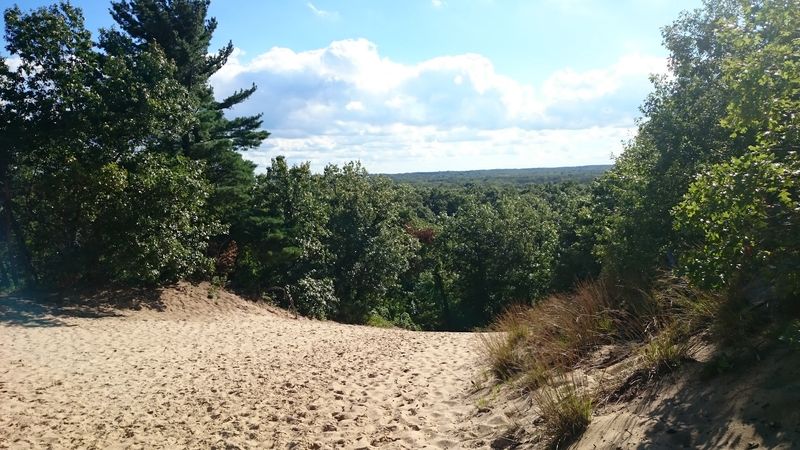
Fungi are picky roommates. They need moisture, shade, and something to feed on, and the wooded back dunes of this park offer all three.
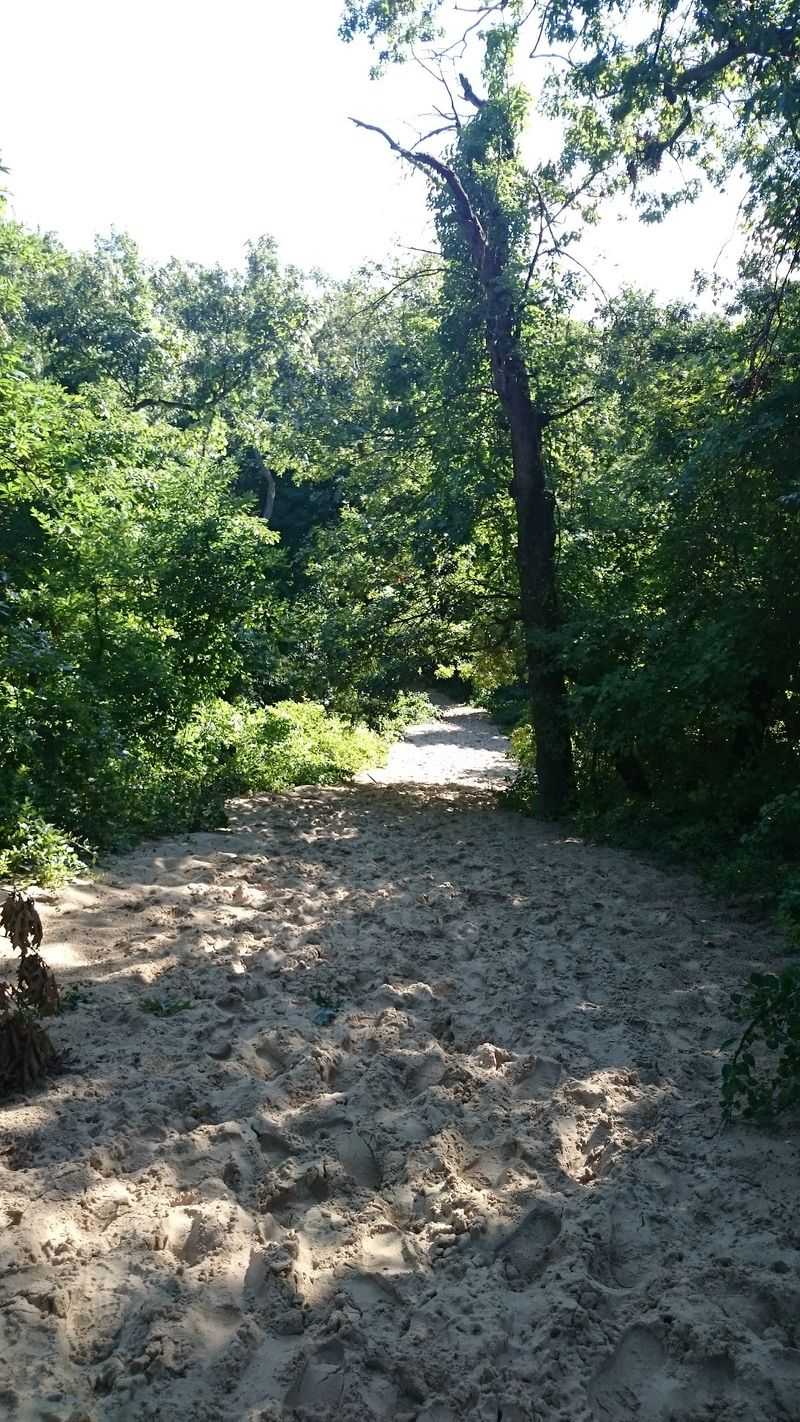
Behind the tall beach dunes, the land turns into forest with oak and other hardwoods. Fallen branches and old logs stay on the ground, which is exactly the kind of material that wood-loving fungi break down.
The park also contains wetland areas between ridges. Those low spots help keep nearby soil damp, which supports mushroom growth after rain.
Lake Michigan plays a role as well. The big lake affects local weather, and humid spells along the shore can create good conditions for fungi to fruit.
None of this guarantees a glowing mushroom on any given night. Mushrooms appear on their own schedule, and many trips will turn up nothing that shines at all.
Still, the mix of forest, wetland, and lake moisture gives the park a better shot than a dry, open field. Think of it as a natural stage that is set and waiting, even when the main act decides to sleep in.
Late Summer and Early Fall Timing
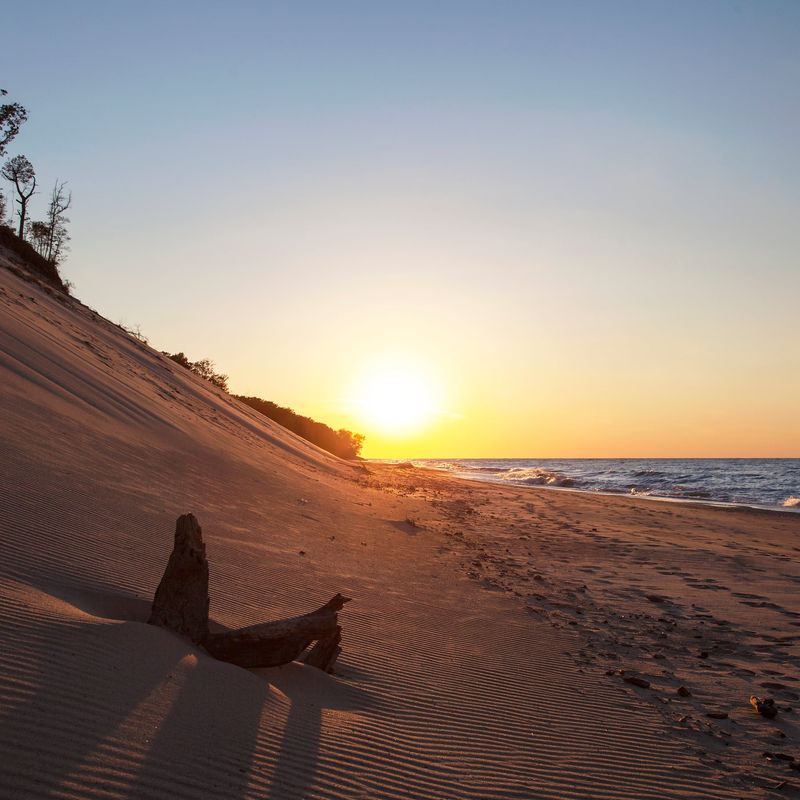
Timing is everything when the star of the show only shows up after rain. In the Midwest, jack-o’-lantern mushrooms most often appear from about mid-summer into fall.
The best chances tend to come a few days after a good soaking rain during warm weather. Dry spells usually mean fewer mushrooms of any kind.
A smart plan is to scout during daylight first. Orange clusters near tree bases or on buried roots are much easier to find in the afternoon than in the dark.
Once you know where a cluster sits, you can think about whether it is possible to view it in low light. Keep in mind that park hours set the limits for any evening visit, and staying on trails is required.
The glow is faint, so a cloudy evening near closing time may help more than a bright one. Your eyes also need several minutes to adjust after you switch off a flashlight or phone screen.
The good news is that a mushroom-free trip is still a great trip. The dunes, beach, and wetlands put on a full show no matter what the fungi decide to do.
Fog, Gray Skies and a Moody Shoreline
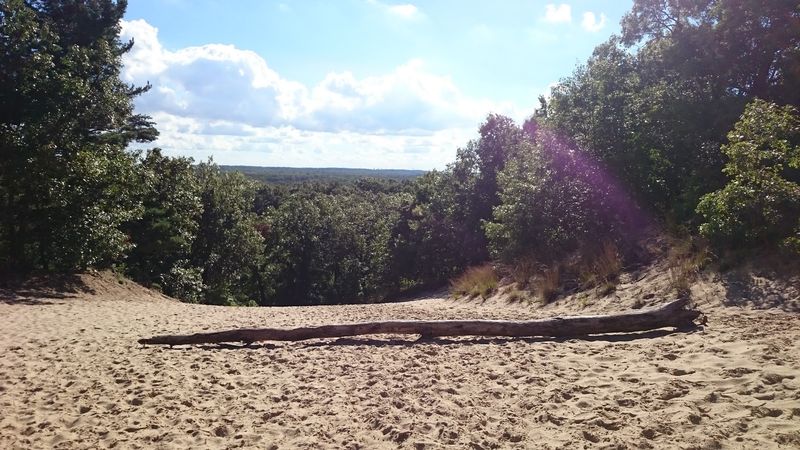
Sunshine gets all the postcards, but gray days might be when this shoreline looks its most dramatic. Fog sometimes rolls in off Lake Michigan and wraps the dunes in a thick blanket of mist.
On those days the tall sand hills seem to fade into the sky. The beach can feel empty and calm, even in seasons when it is usually crowded.
Photographers often chase this kind of weather. Low clouds, misty treelines, and a quiet lake create pictures that look like scenes from a mystery film.
That moody quality is part of what makes the glowing mushroom story fit so well. A park that already looks like a movie set gets one more special effect hiding in the woods.
Winter adds yet another mood. Ice can build up along the shore, and the dunes take on a stark look that few summer guests ever see.
Safety comes first in poor visibility, so stick to marked trails and keep an eye on the weather. A gray forecast is not a reason to cancel, though, because some of the park’s best moods arrive under cloudy skies.
The 3 Dune Challenge
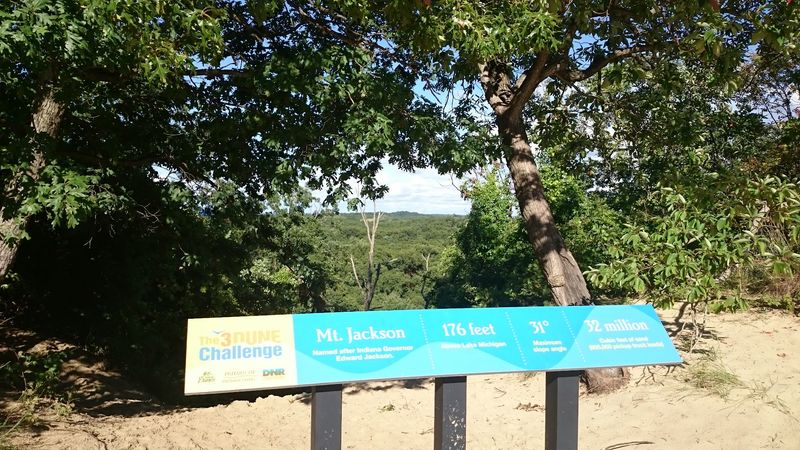
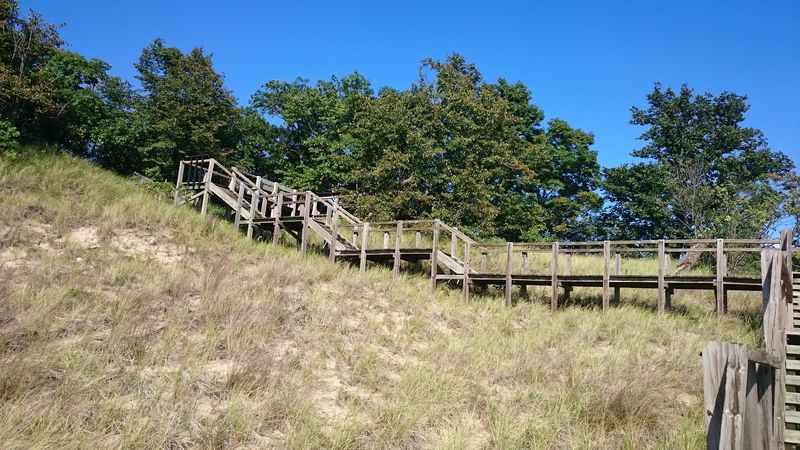
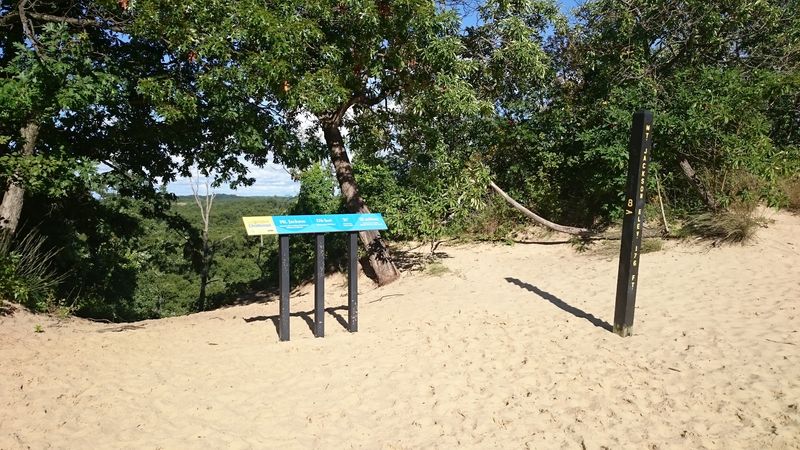
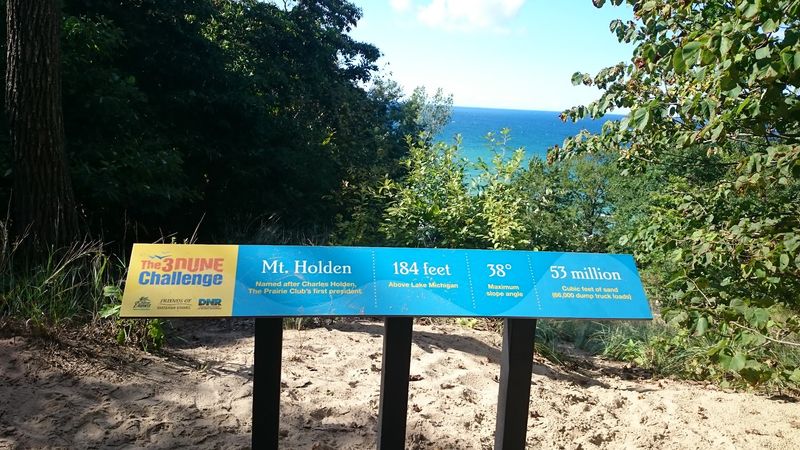
Leg day has a new address in northwest Indiana. The park’s famous 3 Dune Challenge sends hikers up and over its three tallest dunes.
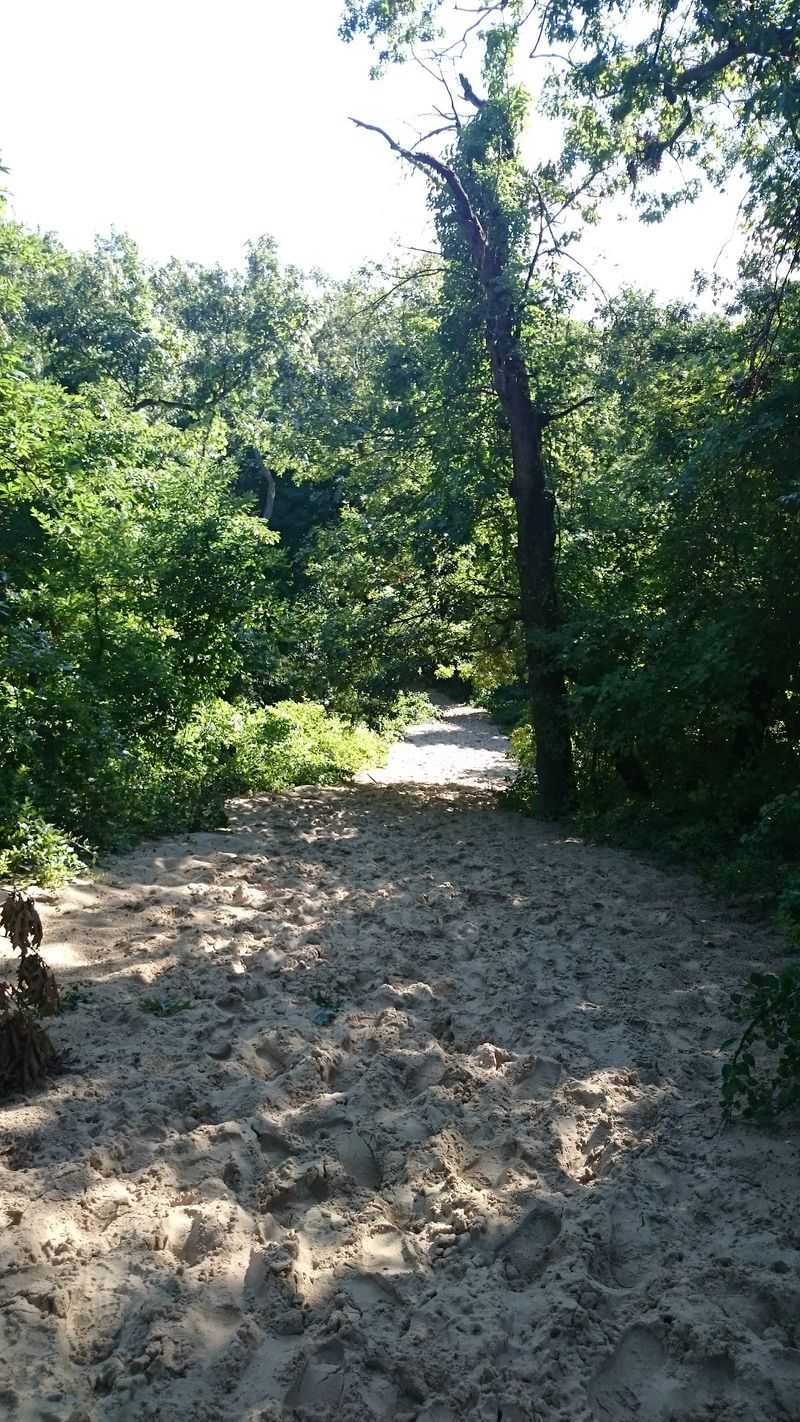
The route covers Mount Jackson, Mount Holden, and Mount Tom. The full loop is about 1.5 miles, but the total climb is around 552 feet, much of it on loose sand.
Mount Tom is the tallest of the three at about 192 feet. From the top, clear days can reveal wide views of Lake Michigan and, on especially sharp days, the Chicago skyline in the distance.
Sand slides backward with every step, which makes even short climbs feel like a workout. Many hikers stop to catch their breath, and nobody minds.
The park has offered a sticker or similar reward for finishing the challenge, available at the nature center or park office. Details can change, so check with staff on the day you go.
Bring water, wear sturdy shoes, and pace yourself. The bragging rights last a lot longer than the sore calves.
Wetland Boardwalks and Quiet Trails
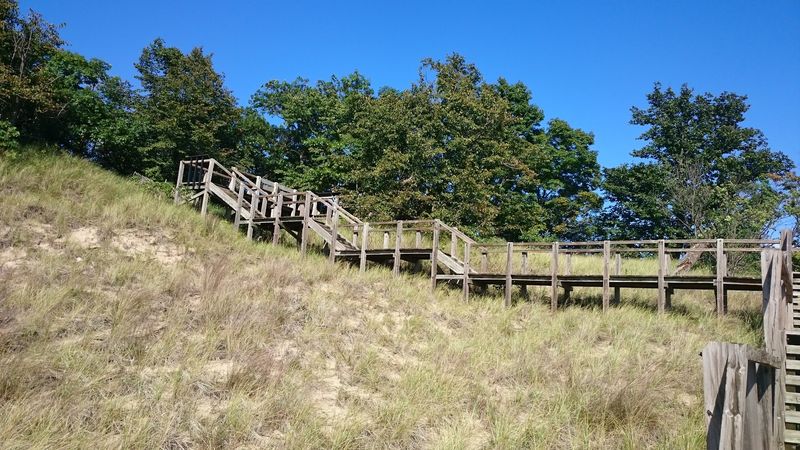
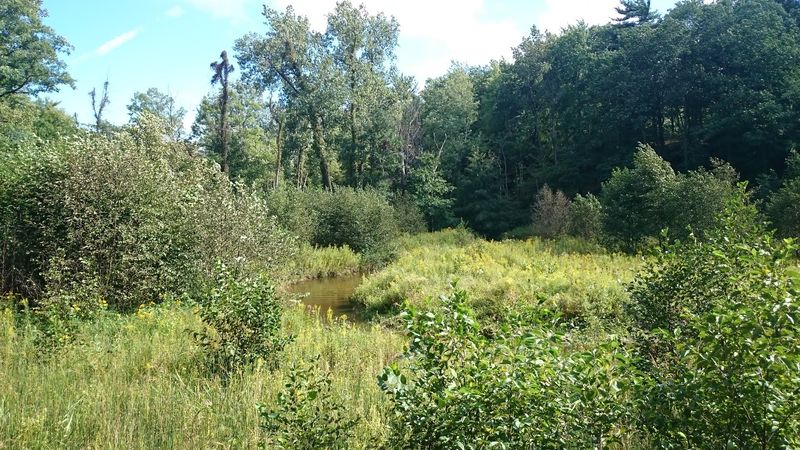
Not every great trail here goes straight uphill. Some of the park’s most relaxing paths cross wetlands on boardwalks and stay fairly level.
Trail 2 is a favorite for this reason. It follows wet, low ground through the woods, with boardwalk sections that help hikers stay above soggy areas.
The trail system covers many miles in total, and routes range from easy strolls to steep dune climbs. Maps are available at the park, which helps families pick a route that matches their energy level.
These lower, shaded areas are also the kind of spots where mushrooms in general tend to pop up. Moist ground near old logs gives fungi a comfortable home.
Birders enjoy this side of the park too. Wetlands and woods attract many species, and spring and fall migrations bring extra activity along the lakeshore.
Trails can flood or turn muddy after storms, so waterproof footwear is a smart choice. A slow walk here often reveals more than a fast one, especially for anyone hoping to spot a cluster of orange caps near a tree trunk.
Three Miles of Lake Michigan Beach
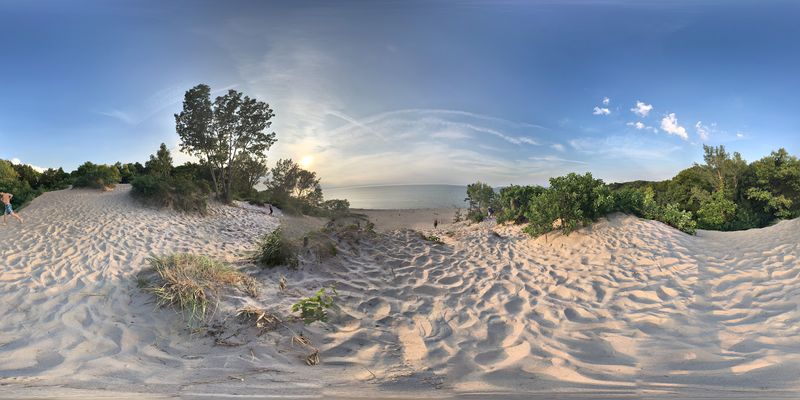
Indiana only touches a small piece of Lake Michigan, and this park claims about three miles of it. That stretch of shoreline is one of the biggest summer draws in the region.
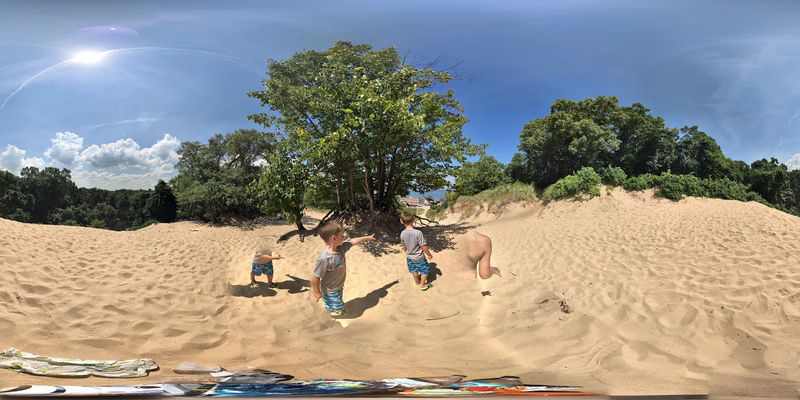
The beach is wide and sandy, with the dunes rising behind it. On warm weekends, families set up for the whole day with umbrellas, coolers, and beach toys.
Swimming is allowed in designated areas, and lifeguards are typically on duty during the main summer season. Lake Michigan can have strong currents and rip currents, so check posted conditions before heading into the water.
A beach pavilion sits near the main swimming area. It has served as a hub for restrooms and seasonal concessions, though offerings can vary by year.
Off-season, the same beach becomes a peaceful walking route. Fall and spring strolls along the shoreline often come with far fewer people.
Plenty of families make the beach the main event and save the woods for a short afternoon walk. That combination covers sand, water, and a shot at mushroom hunting in a single trip.
The Nature Center Advantage
Curious minds should make one stop before hitting the trails. The park’s nature center offers exhibits about the dunes, wildlife, and local plants.
A wildlife viewing area lets guests watch birds at feeders through large windows. Kids tend to love this part, and adults often find themselves staying longer than planned.
Naturalists at the park lead interpretive programs at different times of year. Topics can include hikes, wildlife talks, and seasonal events, so it pays to check the schedule ahead of time.
Staff can also be a great resource for anyone interested in fungi. They can point out which trails have been wet lately and remind guests about park rules for staying on paths.
The center helps explain why this small strip of land is so important. Plant communities here range from beach grasses to forest, all packed into a short distance from the water.
A stop of even twenty minutes can turn an ordinary hike into a much richer one. Knowing what to look for is half the fun of finding it.
Camping Close to the Dunes
Mushroom hunters who want more time in the woods can stay overnight. The park has a campground with sites that can be reserved through the Indiana state park reservation system.
Electric sites are available, and the campground fills up fast during summer weekends. Booking well in advance is a good idea from late spring through early fall.
Staying overnight puts you close to the trails early in the morning. Morning walks after a nighttime rain can be a great time to scout for fresh mushrooms.
Campers also get easier access to evening programs when they are offered. Families often use the campground as a base for several days of beach time and hikes.
Remember that campers still need to follow park rules after dark. Trails and certain areas may have their own limits, and staff can explain what is allowed.
A night or two at the campground turns a quick day trip into a small adventure. It also gives the fungi more chances to cooperate with your plans.
Who Will Love This Trip
Few parks in Indiana manage to please a teenager, a toddler, and a retired birdwatcher on the same afternoon. This one comes close.
Active hikers get the 3 Dune Challenge and miles of trail. Beach lovers get the long Lake Michigan shoreline, and nature fans get wetlands, birds, and the nature center.
Families with young kids can keep things simple with a beach day and a short boardwalk walk. Retirees and slower walkers can choose flatter trails and still enjoy quiet woods.
Photographers will appreciate the moody fog days and the views from the top of the dunes. Science-minded kids may get hooked on fungi after hearing that some mushrooms make their own light.
Patience is the main requirement for mushroom seekers. Glowing fungi do not appear on demand, so the trip works best for people who enjoy the hunt as much as the find.
Groups who share their finds with friends and family tend to plan return visits. One trip often turns into a yearly tradition.
Hours, Fees and the Drive In
Good news for budget planners: a full day here costs less than a movie ticket for the family. Indiana state parks charge a per-vehicle entrance fee rather than a per-person fee.
Fees have generally been lower for vehicles with Indiana plates and higher for out-of-state vehicles. Rates can change by season and year, so check the Indiana Department of Natural Resources website before you go.
Frequent guests can look into the annual state park entrance pass. It covers entry at Indiana state parks and can pay for itself after several visits.
The park is generally open from early morning until late evening, with gate hours that can vary. Confirm current hours before planning any evening walk for mushroom viewing.
Getting there is fairly simple. The park entrance sits at the north end of State Road 49, north of Interstate 94 near Chesterton.
Summer weekends can bring long lines at the gate and full parking lots. Arriving early or visiting on a weekday makes the whole day run more smoothly.
A Quiet Verdict on the Hidden Glow
Nobody can promise a glowing mushroom on a particular night, and that is part of the charm. The light show belongs to nature, not to a ticket booth.
What the park does promise is plenty. You get a century of conservation history, tall dunes, miles of trail, wetlands, and a long Lake Michigan beach, all in one spot in Porter County.
The fungi are a bonus layer on top of that. Even a daytime sighting of a bright orange jack-o’-lantern cluster feels like finding a secret most people walk right past.
For Hoosier families, the park is a reminder that world-class nature does not require a plane ticket. A tank of gas and an entrance fee open the door to scenery that rivals far more famous places.
Plan for the dunes and the beach, and leave a little room for surprises in the woods. Keep your hands off the mushrooms, stay on the trails, and let your eyes adjust slowly.
Some special effects need a big budget. This one just needs a rainy week, a good trail, and a bit of patience.