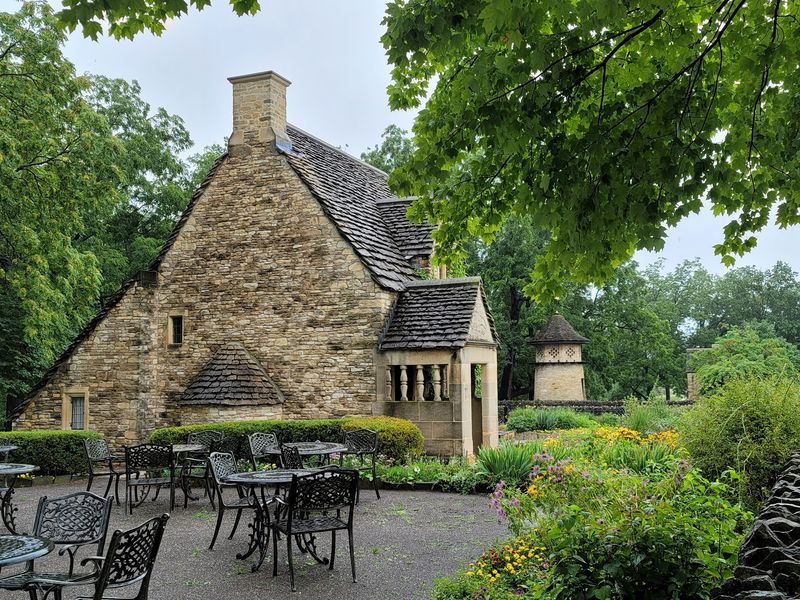
Henry Ford did not just collect old cars. He collected entire buildings, from family homes to famous workshops, and moved them to one spot in Dearborn so Michiganders could walk through history instead of just reading about it.
Today you can ride a 1914 Model T, hop aboard a steam train, and stroll past homes once tied to famous Americans, all in a single afternoon. Plenty of Michigan families grew up visiting, and many now bring their own kids, which says a lot about how this place holds onto people.
Here is what makes it worth the drive, what to see first, and the practical details to plan your day.
An Open-Air Museum Off Oakwood Boulevard
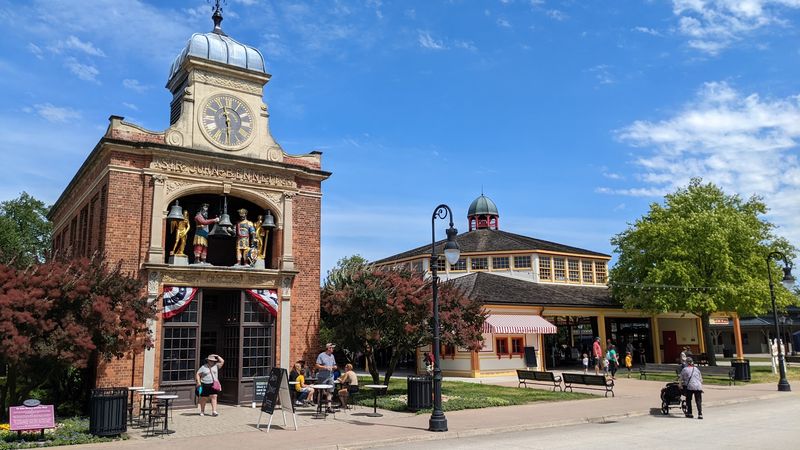
Most museums keep history behind glass. Greenfield Village sets it out on streets you can actually walk.
The village sits at 20900 Oakwood Blvd, Dearborn, MI 48124, in the United States, as part of The Henry Ford complex. It is a sprawling open-air history museum founded by Henry Ford, filled with artifacts and homes connected to famous Americans.
The big idea is simple. Instead of building replicas, Ford gathered existing structures from around the country and set them up together, creating a village where the homes and workshops themselves are the exhibits.
That makes the place feel less like a museum hall and more like a town you get to explore at your own pace. Historic homes line the lanes, working farms operate on the grounds, and craftspeople demonstrate skills in real buildings.
For Michigan families, the location is a big plus. Dearborn is an easy drive for much of the metro Detroit area, and the village pairs naturally with the indoor museum next door.
That neighbor comes in handy when the weather turns, since many people say the museum alone can fill a day or two. The village, though, is where the real time travel begins.
Henry Ford’s Moving Day Vision
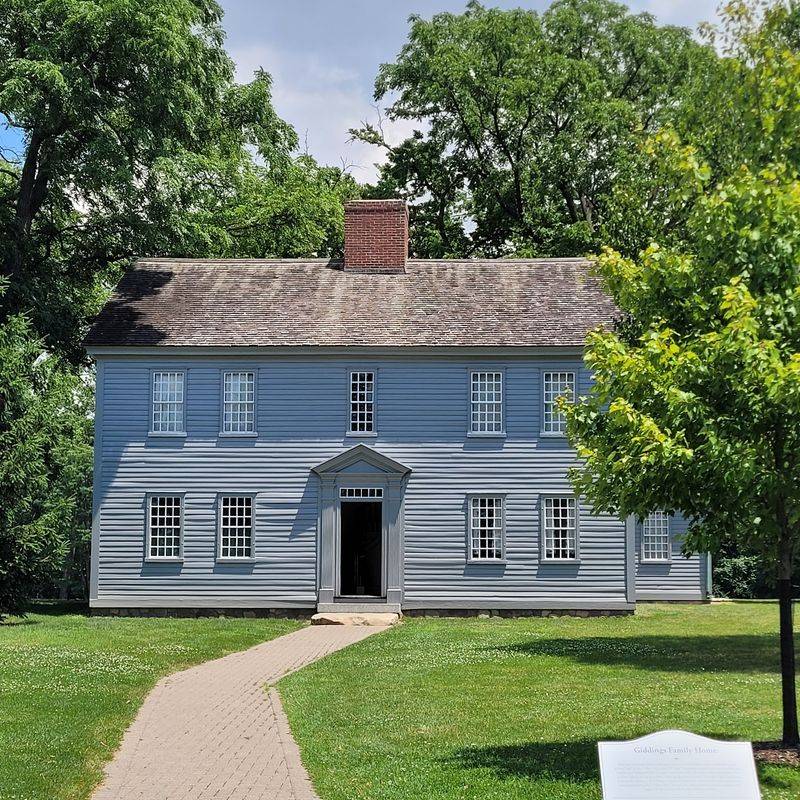
Few people would buy a famous home and then move it hundreds of miles. Henry Ford did exactly that, more than once.
The homes and businesses here were bought from different places and relocated to Dearborn to be preserved. Among the well-known names connected to buildings on site are Noah Webster and Robert Frost, whose homes now stand in the village.
Thomas Edison is part of the story too. His Menlo Park labs are among the most talked-about stops, giving a look at where invention happened on a working scale.
The Ford Home is another favorite, tied directly to the founder himself. It offers a personal angle on the man behind the whole project.
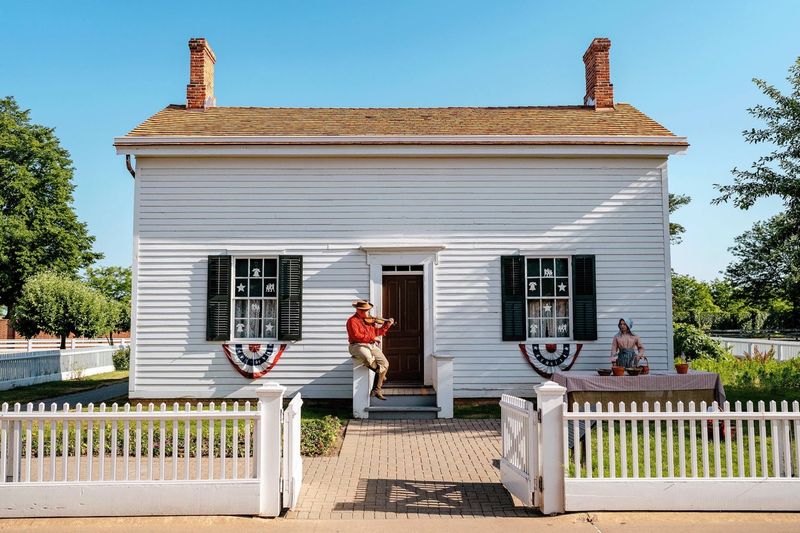
Not everything is about famous inventors. Houses along Maple Lane show everyday American life, and the Jackson House brings in a powerful chapter of Civil Rights history.
Before stepping inside the Jackson House, an exhibit explains the Civil Rights era with photos from the time. It covers the groups working to advance civil rights and how the Jackson family and their home played a role in events in Selma.
Put together, the collection reads like a road trip across American history without leaving Wayne County.
Rolling Back to 1914 in a Model T
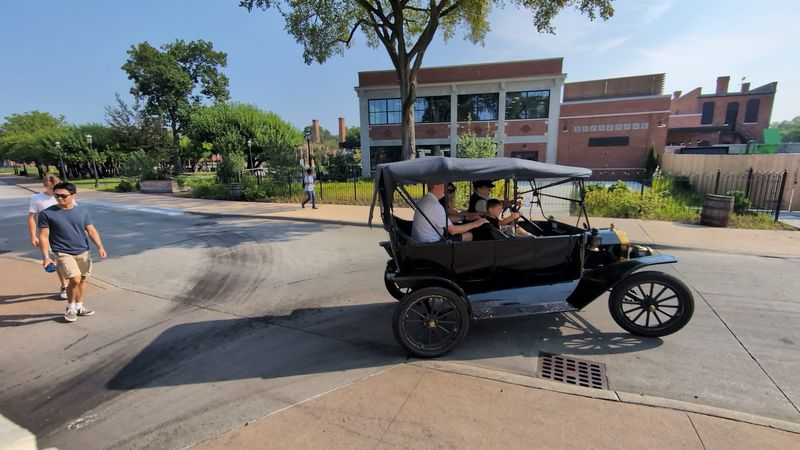
Ford built the car that put America on wheels, so of course the village lets you ride one.
Model T rides are among the most beloved activities here. Guests climb into real historic 1914 Ford Model T cars for a ride of about 10 minutes.
The driver shares history along the way, so the trip doubles as a rolling lesson. It is a fun way to rest your feet while still learning something.
The setting helps sell the experience. Everything is period correct, including the cars, the buildings, the street lights, and even yellow stop signs from before they were required to be red.
That little stop sign detail tends to surprise people. It shows how carefully the village keeps its early-1900s look intact.
Horse-drawn carriage rides are also available for anyone who wants an even older mode of travel. Some families try the train, the Model T, and the carriage all in one day.
Gearheads should circle the Old Car Festival on the calendar too, since it draws plenty of attention among regulars. Either way, a ride in a Model T is the kind of memory that sticks long after the drive home on I-94.
All Aboard the Steam Train
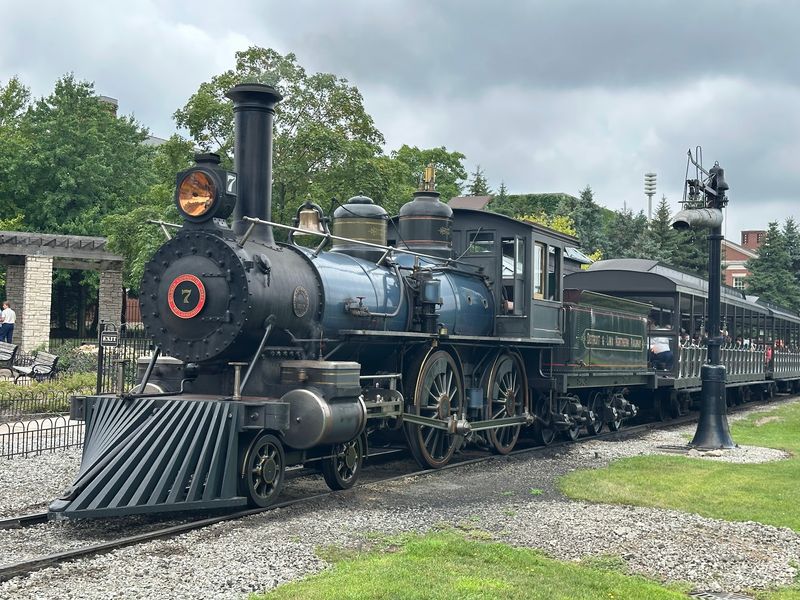
Ask families what they remember most, and the train often comes up first.
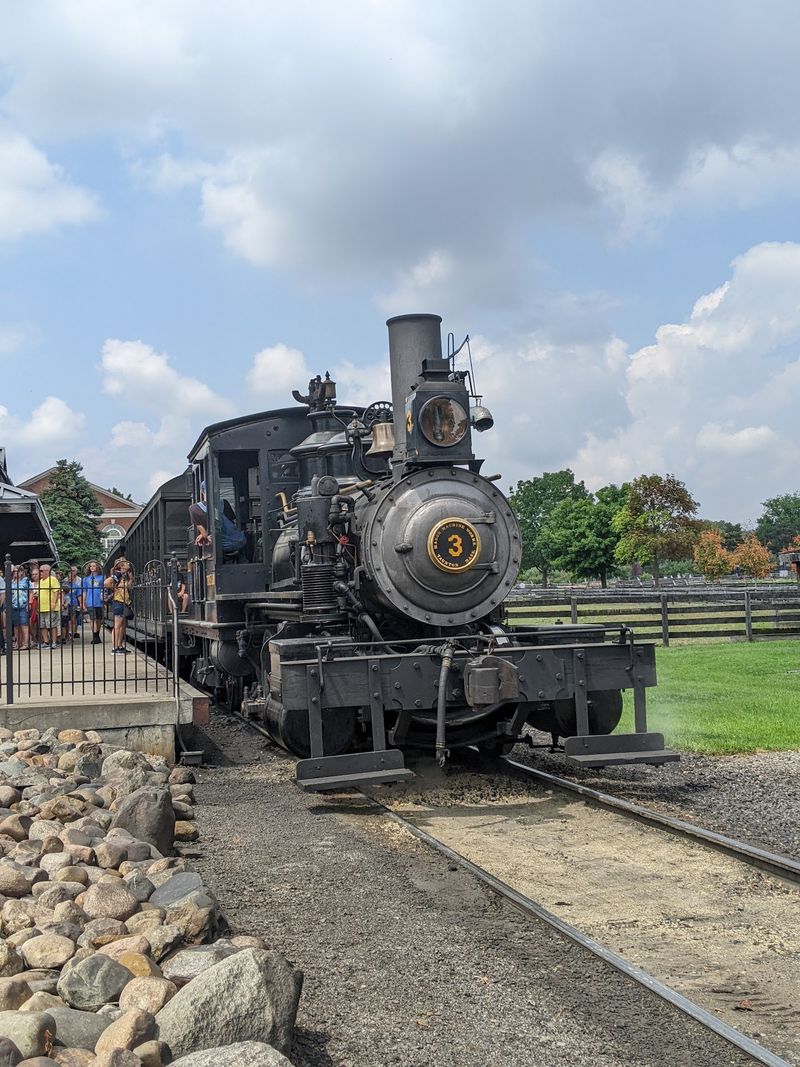
The historic steam engine-powered train is the single most mentioned attraction at the village. Kids love it, and plenty of adults call it the highlight of the whole visit.
Riding the train is also a smart way to get a feel for the grounds. The village is large, and a train loop gives a sense of the layout before you start exploring on foot.
Younger fans may know about Thomas the Train events, which have been part of the village experience. Those draw little engineers who want to see a favorite character up close.
Right nearby, the carousel is another big hit with children. Staff members there have earned a loyal following for making kids feel welcome and special.
A playground rounds out the kid-friendly corner. Between the train, carousel, and play space, small children have plenty to keep them happy while parents catch their breath.
The combination makes the village easy for multi-generational groups. One family visit included guests ranging from age one to 55, and everyone left with a good time.
Craftworks, Farms, and Hands-On Skills
Watching someone shape glass by hand is hard to walk away from. The glass blowing demonstration ranks among the most popular stops in the village.
It sits within a craft area that shows how things were made in earlier times. Weaving and pottery demonstrations are also part of the lineup, and they are both educational and fun to watch.
Blacksmith demonstrations add another classic trade to the mix. These hands-on displays make the history feel active rather than stuck in a display case.
Then there is Firestone Farm, a working farm where costumed presenters portray the early Firestone family. It brings rural life of the past into clear focus.
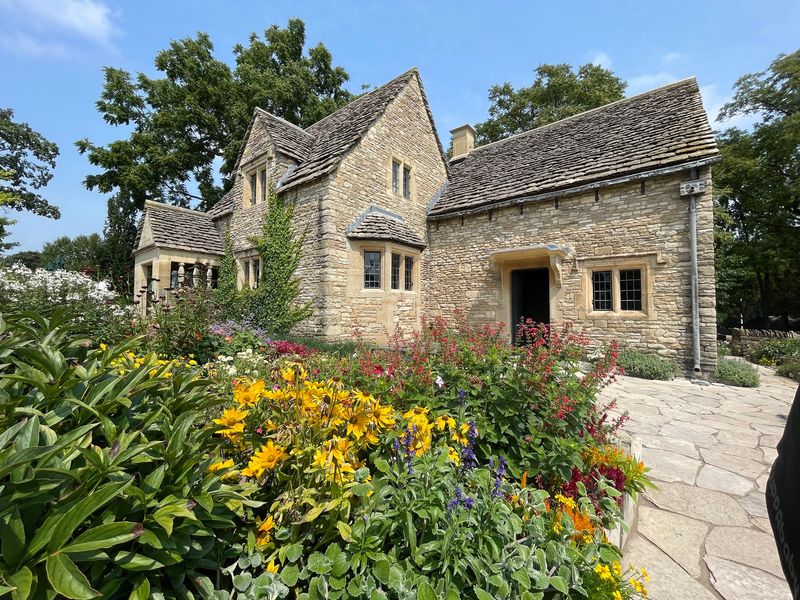
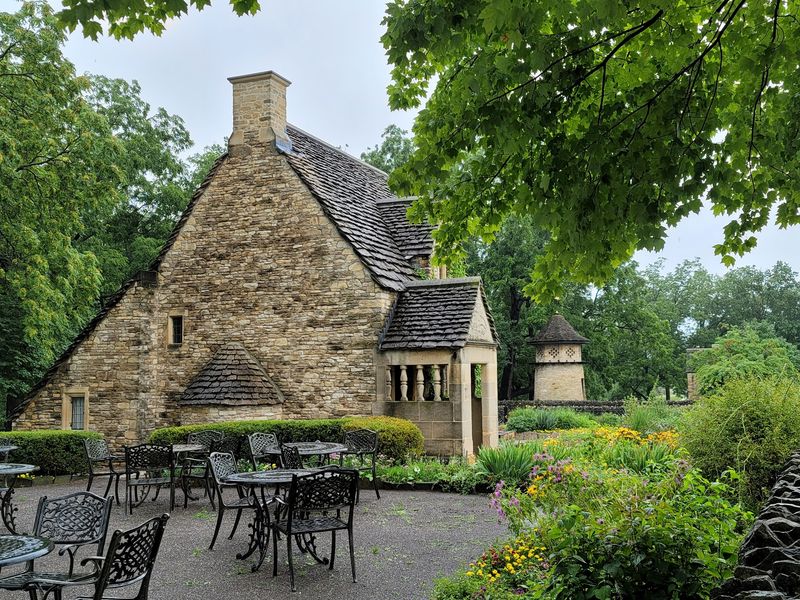
The English cottage is another stop people mention when listing their favorites. It adds variety to the American homes nearby.
What ties it all together is the staff. The presenters are known for being friendly and knowledgeable, and they clearly enjoy what they do.
That energy makes the village feel interactive. Instead of just looking, guests get to ask questions and watch real work happen, which is why many return and still learn something new each trip.
Seasonal Nights and Halloween Fun
The calendar keeps the village from ever feeling the same twice.
Seasonal experiences have grown over the years, and the Halloween event is one of the most talked-about. It features storytellers, shops, costumes, and even pumpkins placed up in the trees.
A special train ride runs during the Halloween nights for an extra $5 per person. It leans goofy and over the top, which is exactly why some guests love it.
A shuttle service runs before and after the event, which helps older family members. Going after dark, around 7:15 PM, is a good tip for getting the full effect of the decorations.
Expectations matter here. Some find the event pricey for the number of activities, and trick-or-treating candy is no longer handed out.
A large market-style area sells all kinds of items, which some enjoy more than others. Overall, the event suits families who like a lighthearted, slightly silly night out.
Beyond Halloween, the village offers activities in every season. That variety is a big reason locals keep coming back year after year.
Hours, Walking Shoes, and Membership Math
Plan your trip around the right days. The village opens Friday, Saturday, and Sunday from 9:30 AM to 5 PM, and it is closed Monday through Thursday based on current listings.
Hours can shift with seasons and special events, so it is smart to check the official website before you go.
Comfortable shoes are a must. There is a lot of walking, and bringing water is a good idea.
The upside is that chairs are spread around the grounds. That makes rest breaks easy for kids, older adults, and anyone who needs a moment.
Families with grandparents might consider renting a scooter. The grounds are large, and some find the layout a little tricky to navigate at first.
A full day goes by quickly. Many say it takes the whole day to see everything at a fast pace, and they could easily spend two more.
School trip days can get crowded, and not all concessions may be open early in the season. A frozen custard stand and a cafe are among the food options when they are running.
For locals who visit often, a yearly membership is a popular choice. Longtime members say it pays off quickly and turns the village into a regular family outing.
Why Michiganders Keep Coming Back
Some places you visit once. Greenfield Village tends to become a family tradition.
It holds a strong 4.8-star standing from nearly 6,000 Google entries, and the loyalty runs deep. Many Michiganders first came as kids in the 1980s or earlier and now return with children of their own.
The appeal is easy to see. Real buildings, working farms, Model T rides, a steam train, and skilled craftspeople give every age group something to enjoy.
The grounds are kept clean and well organized, with landscaping and buildings that look cared for. Staff across the village earn steady praise for being helpful and engaging.
It is not a quick stop. The walking is real, and the layout can take some figuring out, so plan for a slower, full-day visit.
For teachers, grandparents, and curious kids, the village offers a hands-on look at the past that is hard to find anywhere else in the state. It turns history into something you can ride, watch, and walk through.
So if you have not been in a while, or have never gone at all, Dearborn is calling. Pack the walking shoes and give yourself a full day in Henry Ford’s remarkable patchwork town.