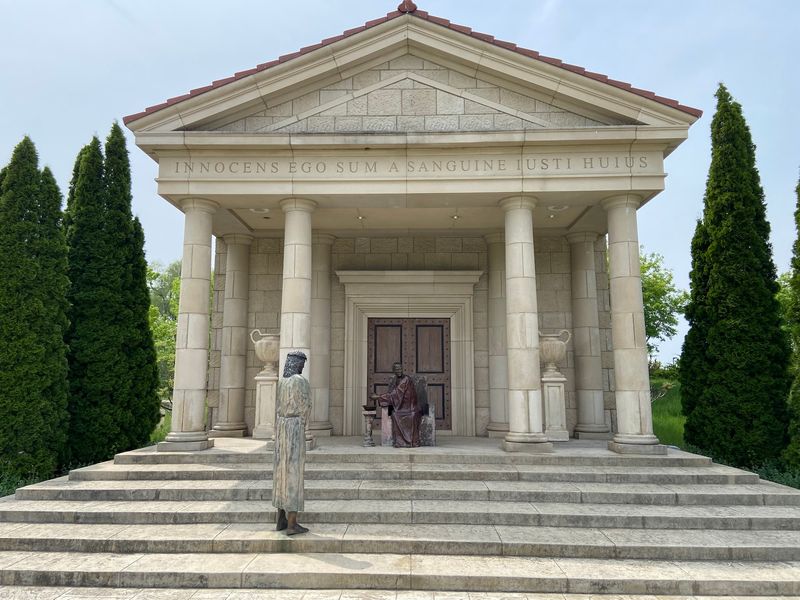
Most roadside stops in Northwest Indiana offer gas, snacks, and a quick stretch of the legs. One stop near the Illinois line offers something far bigger: a half-mile outdoor path lined with more than 40 life-size statues telling the story of the final days of Jesus.
Families plan full afternoons around it, youth groups come back year after year, and Chicago-bound travelers pull off the highway just to walk it again. The best part for budget-minded Hoosiers is that admission costs nothing at all.
Push a button at each scene and a short scripture reading plays, while quiet music follows you down the paved trail. Keep reading to learn where this place is, what waits at each turn, how long to plan, and the small tips that make a first trip smoother.
A Prayer Trail on Wicker Avenue
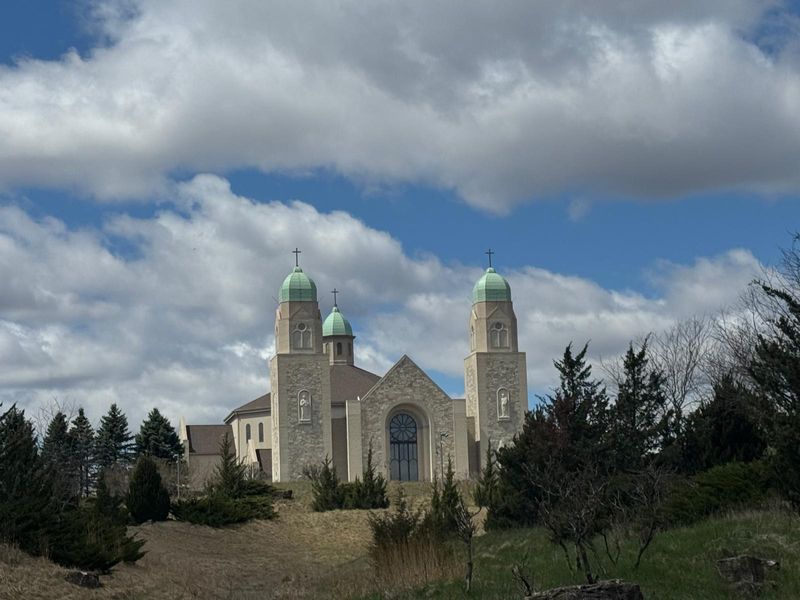
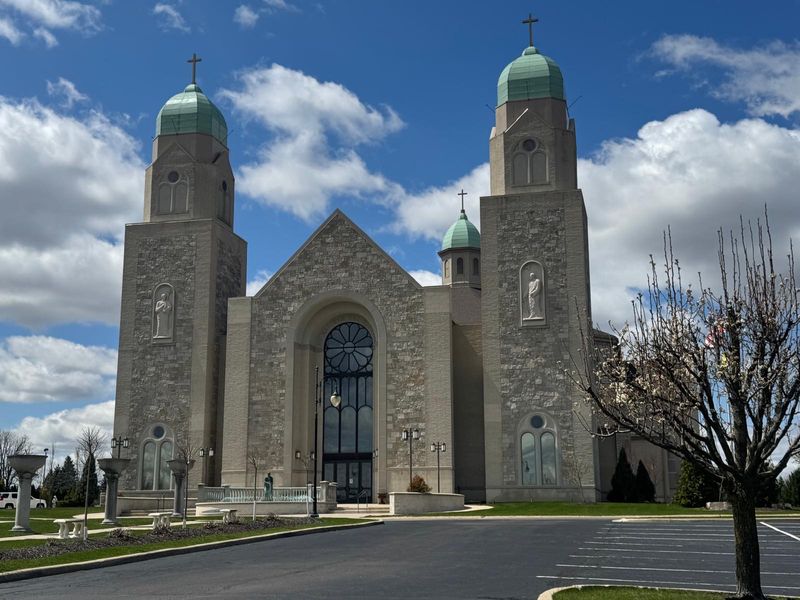
Tucked along a busy road in Lake County sits The Shrine of Christ’s Passion, at 10630 Wicker Ave, St John, IN 46373, United States.
St. John is a suburban town in Northwest Indiana, close enough to Chicago that many travelers find it on the way to somewhere else. Plenty of them end up staying longer than planned.
The shrine is an outdoor prayer walk built around the Stations of the Cross. Life-size statues trace the events of the Passion, from the Last Supper to the empty tomb.
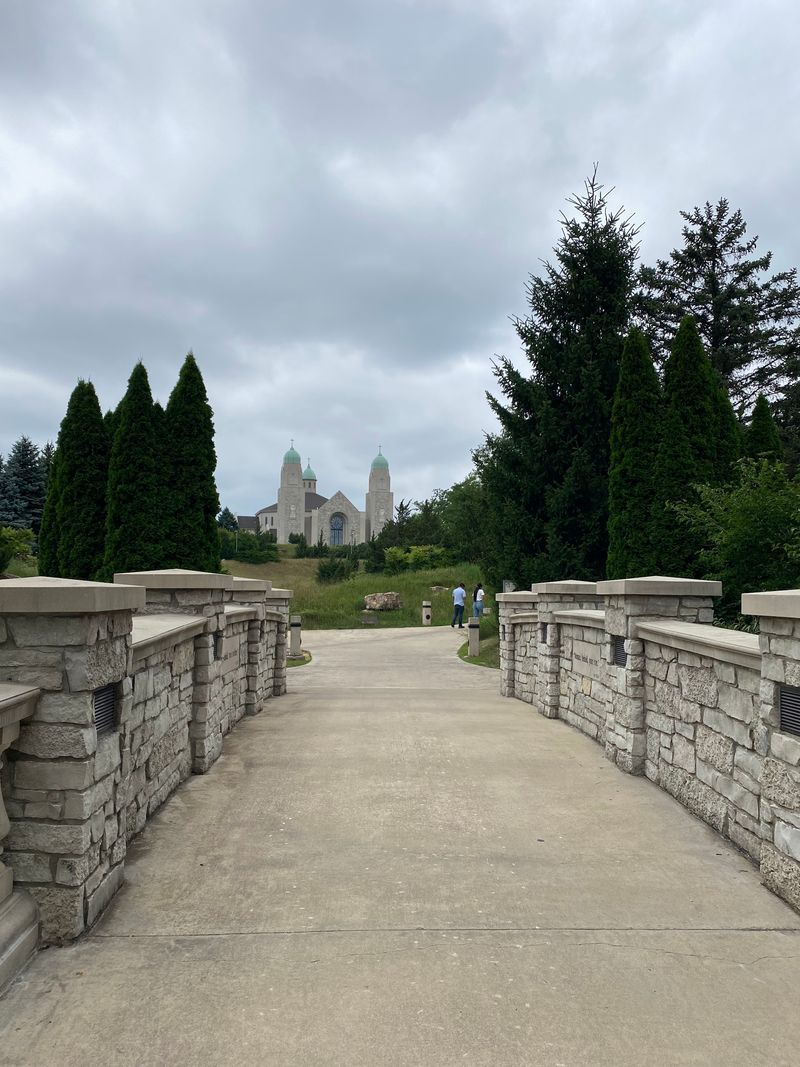
Everything here is designed for slow movement and quiet reflection. The path is paved, the scenes are spaced out, and each stop invites a pause.
It is a Catholic shrine, yet the welcome extends to anyone curious about the story. Believers come to pray, and others come simply to see the craftsmanship up close.
Despite the suburban address, the grounds feel removed from the strip of roads and shops nearby. Many people mention that it hardly feels like Northwest Indiana once the trail begins.
That contrast is part of the appeal. A short drive from city traffic leads to a place built entirely around stillness, and the journey starts in a surprising spot: the gift shop.
The Front Door Is a Gift Shop
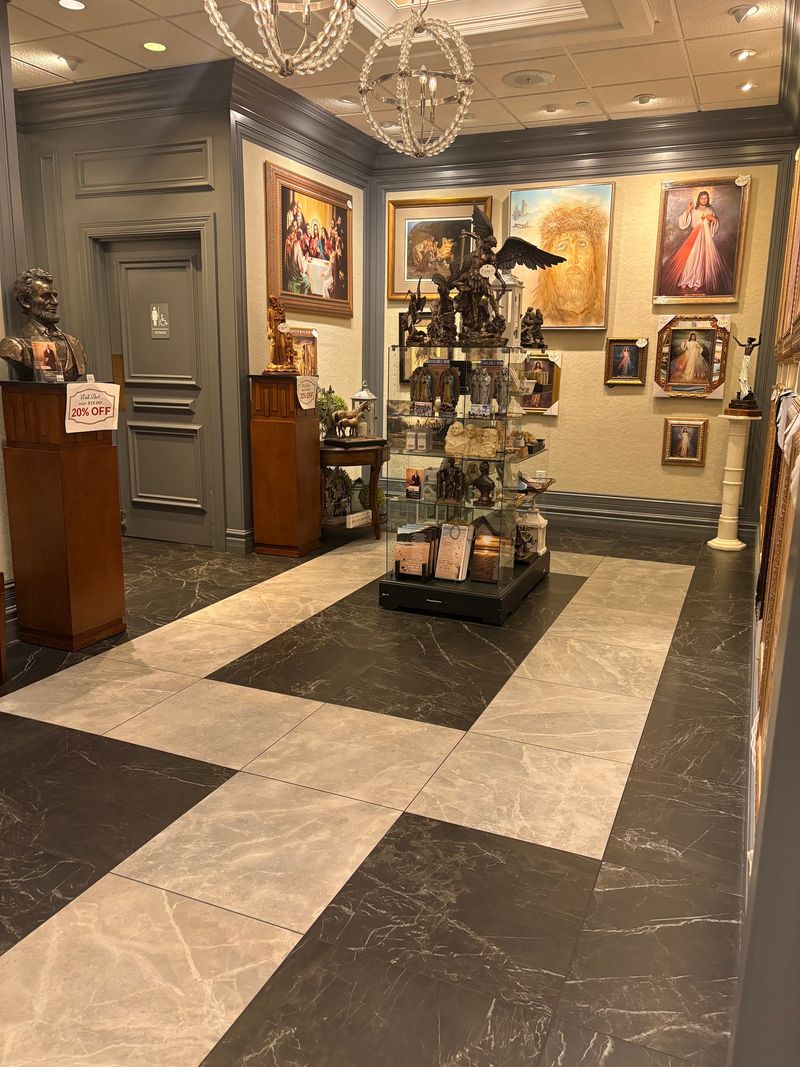
Every trip to the prayer trail begins in the same place. Guests enter through the gift shop to reach the outdoor path.
It is not a small kiosk either. The shop is huge, and it carries a wide range of items for gifts or personal use.
Shelves hold crosses, rosaries, books, paintings, and decorations. There are also greeting cards, jewelry, fragrance items, and toys and crafts for children.
Shoppers looking for First Communion presents tend to find plenty of options here. Others pick up a souvenir to remember the walk.
Some describe the selection as delightfully over the top, and a few call it a bit kitschy. Either way, it is hard to walk through without stopping at least once.
The building also has very nice restrooms, a practical detail worth remembering before heading out on a mile of walking.
A tip for planners: browsing can easily eat up time. Saving the shopping for after the trail keeps the walk itself unhurried, and the shop will still be there when the last station is done.
Half a Mile Out, Half a Mile Back
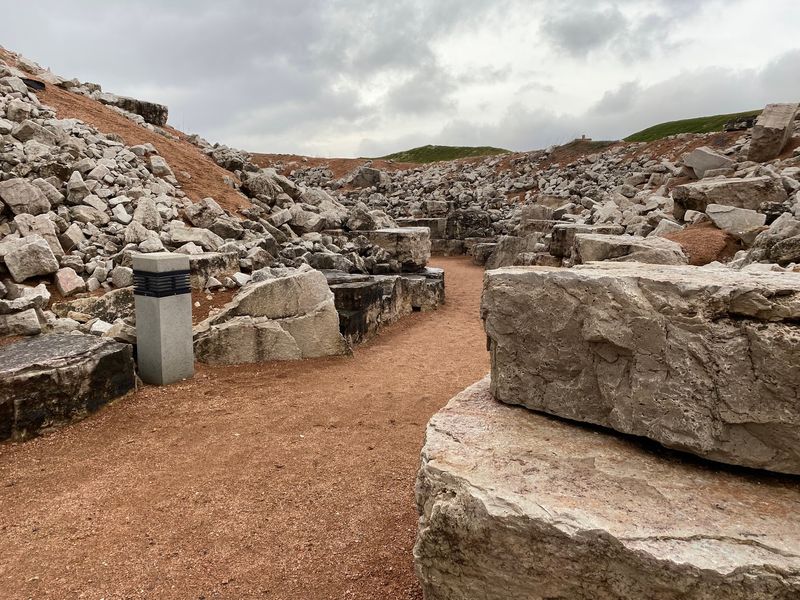
Here is the number that matters most for comfortable shoes: the trail runs about half a mile out and half a mile back.
That adds up to roughly a mile on a paved sidewalk. The surface is smooth, but the distance is real.
The length carries meaning too. The half-mile walk is tied to the distance Jesus carried the cross, which gives every step a quiet purpose.
Statues are spread out along the route rather than clustered together. That spacing turns the visit into a reflective walk instead of a quick photo stop.
Sneakers or tennis shoes are the smart choice. Sandals and dress shoes tend to lose their charm by the halfway point.
For older relatives, the distance deserves some thought. Some families walk most of the way, turn back, and return another day to finish.
There is no shame in that plan. The trail is not going anywhere, and splitting it across two visits lets everyone enjoy it at a manageable pace.
Forty-Plus Life-Size Statues
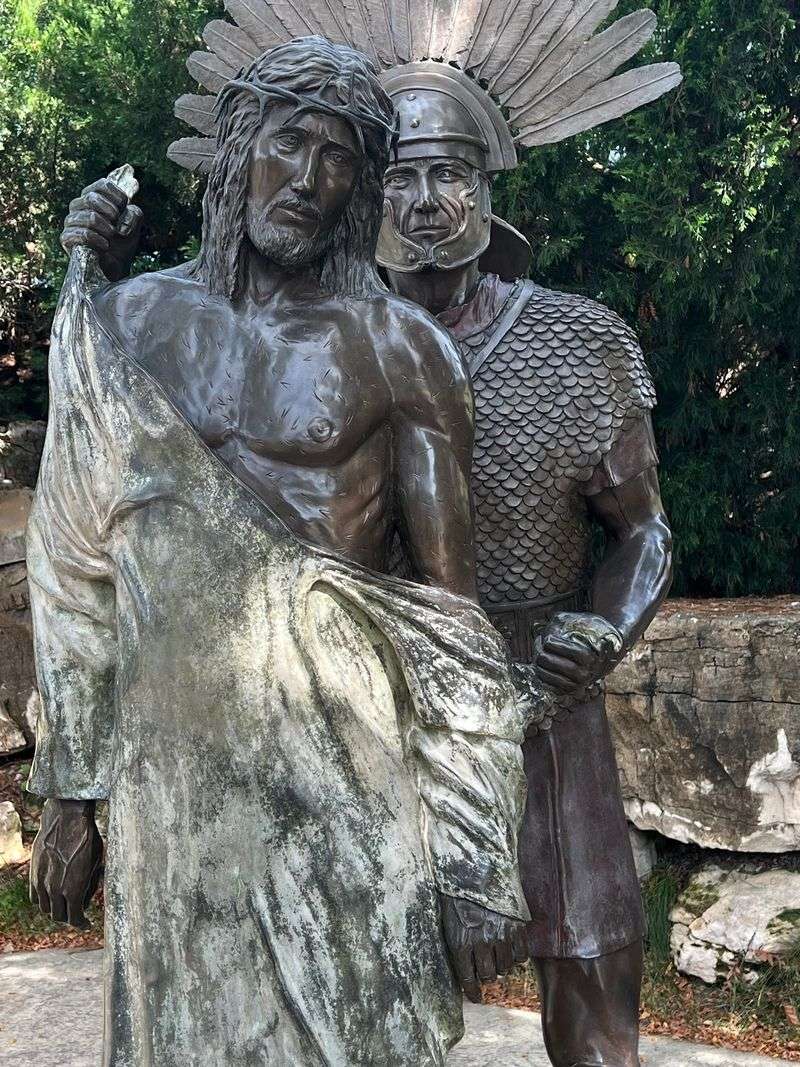
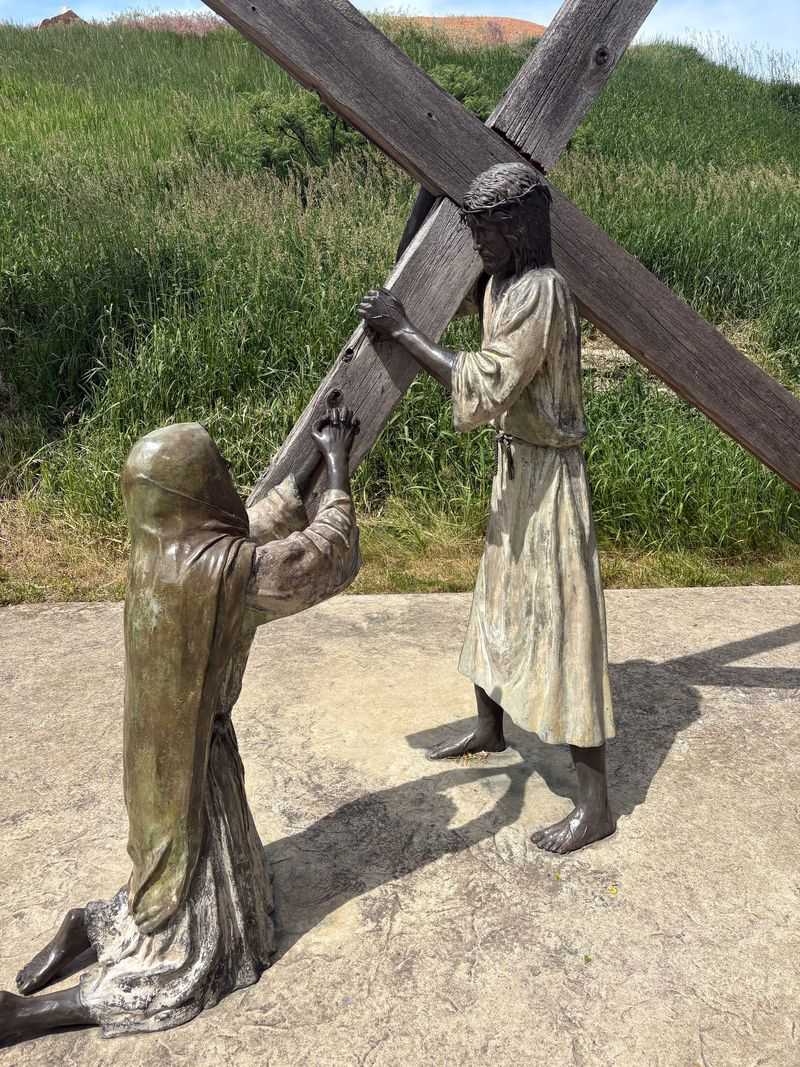
More than 40 statues line the path, and each one is built at life size.
That scale changes the experience. Instead of looking at small figures behind glass, guests stand alongside scenes that match their own height.
The detail work draws constant praise. Faces, clothing, and poses are crafted with obvious care, and many say photos simply do not capture the full effect.
Statues of Jesus, his works, and moments from the Gospels appear in immaculate condition. The grounds are clearly well tended.
Each grouping forms a complete scene rather than a single figure. Disciples, soldiers, and onlookers fill out the moments, giving them a sense of setting and story.
Plenty of guests find themselves moved by the work. For many, the walk becomes emotional in a way they did not expect when they parked the car.
The artistry is a big reason first-timers leave planning a second trip. And the scenes follow a careful order, which is where the story really begins.
From the Upper Room to Pilate’s Palace
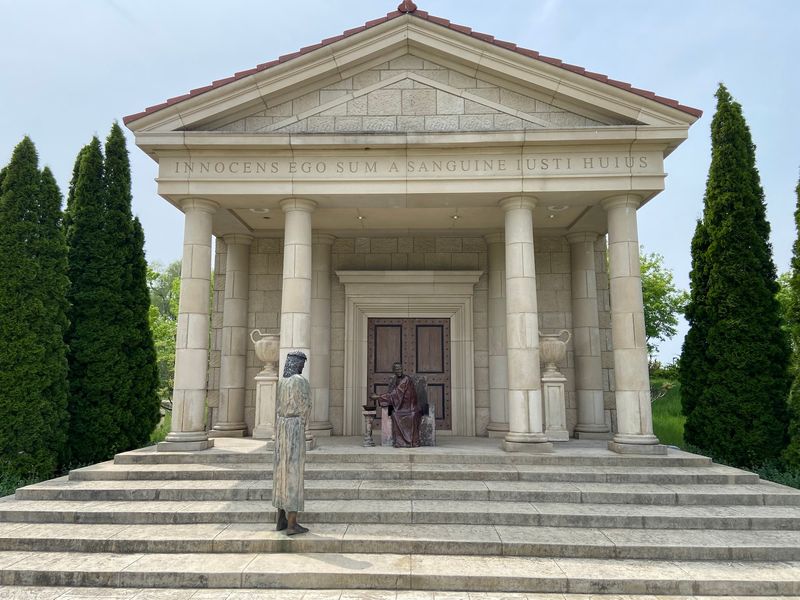
The story unfolds in sequence, and it opens with the Last Supper.
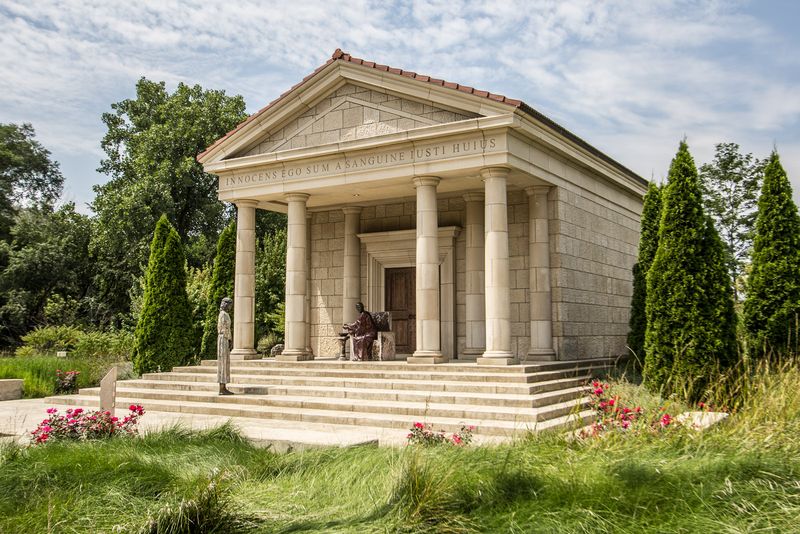
From there, the trail moves to the Garden of Gethsemane. Next comes the judgment at Pilate’s palace, followed by the familiar Stations of the Cross.
Walking the path in order means retracing the final days of Jesus step by step. The setup makes the Gospel account easy to follow, even for those who know it only loosely.
Each scene builds on the last. By the midpoint, the weight of the story becomes clear without any guide needing to explain it.
The pacing works well for families with older children. Kids can connect the scenes to stories they have heard at church or school.
Groups often stop together at each station to read or pray. Solo walkers can move at whatever pace feels right.
The order also gives the walk a natural rhythm, with quiet stretches between scenes. And the story does not end at the cross, a point the final stretch makes in memorable fashion.
Push a Button, Hear the Story
Low-tech, high-impact: each station has a button that plays an audio recording.
The recordings share a short scripture reading tied to the scene. Many of them close with a reflection connecting the story to everyday life.
That final piece is a favorite part for many walkers. It turns an ancient account into something personal and practical.
Background music also plays along the trail. Together with the readings, it gives the walk a steady, prayerful flow.
The audio makes the shrine friendly for people who do not know every detail of the Gospels. No pamphlet or guidebook is needed to follow along.
Groups who want more can call ahead to request a guide. Youth leaders and church groups often take advantage of that option.
Between the recordings, the music, and the natural setting, the experience goes well beyond a set of statues. It plays out more like a story told in chapters along the way.
The Crucifixion and the Empty Tomb
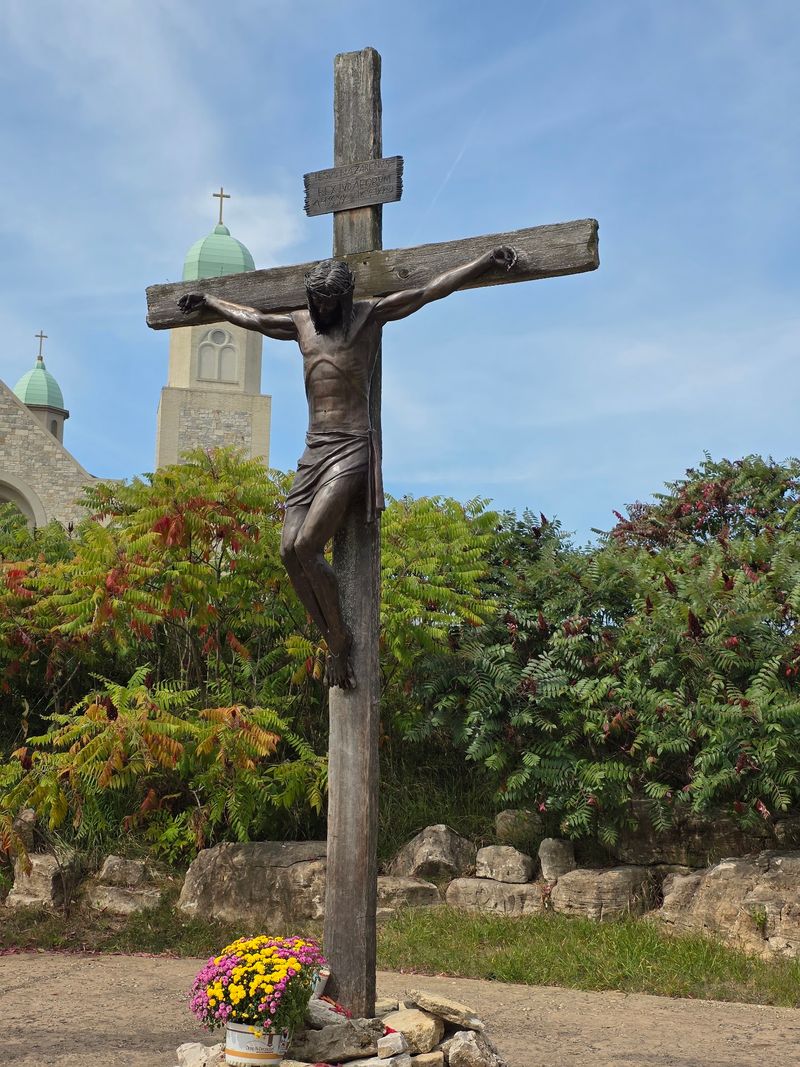
Some scenes hit harder than others, and the crucifixion stands near the top of that list.
The shrine portrays the nailing to the cross with care and respect. For many guests, it is the most emotional point of the entire walk.
Then the trail shifts toward hope. The story continues to the resurrection, giving the path a complete arc rather than ending in sorrow.
The tomb is a standout favorite. It leaves many people speechless and ranks as the highlight for more than a few first-timers.
That turn from heavy to hopeful is part of what makes the visit feel finished. Guests leave with the full message rather than half of it.
Parents bringing younger children may want to talk through the crucifixion scene beforehand. The depiction is respectful, yet the subject is serious.
After the tomb, the walk back offers time to think things over. Many find that return stretch just as meaningful as the way out.
Moses on Mount Sinai
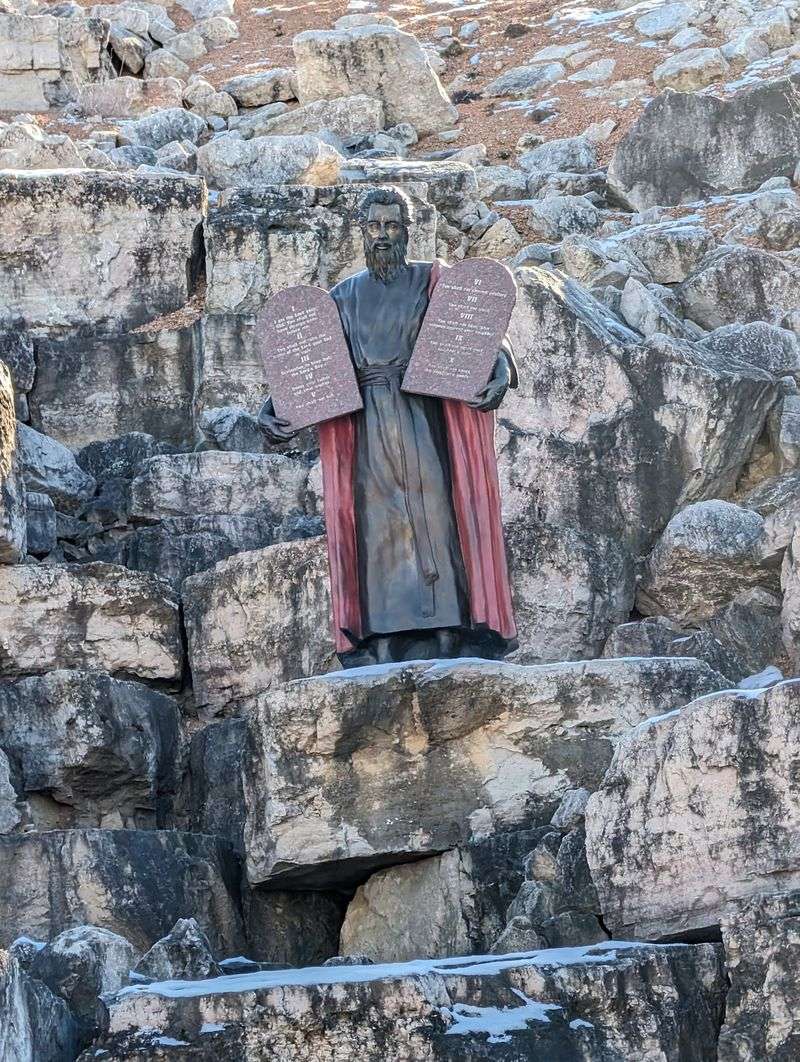
Three years of work went into one display, and it shows.
The Moses at Mount Sinai scene is a separate highlight from the Passion trail. It depicts Moses with the Ten Commandments.
Many guests call it beyond amazing. The scale and detail give a strong sense of the moment it portrays.
Because it sits apart from the main Stations, some first-timers miss it on their initial lap. Keeping an eye out for it is well worth the effort.
The display adds an Old Testament chapter to a visit that otherwise centers on the Gospels. That gives the grounds a broader sweep of biblical history.
For kids who know the Ten Commandments from Sunday school, this one tends to click right away. It is a good place to pause for questions.
Fun fact for the road trip: the time spent building Mount Sinai is longer than many people spend in college before switching majors. The patience paid off.
A Newer Shrine to Our Lady of Guadalupe
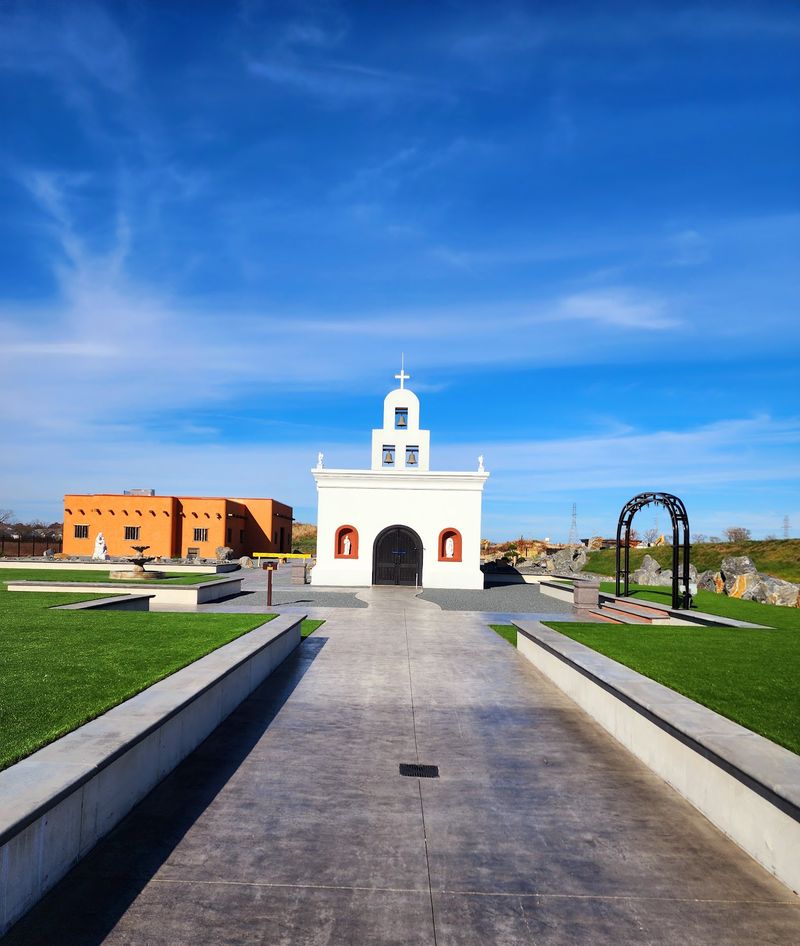
The grounds keep growing, and one of the more recent additions honors Our Lady of Guadalupe.
This shrine is separate from the Passion trail. It offers another place for prayer and reflection.
The addition has proven especially meaningful to the faithful Hispanic community in the region. It has quickly become a draw of its own.
For guests already planning to walk the full trail, adding this stop takes little extra effort. It fits naturally into a longer visit.
Families with ties to the devotion often make it a central part of their trip. Others simply appreciate seeing a different expression of faith on the same grounds.
Its presence also signals that the shrine is not a finished museum piece. Caretakers continue to expand and improve what is offered.
That steady growth gives returning guests something new to discover. Which brings up another question many parents ask before visiting: what about the kids?
Bringing Kids and Grandkids
Grandparents bring grandchildren here, youth groups visit on repeat, and families make it a stop on wider pilgrimages.
Still, the trail itself is a place for quiet. It is not a playground, and running around the stations is discouraged.
The good news for restless little ones is a beautiful open kids area. Many parents recommend it as the spot for children to burn off some energy.
A good plan is to walk the trail first, then let kids enjoy the open space afterward. That keeps the prayer path calm for everyone.
The audio buttons help children stay engaged. Pressing a button and hearing the story gives small hands a job at every stop.
Youth leaders appreciate that the trip costs nothing for admission. That makes it an easy group outing for churches and schools.
The gift shop also stocks toys and crafts for children. A small keepsake can turn the visit into something kids remember long after the drive home.
Holy Week Draws a Crowd
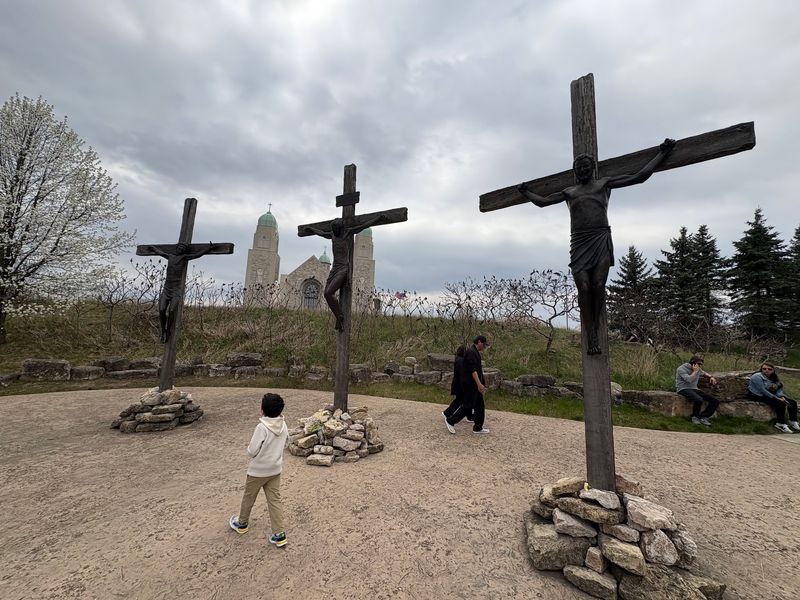
Lent and the days before Easter are prime time at the shrine, and for good reason.
Walking the Passion story during Holy Week gives the experience extra meaning. Many consider it the ideal season for a visit.
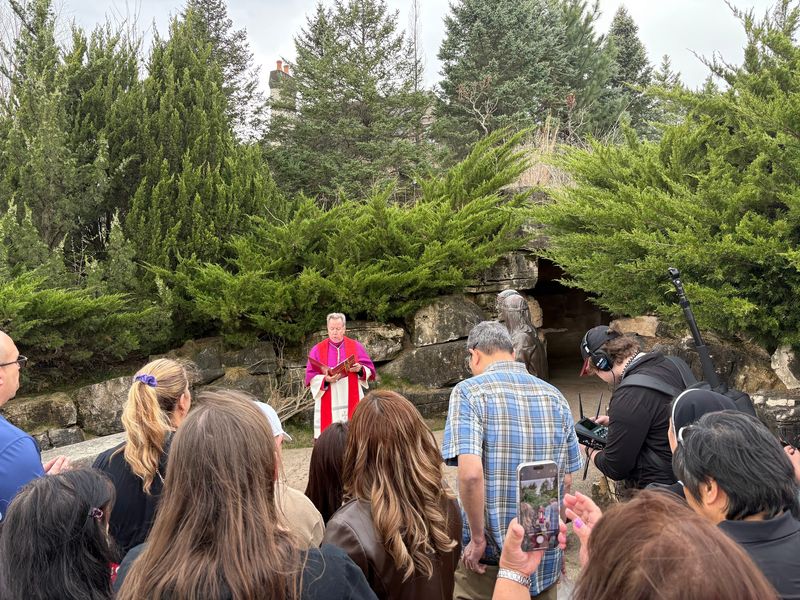
On Good Friday, the Stations of the Cross have been led by the bishop himself. That kind of event turns an ordinary walk into a shared moment of prayer.
After Easter, the grounds take on a festive touch. Flowers have been placed on every statue of Jesus during the Easter season.
Expect larger groups around these dates. Patience and an early arrival go a long way.
Outside the holiday rush, weekdays tend to be calmer. Those seeking quiet time may prefer a midweek trip.
Still, the shrine is open all year. Any season works, though the spring calendar adds a special layer for those who time it right.
How Long to Stay
A quick half hour will not cut it. Most people find they need far more time than expected.
A couple of hours is a reasonable minimum. That covers the trail, a few pauses, and some browsing.
Some guests stay three hours and still feel they rushed. For them, a full day is the better plan.
Time adds up fast with stops at every station, audio at each scene, Mount Sinai, the Guadalupe shrine, and the gift shop.
The design rewards slowing down. Each area invites a pause for prayer or simple thought.
Visitors heading through toward Chicago often fold the shrine into a longer drive. A mid-trip stop breaks up the highway miles nicely.
Leaving extra room in the schedule also helps those walking with older family members. A slower pace keeps the mile manageable and the mood relaxed.
Free Entry, Seven Days a Week
Here is the value detail Hoosier road-trippers love: entry costs zero dollars.
There is no ticket booth for the prayer trail. Donation boxes are placed around the grounds for those who wish to give.
The shrine is open every day of the week. Hours run from 10 AM to 5 PM, Monday through Sunday.
Arriving closer to opening leaves the most room for an unhurried walk. A late afternoon arrival can feel rushed with a 5 PM close.
Groups should call ahead to request a guide. The shrine can be reached at 219-365-6010, and more details appear on its website at shrineofchristspassion.org.
Weekdays tend to be less busy. Weekends and holy days bring more people, so plan around that if quiet matters.
Comfortable shoes, a water bottle, and an open schedule cover most of the prep. The rest is simply showing up and walking.
Worth Every Step
Few free outings in Indiana manage to leave people this moved.
The Shrine of Christ’s Passion pairs life-size artistry with scripture, music, and a carefully paced path. The result feels more like a journey than a tourist stop.
It holds a 4.8-star standing across more than 900 opinions, a sign of how consistently it connects with people.
Families find room for kids, groups find guides, and solo walkers find quiet. The gift shop adds a fun finish for anyone hunting a keepsake.
Plenty of travelers make it a regular stop on drives toward Chicago. Others return during Lent each year as a seasonal tradition.
For Hoosiers seeking a meaningful day trip that will not drain the wallet, this one checks the boxes. It is a strong example of the remarkable places tucked into quiet Indiana suburbs.
Bring good shoes, leave time to linger, and expect to walk away lighter in spirit than when you arrived.