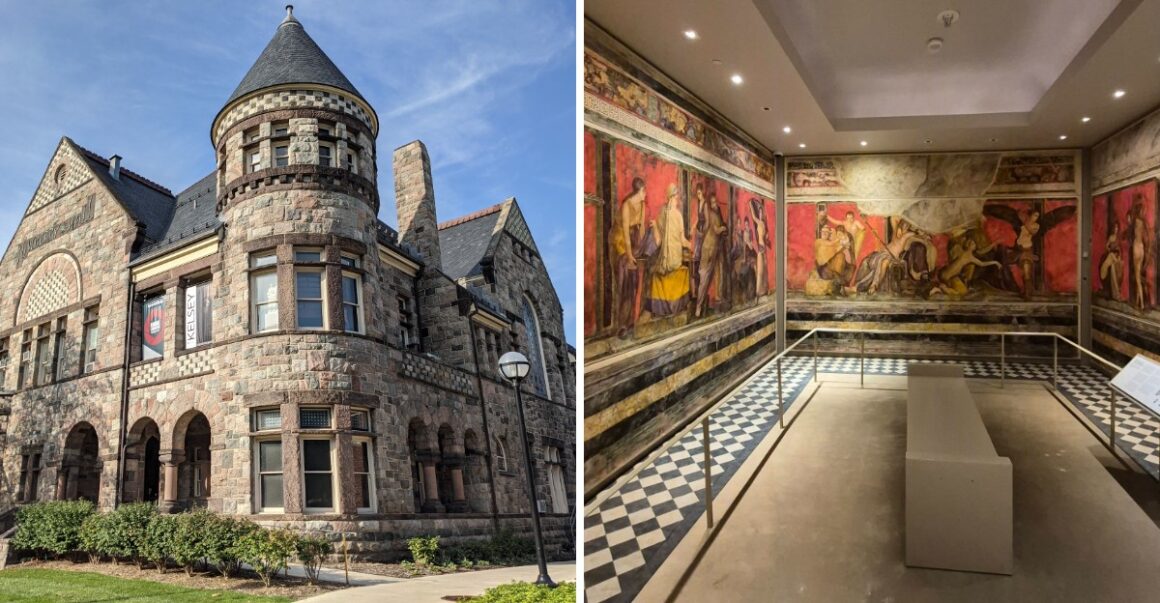
Michiganders don’t need a plane ticket to Italy to stand face to face with ancient Rome. Tucked along a busy street in Ann Arbor sits a small museum that plenty of locals walk past for years without ever going inside.
Behind its doors are Egyptian coffins, Roman toys, Greek pottery, and a massive recreation of a famous painted room from Pompeii. The best part is the price, because admission is free and runs on donations.
Families can spend a couple of hours here, learn something real, and only pay for parking. Keep reading for the full story, the standout exhibits, the hours, and a few smart tips that make the trip worth the drive.
A Free Ticket to the Ancient World on State Street
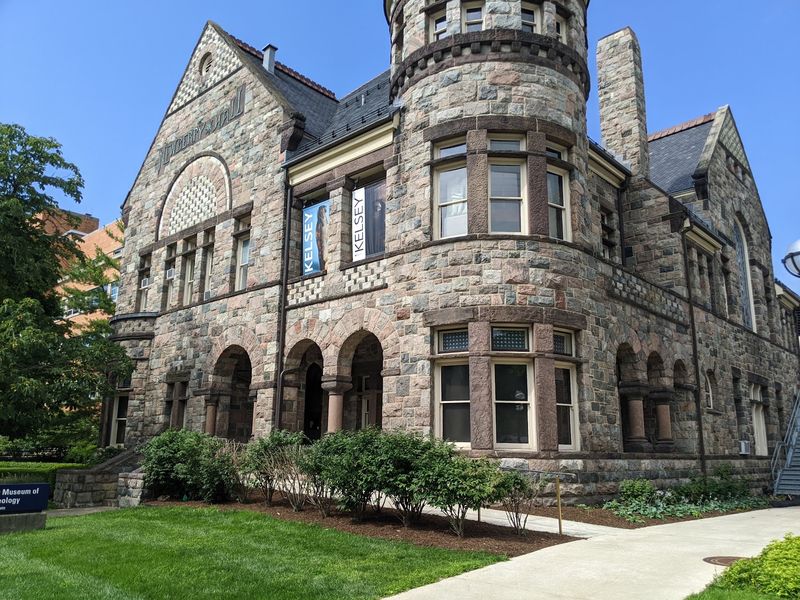
Some of the oldest objects in Michigan live in a building many students pass every single day without a second look.
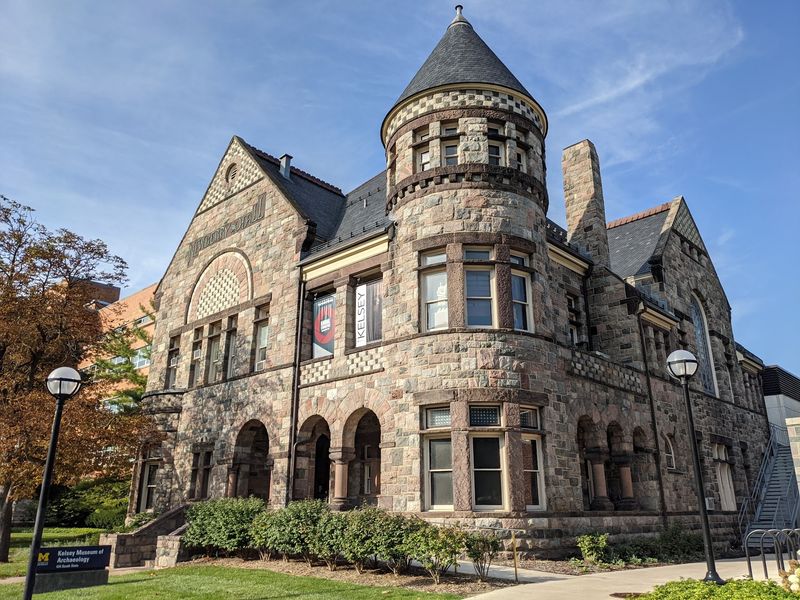
The Kelsey Museum of Archaeology sits at 434 S State St, Ann Arbor, MI 48109, right on the University of Michigan campus. It is an archaeological museum focused on objects and art from the Mediterranean and the Near East.
The collection covers ancient and medieval artifacts from places like Rome, Greece, Egypt, and other parts of the Middle East. Many pieces connect directly to University of Michigan archaeology expeditions.
Here is the headline for budget-minded families. Entry works by donation, so a whole carload can walk in without spending a dime at the door.
That makes it one of the easiest day trip stops in the state. A family from Lansing, Detroit, or Toledo can roll into town, see ancient history up close, and still have money left over for lunch.
The museum is small, but it packs a serious amount of material into its rooms. People who grew up near Ann Arbor have been known to admit they had no idea the place even existed.
So consider this your official nudge to stop walking past and finally go inside.
Where the University Keeps Its Digs
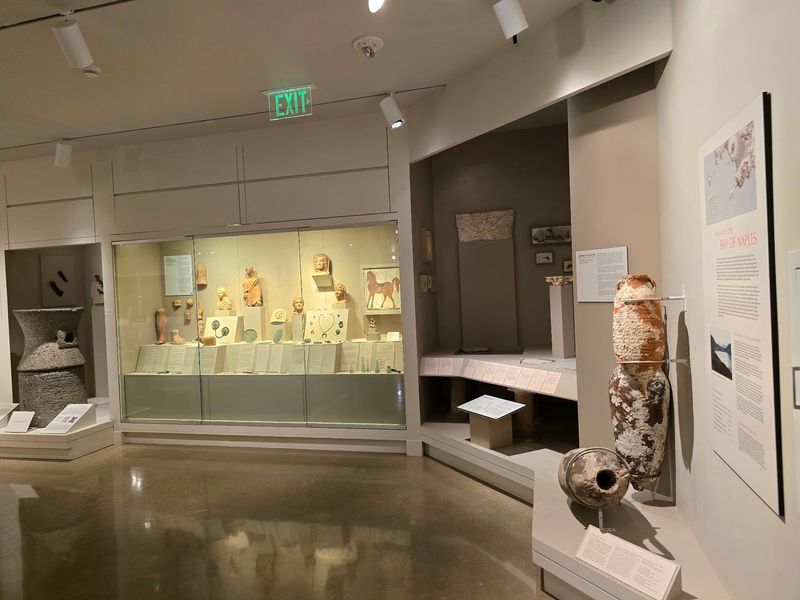
Plenty of museums buy their treasures. Much of what fills these cases arrived the hard way, through dirt, shovels, and University of Michigan field expeditions.
The museum displays many artifacts that U of M archaeology teams uncovered in ancient Rome, Greece, Egypt, and elsewhere in the Middle East. That link gives the whole collection a homegrown Michigan connection.
One detail stands out for history buffs. Some cabinets include postcards and images from the excavations themselves, showing how certain objects were found and acquired.
Those small additions turn a pot or a lamp into part of a bigger story. Instead of just seeing an object, guests start thinking about the people who dug it up and carried it home.
The museum is also open about where its pieces came from. That transparency about origins earns quiet praise, and it fits the growing conversation in the museum world about how collections are built.
For Michigan families, there is something fun about knowing a state university helped bring these finds to light. It turns a field trip into a bit of hometown pride with a passport stamp from 2,000 years ago.
The Room of Mysteries, Nearly Full Size
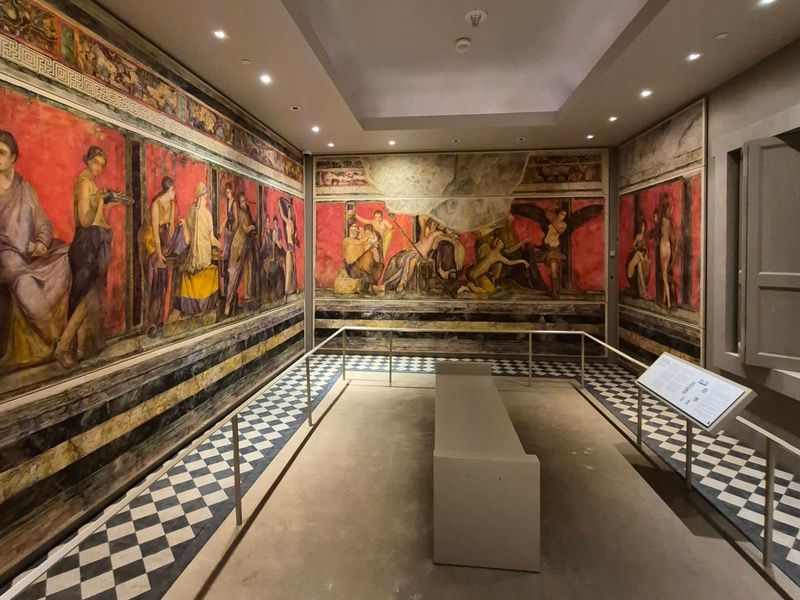
Pompeii is roughly 4,800 miles from Ann Arbor. Thanks to one remarkable project, a version of its most famous painted room is much closer.
The Kelsey has featured a recreation of the Room of the Mysteries, the celebrated fresco room from the Villa of the Mysteries near Pompeii. The recreation was built at a 5/6 scale, which still makes it a huge space to stand inside.
The scale is the whole point. Rather than squinting at a photo in a textbook, guests can take in the painted walls around them at close to real size.
The story of how the room was remade is a draw of its own. The process behind the copy, along with the history of color in Rome, gets as much attention as the original artwork.
That second part surprises people. Ancient Rome was far more colorful than the plain white statues in movies suggest, and the exhibit makes that clear.
Exhibits can rotate, so it is smart to check the museum website before a visit to confirm what is on display. When the fresco is up, it is easily one of the biggest reasons to make the drive.
Egypt Steals the Spotlight
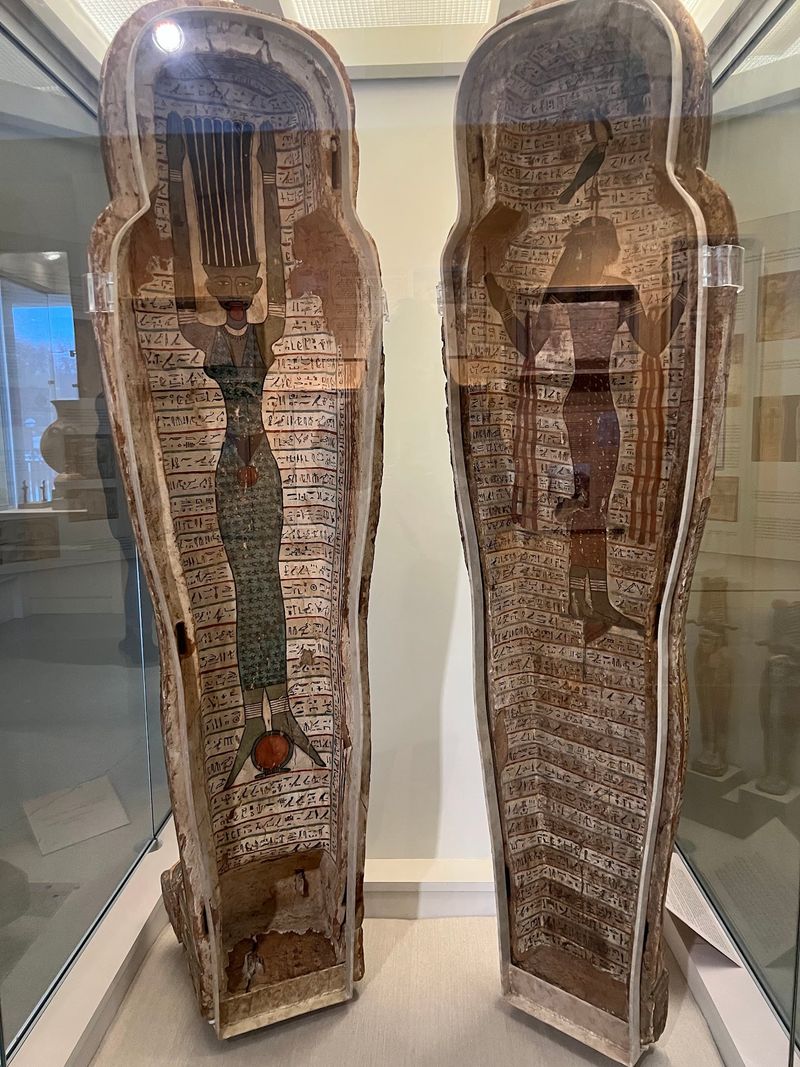
Ask almost any kid what they want to see in an archaeology museum, and the answer usually starts with an E.
The Egyptian collection here delivers. It includes a large number of pieces from Egypt, with some terrific late Egyptian artifacts in the mix.
The star for many is a painted sarcophagus. It is the kind of object that has to be seen in person to be believed, and its colors show how vibrant ancient design could be.
A quick note for anyone expecting a mummy. The museum no longer displays one, a choice tied to ongoing ethical debates in the museum community about showing human remains.
That decision does not leave the galleries empty. There is still plenty of Egyptian material to explore, from everyday objects to decorated pieces that show real craftsmanship.
Some of the most memorable finds come from Roman Egypt, a period when the two cultures overlapped. That mix gives the collection a layered feel that bigger museums sometimes bury under crowds.
For a family that has never been to Cairo, this is a pretty good consolation prize, and the gas money is a lot less than airfare.
Secrets Hiding in the Drawers
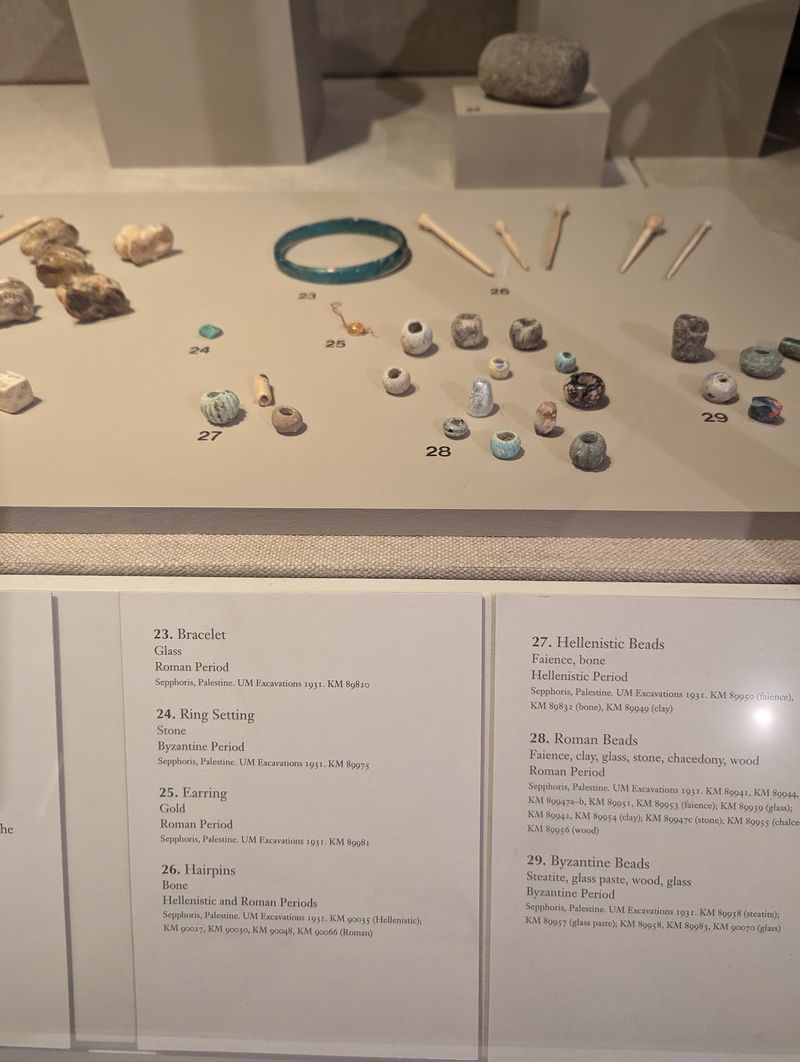
Here is a tip that separates first-timers from people in the know. Some of the display cases have drawers, and those drawers open.
Pull them out, and even more artifacts appear. It is an easy detail to miss, and skipping it means walking past a good chunk of the collection.
The drawers are a natural fit for curious kids. Opening one feels like finding a hidden level in a video game, except the prize is something made by hand centuries ago.
The museum also offers interactive exhibits, info panels, and exhibit descriptions that help explain what each object is. That makes it easier for younger guests to follow along without a tour guide.
Adults get plenty out of it too. The labels add context without turning every case into a wall of tiny text.
Treat it like a scavenger hunt. Have each family member pick a favorite object from a drawer, then compare notes on the drive home.
It is a small habit that turns a quick walk-through into a much richer afternoon, and it costs nothing extra.
Pottery, Glass, and the Hands That Made Them
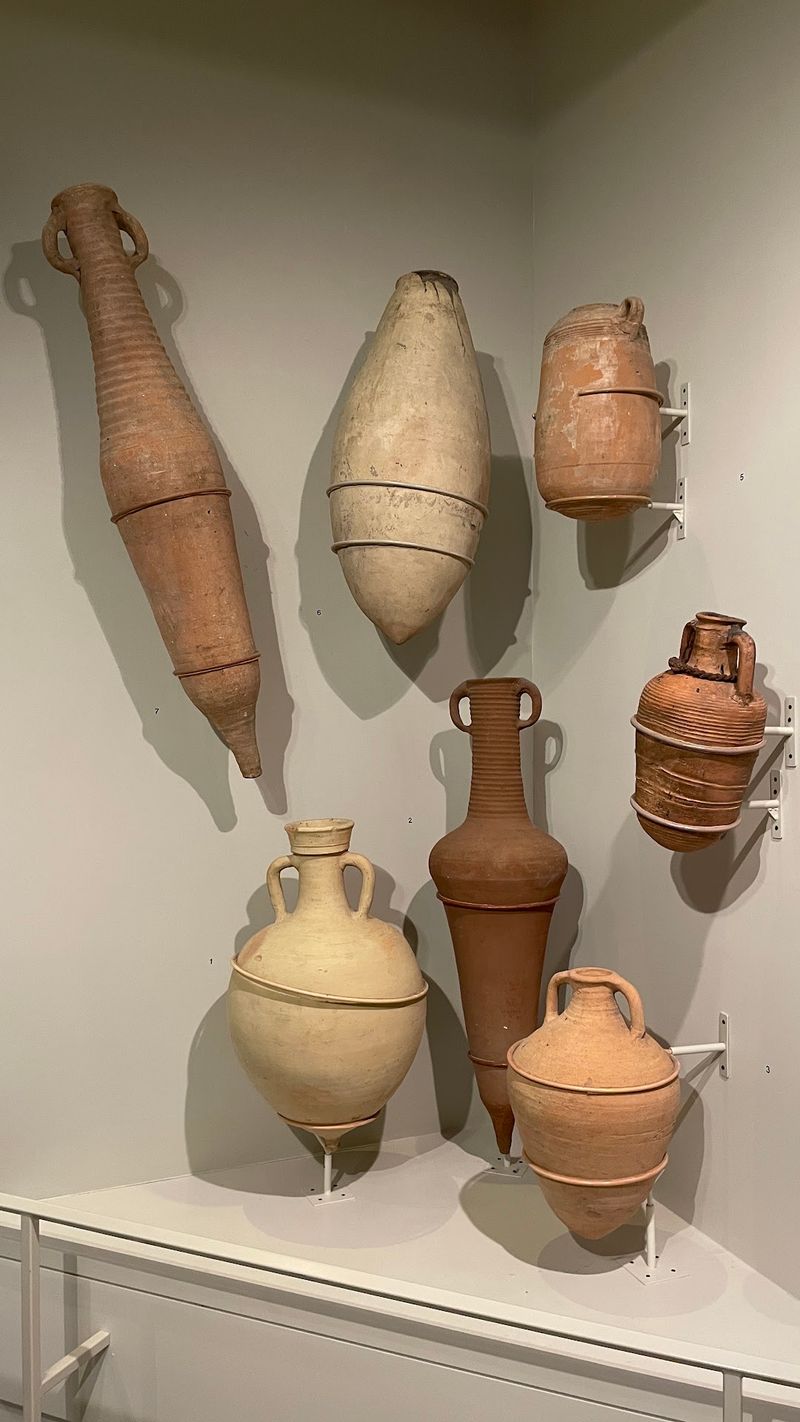
Craft lovers, this section is for you. Hobby glassblowers, potters, carvers, and metalworkers tend to linger here far longer than they planned.
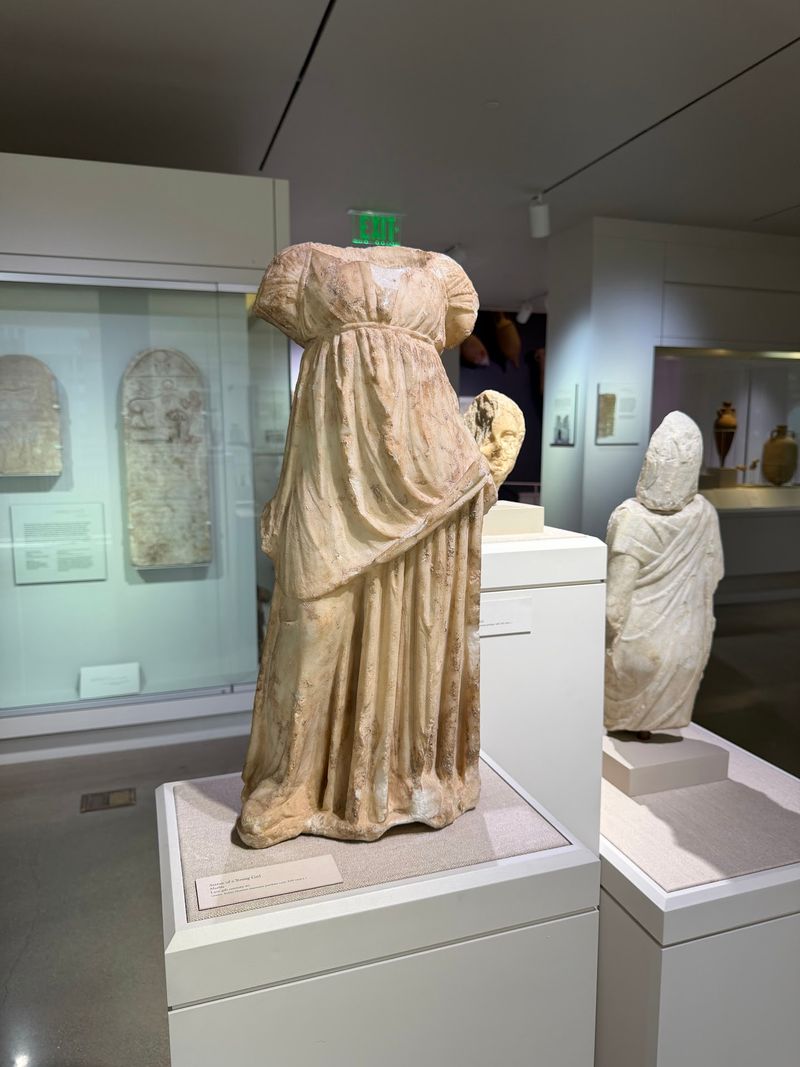
The collection holds lots of pottery and glasswork, along with a wide variety of other pieces. Many objects show off processes like flintknapping, glassblowing, firing earthenware, carving, turning, gem setting, and metalwork.
For anyone with even a rough idea of how these things are made, the workmanship is worth a slow, careful look. Some people schedule a few hours just to study the details.
Greek and Roman pieces sit alongside Babylonian and Egyptian objects. That range lets guests compare how different ancient cultures solved the same problems with the tools they had.
It also makes history feel less abstract. A bowl or a bead becomes proof that somebody sat down long ago and made something useful with their own hands.
Grandparents who spent years in a home workshop often connect with this part of the museum in a special way. It is a nice chance to talk shop across generations, with a 2,000-year-old example sitting right there as the conversation starter.
Small Halls, Easy Pace, Happy Kids

Big city museums can wear out little legs in about 40 minutes. This one is sized just right.
The Kelsey is compact enough that guests can see everything without feeling overwhelmed. Most people spend about one to two hours, depending on how closely they read and look.
That makes it a strong pick for families with young children. Ancient toys from Roman Egypt are a hit with kids as young as five, who get a kick out of seeing what children played with long ago.
Teens find plenty to explore, too. The mix of Egyptian, Greek, and Roman material covers a lot of what they study in school.
The rooms tend to stay calm rather than packed. That relaxed pace lets families stop, talk, and point things out without fighting a crowd.
It is also an easy win for parents trying to build a love of learning. Seeing real objects in person tends to stick in a way that worksheets rarely do.
One honest note: this is not an all-day destination. Pair it with a walk around campus or a lunch stop, and the outing feels complete.
Tours, Lectures, and Friendly Faces
A good museum has great objects. A great museum also has people who love talking about them.
The Kelsey offers guided tours and lectures, giving guests a chance to learn more than the labels can share. Guided tours come up often as a highlight for people who want deeper background.
The front desk staff earn steady praise for being friendly and helpful. Casual conversations about other famous museums, like the British Museum, are not unusual here.
That kind of easy chat makes the place feel welcoming instead of stuffy. Nobody needs a history degree to ask a question.
For school groups, scout troops, or homeschool families, a tour can turn a quick stop into a full lesson. It is worth checking the museum website ahead of time for current tour and lecture options.
Lectures add another layer for adults and older students. Being tied to a major university means the topics often come straight from current research.
All of this sits under a museum that is described as well curated and highly educational. In other words, the brains behind the displays are as impressive as the displays themselves.
Hours, Parking, and the Donation Box
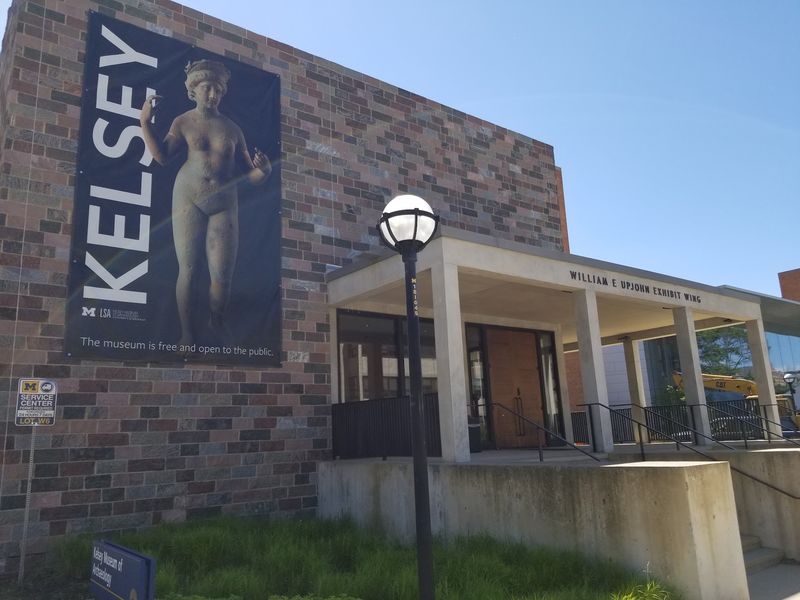
Good news first: the ticket price is zero dollars. Admission is free, with donations welcomed to support programs and exhibits.
The museum is open Tuesday through Friday from 10 AM to 4 PM. On Saturday and Sunday, hours run from 11 AM to 4 PM, and it is closed on Monday.
That Monday closure trips people up, so plan around it. A weekday visit can be extra relaxed, while weekends work well for working parents.
Parking is the one real cost to budget for. Guests need to pay for public parking nearby, and rates can vary, so it helps to bring a card or check options before leaving home.
Part of an upstairs area has been under renovation recently. There is still plenty to see, but checking the website at lsa.umich.edu/kelsey before the trip is a smart move.
For the donation, pay what feels right. Even a few dollars helps keep the doors open for the next family.
A two-hour visit, a parking fee, and a small donation add up to one of the most affordable history lessons in Michigan.
Worth Every Mile of the Drive
Chicago, D.C., and New York have world famous museums. Michigan has one that skips the long lines and the pricey tickets.
The Kelsey Museum of Archaeology gives families a wide variety of ancient artifacts without the cost of a major city trip. That alone makes it worth putting on the calendar.
It is small but mighty. The collection holds Egyptian treasures, Roman color, Greek pottery, and a recreated Pompeii room that feels like a passport stamp.
Free admission makes it easy to say yes. Even folks who have lived near Ann Arbor for years have only recently discovered it.
After the museum, the famous Cube sculpture sits about a block away. It makes for a quick, free photo stop before heading home.
For Michiganders who love knowing the spots others overlook, this one belongs near the top of the list. It is simple, affordable, and packed with stories.
Go on a Tuesday, pull out every drawer, and leave a few dollars in the box. History has been waiting on State Street for quite a while, and it is still free to say hello.