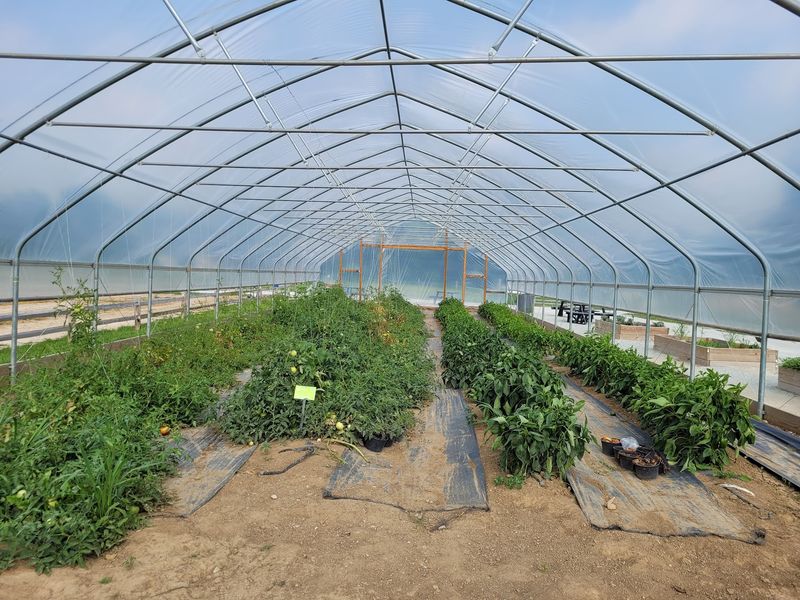
Most grocery trips end with a receipt, but one farm near Fishers ends with a bag of peppers, a handful of marigolds, and a bill of zero dollars. Kids get to pull their own vegetables straight from the ground, read little signs that explain each plant, and then say hello to cows, goats, a pig, and a horse named Spirit.
Families who try it often come home with veggies they have never bought before, like kohlrabi and mustard greens. It is a public park, run by the city’s park district, and it works hard to teach kids where food really comes from.
Stick around to learn what grows there, which days it opens, and how to make the most of a free afternoon on the farm.
A Public Farm Hiding on Florida Road
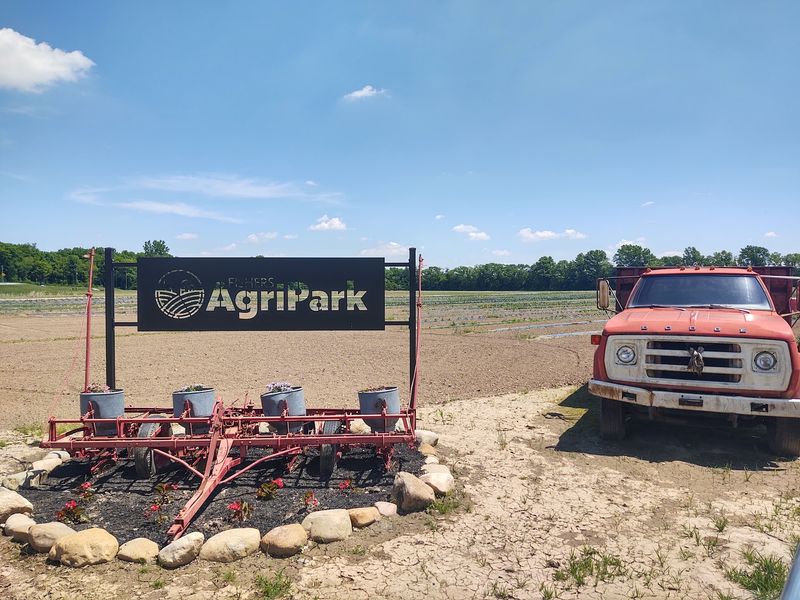
Few city park systems can say they own a working farm, but Fishers can. Fishers Agripark sits at 11171 Florida Rd, Fortville, IN 46040, on the east side of the Fishers area in central Indiana.
The property is not a business or a private attraction. It is a public park that belongs to the Fishers Park District, and it has welcomed the public since 2021.
Its official label is a park and garden, which is accurate but a little modest. The grounds mix vegetable plots, flower rows, an animal barn, a natural playground, and short nature trails into one easy outing.
Families keep calling it underrated, and the numbers back up the affection. The park holds a 4.8 star score from more than 230 people, with the phrase kid-friendly coming up again and again.
The big draw, of course, is the U-pick program. Guests can harvest small amounts of whatever crops are ready, and nobody asks for a wallet at the gate.
That combination of free food and farm learning is rare anywhere, let alone a short drive from Indianapolis. Keep reading, because the garden rows are where the fun really takes root.
Free Harvests, One Small Bag at a Time
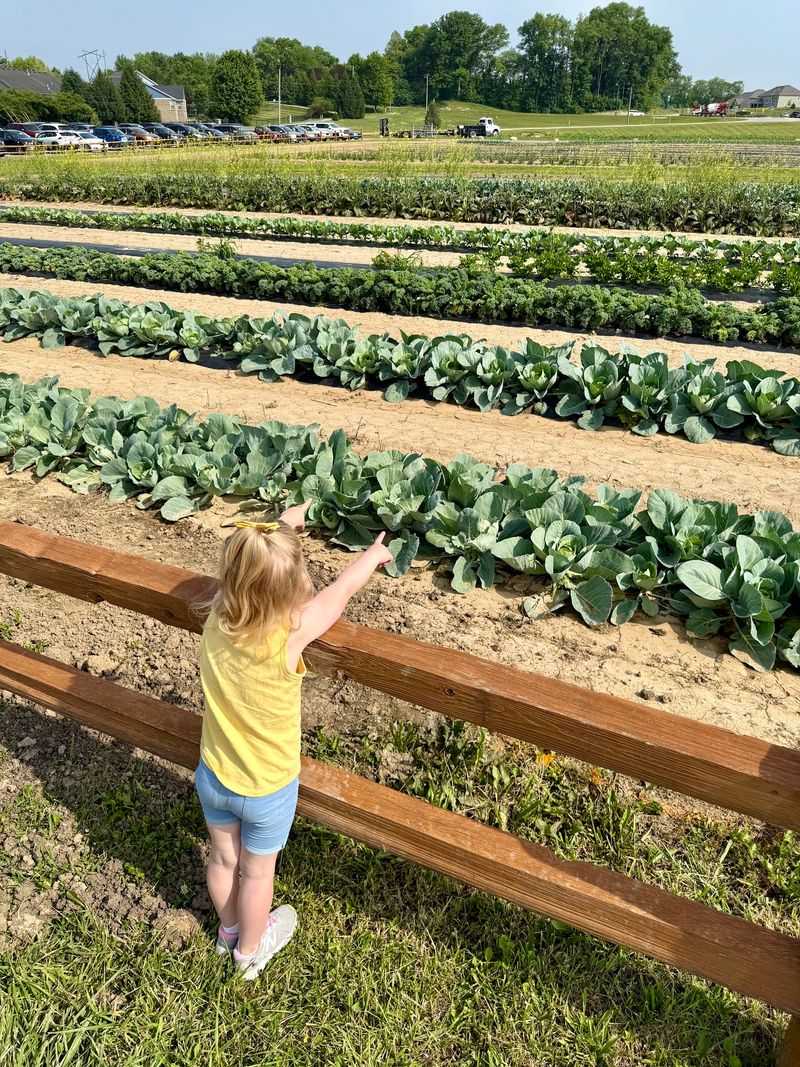
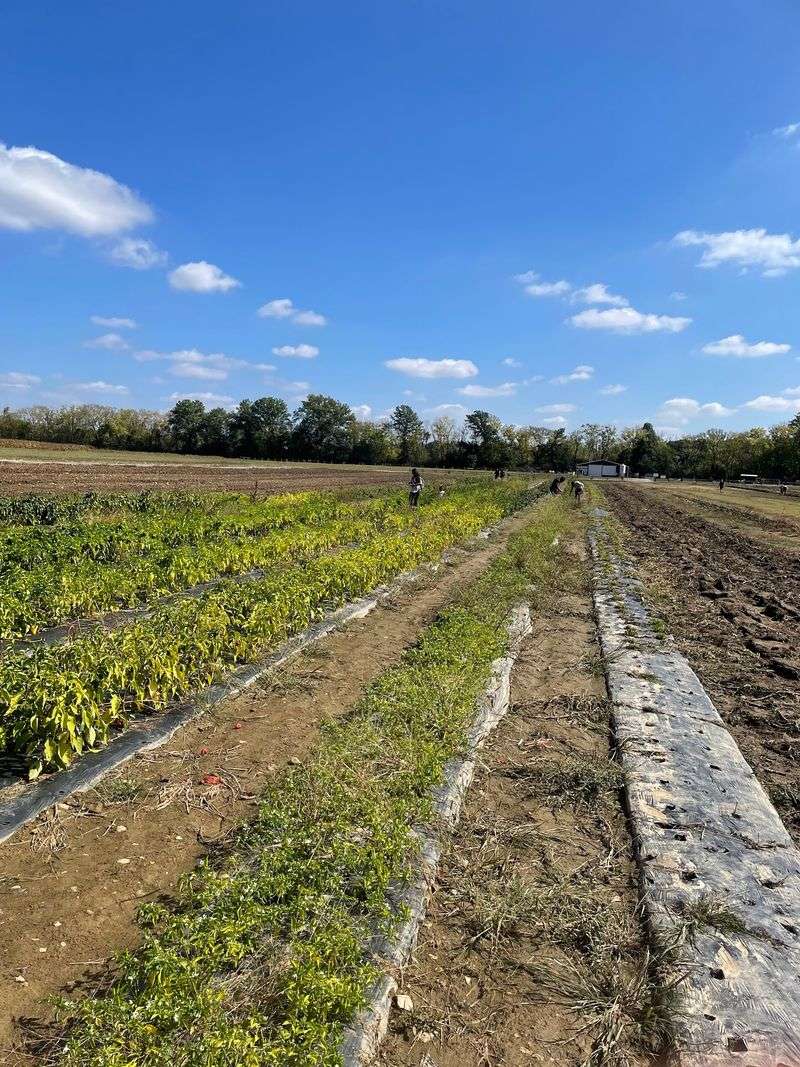
Here is the deal that makes parents do a double take: the vegetables are free. During the growing season, guests can pick a small portion of whatever is ripe and take it home.
The list changes through the summer. Bell peppers, banana peppers, beans, tomatoes, corn, cabbage, kale, mint, and other herbs have all shown up in recent seasons.
There are limits, and they keep things fair for everyone. One recent harvest allowed four ears of corn and five marigolds per person, so think of it as a sampler rather than a shopping spree.
Not every crop is a winner every day. Corn can come up a little thin late in the season, while the kale has earned plenty of praise as a dinner-ready pick.
Timing matters too. Near the end of summer, most rows wind down and only kale, herbs, and peppers may remain, so early and mid-summer visits tend to offer more variety.
The park posts crop updates online, and regulars suggest checking its Instagram the day of a trip. A quick look can save a drive and help families plan which bags to bring, which is a pretty sweet return for free produce.
Marigolds, Mustard Greens and Garden Lessons
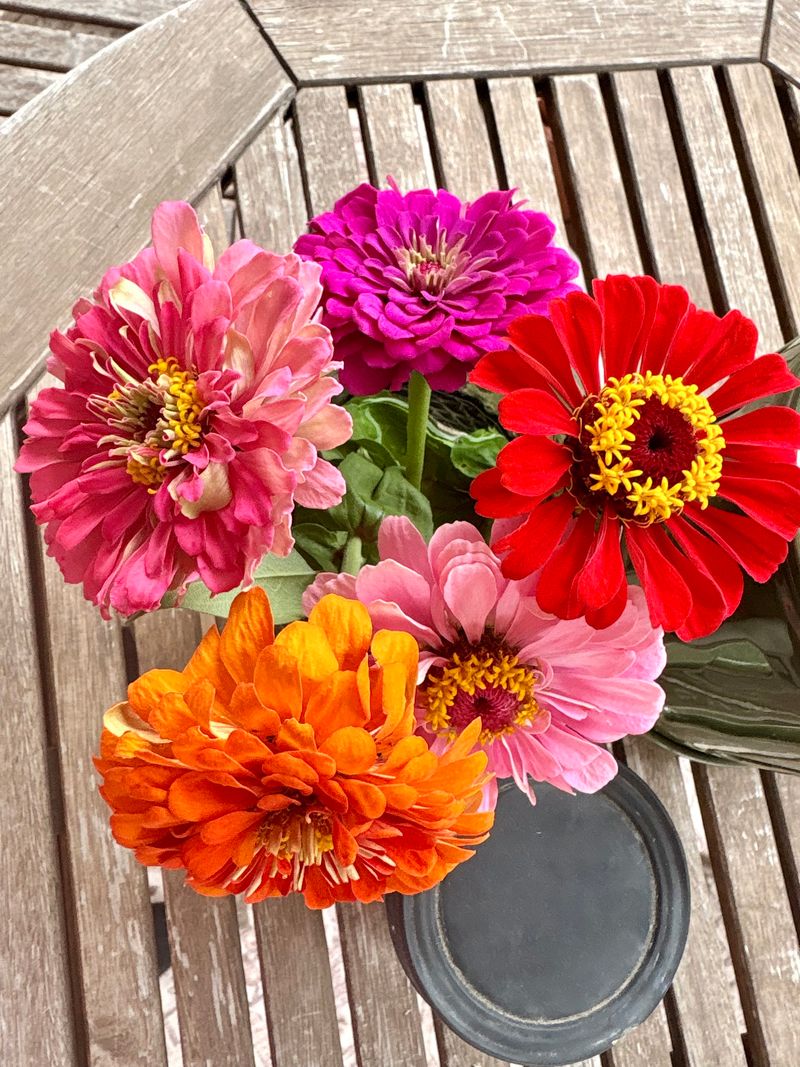
Flowers are part of the harvest too, which surprises a lot of first-timers. Marigolds have been among the blooms guests can snip, giving kids a bouquet to carry home next to their peppers.
The garden also leans into vegetables that rarely appear in a typical grocery cart. Kohlrabi and mustard greens have been on offer, and some families make a game of trying one new crop each trip.
That is where the learning sneaks in. Each plant has an informational sign that explains how to pick it and what it is good for.
Homeschool families have taken note. The signs turn a casual stroll into a simple science lesson, without a single worksheet in sight.
Parents also like that kids see the whole picture. Food grows in dirt, needs care, and ripens on its own schedule, which is a lesson no supermarket shelf can teach.
A garden with name tags may sound small, but it changes how kids look at dinner. Some even ask for kale, which might be the most impressive harvest of all.
Meet Spirit and the Barnyard Crew
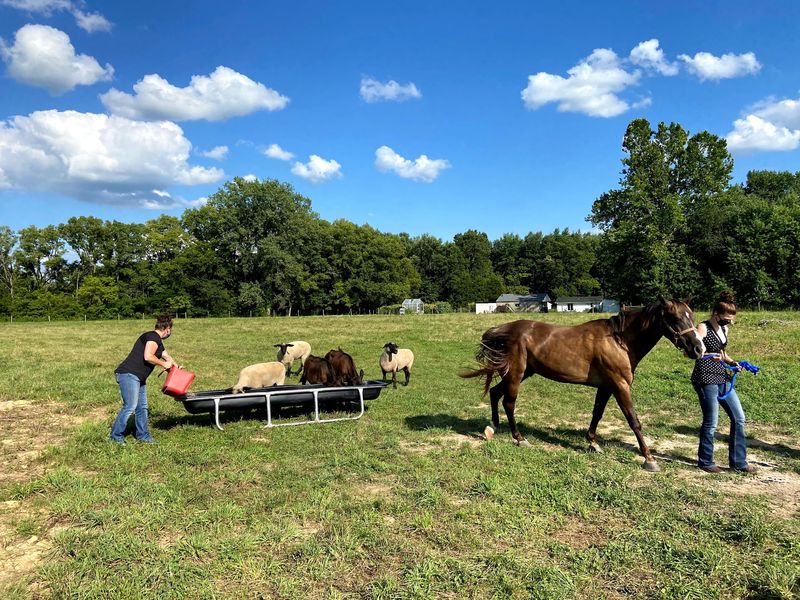
Ask kids what they remember most, and the answer is usually the animals. The barn area holds chickens, large cows, a pig, goats, sheep, a donkey, and horses.
The star of the show might be Spirit the horse. Staff members will sometimes help guests feed him, which tends to become the photo of the day.
Hands-on moments are part of the appeal. Families have petted sheep, fed cows, and even offered the animals some of the produce they picked from the garden.
That garden-to-barn loop is a clever teaching tool. Kids see that farms are connected systems, not just separate fields and pens.
Most guests describe the animals as well loved and well cared for. Staff are known as friendly and knowledgeable, and they are usually happy to answer questions about each animal.
A quick tip: follow staff guidance on feeding, since rules can change by animal and by day. A little patience goes a long way, and the goats rarely complain about extra attention.
Playground Built for Climbers and Explorers

Not every child is thrilled by kale, and the park planned for that. A natural play area gives energetic kids a place to burn off steam between garden rows and barn visits.
The design goes beyond swings and slides. It includes sensory zones focused on touch and sound, along with skill-building equipment that challenges balance and coordination.
A newer playground has also joined the lineup. Kids who love to climb tend to head straight there and stay as long as parents allow.
Toddlers fit right in as well. Road-tripping families have used the park as a pit stop, letting little ones run around before buckling back into car seats.
Picnic tables sit nearby, so packing a lunch is an easy win. Some families spend close to two hours exploring without spending money on anything beyond gas.
Clean restrooms and tidy facilities round out the setup. For parents juggling snacks, sunscreen, and small hands, those details matter more than any fancy feature.
Trails, Picnics and Slow Afternoons
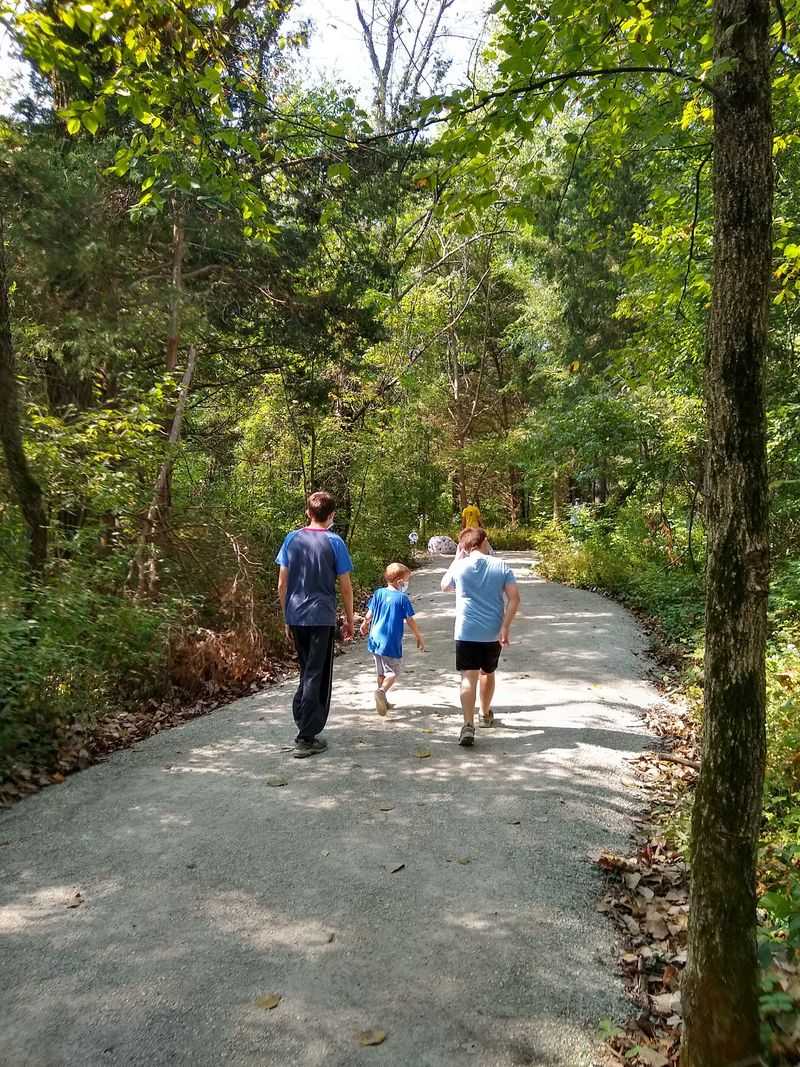
Between the playground and the barn runs a short nature path, and it is worth taking the long way around. The trail leads right out to the farm area, connecting the two halves of the visit.
It is not a strenuous hike. Short legs can handle it, which makes it a nice reset for kids between activities.
Families often wander the trails after picking produce, turning a quick stop into a full outing. The pace here is unhurried, and nobody is rushing anyone to the exit.
Bringing lunch is a popular move. The picnic tables make it easy to settle in, eat, and plan the next round of animal visits.
The park also suits folks without young kids. Adults curious about agriculture, gardeners hunting for new crop ideas, and grandparents looking for a cheap day out all find something to enjoy.
Some guests even hope to volunteer as a family for an evening. That says a lot about how this place grows on people, one season at a time.
Hours, Cost and Smart Timing
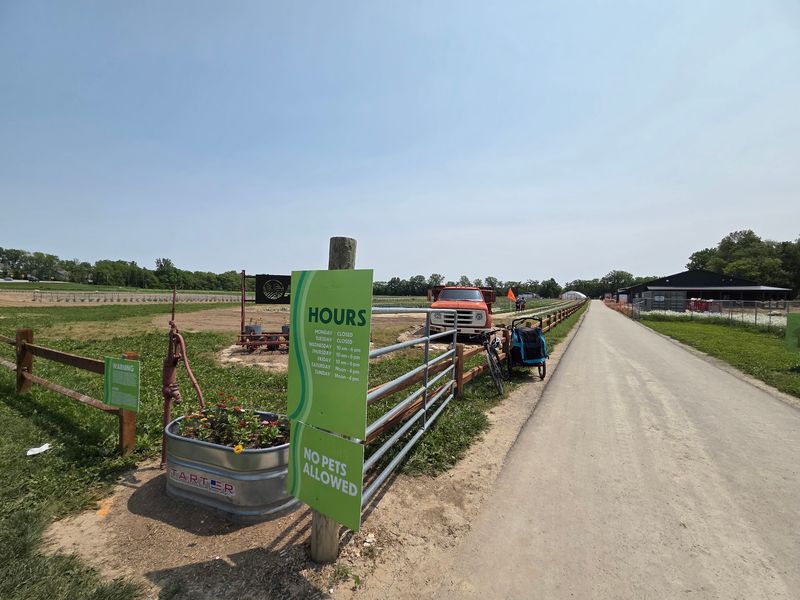
Good news first: admission and the U-pick harvest cost nothing. The bigger planning question is when to go.
Current hours run Wednesday through Friday from 10 am to 6 pm. Saturday and Sunday hours are shorter, from noon to 4 pm.
The park is closed on Monday and Tuesday. Schedules can shift by season, so checking the Fishers Parks website before driving out is a smart habit.
Summer is prime time for picking, with the widest crop variety in early and middle months. Late summer still offers a few items, while fall brings a festival that families mention fondly.
Weekday mornings tend to be relaxed, which helps if little ones want extra time with the animals. Weekend afternoons give working parents a window too, just a shorter one.
Pack a few reusable bags for produce, a picnic lunch, and water. Then check the park’s social pages for same-day crop news, and the trip is basically planned.
A Free Day Worth the Drive
Plenty of family outings cost a small fortune, and many forget to teach anything. This one flips both problems on their head.
Kids leave with dirt on their shoes, vegetables in their hands, and a better idea of where dinner comes from. Parents leave without opening their wallets.
The park is not perfect, and harvests depend on nature. Some days the corn is thin or the rows are nearly bare, so flexible expectations help.
Still, the overall picture is hard to beat. Friendly staff, a creative playground, curious animals, and free produce make it one of the best values in central Indiana.
Families keep returning year after year, and many say they feel lucky to have it in their county. A second park is reportedly in the works, which hints at how much the community supports the idea.
For Hoosier families looking for a cheap day trip with real substance, this farm earns a spot on the list. Grab a bag, round up the kids, and let the garden do the rest.