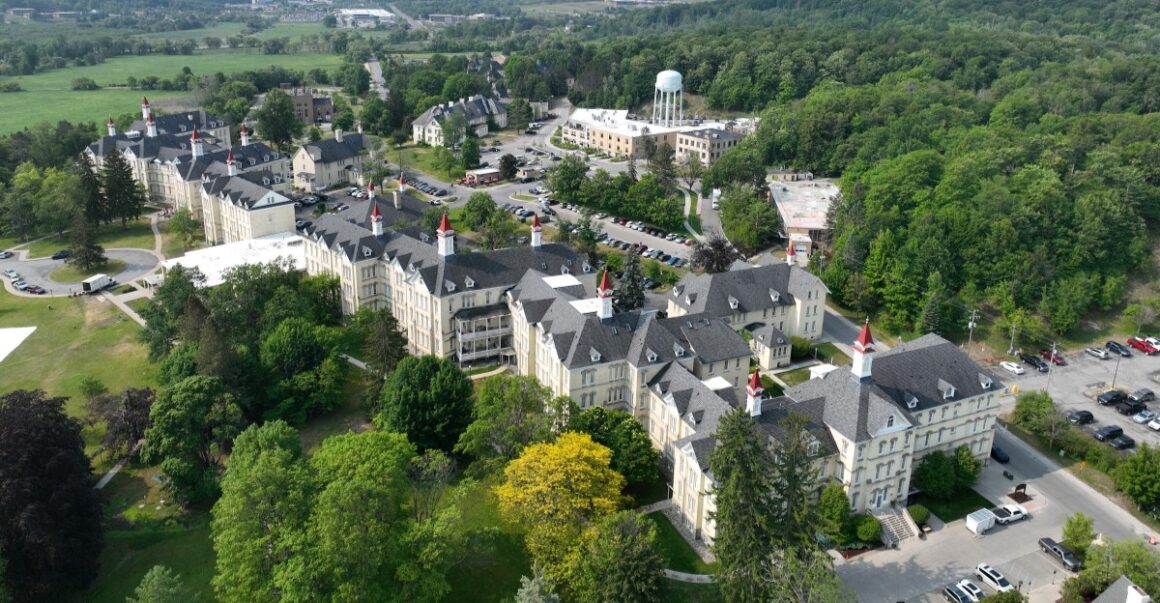
Back in 1884, a grand hospital opened its doors on the west side of Traverse City. Today, those same brick halls hold coffee counters, quirky local shops, restaurants, apartments, and offices.
Michiganders who drive up north often pass right by without knowing what sits behind those tall spires. There is even a network of old tunnels you can walk through on a guided tour.
Locals who visit all the time still say they learn something new here. Keep reading to find out where it is, what the tours cost, when to go, and why this old campus has become one of the most loved stops in northern Michigan.
A Brick Campus on Traverse City’s West Side
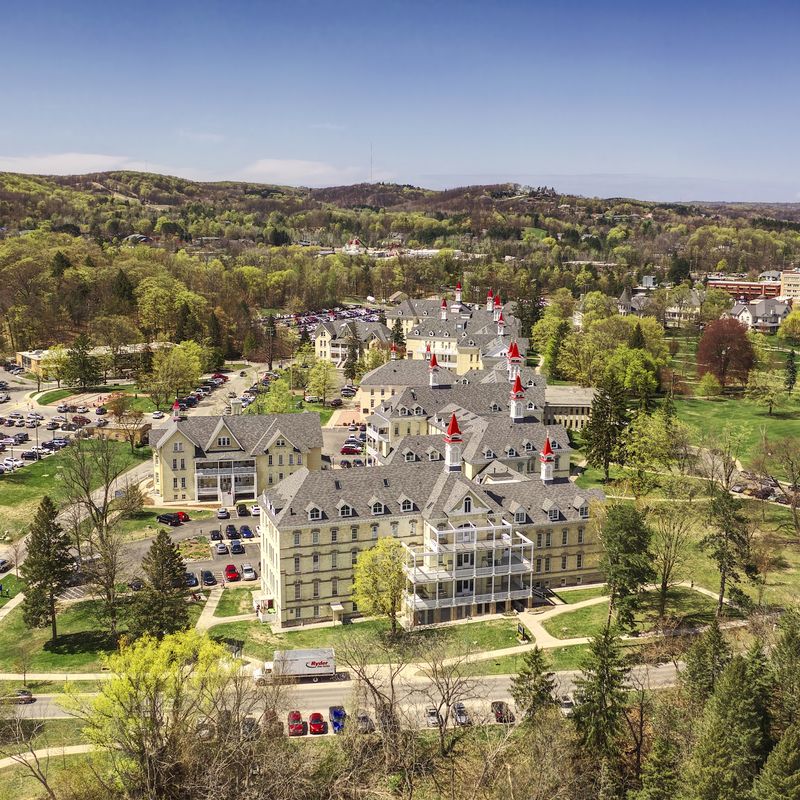
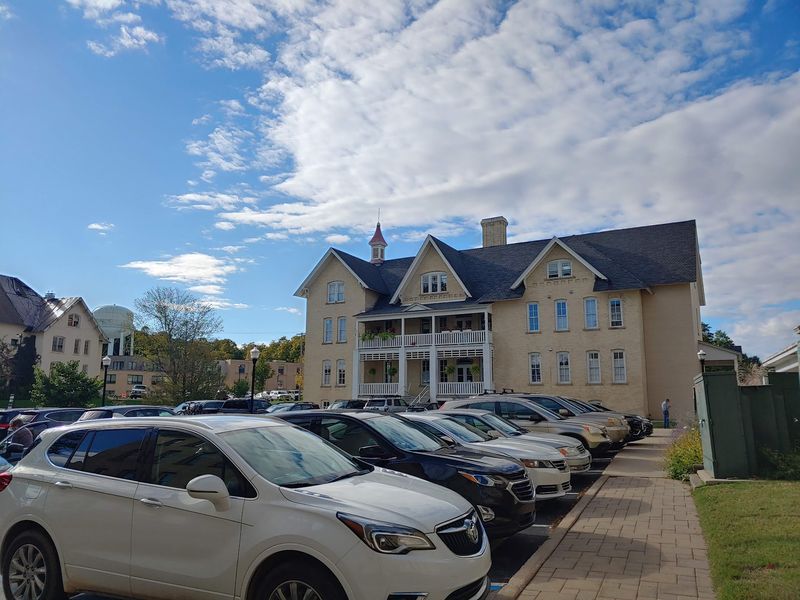
The spires give it away long before the parking lot does. The Village at Grand Traverse Commons sits at 1200 W Eleventh St, Traverse City, MI 49684, in the northern part of Michigan’s Lower Peninsula.
On paper, it is listed as a shopping mall. In real life, it is a sprawling historic campus where shops, eateries, homes, and offices share space inside buildings that date back to 1884.
The complex once served as the Traverse City State Hospital, a large institution that cared for people with mental illness. After the hospital wound down, the property was saved from the wrecking ball and slowly brought back to life.
Today, the grounds also include an arboretum and hiking paths, so a visit can be as much about walking outside as browsing inside. That mix makes it a different kind of stop than a typical mall.
For families heading north on a budget, there is no fee just to wander the grounds and peek into the shops. Paid tours are optional, and the shops themselves are the main draw for many Traverse City residents.
The address is easy to plug into a phone, and the buildings are hard to miss once you arrive.
The Story Behind Building 50
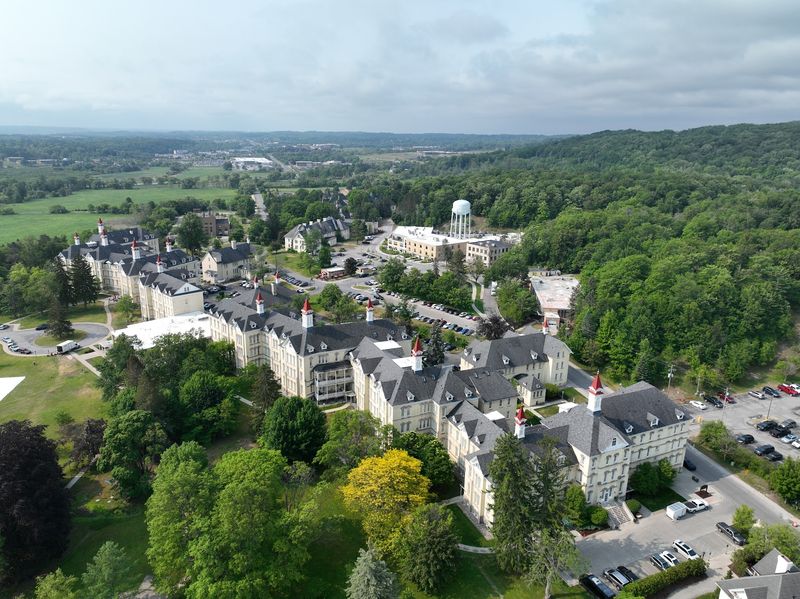
History is the topic that comes up more than any other here, and for good reason. The hospital opened in 1884 at a time when many such places were grim and crowded.
This one was built with a different idea in mind. Patients were meant to be treated with dignity and respect, and the design itself played a part.
Big windows let in plenty of daylight. The grounds were planned with trees and open space, because the founders believed a calm setting helped people heal.
Guides on the property often speak about the doctor who shaped that approach and the staff who carried it out over the decades. Some guests note that the tours lean toward the positive side of the story, so it helps to go in curious and ask questions.
The hospital eventually closed, and for a while the empty buildings faced an uncertain future. A local family, the Minervinis, stepped in and began restoring the property piece by piece.
Their work turned an aging institution into a place where people now live, work, and grab lunch. Plenty of Michiganders still have family ties here, including relatives who worked on the campus until the 1980s.
That personal link is part of what keeps the story alive.
Architecture Worth Craning Your Neck For
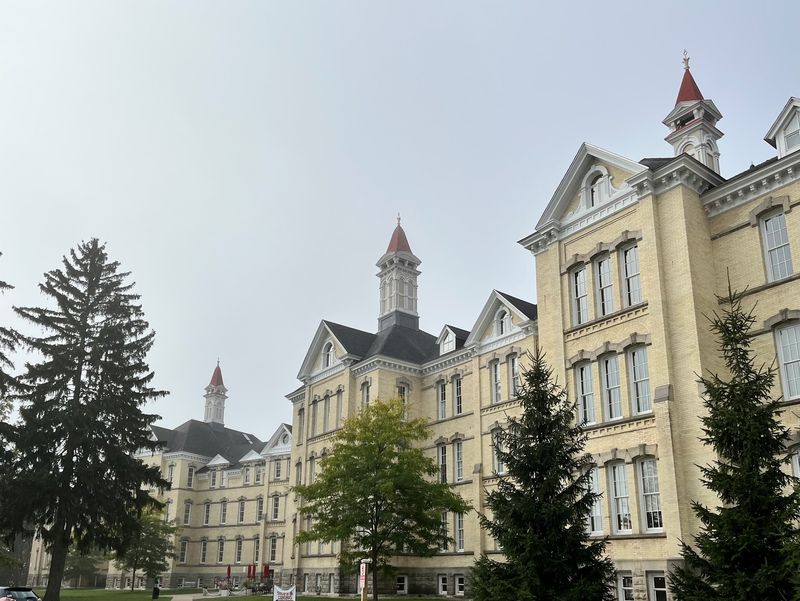
Few malls in Michigan can claim towers. Here, the rooflines, spires, and long rows of tall windows are a big reason people slow down and pull out their phones.
The buildings were saved rather than replaced. That choice kept the original character intact while the insides were updated for modern use.
Architecture fans will find plenty to study, from the long wings to the way each section connects to the next. The layout was designed to give patients light and air, and that same thinking still shapes the space today.
Some parts of the campus remain unfinished, with restoration still moving forward. Seeing both restored and untouched areas side by side helps tell the story of how much work goes into a project like this.
Many guests say the grounds feel like a trip back in time. Others call it one of the most striking historic landmarks in the region.
A camera, comfortable shoes, and a little patience are all it takes to enjoy the view. Bring all three, and the buildings will do the rest.
Guided Tours and the People Who Lead Them
Ask anyone who has been, and the tour usually comes up first. It is the most talked-about part of a visit, and the guides are a big reason why.
The standard history tour runs about two hours. Recent guests mention paying around $30 per person, which many describe as fair for the amount of detail packed in, though prices may change.
Shorter one-hour options have also been offered. Groups of ten or more have booked together, making it a handy outing for a family reunion or a group of friends.
Guides cover the architecture, the patients, the doctors, and the support staff who ran the place. Several share personal stories, including one guide who got married in the chapel on the grounds with patients in attendance.
Many guides are Traverse City natives who have studied the property for years. They are known for answering questions, keeping groups safe, and adding a bit of humor along the way.
A few guests point out that some tours can get crowded. Booking ahead and asking about group size can help, especially in the busier months.
Even longtime locals say they walked away knowing far more than before.
Down Into the Tunnels
Below the shops sits a part of the campus most shoppers never see. A system of tunnels runs under the old hospital, and it has become one of the most requested stops on the tour list.
Tunnel access is typically part of certain tours or an add-on. Guests who loved it call it a highlight, while one guest wished the time spent underground had been longer than the few minutes their group got.
That is worth knowing before booking. If the tunnels are the main reason for the trip, ask how much of the tour happens below ground.
There is also a twilight tour for those who like their history after hours. Some guests have explored the basement of a former men’s ward building, where old graffiti covers the walls and some of it glows in the dark.
The vibe stays respectful, with a focus on real history over ghost tales. Still, the setting has a slightly spooky edge that many people enjoy.
For the curious, a trip underground adds a whole new layer to the story.
Shops, Coffee, and a Bite to Eat
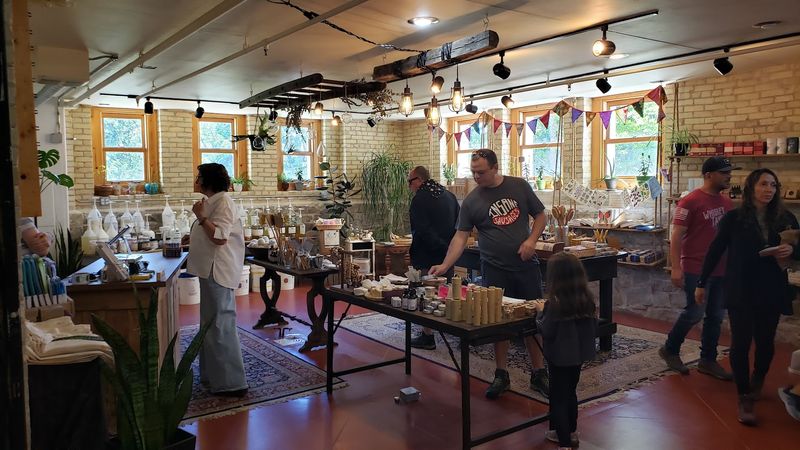
Locals did not adopt this place for the history alone. They come back for the shops, the coffee, and a good meal in an unusual setting.
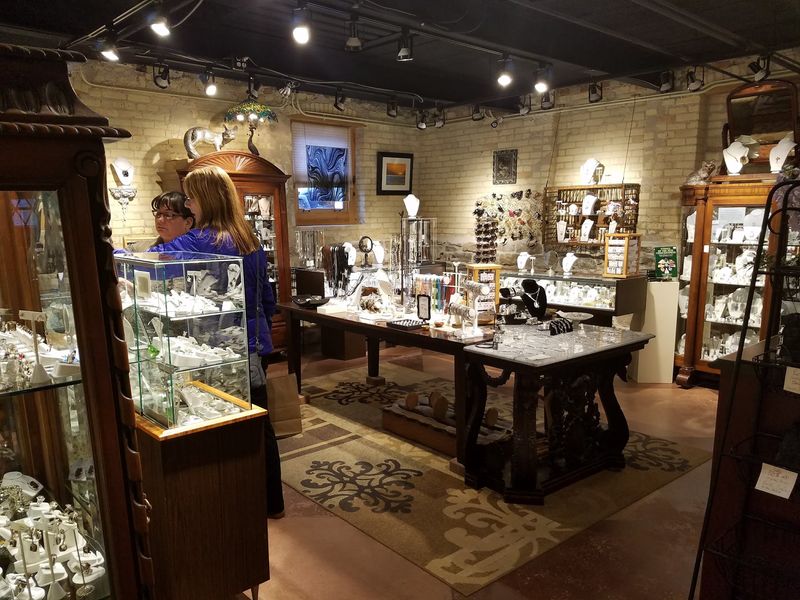
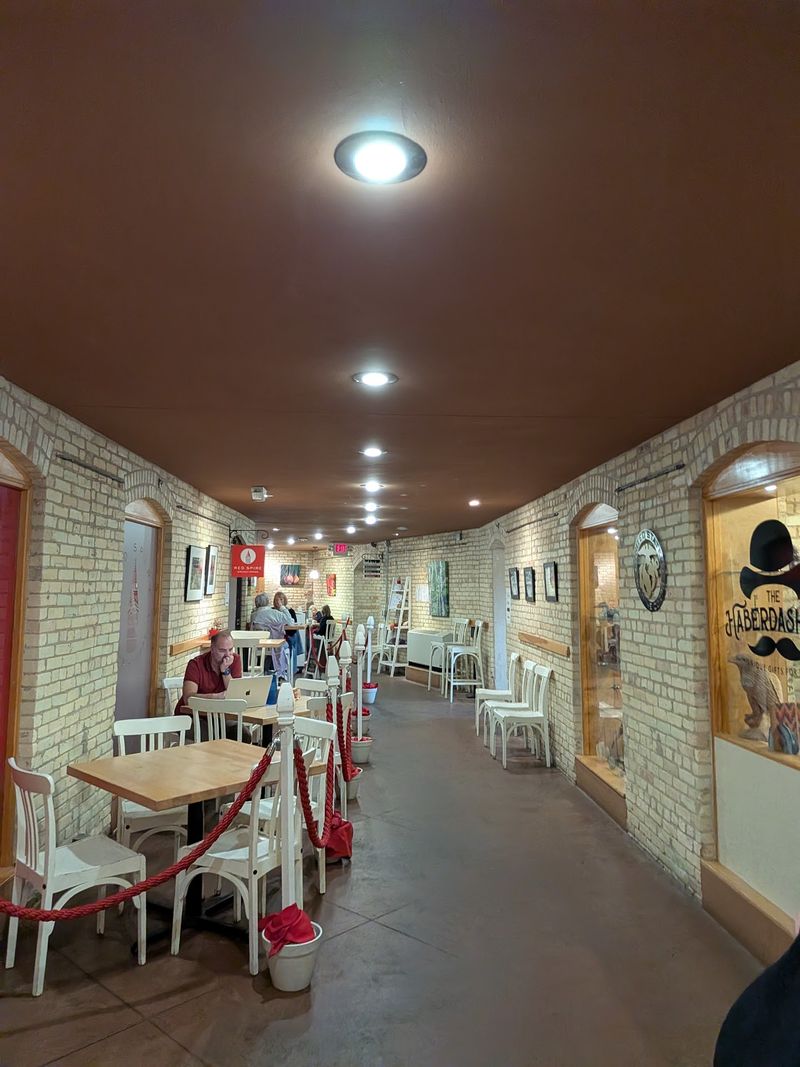
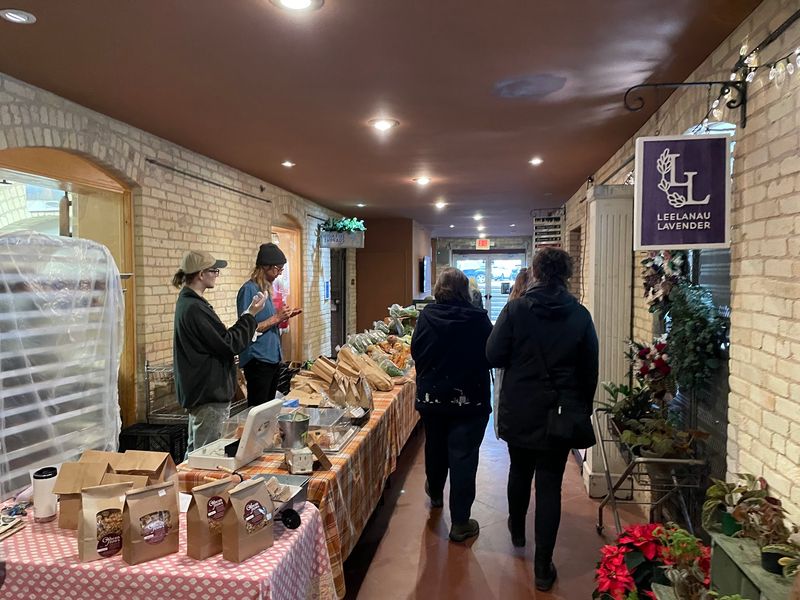
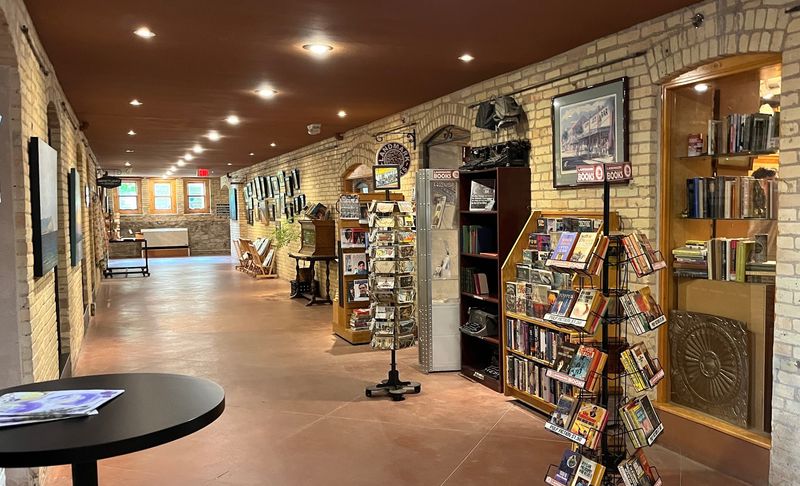
The lower level of the main building holds a mix of small, independent stores. Many guests describe them as quirky and one of a kind, the opposite of chain stores you see everywhere else.
Food options range from casual counters to sit-down restaurants, including at least one fancier spot that guests praise. It is easy to spend a whole afternoon moving from shop to shop and stopping for a break in between.
One fun detail stands out. The shop owners are known for being friendly, which keeps the old halls feeling cheerful instead of eerie.
Some guests suggest planning a visit when most of the shops and stalls are open, since hours can vary by business. Weekday mornings tend to be quieter than weekends.
Bring a budget in mind, browse at your own pace, and leave room for a coffee.
Trails, Trees, and the Farmers Market
Outside the brick walls, the campus opens up into green space. The property includes an arboretum and hiking trails, a nod to the original belief that nature could help people heal.
These paths are free to enjoy and make a nice break between shopping stops. Families with kids who need to burn off energy will appreciate the room to roam.
The farmers market is another reason people make the trip. It comes up often among guests and adds a local, community feel to a visit.
Nearby, the Botanic Garden and Historic Barns round out the area. Together with the Commons, they are seen by many residents as a true local treasure.
Market days and seasons can shift, so check the website before planning around it. The trails, on the other hand, are there for whenever you arrive.
Pack walking shoes and a water bottle, and the outdoor side of the visit costs nothing at all.
Who Will Love It Most
History buffs top the list, no question. Anyone interested in Michigan’s past will find plenty to chew on here.
Retirees and older guests are well served too. Guides have been noted for slowing down and making sure guests with limited mobility stay safe and comfortable.
Families can mix a tour with shopping, a meal, and a walk on the trails. Teens who like a slightly spooky backdrop may find the twilight tour a big hit.
Groups of friends often book tours together, and some even return for a second or third time. Each guide brings a different style, from calm and down to earth to energetic and quirky.
The place also suits Traverse City locals looking for something new close to home. Many of them say they visit the Commons often yet still had a lot to learn.
Shoppers who prefer big box stores might find the selection small. For everyone else, the mix of old and new is the whole point.
Hours, Costs, and a Worthy Verdict
Timing matters a little here. The Village is open Monday through Saturday from 10 AM to 6 PM, and on Sunday from 10 AM to 4 PM.
Individual shops and restaurants may keep their own hours, so it pays to check the website at thevillagetc.com before heading out. Tours require booking and fill up in busy months.
Walking the grounds and browsing are free. A two-hour tour has run about $30 per person, and tunnel access may cost extra.
The campus sits on the west side of Traverse City, an easy drive from downtown. Parking is available on site.
So is it worth the drive? With a 4.6-star average from thousands of guests, the answer seems clear for most people.
It is part history lesson, part shopping trip, and part walk in the woods. For Michiganders who like finding places with a story, this old hospital has plenty left to tell.