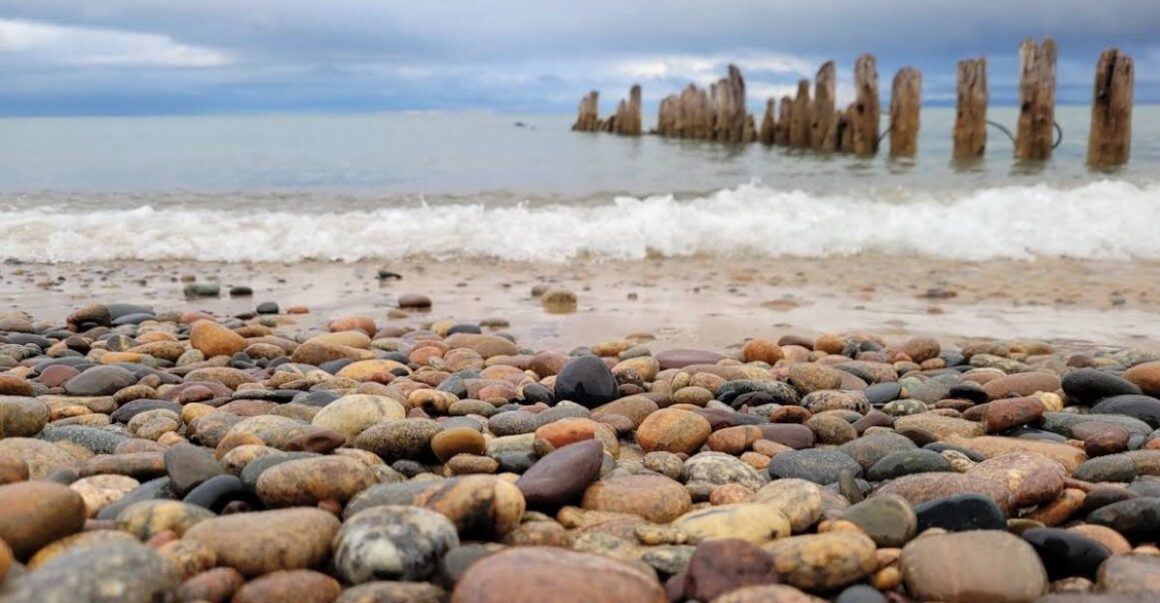
By day, most of the rocks on Michigan’s Lake Superior shore look like plain gray beach stones, the kind you step over on the way to the water. After dark, shine the right kind of ultraviolet flashlight across the pebbles and some of them suddenly show bright orange and yellow speckles, like coals left in a campfire ring.
These stones are called Yooperlites, and Michiganders have only been hunting them by name since 2017, which makes them one of the newest and most talked-about finds in the Upper Peninsula. Rock hunting is free, it works for kids and grandparents alike, and all it takes is a cheap UV light, a dark beach, and a little patience.
Here is what Michigan rock hounds should know before heading north to look for them.
1. What Makes a Yooperlite Light Up
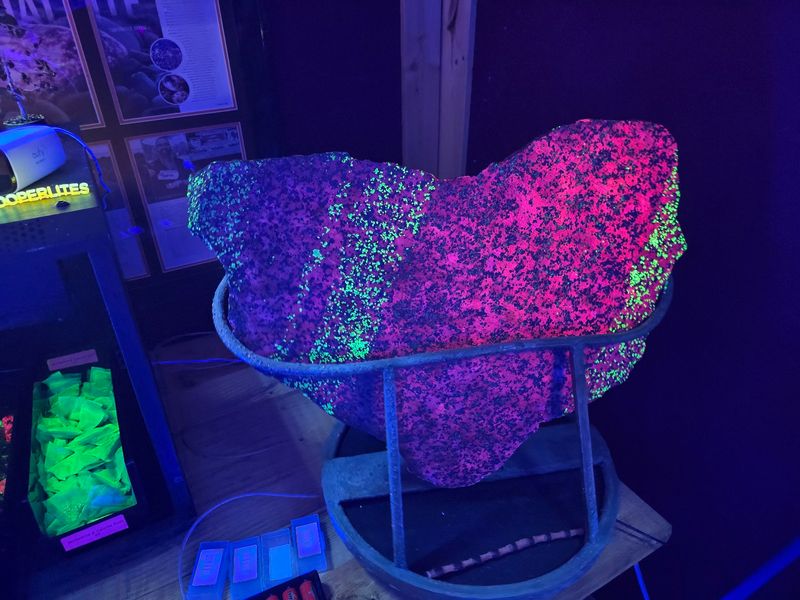
Geology gets a lot more fun when a rock turns into a light show. A Yooperlite is a type of syenite rock that contains sodalite, a mineral that fluoresces under longwave ultraviolet light.
In normal daylight, the stones usually look gray with some lighter flecks. Under UV light, the sodalite shows up as bright orange and yellow spots and swirls, which is where the campfire coal comparison comes from.
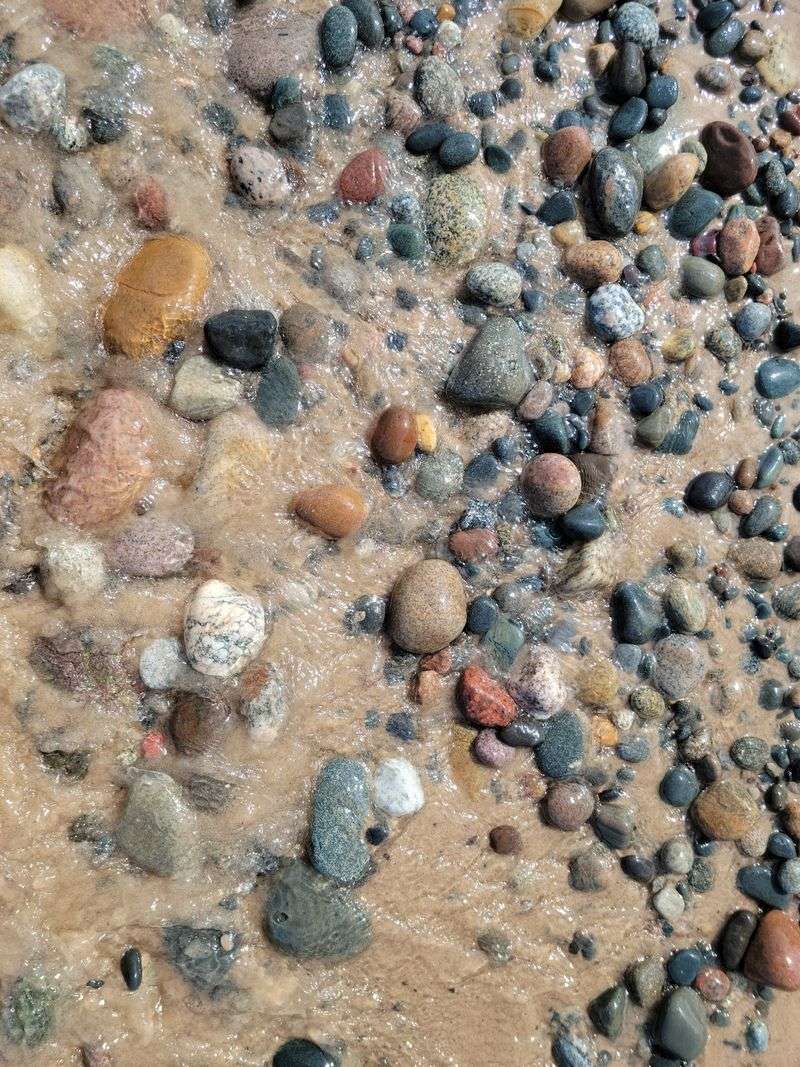
Most of these rocks are believed to have been carried south by glaciers from older rock formations in the Canadian Shield. Over thousands of years, Lake Superior tumbled them smooth and spread them along Michigan beaches.
Here is the part that surprises people. Fluorescent sodalite rocks exist in other places, but the name Yooperlite belongs to the ones found around the Great Lakes, especially in the U.P.
2. The Michigan Rock Hunter Who Named Them
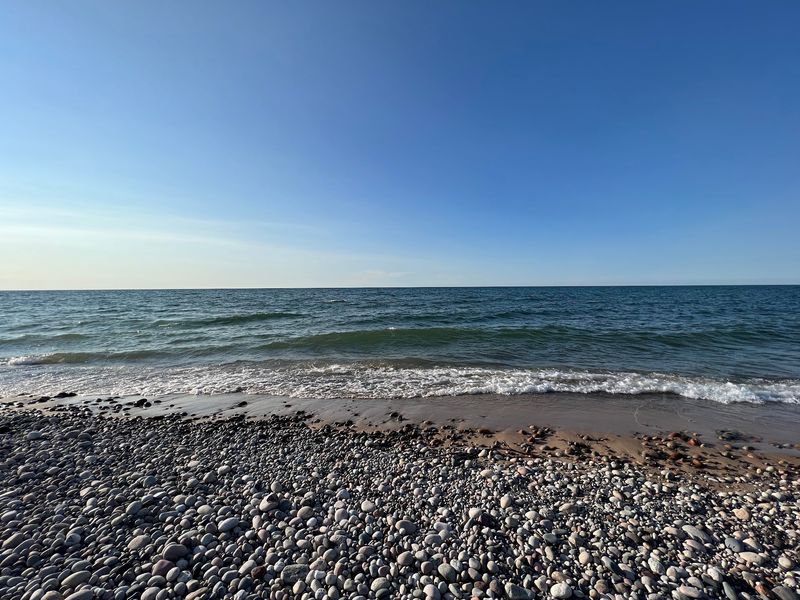
Plenty of people walked past these stones for generations without knowing what they were holding. That changed in 2017, when Michigan rock hunter Erik Rintamaki went out on a Lake Superior beach at night with a UV light and spotted rocks lighting up orange.
He called them Yooperlites, a nod to Yoopers, the nickname for Upper Peninsula residents. The name stuck fast.
Geologists later identified the fluorescent mineral as sodalite inside syenite rock. Rintamaki’s find turned into a small craze, with night hunts, rock shop displays, and plenty of social media photos of glowing beaches.
I like this story because it is so Michigan. A regular person with a flashlight and curiosity found something new on a shoreline people thought they already knew by heart.
3. The Right UV Flashlight
Skip the purple party light from the junk drawer. Yooperlites respond best to longwave UV, and most hunters look for a flashlight rated at 365 nanometers.
Cheaper 395nm lights give off a lot of visible purple light, which can wash out the orange spots and make hunting harder. A filtered 365nm light makes the fluorescence pop much more clearly against the dark beach.
Good beginner lights can often be found for well under fifty dollars, though prices vary by brand and power. Bring spare batteries or a charged backup, since hunts can stretch longer than planned.
One safety note matters here. UV light should never be pointed at anyone’s eyes, and many hunters wear UV-blocking glasses, which is smart if kids are along.
A regular headlamp is handy too. Use it for walking, then switch to the UV light once you reach the rocks.
4. Muskallonge Lake State Park, Deer Park, Michigan
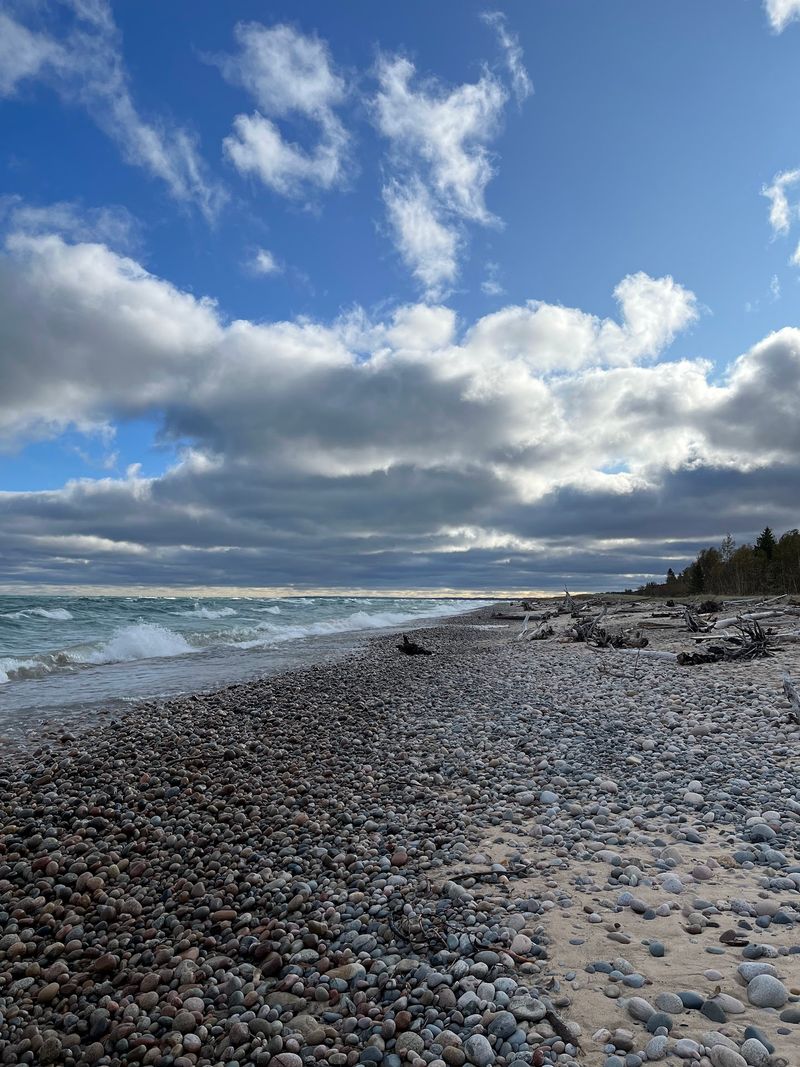
Ask Michigan rock hounds where to start and the stretch of shore between Grand Marais and Whitefish Point comes up a lot. Muskallonge Lake State Park sits right in that zone, on a narrow strip of land between Muskallonge Lake and Lake Superior.
The location is the big draw. Campers can stay at the park and simply walk over to the Lake Superior beach after dark, which takes a lot of hassle out of late-night hunting.
The park has a modern campground, and a Michigan Recreation Passport is required for vehicle entry. That same pass covers state parks across Michigan, so it pulls double duty on a U.P. road trip.
The area is remote, so fill the gas tank and grab groceries before heading up County Road 407. Campsites can get busy in summer, and reserving ahead is a good idea.
5. Whitefish Point and the Eastern U.P. Shoreline
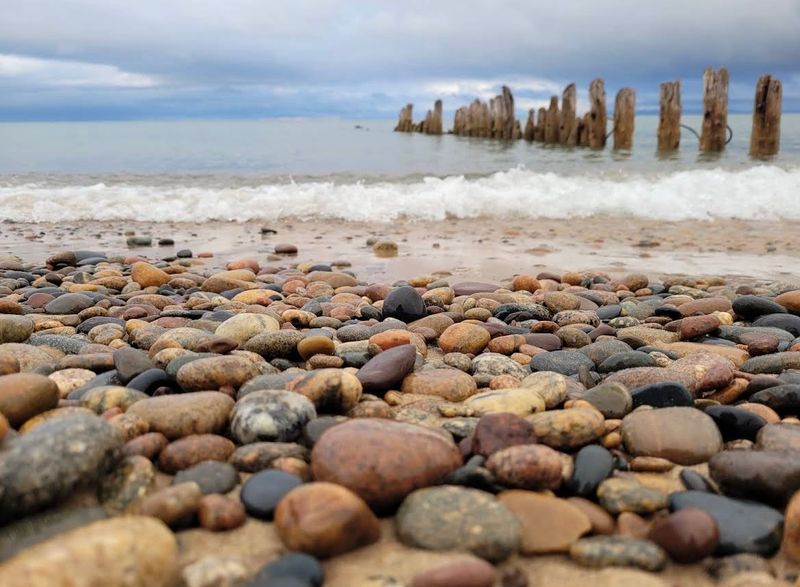
Long stretches of rocky beach are exactly what Yooperlite hunters want, and the eastern Upper Peninsula has plenty of them. Shoreline near Whitefish Point and around Paradise is often mentioned as productive ground.
Whitefish Point is also home to the Great Lakes Shipwreck Museum and its historic light station, which gives families a daytime stop before the evening hunt. Museum admission is charged and hours are seasonal, so check before you go.
Tahquamenon Falls State Park is a short drive away as well. A day of waterfalls followed by a night of rock hunting makes for a full, low-cost U.P. itinerary.
Pay attention to where you are standing. Some shoreline in this region is private or protected, so stick to public beaches and posted access points.
6. Best Timing for a Night Hunt
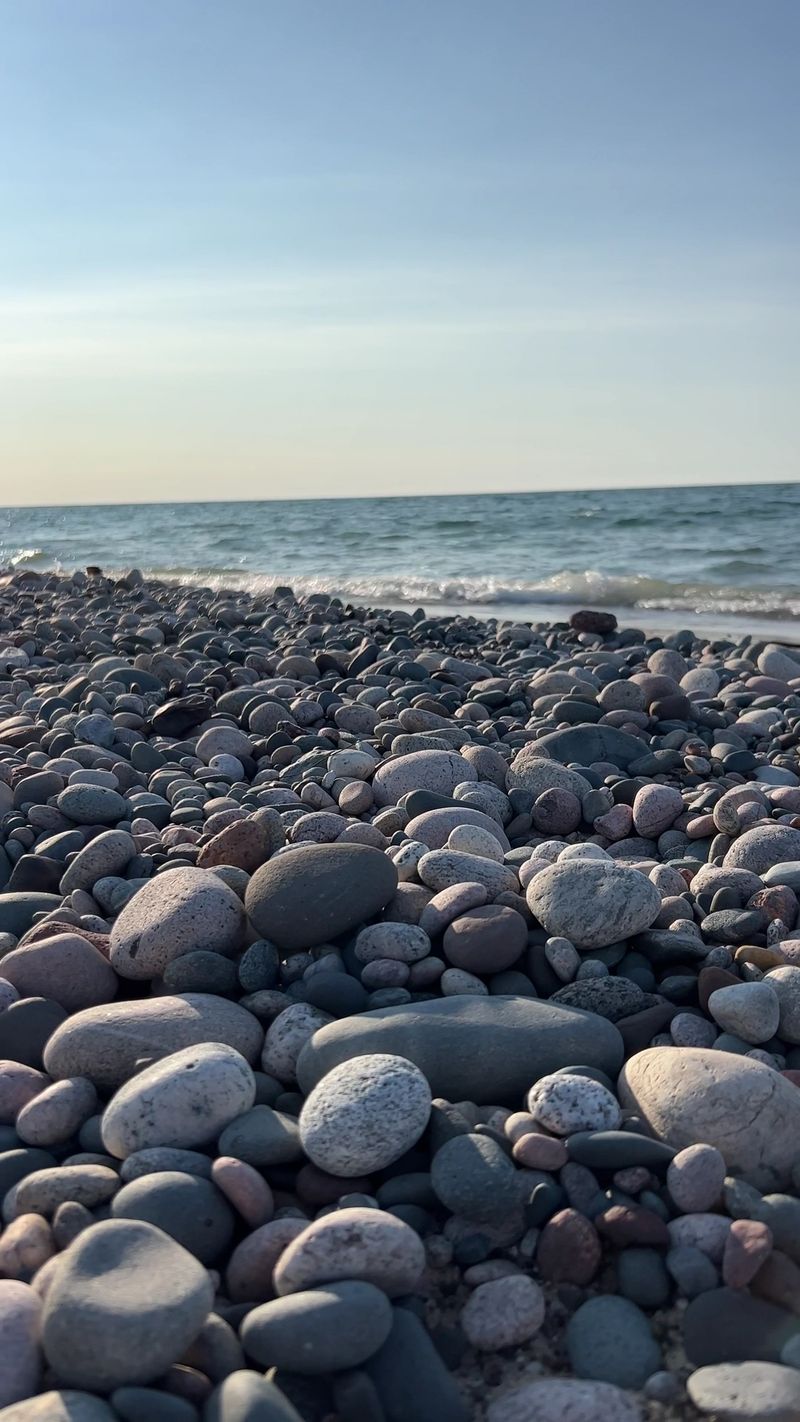
Timing can matter as much as location. Many hunters prefer spring and fall, when crowds thin out and Lake Superior storms have churned up fresh rocks along the shore.
Darker is better. A moonless or cloudy night makes the orange spots easier to see, while a bright full moon can make them harder to pick out.
After a big wave event, beaches that looked picked over can suddenly have new stones on top. That is one reason U.P. regulars check the forecast before heading out.
Dress warmer than you think. Lake Superior nights stay cool even in summer, and wind off the water can be sharp.
Bug spray is worth packing too, since U.P. evenings can bring mosquitoes and black flies depending on the season.
7. Collecting Rules Michiganders Should Know
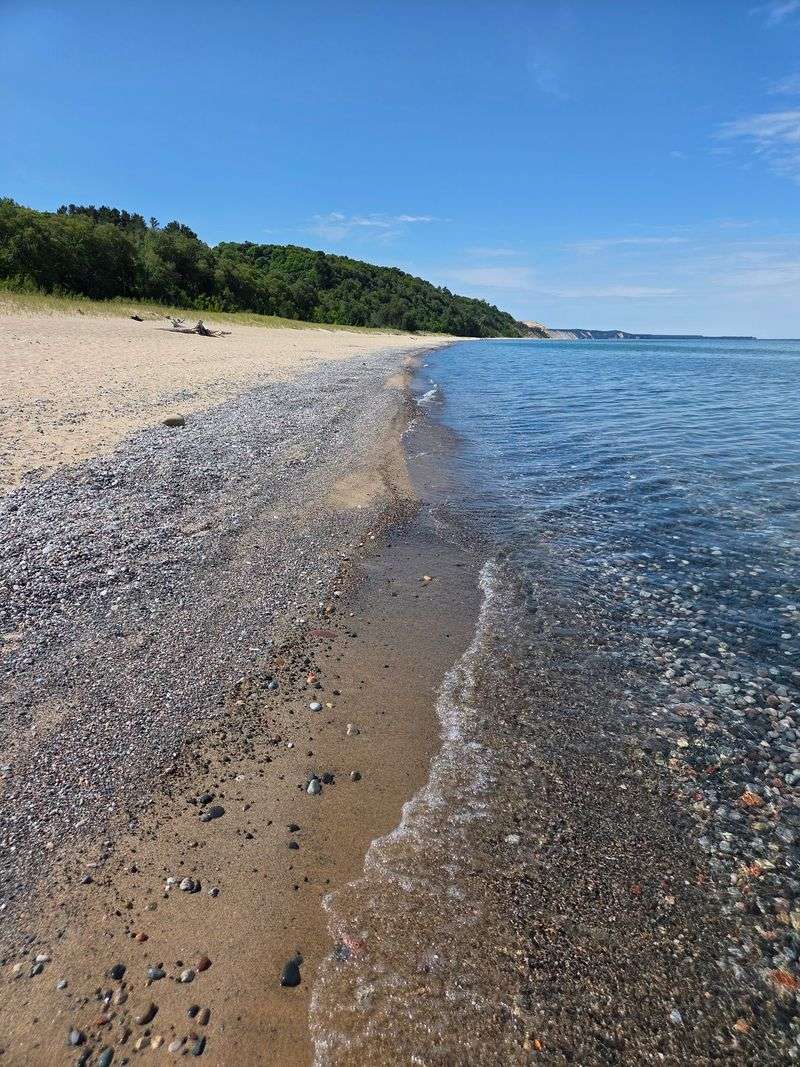
Before filling a bucket, know the rules. Michigan generally allows people to collect a limited amount of rocks and minerals from state-owned Great Lakes beaches for personal use, with a commonly cited limit of 25 pounds per person per year.
Federal land is different. Pictured Rocks National Lakeshore does not allow rock collecting, so treat those beaches as look-only.
Private shoreline is off limits without permission. When in doubt, check with the Michigan DNR or the land manager before you pocket anything.
A few good stones make a better souvenir than a heavy trunk anyway. Many hunters keep their best finds on a windowsill or shelf and bring out the UV light to show friends.
Not up for a night hike? Rock shops in towns like Paradise and Grand Marais often sell Yooperlites, and prices vary by size and quality.