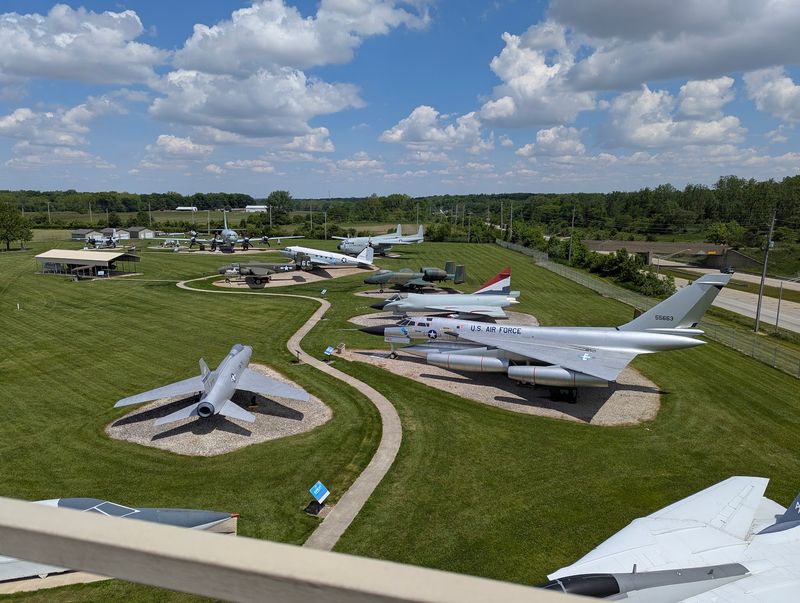
Somewhere in north central Indiana, a bomber sits close enough to walk right under its belly. A few steps away, a Navy fighter jet waits beside a Soviet-built MiG, and a cockpit stands open for anyone who wants to climb in and grab the controls.
Next door, real Air Force tankers still roar down the runway on practice runs. It is a museum built for families, road-trippers, and anyone who ever folded a paper airplane and wondered what the real thing looked like up close.
Admission costs about the same as a fast lunch, and a full visit fits neatly into an afternoon. The planes have stories, the staff has even more, and there is a tower to climb for the best view in the county.
Here is everything worth knowing before making the drive.
An Airfield Neighbor on Hoosier Boulevard
Grissom Air Museum sits at 1000 W Hoosier Blvd, Peru, IN 46970, in the northern half of Indiana. It is a nonprofit aviation museum, and most of the upkeep comes from volunteers who clearly care about the planes.
The location is a big part of the charm. The museum shares a fence line with an active Air Force Reserve base, so the history on display has a living neighbor.
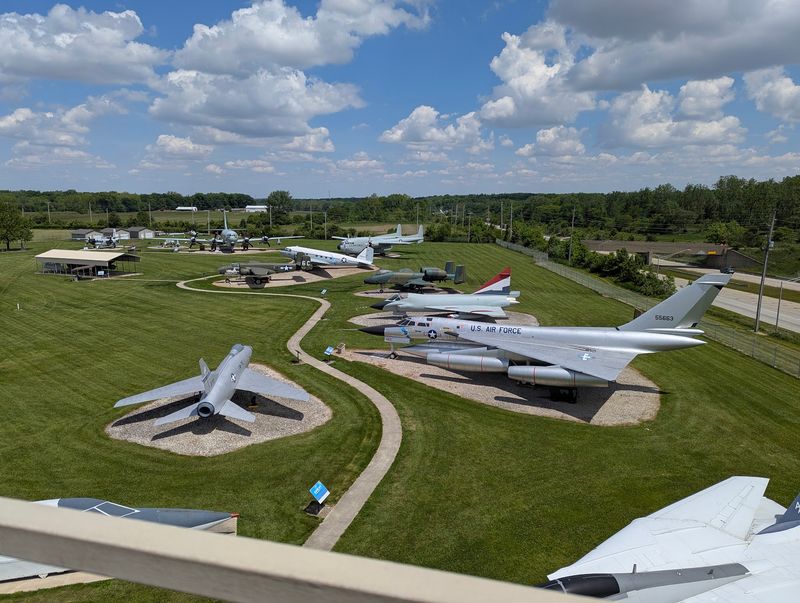
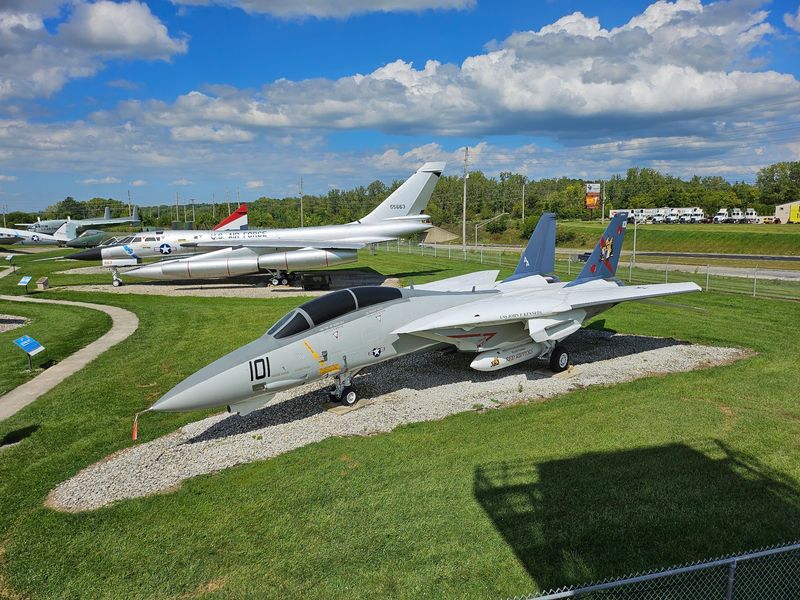
Inside, the main building holds exhibits on aircraft and base history. Outside, a large yard is lined with retired military planes, each one parked where guests can walk around it and read about its service.
The museum is not huge, and that works in its favor. It is big enough to fill a couple of hours but small enough that nobody leaves worn out.
Families from the Indianapolis suburbs can make the trip easily. Carmel, for example, sits roughly 40 minutes away by car, which makes this an easy day trip instead of a weekend project.
Travelers from much farther away stop in too. Motorcyclists crossing the country and guests from other states and even other countries have found their way to this patch of Indiana.
That says a lot about a small museum in a small city, and it sets the stage for the planes themselves.
A Namesake Bound for Space
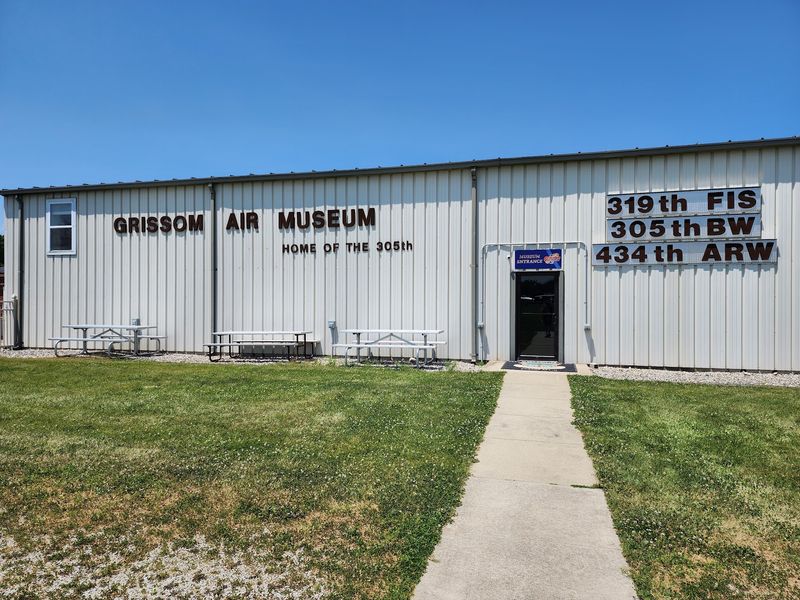
The name on the sign belongs to Gus Grissom, an Indiana-born astronaut. His story connects this museum to the early days of American spaceflight, and it gives local students a hometown hero to study.
School projects often lead families straight here. A fourth grade wax museum assignment about Grissom has been reason enough for parents to load up the car during spring break.
The indoor galleries cover a wide sweep of flight history. Exhibits trace the story from the dawn of flight and Kitty Hawk through World War I, World War II, the supersonic age, and on into space.
People matter as much as machines in these displays. The exhibits look at the pilots and crews along with the technology that carried them into the sky.
A self-guided walk through the building and the outdoor plaques takes about two hours for those who read everything. Some guests leave wishing they had read even more, so pacing matters.
The base history portion adds local context. It explains how this corner of Indiana became tied to military aviation in the first place, and why the runway next door still matters today.
Knowing the backstory makes the next stop, the outdoor yard, a lot more meaningful.
The Hustler Steals the Show
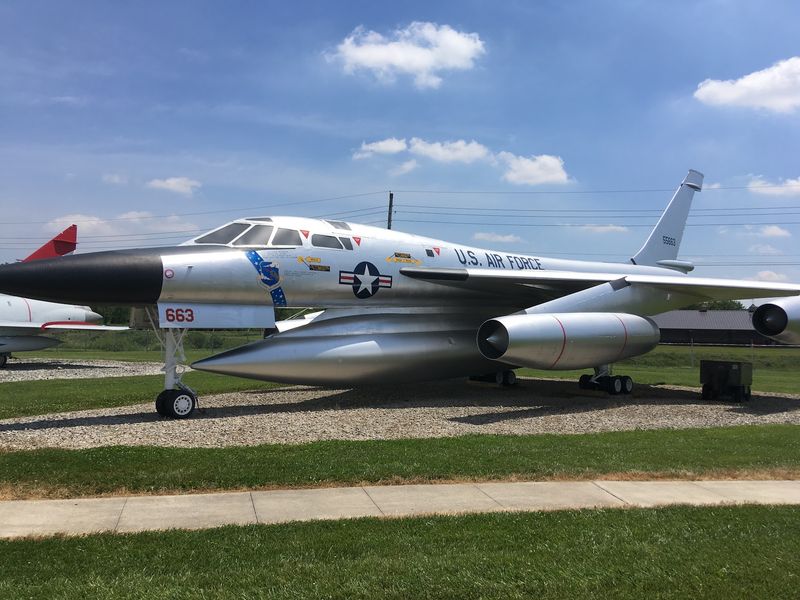
Plenty of museums have a famous plane, and this one has a Convair B-58 Hustler. Aviation fans who have seen several of these Cold War bombers often say this one looks like the best preserved of the bunch.
The Hustler was a supersonic bomber with a sharp delta wing. The museum’s example is the TB-58A version, a rare training variant.
It gets star treatment for good reason. The museum has been planning a new enclosed exhibit hall to give this aircraft a proper home, and returning guests have been eager to see that building completed.
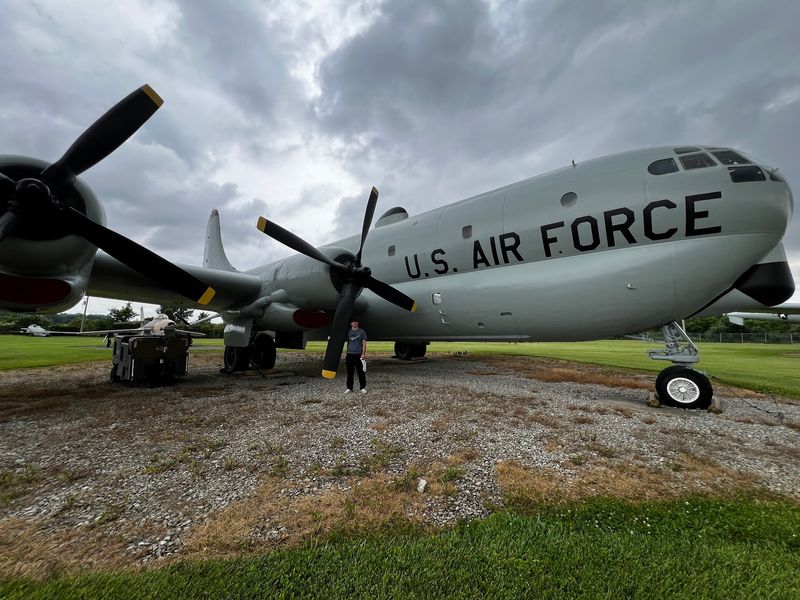
The B-58 is not the only bomber worth a long look. A B-47 Stratojet is also part of the collection, which means two major Cold War bombers share the same grounds.
That pairing is unusual for a museum this size. Seeing both aircraft in one afternoon helps explain how quickly bomber design changed during the 1950s and 1960s.
Guests can walk under a bomber and see it from very close range. No velvet ropes keep everyone at a distance, which makes the scale of these machines easy to understand.
Bring a camera and leave a little extra time here. The Hustler tends to hold people longer than they expect.
Tomcats, Warthogs and a MiG

Navy fans, take note. An F-14B Tomcat that flew with the VF-11 Red Rippers squadron rests in the outdoor yard, and it draws plenty of attention.
The Tomcat is one of the most talked-about planes on the property. It is a piece of Grumman history that fans of naval aviation make a point to see.
Across the yard, a Soviet-designed MiG-23 offers a look at the other side of the Cold War. Guests from as far as South Carolina have singled out the MiG and the B-58 as the highlights of their trip.
The A-10 Warthog has its own loyal following. Its stubby, rugged design makes it easy to spot in the lineup.
One of the best parts of the collection is its range. Army, Air Force, and Naval aviation all appear here, so the yard is not limited to one branch of the military.
Every plane outside has an informational plaque. Those signs explain what each aircraft did and why it mattered, so even first-timers can follow along without a guide.
The museum’s real stars live outdoors, and that is where most guests spend the bulk of their visit. Comfortable shoes are a smart call.
Cockpit Seats for Future Pilots
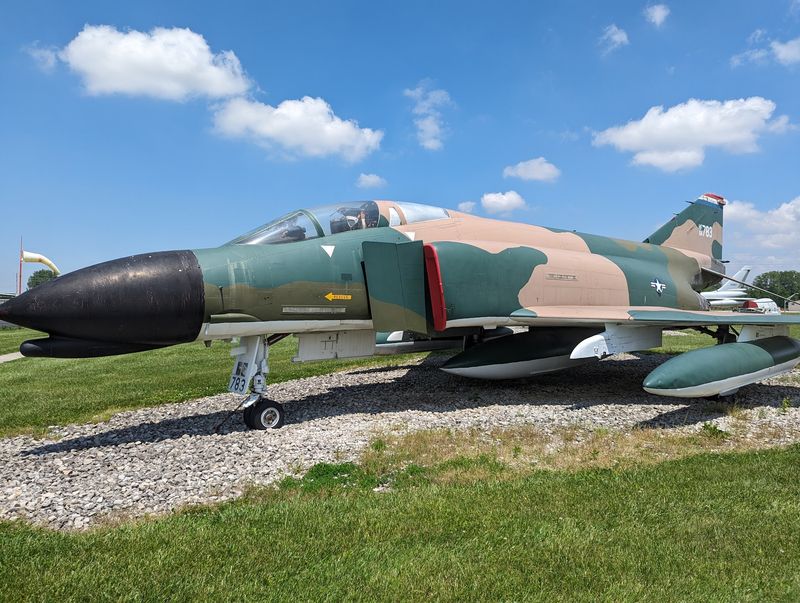
Most museums ask everyone to keep their hands to themselves. Here, the rules are friendlier, and climbing into a real cockpit is part of the plan.
Guests can sit inside the cockpit of an F-4 Phantom fighter. They can also climb into a UH-1 Huey helicopter cockpit, a classic aircraft with a long military history.
Those seats turn a quick look into a real memory. A visitor who rode a Harley all the way from Germany called sitting in the Phantom priceless, and staff even helped snap the photos.
Kids especially love this hands-on side of the museum. It gives them a chance to grip a control stick and look out through the same canopy a pilot once did.
Adults are not left out either. Plenty of grown-ups line up for the same seat and come out grinning.
Photo opportunities are everywhere on the grounds. The cockpits, the bombers, and the long rows of jets all make easy backdrops for family pictures.
Plan for a short wait if the museum is busy, since everyone wants a turn. The payoff is a picture that tends to end up framed on a fridge back home.
Tower Views and Touch-and-Goes
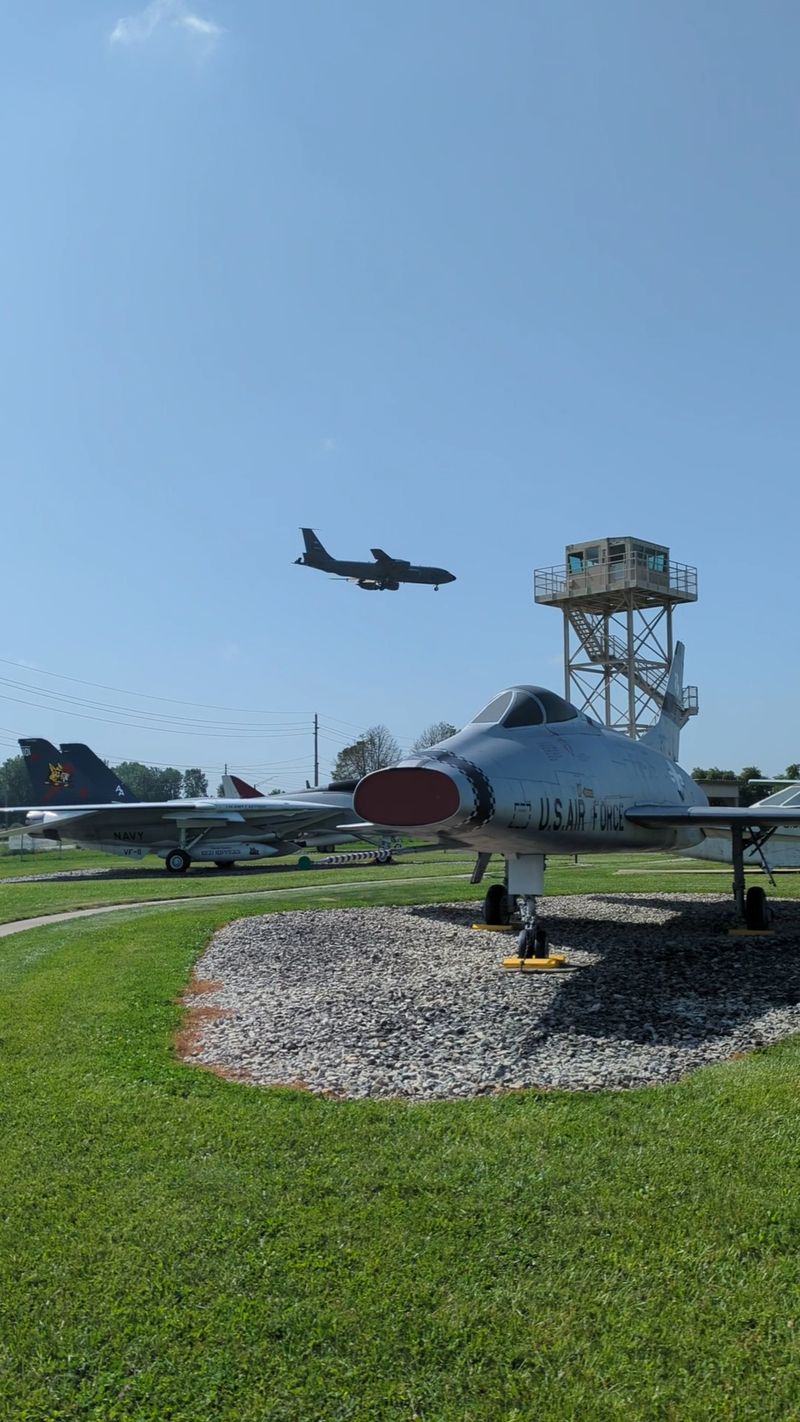
Up is the best direction to head after touring the yard. An observation tower outside the museum lets guests climb up for an aerial view of the entire collection.
From the top, the rows of planes line up neatly below. It is a popular spot for photos and gives a clear sense of how much hardware sits on the grounds.
The tower offers a bonus that few museums can match. The active Air Force Reserve base next door is home to KC-135 tankers, and they sometimes practice touch-and-go landings on the runway.
A touch-and-go means the plane lands, rolls briefly, and takes right back off. Watching a working tanker do this while standing among retired aircraft is a fun contrast.
Nobody can promise a flyover on any given day. Luck plays a part, but guests who catch one count it as a highlight of the trip.
Good weather makes the tower even more worthwhile. On a clear spring day, families often explore every plane outside before heading up for the view.
Keep an ear and an eye on that runway while climbing. The most memorable aircraft of the day might be the one still in service.
Volunteers with Stories to Spare
Ask almost anyone who has been here what stood out, and the answer often includes the people. The staff and volunteers have a reputation for being friendly, patient, and full of knowledge.
Some of them are walking history books. One longtime volunteer is known for his stories, and families have been advised to sit and listen if they get the chance.
The museum has a sense of humor, too. When a guest wrote a playful tribute comparing that volunteer to a wizard guarding an army of fighter planes, the museum said it would frame it and hang it up.
The front counter team earns praise as well. Staff members have gone above and beyond to help guests, answer questions, and keep things running smoothly.
Upkeep shows. The planes and grounds are well maintained both indoors and outdoors, which is impressive for a mostly volunteer operation.
Because the museum is a nonprofit, every visit helps keep these aircraft in good shape. Admission and gift shop purchases go toward caring for the collection.
A good question asked at the right moment can turn a quick walk-through into a two-hour conversation. That is a trade most guests happily make.
Gift Shop Finds, Dogs and Car Shows
Every good museum trip ends with a souvenir, and the gift shop here is well stocked. Shelves offer a wide variety of items, and prices are considered very reasonable.
Dog owners get a pleasant surprise. Four-legged family members can come along on a walk through the outdoor yard, which makes this an easy outing for the whole household.
The building has working air conditioning. On a hot Indiana summer day, that cool indoor break between outdoor plane stops is a welcome one.
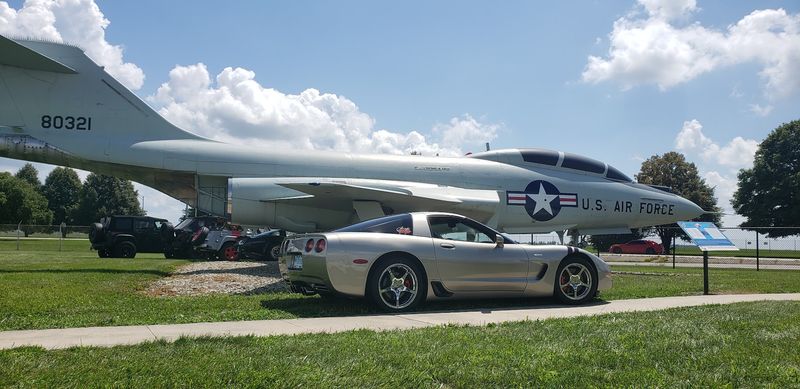
Events add another reason to come back. Car shows on the grounds come up often in conversation, mixing classic wheels with classic wings.
The neighboring base has also hosted large air shows. One recent show featured the Air Force Thunderbirds, was free to attend, and earned praise for easy parking and plenty of restrooms.
Road-trippers in motorhomes have found another perk. The museum has hosted overnight stays in its parking lot through the Harvest Hosts program.
Repeat guests say every trip reveals something new. A missed plaque, a forgotten plane, or a fresh event keeps the place from feeling the same twice, so checking the museum website for upcoming happenings is a smart move.
Hours, Admission and the Verdict
Timing is simple once the schedule is clear. The museum is open Thursday through Sunday from 10 am to 4 pm and closed Monday through Wednesday.
Admission runs about $10 per person. Veterans can ask about a discount, which makes the trip even friendlier on the wallet.
Plan for roughly two hours to see everything at a relaxed pace. Fast walkers can treat it as a quick leg-stretching stop, while plaque readers may want a bit longer.
Most of the best aircraft are outdoors. Check the weather before heading out and dress for it, since the yard is where the day really happens.
Parking is straightforward, and the museum sits right along Hoosier Boulevard in Peru. Families from central Indiana can reach it within a short drive.
So is it worth the trip? For about the price of a movie ticket, guests get rare bombers, a Navy Tomcat, a Soviet MiG, real cockpits to climb into, and a tower view of a working runway.
The museum holds a 4.8-star average across nearly a thousand opinions, and that kind of consistency is hard to argue with. Add the friendly volunteers and a gift shop that does not empty wallets, and this small Indiana stop flies well above its size.