Some people drive ten miles every single week just to fill a few plastic jugs. They have done it for decades, and some of them first drank from the same spot as kids back in the 1960s.
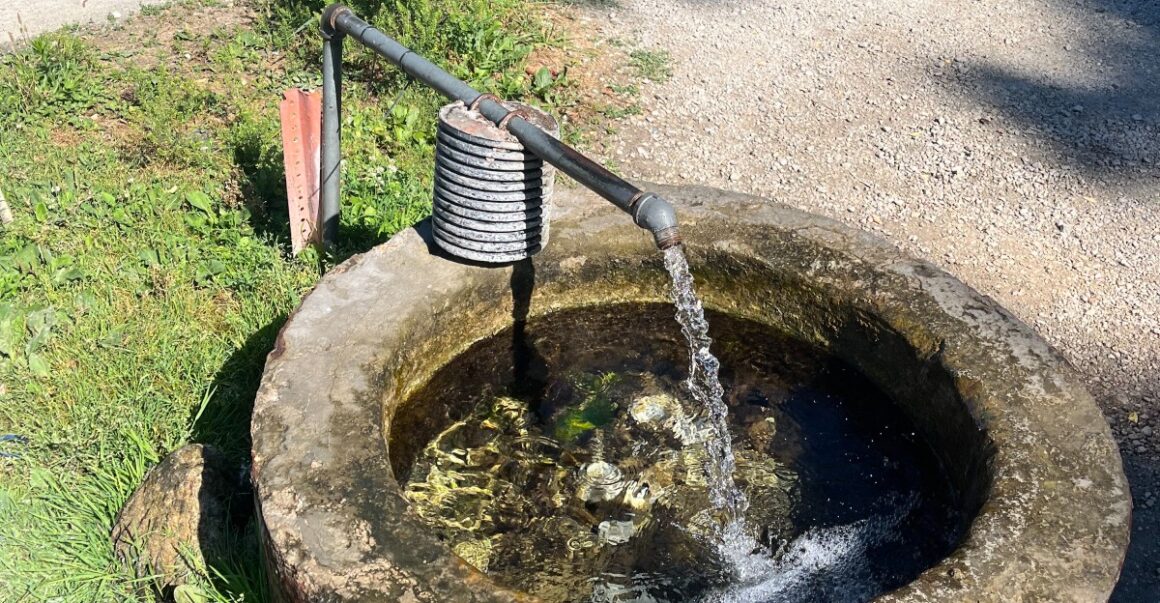
Near Delphi, a small spigot by the roadside pours out spring water that costs nothing and never closes. There is no gift shop, no ticket booth, and barely a sign.
Yet families keep showing up with five-gallon containers, and parents bring their children so the habit carries on. Folks who come back home to Indiana from other states make it a must-stop.
This article covers where to find it, why so many locals trust it, how to visit without a hitch, and what makes a simple flowing pipe one of the most loved landmarks in Carroll County.
A Landmark on Howard Street
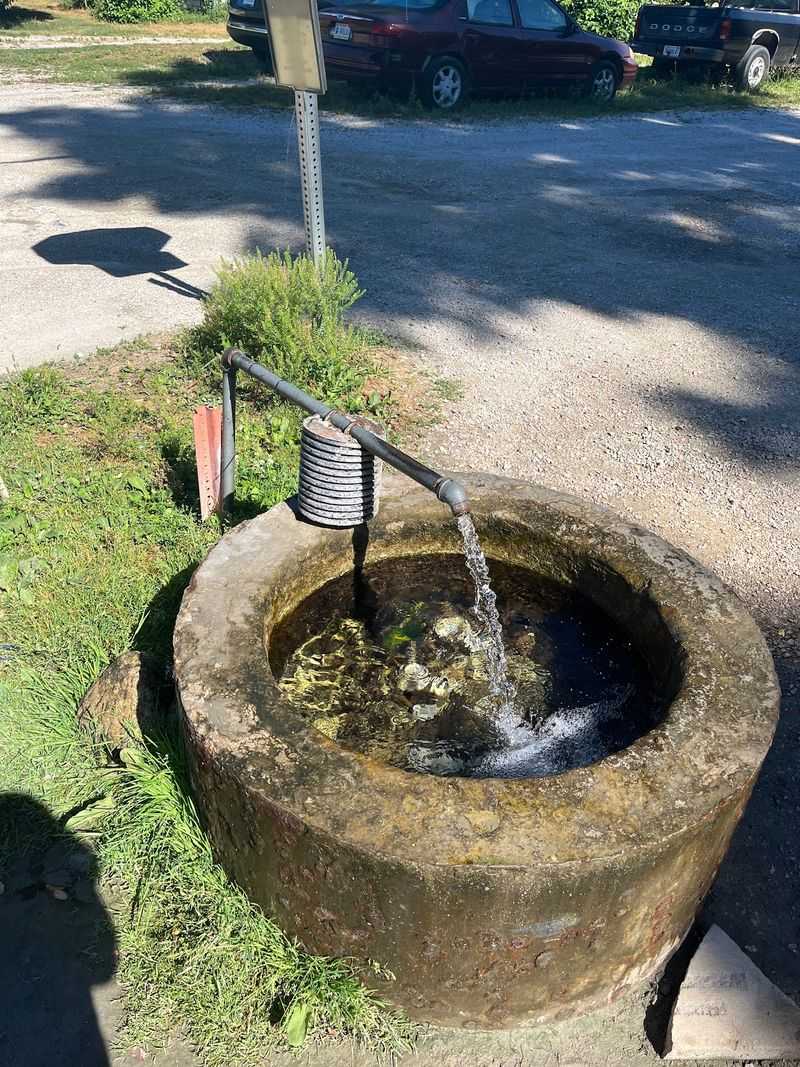
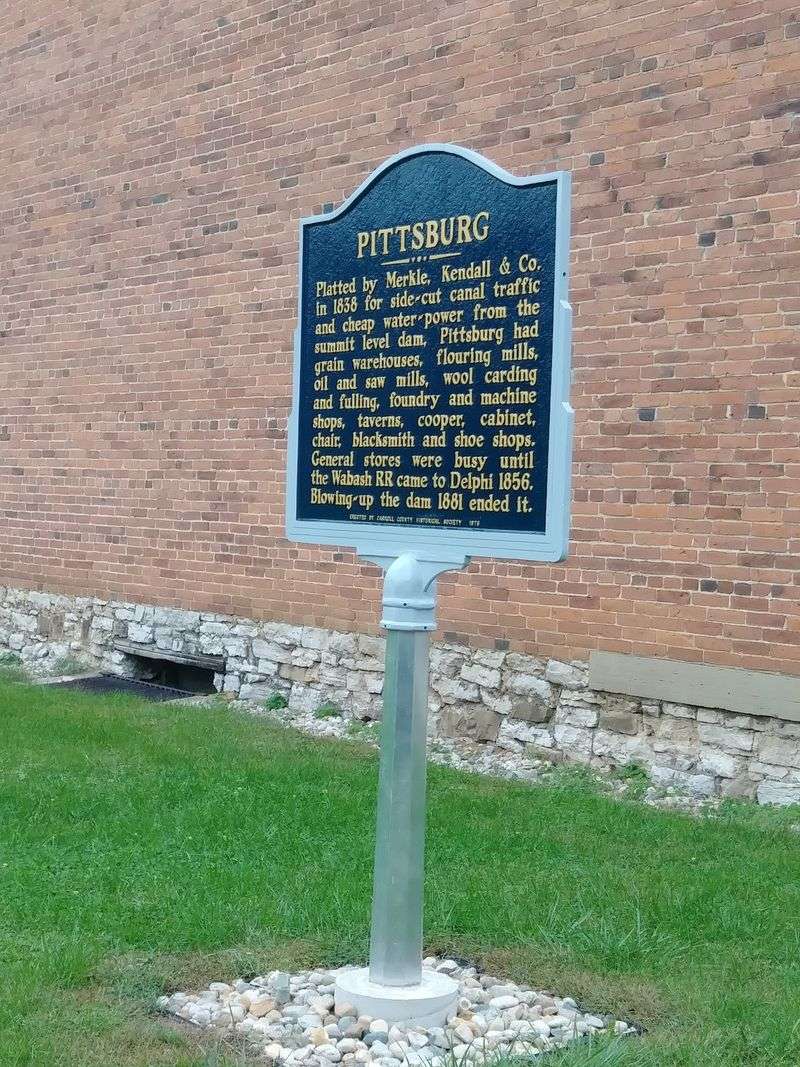
The spot everyone talks about is called Pittsburg Artesian Spring. It sits on Howard St, Delphi, IN 46923, in the little Pittsburg area just outside Delphi in Carroll County, Indiana.
Officially, it is listed as a historical landmark. In practice, it is a spigot of running water that anyone can use to fill bottles and jugs.
That is the whole setup, and it is exactly why people love it.
There are no turnstiles here and no staff waiting at a counter. A gravel curve lets cars swing in and back out, and the water keeps running for whoever arrives next.
Many locals simply call it a Pittsburg landmark, and the name fits. It has been part of daily life in this corner of Indiana for generations.
Out-of-towners are often surprised that something so plain earns such strong loyalty. The answer comes down to the water itself, plus a long string of family traditions built around it.
Before heading out, though, it helps to know a few things about finding it, because the spring has a way of hiding in plain sight.
Easy to Miss, Easy to Find Once You Know
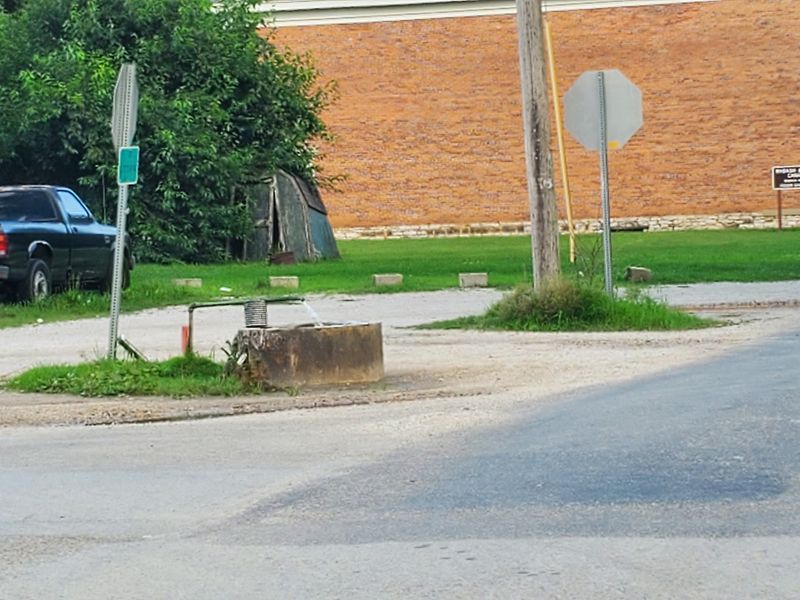
Online directions do not always point drivers to the right spot. That is a common complaint about this spring, and it is worth planning around.
Here is the trick that locals share. The spring is across the street from the American Legion building in Pittsburg, so that building makes a handy landmark.
Once the Legion is in view, the gravel curve should be easy to spot.
Signage is almost nonexistent. Aside from a no loitering sign posted near the pull-off, there is nothing announcing the spring to passing cars.
That low profile is part of its charm. It feels like a neighborhood secret, even though plenty of people from outside the area already know about it.
A quick tip for first-timers: look for other cars with jugs in the back. On a busy day, the line of fellow water collectors tells you that you have arrived.
After the first trip, nobody needs a map again. Most people say the route sticks in memory right away.
What Makes Water Artesian
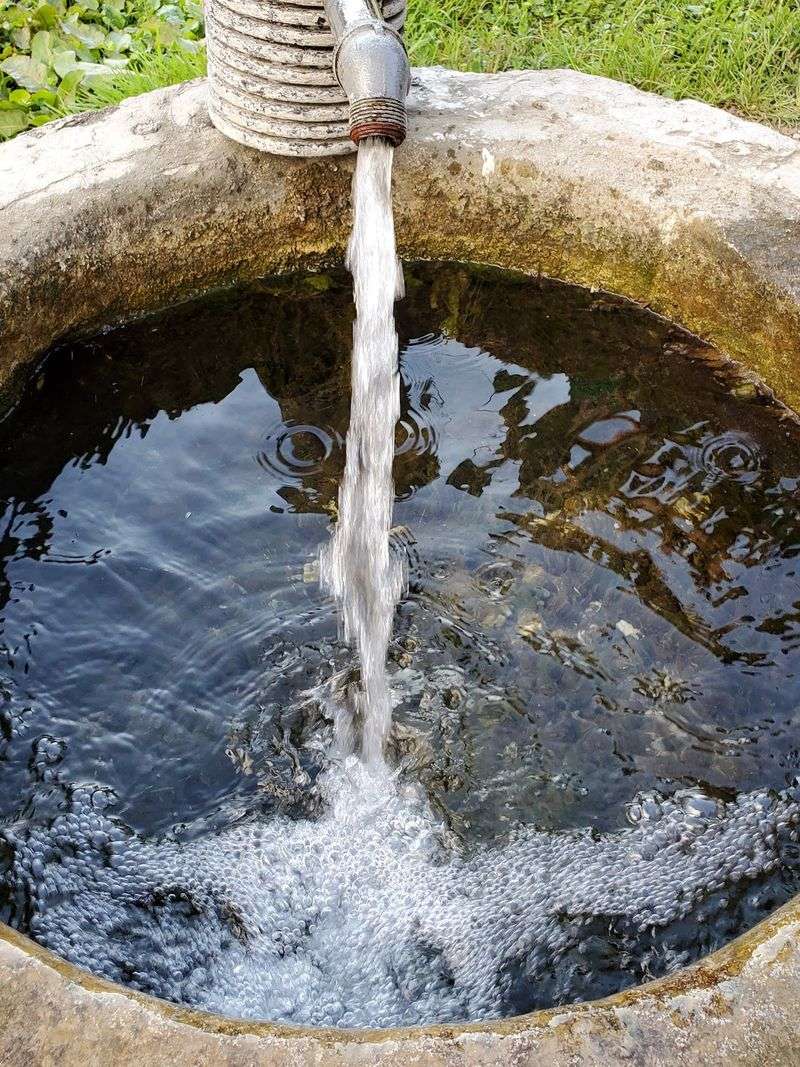
Artesian water has a neat backstory. It comes from underground layers where water is trapped under pressure, and that pressure pushes it up toward the surface without a pump doing the heavy lifting.
That is why a spring like this one can keep flowing day and night.
At Pittsburg, the result is a steady stream from a simple spigot. People describe the flow as fast, and big jugs fill up quickly.
Regulars often call it a well, and you will hear both words used. Either way, the water reaches the spout on its own schedule, not on a timer.
Many fans think of it as natural mineral water. Some fill containers monthly specifically because they prefer it over what comes out of the tap at home.
For a lot of rural Hoosiers, home wells carry plenty of iron. Water like this offers a welcome alternative, which helps explain the steady parade of pickup trucks and minivans.
Underground geology may not sound exciting. Here, it quietly supplies an entire community.
Free, Every Single Time
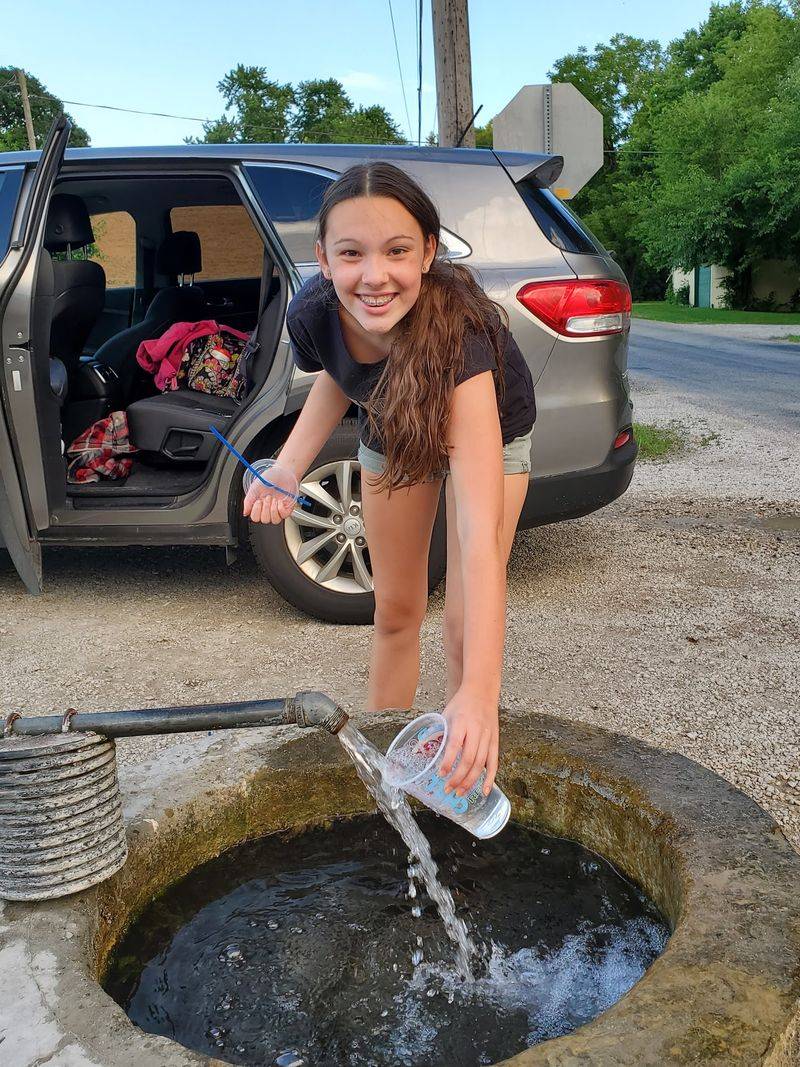
Here is the value pitch in one word: free. Nobody charges a cent to fill a bottle, a jug, or a whole stack of five-gallon containers.
In a time when bottled water keeps creeping up in price, that matters.
Families who use the spring for all their drinking water save real money over a year. Some regulars collect ten gallons every two weeks, while others fill up weekly for both drinking and cooking.
There is no membership, no donation box requirement, and no limit posted. The deal is simple: drive up, fill up, and go.
That simplicity is a big part of the appeal for retirees and budget-minded households. A short drive and a few minutes at the spigot replace a lot of trips down the grocery store water aisle.
Of course, free also means a little courtesy goes a long way. Filling efficiently and moving along keeps things fair for everyone waiting behind you.
Few things in life still cost nothing, and this one has stayed that way.
Why Fans Swear by the Flavor
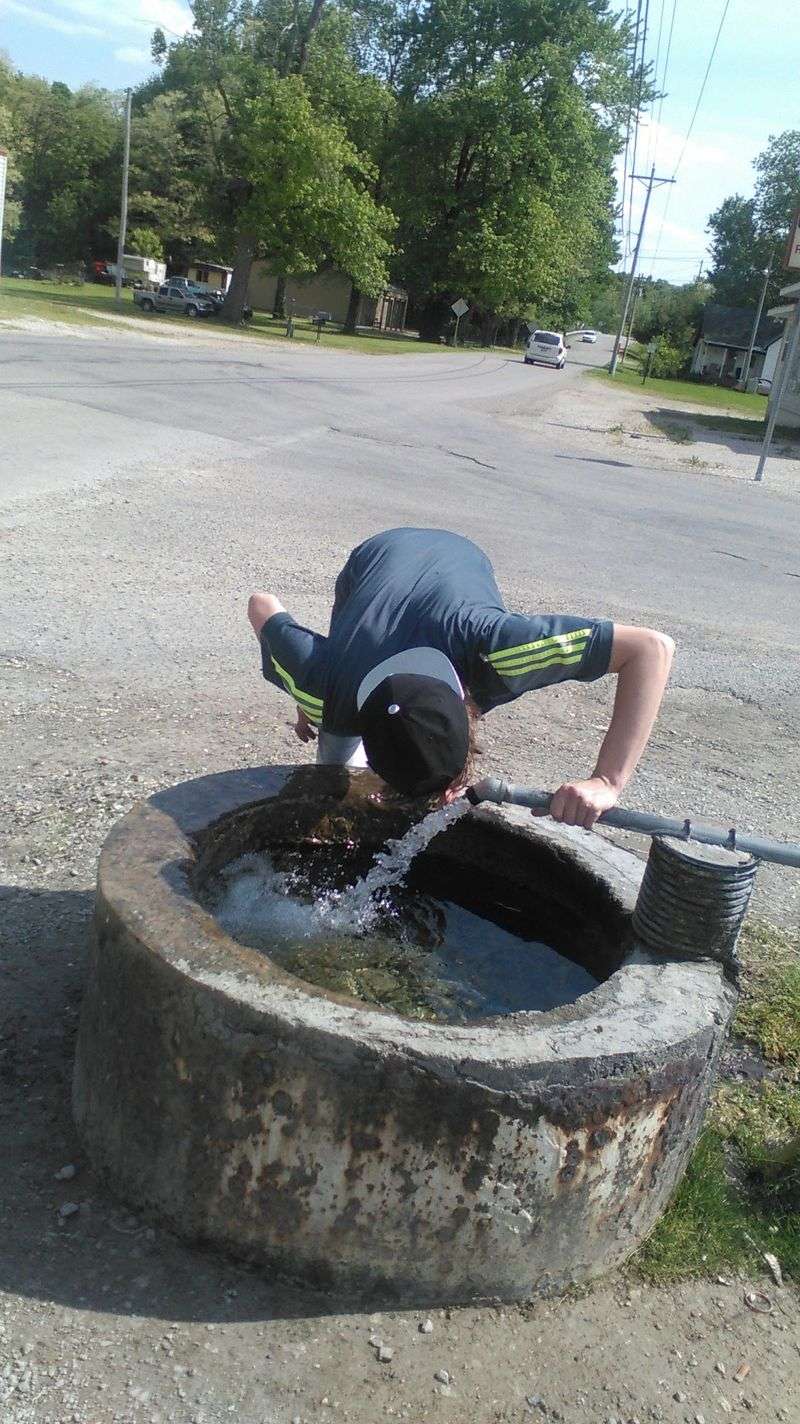
Ask around Delphi and you will hear the same claim again and again. People call it the best drinking water for miles, and some go further and call it the cleanest in Indiana.
Those are bold words for a roadside spigot.
Fans say the water does not have the odd aftertaste that some tap water carries. It comes out cold and fresh, which makes it popular right after a walk.
Many households use it as their only drinking water. Some even give it to their dogs, which says something about how much they trust it.
The loyalty is not a passing trend. People who left the area decades ago still describe it as the water they grew up on and still prefer.
Taste is personal, so the honest move is to bring a bottle and judge for yourself. Just be ready to come back for more, since that seems to be what happens to most first-timers.
Trust Earned Over the Years
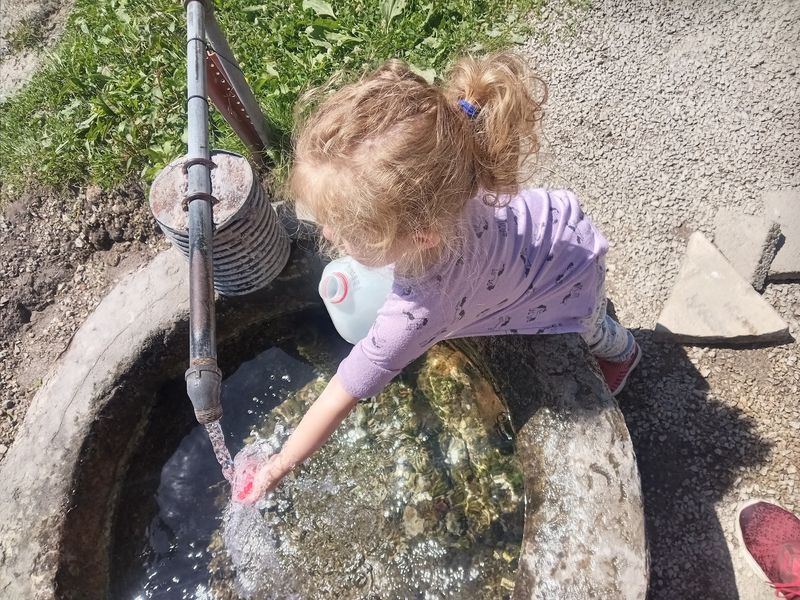
Clean water is serious business, and this spring has a reputation built on more than good taste. A certified water treatment specialist has described it as the only public source in the area with water people can trust to drink safely.
That kind of praise carries weight.
Longtime users also remember a time when the health department posted inspection certificates at the site. Whether those postings still happen today is unclear, so it is smart not to assume either way.
Still, the spring has kept a consistent standing in the community. Families have relied on it for decades without much fuss.
For anyone particular about water quality, a reasonable approach is to bring clean containers. Fresh jugs keep the water as good as it was at the spout.
A spring does not stay popular for generations by accident. Its track record is what keeps the gravel pull-off busy.
Memories From the Horse and Wagon Days
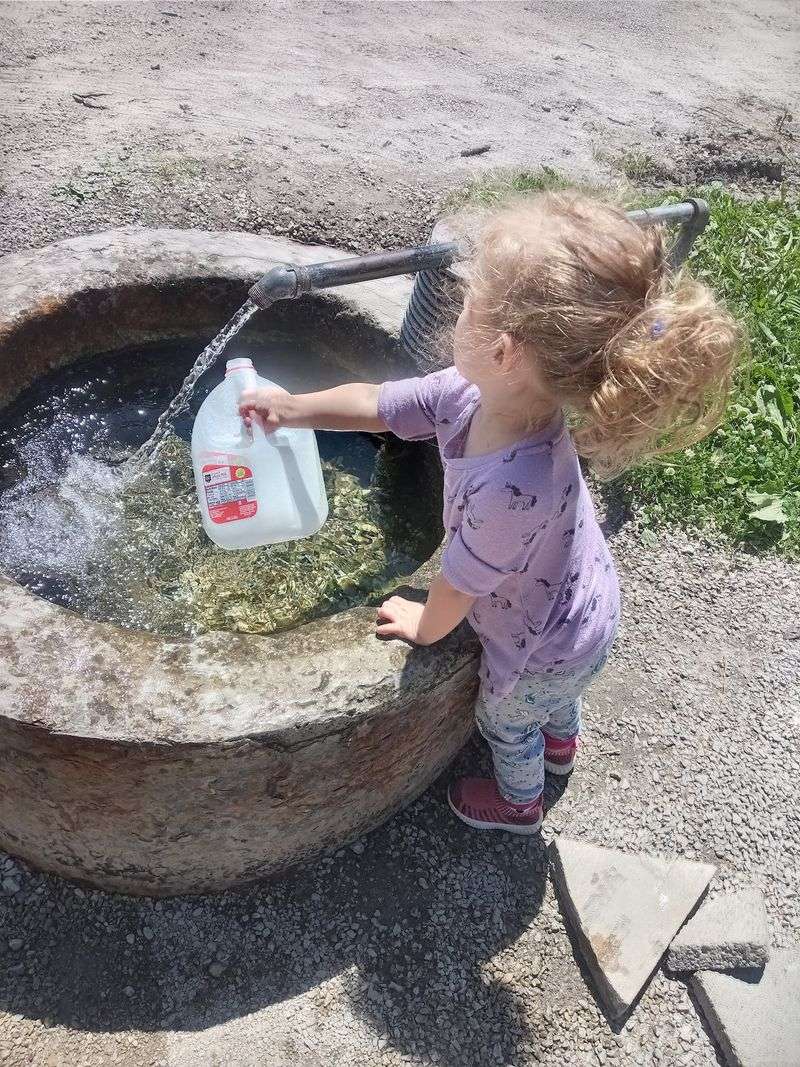
One of the best stories tied to this spot comes from a woman in her late eighties. She remembered riding to the well as a very young girl in a horse-drawn wagon to collect water for her family’s home.
That memory stretches the spring’s role back across most of a century.
Think about how much has changed since then. Wagons turned into sedans and pickups, glass containers gave way to plastic jugs, and still the water kept flowing.
That continuity is what earns the place its landmark status. It is not a building or a monument, yet it has served the same purpose for generations.
Hoosiers love a long-running tradition, and this one predates most diners and drive-ins in the state. It may be one of the oldest everyday habits still alive in Carroll County.
Chatting at the spigot sometimes brings stories like these to the surface. A short wait in line can turn into a small history lesson.
A Family Habit Handed Down
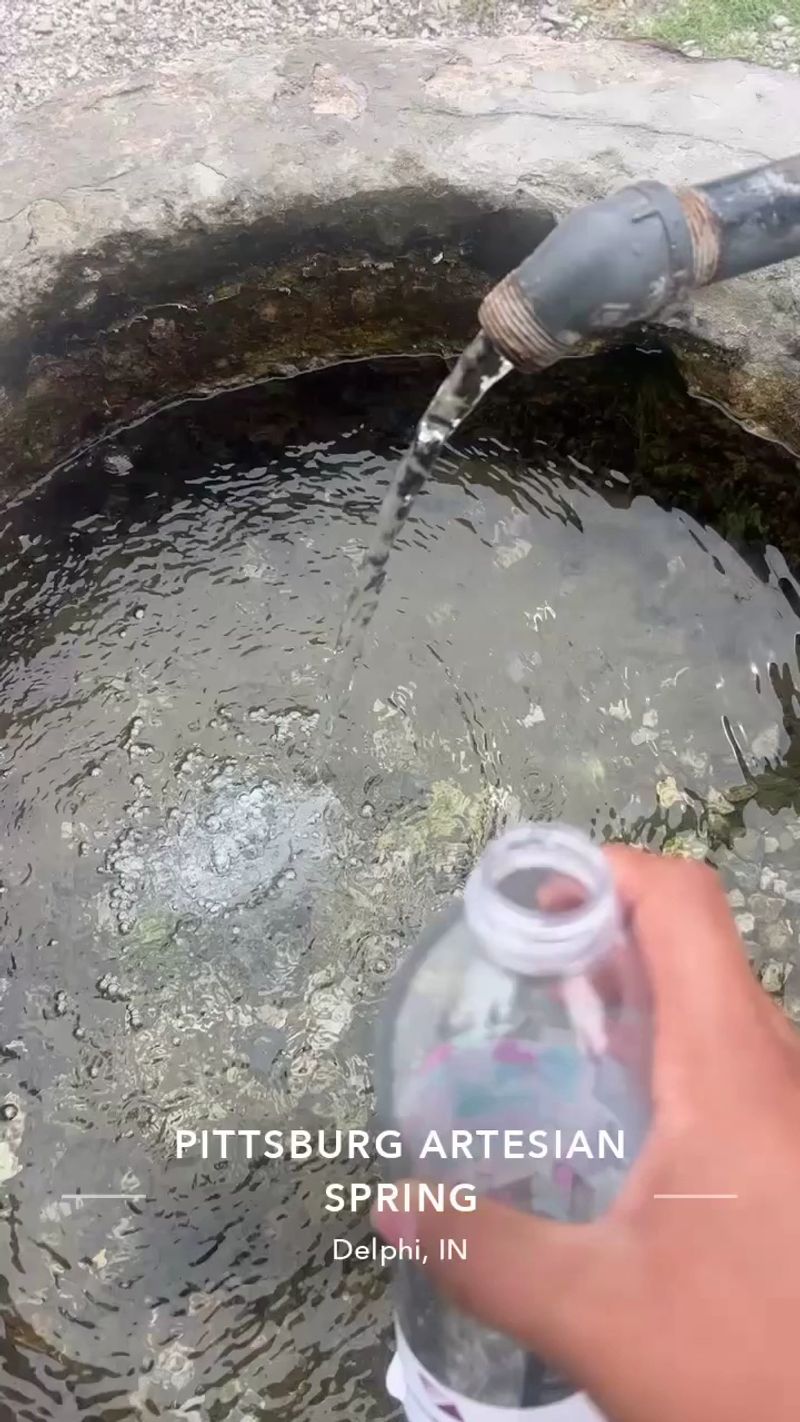
Some traditions come with recipes or heirlooms. Around Delphi, one comes with empty water jugs.
People who have collected water here their whole lives now watch their kids do the same. One longtime regular put it simply: first it was a lifelong routine, and now the daughter carries it on.
Others who moved away still treat the spring as a homecoming ritual. One former resident living in North Carolina makes a point of stopping every visit back to Indiana and has brought both daughters along.
The lesson behind those trips is sweet. Sometimes the little things are worth teaching, such as slowing down long enough to fill a bottle at a spring.
Kids tend to remember these outings. Filling jugs feels like a small adventure, and it connects them to a place their parents and grandparents knew.
Plenty of family road trips cost a fortune. This one costs nothing and might last three generations.
The Weekly Ten-Mile Commitment
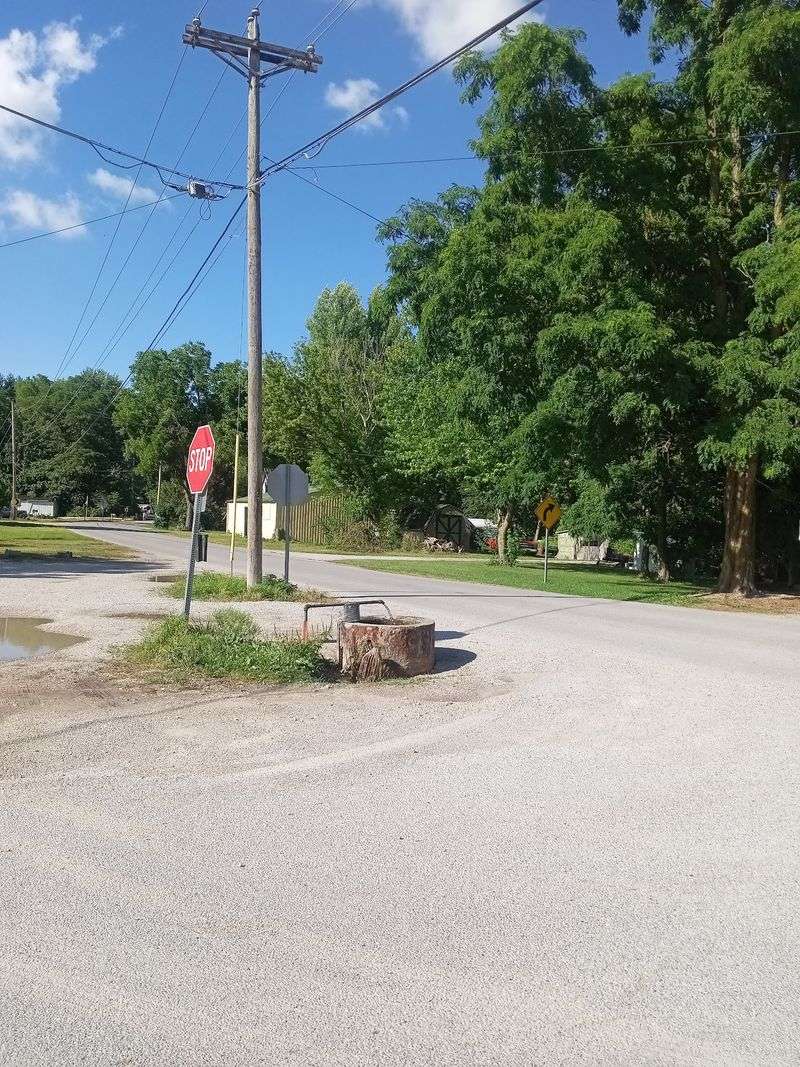
Dedication looks different for everyone. For one couple, it means driving ten miles every week for the past 35 years to fill their containers.
The husband first drank from the spring as a kid living in the area in the 1960s.
They use it for everything they drink and cook with. That is a serious vote of confidence in a source that has no marketing budget at all.
Other regulars have their own rhythms. Some stop every two weeks for ten gallons, others fill two five-gallon jugs at a time, and some top off a mix of one-gallon and five-gallon containers monthly.
A full haul can last for weeks. That makes the trip feel less like a chore and more like a standing appointment.
People even mention going out of their way to visit and calling it worth the trip. When folks happily add miles to their week for something free, the spring has clearly earned its spot on the calendar.
Who Shows Up at the Spigot
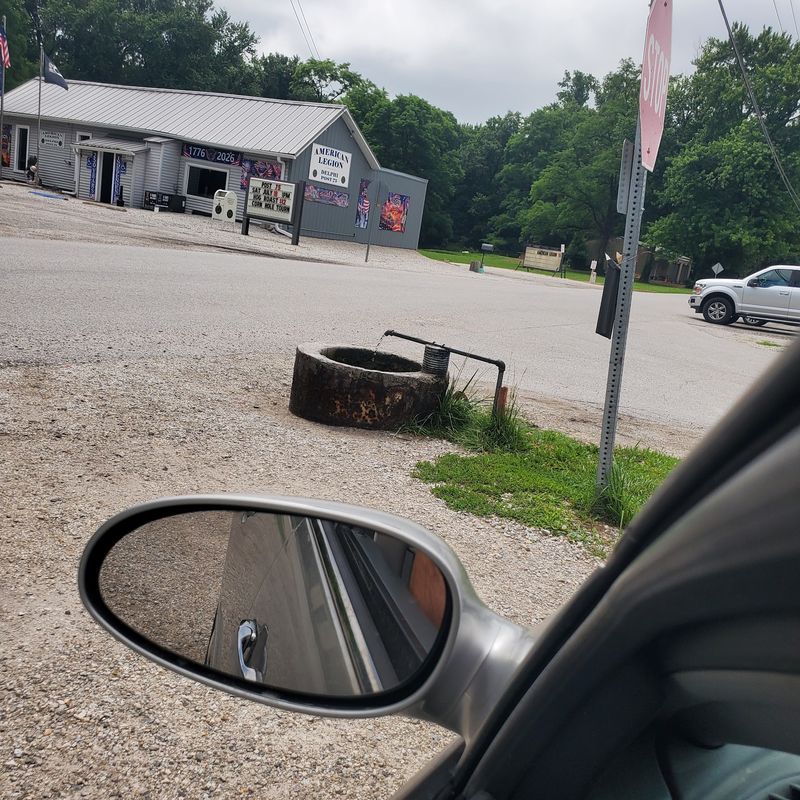
So many people get water here that a short line is not unusual. The crowd is a mix you rarely see in one place.
Retirees with decades of routine stand next to young parents. Walkers stop by for a cold refill after a stroll, and road-trippers swing in after hearing about it from friends.
Dog owners come too, since some swear by the water for their pets.
Conversations happen naturally. Fans of the spring say they have met some very interesting people while waiting for jugs to fill.
There is no seating and no gathering area, so visits stay quick. The posted no loitering sign makes the expectation clear, and regulars respect it.
That fast turnover keeps the vibe friendly rather than crowded. Everyone gets a turn, and nobody lingers long enough to slow things down.
It is a small slice of community life, served at the speed of a garden hose.
Packing the Right Containers
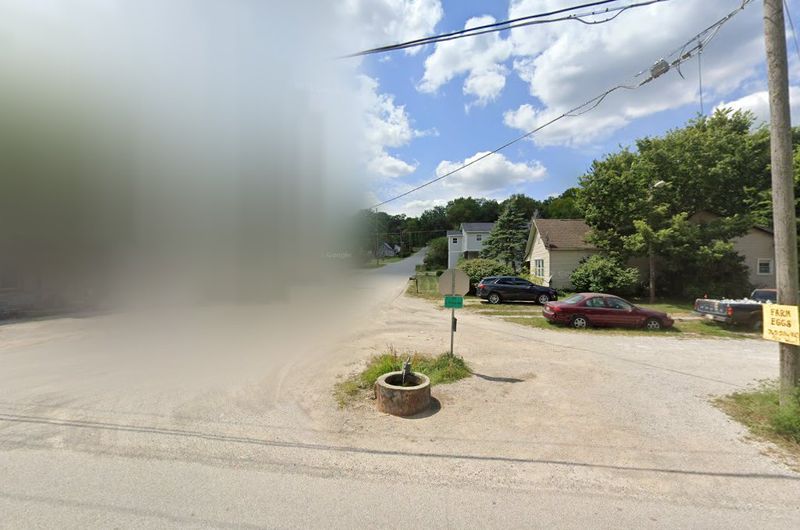
Showing up with one tiny bottle is a rookie move. Most regulars arrive ready to stock up.
Five-gallon jugs are a favorite, often in pairs. One-gallon jugs work well for smaller households, and a refillable bottle is handy for drinking on the drive home.
Because the water flows quickly, big containers fill faster than many expect. A full jug can be ready in a short time.
Remember that a five-gallon container gets heavy once full. Leave room in the trunk or truck bed, and consider bringing a helper if you plan to fill several.
Clean, sealable containers make the most sense. Caps keep the water fresh during the ride and stop spills on gravel roads.
Planning ahead also keeps the line moving. Having every jug uncapped and ready means less time at the spigot and more goodwill from the folks waiting behind you.
A little preparation turns a quick stop into weeks of water.
Open Around the Clock
Here is a schedule that is hard to beat: open 24 hours, seven days a week. Monday through Sunday, the spring is available whenever you are.
That flexibility suits shift workers, early risers, and anyone passing through on a road trip.
The easy pull-in makes quick stops simple. Drivers can roll onto the gravel curve, fill up, and exit without backing out onto the street.
Timing still matters a little. Since the spot is popular, a busy stretch might mean waiting for a car or two ahead of you.
Longtime users report it has always been running when they arrive. Even so, one regular has noticed the flow slowing down over the last few years, which is something to keep in mind.
No reservations, no closing time, and no admission. Few landmarks anywhere in Indiana can say the same.
Good Manners at a Shared Treasure

A free public resource only works when people look after it. At this spring, the unwritten rules are simple and worth following.
Keep visits brief. The no loitering sign is posted for a reason, and the spring sits in a small-town setting near neighbors and local businesses.
Fill your containers, then make room for the next car.
Avoid blocking the gravel curve while loading jugs. Pulling forward a bit keeps the path clear for others.
Leave nothing behind. Caps, labels, and old bottles do not belong near the spigot.
Some longtime fans worry about the spring slowing down and hope it keeps flowing. That concern is a good reminder to treat the place gently and avoid wasting water by leaving the stream running into the ground.
Respect is the only thing this landmark asks for. It seems like a fair trade for decades of free water.
Worth the Detour Through Delphi

Not every great Indiana stop needs a menu or a marquee. Some of the best ones are a spigot, a gravel curve, and a community that refuses to let a good thing fade.
Pittsburg Artesian Spring earns its reputation honestly.
The water is free, it is available any hour, and locals keep calling it the best around. Families have trusted it for generations, from wagon rides long ago to weekly drives today.
For road-trippers exploring the Delphi area, it makes an easy addition to the day. Toss a few empty jugs in the car and plan a short stop.
Retirees and budget-minded families get a practical bonus too. A single visit can cover weeks of drinking water without spending a dime.
Bring clean containers, be courteous, and keep the visit short. That is all it takes to join a tradition that has outlasted almost everything around it.
Somewhere along Howard Street, the water is still running, and there is room in line for one more jug.