Plenty of Hoosiers save for years to see a famous church in Rome. Some of them never realize that a world-class answer sits a short drive away in northern Indiana.
On a college campus best known for football Saturdays, there is a 19th-century church filled with frescoes by an Italian artist, rows of historic stained glass, and a room holding hundreds of sacred relics. It opens its doors every single day of the week, and the tour costs nothing.
Families can wander it in an afternoon, retirees can linger for hours, and road-trippers can pair it with a campus stroll. The story behind this building is part faith, part history, and part Indiana pride.
Keep reading to learn where it is, what to look for inside, and how to plan a visit that feels worthy of a passport stamp.
A Campus Church With a Famous Address
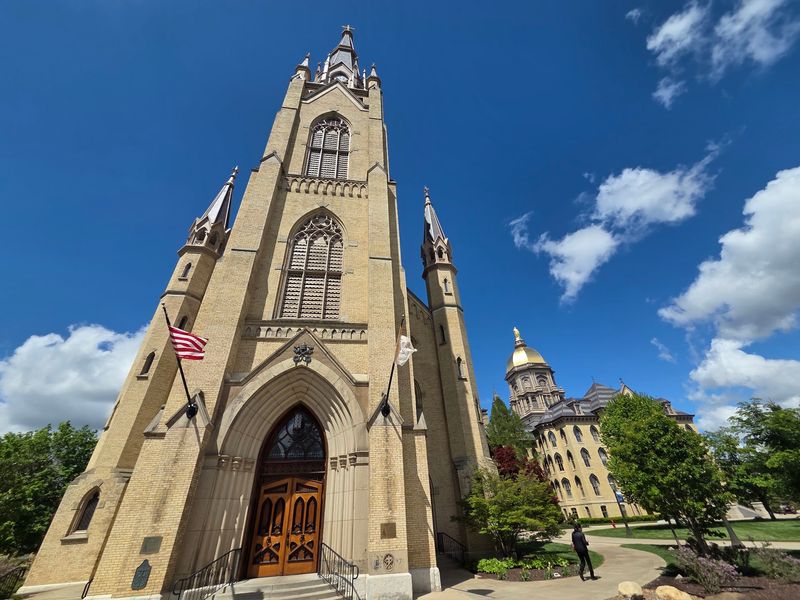
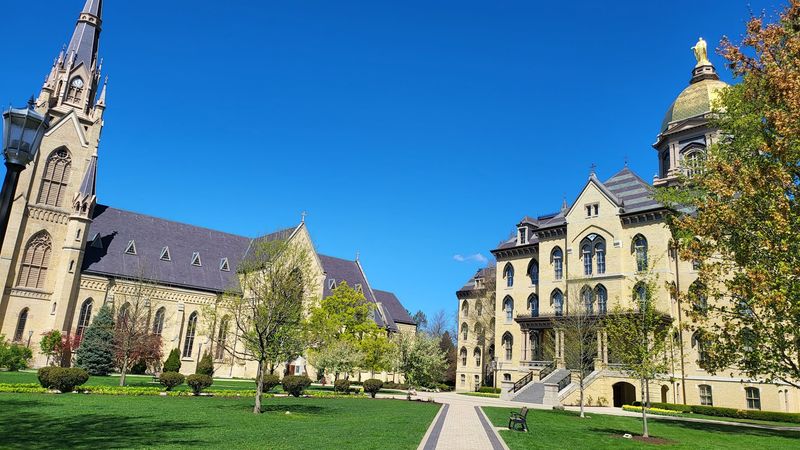
Some of the most impressive art in the Midwest hides in plain sight on a university campus. The Basilica of the Sacred Heart stands at 101 Basilica Dr, Notre Dame, IN 46556, in the heart of the University of Notre Dame.
It is a soaring neo-Gothic Catholic church dating to the 19th century. The building is known far beyond Indiana for its many stained-glass windows and its painted frescoes.
Notre Dame sits just north of South Bend in the northern part of the state. That makes the church an easy day trip for families from Indianapolis, Fort Wayne, or anywhere along the Michigan line.
What surprises many first-timers is the setting. A world-class sacred space sits steps from dorms, classrooms, and the walkways students use every day.
The basilica also serves as the liturgical center of the university. Regular Masses, choirs, and major campus celebrations take place inside throughout the year.
Hoosiers sometimes assume they need a long flight to see art on this level. The truth is that the trip can start with a tank of gas and a free afternoon.
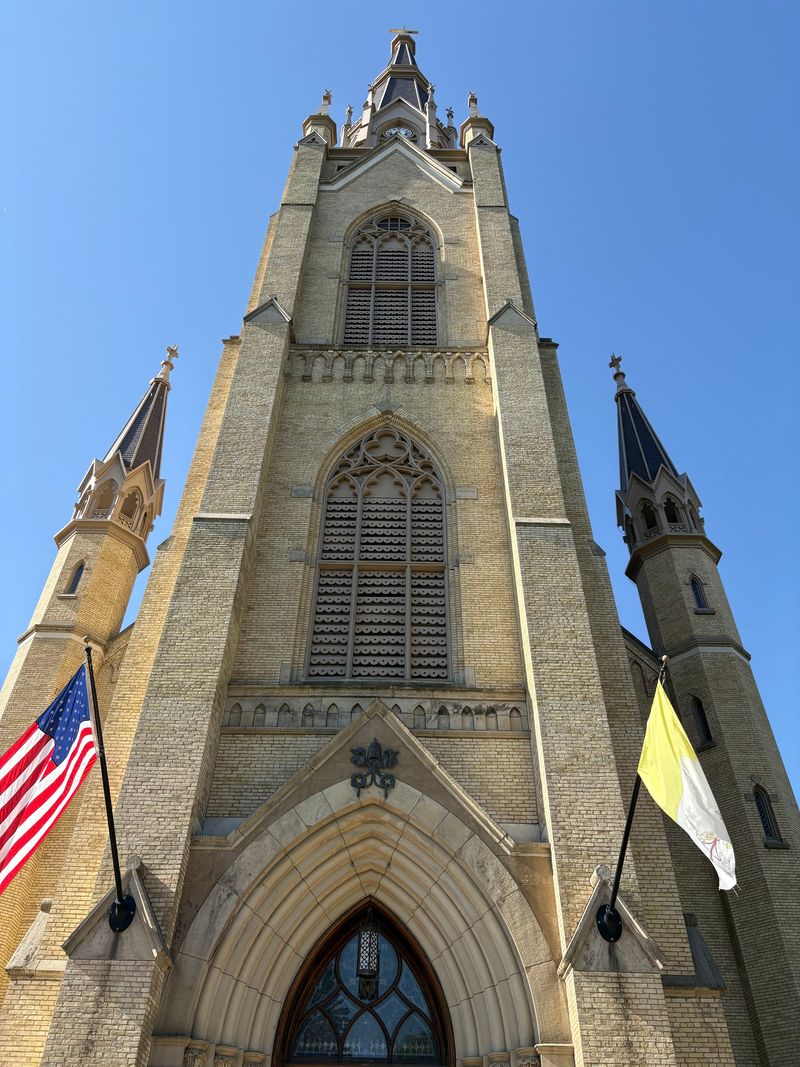
Getting oriented is simple once on campus, since the spire works like a built-in landmark. Follow it, and the adventure begins at the front doors.
Old World Roots in Northern Indiana
History buffs, take note. The church you see today traces back to the 19th century, when Notre Dame was still a young school on the Indiana frontier.
Its builders chose the neo-Gothic style, a design tradition rooted in the great churches of Europe. Pointed arches, tall windows, and a towering spire all echo that heritage.
The result is a building that feels connected to Europe while standing firmly on Hoosier soil. That link is a big reason the place draws comparisons to famous churches overseas.
Over the years, the basilica grew into much more than a parish building. It became the spiritual anchor of the entire university community.
Students attend Sunday Mass here, religious communities hold special ceremonies here, and families come for milestone moments. Professions of perpetual vows have taken place under its roof.
The free guided tours cover this long story in depth. Guides walk through the history of the building, the meaning of its symbols, and the intent of the artists who shaped it.
Many people leave with a fresh respect for how much care went into a single campus church. For a state not famous for Gothic architecture, it is a proud chapter worth reading in person.
Frescoes by an Italian Master
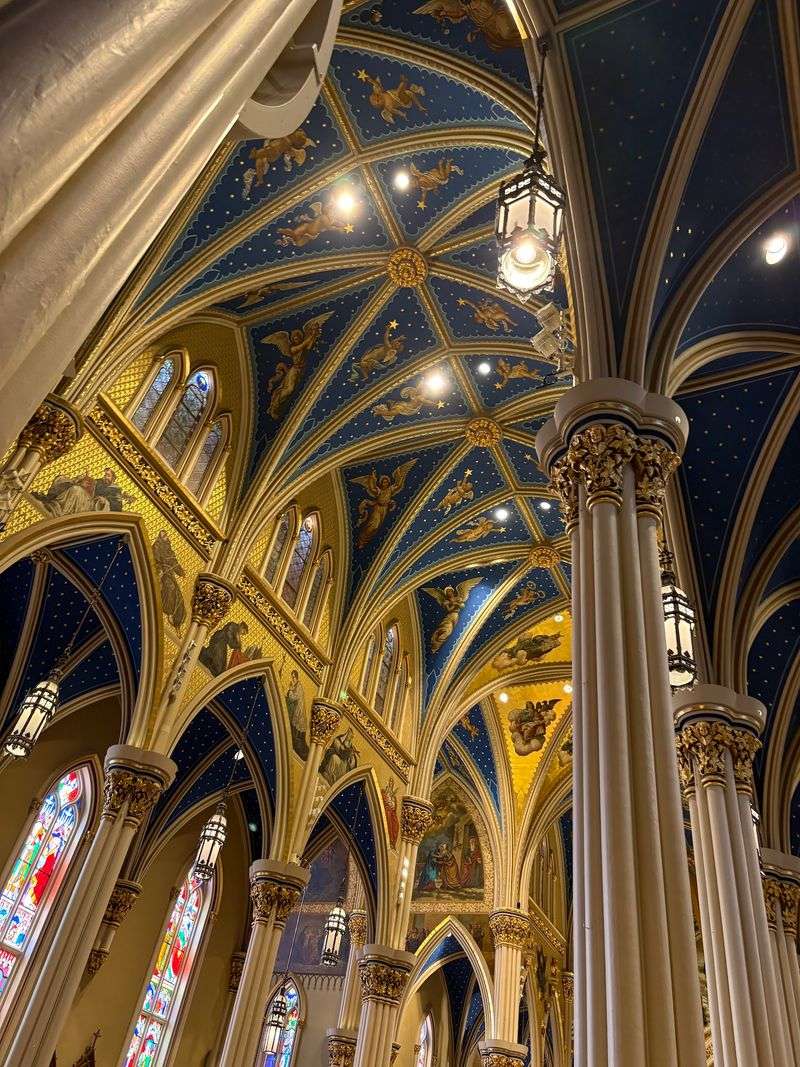
Look up. That simple instruction is the best advice for anyone entering the main sanctuary.
The walls and ceilings carry frescoes painted by an Italian artist, and they are a major reason the basilica earns its Rome-worthy reputation. The work covers the space in rich gold and deep blue.
That color pairing is one of the signature details people talk about most. It gives the interior a unified look from the entrance all the way to the altar.
Each painted scene carries meaning. Guides on the free tour explain the symbols, the stories, and what the artist intended viewers to understand.
The interior decoration also reflects the craft of Conrad Schmitt, the studio credited with beautiful work inside the church. Together, the painting and decorative detail make every corner feel deliberate.
Photos rarely capture the full scale. Plenty of people say the camera simply cannot hold everything, so it is worth putting the phone down for a few minutes.
Art lovers often stay long after their planned visit ends. It is common for guests to remain an hour after Mass just admiring the painted surfaces.
Consider it a museum visit with no ticket booth and no velvet rope fee.
Windows That Tell Stories
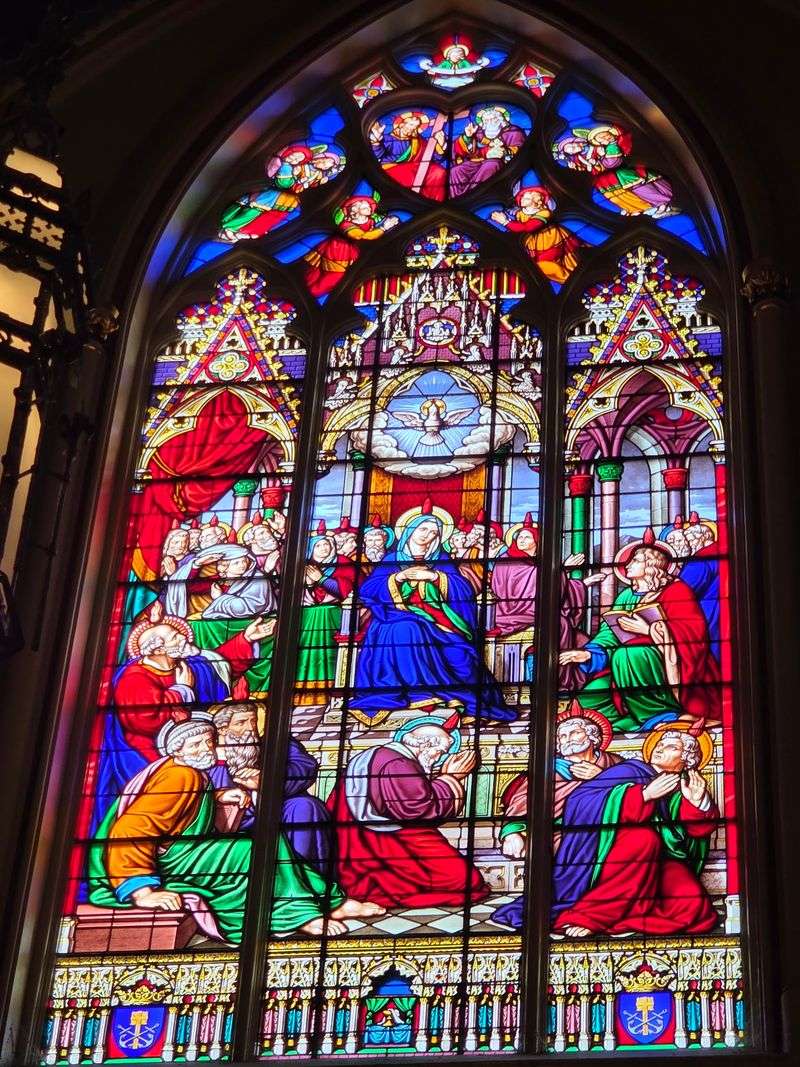
Count the windows if you can, though most people lose track quickly. The basilica is especially known for its many stained-glass windows, and they rank among its most celebrated treasures.
These are historic pieces, not modern additions. They line the walls of the church and add color and story to nearly every bay of the building.
Each window depicts religious scenes and figures. Before printed books were common, windows like these served as a way to teach the faith through images.
The free tour is the smartest way to understand them. Guides point out which stories appear where, which saints are shown, and how the windows connect to the larger design of the church.
Families with curious kids can turn the windows into a gentle scavenger hunt. Pick a saint or a story, then try to find it before the guide reveals the answer.
Timing matters a bit here. Daylight hours give the windows their best showing, so a morning or early afternoon visit is a smart call.
The church opens at 9 am every day, which leaves plenty of room to plan around the sun. Glass this old deserves a good look, and the basilica gives everyone the chance to take one.
The Altar at Center Stage
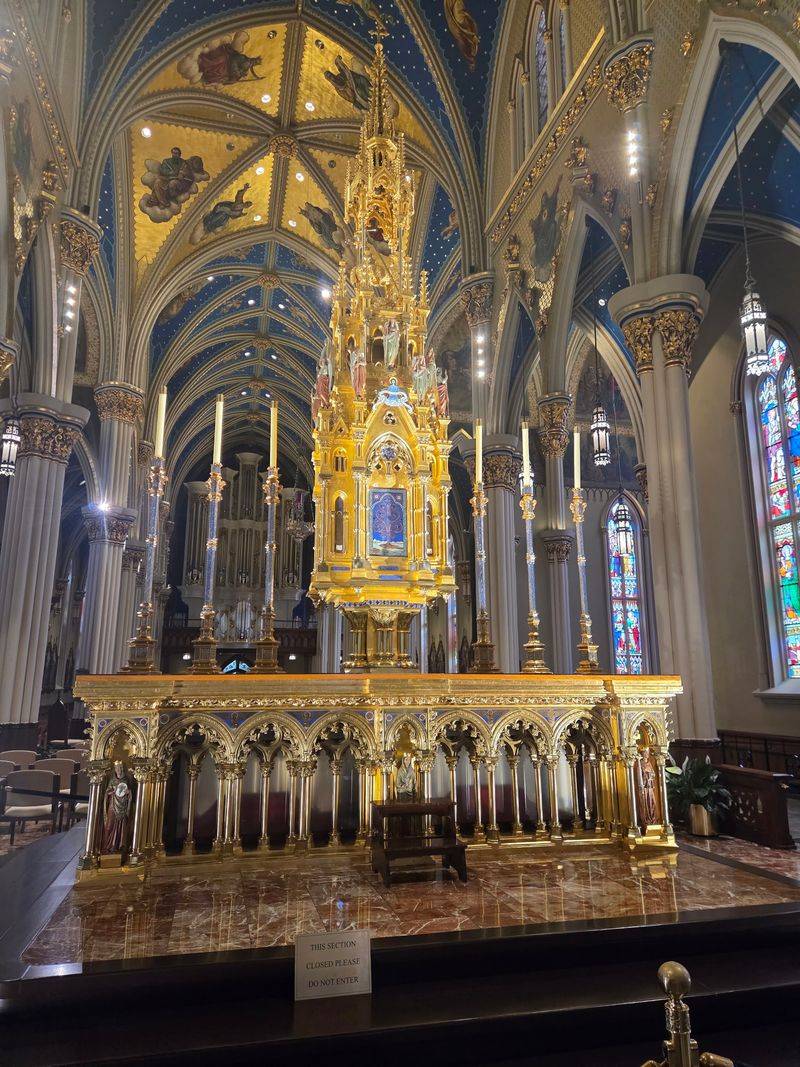
Every great church has a focal point, and here it is impossible to miss. The altar draws the eye down the long aisle the moment someone walks through the doors.
It is often described as amazing, and the craftsmanship backs up the praise. Detailed carving and decoration make it one of the highlights on the guided tour.
Columns support the roof structure around the sanctuary. They frame the altar and help create that classic Gothic sense of height.
Along the walls, the Stations of the Cross offer another layer of artistry. They are worth a slow walk, station by station, for anyone interested in sacred art.
Sculptors also played a role in the interior. Tour guides cover their contributions, giving context to the statues found throughout the church.
The interior is kept in excellent condition. The basilica sacristan and staff are credited with maintaining an orderly, well-kept sacred space.
That care shows in the details, from polished surfaces to tidy side chapels. It is clear that this church is used every day, not frozen in time.
Spend a moment in a pew before moving on. The view from the middle of the nave toward the altar is the one many people remember best.
Hundreds of Relics in One Room
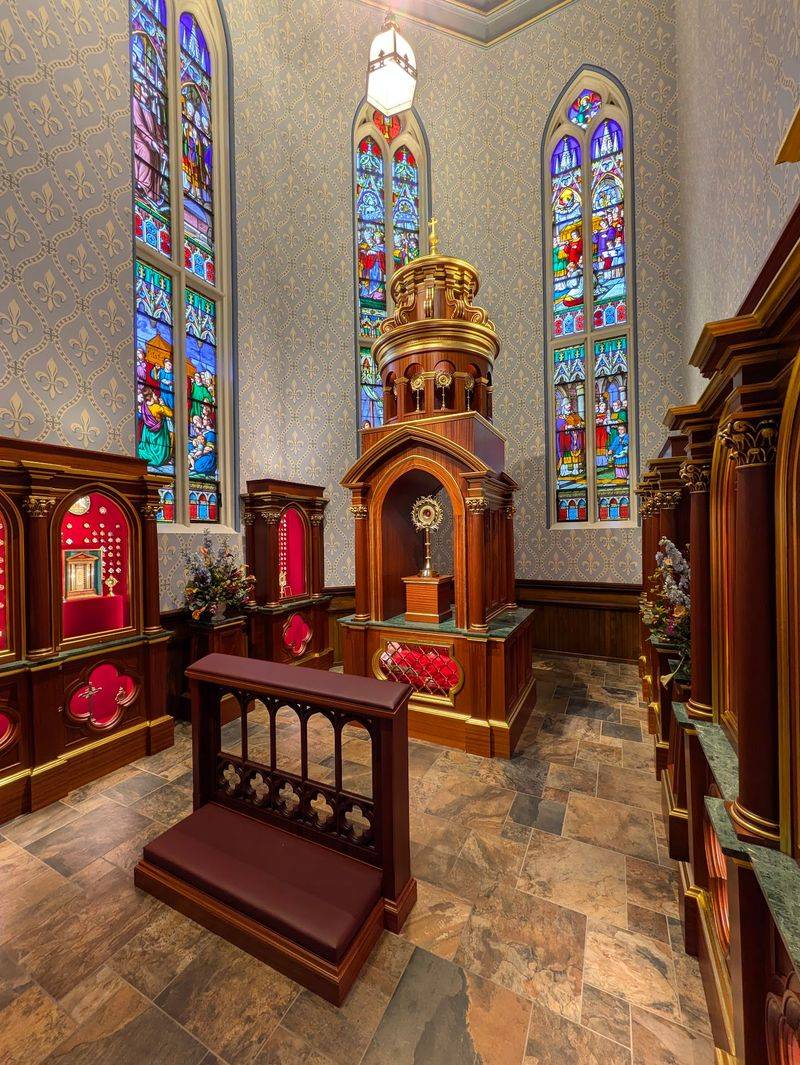
Here is the part of the basilica that tends to stop people in their tracks. A dedicated relics room holds hundreds of sacred items gathered over many years.
It is the closest thing to a Vatican treasury that Indiana offers. Many guests call it the one stop they would never skip on a return trip.
Among the most talked-about items is a wooden sliver connected to the manger of Jesus. A lock of hair from Sister Theresa is also on display.
Searching the cases takes time, and that is half the appeal. People enjoy hunting for specific saints and reading the labels one by one.
The room is described as powerful and humbling. It carries a strong sense of reverence, so visitors of faith and the simply curious both tend to slow down here.
Guided tours often include this area. A knowledgeable guide can explain where certain relics came from and why they matter to Catholic tradition.
Plan extra minutes for this section of the visit. Families sometimes underestimate it, then find themselves still reading display cards long after the rest of the group has moved on.
Bucket-list material, right here in the Hoosier State.
An Organ Built for Big Moments
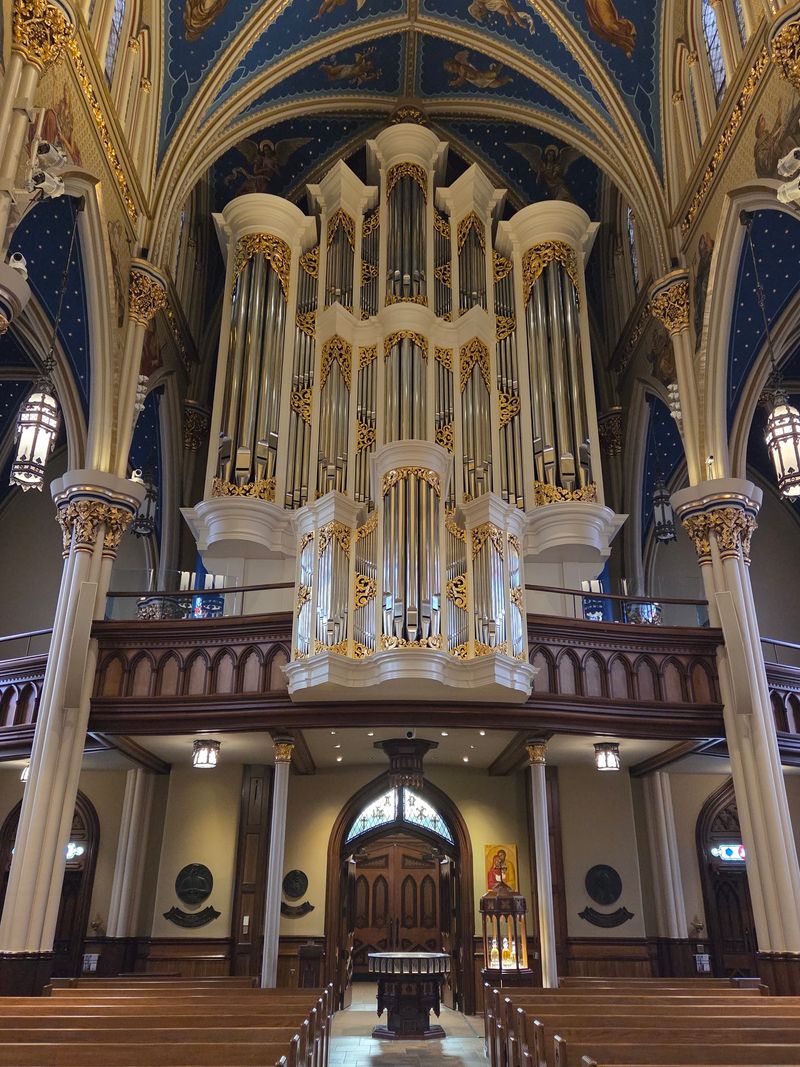
Music fans, this section is for you. The basilica’s pipe organ is often described as astonishing in both size and splendor.
It fills the loft with rows of pipes, making it an attraction even when it sits silent. Guides frequently point it out as a highlight of the interior.
The organ is not just for show. It supports regular Masses, choir performances, and major university celebrations held throughout the year.
Timing a visit around an event can add a lot to the experience. Some people stumble upon concerts, such as a graduation concert, and count it as a lucky bonus.
The live choir earns plenty of praise as well. Singers and cantors at Sunday services are frequently described as exceptional, adding to the formal, traditional feel of worship here.
Movie fans may find themselves wishing for a few bars of their favorite film score on those pipes. That request is probably not on the schedule, but a good Sunday choir is a fine consolation prize.
Check the basilica’s website before visiting. Event and concert listings change through the year, and a little planning can turn an ordinary walk-through into a memorable performance.
Mass Where Everyone Is Welcome
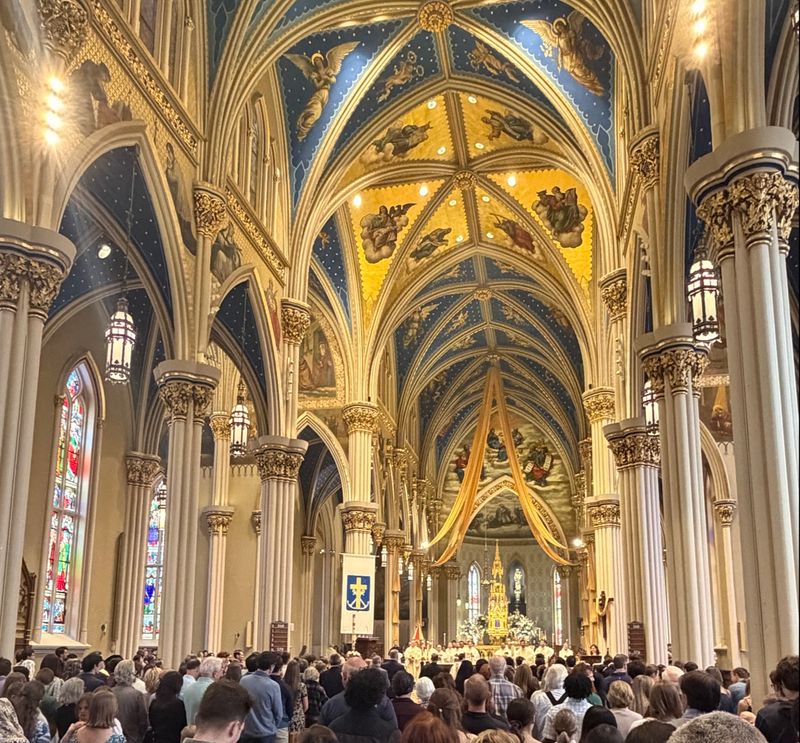
Attending a full Mass here is one of the most recommended ways to experience the basilica. People describe it as deeply moving, even life-changing.
The liturgy leans traditional. Some guests notice older customs in the service, which many find meaningful.
A full church is common on Sundays. Families, students, and guests fill the pews together, creating a strong sense of community.
Non-Catholics are welcome too. Plenty of guests from other backgrounds say they felt honored to attend and never out of place.
Typically there are two or three services a day during the school year. A Sunday noon Mass is one of the options people mention attending.
Summer brings a catch, though. The posted bulletin schedule may list Mass times that do not run during the summer months, and some third-party Mass-time apps repeat the same error.
The fix is simple. Check the official website at basilica.nd.edu or call the church office before planning a trip around a specific service.
Arrive early for Sunday Mass if seating matters. A packed house is a good sign of how much this church means to the people who gather in it each week.
Free Tours and Friendly Guides
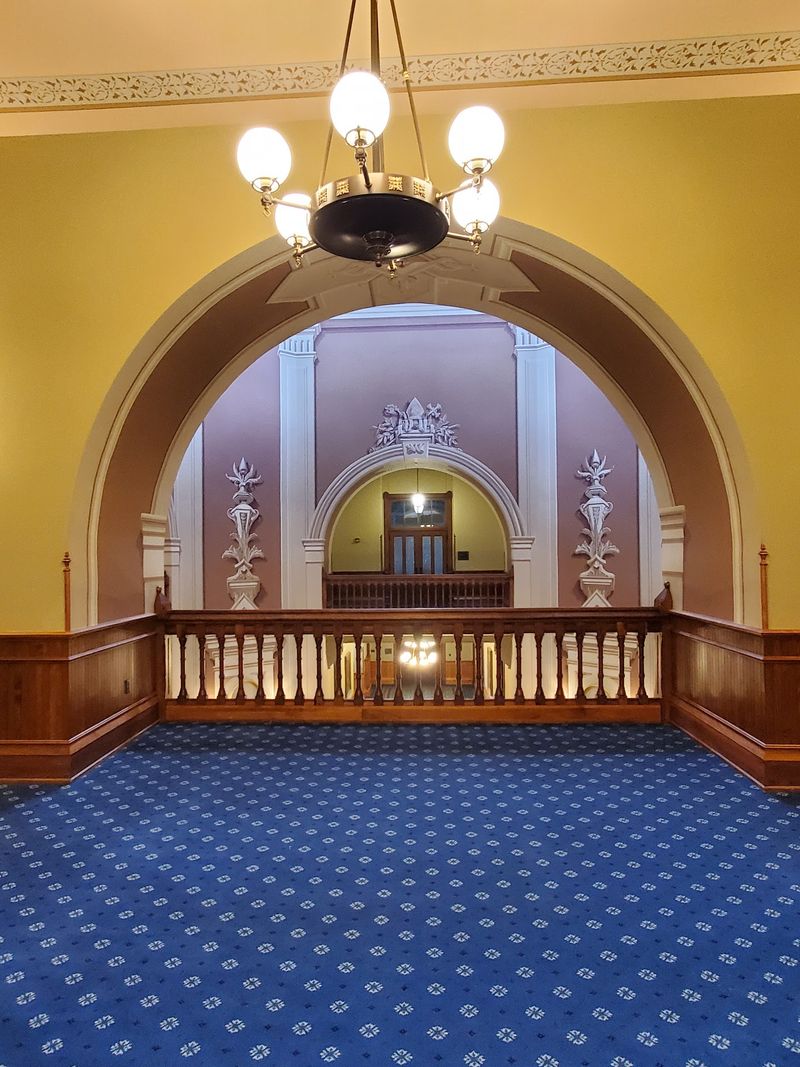
The best price in Indiana travel might be zero dollars. Tours of the basilica are free, and they consistently earn glowing praise.
Guides are known for their depth of knowledge. They cover the building’s history, the symbols in the artwork, the sculptors, the artists’ intent, and the relics.
Many tours stretch beyond the church walls. Some include the Grotto of Our Lady of Lourdes and broader stories about the University of Notre Dame.
The friendliness stands out as much as the facts. Guides have been known to approach people snapping photos outside and offer a personal tour on the spot.
Newer guides sometimes train alongside veterans, so a group might get two perspectives in one visit. Tour staff also help guests plan their time and answer questions afterward.
For families, this is a terrific way to keep kids engaged. A guide’s stories make the art far easier to follow than a self-guided wander.
Retirees and history lovers tend to appreciate the slower pace and detail. Questions are welcomed, and nobody is rushed out the door.
A self-guided walk-through is always an option during open hours. Still, skipping the free tour would be like buying a great book and reading only the cover.
Beyond the Doors: Grotto, Lake and Game Days
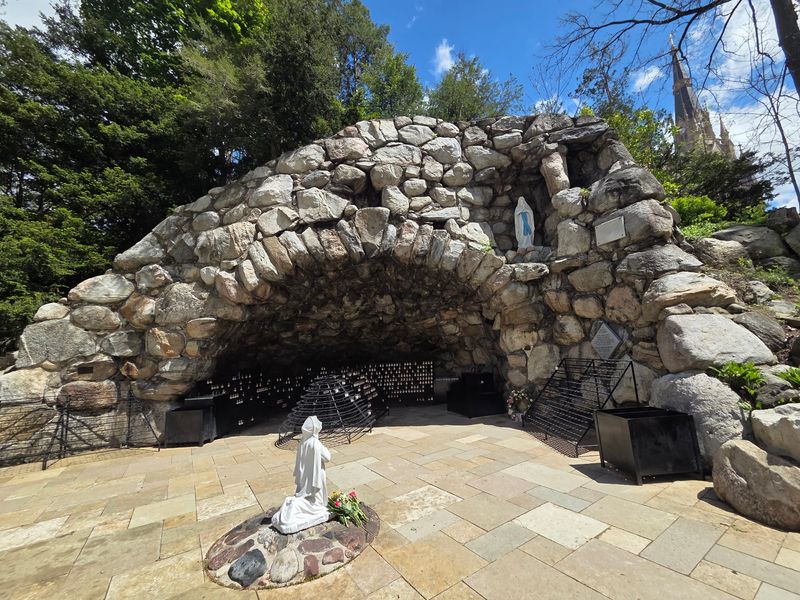
Don’t head back to the car too quickly. The campus around the basilica adds several worthwhile stops to the same visit.
The Grotto of Our Lady of Lourdes sits nearby and is a beloved place of prayer. Students often gather there in solitude, and it stays remarkably calm even though a roadway runs close by.
A campus lake offers a peaceful spot for a stroll. The grounds are landscaped and well kept, which makes walking between sites easy and pleasant.
Summer is a popular time to explore. Campus can be busy in certain areas, yet the rest of the grounds tend to stay relaxed.
Football weekends offer a different scene entirely. Fans in team gear walk across campus, then step into the basilica to pray before the game.
That contrast is part of what makes the place special. A packed stadium crowd and a reverent church sit within walking distance of each other.
Families looking for a full day can easily combine the basilica, the grotto, and a lakeside walk. No extra admission is needed for any of them.
It all adds up to a day trip that covers art, faith, and fresh air in one tidy loop.
Hours, Parking and a Hoosier Verdict
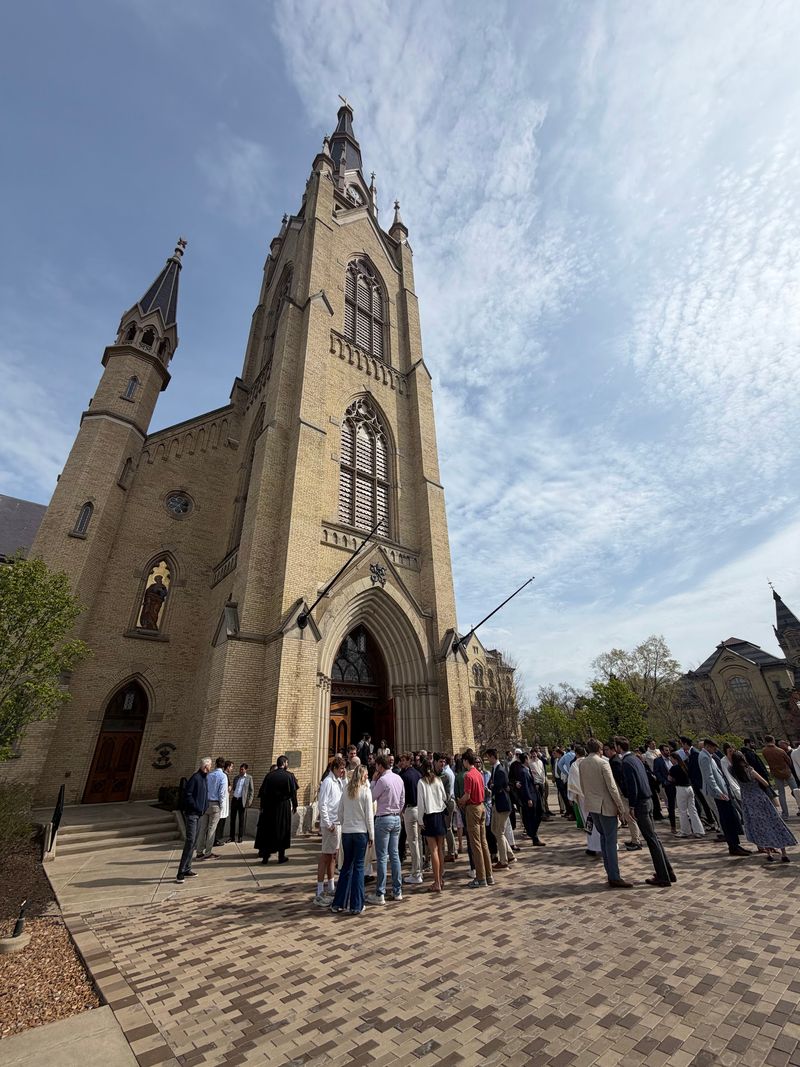
Good news for flexible planners: the basilica keeps generous hours. It opens from 9 am to 9 pm every day of the week, Monday through Sunday.
Walk-throughs are welcome during any open hours, even between services. Just keep voices low and give space to anyone praying.
Tours are free, so the main costs are gas and perhaps a snack on the way home. That makes this one of the best-value outings in the state.
Parking is the one real puzzle. Spots near the basilica can be hard to find on busy days, so arrive early and allow time to walk from wherever you land.
Read lot signs carefully before parking, since some areas are not meant for guests. The official website at basilica.nd.edu is the best resource for current details.
Summer visitors should double-check Mass schedules there as well. Posted bulletins do not always match the summer calendar.
So, is it worth the drive? With a near-perfect 4.9-star standing across nearly 2,000 opinions, the answer is a confident yes.
The frescoes, the windows, the relics, and the welcome all point to the same conclusion. Rome can wait, because a remarkable slice of it is already waiting in northern Indiana.