Seven miles of rocky dirt road stand between the paved highway and one of the quietest corners of Michigan. Most drivers never make the turn, and that is exactly why the few who do keep coming back year after year.
Out here in the western Upper Peninsula, there are six lakes, deep pine forests, rustic cabins and yurts, and wildlife that includes bear and moose. Cell service is very limited, the campsites are hike-in or paddle-in only, and the nights are quiet enough for serious stargazing.
This guide covers how to get there, where to stay, what the trails are like, which roads call for a high-clearance vehicle, and what to pack so a trip runs smoothly. Michiganders who love a hidden state park with almost no crowds will want to read on, because this one rewards a little planning.
A Wild Address Near Champion
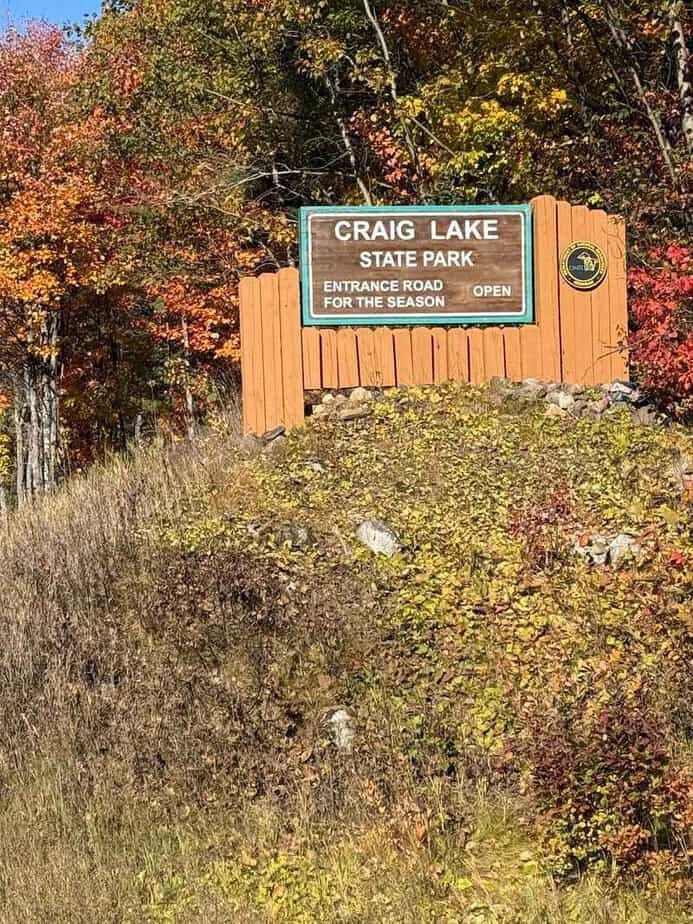
Some state parks sit beside a highway with a gift shop and a paved lot. Craig Lake State Park is not one of them.
The park’s address is 851 County Road Ake, Champion, MI 49841, in the western Upper Peninsula of Michigan. It is officially a state park, yet it behaves more like a backcountry wilderness area.
The official description sums it up plainly. This is a vast nature area in a remote locale with camping, trails, six lakes, and wildlife that includes bear and moose.
Champion itself is a small community, and the park lies well off the main roads. Reaching it means leaving pavement behind and committing to miles of dirt and two-track roads.
That remoteness is the whole point. Many people call it the most remote state park they have ever visited, and plenty say they want to return to explore more of its lakes.
For Michigan families used to busy beach parks downstate, the change of pace is dramatic. There are no concession stands, no paved campground loops, and very few people.
The park keeps a page on the state website at michigan.gov/recsearch/parks/craiglake, which is the best place to confirm current conditions. Winter road access in particular can change, so checking ahead before a snowy trip is a smart move.
Consider this the starting line for a very different kind of Michigan outing.
Why So Few People Find It
Crowds need easy access, and easy access is exactly what this park refuses to offer. That single fact explains most of its secret status.
The final stretch is roughly seven miles of dirt road. Conditions vary by season, with some trips finding it in good shape and others finding it rocky and rutted.
Add in no running water at campsites, no grills, no picnic tables, and very limited phone signal. The result is a park that filters out casual drop-ins.
Those who make the effort describe being lost in nature for days while almost alone. Nights are very quiet, and the skies are dark enough for excellent stargazing.
One small wrinkle is worth knowing. A note passed around among regulars suggests Thursdays can be busier than other days, so a mid-week or weekend shift could pay off.
The main trailhead lot at Craig Lake tends to draw the most cars. Smaller nearby lakes, with just a few rustic tent sites and an outhouse, can feel even more private.
For Michiganders who take pride in knowing the overlooked spots, this park fits the bill. Its fans are loyal rather than numerous.
Quiet, it turns out, is the park’s most reliable amenity.
Roads That Test Your Tires
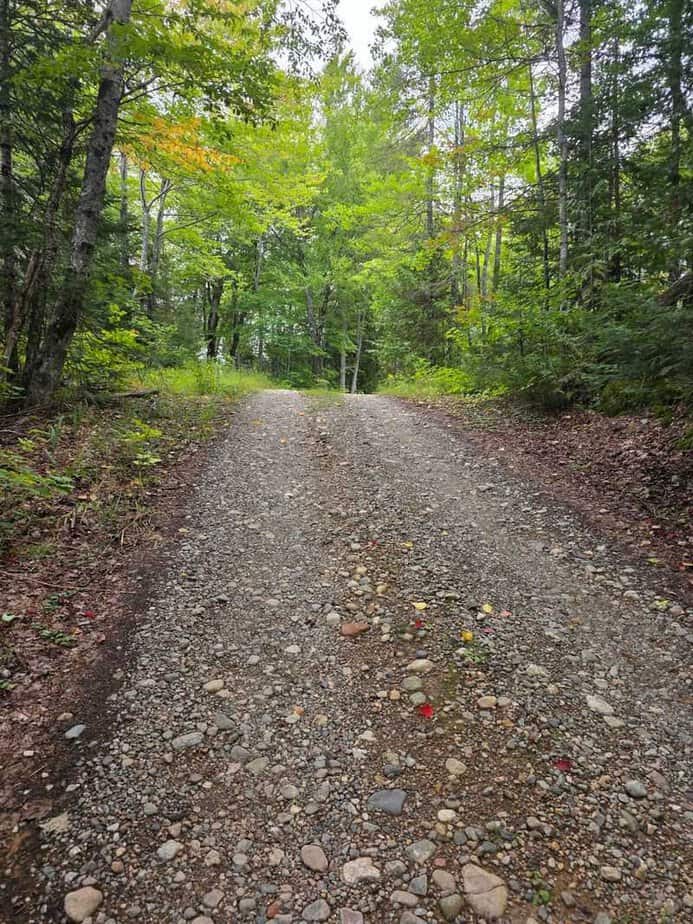
Leave the low-slung sedan at home. The signs at the park recommend a high-clearance vehicle, and four-wheel drive is widely advised.
The common route in follows Nelligan Lake Road and then Craig Lake Road. Leaving by Nestoria Road is described as much rougher, with a winding, rock-laden two-track logging road that comes out on US-41 north or northwest of the starting point.
State park roads here are basically two-trackers. Big rocks poke up here and there, and ruts are common after wet weather.
Opinions on the drive vary with the season and the vehicle. Some find the seven-mile approach in good condition and less scary than expected, while others call it rough going.
A practical workaround exists. Some hikers park along the road coming in and walk the rest of the way to the trailhead rather than risk their vehicle.
A few folks even treat the two-track itself as the adventure. They never reach the lake but still have a good time on the drive.
Winter adds another layer of uncertainty. Snow cover on remote roads like these can make access very different from summer, so calling the park at the number on its state page before heading out is the safest plan.
Getting there is half the story, and the other half starts at the trailhead.
Six Lakes and Their Islands
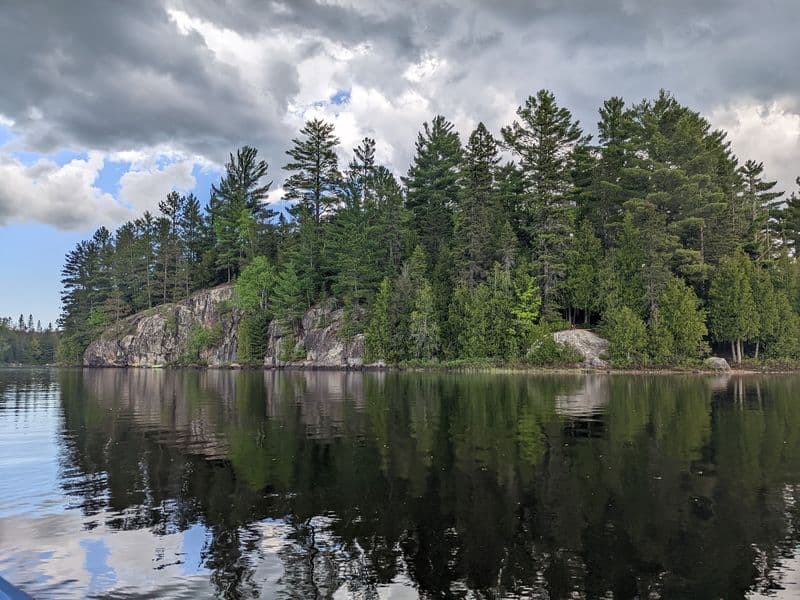
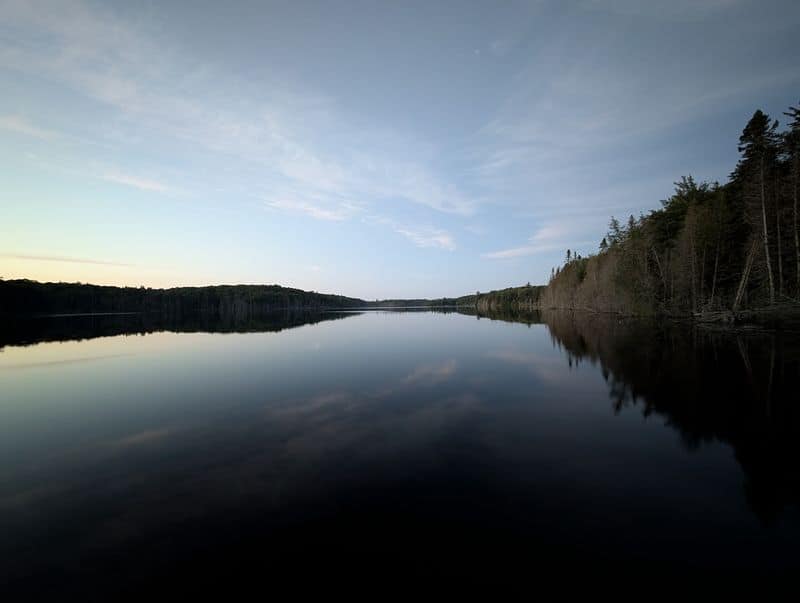
Six lakes give this park its personality. Craig Lake is the headliner, but Teddy Lake, Claire Lake, and others each have their own followers.
Craig Lake holds multiple islands that are worth paddling out to in warmer months. Several people name it a favorite lake out of all the ones they have seen.
The water across the park is dark and tannin-stained. That color comes from natural plant material, yet the water is clear and is considered fine for drinking once properly filtered.
Claire Lake offers campsites right on the water. Site 1 there gets warm praise as a base for a multi-night backcountry retreat.
Teddy Lake has a campsite not far from its shore. It is a popular spot for photos.
Fishing is part of the draw, though results swing widely. Some trips report slow fishing with big catches, others report great fishing, and a few catch nothing at all.
In winter, of course, the lakes take on a frozen character, and any ice activity should be approached with caution and local guidance. The park does not post ice conditions in the data available here, so confirm locally.
Each lake rewards a slow look, and none of them come with a crowd.
Trails for Boots and Snowshoes
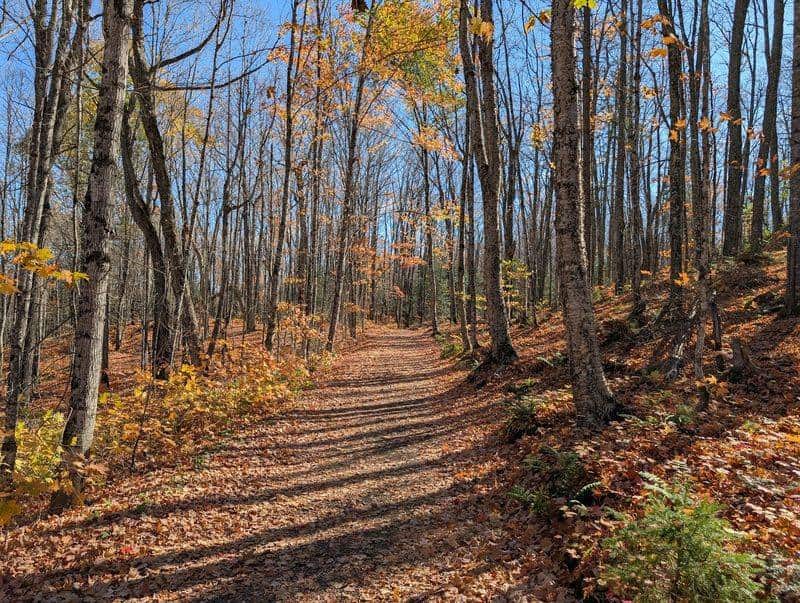
Plenty of hiking trails wind through the park, and the famous North Country Trail passes right through it. That makes the park a link in one of the country’s long-distance footpaths.
The route toward Craig Lake begins as a service road until it passes the second cabin. After that, it narrows into true trail.
Distances add up quickly. A round trip on the Craig Lake route runs around six miles, and some hikers cover about eight miles in a day.
Difficulty changes along the way. Parts of the hike are easy, while other stretches are described as intense.
The forest itself is a highlight. Big pine stands mixed with cedar, hemlock, and birch line much of the route, and the park is considered a solid pick for novice backpackers.
Winter snowshoeing on these paths is the dream for many cold-season fans. The data here does not list groomed winter trails or official snowshoe routes, so treat any winter trek as backcountry travel and check with park staff first.
Preparation matters in every season. One group drove about four miles in, admired the colors, and realized they were not ready to hike.
Pack for the distance, and the trail will hold up its end of the deal.
Cabins and Yurts Worth Booking Early
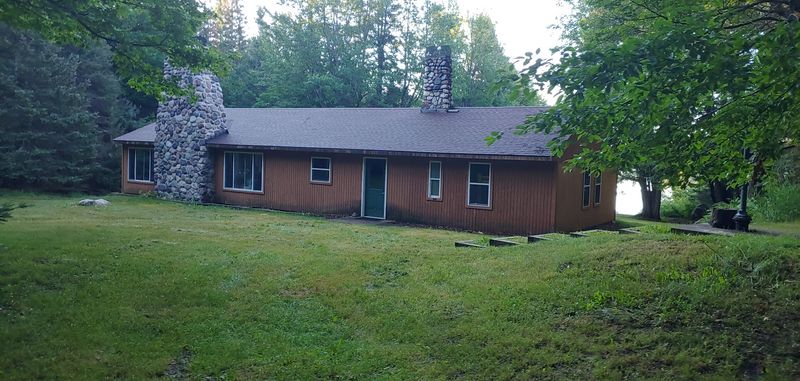
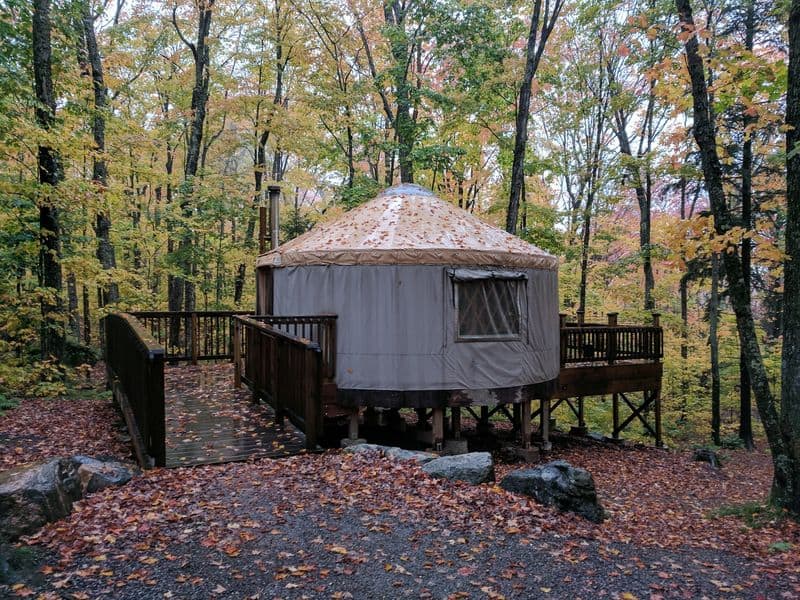
Tents are not the only option out here. The park offers rentable cabins and yurts, which give a sturdier roof in a very remote setting.
The Housekeeping Cabin has been recently renovated. Guests describe it as very nice, with a beautiful setting around it.
A yurt sits down a lane near one of the smaller lakes. It is close to a spot with a boat launch, three rustic tent sites, and an outhouse.
Timing is everything with these rentals. Booking at least six months in advance is the strong advice, because late planners often come away disappointed.
A little rodent prep goes a long way. One cabin stay ended with fifteen mice caught, so bringing mouse traps and some steel wool to seal gaps near the baseboards is a clever idea.
Heat and winter availability are not detailed in the information here. Michigan families planning a cold-weather cabin stay should confirm heating, access, and open dates on the state reservation site before booking.
Rates are also not listed in this data, and prices may vary by unit and season. The reservation page will show current costs.
Book early, pack a few traps, and the cabin becomes a cozy headquarters for the whole adventure.
Backcountry Camping, No Frills Attached
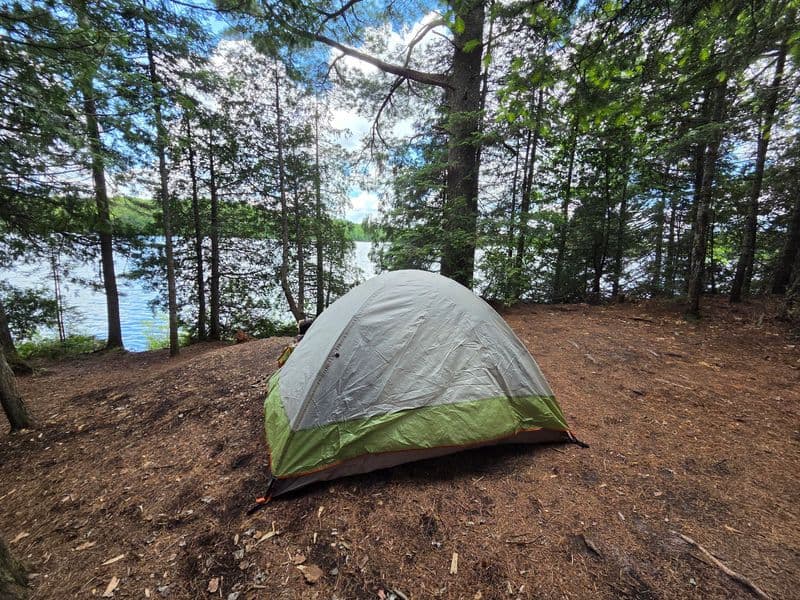
Every campsite here is hike-in or paddle-in. There is no pulling a trailer into a numbered pad.
Sites do not come with bathrooms, grills, drinking water, or picnic tables. Think very rustic, and plan accordingly.
That said, there are dozens of campsites around the lakes. Some sit close to parking, and others are tucked far away for those who want real solitude.
Certain sites get specific mentions. Site 6 has hosted a happy early-September stay, while Site 8 is noted as not very canoe or kayak friendly, though campers still enjoy fishing and relaxing there.
A short supply list helps. Rope for hanging food away from bears is essential, and a trowel for digging catholes is wise when a latrine is not available at a site.
A water filter is also a must, since the lakes are the water source. Once filtered, the tannin-stained water is considered good to drink.
Winter camping in a place this remote is a serious undertaking. The available data does not cover cold-season campsite rules, so confirm what is open before heading out.
Simple living is the theme, and the reward is a campsite with nobody next door.
Paddles, Portages and Open Water
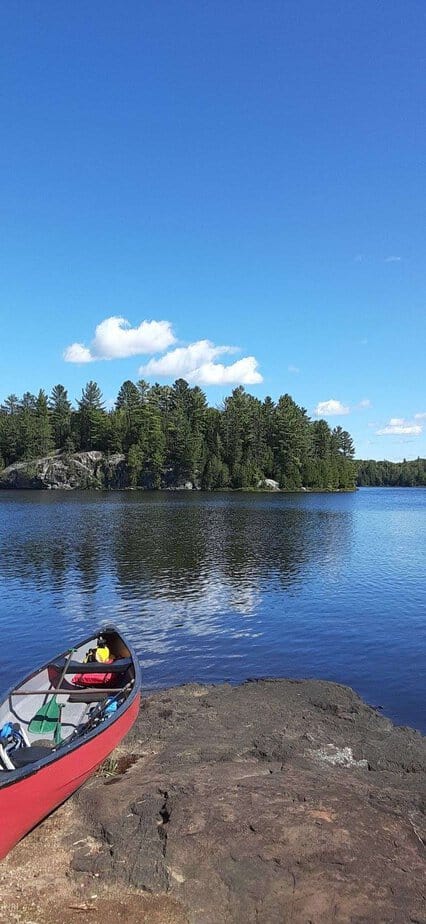
Canoeing comes up again and again as a favorite way to see the park. With six lakes, there is always another shoreline to explore.
Portaging between lakes is part of the fun. Groups who spend several nights often head out each day on a new paddling route.
Paddling also opens up access to the islands on Craig Lake. Some people swim out to them in summer as well.
Paddle-in campsites make the canoe a practical tool, not just a toy. Gear goes in the boat, and camp is wherever the next site waits.
Not every site suits boats. Some locations, like Site 8, are less friendly for launching a canoe or kayak, so checking a site’s water access before reserving is helpful.
A boat launch sits at one of the smaller nearby lakes. That spot pairs well with the three rustic tent sites and outhouse located there.
Paddling is a warm-season activity here. In winter, the lakes freeze, and the canoe gives way to boots or snowshoes for exploring the shorelines.
Plan the paddle routes in summer, then come back in winter to see the same water in a whole new form.
Bears, Moose and a Fishing Eagle
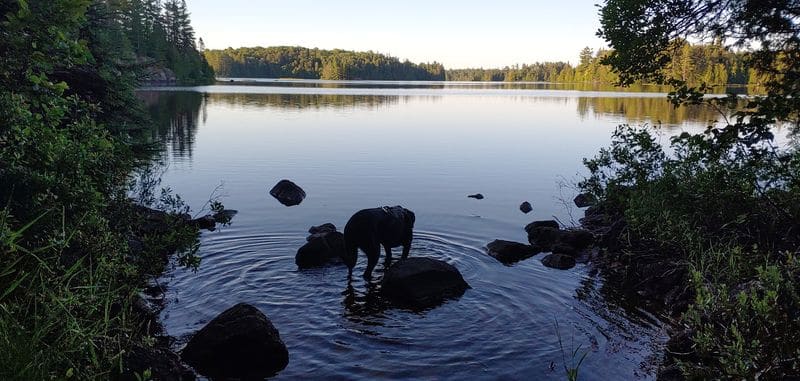
Wildlife is a headline attraction in the park’s official description. Black bear and moose both call this area home.
Bald eagles are part of the show too. One camper captured video of an eagle catching a fish right on the lake.
Sightings are never guaranteed. Some hikers spend a full day on the trail and see no animals at all, which is simply how wild places work.
Bear safety is non-negotiable. Hanging food with rope, away from camp, protects both people and animals.
Quiet helps the odds. With so few people around, the forest stays calm, and the chance of spotting something interesting improves.
Winter shifts animal activity, and bears typically settle in for the cold months. Moose tracks and other signs may still turn up along snowy routes, though nothing here confirms specific winter sightings.
Binoculars and patience are the best tools. A good camera with a zoom lens is a bonus.
Respect the distance, enjoy the moment, and let the animals stay wild.
Dark Skies After Sundown
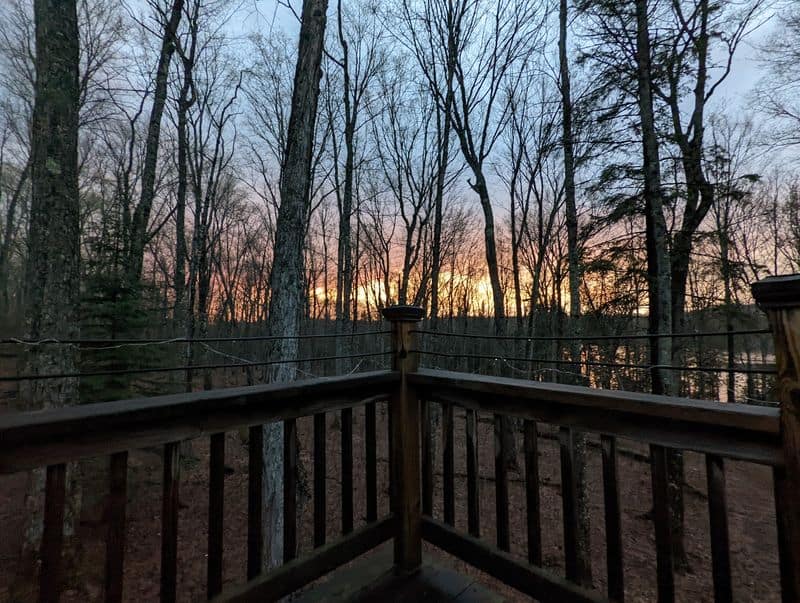
Night is when the remoteness really pays off. With no town lights nearby, the stars take over.
Stargazing is singled out as excellent. The area stays very quiet after dark, which helps campers settle in and look up.
Limited cell service plays a role as well. Fewer screens mean more time spent watching the sky.
Long winter nights could give stargazers even more hours of darkness. Cold temperatures in the Upper Peninsula call for serious layers, though, so plan clothing carefully.
A few simple items make the experience better:
A red headlamp keeps night vision intact. A sleeping pad or folding chair offers a comfortable spot on the shoreline.
A free star chart app downloaded before arrival helps, since a signal may not be available once inside the park. Offline maps are a good idea for the same reason.
Families with kids will find this a memorable lesson in how many stars are actually up there. No ticket is required for this show.
Once the sky clears, the park’s real night program begins.
Bugs, Signal and Other Fine Print
Mosquitoes deserve their own warning. In summer, they can be bad enough to cut a hike short, with one group turning back after just three quarters of a mile.
Full skin coverage is the best defense. Long sleeves, long pants, a head net, and repellent are worth packing.
Bug levels vary, though. An early-September trip found the bugs not bad at all, which makes late summer and fall attractive.
Winter has an obvious perk here. Cold weather ends mosquito season entirely, which is one more reason snowy months appeal to some outdoor fans.
Cell phone service is very limited throughout the park. Download maps, tell someone the plan, and do not count on calling for help from the trail.
A short packing checklist covers the basics:
Rope to hang food, a trowel for catholes, a water filter, and a map. Cabin guests may want mouse traps and steel wool.
Vehicle prep matters too. High clearance and four-wheel drive are recommended for the roads in.
Small details like these separate a frustrating trip from a smooth one.
Seasons, Colors and the Best Time to Go
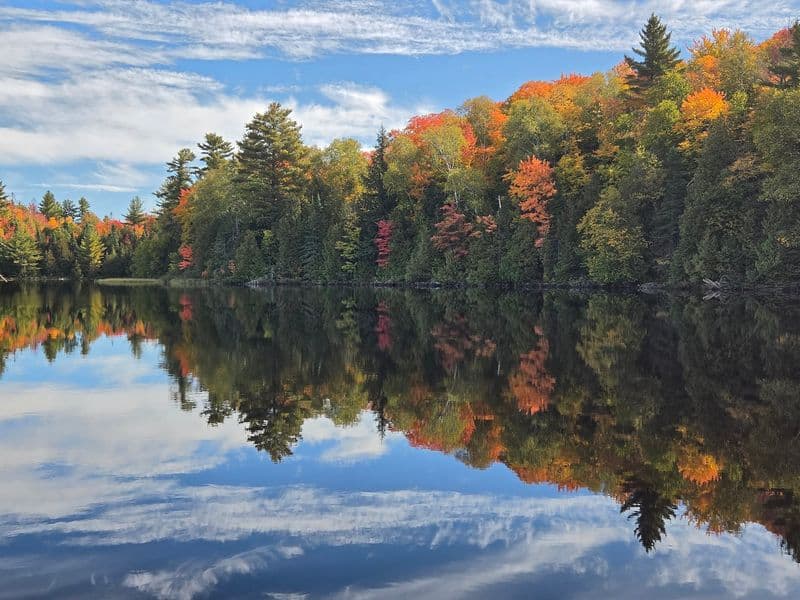
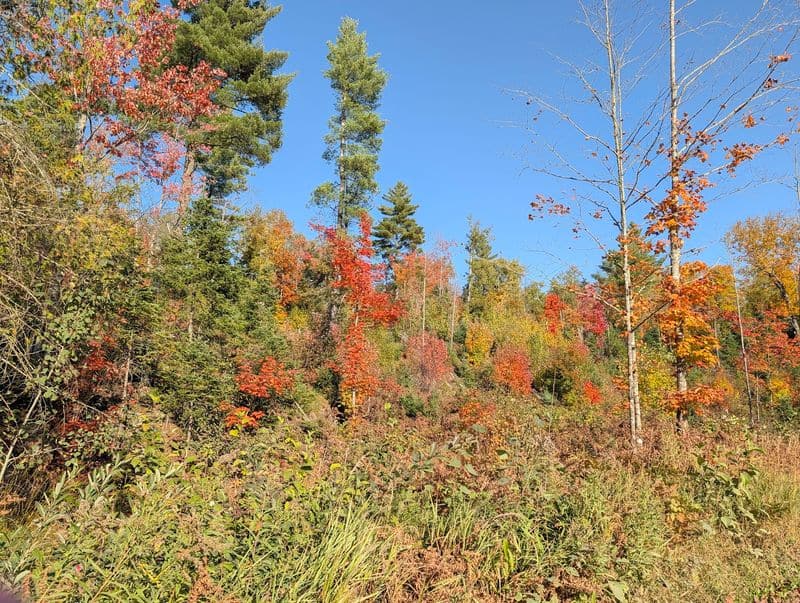
Autumn has a loyal following here. The fall colors are described as well worth the trip, even with the rough roads.
Early September earns praise too. Trips around that time report good road conditions, manageable bugs, and impressive scenery.
Midsummer brings swimming and paddling weather. It also brings the heaviest mosquito pressure.
Winter is the true secret season. Few people make the trek when snow arrives, so crowds are close to nonexistent.
That said, the information available does not confirm winter road plowing, cabin access, or groomed trails. Anyone dreaming of snowshoes and a warm cabin should contact the park first to learn what is realistic.
One longtime fan has returned every year for six years. Each fall visit brings the same strong feelings, which says plenty about the park’s pull.
Hours and fees are not listed in this data. The state park page is the best source for current details, and prices may vary.
Pick a season, check the conditions, and the park will handle the rest.
A Quiet Verdict From the North Woods
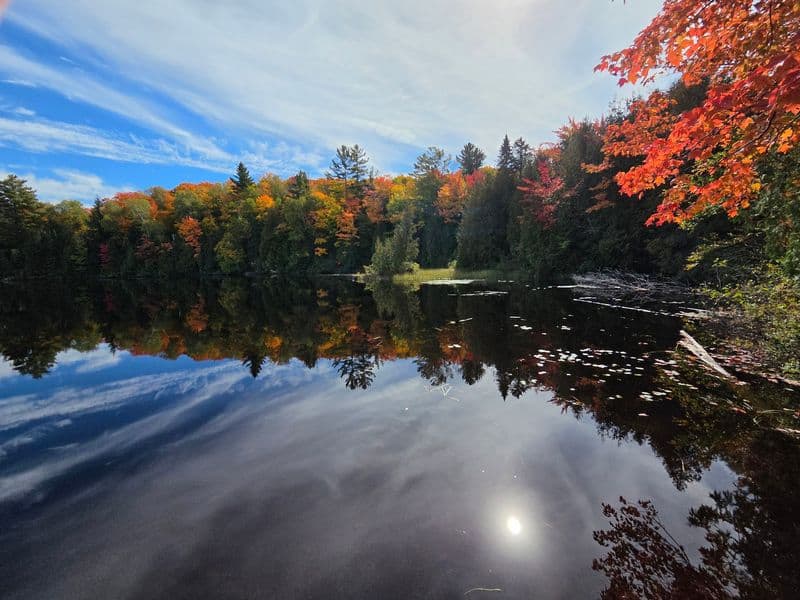
Some places try hard to impress. Craig Lake State Park simply stays wild and lets people come to it.
The park holds a 4.7-star standing across more than one hundred public notes. Words like gorgeous, rustic, remote, and life changing come up again and again.
It is not for everyone, and that is fine. Travelers who want flush toilets, paved roads, and strong signal will be happier elsewhere.
Michiganders who enjoy a challenge will find a lot to love. Six lakes, bear and moose country, cabins and yurts, and a stretch of the North Country Trail make for a deep list of reasons to go.
Winter adds a layer of mystery. Snowshoe dreams and cabin plans deserve a phone call first, since conditions in such a remote spot can change quickly.
Budget-minded families will appreciate that the main attractions here are free once inside: trails, stars, and silence. Lodging costs depend on what is booked.
A sturdy vehicle, early reservations, and a well-packed bag are the real price of admission. The payoff is a corner of the Upper Peninsula that still feels like a discovery.
Some secrets are worth keeping, but this one is worth sharing with the right people.