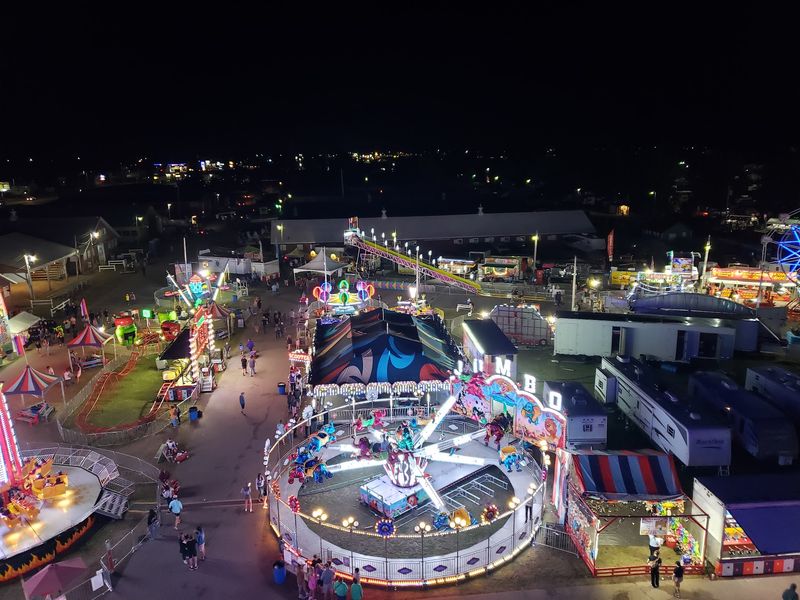
Every August, a quiet stretch of Escanaba turns into the busiest spot in the Upper Peninsula. Barns fill with calves and piglets, carnival rides spin near the grandstand, and families from across the U.P. drive in for a full day out.
Some kids catch their first fish here, and some grandparents win blue ribbons for paintings they finished over the winter. The event has faced tight budgets, yet it keeps coming back with animals, vendors, concerts, and an old-time village that many Michiganders call the best part.
Keep reading to learn what it costs, what is free once you are through the gate, where to camp, and why so many U.P. families treat this fair as a yearly must-do.
A Fairground on the North Side of Escanaba
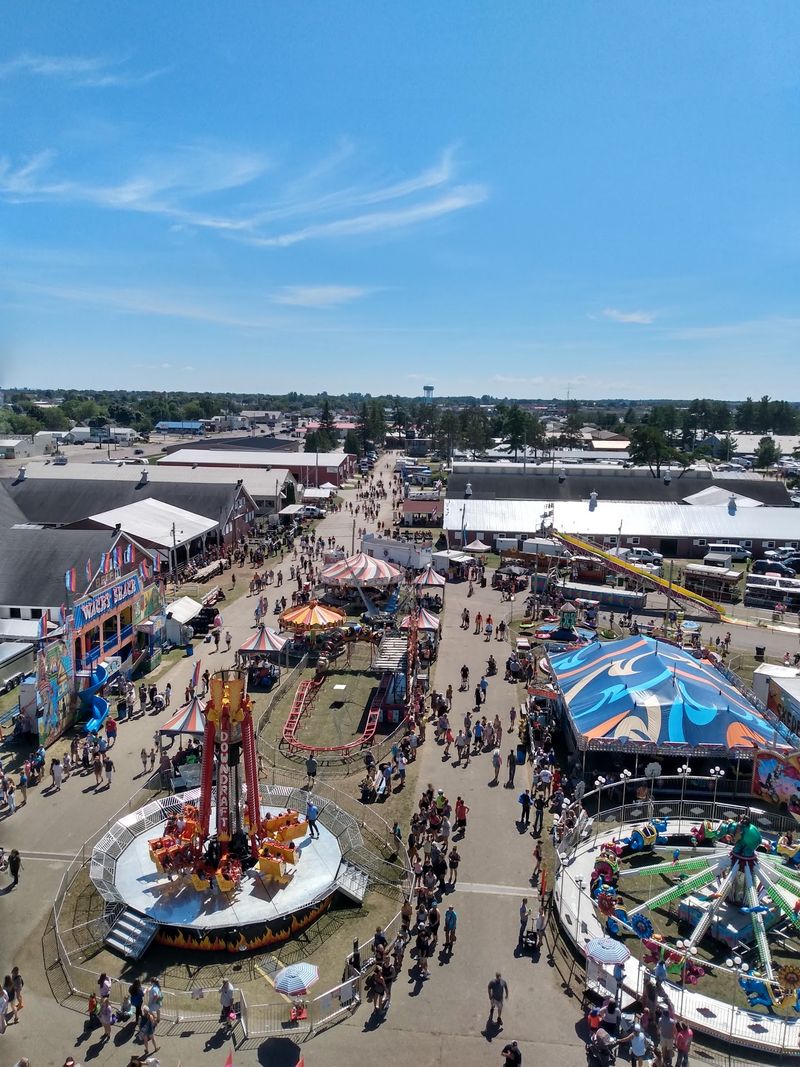
Delta County holds one of the biggest yearly gatherings in northern Michigan. The Upper Peninsula State Fair sits at 2401 12th Ave N, Escanaba, MI 49829, on the north side of town near the shores of Little Bay de Noc.
The grounds work as a full fairground all year. The main fair takes over in August, but the barns, buildings and open fields host other events across the calendar too.
For Michiganders below the bridge, Escanaba is a solid drive, but it is a manageable one. Once across the Mackinac Bridge, the route west along US-2 brings you right into town.
The fairground holds a 4.5-star standing from more than 860 people who have spent time there. That is a strong showing for a place that mostly comes alive one week a year.
The layout covers barns, a grandstand, a midway, vendor rows, a DNR pocket park and an antique village. People who show up for the first time often say it is much bigger than they expected.
One afternoon is rarely enough to see all of it. Plan on a long visit, and the rest of this story will help you decide where to spend it.
A Tradition That Refused to Fold
Plenty of small fairs across the country have shrunk or vanished when money got tight. The U.P.
State Fair has had its own lean stretches, and it kept going anyway.
Part of the reason is local pride. People across the peninsula treat the fair as a family habit, and many return year after year.
Gratitude shows up often among regulars. After a season when the fair’s future felt uncertain, families simply said they were happy it happened at all.
Much of the credit goes to the many helping hands behind the scenes. Volunteers, exhibitors, 4-H families and local businesses all play a part in keeping the gates open.
The fair has also leaned into affordability. Several efforts aim to keep a day here within reach for working families and retirees on fixed incomes.
That mix of community effort and low-cost options explains why the tradition still stands. A fair that belongs to everyone tends to have a lot of people willing to protect it.
Barns Full of Farm Babies
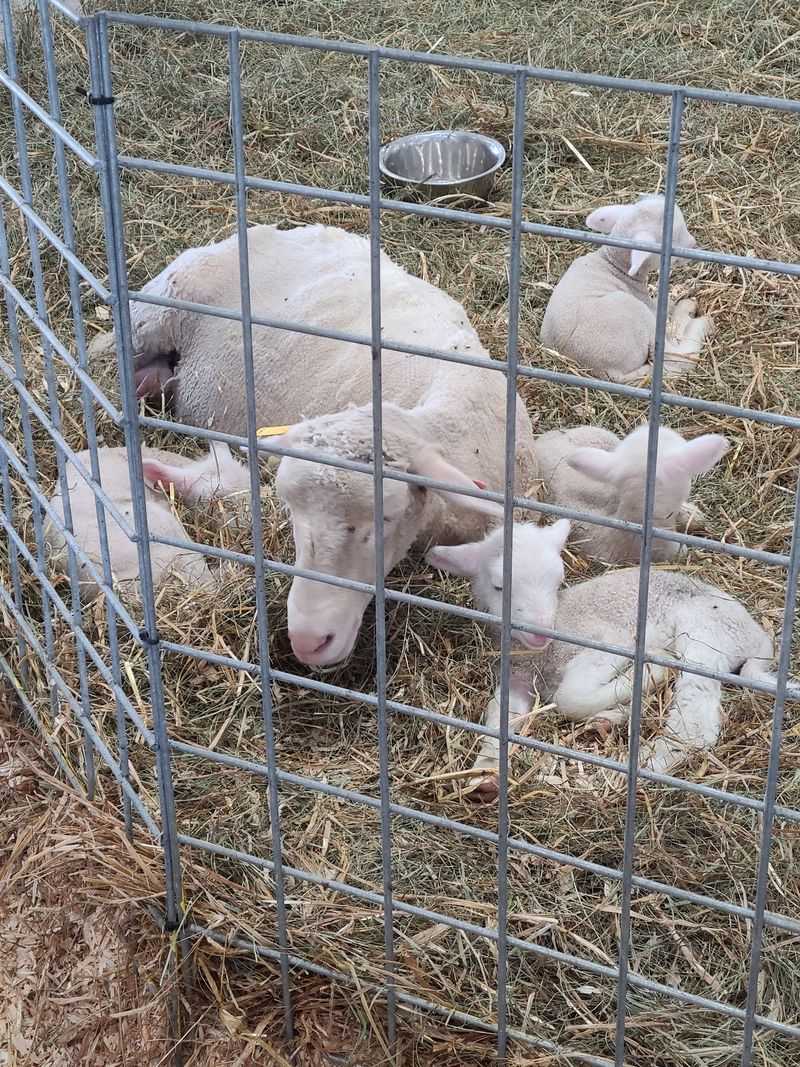
Animals are the most talked-about part of this fair, and by a wide margin. The barns stay open so kids can get up close with farm animals at no extra cost.
Families especially enjoy seeing the newborns. Baby animals next to their mothers tend to stop grandparents and toddlers alike in their tracks.
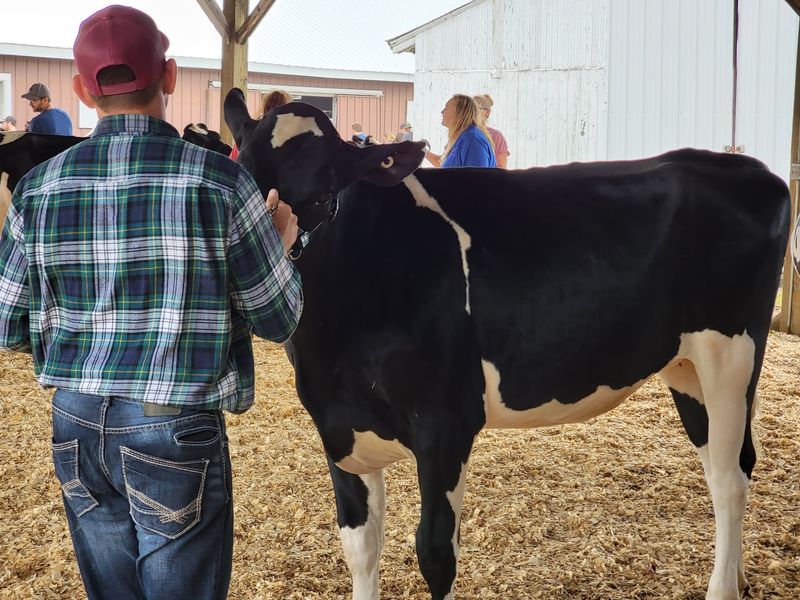
The live animal section covers a broad mix of livestock. Many of these animals are raised by local youth, which gives the barns a real farm-country feel.
Here is a budget tip worth remembering. Once you pay admission, walking the barns costs nothing, so a family can spend an hour here without opening a wallet.
Kids learn where food comes from, and adults get a quiet break from the midway noise. It is one of the most relaxed corners of the grounds.
Bring patience and some hand sanitizer. The animals are not going anywhere, and neither will your kids once they find the goat pens.
The DNR Pocket Park Secret
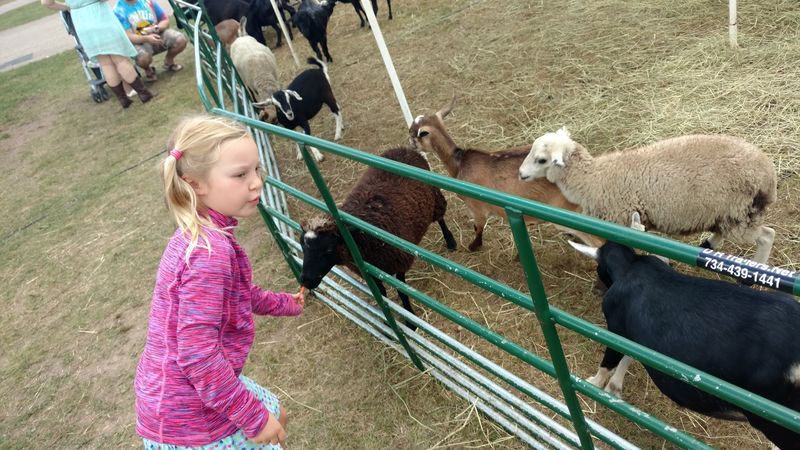
Many first-timers walk right past one of the best free stops on the grounds. The DNR Pocket Park is a small outdoor area run with help from Michigan’s Department of Natural Resources.
The centerpiece is a pond stocked full of fish. Poles and worms are provided, so kids can try fishing without bringing any gear.
Helpers also guide young visitors through pellet gun shooting. Safety comes first, and someone is right there to coach each child.
Kids often leave with free goodies too. That combination of hands-on fun and take-home items makes this spot a favorite with parents counting dollars.
For many U.P. kids, this pond is where they catch their very first fish. That is a memory worth more than any ride ticket.
Put the pocket park near the top of your list. Families who know about it tend to return every single year.
Stepping Back Through the Antique Village
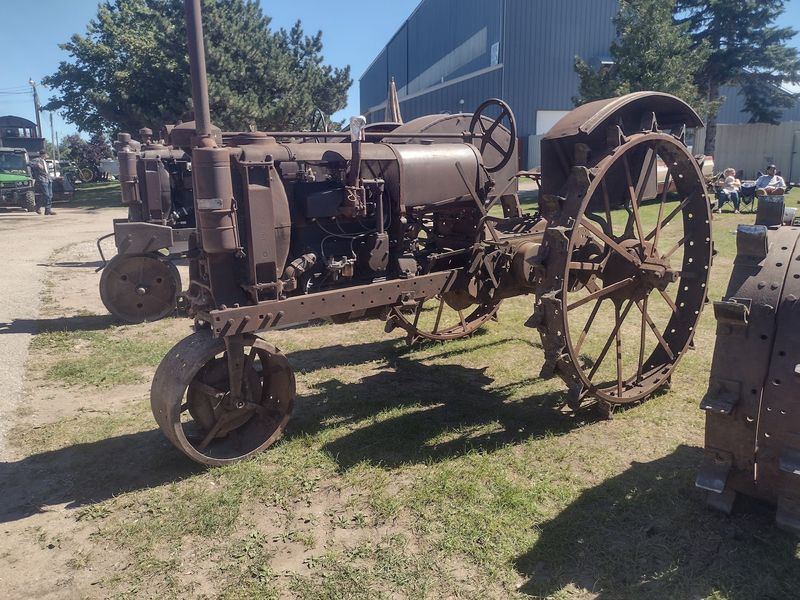
Some fairgoers skip the rides entirely and head straight for history. The antique village is a corner of the grounds dedicated to life in earlier days.
More than a few families call it the best part of the whole fair. Even people attending other events on the grounds come away impressed by how neat it is.
Old machines are a big draw. Antique tractors and equipment show how farm work in the region got done long before modern technology.
Grandparents often enjoy explaining what each machine did. Kids get a living history lesson that beats any textbook.
The village works well as a slower break between busier attractions. It is a good place to sit, look around and catch your breath.
For anyone who loves Michigan’s farming roots, this section alone justifies the trip north. History buffs, consider yourselves warned about losing track of time.
Midway Rides and Ticket Math
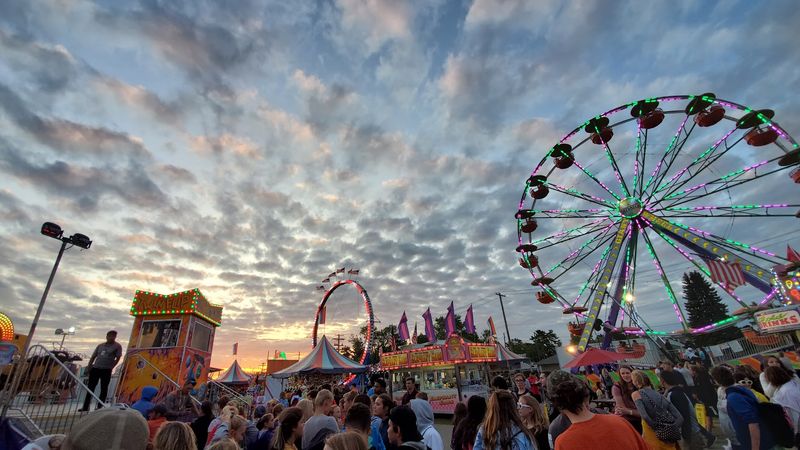
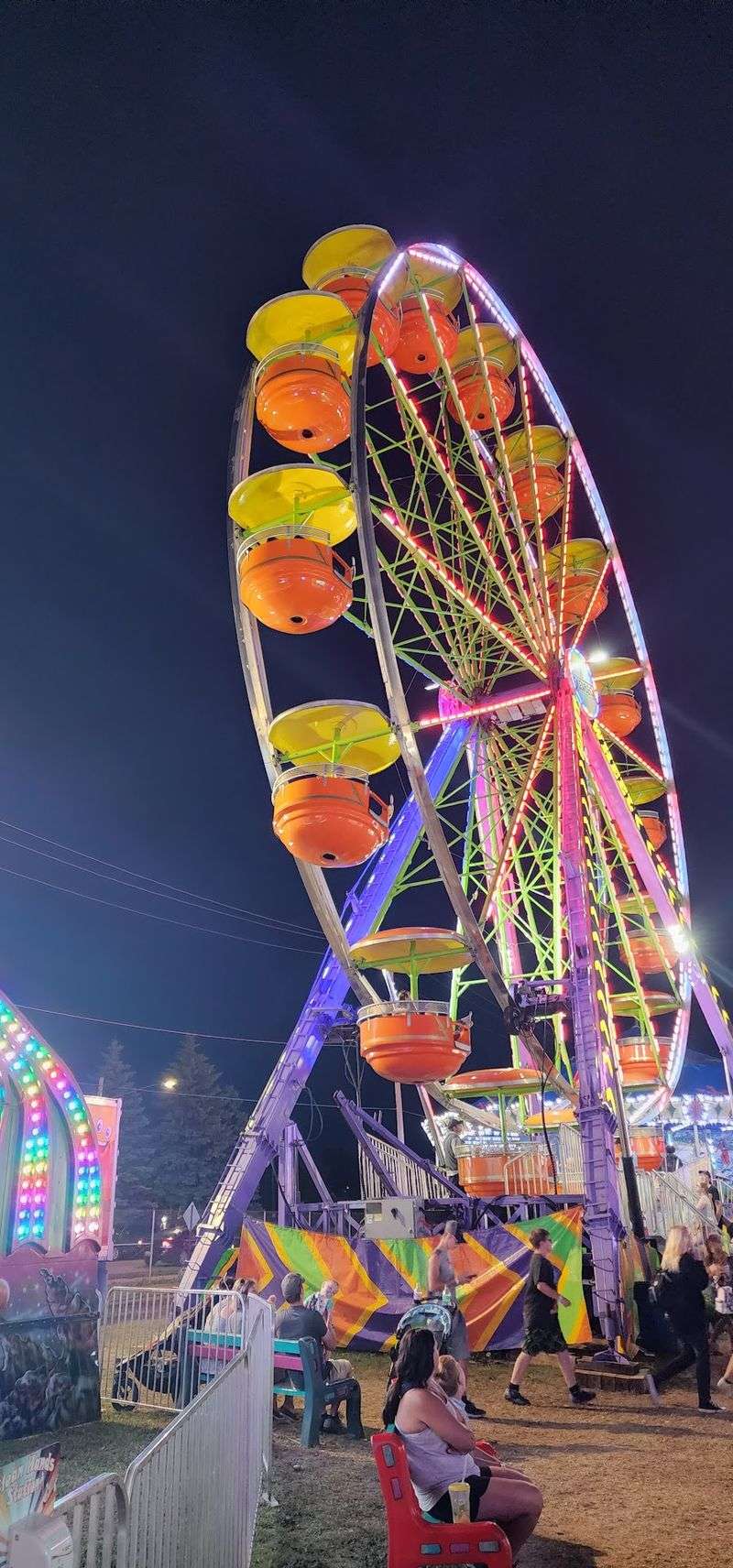
Let’s talk numbers, because ride costs add up quickly. Individual tickets have run about $1 each, with most rides needing around 4 to 6 tickets.
The better deal for active kids is the all-day wristband. It has been priced around $30, and parents with ride-loving children call it a good buy.
Prices may change from year to year, so check before you go. Some families do find single tickets expensive if they only plan a few rides.
Rides and games come from Skerbeck, a carnival company known for an excellent safety record. That gives parents some extra peace of mind.
Want shorter lines? The Scrambler has earned a reputation for quick waits.
Grandparents often say watching the grandkids ride is half the fun. Sometimes the best seat on the midway is a bench.
Games Worth a Few Bucks
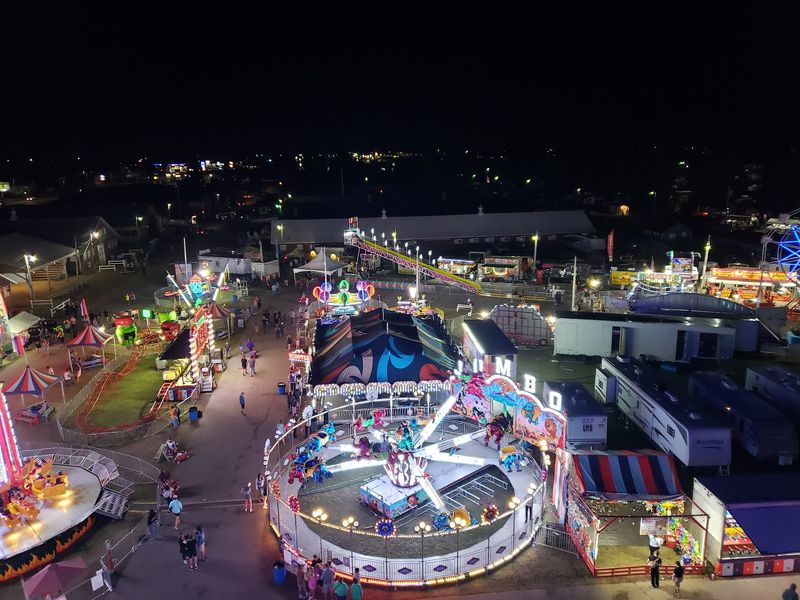
Every fair has games, but some are friendlier to your wallet than others. At this one, the ring toss has a loyal fan base.
Players call it the best game for your money. It is also the booth where the biggest stuffed animal prizes tend to change hands.
One family once landed four ringers in a single night. Results will vary, of course, but the odds feel fair enough to try.
The people running the booths get plenty of praise. Friendly game workers make a big difference when a nervous kid steps up for a first try.
Adults are welcome to play too. Nobody will judge a grown-up carrying a giant plush bear back to the truck.
Set a small budget before you start. Games are fun, but costs can climb depending on how competitive your family gets.
Grandstand Nights and Free Concerts
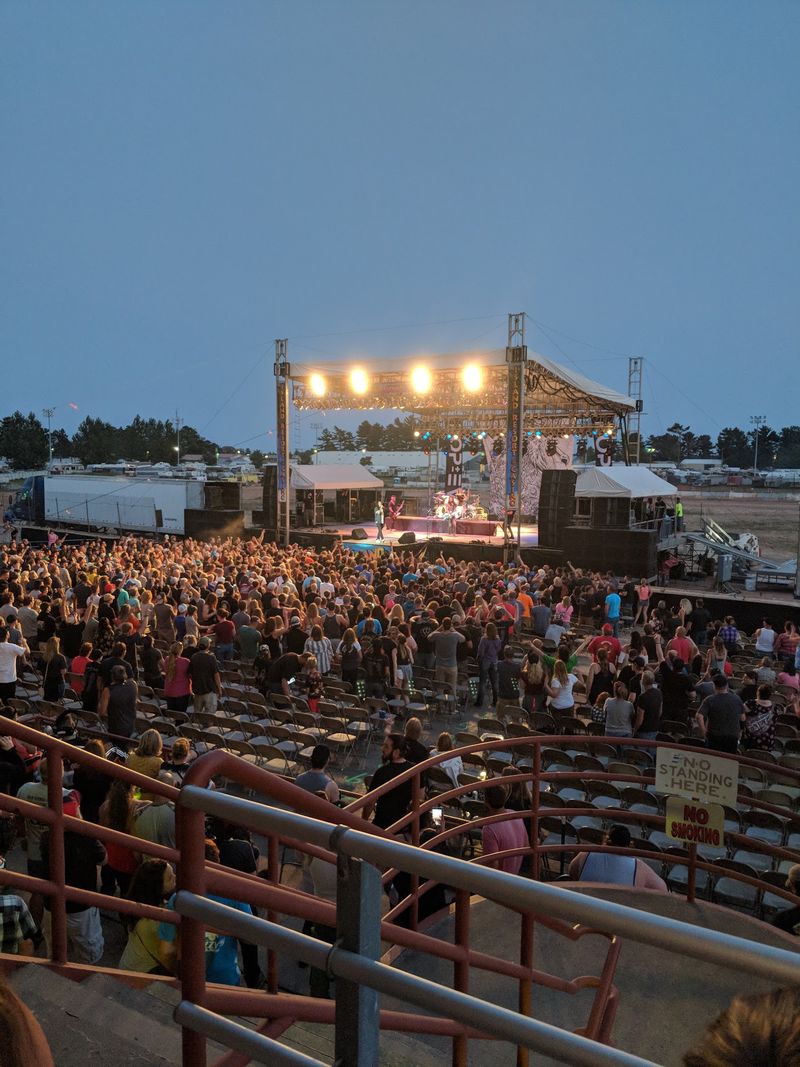
Once the sun drops, the action shifts toward the grandstand. Concerts are one of the most mentioned highlights of the whole fair.
Many shows have been included with the entry fee. That makes an evening of live music a real bargain compared with ticketed venues.
Free events are available once admission is paid. Families on tight budgets appreciate being able to fill a whole evening without extra charges.
The grandstand also hosts bigger spectacles. Monster truck shows have been a long-running family favorite, building memories year after year.
Lineups change annually, and some headline acts may carry separate pricing. Check the fair’s website for the current schedule.
Bring a jacket for the evening. U.P. nights in August can cool off faster than downstate folks expect.
Vendors, Crafts and Blue Ribbons
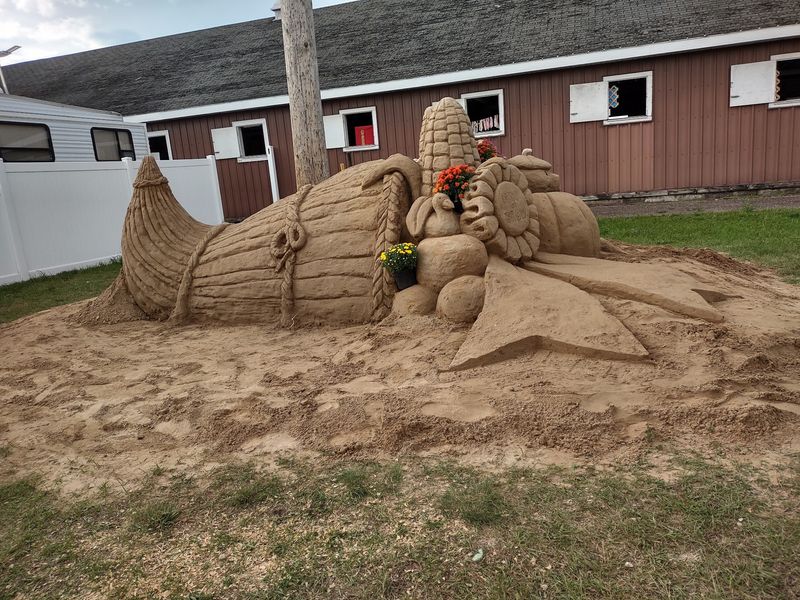
Shoppers, this section is for you. Vendors rank among the most frequently praised features on the grounds.
Rows of booths offer really neat things for sale. Newcomers to the area are often surprised by how much there is to browse.
Prices on items like sweatshirts have been called reasonable. That makes it easy to grab a fair souvenir without overspending.
The exhibit side matters just as much. Local residents enter paintings, crafts and projects in hopes of taking home a ribbon.
Some families have collected blue ribbons for years. One local painter even earned Grand Champion honors, a proud moment for the household.
Walking the exhibits shows the real talent hiding in U.P. kitchens, garages and studios. It is a reminder that the fair belongs to the people who enter it.
Fair Eats and a Smart Money Move
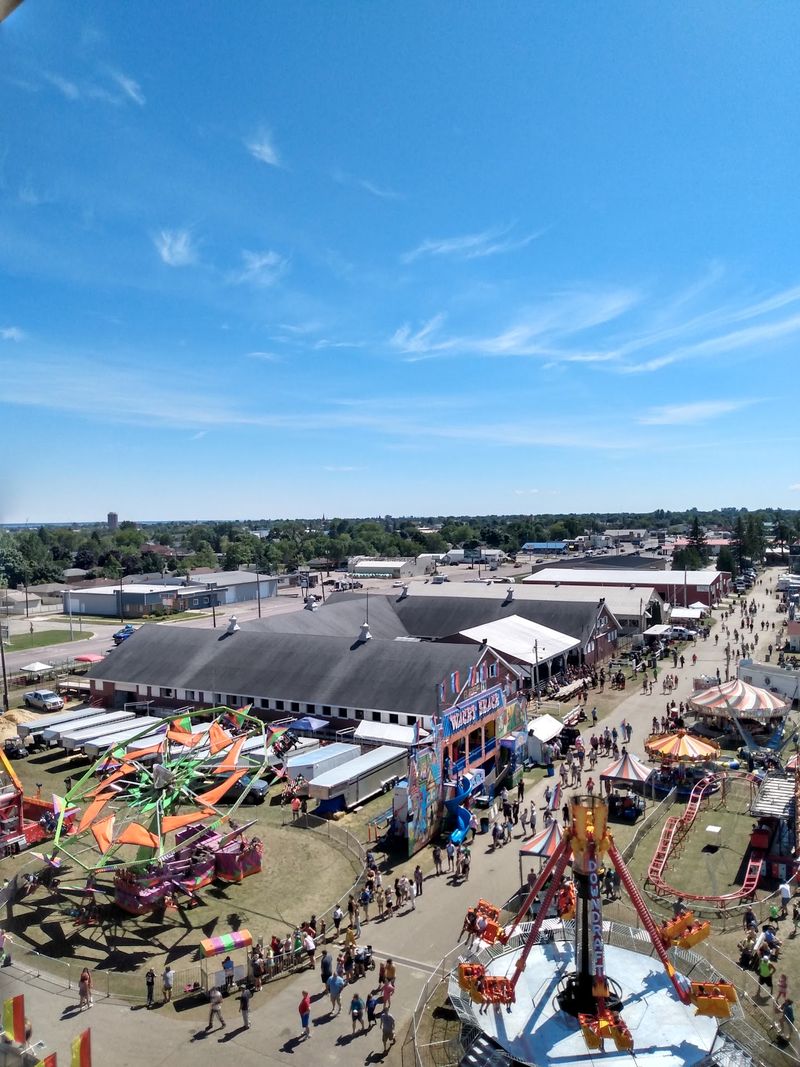
Food choices here are plentiful, and families often mention the sheer variety. Kettle corn and lemonade show up as classic fair picks.
Local vendors earn the warmest words. A whitefish stand run by folks from Garden, Michigan, has become a yearly stop for some regulars.
Not every booth wins praise for value, though. Booths from outside vendors and some food trucks have been called pricey.
A practical tip comes up more than once. Eating before you go can stretch a family budget a long way.
Bringing a snack plan helps too. Spend your food dollars on one or two local favorites instead of grazing all day.
Budget-minded Michiganders know the drill. Fill up at home, then save room for a treat worth remembering.
Camping Right on the Grounds
Road-trippers have a handy overnight option. The fairgrounds offer camping in an open field with hookups throughout.
Most sites provide water and electric. Some spots may include sewer, and a dump station sits near the entrance.
A camp host stays on site. Campers have been told to park wherever they like among open sites.
Payment goes through a kiosk at the front. Bring cash or a check, since cards may not be an option.
Bathroom and shower access is not clear, so plan accordingly. Self-contained RVs will have the easiest time.
The open field makes for nice sunsets over Escanaba. It is a simple, no-frills stop that keeps travel costs low.
More Than One Week a Year
The August fair gets the headlines, but the gates open for much more. The grounds host community events across the year.
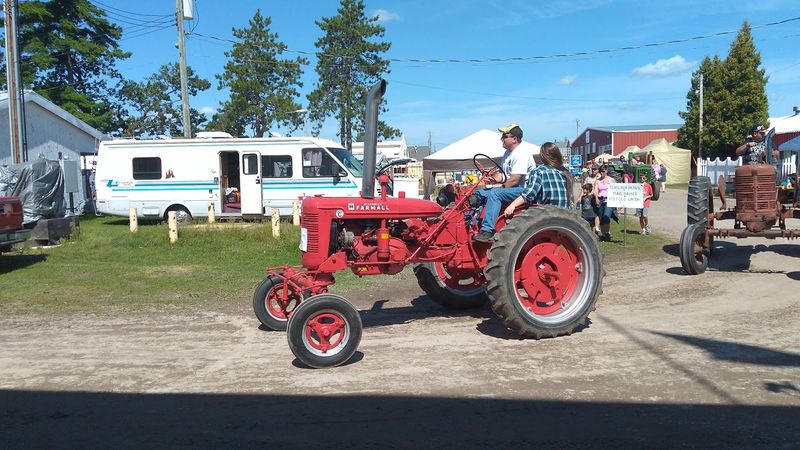
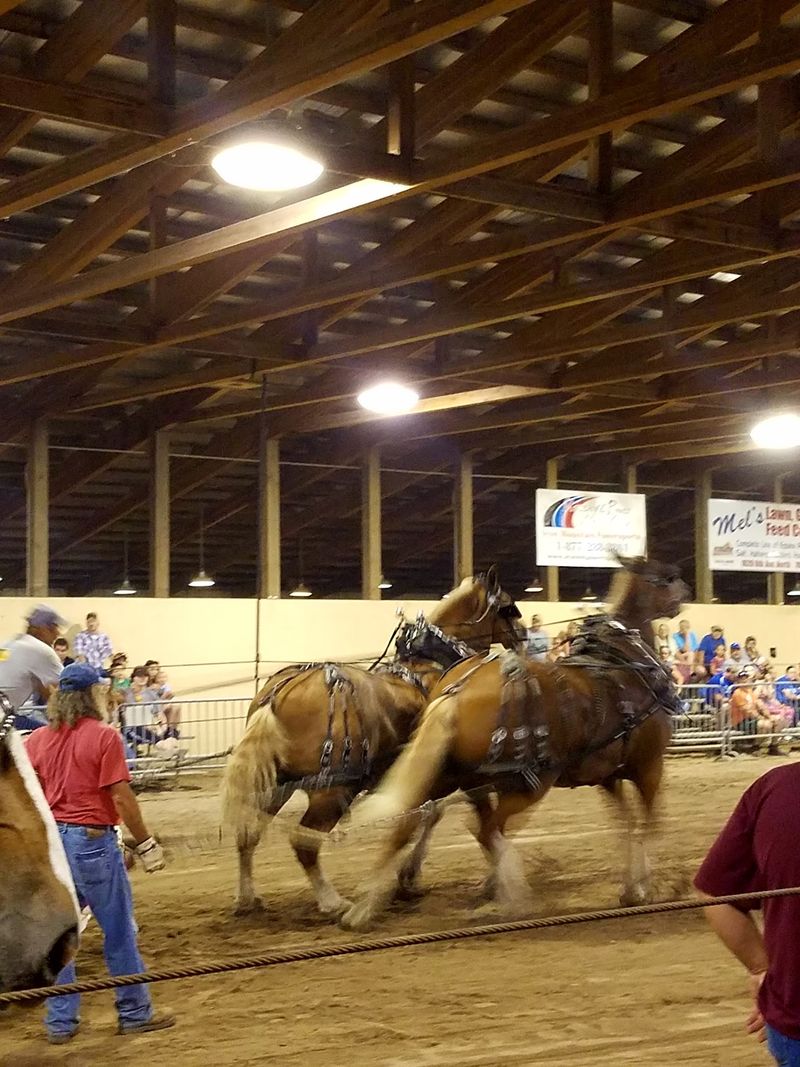
Tractor shows bring out vintage machines. Fans enjoy seeing old equipment used back in the day.
The Delta County Animal Shelter has held events here. Supporters enjoyed seeing adoptable pets and catching up on rescues they had followed.
Bigger gatherings have landed here too. The National Trappers Convention once used the grounds, and attendees found it interesting.
The fair office keeps weekday hours, Monday through Friday from 8 AM to 4 PM. It is closed on weekends outside of events.
Calling ahead or checking the website is wise. Something might be happening on the grounds sooner than you think.
Who Gets the Most Out of It
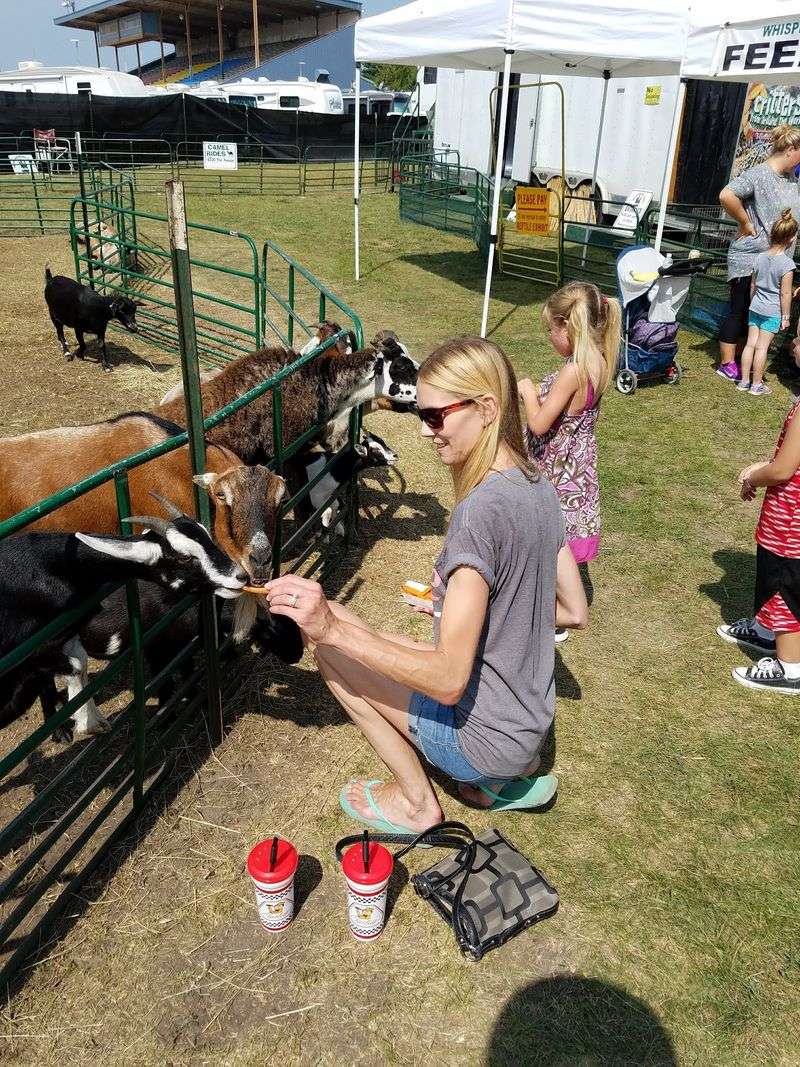
Young families are an obvious fit. Rides, free animal barns and the fishing pond can fill an entire day.
Grandparents find plenty to love as well. The antique village, exhibits and grandstand shows suit a slower pace.
The atmosphere is welcoming. Smiling crowds and a classic county fair spirit come up again and again.
People of most income levels can enjoy a visit. Plenty of attractions cost nothing once you are inside.
Newcomers and first-time U.P. visitors are often pleasantly surprised. The scale tends to beat expectations.
Wear comfortable shoes. One family stayed from 4 PM to 11 PM and still felt they had not seen half of it.
Worth the Drive North
So, should Michiganders make the trip? For anyone heading to the U.P. in August, the answer leans strongly toward yes.
Admission opens up a lot. Barns, the DNR pocket park and many concerts come with no extra charge.
Costs can climb with rides, games and outside food. A wristband and a full stomach before arrival keep the budget in check.
Fair dates, admission and lineups change each year. Check upstatefair.org before you leave home.
The fair has weathered tough times and kept its spirit. That says plenty about the community behind it.
Pack the car, bring the grandkids and leave room for a ribbon or two. This U.P. tradition is still waiting at the gate.