Big cities love to brag about their museums, but the largest children’s museum on the planet sits in the middle of Indiana. It spreads across more than four floors, plus a sprawling outdoor sports area, and families regularly lose an entire day inside without noticing.
Real scientists work on fossils behind glass, a carousel spins with rides that cost just two dollars, and a towering glass sculpture climbs three stories through its own spiral ramp. Parking is free, which already beats most big-city outings.
Kids leave so worn out that many fall asleep in the car within half an hour. The sections ahead cover where it is, what stands out, who it suits best, and the practical details that make a visit easier.
Hoosiers, it turns out, have been sitting on a world-class trip all along.
A Record Holder on Meridian Street
Some record holders hide in plain sight, and this one sits on one of the busiest streets in the state capital.
The Children’s Museum of Indianapolis is found at 3000 N Meridian St, Indianapolis, IN 46208, in the United States. It holds the title of the largest children’s museum in the country, and its reputation reaches well beyond Indiana.
The building houses varied exhibits exploring arts, culture, science, and nature. A planetarium, a carousel, science labs, and a library all share space under one roof.
More than four floors of activities stack on top of each other inside. Outside, a large sports area adds even more room to roam.
Families from across Indiana and neighboring states make the drive. Travelers passing through Indianapolis often plan a stop here too, sometimes on a whim that turns into a full day.
The place carries a 4.7-star standing across more than 19,000 opinions, which is a remarkable number for any attraction. That kind of steady praise usually comes from doing many small things right.
So what makes a museum this size work for toddlers and grownups at the same time? The answer unfolds floor by floor.
Generations of Hoosier Memories
Ask an Indiana adult about childhood field trips, and this museum tends to come up fast.
Many locals first came here as kids, holding a parent’s hand. Now they return with their own children, or even on a date, to relive the fun.
Some families have been bringing kids here for twenty years. They point out that something new and relevant always seems to be waiting.
That constant change is part of the story. Older exhibits have given way to fresh ones over the years.
Not everyone loves every update. Some longtime fans miss earlier hands-on stations, like building with oversized blocks or making dams in a flowing stream, which have since been replaced.
Still, the museum keeps evolving rather than freezing in time. That balance between memory and novelty keeps it a fixture in Hoosier family life.
Grandparents, parents, and kids can each find something to talk about on the ride home. And that shared conversation might be the most lasting souvenir of all.
Where the Dinosaurs Steal the Show
Dinosaurs rule this building, and no other exhibit gets talked about more.
The dino section is the largest single area in the facility. Several full skeletons stand on display, giving kids a sense of scale that a book cannot match.
A small bone-digging area lets young paleontologists try their luck. Brushes and patience replace video games for a while.
The real highlight might be the lab window. Staff members work on extracting dinosaur bones right there, in full view.
Those scientists are friendly and happy to answer questions. Kids get to hear directly from people who do this work for a living.
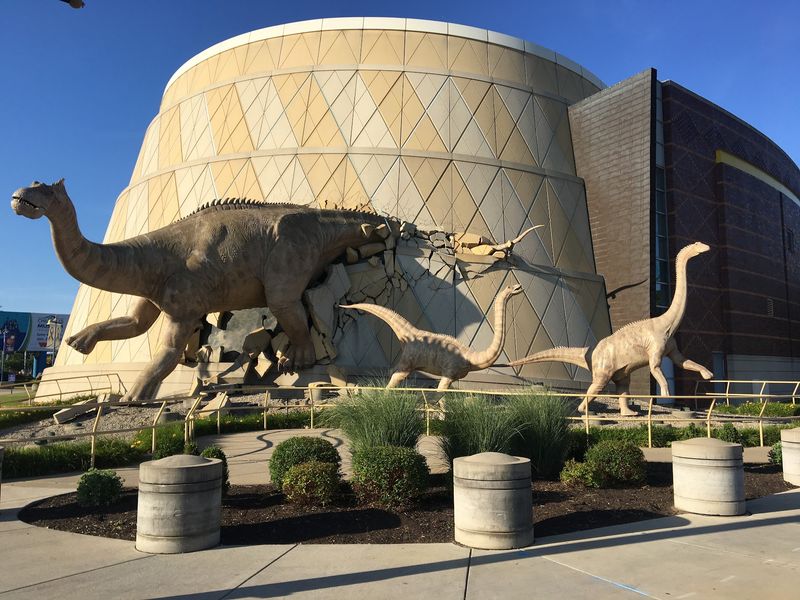
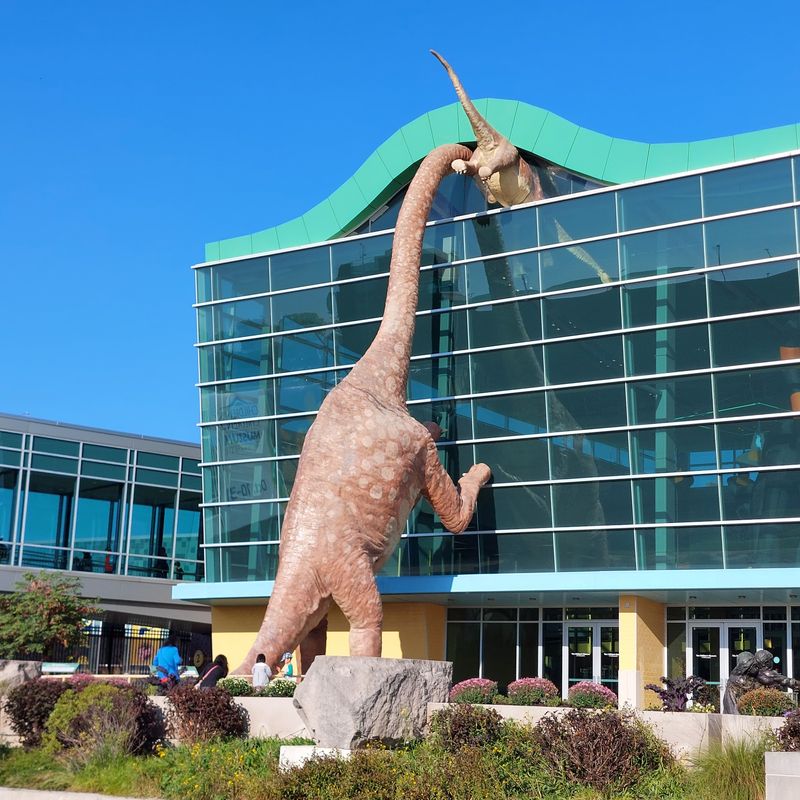
The excitement starts before anyone buys a ticket. Giant dinosaur figures outside the building make an unforgettable first impression.
Couples without children enjoy this area too. It works as a genuine science stop, not only a playground.
Plan to spend real time here. Pulling a dino fan away early is a fossil-sized challenge.
A Glass Tower Three Stories Tall
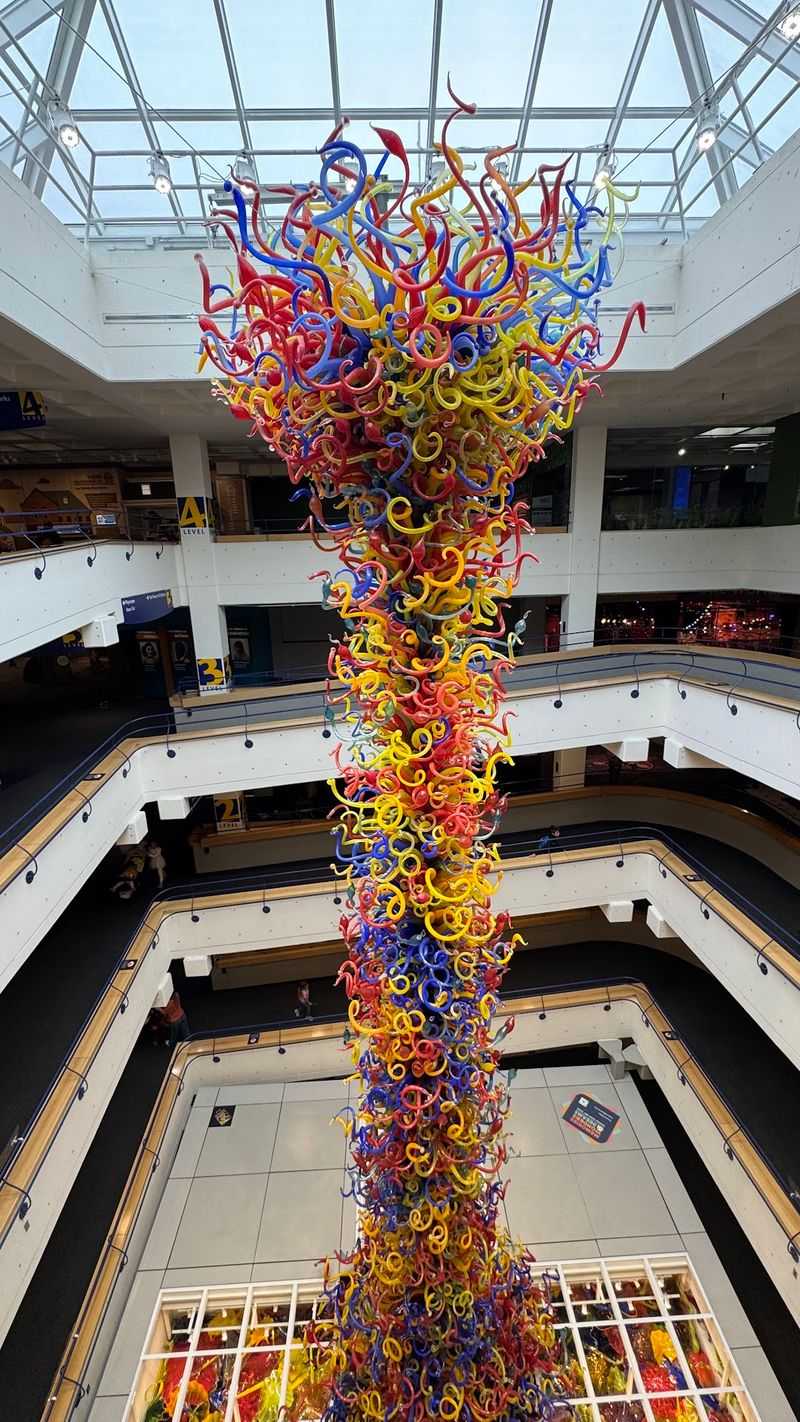
Art fans get a surprise inside a museum built for kids.
An enormous Chihuly glass piece stands in its own tower. Three stories of spiral ramp wrap up and around the work, so guests see it from many heights.
A basement level offers a completely different view. People can walk beneath the main sculpture and look straight up at a unique display.
Adults often name this as a favorite part of the trip. Going under the glass tends to win the most praise, especially when sunlight is streaming in.
Kids are not left out. An interactive space nearby lets them design their own sculpture, turning admiration into action.
The ramps are wide and easy to use. That makes the climb comfortable for strollers and slower walkers alike.
It is a fine reminder that a children’s museum can also host serious art. Few families expect a masterpiece between the dinosaurs and the snack break.
Two Dollars on Carousel Wishes and Dreams
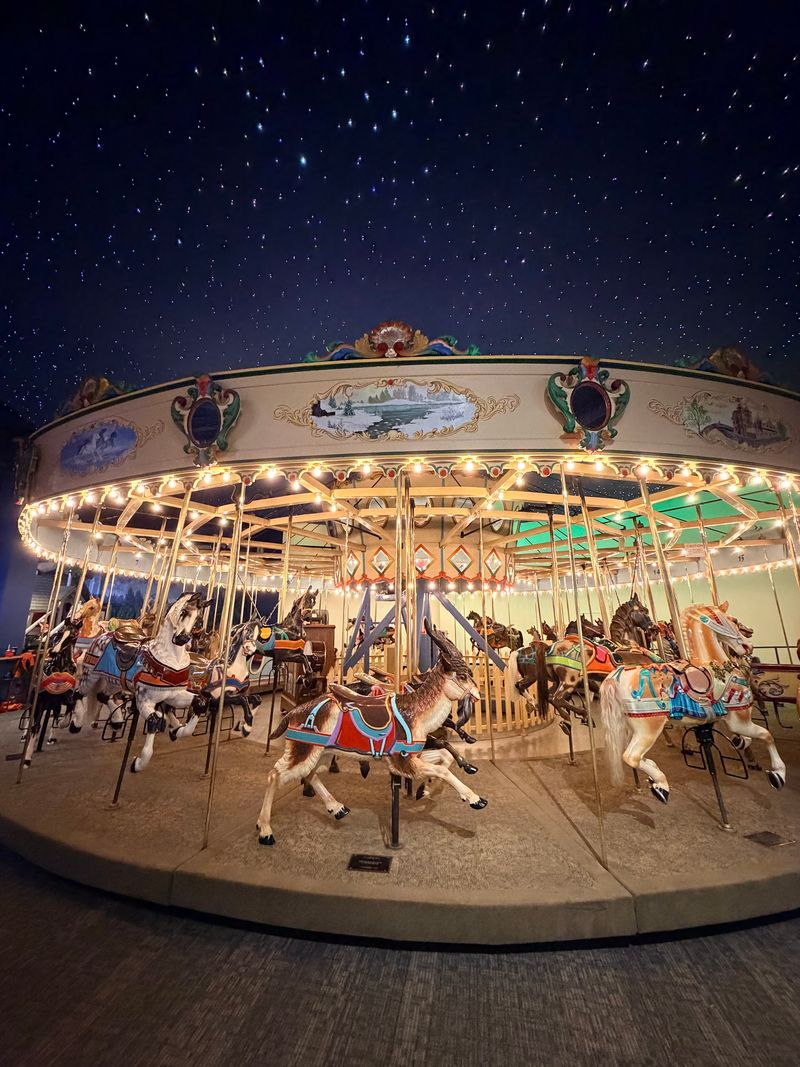
Two dollars still buys something memorable in Indianapolis.
Carousel Wishes and Dreams is one of the most talked-about features in the building. Rides cost just two dollars each, which makes it an easy yes for parents.
The carousel offers a slower moment in a busy day. After hours of running between exhibits, a few gentle spins give everyone a breather.
Younger kids especially treat it as a highlight. Older siblings often hop on too, even if they claim they are just keeping someone company.
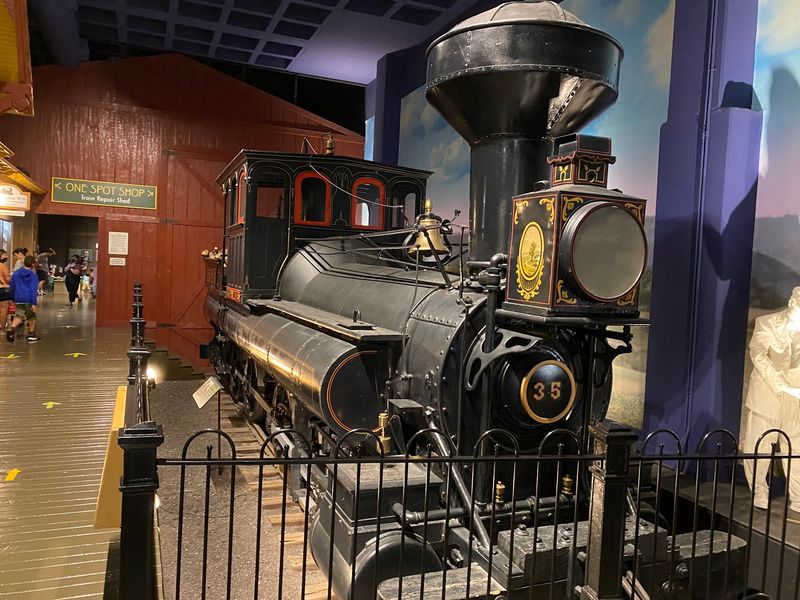
It fits the nostalgic side of the museum well. Parents who rode as children can now watch their own kids take a turn.
Budget-minded families appreciate a small add-on that does not break the bank. A couple of rides fit into almost any plan.
Round and round it goes, and the smiles tend to stay on long after the music stops.
Room to Run Outdoors
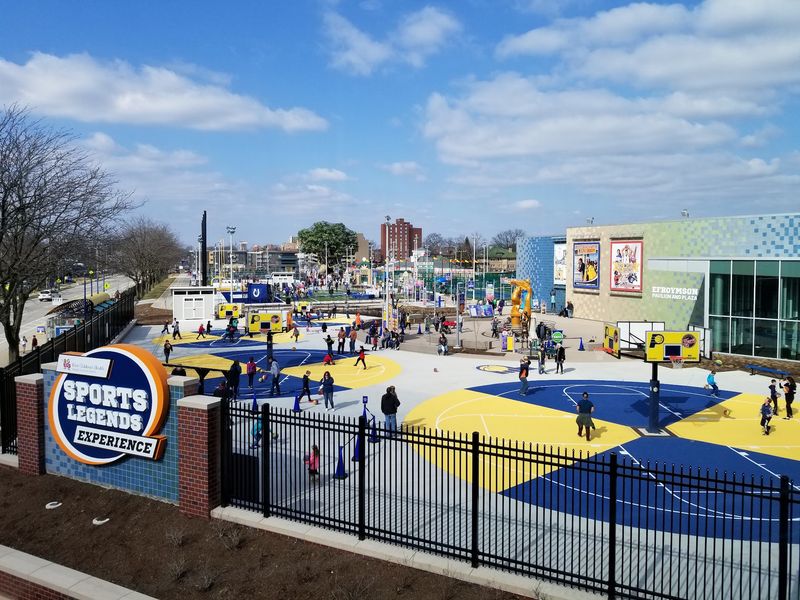
Kids who have been patient indoors get their reward outside.
The outdoor sports area ranks among the most mentioned parts of the whole museum. Children play across several sports fields, burning off energy in a big way.
Some families say their kids could have spent the entire day there. A few even begged to come back right as they were leaving.
Different sports stations keep things varied. Kids can switch activities whenever interest fades.
Timing matters, though. The outdoor area is seasonal, so it may not be open during colder months.
Checking the museum website before a visit helps avoid disappointment. Spring through fall is the best window for this part of the trip.
Many families split the day, exploring indoors first and heading out later. That plan saves the biggest burst of fun for the end.
Bring comfortable shoes for everyone. Parents often end up on the field too.
Playscape for the Littlest Explorers
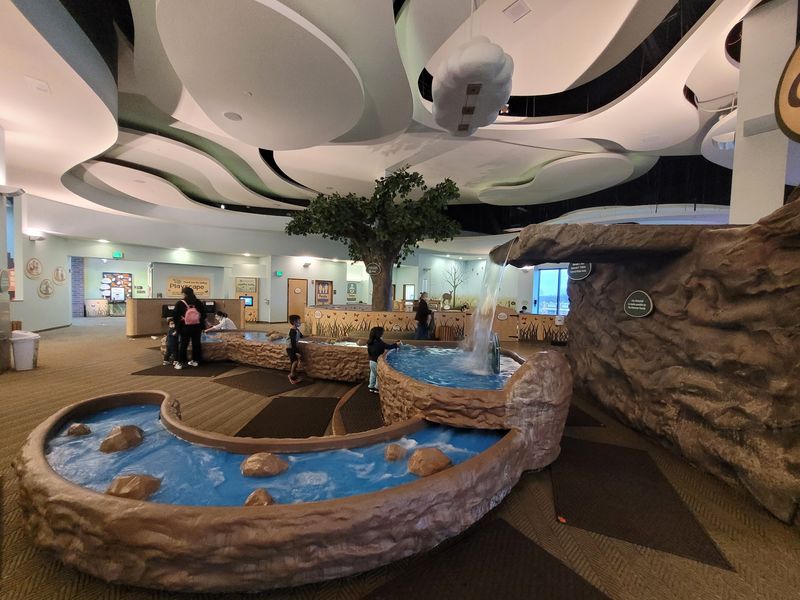
Toddlers deserve their own territory, and here they get it.
Playscape is an area designed specifically for children five and under. Parents of one-year-olds report their little ones loving every minute.
Water and sand play stand out in this space. Even guests less impressed by other areas tend to praise the toddler zone.
Having a dedicated section matters in a building this busy. Smaller kids can explore without competing with older children.
Elsewhere in the museum, eye-level features help little ones stay engaged. Displays are not all built for grownup heights.
A word of caution helps here. Some busier exhibits outside Playscape can get crowded with running older kids, so keeping toddlers close is wise.
Families with mixed ages often take turns. One parent stays in Playscape while the other follows an older child upstairs.
That split approach lets everyone win, from the tiniest builder to the tallest sibling.
Space Stations and Peruvian Streets
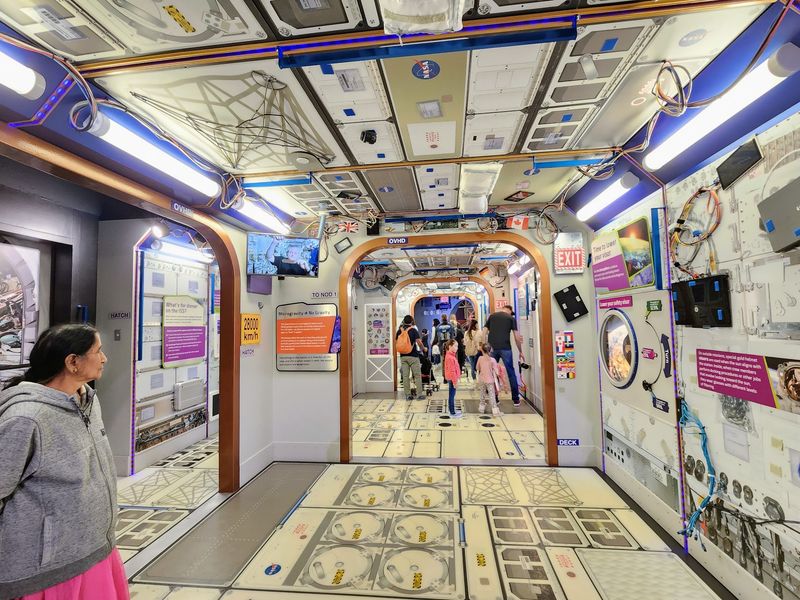
Few buildings let a kid visit orbit and South America before lunch.
An exhibit on the International Space Station and the space program draws curious young astronauts. It offers a look at how people live and work above Earth.
A small-town setup from Peru takes things in a cultural direction. Kids explore a setting from another part of the world without needing a passport.
A pop art hall adds bold creativity to the mix. It shows that art can be playful and fun to study.
Hands-on science goes further than many expect. Staff have even taught guests how to make cheese, a lesson that left some adults planning projects at home.
Exhibits also spark bigger questions. Some kids leave asking about history, science, equality, and how societies work.
That range is a big reason families call the museum educational without feeling like school. Learning sneaks in through play.
Each floor seems to open a new chapter, and no two chapters read alike.
Exhibits That Keep Changing
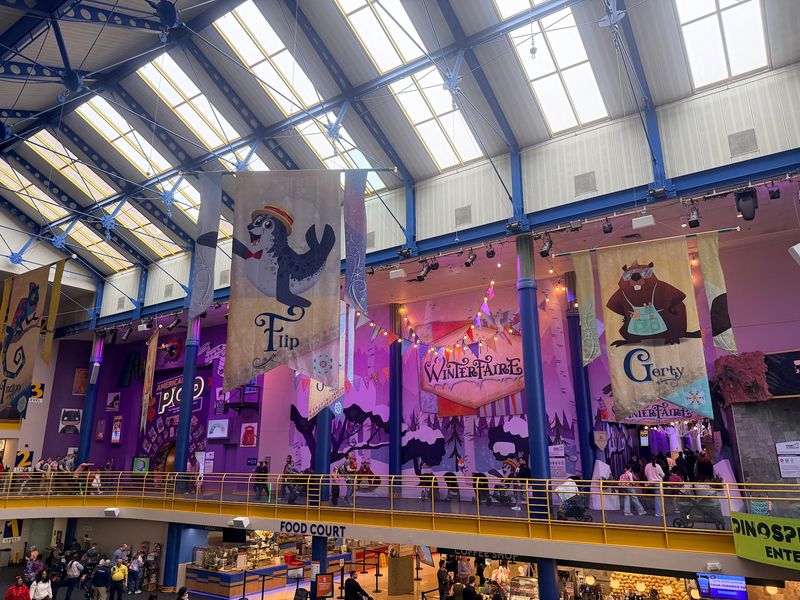
Repeat trips rarely feel repeated, thanks to a steady stream of new themes.
Rotating exhibits are a major draw. Past themes have included Mickey Mouse Clubhouse, Paw Patrol, Minecraft, Barbie, and a Scooby Doo mystery.
Seasonal events add even more variety. Winterfaire brings a cold-weather tradition, and a Halloween exhibit runs in the fall with earlier closing times.
Families with season passes take full advantage. Some report the pass paid for itself after only two visits.
That makes the museum a smart choice for local families. A new exhibit gives a fresh reason to return every few months.
Fans of specific characters should check the website ahead of time. Themed exhibits come and go, so what is open today may change later.
The rotation also helps the museum stay current. Kids see characters and ideas they already care about.
Next season’s theme is always a mystery worth solving.
No Dead Space Anywhere
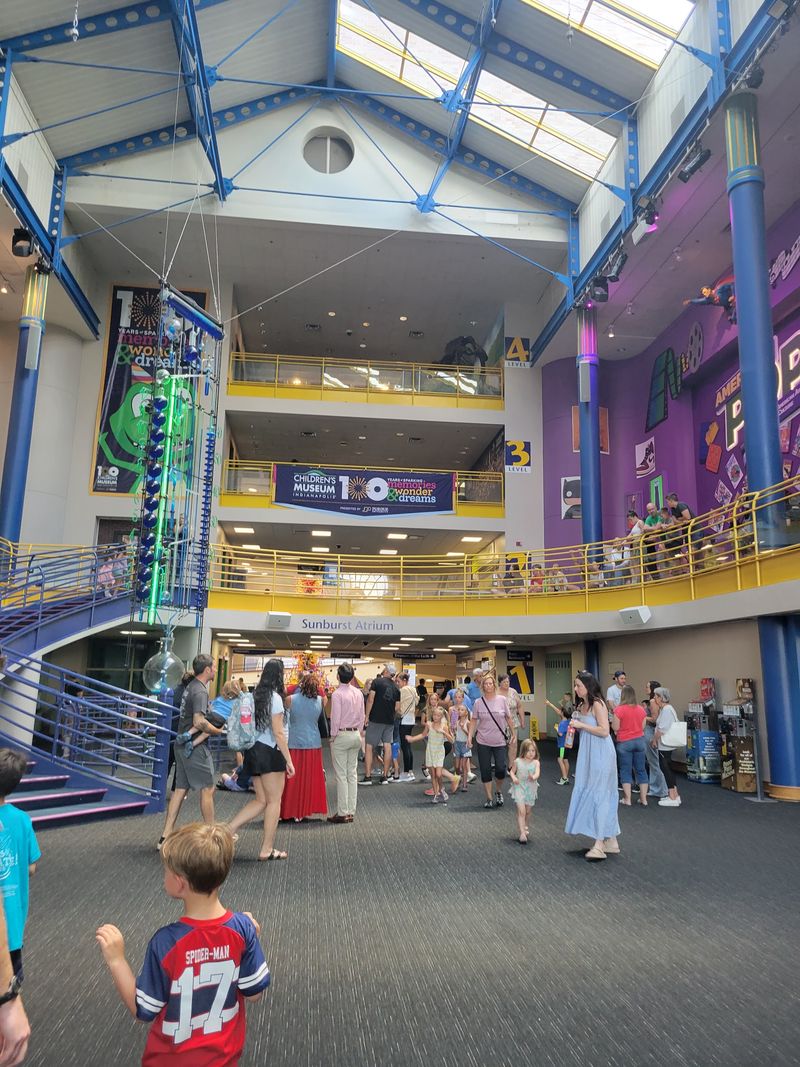
Empty rooms are hard to find in this building.
Every corner seems to serve a purpose. Hands-on stations, creative designs, and surprises fill the space from floor to floor.
Families with kids of very different ages find common ground. A one-year-old and a twelve-year-old can both stay busy in the same day.
Shows run in various exhibit areas throughout the day. They add a break from walking while still keeping minds active.
Fair notes deserve mention too. Some floors run warm, and busy areas can feel hectic when older kids rush through.
A few longtime guests feel certain sections could use updates. Most, though, leave impressed by the sheer amount on offer.
The layout makes navigation easy, with exhibits clearly labeled. Getting lost is unlikely, even in a place this big.
The atmosphere suits curious families, grandparents treating grandkids, and adults simply looking for a fun outing.
Built for Long Days and Little Legs
Comfort can make or break a full day with kids.
There is plenty of walking for adults. The good news is that benches and restrooms appear often, making breaks easy.
Restrooms are available on every level. Family restrooms are clean, spacious, and stocked with free feminine hygiene products.
Elevators connect the floors for convenience. Ramps replace stairs in many places, and they are wider than usual.
Strollers move around without much trouble. Grandparents and anyone with limited mobility benefit too.
Staff members earn steady praise for being friendly and helpful. Questions get answered, whether about exhibits or directions.
These touches matter more than they seem. A smooth day keeps meltdowns away, for kids and grownups alike.
Thoughtful planning shows up in the details, and tired feet will notice.
Fueling Up Between Floors
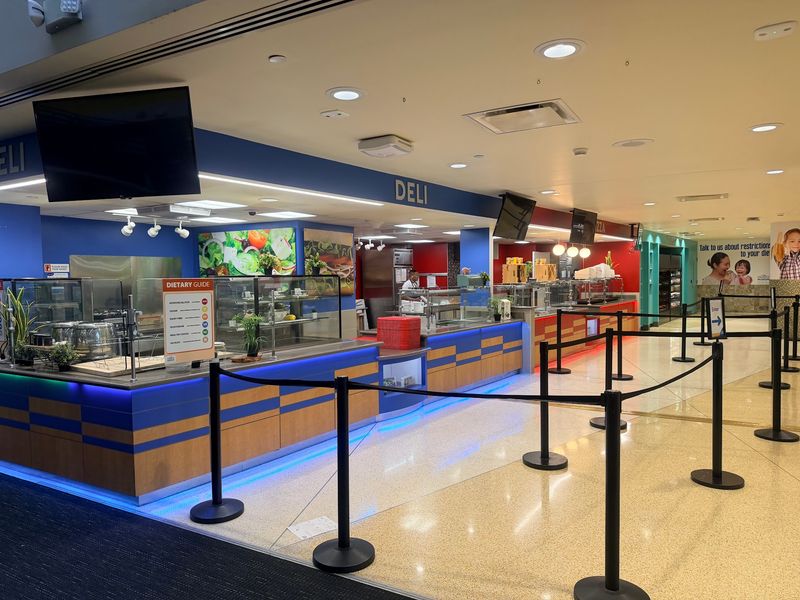
Hungry explorers have options without leaving the building.
A food court sits inside the museum. Some guests are surprised by the variety of choices in the cafeteria.
Prices on snacks and drinks run high, though. A small sports drink can cost close to six dollars.
Packing a lunch is a popular workaround. Families bring their own meals and eat in the food court area.
That approach keeps a day trip affordable. Savings can then go toward carousel rides or a souvenir.
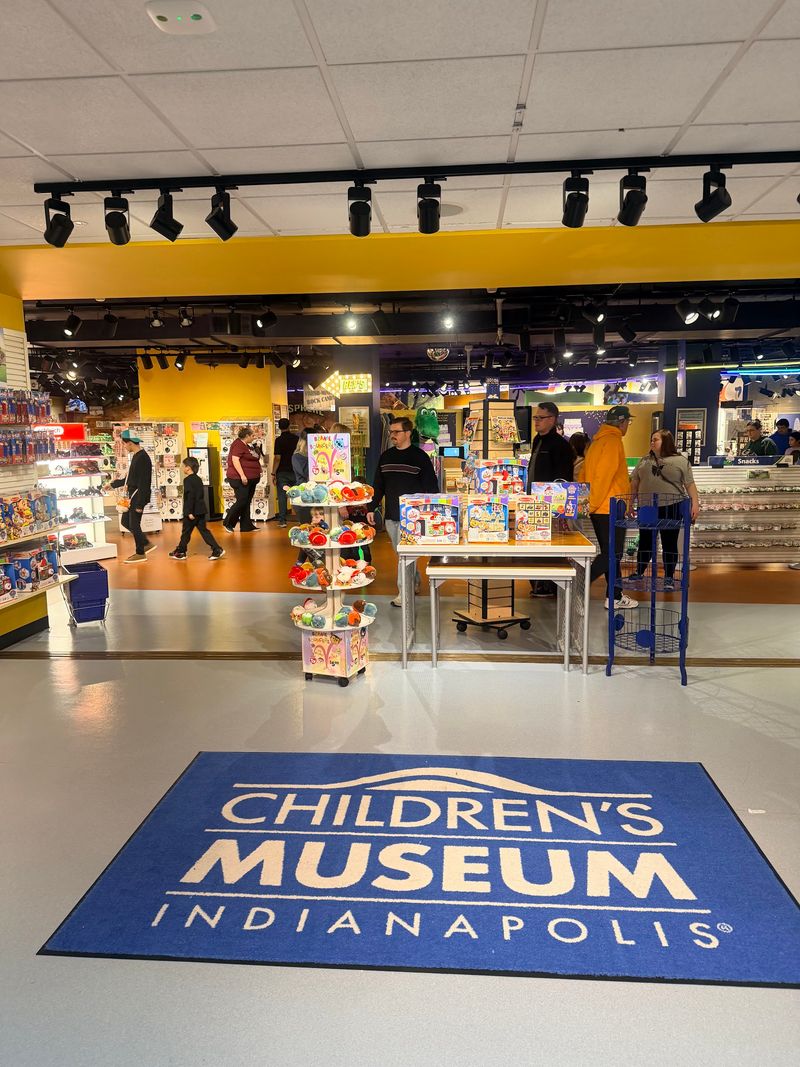
Speaking of souvenirs, the gift shop is more reasonable than expected for a major attraction. Kids can usually find something without a huge bill.
Plan meal breaks around the layout. Eating midday gives energy for the outdoor area or the upper floors.
A full stomach makes the second half of the visit just as fun as the first.
Hours, Tickets and Free Parking
A little planning goes a long way here.
The museum opens Tuesday through Sunday from 10 am to 5 pm. It is closed on Mondays, so weekend road-trippers should keep that in mind.
Adult tickets have been listed at around $32. Children’s tickets cost slightly less, though some parents note how close the two prices are.
Buying tickets online ahead of time often brings a better deal than paying at the door. It also speeds up entry.
Season passes make sense for families planning return trips. They can pay off after only a couple of visits.
Parking is free, a big plus compared with many city attractions. Getting in is usually quick and simple.
Plan for more than half a day. Many families stay from opening to close and still miss something.
Current details are posted at childrensmuseum.org. Checking before departure keeps surprises limited to the fun kind.
Worth Every Mile of the Drive
Some trips earn their reputation, and this one has earned it many times over.
The museum mixes real science, art, culture, and pure play in one huge building. Toddlers, teens, parents, and grandparents all leave with something to share.
It works as a rainy-day plan, a winter escape, or a full summer outing. Some families even use it as a backup when the zoo feels too warm.
Not every exhibit will win every heart. Prices on snacks and tickets add up, and busy areas need watchful eyes.
Yet free parking, two-dollar carousel rides, and smart ticket deals help keep the day reasonable. Packing a lunch helps even more.
For Hoosiers, the real treat is knowing that the biggest children’s museum around is a short drive away. No flight to New York or London is required.
Load up the car, plan for a full day, and expect a quiet ride home. Sleeping kids in the back seat might be the best proof of a great visit.