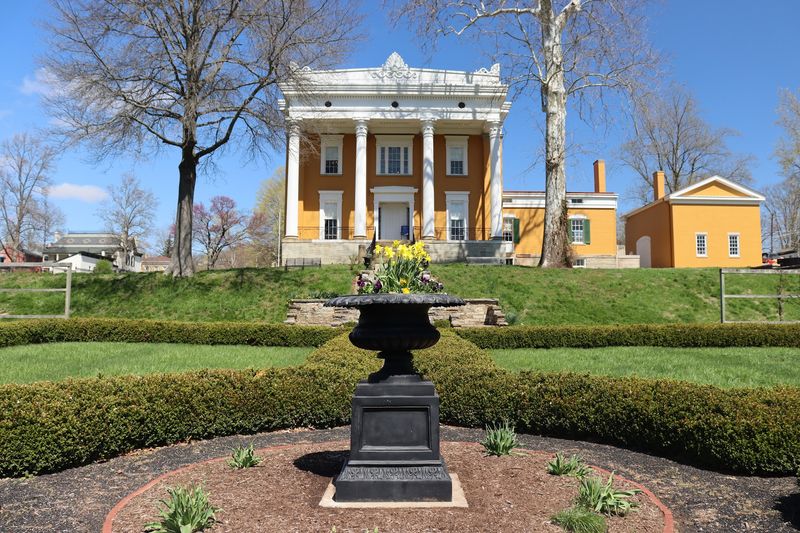
Some towns look like they were built on a studio lot, with brick storefronts, a courthouse up the street, and a wide river at the end of every block. Southern Indiana has one of those towns, and it is not a set.
Real people live here, run shops here, and wave at the barges going by. The streets look ready for a small-town romance plot, the kind where a big-city visitor gets stuck for the holidays and never wants to leave.
Snow is not guaranteed, and nobody will hand out a script at the city limits. Still, the setting does most of the work on its own.
Keep reading for the history, the river views, the parks, the old homes, and the practical tips that turn this place into a worthy weekend drive for the whole family.
A River City With a Main Character Address
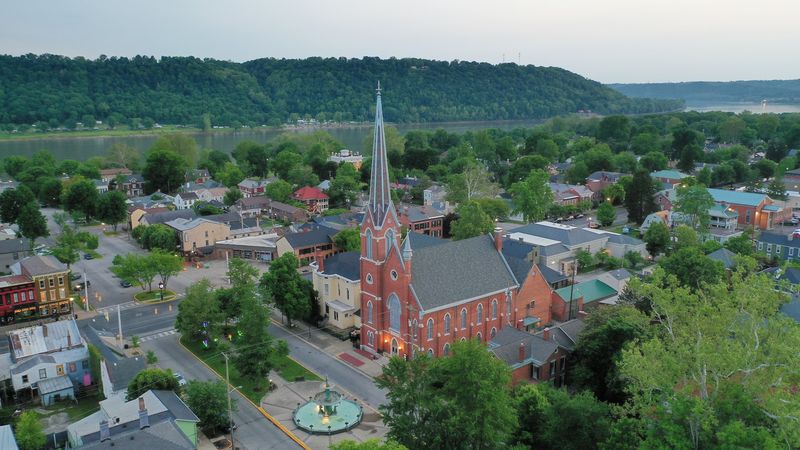
Every good small-town story needs a map pin, and this one lands right on the Ohio River. The town is Madison, with an address listed as Madison Township, IN, USA, in the southeastern corner of Indiana.
Madison serves as the county seat of Jefferson County. That means the courthouse, the county business, and plenty of the local bustle all center here.
The 2020 census counted 12,357 residents in the city. That number keeps it small enough to feel personal and big enough to stay busy.
Zoom out a little and the picture grows. More than 55,000 people live within 15 miles of downtown, so the town acts as a hub for the surrounding area.
Here is the stat that surprises a lot of Hoosiers. Madison is the largest city along the Ohio River between Louisville and Cincinnati.
That is a long stretch of river, and this town claims the top spot on it. For a place that looks like it belongs on a holiday greeting card, it carries a lot of regional weight.
So the setting is clear. A historic county seat, a river on one side, and hills rising behind it.
Now comes the fun part, which is figuring out why the whole place looks like a movie crew forgot to pack up and go home.
Why the Ohio River Shaped Everything
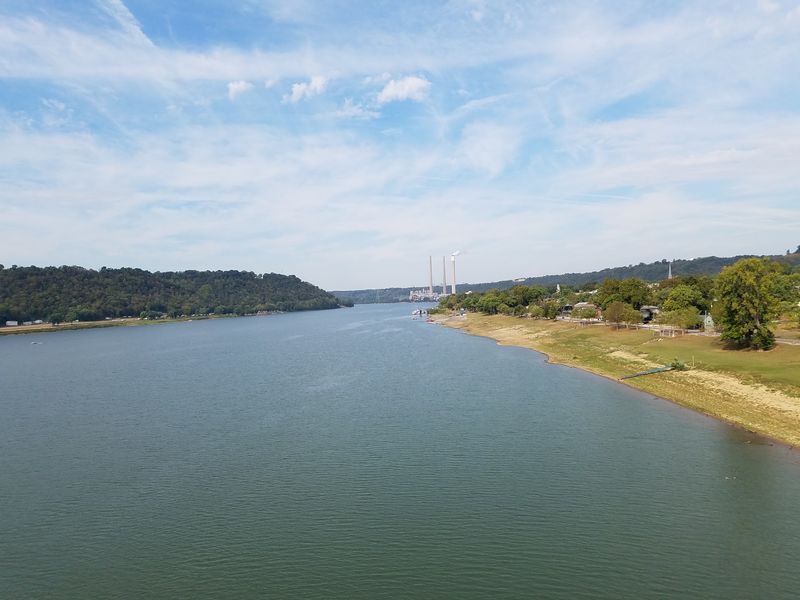
Long before highways, the river was the interstate. Towns that sat on the Ohio had a direct line to trade, travel, and new arrivals heading west.
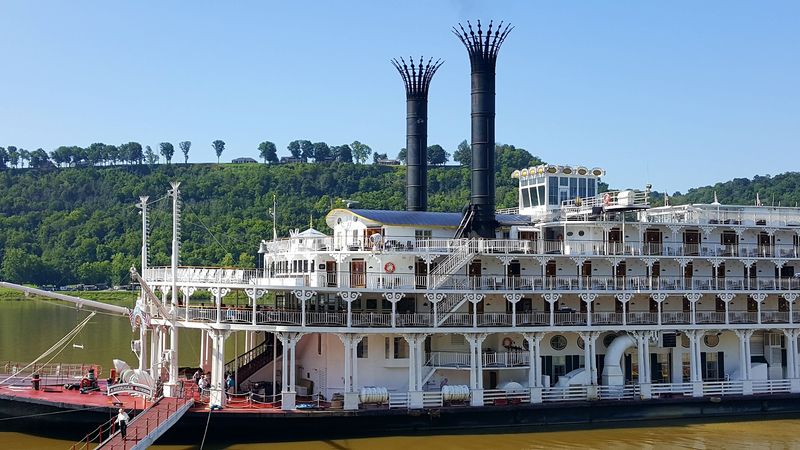
Madison grew up facing that water. Its early streets were laid out close to the river, and its fortunes rose with the steamboat traffic that moved goods up and down the valley.
That early boom matters for today’s trip. Money from river trade went into solid brick buildings, churches, and fine homes, many of which still stand.
Plenty of river towns lost their old buildings to new development over the decades. Madison kept a remarkable share of its nineteenth-century look, and that is the main reason it reads like a film set.
The river still sets the rhythm. Barges still pass, and the riverfront remains a favorite place to sit and watch the day go by.
It also explains the geography. The town sits on a narrow strip near the water, with bluffs climbing steeply behind it, so the downtown feels tucked into its own little valley.
That tucked-in layout is a big part of the charm. There is a clear edge to the town, a clear center, and a clear sense that the river has been the main character from day one.
Every other chapter in Madison’s story flows from that water, quite literally.
Blocks Upon Blocks of Old Brick
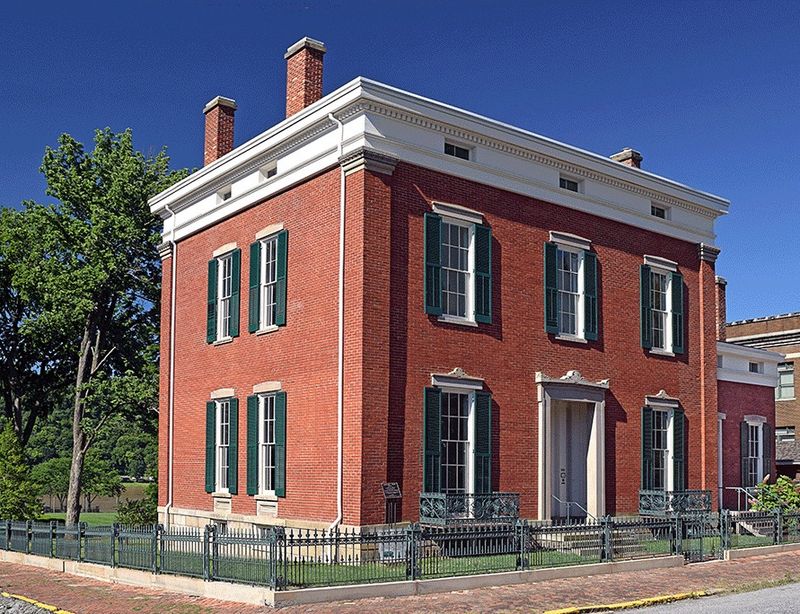
Fair warning for anyone who loves old buildings: plan extra time. Madison’s historic district is one of the largest in the country listed on the National Register of Historic Places.
The district covers well over a hundred blocks of the town. It was also designated a National Historic Landmark district, which is a big honor reserved for places of national significance.
What that means on the ground is simple. Block after block, the architecture holds together, with Federal, Greek Revival, and Italianate styles sitting side by side.
Plenty of towns have one cute street. Madison has a whole neighborhood’s worth, which is why it keeps getting compared to a holiday movie backdrop.
The best approach is a slow walk with no fixed route. Side streets reward the curious just as much as the main drag does.
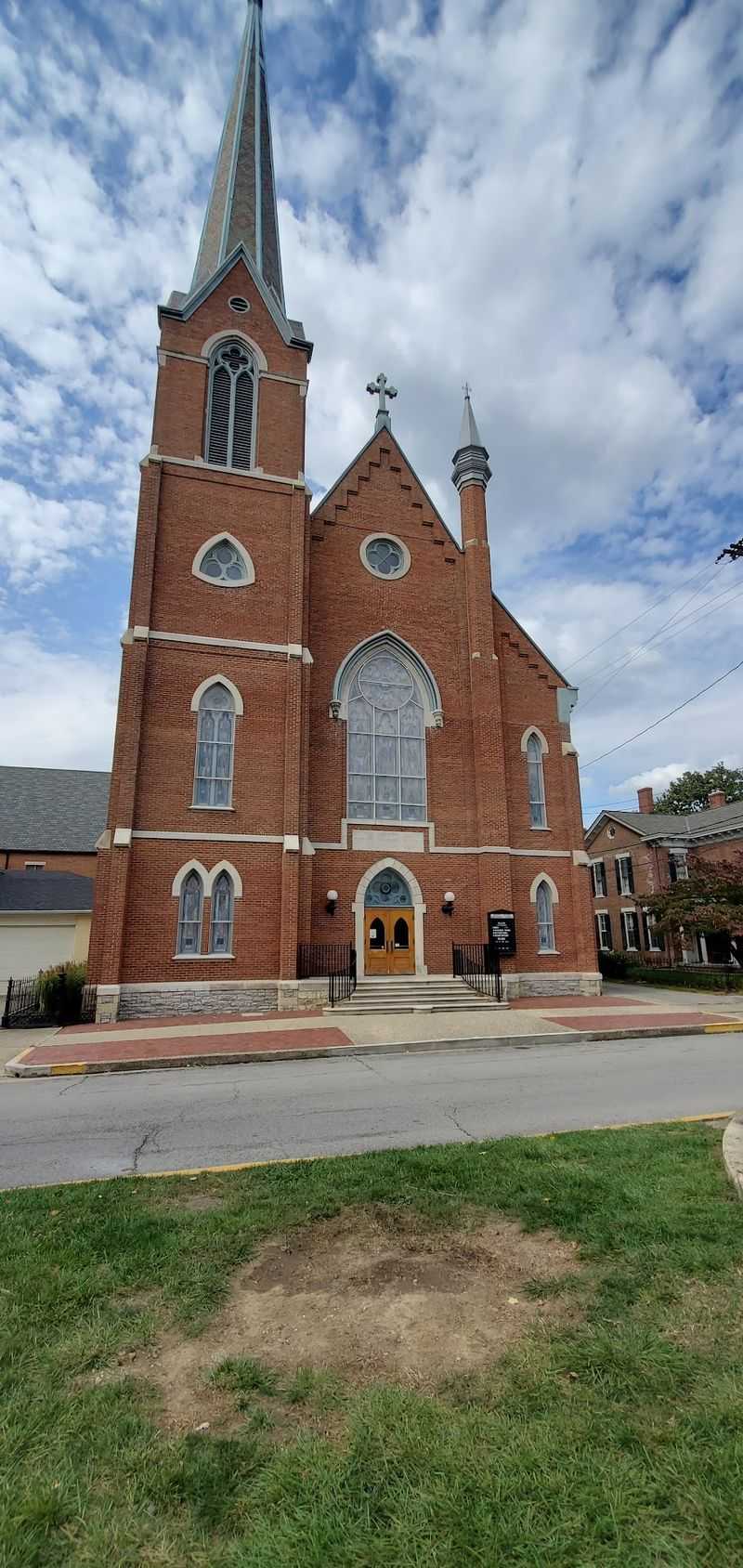
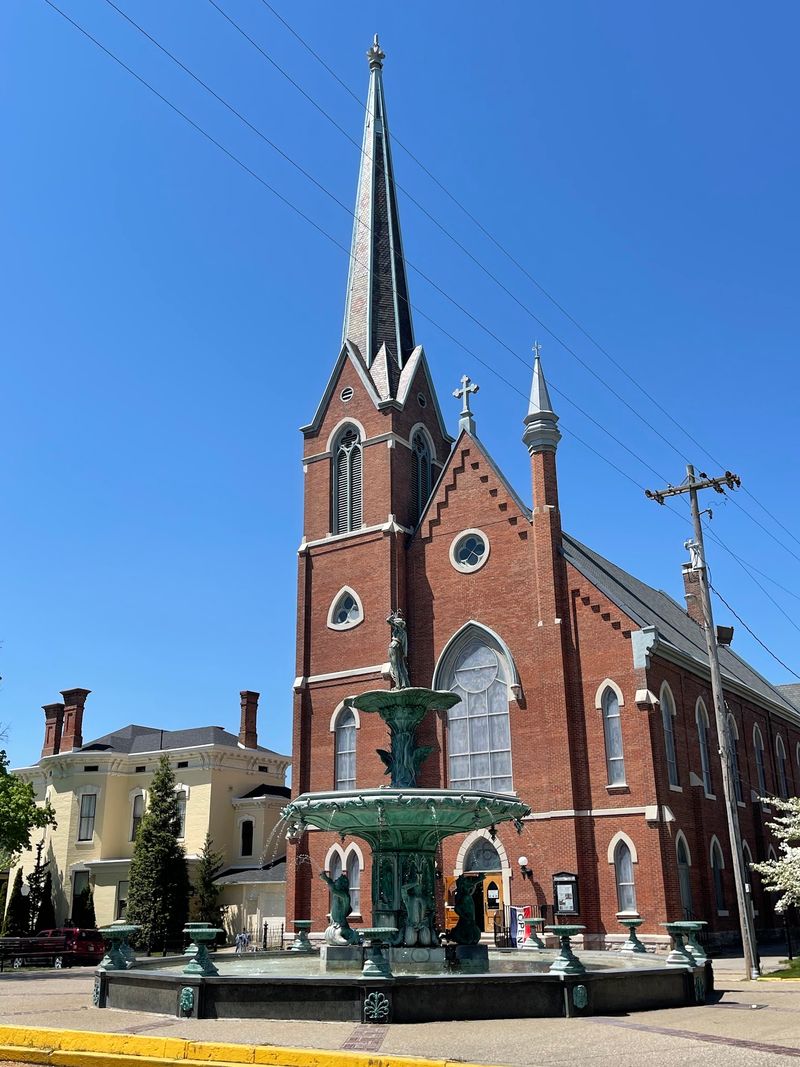
Look for the details. Iron railings, tall windows, old church steeples, and carefully kept porches show up again and again.
Many of the buildings are private homes, so respect is part of the deal. Admire from the sidewalk and leave the yards to the people who live there.
History buffs, photographers, and anyone who just likes a pleasant stroll will find plenty to do here without spending a dime. Old brick turns out to be one of the best free attractions in Indiana.
Main Street, the Original Pilot Episode
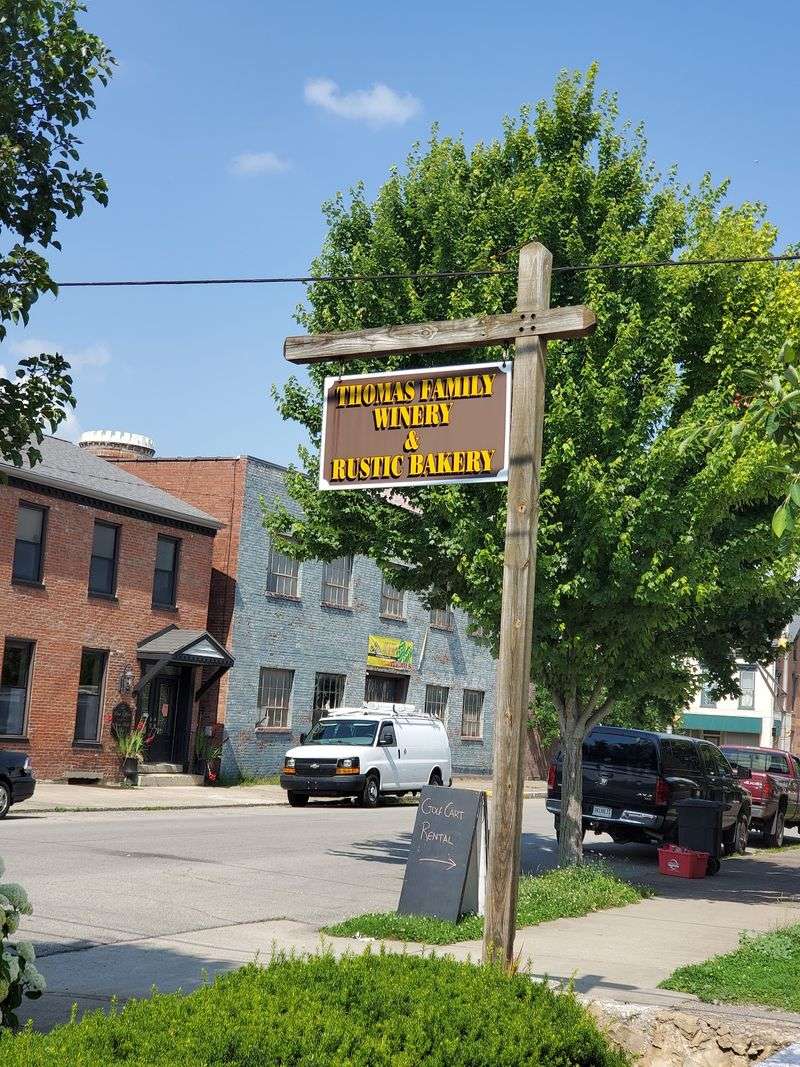
Here is a bit of trivia that fits the movie theme. Madison was one of the original pilot towns for the National Trust for Historic Preservation’s Main Street program in the 1970s.
That program focused on bringing old downtowns back to life by saving their buildings and supporting local businesses. Madison was part of the very first test run.
The results show today. Main Street holds a mix of independent shops, places to eat, and storefronts that still fit their historic frames.
It is the kind of street where a visitor can park once and spend an afternoon on foot. Window shopping counts as a legitimate activity here.
Holiday movies love a downtown full of family-run stores, and this one delivers the real version. Owners often greet people at the door, and local business is the point rather than an afterthought.
Shop lineups change over time, so it pays to wander rather than hunt for one specific spot. Part of the fun is stumbling on something new.
A downtown loop also connects easily to the riverfront and the residential streets. Nothing feels far apart, which helps families with kids and anyone who prefers shorter walks.
For a town that helped write the playbook on saving Main Streets, it is fitting that its own is still the star of the show.
The Mansion That Helped Fund a State
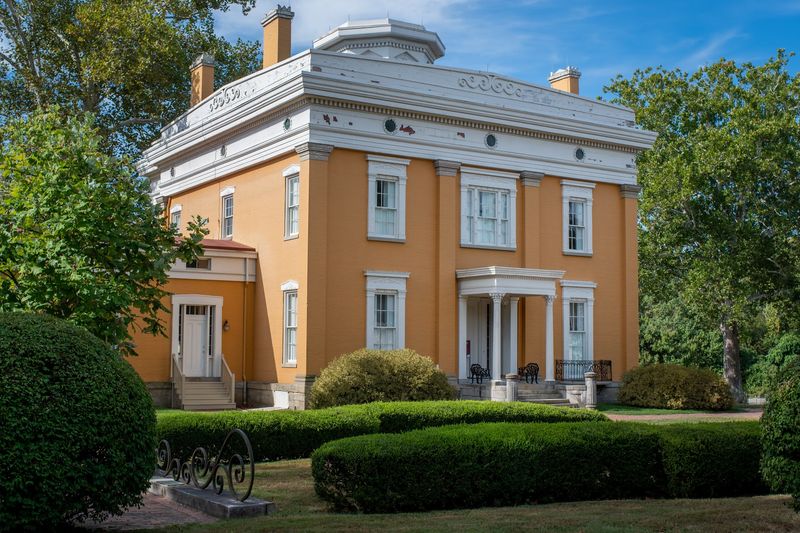
Some houses are pretty. A few actually changed history.
The Lanier Mansion falls into the second group.
Built in 1844, the Greek Revival home belonged to James F. D.
Lanier, a banker whose wealth grew with the river economy. Its columned side faces the Ohio, a reminder of where that money came from.
Lanier is remembered for loaning money to the state of Indiana during the Civil War era. Those funds helped the state keep things running at a hard time.
Today the home is a State Historic Site. It offers a look at how a wealthy river family lived in the middle of the nineteenth century.
The grounds are a big part of the draw. Gardens stretch toward the river, and the setting looks like the opening shot of a period drama.
Tour hours and admission details can change by season. Checking with Indiana State Museum and Historic Sites before the drive saves any guesswork.
Families with history-loving kids tend to get a lot out of a visit like this. It turns a textbook chapter into a real place with real rooms.
Not bad for one house on a quiet street, considering it helped keep a whole state on its feet.
Waterfalls Just Outside the Storybook
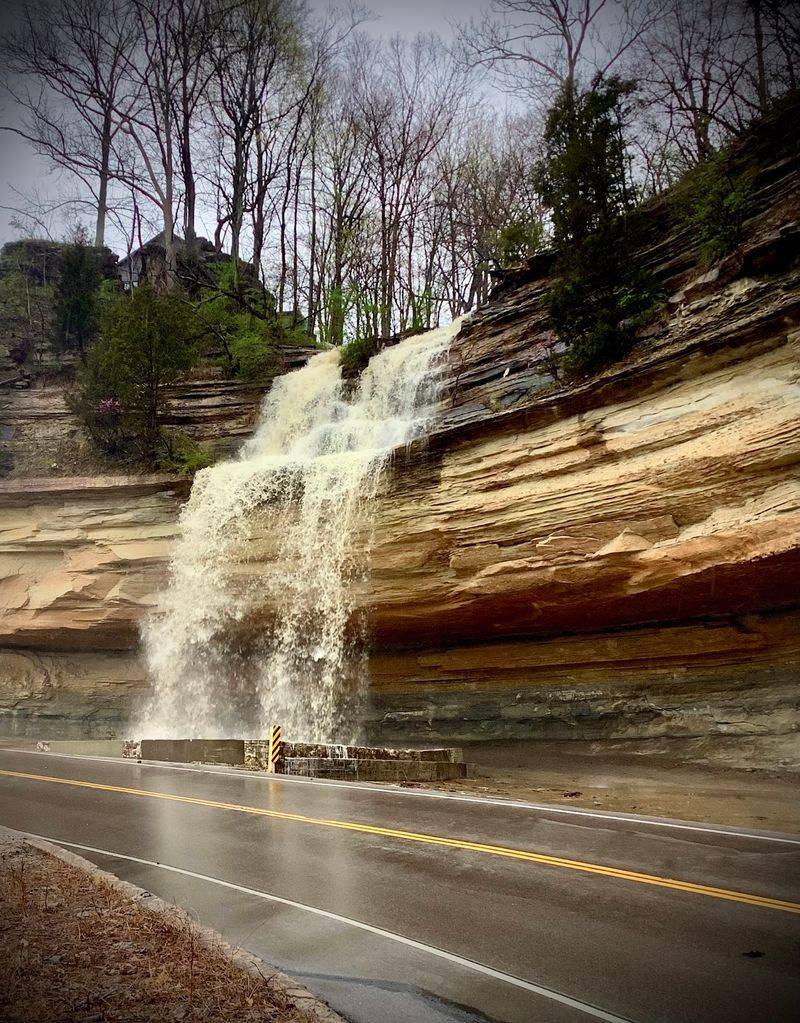
Plot twist: the cozy small town has a rugged side. Clifty Falls State Park sits right on the edge of Madison.
The park is known for its deep canyon and a series of waterfalls that drop over rock ledges. It is one of the more dramatic natural settings in southern Indiana.
Trails range from easy overlooks to rough paths that demand good shoes and patience. Some routes cross creek beds and rocky ground, so trail conditions are worth checking at the park office.
The falls tend to be at their fullest after rain. Dry spells can slow them down, so timing matters for anyone chasing the big waterfall photo.
Overlooks along the bluffs also offer views down toward the river valley. Those spots show just how high the hills rise above town.
As a state park, Clifty Falls charges an entrance fee per vehicle. Current rates are posted by the Indiana Department of Natural Resources.
Pairing the park with a downtown stroll makes for an easy full-day plan. Hike in the morning, then head into town for lunch and shopping.
A holiday movie would never think to add a canyon to its quaint little town. Madison went ahead and did it anyway.
A Riverfront Made for Lingering
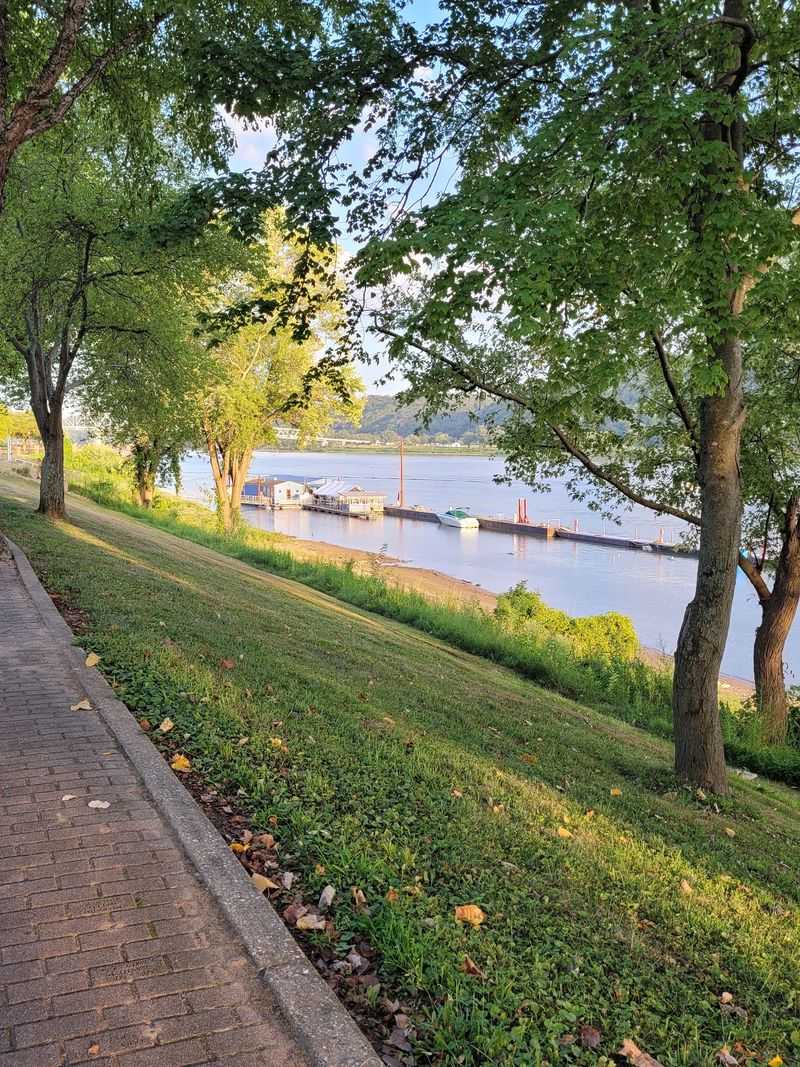
Some of the best moments in Madison cost nothing and require zero planning. The riverfront is where they usually happen.
A walking path runs along the Ohio, giving people room to stroll, sit on a bench, and watch the river traffic. Families with strollers and folks who like an easy, flat walk both do well here.
Across the water sits Kentucky. The view of the hills on the far bank adds to that tucked-away, small-town look.
River barges move slowly past, and kids tend to get a kick out of counting them. It is a low-key kind of entertainment that never gets old.
The riverfront also connects back to downtown in just a few blocks. That makes it easy to mix a walk with shopping or a meal.
Golden hour is a popular time for photos. The light across the water and the historic skyline behind it make for frames that look like a postcard.
For retirees and slow travelers, this might be the highlight of the trip. There is no schedule, no ticket, and no rush.
A town this busy with history still knows how to sit back and let the river do the talking.
The Bridge to Kentucky
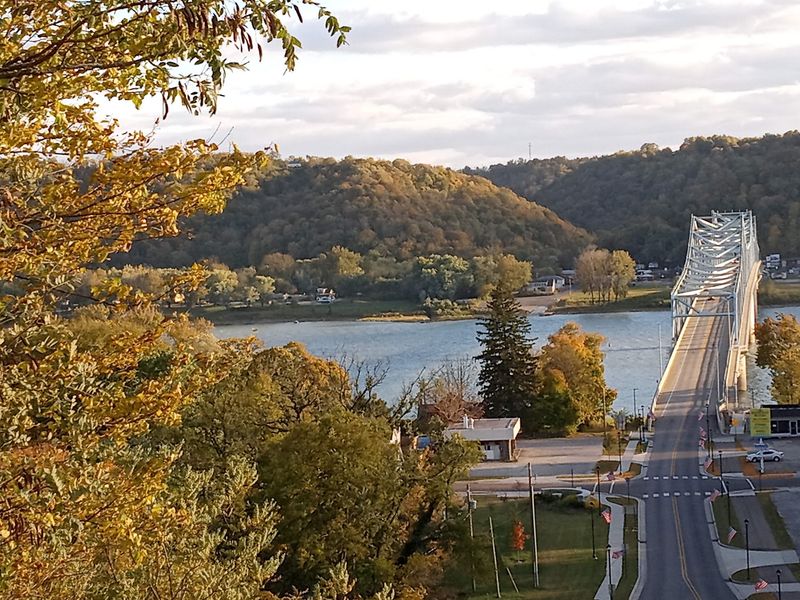
Engineering fans, this one is for you. The Milton-Madison Bridge links Madison with Milton, Kentucky, across the Ohio River.
The current truss span opened in 2014. It became famous in engineering circles because crews built it beside the old piers and then slid it sideways into place.
That approach, called truss sliding, set records for a bridge of its kind. It also helped keep the river crossing closed for a shorter period than a traditional rebuild.
For travelers, the bridge is practical as well as photogenic. It makes a quick hop into Kentucky easy for anyone wanting to add a second state to the weekend.
From the riverfront, the span forms a strong backdrop. It shows up in plenty of photos of the town, especially at sunset.
The bridge also connects Madison to the wider region. Residents on both sides of the river cross it for work, shopping, and errands.
It serves as a reminder that a river town has always been about connections. The ferries and steamboats of the past have simply been replaced with steel.
Not every small town can say its bridge made engineering history, but this one can, and it slid right into the story.
Hydroplanes on the Ohio
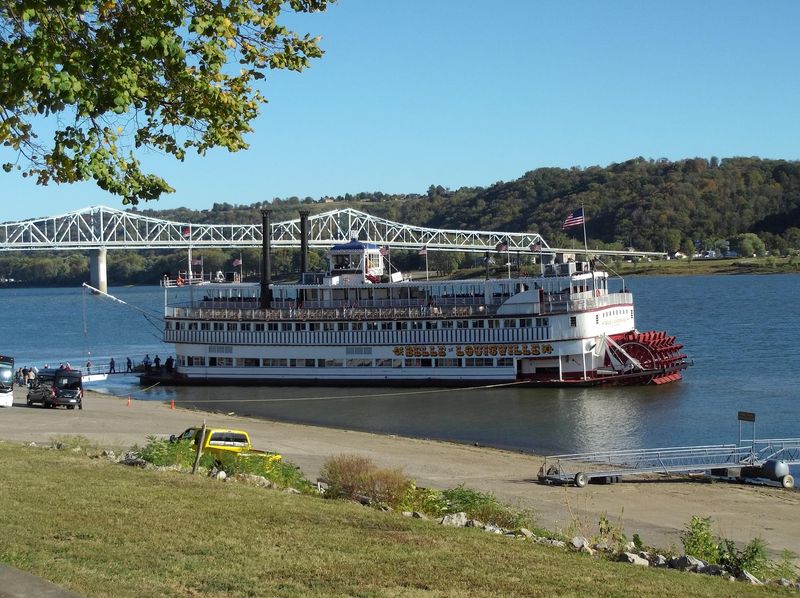
Quiet river town by day, speedway by summer weekend. The Madison Regatta brings hydroplane racing to the Ohio River.
The event has a long history, stretching back many decades, and the town has become closely tied to the sport. Big race boats tear across the water in front of crowds lining the bank.
Madison is one of the smaller communities to host this kind of racing. That small-town angle is part of what makes the event stand out.
The story of the local team and the regatta even inspired a movie, called Madison, which told the tale of the town’s hometown boat. So the Hallmark comparison is not totally off base, since Hollywood has already visited.
The regatta usually takes place in summer, often around the Fourth of July season. Dates, ticket details, and schedules are set each year, so checking the official regatta site is the smart move.
Families should plan for a crowd during race weekend. Lodging fills up fast, and parking takes extra patience.
For racing fans, though, it is a bucket-list stop in Indiana. Few places mix historic charm and high-speed boats quite like this.
The movie town has a need for speed, and it shows up every summer right on schedule.
Hollywood Already Took Notice
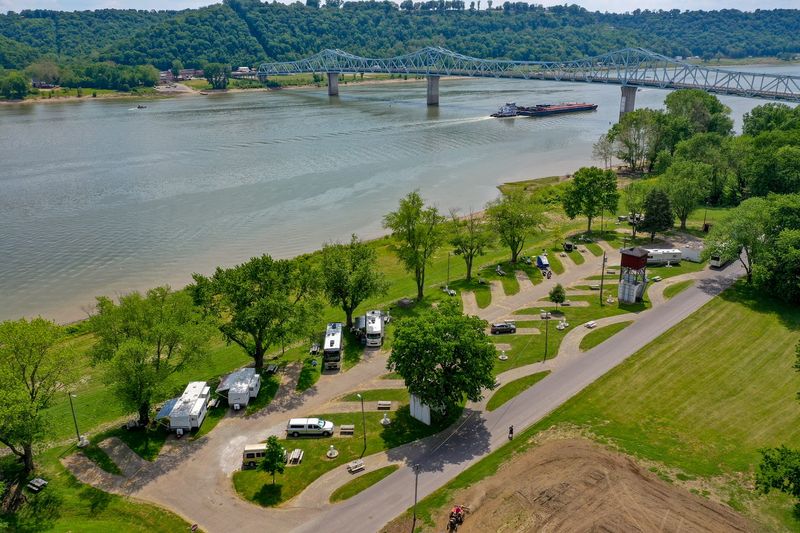
Calling Madison a movie town is more than a cute headline. Filmmakers have actually chosen it as a backdrop.
The 1958 film Some Came Running, starring Frank Sinatra, Dean Martin, and Shirley MacLaine, was shot on location in Madison. The town stood in for a Midwestern setting on the big screen.
That fits, since the historic streets already look the part. Very little set dressing is needed when the real buildings date back to the 1800s.
Later, the story of the town’s hydroplane team became the subject of the film Madison. That one leaned into the community’s love of the river and its racing tradition.
Movie fans like to walk downtown and spot streets that still look much like they did decades ago. It adds a fun layer to an ordinary stroll.
For nostalgia lovers, this connection is a big draw. Classic Hollywood and a classic Indiana town make for a strong pairing.
It also helps explain the feeling that a camera crew might turn the corner at any moment. The town has been camera-ready for a very long time.
Holiday movie producers, take note. The location scouting has already been done for you.
Holiday Season, Small-Town Style
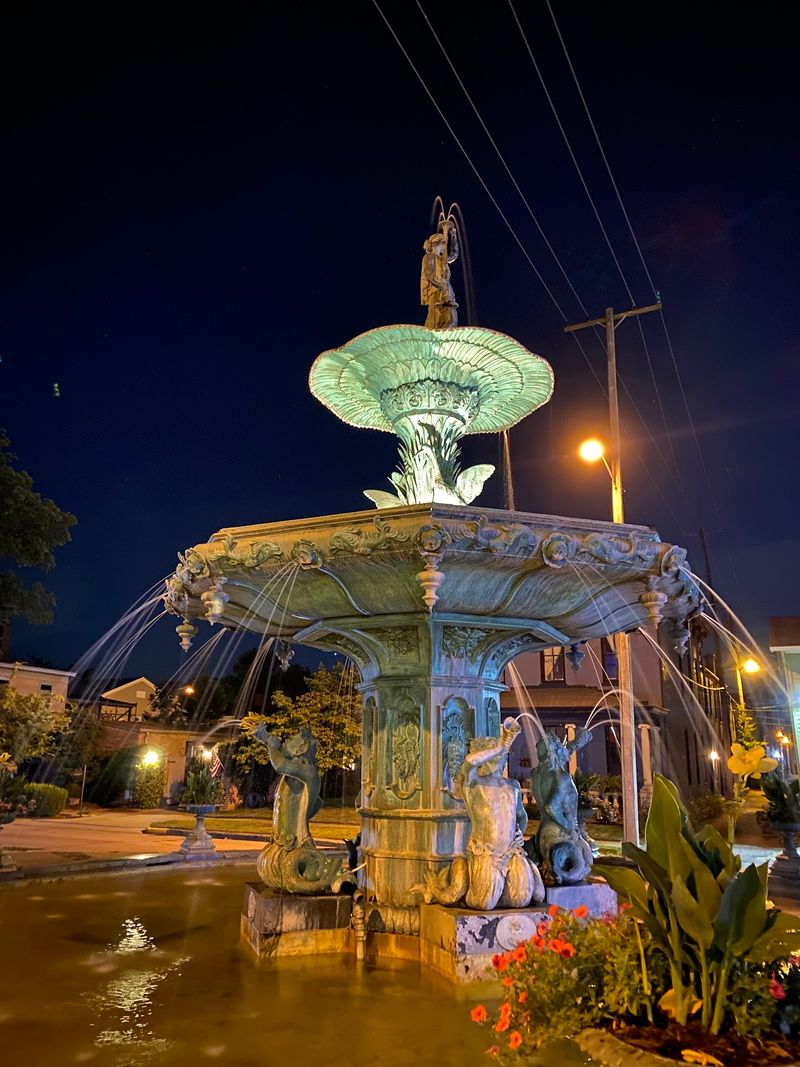
So, about that Christmas festival. Madison does lean into the holidays, and the historic setting makes the season look straight out of a made-for-TV movie.
The town has a tradition of holiday events, including a candlelight tour of historic homes known as the Nights Before Christmas. Downtown businesses and residents often decorate for the season.
Event details change from year to year. The local tourism office posts current dates, ticket information, and schedules, so it pays to check before planning around a specific night.
Snow is a different story. Southern Indiana winters vary, and some Decembers stay brown while others turn white, so nobody can promise flakes on cue.
Even without snow, the decorated brick storefronts and wreath-lined porches do plenty of heavy lifting. It is the kind of scene that ends up on a holiday card.
Families looking for a cheap seasonal outing will find that strolling downtown is free. Paid tours and events are optional extras.
Holiday weekends can bring bigger crowds, so booking lodging early makes sense. Small towns have a limited number of rooms.
The scriptwriters may not show up, but the town still sets the stage for a story worth telling.
Who Falls Hardest for This Town
Not every destination suits every traveler, but Madison casts a pretty wide net. A few groups tend to get the most out of it.
History lovers sit at the top of the list. The historic district, the Lanier Mansion, and the old churches give them days of material.
Families with kids have plenty to work with too. A waterfall hike at Clifty Falls, a riverfront walk, and barge watching keep younger travelers busy without a big budget.
Retirees and slow travelers often appreciate the pace. Downtown is compact, the riverfront is flat, and nobody is in a hurry.
Photographers find endless frames. Old facades, the bridge, the river, and the bluffs all make strong subjects in any season.
Couples looking for a quiet weekend away also fit right in. The town has the cozy, small-scale setting that makes a short getaway feel special.
Outdoor fans who want trails and towns in one trip get both here. Few places in Indiana pair a rugged state park with a landmark historic district this closely.
In short, it is a we-should-go kind of place. The hardest part may be convincing everyone in the car to leave when the weekend wraps up.
Getting There and Planning the Trip
Good news for road-trippers: Madison sits within easy reach of several big cities. It works well as a day trip or a relaxed overnight.
The town lies on the Ohio River between Louisville and Cincinnati. Drivers from Louisville can reach it in roughly an hour, while Cincinnati is a bit farther.
From Indianapolis, plan on about two hours of driving, depending on the route and traffic. State highways lead into town, and the final approach drops down from the bluffs toward the river.
Hours for attractions vary. State historic sites and the state park set their own schedules, and shops downtown keep their own hours, so a quick check online helps.
Costs can stay low. Strolling the historic district and the riverfront is free, while the state park and mansion tours carry their own fees.
Comfortable shoes are a must. Downtown is walkable, but the hills and park trails make for real exercise.
Big event weekends, such as the regatta or holiday tours, call for early lodging plans. Quiet weekdays offer easier parking and a calmer feel.
A little planning goes a long way here. Map it, check the calendar, and let the river town take it from there.
The Verdict on Indiana’s Movie-Set Town
After all the history, hikes, and holiday talk, one question remains. Does Madison live up to the Hallmark hype?
For a lot of travelers, the answer leans toward yes. The town offers a real historic district of national importance, a river setting, and a downtown that still runs on local businesses.
It also brings surprises that a typical movie town would not. Waterfalls in a canyon, record-setting bridge engineering, and hydroplane races add twists to the plot.
Hoosier pride plays a role too. As the largest city on the Ohio between Louisville and Cincinnati, Madison carries a lot more weight than its small-town look suggests.
Value is part of the appeal. Many of the best experiences, from street strolls to river views, cost nothing at all.
No one can promise snow on the day of arrival. No one can guarantee a festival every weekend either.
What the town does guarantee is a setting that looks ready for a happy ending. The rest depends on the people who show up.
Pack the car, bring the family, and give this river town a starring role in the next weekend plan. The credits can roll whenever everyone is ready to head home.