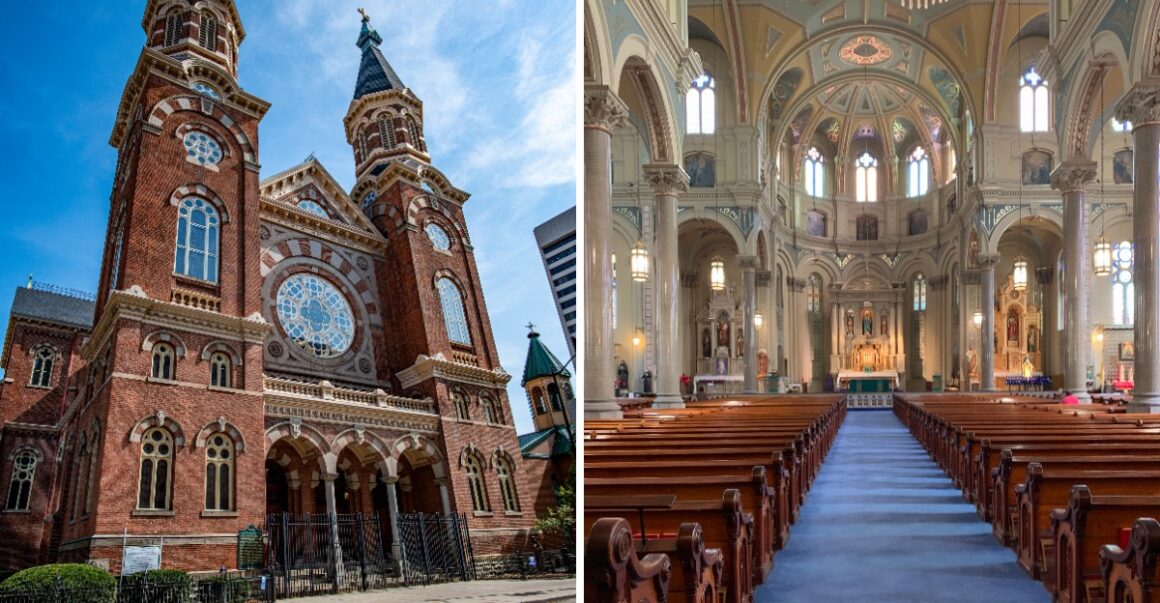
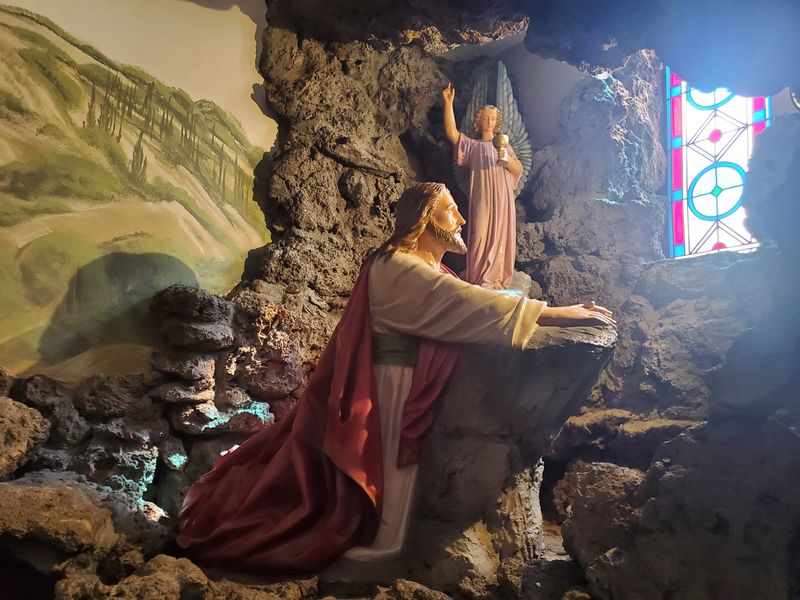
Downtown Detroit is loud, busy, and always moving, yet one set of heavy doors opens onto a world that feels centuries removed from the traffic outside. Behind them sit carved stone grottos, one honoring Mary and another honoring Jesus, tucked into a church built back in 1884.
Plenty of Michiganders have driven past those twin towers on the way to a game or a casino night out and never once stepped inside. That is a shame, because the doors are open most days, looking around costs nothing, and the parish sits right in the middle of the city’s oldest stories.
Here is what waits inside, when to go, and why the trip downtown is worth it.
A Landmark Hiding in Plain Sight on Monroe Street
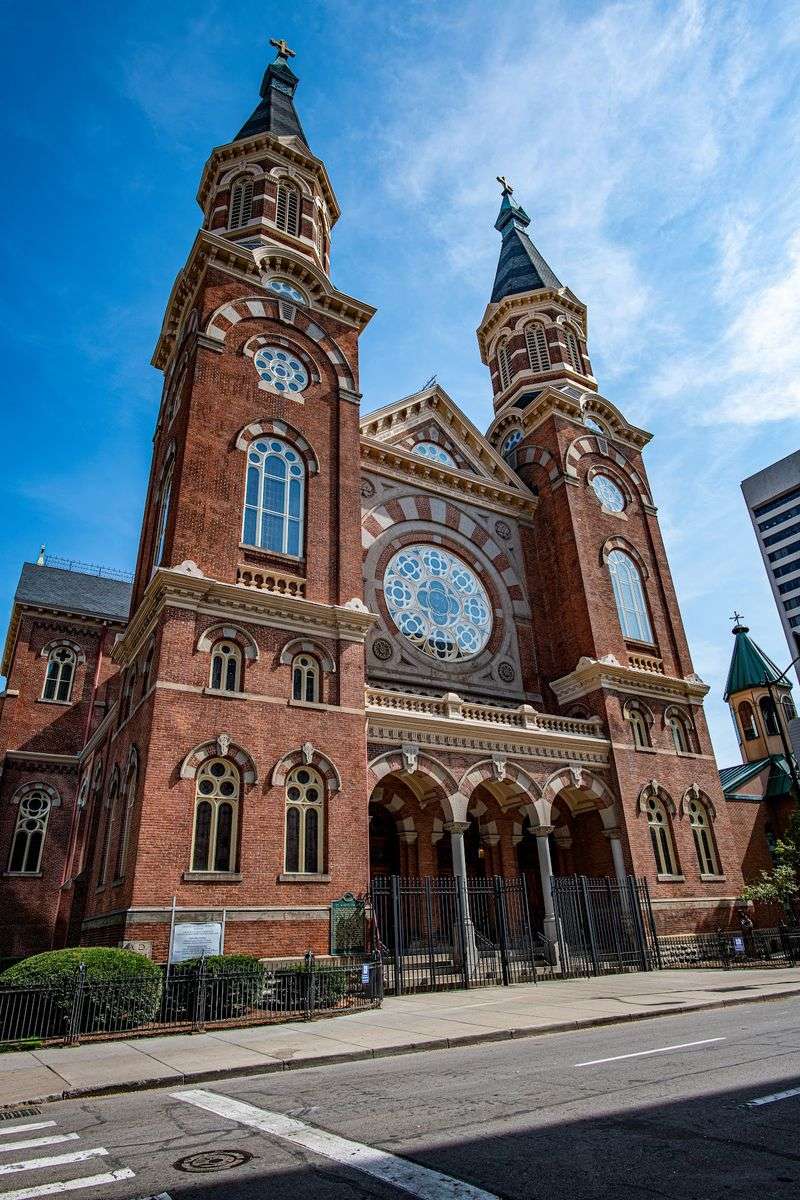
Old St. Mary’s Catholic Church stands at 646 Monroe St, Detroit, MI 48226, in the heart of downtown Detroit, Michigan. Its twin towers rise above the Greektown blocks, so finding it is the easy part.
Getting people to notice it is another matter. Crowds stream past on their way to restaurants and events, often without a second glance at the 1800s facade.
The building is a working Catholic parish, not a museum. Masses happen daily, and the doors open to anyone who wants to wander in quietly and look around.
That mix makes it unusual among Detroit attractions. It is a place of worship first, yet it welcomes curious guests who simply want to admire the craftsmanship.
For Michigan families planning a downtown day, the location is a bonus. It sits close to other city sights, so a stop here fits neatly between lunch and a stroll.
The church carries a 4.8-star standing across more than 400 opinions online, which says a lot about how people feel once they finally step inside. Most leave wondering why they waited so long.
Roots Reaching Back to 1884
Some buildings carry a city’s memory better than any textbook. Old St. Mary’s is known as Detroit’s third-oldest Roman Catholic parish, and the current church was built in 1884.
That date puts it among the downtown structures that have watched Detroit change again and again. The streets around it have shifted, but the church has stayed put.
Many people describe it as a long-standing pillar of the city. The parish is closely tied to the history of downtown, which is why even non-Catholics find it worth a visit.
Its official description calls it a monumental 19th-century church. That word fits, since the scale alone suggests how important the parish was to Detroiters back then.
The name itself offers a small clue. The word Old helps set it apart from other Detroit churches honoring Mary, and it hints at the deep roots underneath.
Knowing the backstory changes the way the space feels during a walk-through. Every column and carving becomes part of a story more than 140 years in the making.
The Stone Grottos of Mary and Jesus
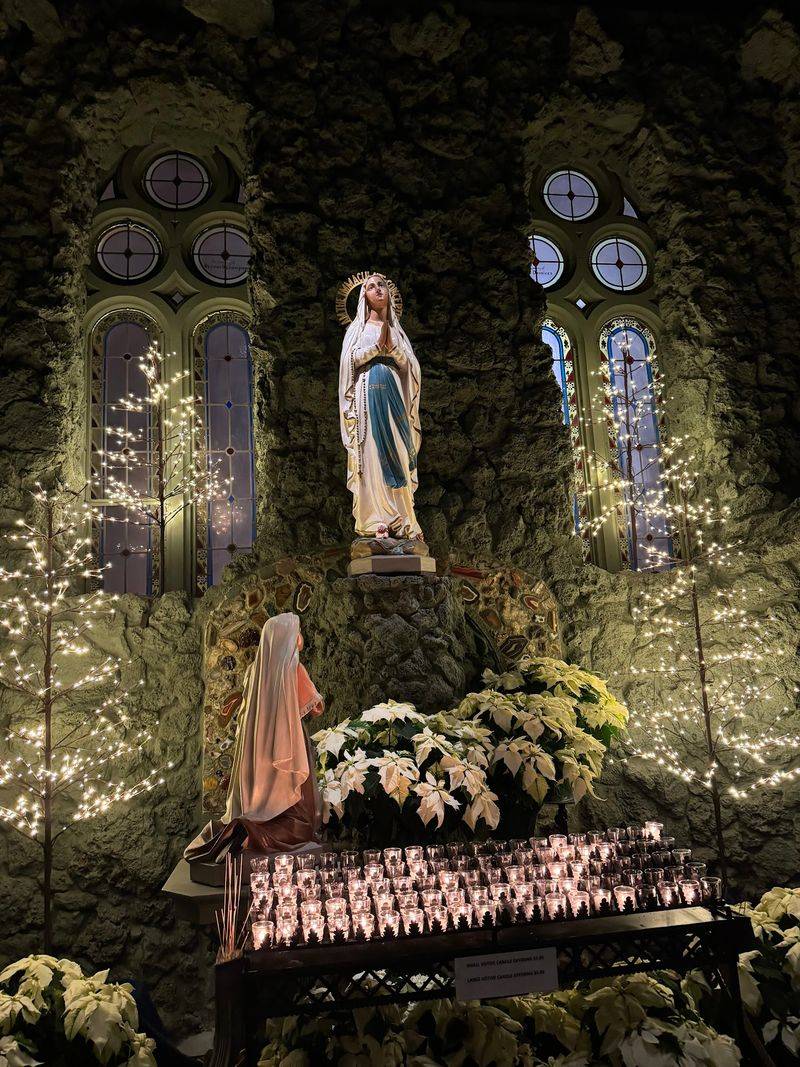
Here is the surprise most Michiganders miss. Inside the church, stone designs form grotto-style shrines, with Mary on one side and Jesus on the other.
They are not the first thing people expect in a downtown Detroit church. The rocky texture stands apart from the polished columns and painted details around it.
Guests from as far as Toronto have singled out these stone shrines as a favorite feature. The pairing of the two figures on opposite sides gives the interior a balanced look.
Each grotto works as a quiet devotional corner. People often pause there to pray, so a respectful distance goes a long way.
Photographers love them, though timing matters. Visiting outside of Mass and adoration makes it easier to take a closer look without disturbing anyone.
For a church already packed with artwork, the grottos are a hidden layer worth seeking out. Ask a family member to spot both before leaving, and see who finds them first.
Twin Towers Over Greektown
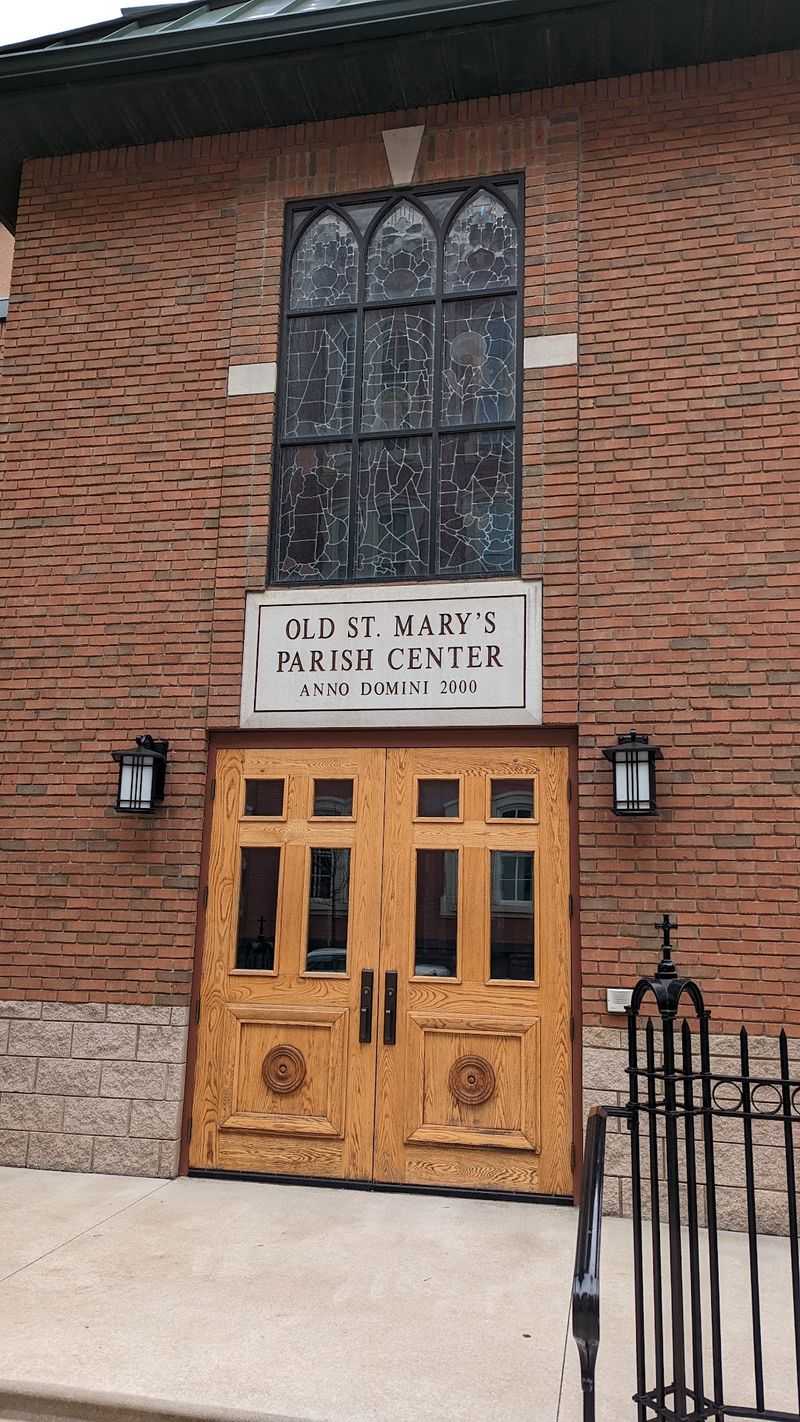
Look up before going in. The landmark twin towers are the church’s signature, and they have been guiding eyes across downtown for generations.
They make the building easy to spot from several blocks away. For first-timers, the towers double as a handy navigation marker.
The exterior already hints that something special waits inside. Plenty of people say they could tell from the street that this was a remarkable place.
The facade carries the imposing presence typical of large 1800s churches. Its size stands out even among the taller modern buildings nearby.
A short pause across the street gives the best overall view. Families often snap a photo out front before heading through the doors.
The towers are free to admire any hour of the day, even when the church is closed. Still, that outside view is really just the opening act.
Granite Columns and Soaring Ceilings
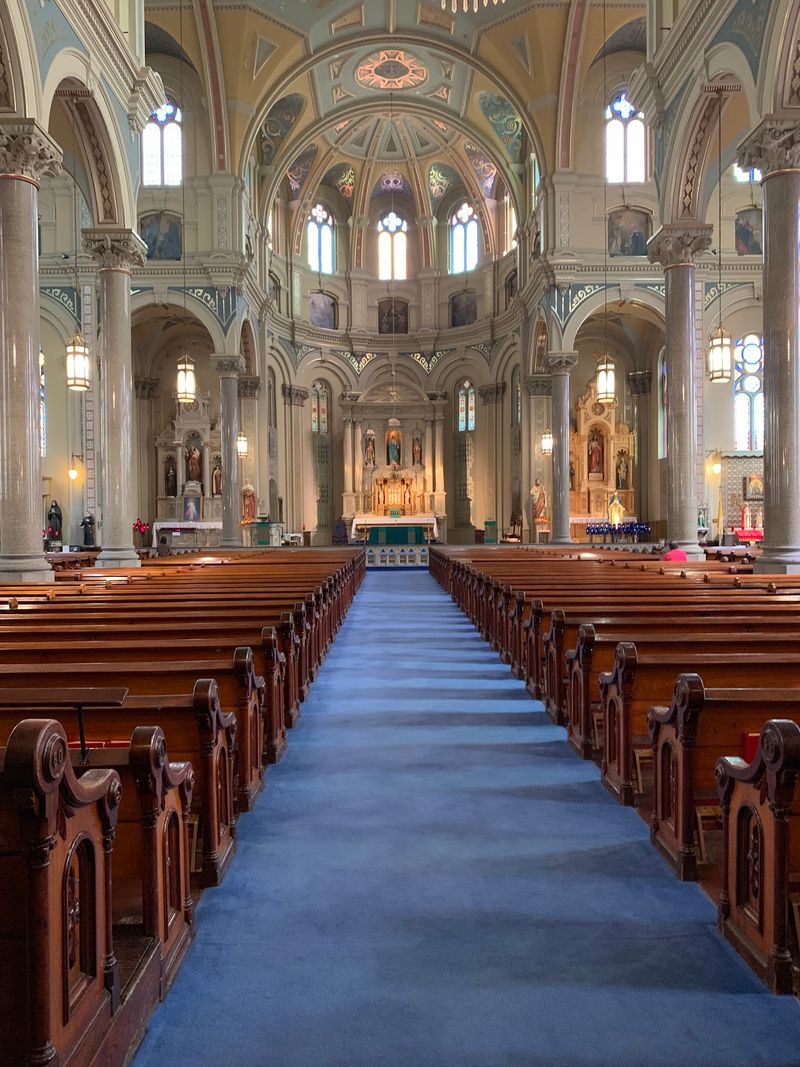
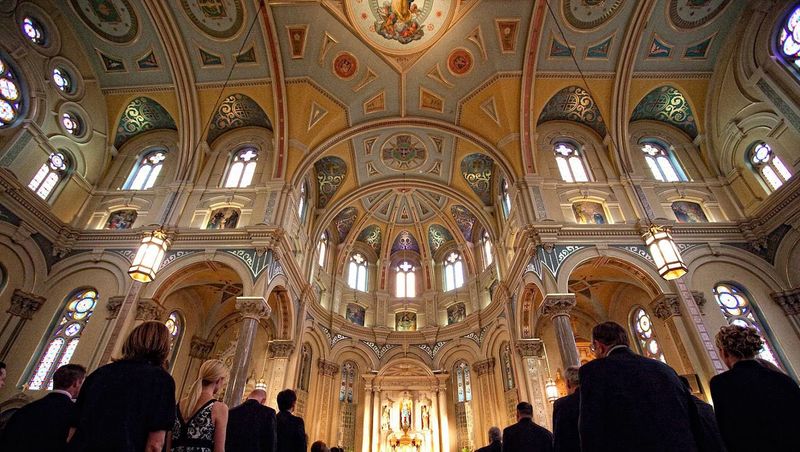
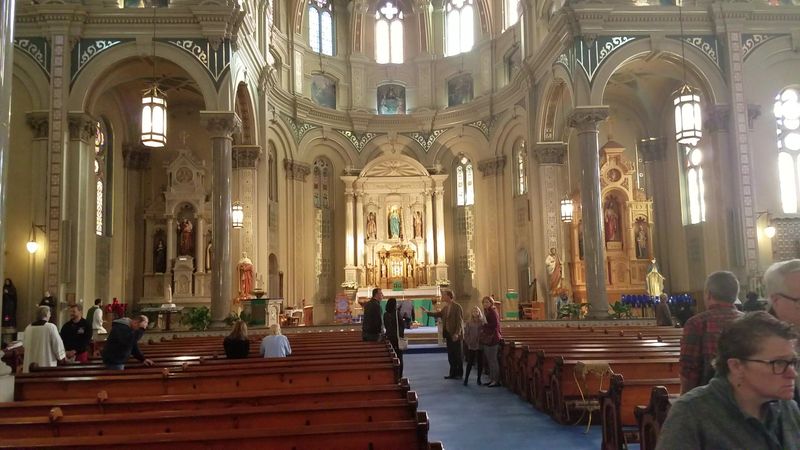
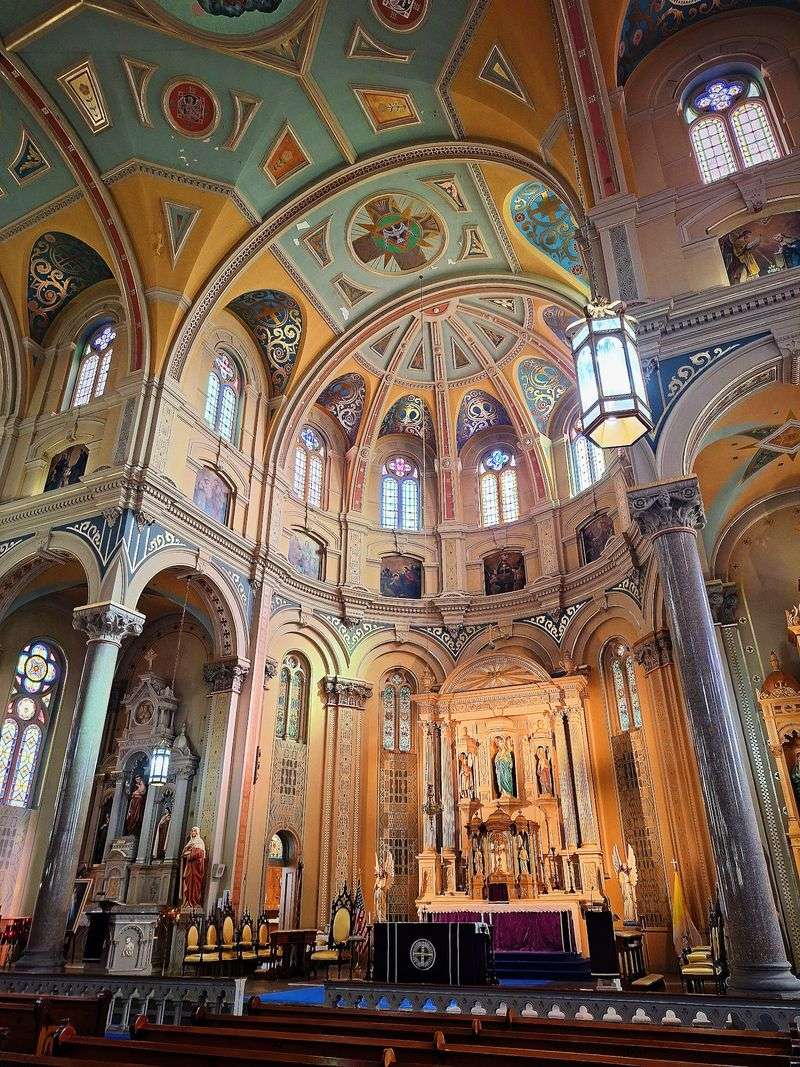
Once through the doors, the scale shifts in a big way. Granite columns line the nave and carry the eye straight up toward a very high ceiling.
The interior is described as ornate, and that is no stretch. Intricate details fill nearly every surface, from the ceiling down to the altar area.
Many compare the style to classic European churches. That makes it a rare chance for Michigan families to see this kind of design without boarding a plane.
The craftsmanship is the star. Carvings, painted work, and elegant lines reward anyone willing to slow down and take a careful look.
Some fans group it with Sweetest Heart of Mary and Ste. Anne de Detroit as the city’s top showcases of Western church architecture.
That is good company.
Give yourself more time than you think. Most people find new details on a second or third lap around the pews.
Statues, Shrines, and Sacred Art
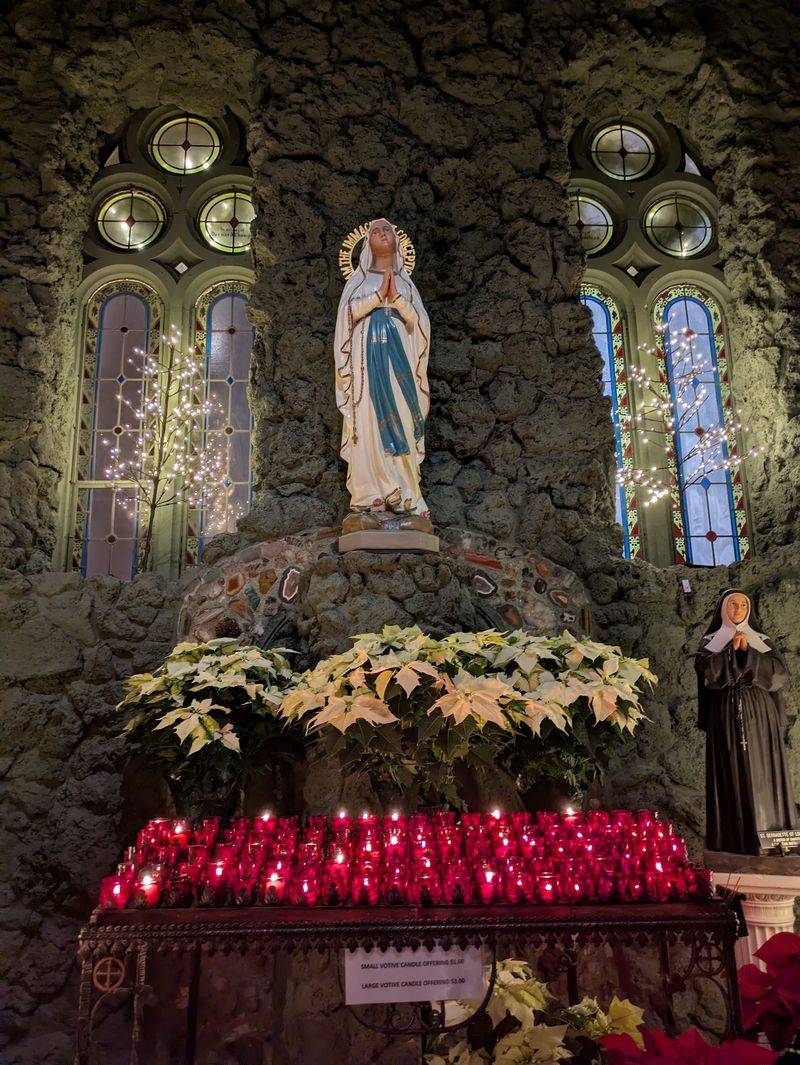
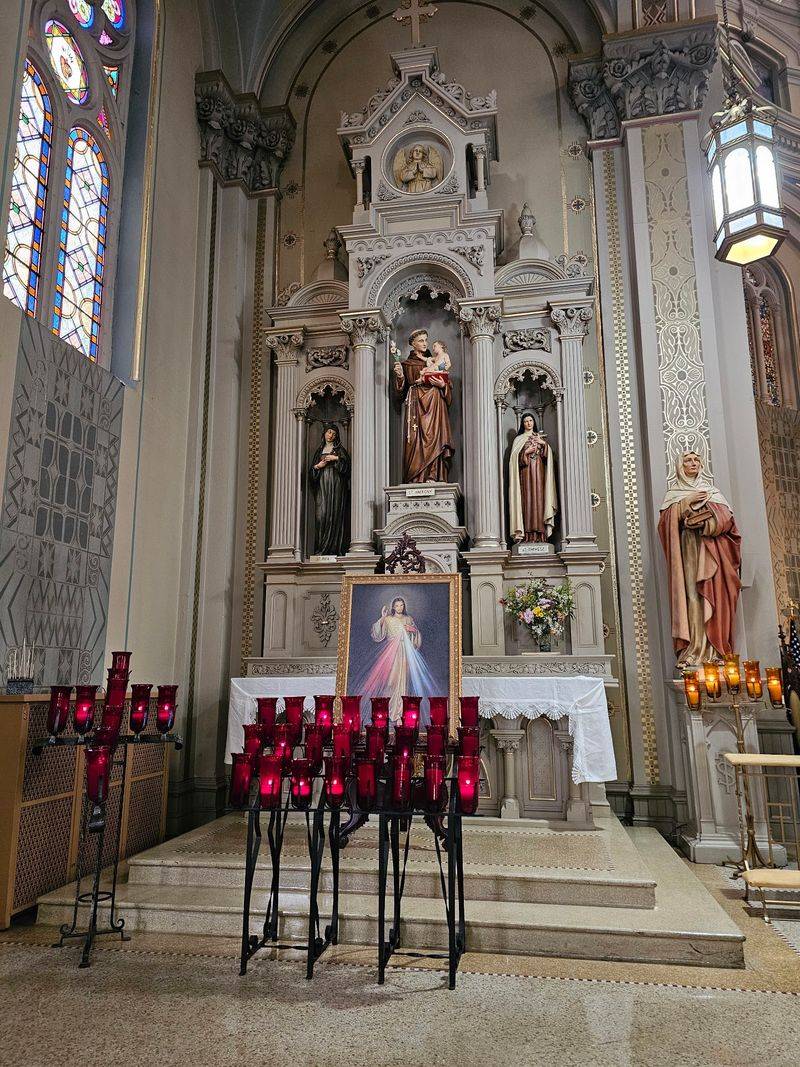
Count the statues and you will lose track fast. The church holds many religious statues and structures spread throughout the space.
The artwork earns some of the strongest praise of all. Plenty of guests say words fall short when trying to describe it.
Each piece adds to the devotional purpose of the building. The church was designed in honor of Mary, and that theme appears again and again.
Families with kids can turn it into a quiet scavenger hunt. Finding particular saints or symbols keeps young eyes busy while adults take it all in.
Older artwork also needs care to survive. Supporting historic churches like this one helps keep these pieces around for the next generation of Michiganders.
Every corner seems to hold one more figure or detail. By the end, the whole interior starts to feel like one big, connected gallery.
Old Confessionals and a Communion Rail
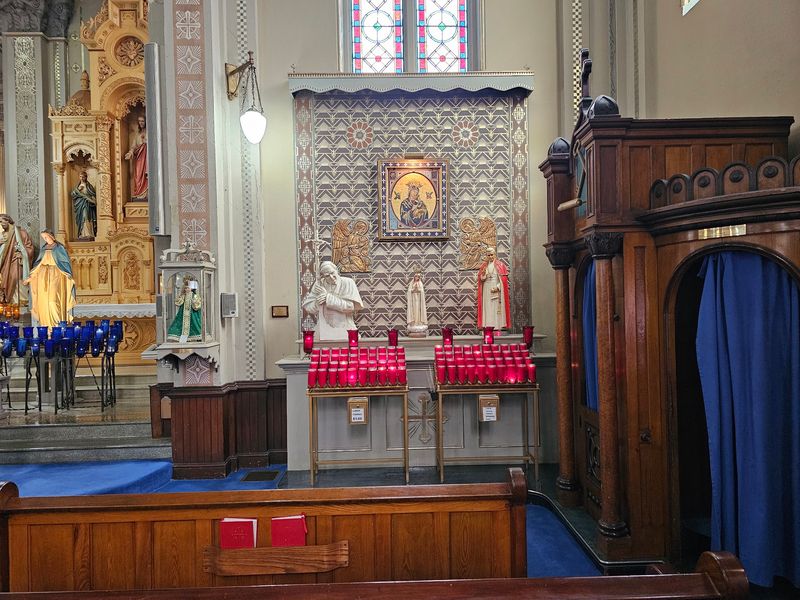
Tradition did not get packed away here. The church still uses its old wooden confessionals, which many parishes retired long ago.
During Mass, a traditional communion rail remains in use too. For longtime Catholics, it can be a throwback to the way things were done years ago.
These features are part of daily parish life, not just decoration. That makes the history feel active rather than locked behind glass.
Younger visitors may have never seen a communion rail at all. It is a nice moment for grandparents to explain how worship once looked.
Out of respect, sightseers should leave the confessionals alone. People may be inside receiving the sacrament.
Small details like these explain why so many describe the place as steeped in history. The past is still part of the routine here.
Pipe Organ and a Celebrated Choir
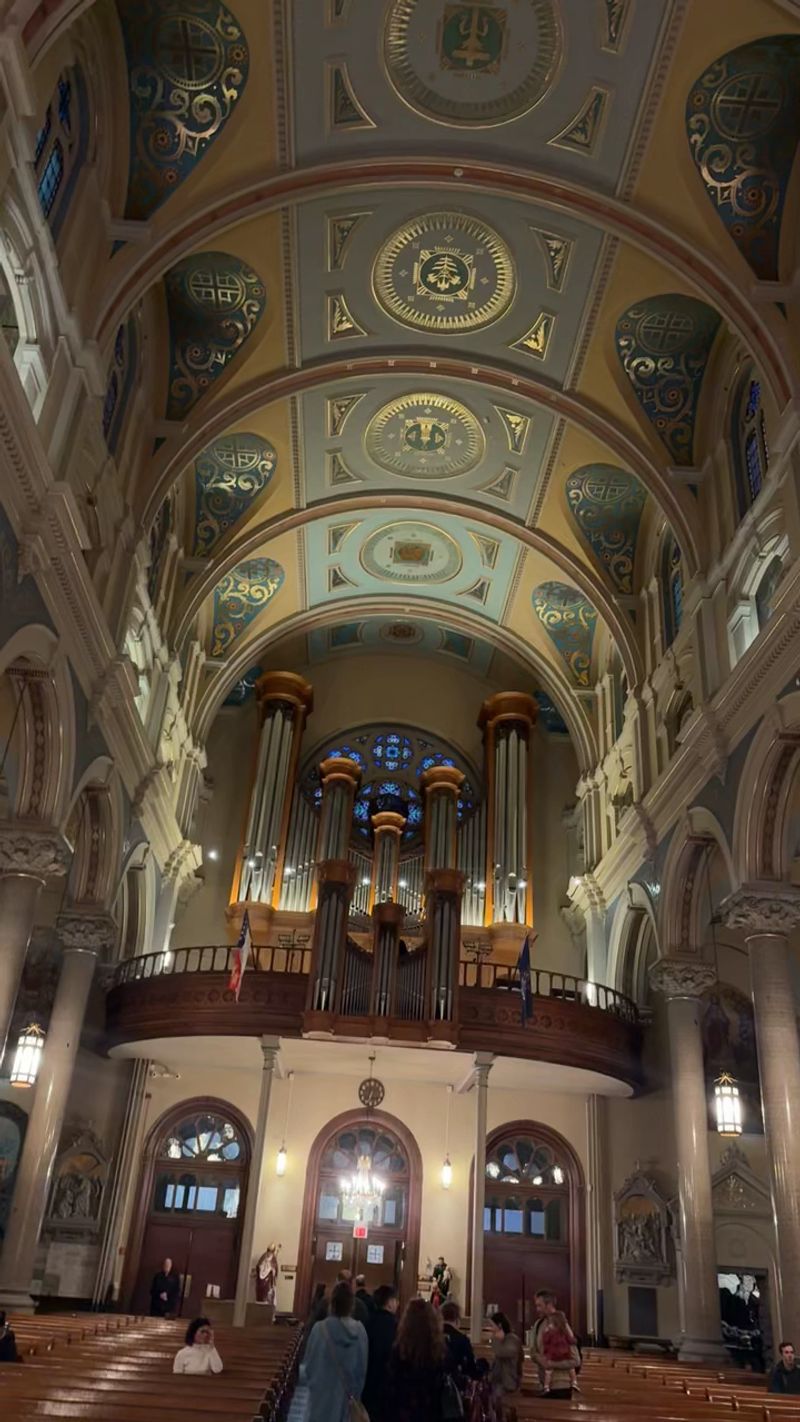
Music is a big part of the draw. The church features a true pipe organ, and its choir earns steady praise from parishioners.
Regulars mention the entrance chant, the organ, and the choir as reasons they keep returning. Some call it the downtown church they are happiest with.
Special services take the music even further. A Good Friday performance of the Faure Requiem has been part of the church’s calendar in the past.
For non-Catholic guests, attending a service can be a cultural experience. It shows the building doing exactly what it was made to do.
Sunday Mass tends to showcase the full choir. Checking the parish website ahead of time helps with planning around a specific service.
Plenty of folks come for the architecture and leave talking about the music. It is a pleasant twist nobody quite expects.
The Workers’ Mass at 12:15
Lunch breaks get a spiritual upgrade downtown. The parish has offered a weekday Mass at 12:15 sharp, often called a workers’ Mass.
It has typically wrapped up by about 12:55. That short window makes it doable for Catholics who work in downtown Detroit.
Ash Wednesday has drawn a crowd at that same time slot. People have noted a diverse group of priests leading the service.
Schedules can change, so confirming current Mass times on the parish website is a smart move. The site is oldstmarysdetroit.com.
Priests here get warm words for keeping the liturgy reverent while staying relatable. Some homilies even bring a touch of humor.
For retirees spending a weekday in the city, joining this Mass is an easy addition. It fits neatly between a morning stroll and an afternoon outing.
Christmas Midnight Mass Tradition
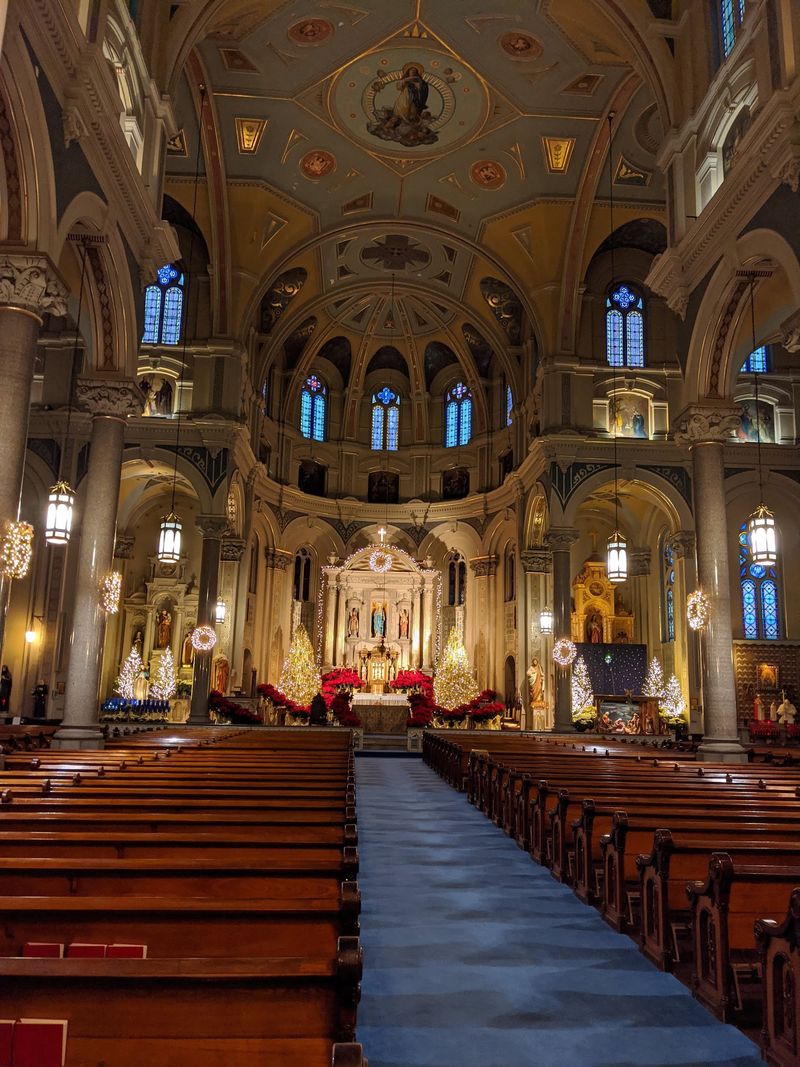
Late nights in December belong to a special tradition here. The church’s midnight Mass at Christmas is a longtime favorite.
Some former locals say it is the best midnight Mass around. A few even wish they still lived nearby so they could attend more often.
Advent is another popular time to drop by. The season brings people in for confession and Sunday worship in the historic setting.
Holiday services can fill up, so arriving early is wise. Expect busier crowds than on a regular weekday.
A downtown Christmas trip can easily include this stop. It pairs well with other seasonal outings in the city.
Exact holiday times are set each year by the parish. Check the website in early December before making the drive.
A Calm Pocket in a Busy Downtown
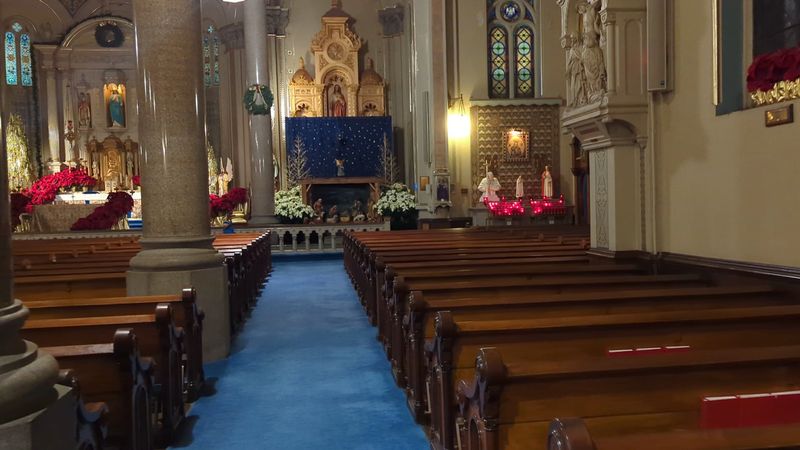
Downtown Detroit rarely slows down, but this church does. Many describe the interior as peaceful and solemn, right in the middle of the city bustle.
Parishioners get credit for being loving and kind. Even out-of-town guests mention feeling welcome.
The space suits a wide range of people. Faithful Catholics, history fans, architecture lovers, and curious families all find something here.
Retirees who enjoy slow, thoughtful outings will feel right at home. Benches and pews make it easy to sit and rest awhile.
Large summer events can get warm inside. A huge historic building is tough to cool on hot days, so dress accordingly.
Quiet voices and silenced phones keep the mood intact for everyone. That small courtesy matters a lot in a working church.
Tours, a Cafe, and Community Events
Group outings work well here. Tour groups visit, and guides have earned compliments for strong presentations.
Independent visits are an option too. Families who prefer their own pace can simply walk in during open hours.
The parish also has a cafe and bakery. That makes a mid-tour break simple without leaving the property.
The church hosts a lot of community events throughout the year. Its role reaches well beyond Sunday services.
Church groups, senior clubs, and school trips from across Michigan may want to look into a guided visit. Contacting the parish ahead of time helps sort out the details.
Event schedules and cafe hours can vary. A quick look at the website keeps surprises to a minimum.
Hours, Parking, and Smart Timing
Timing is everything with this stop. The church is typically open Monday through Friday from 11 am to 2:30 pm.
Saturday hours run longer, from 11 am to 6:30 pm. Sunday hours run from 8 am to 2 pm.
Some days feel short, so plan ahead. People have rushed to see every space before closing time.
Fridays come with a catch for sightseers. Eucharistic adoration follows the 12:15 Mass and can last about an hour, so photos and wandering are best saved for another time.
Admission to look around is free, a big win for budget road-trippers. Donations help maintain the historic building.
Parking is available near the church, and free parking has been noted around some services. Downtown parking rules can change, so watch the signs.
Worth the Drive Downtown
Some places earn their spot on a Michigan road trip list without much fuss. Old St. Mary’s is one of them.
It offers free entry, rich history, and stone grottos that most people never realize are there. Few downtown stops deliver that much for zero dollars.
The building is one of the prettiest churches around, yet it stays humble. It remains a living parish with daily worship and kind people.
Families get an educational outing, and retirees get a peaceful break. Faithful Catholics get a beautiful place to pray.
A few minutes inside is enough to see why it holds such a strong reputation. A longer visit simply reveals more.
Next time a game, concert, or dinner brings you downtown, leave room for those twin towers. The grottos are waiting, and so is a little slice of Detroit history.