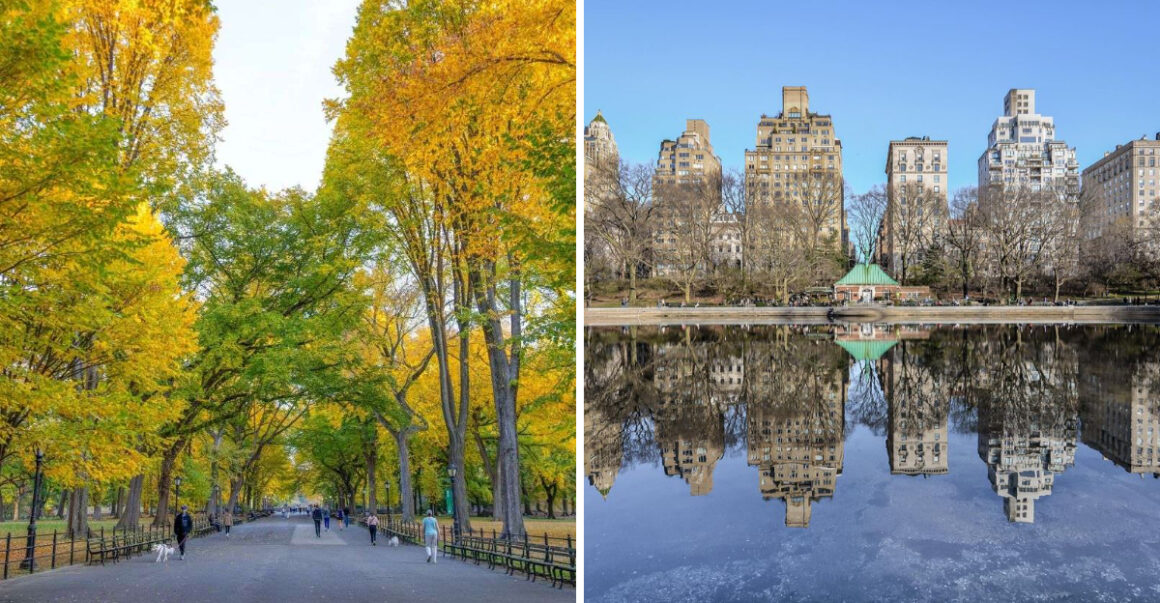
Central Park stands as New York City’s green heart, offering a peaceful escape from the urban jungle. Spanning 843 acres, this iconic landmark welcomes millions of visitors each year who come to experience its natural beauty, historic landmarks, and recreational spaces. Whether you’re a first-time visitor or a longtime New Yorker, these ten must-see spots will help you discover the true magic of America’s most famous urban park.
1. Bow Bridge
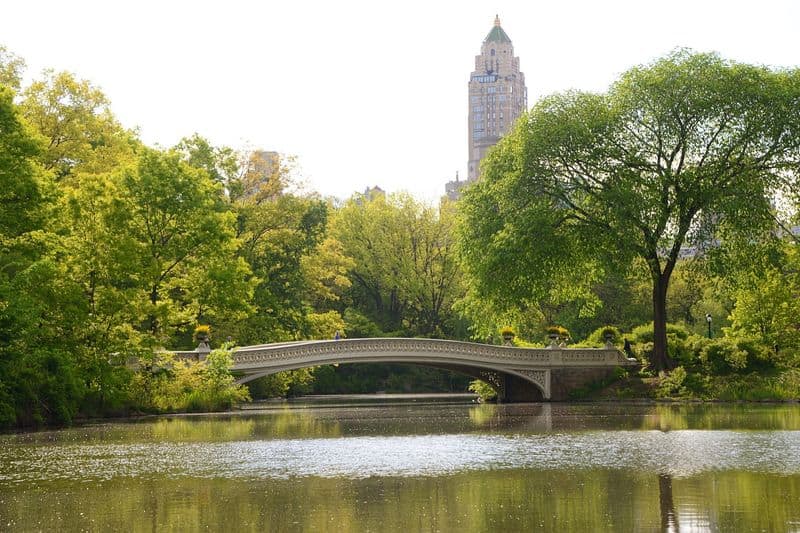
Cast-iron elegance arches gracefully over the Lake, creating Central Park’s most photographed bridge. Built in 1862, this romantic landmark connects Cherry Hill with the Ramble, offering stunning views in every direction.
Morning visitors might catch the golden sunlight dancing across the water, while evening brings a magical atmosphere as city lights begin to twinkle. Couples often pause mid-span, creating memories against this cinematic backdrop.
Rowboats glide beneath, adding to the timeless charm that makes this spot feel both quintessentially New York and wonderfully apart from it.
2. Bethesda Terrace & Fountain
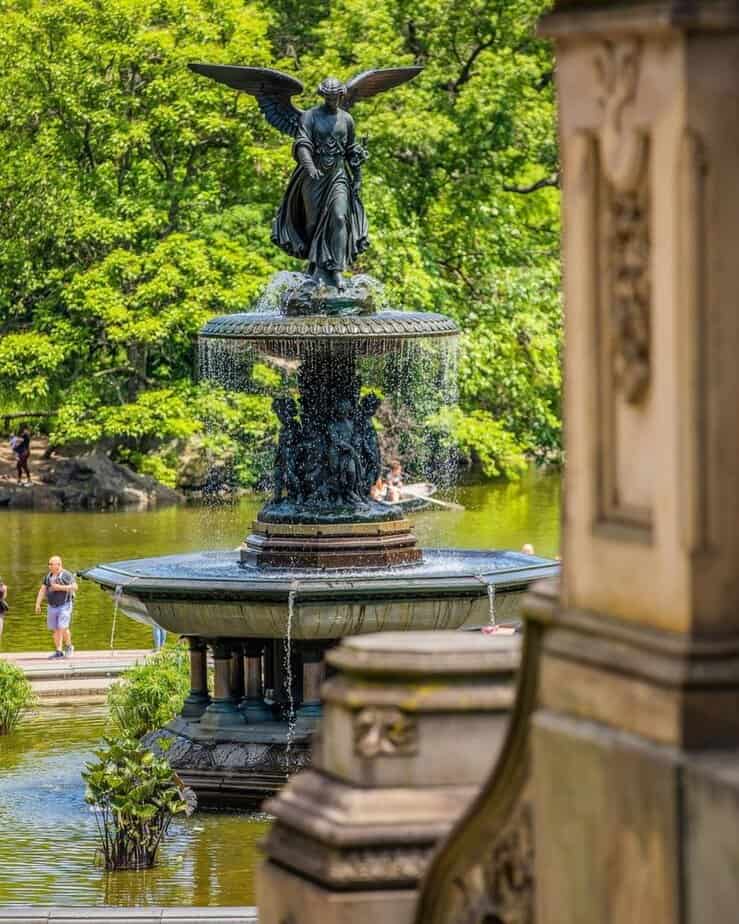
Victorian grandeur meets everyday New York at this architectural masterpiece. The fountain’s Angel of the Waters statue rises from the center, blessing visitors with her outstretched arms while water cascades around her.
Below the terrace, the arcade’s spectacular ceiling features over 15,000 colorful tiles, creating an acoustic haven where musicians perform throughout the day. Their melodies echo magnificently through this underground passage, drawing crowds who pause to listen.
The two-level design offers different perspectives: from above, you’ll see the fountain framed by the Lake beyond; from below, the elaborate carvings tell stories of seasons and nature.
3. The Mall and Literary Walk
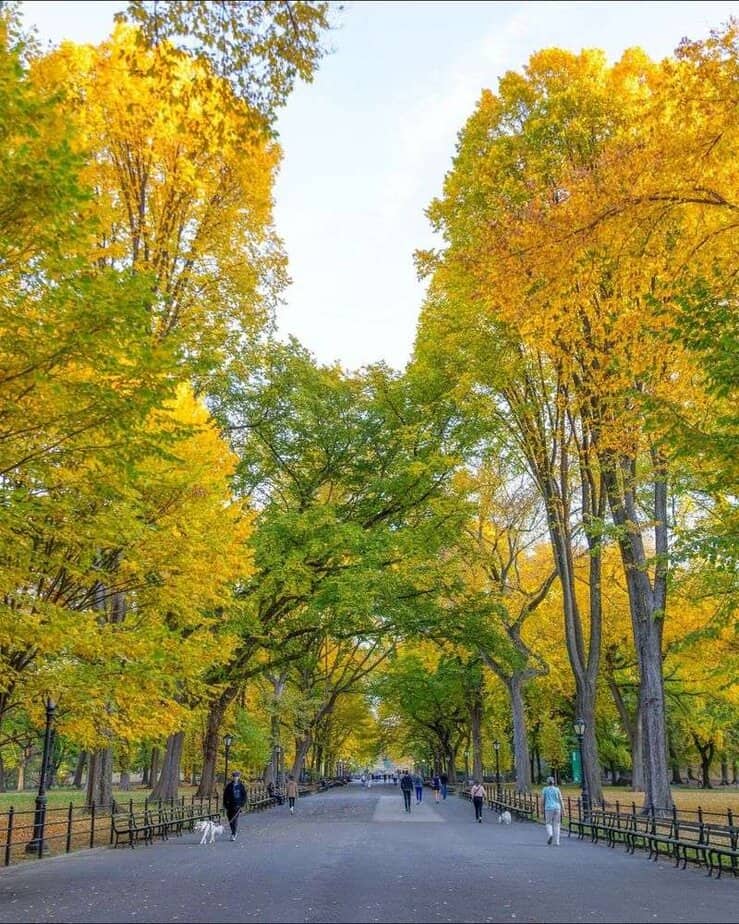
Stately American elms form a living cathedral ceiling above this quarter-mile promenade. These magnificent trees, among the largest collection of American elms in North America, create a natural canopy that’s especially stunning in autumn when golden leaves scatter across the pathway.
Bronze statues of literary giants like Shakespeare and Robert Burns stand in silent tribute along the southern section, giving this area its ‘Literary Walk’ nickname. Street performers, artists, and musicians add vibrant energy to this historic corridor.
Originally designed as a place for wealthy New Yorkers to see and be seen in their carriages, today it welcomes visitors from all walks of life seeking a classic Central Park experience.
4. Belvedere Castle
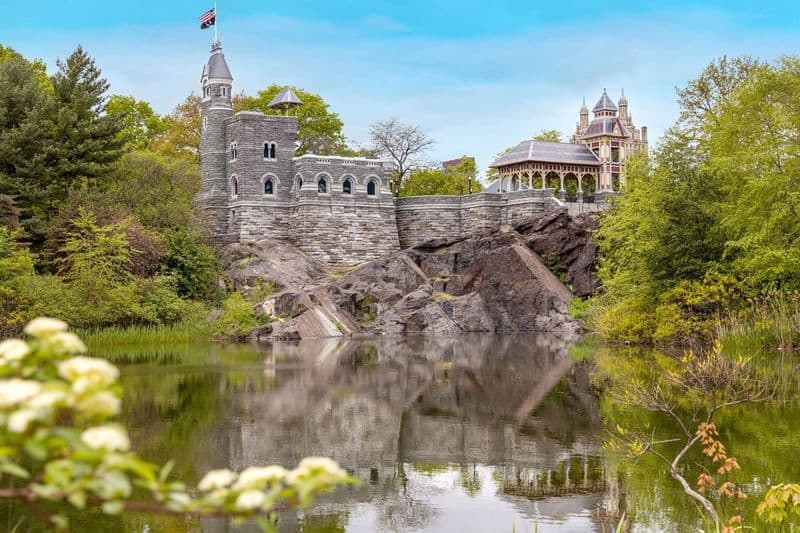
Perched atop Vista Rock, this Victorian folly offers the park’s highest panoramic views. ‘Belvedere’ means ‘beautiful view’ in Italian, and the name couldn’t be more fitting as you gaze across Turtle Pond and the Great Lawn from its stone balconies.
Built in 1869 as a whimsical lookout point, today it serves as a functional weather station for the National Weather Service. The recent restoration returned the castle to its original glory, revealing intricate details that had been hidden for decades.
Children delight in exploring this miniature fortress, often imagining themselves as royalty in a fairy tale come to life right in the middle of Manhattan.
5. Strawberry Fields
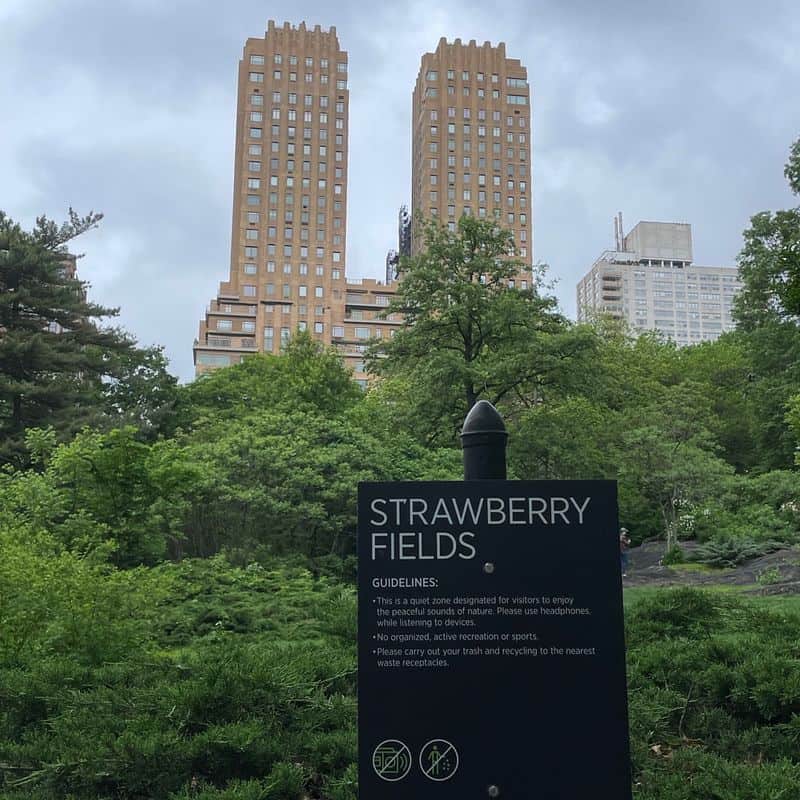
Serenity fills this 2.5-acre memorial dedicated to John Lennon, who lived and was tragically killed nearby at the Dakota building. The black and white ‘Imagine’ mosaic serves as its centerpiece, often adorned with fresh flowers placed by fans from around the world.
Named after the Beatles song ‘Strawberry Fields Forever,’ this tranquil garden features plants and trees donated by 161 different countries. Guitar-strumming visitors frequently gather to play Lennon’s songs, creating impromptu tributes that feel both mournful and celebratory.
Designated as a Garden of Peace, the space invites quiet contemplation while honoring Lennon’s vision of a world without borders, hunger, or conflict.
6. The Great Lawn
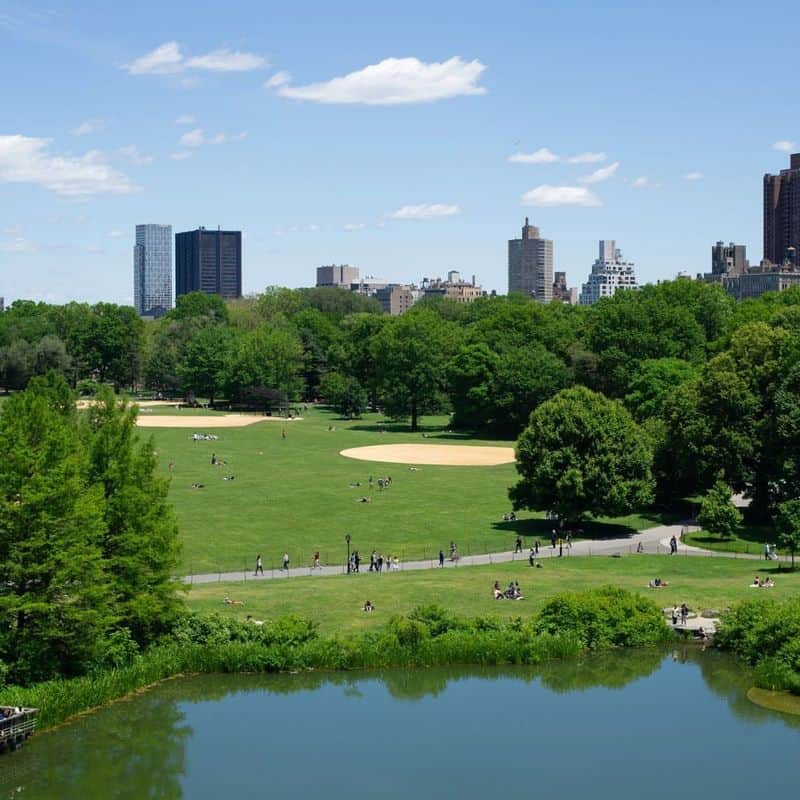
Fifty-five acres of open green space form the geographic center of Central Park, drawing New Yorkers like a giant magnet on sunny days. Once the site of a reservoir, this vast oval was transformed in the 1930s into what many consider the park’s most essential gathering place.
Baseball diamonds dot the northern end, hosting weekend leagues and casual games. The southern portion remains open for sunbathers, picnickers, and frisbee throwers who spread colorful blankets across the meticulously maintained grass.
Summer evenings bring special magic when the New York Philharmonic performs free concerts here, filling the lawn with thousands of music lovers against the backdrop of the illuminated city skyline.
7. Conservatory Water
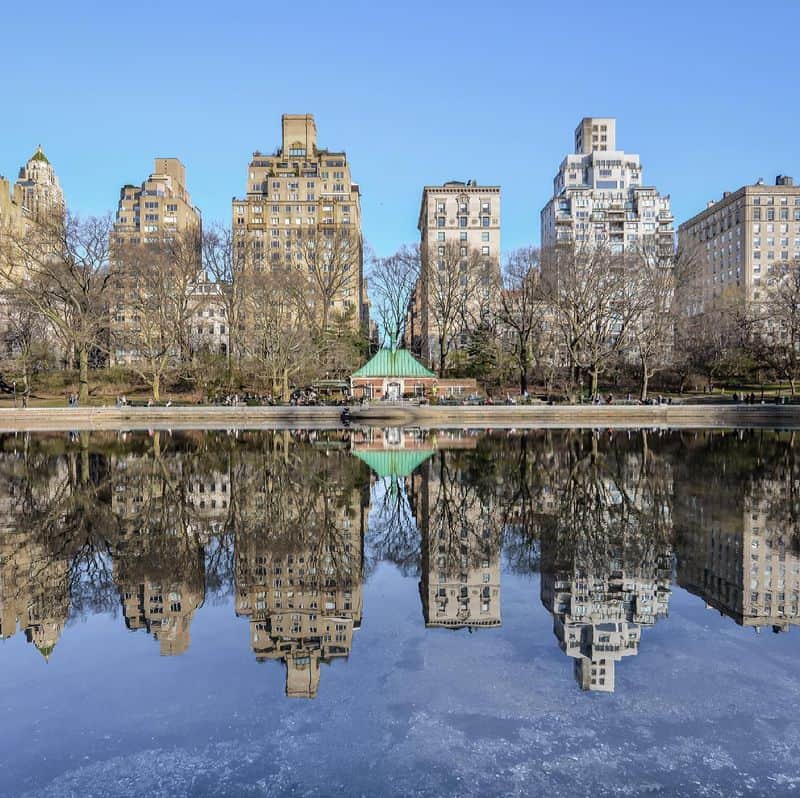
Model sailboats glide across this peaceful pond, continuing a cherished New York tradition that dates back to the 1870s. Inspired by the model boat ponds in Parisian gardens, this charming water feature becomes especially lively on Saturday mornings when the Central Park Model Yacht Club holds races.
Literary fans recognize this spot from E.B. White’s beloved children’s book ‘Stuart Little.’ The surrounding area features benches perfect for watching the miniature regattas and the bronze Alice in Wonderland statue that children love to climb.
During winter, when the water freezes solid, the pond transforms into a small ice skating rink, offering a more intimate alternative to the park’s larger Wollman Rink.
8. Central Park Zoo
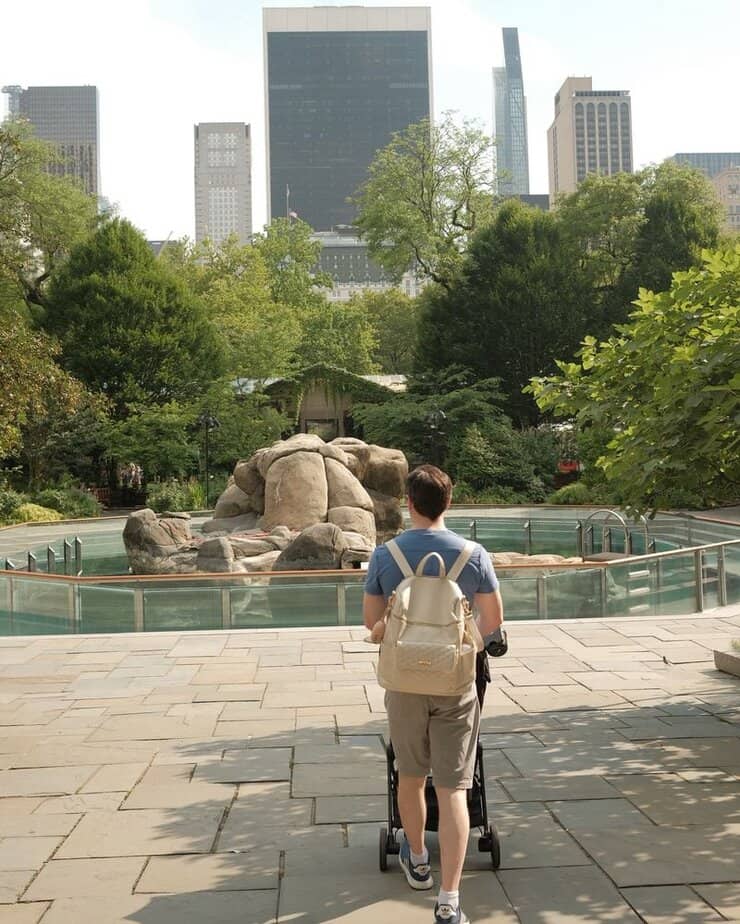
Compact yet captivating, this six-acre zoo packs an impressive array of wildlife into the park’s southeast corner. Snow leopards prowl their rocky habitat while red pandas climb through bamboo forests just steps from Fifth Avenue.
The penguin house draws crowds for feeding times, when these tuxedoed birds dart through water with surprising speed. Inside the tropical rainforest zone, exotic birds fly freely around visitors, sometimes landing nearby for close encounters that delight both children and adults.
Originally established in 1864, making it one of America’s first public zoos, today’s modern facility focuses on education and conservation while maintaining its historic charm through details like the famous Delacorte Clock with its circling animal sculptures.
9. Sheep Meadow
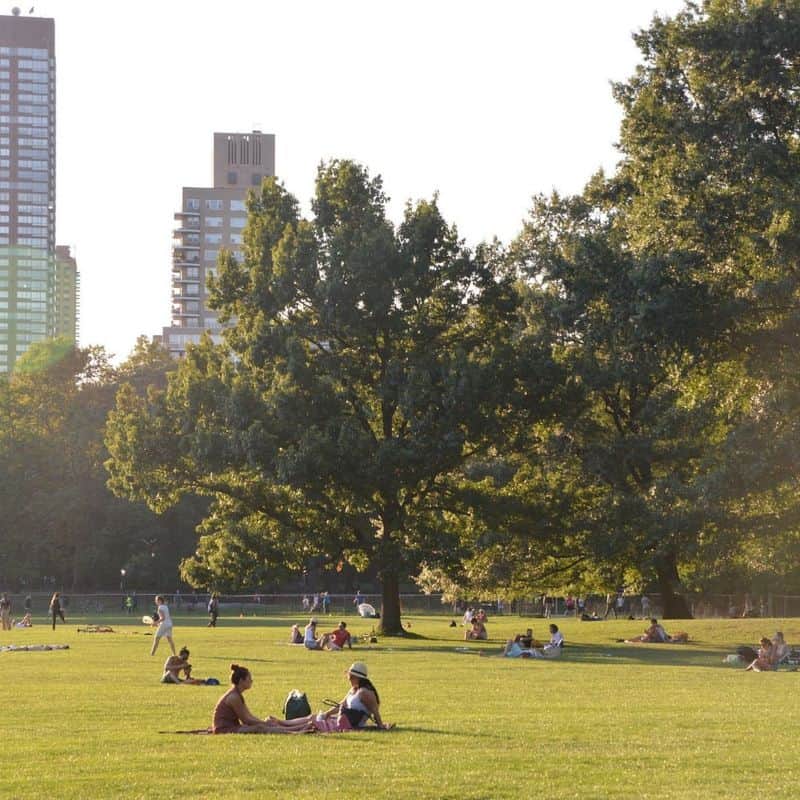
History and leisure blend seamlessly in this 15-acre field that once housed actual sheep until 1934. Their former home, a Victorian-era shepherd’s house, later became the famous Tavern on the Green restaurant.
Today’s meadow serves as Manhattan’s communal backyard where thousands spread out on summer weekends. The contrast between the lush green space and the towering midtown skyscrapers creates a uniquely New York juxtaposition that appears in countless films and photographs.
Flying kites, impromptu yoga sessions, and elaborate picnics fill the space with energy. Officially designated as the park’s first quiet zone in 1980, no organized sports or amplified sound are permitted, preserving its peaceful atmosphere.
10. The Ramble
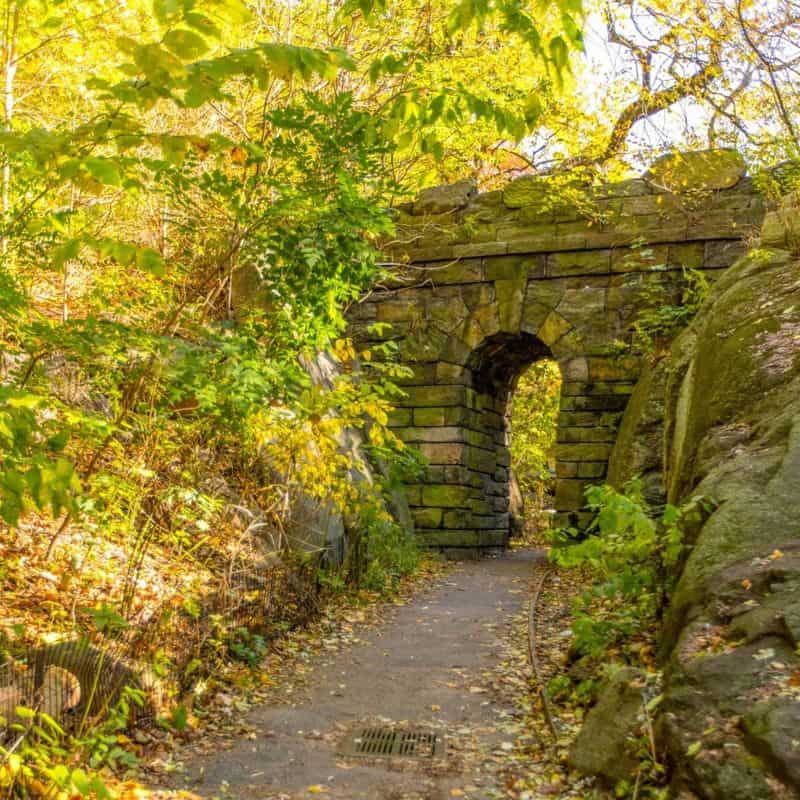
Wild nature thrives in this deliberately untamed 36-acre woodland, designed to feel like an Adirondack forest miraculously transported to Manhattan. Winding paths twist beneath a dense canopy where over 230 bird species have been spotted, making it a paradise for urban birdwatchers.
Stone arches and rustic bridges appear around unexpected turns, crossing small streams that feed into the Lake. The dense foliage creates such effective seclusion that it’s easy to forget you’re in America’s largest city.
Frederick Law Olmsted, the park’s designer, called this section ‘a wild garden’ intended to provide a complete contrast to the formal elements elsewhere in his masterpiece. Today it remains the perfect place to get happily, temporarily lost.