
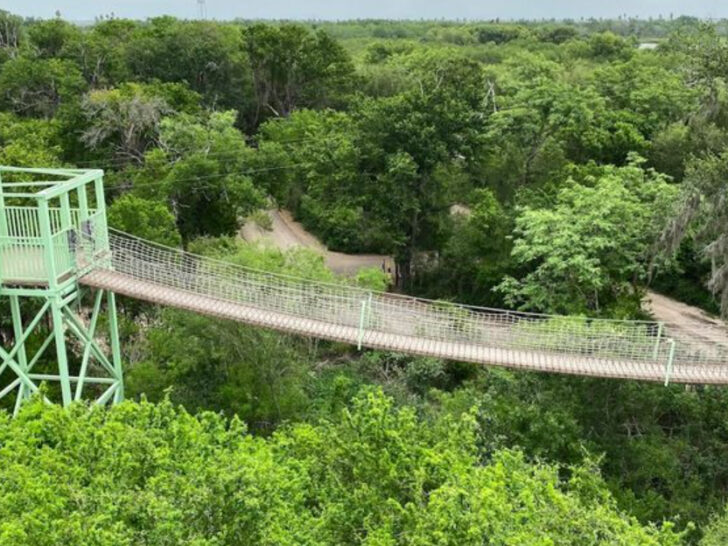
Step onto the trails at Santa Ana National Wildlife Refuge and it feels like a film crew should be whispering behind the trees. The Rio Grande’s edge cradles rare birds, fluttering butterflies, and hushed wetlands that seem to breathe. You get towers, a swaying bridge, and paths where every bend promises a new scene.
Come curious and leave amazed, with binoculars and wonder both put to work.
1. Canopy Tower Views Over the Rio Grande
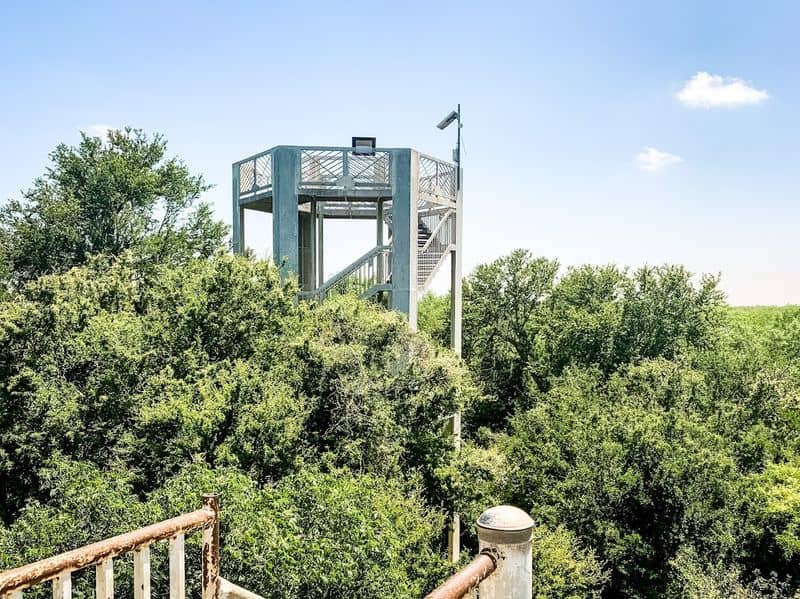
Climb the tower and the refuge unfurls like a living map. You see resacas glinting between mesquite and ebony trees, and you can trace the curve of the Rio Grande toward the horizon. Take a deep breath up here and watch kettles of hawks swirl while green jays flicker below.
The height helps you spot movement you would miss at ground level. Scan slowly and you might catch a bobcat ghosting the brush or herons lifting from Pintail Lake. Bring binoculars, steady your elbows on the railing, and let the wind guide your gaze.
Early mornings and late afternoons shine brightest. Light rakes across the canopy, turning leaves into layered textures. You feel small, but wonderfully included.
2. The Famous Suspension Bridge Experience
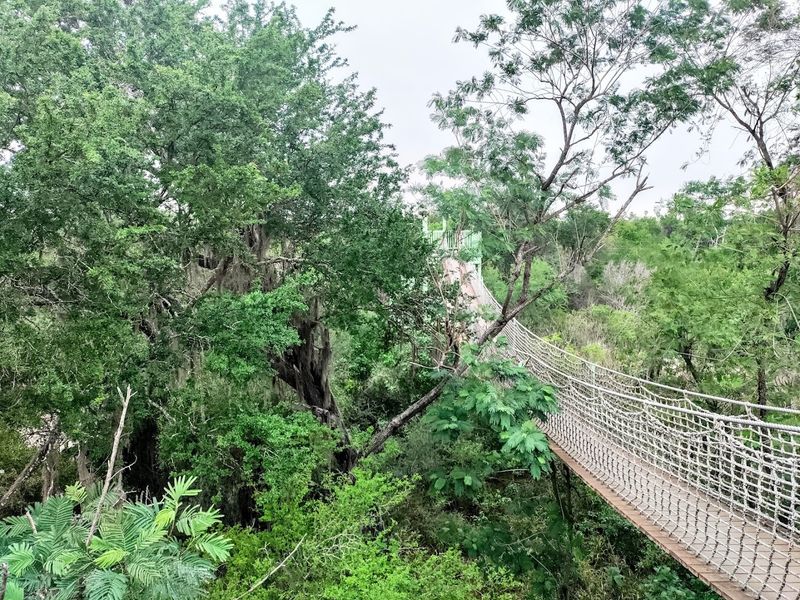
Step onto the suspension bridge and the world gently sways beneath your boots. It is just enough motion to make you focus on each step, heightening every sound of rustling leaves and wingbeats. Look down and you will see shaded understory alive with movement.
Pause at the midpoint to feel the breeze push past your shoulders. Swallows zip through invisible corridors, and lizards skitter along sunlit rails. If your nerves flutter, hold the side cables and watch the forest settle into patterns.
Go early to have it mostly to yourself. The stillness turns every creak into part of the soundtrack. You will walk off grinning, a little braver, a lot more tuned in.
3. Birding Hotspots: Green Jays to Hook-billed Kites
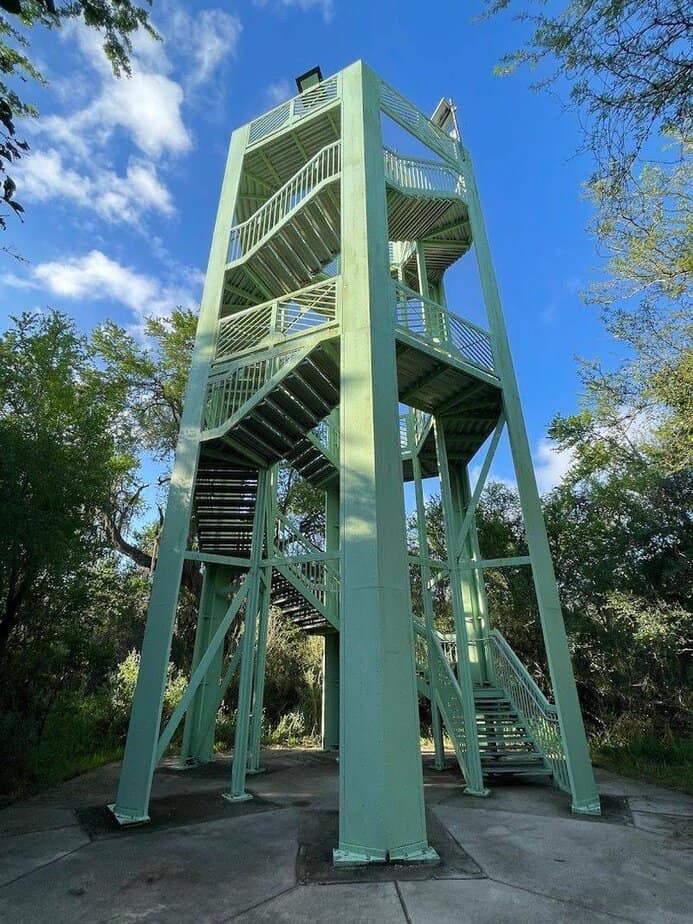
Bring binoculars because this refuge is a bucket-list birding stop. Green jays flash like living leaves, altamira orioles glow tangerine, and plain chachalacas gossip from the brush. If luck leans your way, a hook-billed kite might silhouette against thermals above the tower.
Work the loops slowly. Check feeding stations, then slip into blinds by Pintail Lake and the resacas. Scan snags for kiskadees and listen for kiskadee calls that sound like laughter echoing through thornscrub.
Peak moments often happen at first light. Guided tram tours can point out seasonal specialties while you sit back and watch. Keep your list open and your expectations flexible, because this place loves to surprise patient eyes.
4. Butterfly Alley and Pollinator Magic
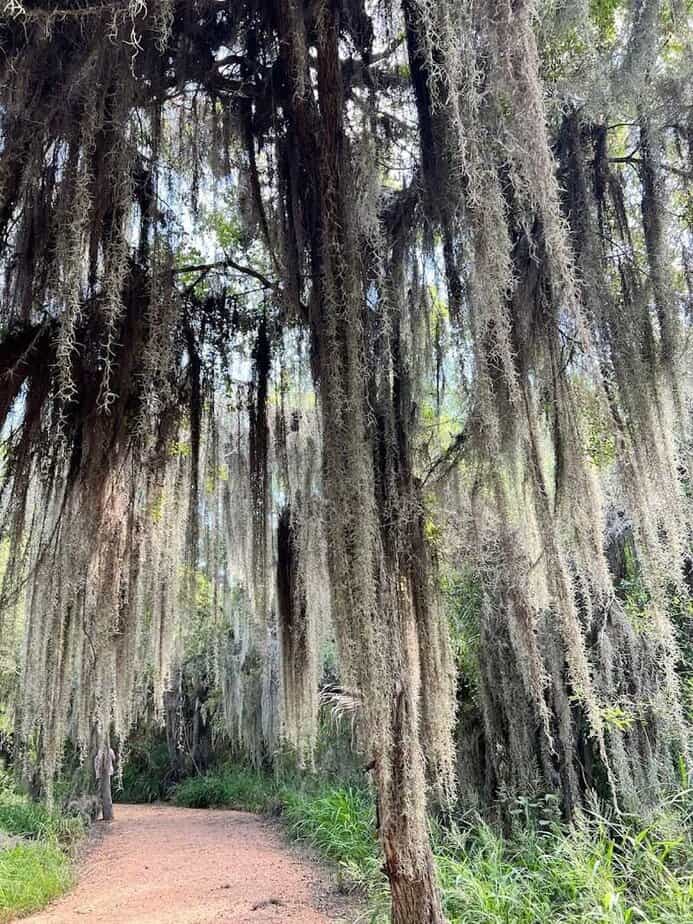
Follow the sunlit edges and you will stumble into clouds of butterflies. Queens and monarchs drift like confetti over lantana and mistflower, while zebra heliconians lace the air. Watch carefully and you will notice pipevine swallowtails flashing blue every time they turn.
Move slowly and shadows stop spooking them. Kneel beside blooms and trace sipping tongues to tiny flower discs. You can learn a lot just by listening to the soft buzz and letting your eyes adjust to all the subtle motion.
Late morning warmth brings peak activity. Bring water, a hat, and patience. By the time you stand, you will feel like you stepped out of a quiet theater where the credits kept fluttering long after the show.
5. Pintail Lake Loop: Water, Reeds, and Reflections
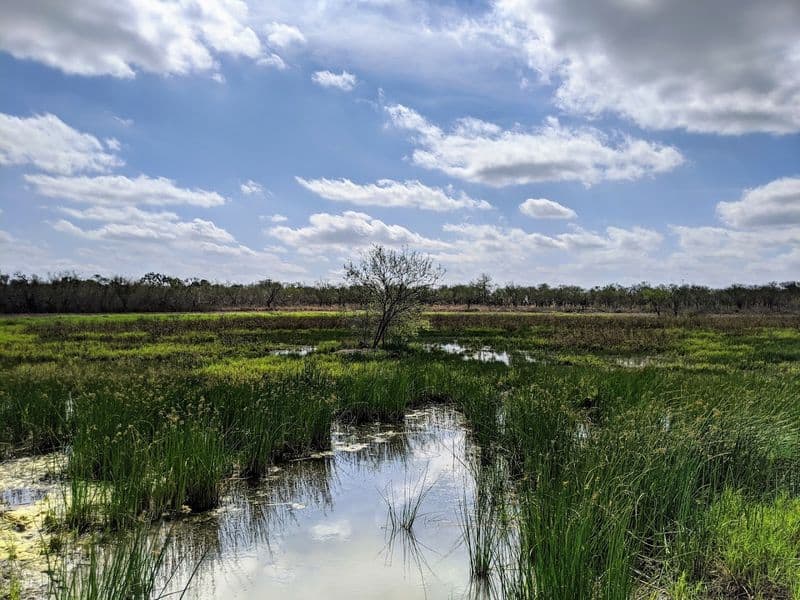
Pintail Lake is where still water turns into a mirror for birds. Egrets stalk the shallows, coots fuss in clusters, and black-necked stilts tiptoe like ballerinas. Sit on a bench, breathe slow, and let the ripples write their own lines.
Patience pays here. Scan reed edges for secretive rails and herons. When the light softens, silhouettes sharpen and feeding frenzies spark across open pockets.
Walk the loop clockwise to keep morning sun at your back. The path is easy, welcoming families and new hikers. You leave feeling rinsed by quiet, shoes dusty, and memory card packed with more reflections than you planned.
6. Tram Tour Insights and Easy Access
If your legs need a break, the guided tram tour is a gift. You sit back while a veteran birder points out kiskadees, blooming cenizo, and the subtle stories behind each habitat. In ninety minutes, you gather weeks worth of field tips without breaking a sweat.
The pace is gentle and inclusive, perfect for multigenerational outings. Ask questions, borrow binoculars if needed, and mark spots to revisit on foot later. You get a sense of the refuge’s patchwork and how water, wind, and migration shape it.
Reserve early in peak season. Pair the ride with a short tower hike and you will feel both oriented and inspired. It is education wrapped in ease.
7. Trail Tips: Heat, Bugs, and Best Hours
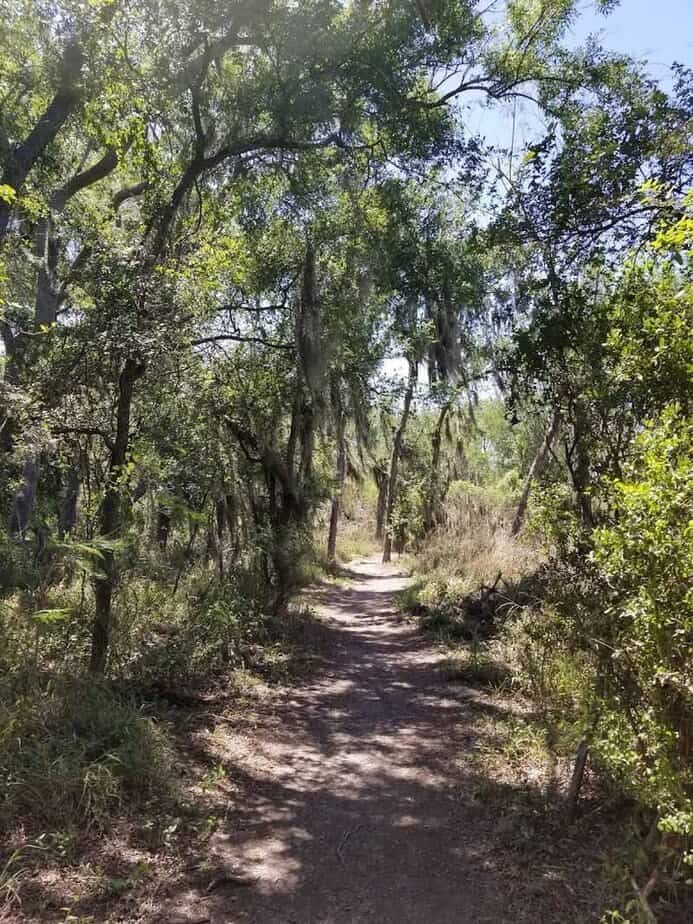
South Texas sun means plan smart. Start early or aim for late afternoon when shadows stretch. Pack more water than you think, sunscreen, and a brimmed hat.
Lightweight long sleeves help with mosquitoes and gnats, especially near marshy stretches.
Trails are well signed and mostly gentle, but shade comes and goes. Keep bug spray handy and reapply during long visits. Closed days happen, so check hours before driving, and remember the per car entrance fee.
Footing is easy, yet watch for roots and sandy patches. Bring binoculars you can carry comfortably. With small comforts covered, you will spend your energy on spotting wildlife, not swatting and squinting.
8. Visitor Center Basics and Local Etiquette
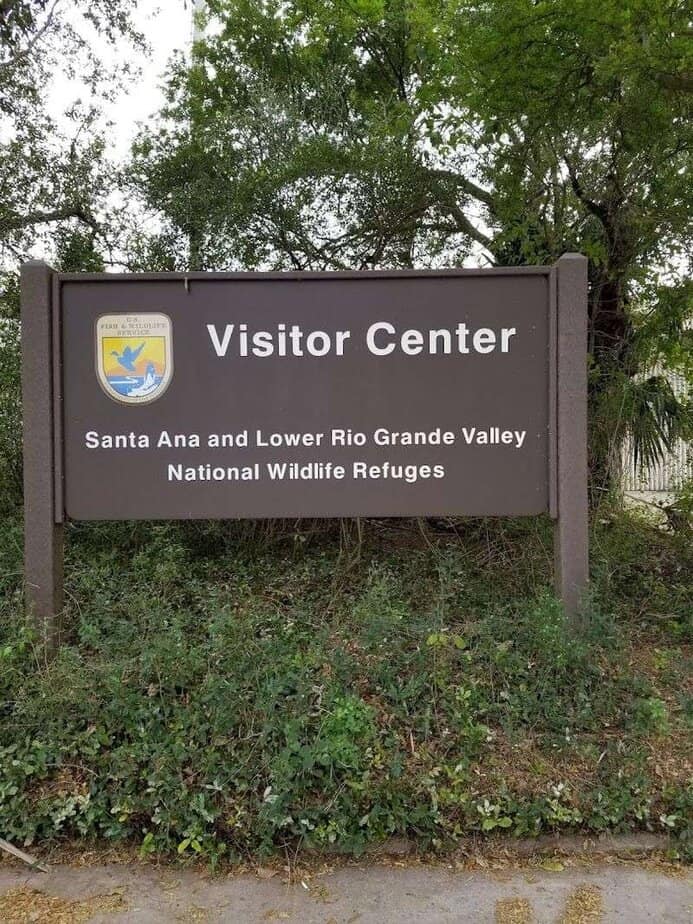
Begin at the visitor center to grab maps, ask about recent sightings, and check which trails pair well with current conditions. Staff are friendly, and you can rent binoculars by leaving an ID. Restrooms are clean and air conditioned, a small luxury you will appreciate later.
Pay the affordable per car fee and consider the season pass if you will return. Keep voices soft around blinds and feeding stations, and yield space to photographers tucked quietly in corners.
Pets are limited to service dogs to protect wildlife. Pack out all trash and stick to signed paths. With a little courtesy, everyone gets the same documentary-worthy moments without disturbing the stars.