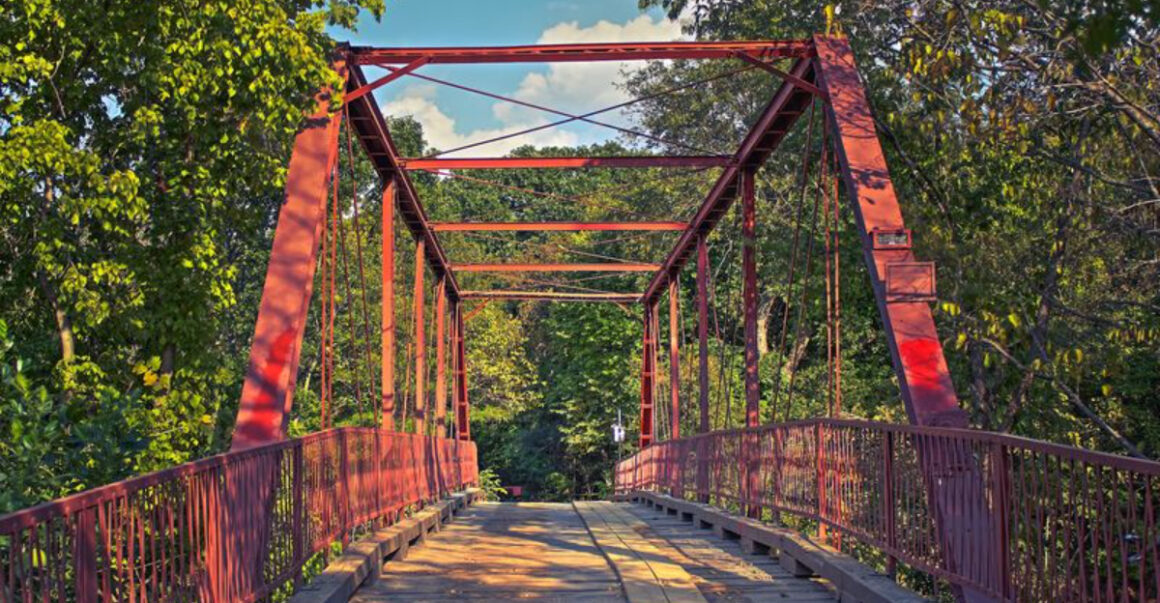
Hidden in the trees of Denton County, Old Alton Bridge draws you in with history, whispers, and a dash of Texas grit. By day, it is all creek views, shade, and easy trails. By night, folks lean in to the Goatman legend and trade stories under starlight.
If you love places where folklore meets real footsteps, this tucked away span is calling your name.
1. Goatman Lore And Nighttime Chills
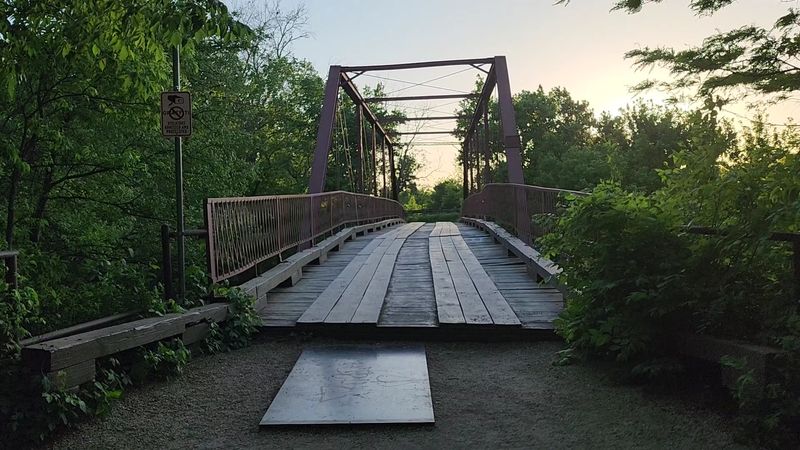
You hear it the moment the gravel crunches under your shoes. Someone always mentions glowing red eyes in the woods, or a dare to knock three times on the iron. Whether you believe in the Goatman or not, the legend gives your visit a pulse that daylight alone cannot match.
Come prepared with a flashlight, good shoes, and a friend. The bridge is open 24 hours, so timing is yours, but night adds suspense. You might catch a chill from the breeze, or from a story retold beside the railings.
Be respectful of others seeking a thrill. Keep noise down, watch your step, and pack out trash. Fear and courtesy can coexist on these planks.
2. History On Iron And Timber
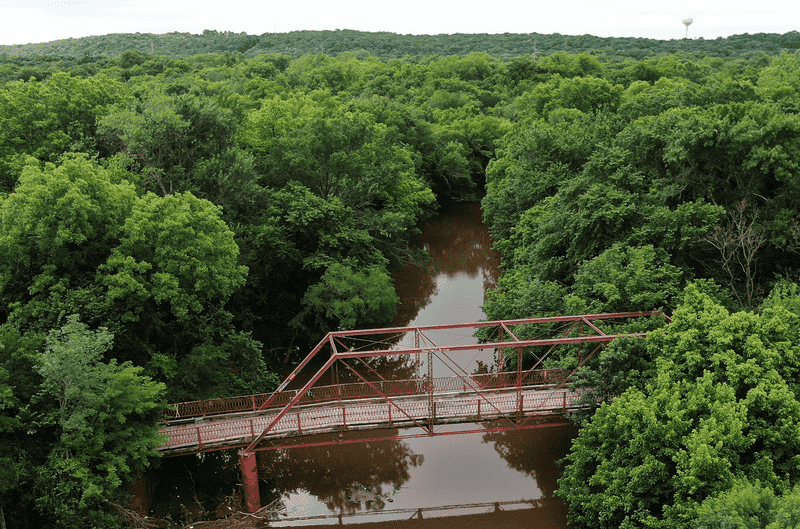
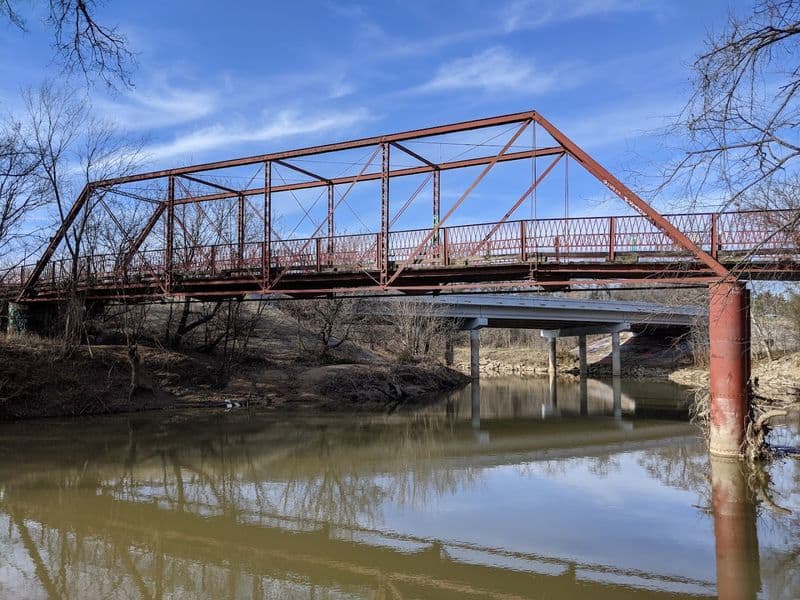
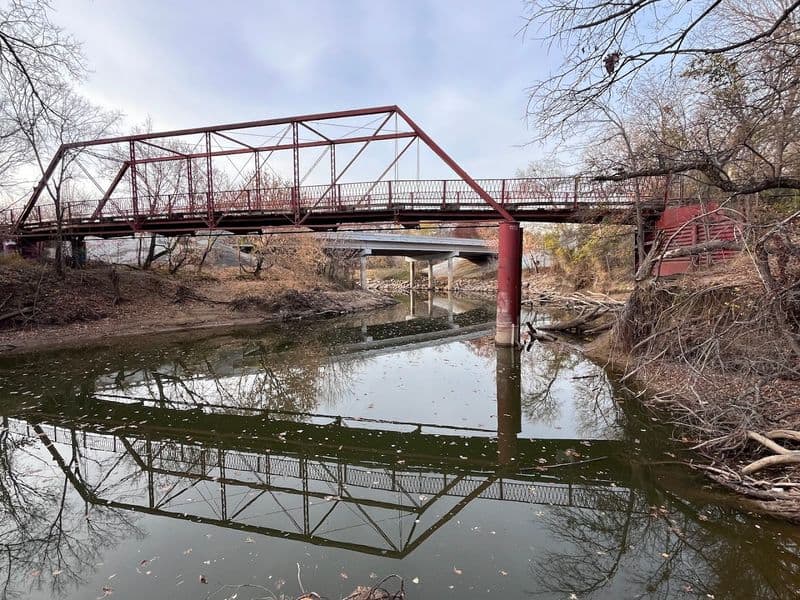
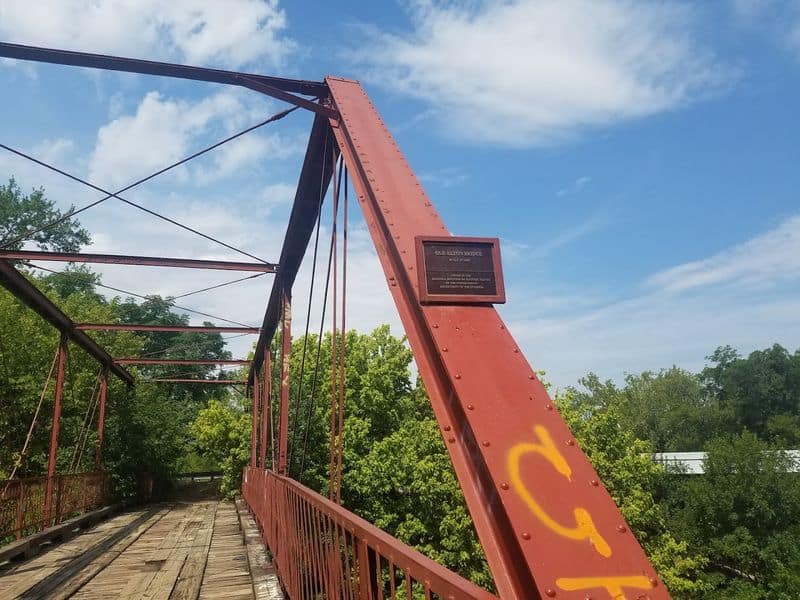
Built in the late 19th century, Old Alton Bridge links you to North Texas history with every step. Iron truss above, wooden planks beneath, and a creek that has mirrored this structure for generations. Even with graffiti, the bones are unmistakably proud, a rugged timeline you can actually touch.
Stand midspan and picture wagons crossing, then cars, and now curious hikers. The geometry of the truss frames the treeline like a steel picture window. You feel the cleverness of old engineering without flashy plaques.
Read the National Register note if you spot it, then let the craft speak louder than signs. Snap close-ups of bolts and lattice. History, here, is felt through texture and sound.
3. How To Get There Without Guesswork
Finding the bridge can feel like a small quest. Keep along Old Alton Road until the gravel lot appears, then take that sharp left others often miss. From the fence, slip through the small stile and cross the grassy knoll before the iron silhouette reveals itself.
Parking is limited, roughly a dozen spots, so arrive early on weekends or off-peak. The bridge is not visible from the lot, which throws first-timers. Trust the path and follow the sound of water and distant footsteps.
Cell service can be spotty under the canopy. Download a map and drop a pin at 33.1293196, -97.104129. It is closer than it feels, and much quieter than you expect.
4. Trail Time: Easy Miles And Shaded Turns
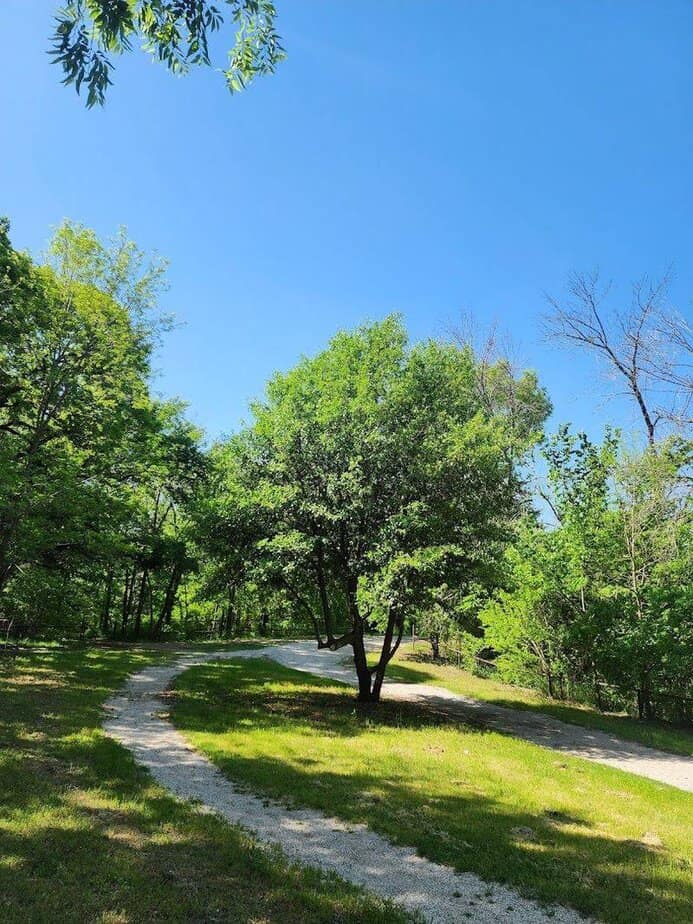
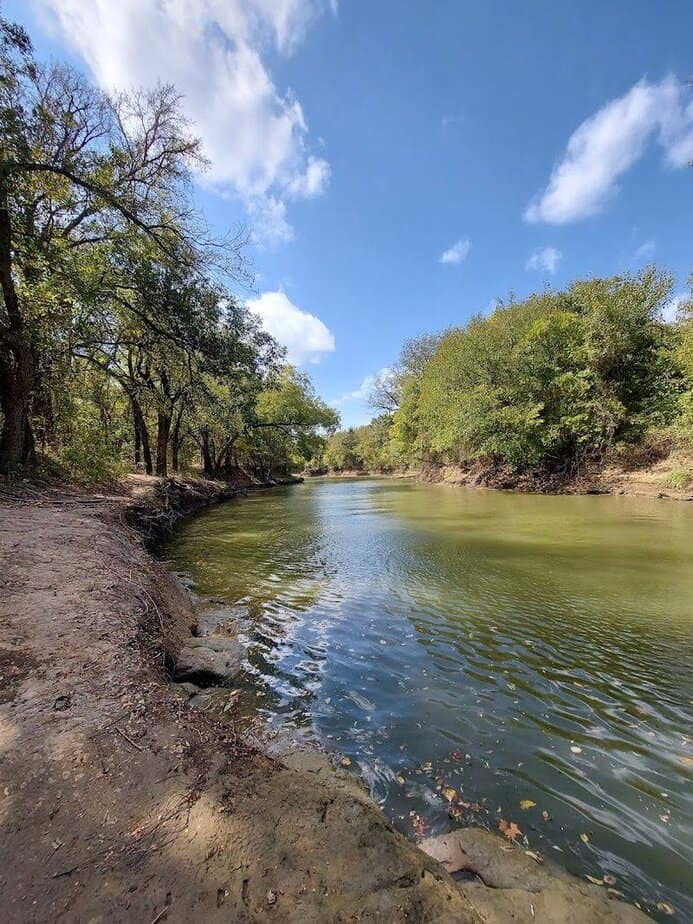
The trails around the bridge are the kind you settle into with a steady breath. Flat, mostly easy, and often shaded, they unwind along the creek with a few low water crossings. Expect a mellow four-mile round trip if you wander farther, with songbirds and the soft hush of leaves.
Wear long sleeves if spiders bother you, and watch for poison ivy near the edges. After rain, puddles linger and crossings can be slick. Strollers will struggle here, but most walkers do fine.
Bring water, sunblock for open stretches, and bug spray. You are never far from the bridge, yet the forest swallows noise. It is a gentle reset for busy weeks.
5. Photography Spots That Actually Deliver
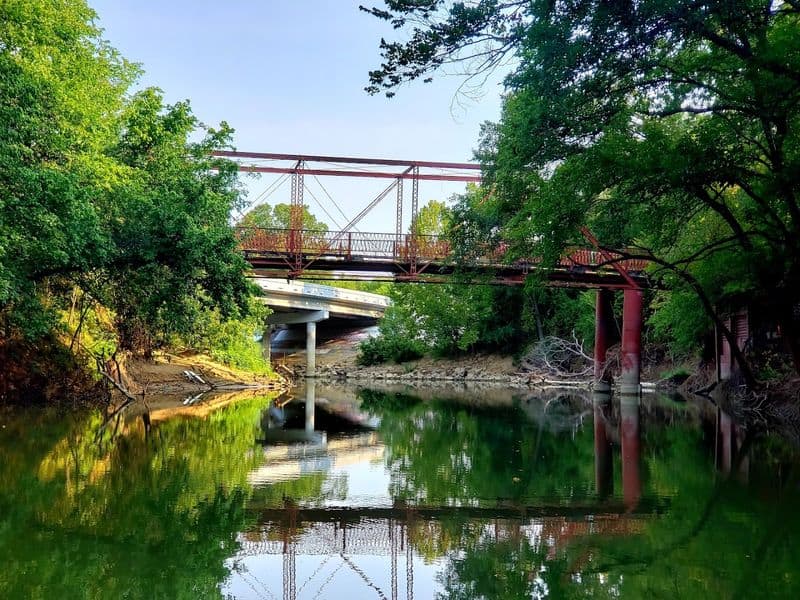
Bring your camera at golden hour for the win. The iron lattice catches warm light, while the creek throws back shimmering reflections. Step to midspan to use the truss as leading lines, then crouch low to make the planks feel cinematic and long.
For portraits, tuck under the canopy where dappled sun spots the path. Frame subjects between vertical truss members for symmetry. Long exposures after dusk give the bridge that ghosted-glow effect everyone double taps.
Do not block the walkway and always share space. Pack a small cloth for lens cleanup if mist rises off the water. Even with graffiti, the textures create contrast that reads beautifully.
6. Safety, Etiquette, And Late-Night Reality
Like any popular urban-edge spot, this area mixes magic and reality. Go with a buddy, stick to marked paths, and keep valuables out of sight. Be aware of your surroundings, especially if visiting late, and share your plan with someone at home.
Headlamps beat phone flashlights. Stay off slick rails, and avoid risky dares for social likes. If a scene feels off, trust your gut and head back to the lot.
Pack out every wrapper and bottle. Litter dulls the place for everyone and harms wildlife. Quiet voices, respectful curiosity, and care for the creek make the legend feel worthy of your footsteps.
7. What To Bring For A Smooth Visit
Pack light but smart. Water, bug spray, and a small first aid kit cover most needs. A headlamp is clutch after sunset, and long sleeves help with brush and opportunistic spiders.
Wear closed-toe shoes with decent grip for dusty paths and occasional creek edges. Bring a small trash bag so you can pack out your waste and maybe snag a stray can. A compact camera or phone with a clean lens rounds out the kit.
Download maps in case GPS drifts under the canopy. Keep keys and wallet zipped in an inside pocket. You will appreciate traveling lean when curiosity tugs you farther down the trail.
8. Best Times And Crowd-Savvy Planning
If you want quiet footsteps and clear photos, aim for sunrise or late weekday afternoons. Mornings bring mist above the creek and fewer hikers. Evenings glow, but nights can draw legend hunters and louder groups.
Summer shade helps, yet spring and fall feel perfect on the skin. After heavy rain, consider rescheduling due to slick crossings and muddier approaches. Parking fills fast on weekends, and the lot is small, so carpool when you can.
Remember it is open 24 hours. Time your visit to your vibe, whether contemplative or thrill-seeking. Give yourself a buffer to linger, because the bridge tends to hold you longer than planned.