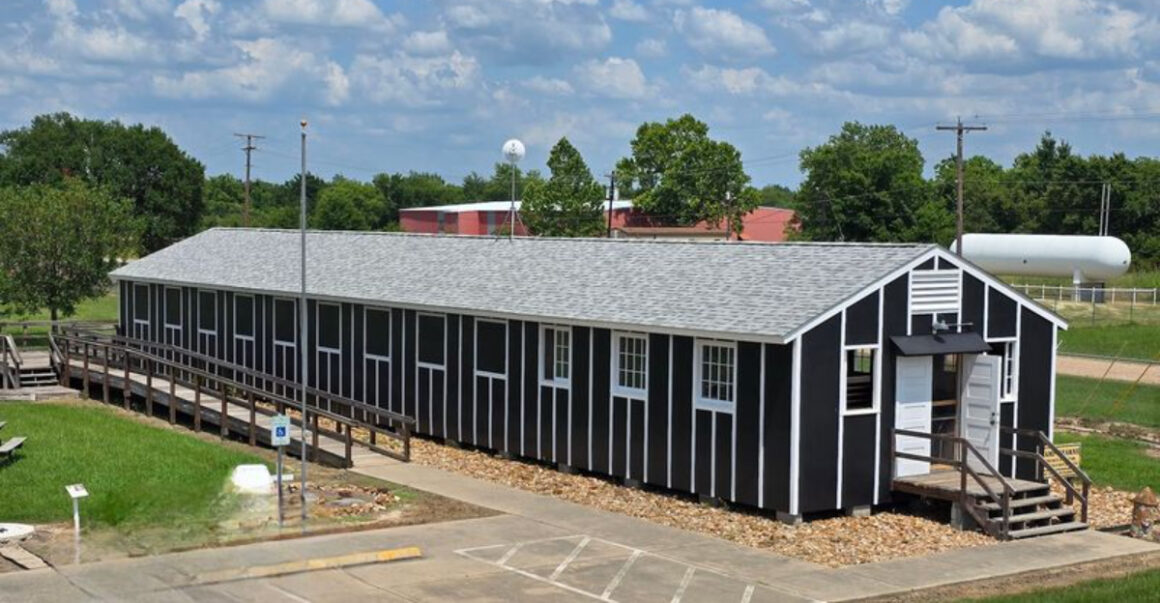
Tucked just off Highway 6 in Hearne, Texas, a quiet museum holds stories loud enough to echo across decades. Camp Hearne Historic Site brings World War II home with a rare look at life inside a POW camp on American soil. You will walk past foundations, replicas, and recovered artifacts that whisper about artistry, routine, and resilience behind the wire.
If you love history that feels real under your feet, this place will surprise you.
1. The POW Story You Can Stand In
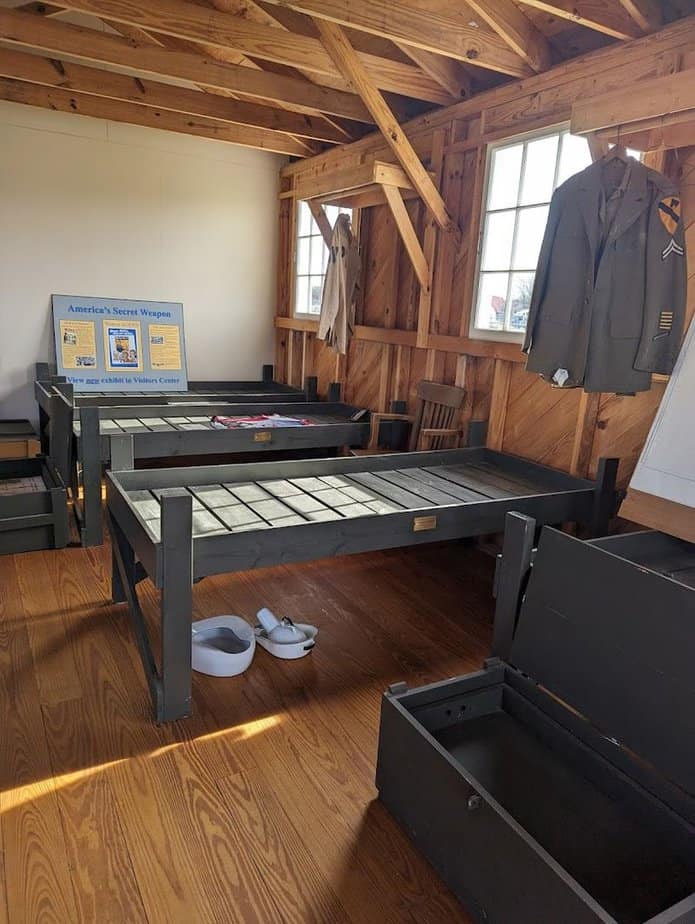
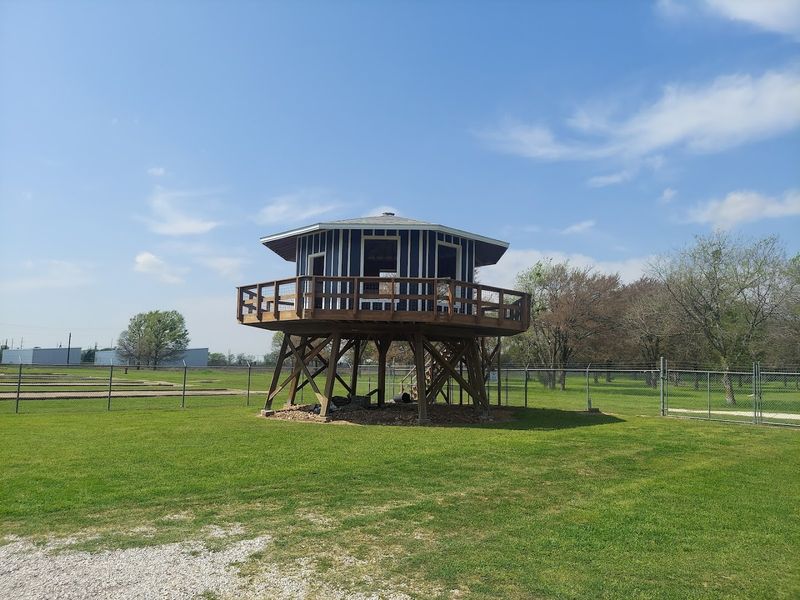
Walk into Camp Hearne and the war narrows from global maps to personal footsteps. The site was a World War II POW camp that held thousands, primarily from Germany’s Afrika Korps, with some Italian and Japanese prisoners. You will see a reconstructed barracks and guard tower paired with the original foundations that ground every story.
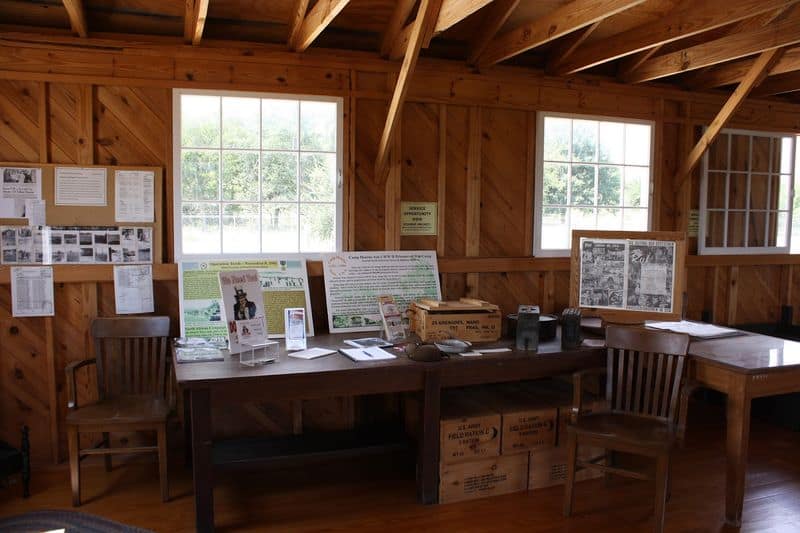
Inside, exhibits explain daily life, rules, and Red Cross parcels, showing a system built to hold but also to manage human routine. Guides weave timelines with anecdotes, making policy feel lived in. Step outside and the wind carries the faint geometry of streets and mess halls.
It is not grand. It is exact. That precision turns curiosity into understanding.
2. Art, Theater, and Making a Life Behind Fences
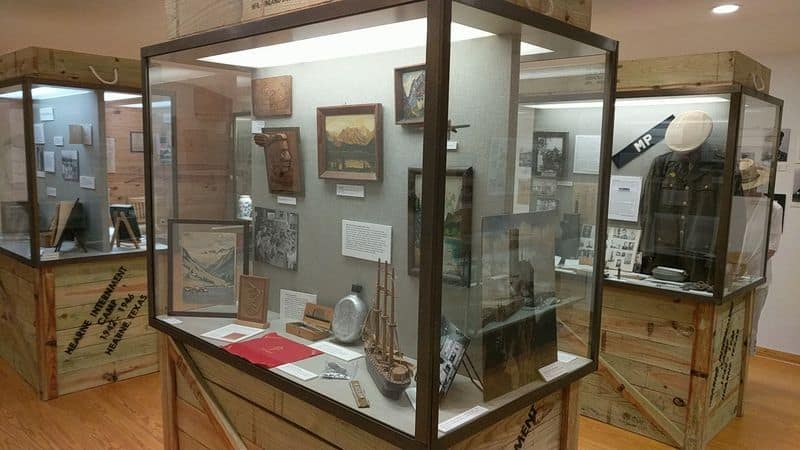
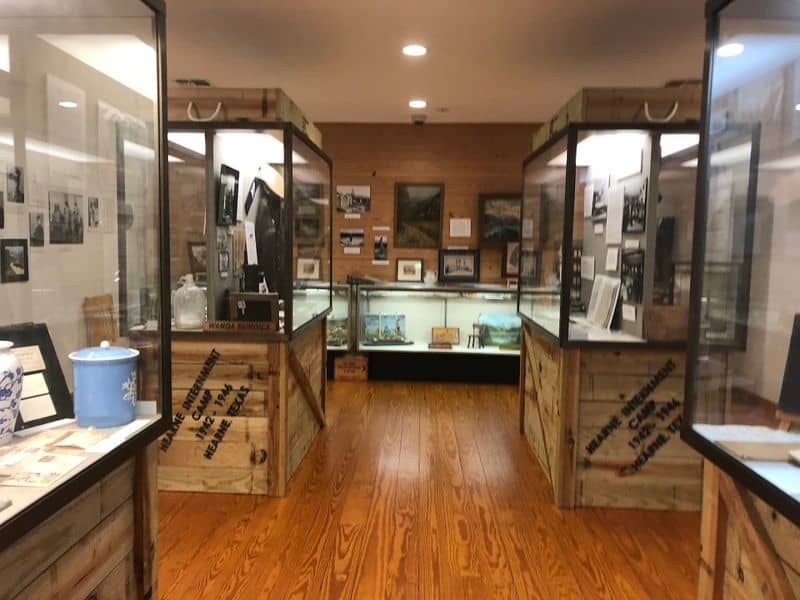
At first, prisoner art at Camp Hearne feels surprising, then obvious. Humans create when days repeat. Display cases hold carved figurines, delicate paintings, and fragments of fountains prisoners built to reclaim beauty in a fenced world.
You will spot playbills and photos from theatrical performances, where makeshift stages carried Shakespeare and satire in thick Texas heat. Creativity served as currency, morale, and order. Guides explain how materials were scavenged, donated, or carefully allocated.
Stand long enough and small details surface: a chisel mark, a brush hair, a cockeyed mask smile. These objects say more than data points. They say boredom battled back with craft, and community stitched itself together one rehearsal at a time.
3. Walking the Trails of a Vanished Camp
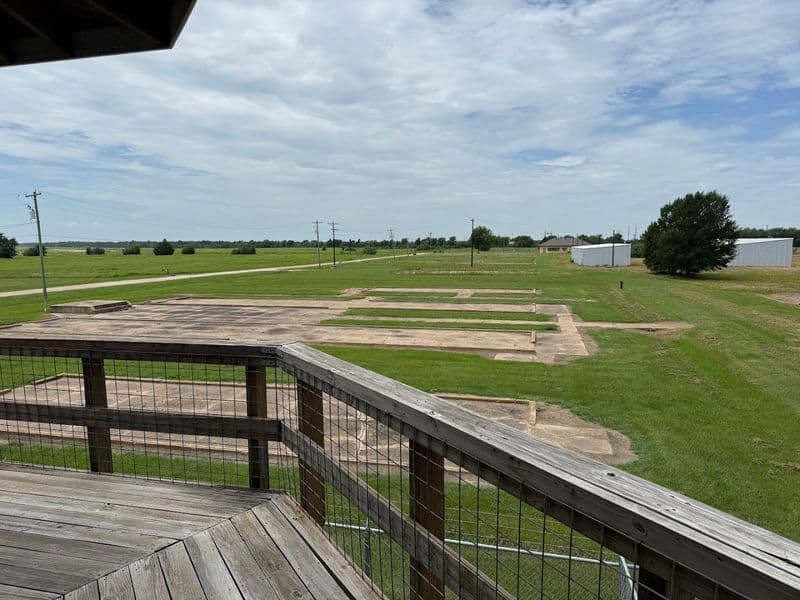
The museum door closes and the trails open a different archive. Follow markers past brush and pines to the camp’s footprint, where concrete slabs and brick clusters outline mess halls, barracks, and support buildings. Boots crunch on gravel where thousands once marched.
After rain, expect mud and standing water in low spots. Bring sunscreen and patience, because the past here is subtle and spread out. Interpreting ruins takes imagination, and the signs help you bridge gaps.
When a breeze breaks the heat, the site’s grid reappears like pencil lines under a watercolor. You are not touring a reconstruction. You are reading a map written in concrete, erosion, and memory, one careful step at a time.
4. Guided Tours That Connect the Dots
At Camp Hearne, a good guide changes everything. Reviews praise knowledgeable docents who compress big history into clear, human stories. Expect a 60 to 90 minute walkthrough that connects exhibits to foundations outside and turns timelines into personal moments.
You will hear about officers from the desert war, camp routines, and tensions within prisoner ranks. Facts meet anecdotes, and suddenly the barracks feel occupied again. Questions are welcome, and answers often come with a side path worth following.
Come with time to listen. The details stack up gently until the bigger picture locks into place. You will leave with names, images, and a better feel for what captivity meant in Texas.
5. Practical Details: Hours, Cost, and Timing
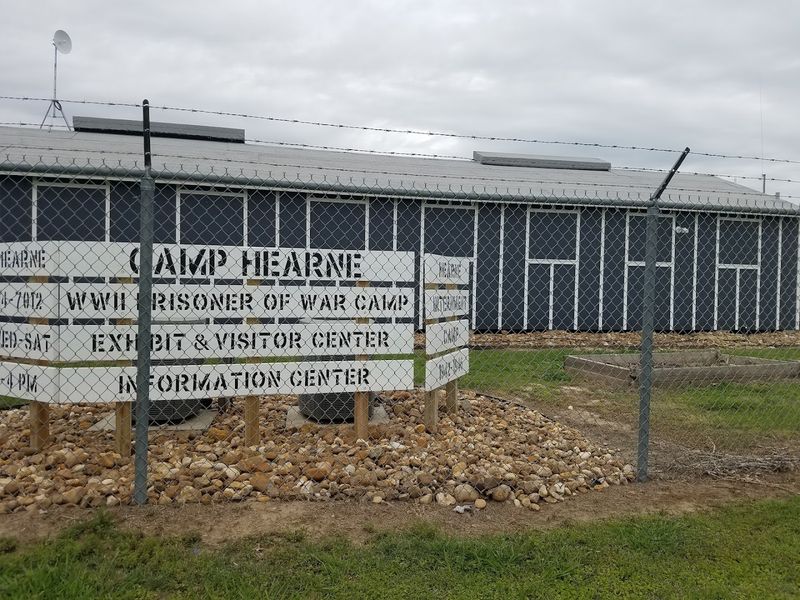
Plan your visit smartly. Camp Hearne operates Wednesday through Saturday, 11 AM to 4 PM, with Sunday through Tuesday closed. There is no fixed entry fee, but donations and small gift shop purchases help keep the lights on.
Arrive early in the day for cooler trails and an unhurried tour. Budget 90 minutes to two hours if you want exhibits plus a walk to key foundations. If it rained recently, wear sturdy shoes.
Call ahead if you are coordinating a group or want to confirm docent availability. The phone number is listed on their website and posted signage. A little planning buys you a smoother visit and space to absorb the stories without rushing.
6. Why a Texas POW Camp Mattered
Camp Hearne makes a national story local. During World War II, America held hundreds of thousands of Axis prisoners. Texas hosted dozens of camps due to open land, rail lines, and agricultural labor needs.
Hearing that scale beside a small-town road reframes the war’s reach.
Inside, panels explain Geneva rules, work details, and the odd intimacy of enemies housed safely far from the front. Prisoners picked crops, built small projects, and received mail. The system was imperfect but structured.
Stand at the map and trace lines from North Africa to Hearne. Distance collapses. You realize how global conflict braided with Texas cotton, timber, and trains, and why remembering this camp sharpens the larger American story.
7. Replicas, Originals, and What Remains
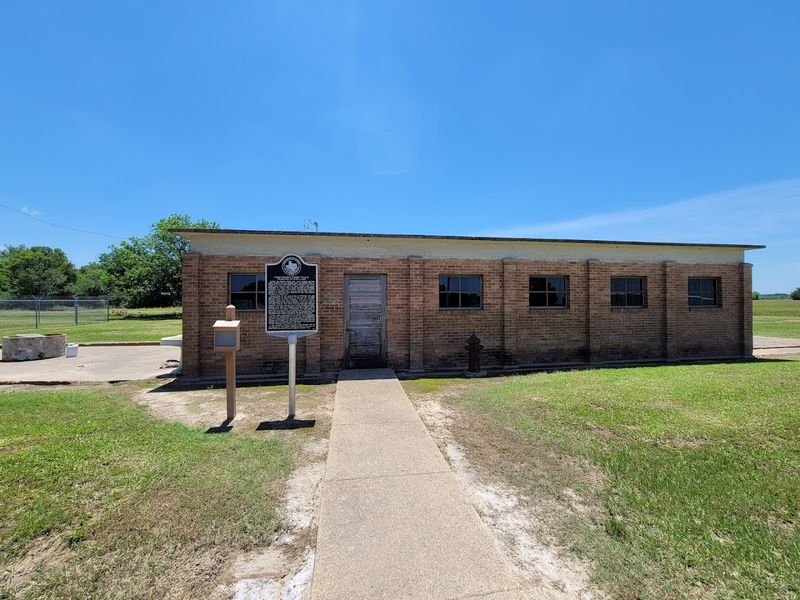
Part of the power here is honesty about what is new and what survived. The barracks and guard tower are replicas that give scale and context. The ground-level foundations, brick clusters near the old water system, and scattered utilities mark original footprints.
Exhibits label the difference clearly, so you are never guessing. That transparency keeps the site credible and lets imagination rest on firm edges. Touch the roughness of old concrete, then step into the reconstructed room to feel enclosure.
Together, they form a dialogue: artifact and interpretation, silence and narration. You will leave with a layered memory that respects what time erased and what careful stewardship rebuilt for understanding.
8. Tips To Make Your Visit Memorable
Wear comfortable shoes and bring water, especially in summer heat. Sunscreen and a hat help on the open stretches of trail. Check weather before you go because recent rain can turn sections muddy and slow your pace.
Start indoors for context, then take the trails so the ruins speak a language you already learned. Ask your guide for favorite stops and small details easy to miss. Leave time for the gift shop to support the nonprofit mission.
Most of all, slow down. The site is quiet by design, and that quiet does the teaching. You will walk out with a steadier picture of World War II than you expected.