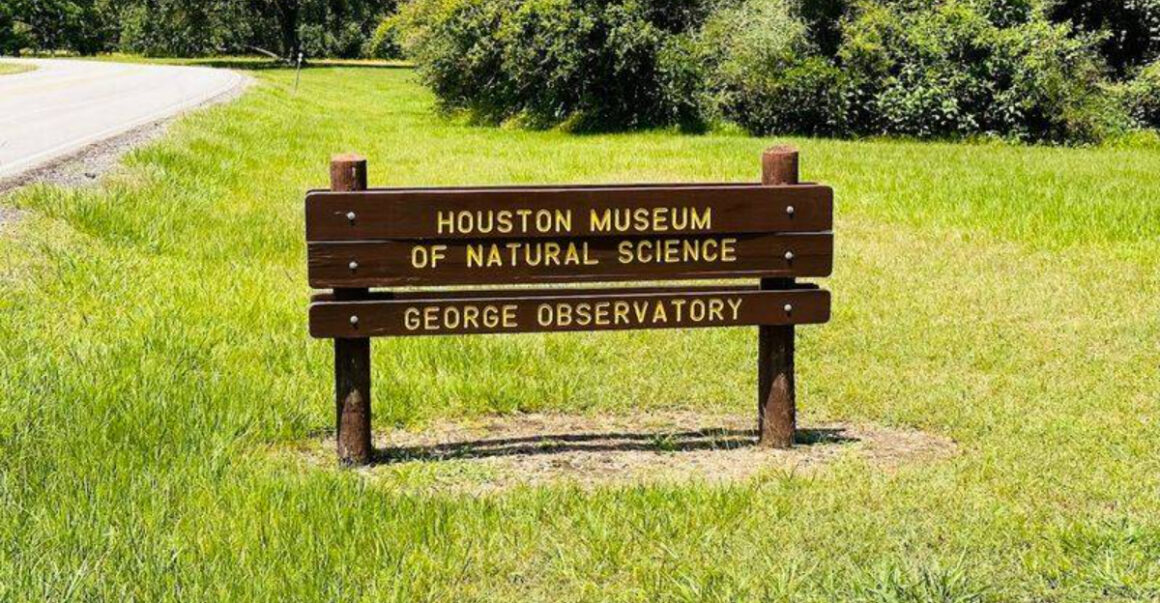
Craving a night sky that actually wows you near Houston? At George Observatory inside Brazos Bend State Park, you get a front-row seat to Saturn’s rings, lunar craters, and glittering star clusters through serious telescopes. Friendly volunteers and Museum of Natural Science staff make the cosmos feel close, even if you are new to stargazing.
Grab your tickets for a Saturday session and prepare for an unforgettable, quietly thrilling escape.
1. Stargazing Saturdays: Your Night at George Observatory
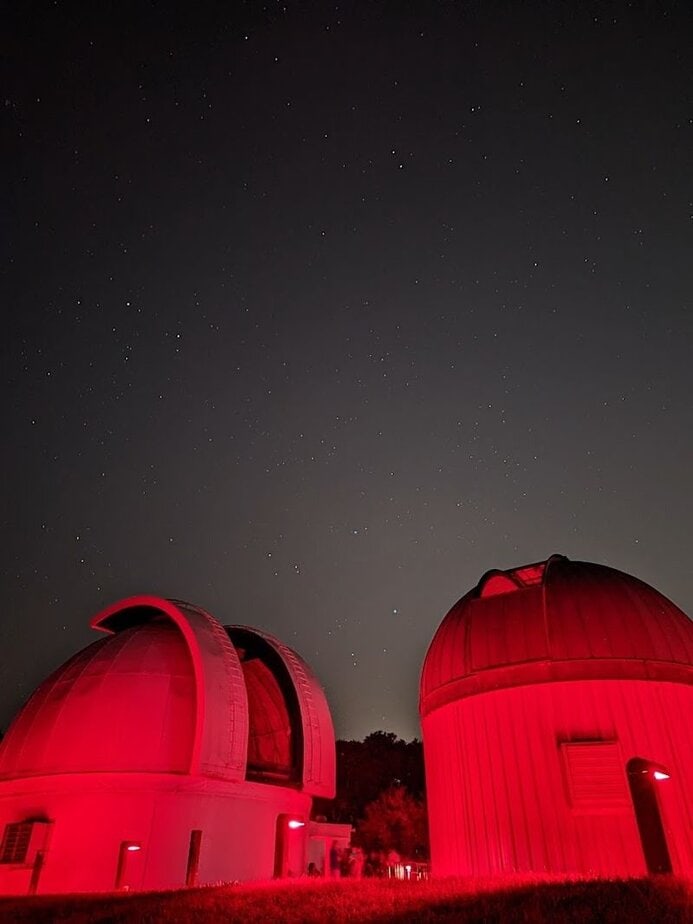
Saturday nights at George Observatory feel like stepping into a living planetarium. Volunteers and HMNS staff guide you through constellations, planets, and deep sky showpieces. You rotate between scopes, hear quick explanations, and get your turn at the eyepiece.
The vibe is welcoming, curious, and perfect for beginners or seasoned sky nerds.
Arrive early to catch the looping orientation and find your bearings in the red-light glow. Bring bug spray, a small flashlight with red filter, and patience for lines. Clouds can roll in, so treat clear skies like a bonus and the talks as the guarantee.
When Saturn, Jupiter, or the Moon pop, you will gasp. Book tickets online early because sessions sell out and walkups are rare quickly.
2. Telescopes and Instruments: What You Will Use
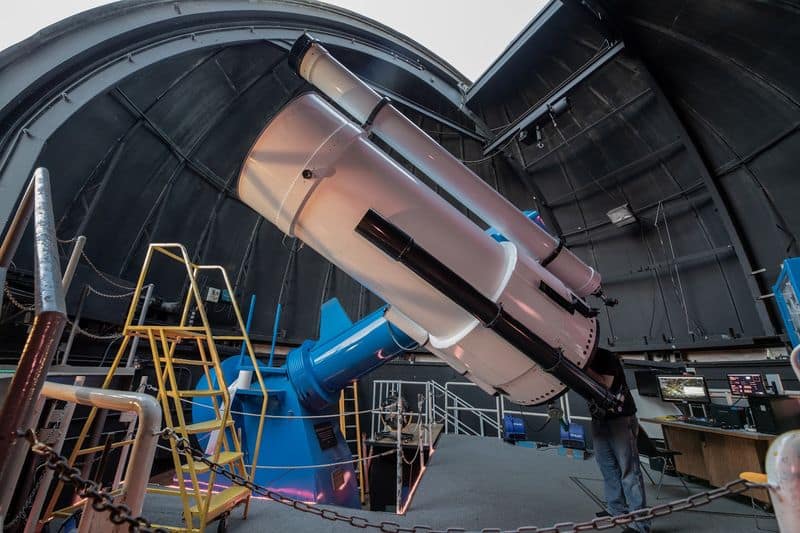
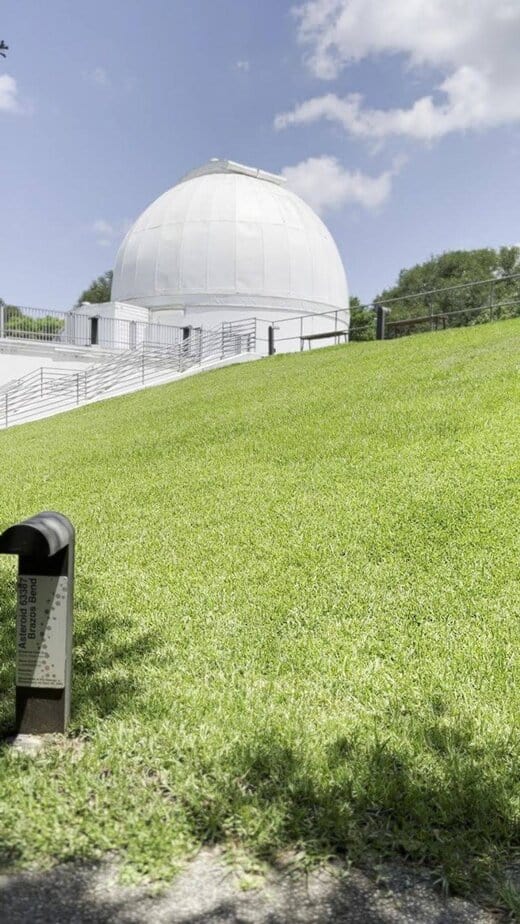
The observatory anchors the night with big research-grade telescopes and plenty of portable rigs. Docents aim different instruments at targets so you can compare views and magnifications. One scope frames Saturn’s rings, another resolves Jupiter’s moons, while a third pulls in the Orion Nebula.
You get quick guidance on focusing, breathing steady, and waiting for steady air.
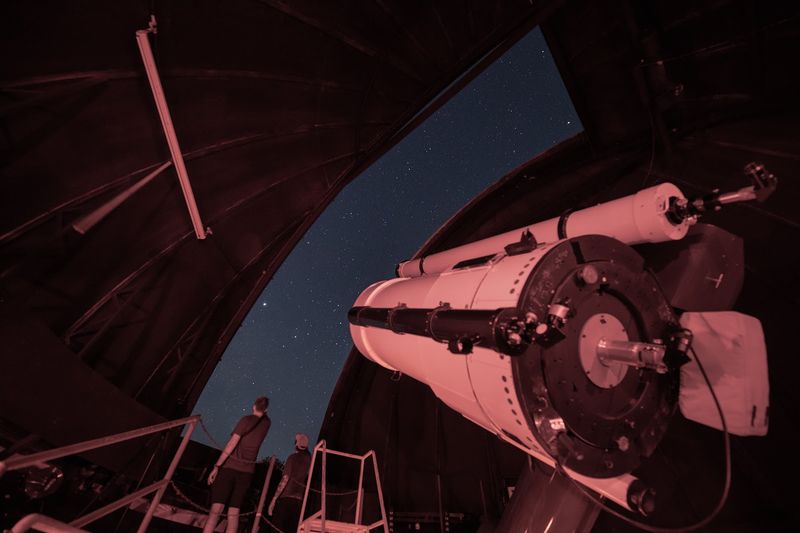
Not every eyepiece fits glasses comfortably, so ask for options or step stools as needed. Expect red lights to protect dark adaptation and no white beams on the observing field. Equipment varies by night, with many volunteers sharing personal gear, which adds surprise to the lineup.
When the seeing cooperates, the detail can rival astrophotography and make you whisper wow. You will grin.
3. Planning Your Visit: Hours, Tickets, and Access
George Observatory hosts public viewing on Saturday nights, usually 9 to 11 pm. Weeknights are closed, but private group bookings can open alternate dates and spread costs. Buy tickets in advance through the Houston Museum of Natural Science website, then budget park entry for Brazos Bend.
Navigation can be dark, so arrive early and follow posted signs from FM 762.
Check weather forecasts and remember clouds or humidity can limit views without refunds. Bring bug spray, closed-toe shoes, and a red-filtered light to preserve night vision. If mobility is a concern, call ahead about parking and assistance from the lot.
The schedule and offerings evolve seasonally, so verify times, moon phase, and any special events before committing. Arrive extra early.
4. What You Can See: Seasonal Highlights
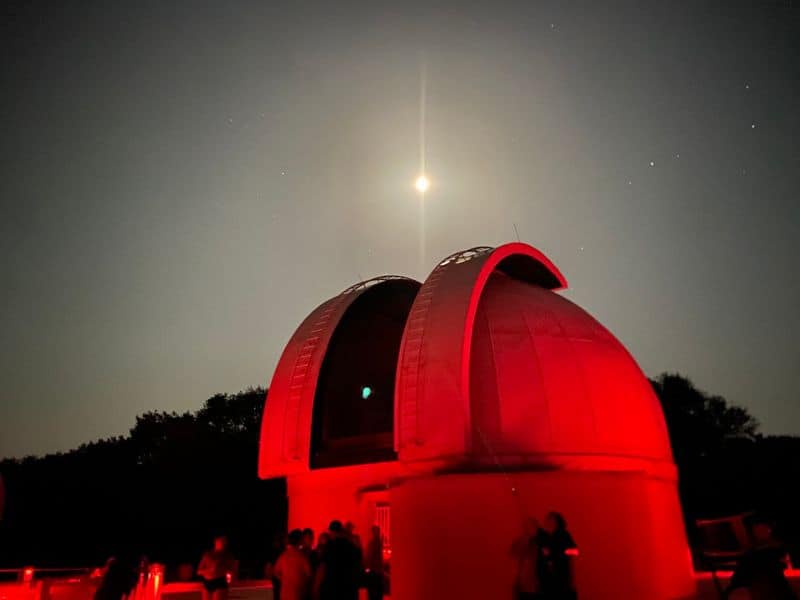
Targets change with the seasons, and that keeps every visit fresh. Winter brings Orion’s Nebula, the Pleiades, and razor sharp double stars. Spring swings in galaxies like Leo’s triplets and Virgo’s swarm.
Summer serves the Milky Way, globular clusters, and the bright star clouds near Sagittarius.
Fall favors Andromeda and the Double Cluster, while planets rotate through throughout the year. Check a planet visibility chart before you go so expectations match the sky. A bright Moon washes out faint fuzzies, yet its craters are spectacular at the eyepiece.
When everything lines up, you will bag Saturn’s rings, Jupiter’s belts, and delicate nebula detail. Meteor showers occasionally dazzle, making this quiet clearing feel like a cosmic front row for lucky observers.
5. Family Friendly Tips and Expectations
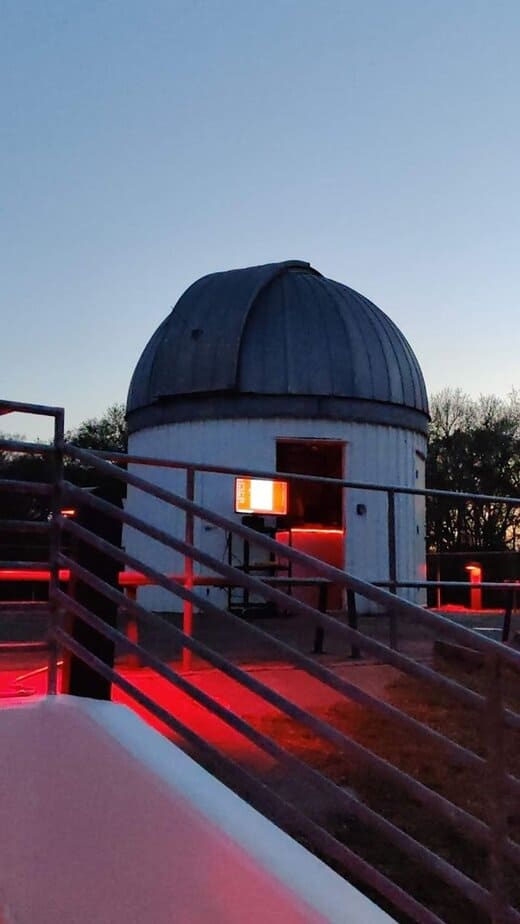
Older kids thrive here, especially if they can wait their turn and whisper in the domes. Consider a nap, snacks that do not crumble, and layers for breezy nights. Prep with a constellation app at home, then challenge each other to spot Orion or Scorpius.
Share the wow but teach patience, because breathtaking views arrive in brief, steady moments.
Explain red-light rules before arriving to avoid accidental blasts from phone screens. If lines look long, bounce to another scope and circle back later. Ask volunteers for kid-height options or binocular views that punch through light haze.
Remember that clouds, humidity, and mosquitoes are part of coastal Texas, so set flexible expectations and celebrate every clear, magical glimpse. Promise hot cocoa.
6. Light Pollution, Weather, and Reality Checks
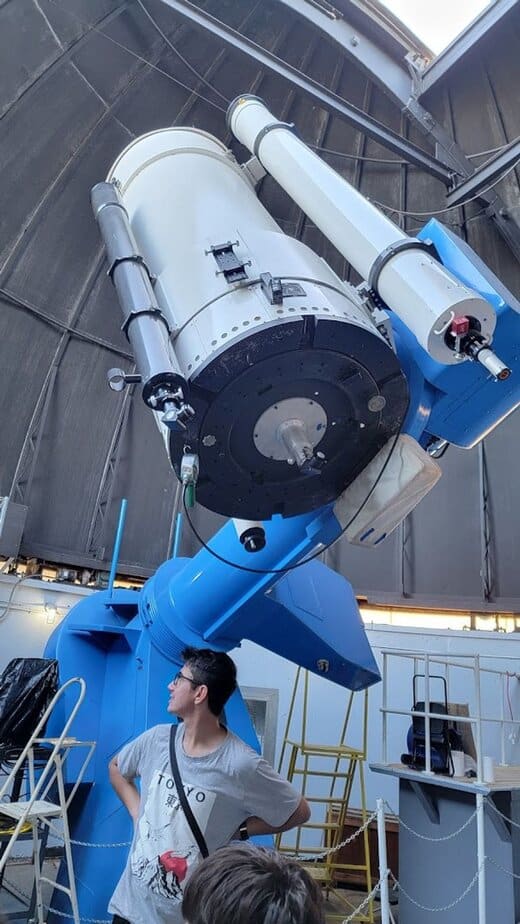
This is the closest major observatory to Houston, which means convenience and some glow on the horizon. Even so, the instruments conquer a surprising amount of sky. Humidity, haze, and fast moving clouds can steal contrast, and there are no refunds for weather.
Treat the program content as guaranteed value and the stars as dessert.
Check forecasts, dress for wind, and secure hats that could fly off ladders. Summer bugs adore ankles, so spray before leaving the car. If you need a sure thing, consider booking a private group where flexibility can help reschedule.
When luck and planning meet, the views feel impossibly crisp and you will forget the city exists. Cloud charts and satellite loops go or no-go calls.
7. Wildlife, Trails, and Brazos Bend Setting
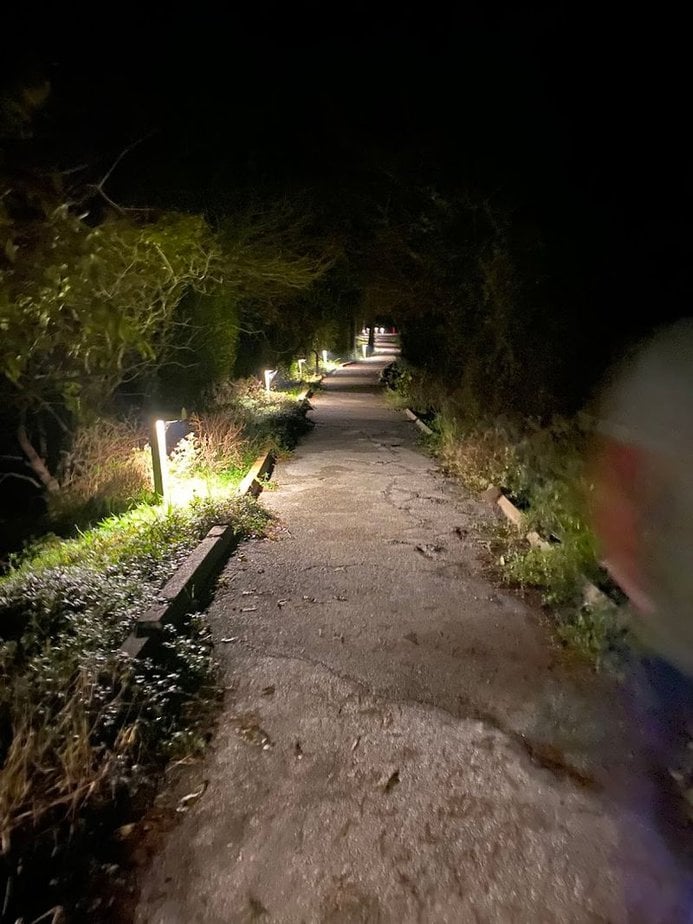
Reaching the dome means a short, dark walk that feels adventurous and quiet. You are in Brazos Bend State Park, home to lakes, owls, armadillos, and alligators. Stay on marked paths, use red lights, and give wildlife plenty of space.
Hearing frogs and night birds while waiting for your turn adds atmosphere you cannot fake.
Carry bug spray, closed shoes, and a small towel in case benches are damp. Do not feed anything, and pack out every wrapper so the park stays pristine. If heavy rain has recently hit, sections may close, so check alerts before driving.
The blend of quiet prairie and big sky primes your senses for jaw dropping cosmic views. Keep voices low to respect others nearby.
8. Photography, Phones, and Night Etiquette
Astrophotography is tempting, but bright screens ruin dark adaptation fast. Switch phones to red mode or use a red film, and dim to minimum. Disable flash, notifications, and raise brightness only when safely away from scopes.
If you shoot, try short exposures on a tripod and accept that visual views may be better.
Ask before aiming near people, and never bump tripods or cables. Respect the queue at each instrument and step aside after your turn. Save bright selfies for the parking lot, where you can celebrate under safer lighting.
The night belongs to everyone here, so small courtesies keep the experience quietly magical for all. Check policies on tripods, lasers, and drone use before planning gear for this site.