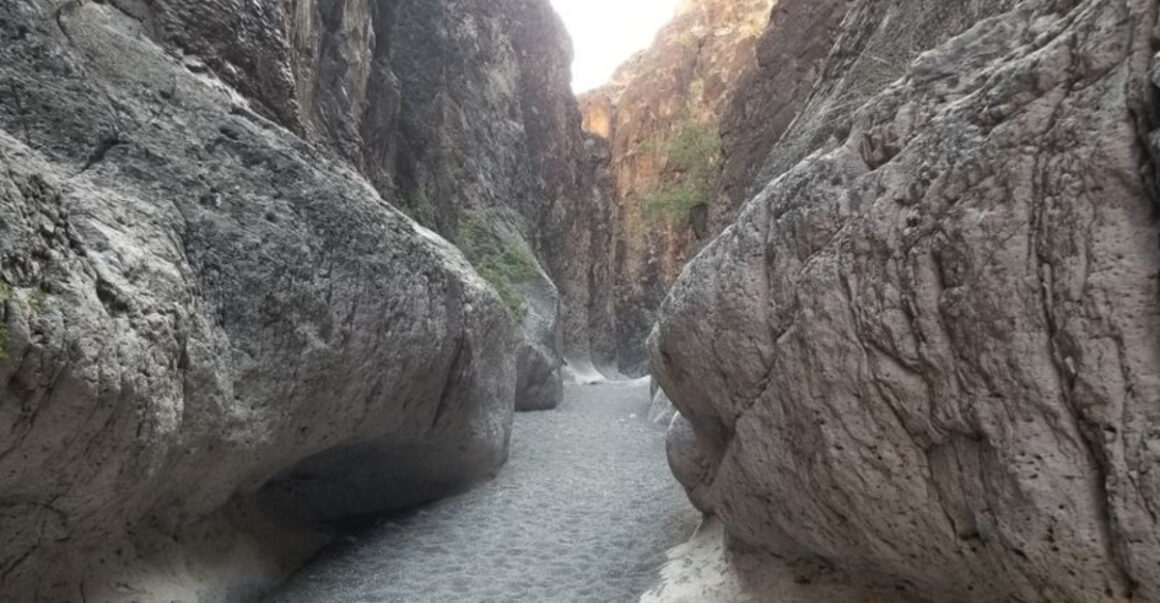
If the word narrow makes your palms sweat, Closed Canyon might test your nerves in the best way. Carved into volcanic rock along FM 170, this slot squeezes sunlight into thin ribbons and funnels desert wind like a whispering tunnel. Footsteps echo off walls that tighten with each bend, drawing you deeper toward shadowy pools and polished pour-offs.
Ready to sidestep your fear and feel absolutely alive in West Texas?
1. Why Closed Canyon Feels So Tight
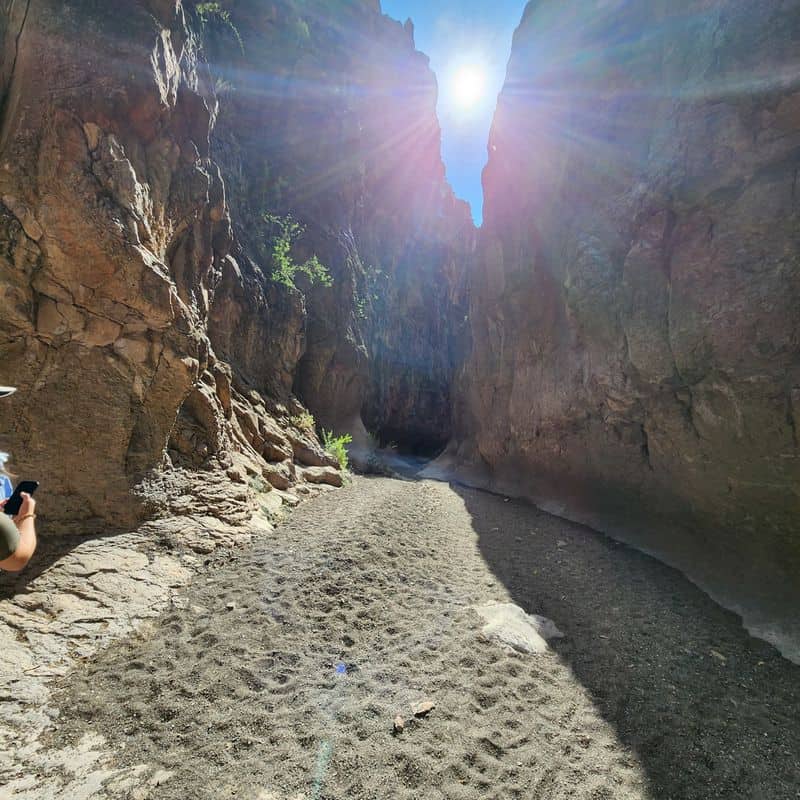
Closed Canyon is a true slot canyon, not just a narrow gap. The basalt walls press in so closely that your shoulders brush the rock, leaving only a thin slice of sky overhead. Every step echoes, and the light fades quickly as you move deeper, making the space feel tense and enclosed.
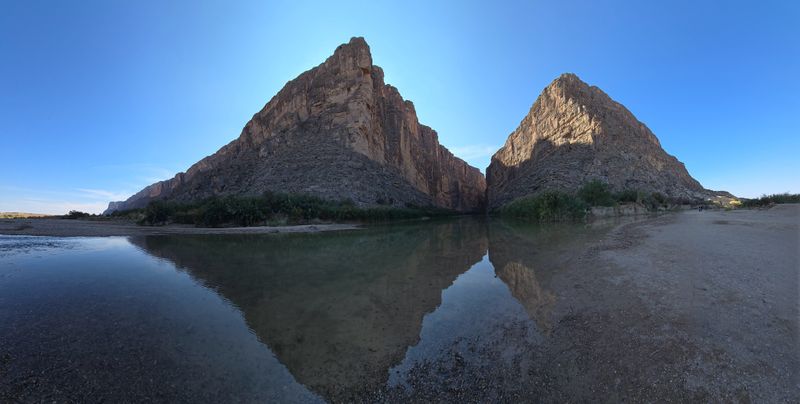
The canyon floor naturally pulls you forward, and turning back can feel surprisingly difficult. Cool drafts move through shaded pockets, carrying the scent of damp stone. When water pools on the ground, it mirrors the walls and makes the canyon feel even tighter.
It’s beautiful, a little intimidating, and hard to forget—exactly the kind of place that keeps your senses fully awake.
2. Getting There And Parking On FM 170
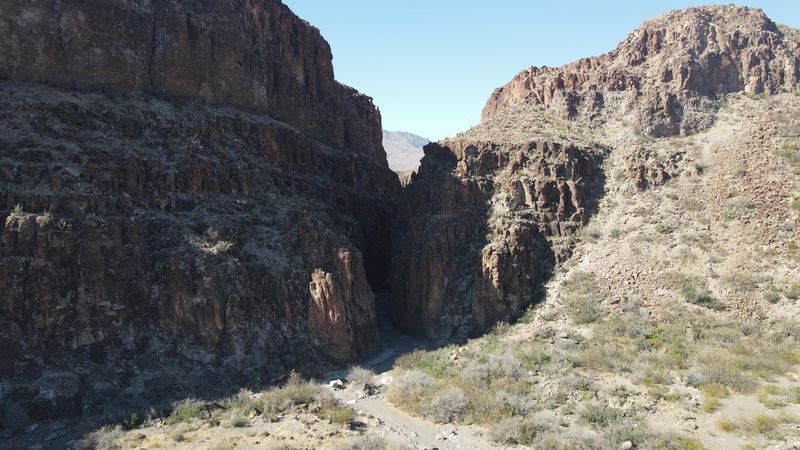
Closed Canyon sits directly off FM 170, the River Road, between Lajitas and Presidio. Look for the signed pullout and a small gravel lot that fills faster on cool weekends. There are no services at the trailhead, so arrive stocked with water, sun protection, and a printed or downloaded map.
Cell coverage is spotty to nonexistent. The whole area feels wonderfully remote.
From the parking area, a short, flat approach leads straight into the canyon mouth. Check conditions with rangers at Fort Leaton or Barton Warnock before driving the highway. The Big Hill on 170 is steep, so mind your brakes and gears.
Sunrise and late afternoon bring soft light and fewer cars. Arrive early, breathe deep, and step into the slot.
3. Trail Stats You Should Know
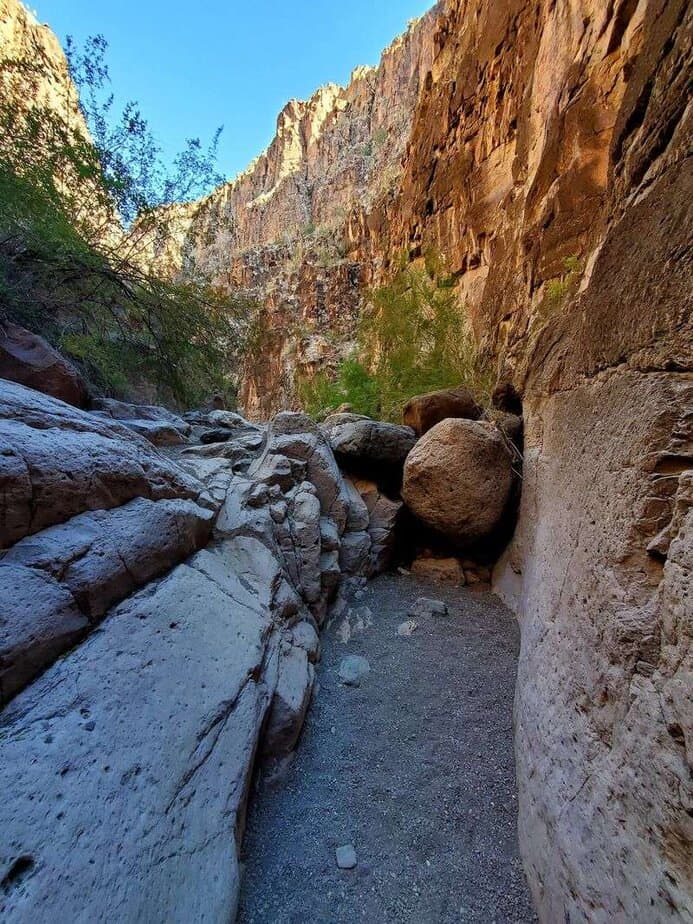
Expect roughly 1.4 miles round trip with minimal elevation change, though the effort spikes as you encounter pour-offs. The path is straightforward until the obstacles stack up. Many hikers turn around at the first serious drop, especially if water is pooled below.
Plan 45 to 90 minutes depending on exploration and photo stops. Footing can be surprisingly slick even in dry weather.
Difficulty lands in the easy-to-moderate range, but the claustrophobic vibe intensifies the experience. Kids can enjoy the first section with close supervision. Dogs are not recommended due to sharp rock and sudden drops.
There are no bathrooms or water at the trailhead. Start early, hydrate, and pace yourself. Treat every bend as a checkpoint for conditions and comfort.
4. Hazards: Flash Floods And Pour-offs
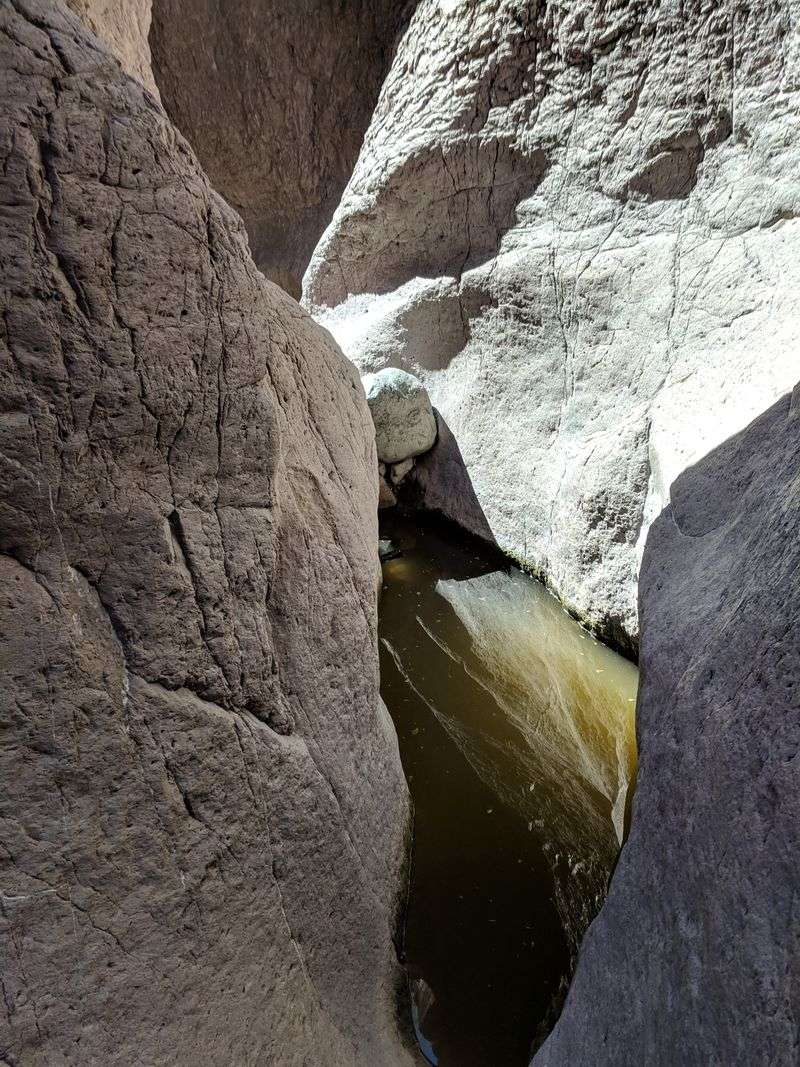
Slot canyons are beautiful traps during storms. Rain miles away can surge through Closed Canyon without warning. If the forecast mentions thunderstorms, skip it.
Watch the sky, read the rock, and turn around at the first sign of rising water or muddy flow lines. Pour-offs become slippery slides when wet, and polished limestone is slick even when it looks dry.
Know your limits with downclimbing. Once you drop, you might need a partner boost to get back up. Avoid committing moves you cannot reverse.
Test each foothold and stay low to maintain balance. Keep valuables in waterproof bags and avoid deep pools. If you feel uneasy, listen to that instinct.
The canyon will be here on a safer day.
5. What To Pack For A Tight Slot
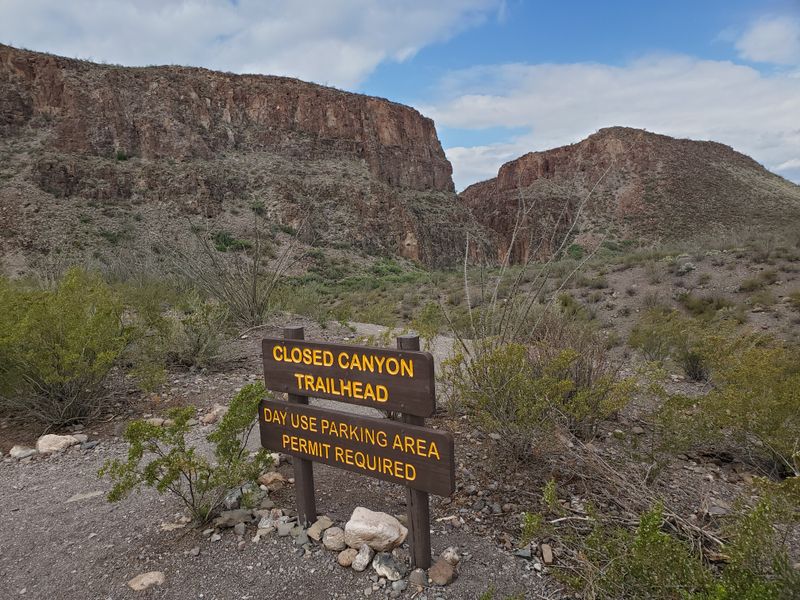
Grip matters here. Wear sticky-soled hiking shoes that edge well on polished rock. Lightweight gloves can help on abrasive downclimbs and chilly shaded walls.
Bring at least two liters of water per person, plus salty snacks. A small first-aid kit, whistle, and headlamp are smart adds, since light fades quickly inside the slot. Stash phones in a dry pouch.
Pack a thin layer for the temperature drop in the canyon. A printed map or downloaded offline map is useful when cell service disappears. Keep your kit compact to avoid snagging in tight narrows.
Trekking poles are usually a hindrance. Do not forget sunscreen for the approach and a towel if you plan to test water depth. Travel light and deliberate.
6. Best Seasons And Times To Go
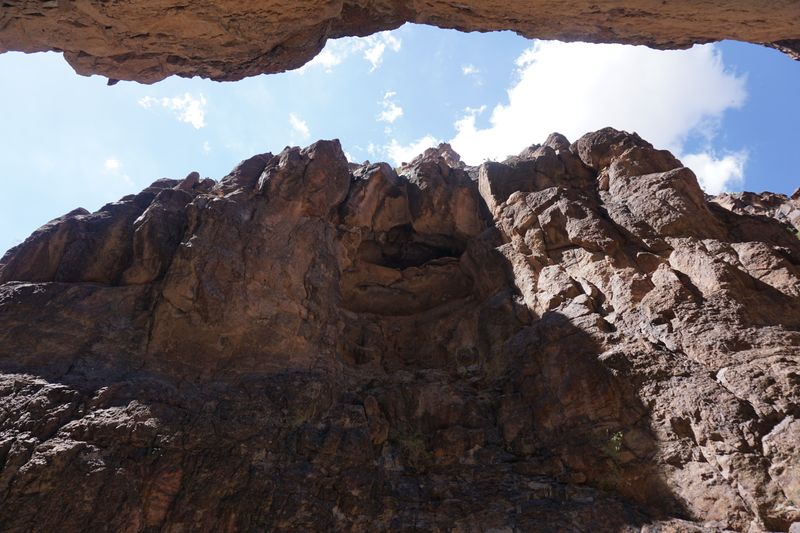
Fall through early spring is prime. Cooler temperatures make the narrow shade comfortable, and the approach on FM 170 feels easier. Summer heat can be brutal outside the slot, and monsoon season spikes flood risk.
Start at sunrise for solitude, gentle light, and cooler rock. Late afternoon also works, though shadows deepen fast and navigation can feel trickier.
Weekdays are delightfully quiet. Holidays bring more traffic, so arrive early. After heavy rain, expect lingering pools and mud.
Those conditions can be fun for adventurous photographers, but they raise slip risk. Always check forecasts and park alerts. Closed Canyon rewards patience and timing.
A well chosen window lets you soak in the hush, the colors, and the dramatic squeeze.
7. Photography Tips In Tight Spaces
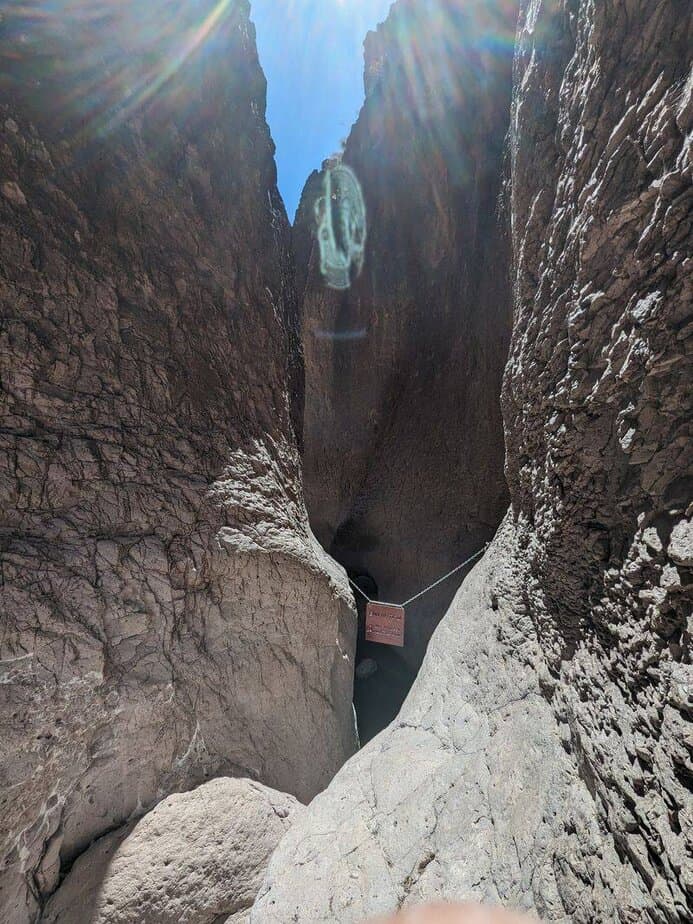
Go wide and think vertical. The sliver of sky, converging walls, and reflective pools create powerful leading lines. Midday can work because the canyon filters harsh light into soft bounce.
Expose for highlights and lift shadows later. A phone with night mode or a small tripod handles the dim sections well. Keep gear streamlined to avoid scraping rock.
Look for textures where water has polished the walls. Side-light reveals ripples and colors you will miss at first glance. Kneel by pools for mirror symmetry shots.
Stay dry and stable before leaning over edges. Avoid blocking others in the narrow corridor. Breathe, slow down, and wait for the canyon to quiet.
The best photos usually arrive in that hush.
8. Trail Etiquette And Turnaround Points
Space is a currency in Closed Canyon. Yield at widenings, communicate clearly, and let faster hikers pass. Keep conversations low; echoes travel far.
Pack out every scrap, including orange peels and tissue. Avoid touching delicate mineral streaks when possible. If someone looks nervous, offer a friendly check-in and give them room to breathe.
The canyon feels better when everyone moves patiently.
Turnaround is success, not failure. Common points include the first big pour-off, deeper pools, or any downclimb you are not prepared to reverse. Mark your mental breadcrumbs as you go, noting landmarks and light angles.
If water is cold and deep, do not wade blindly. Choose safety. Closed Canyon rewards respect, humility, and steady judgment.