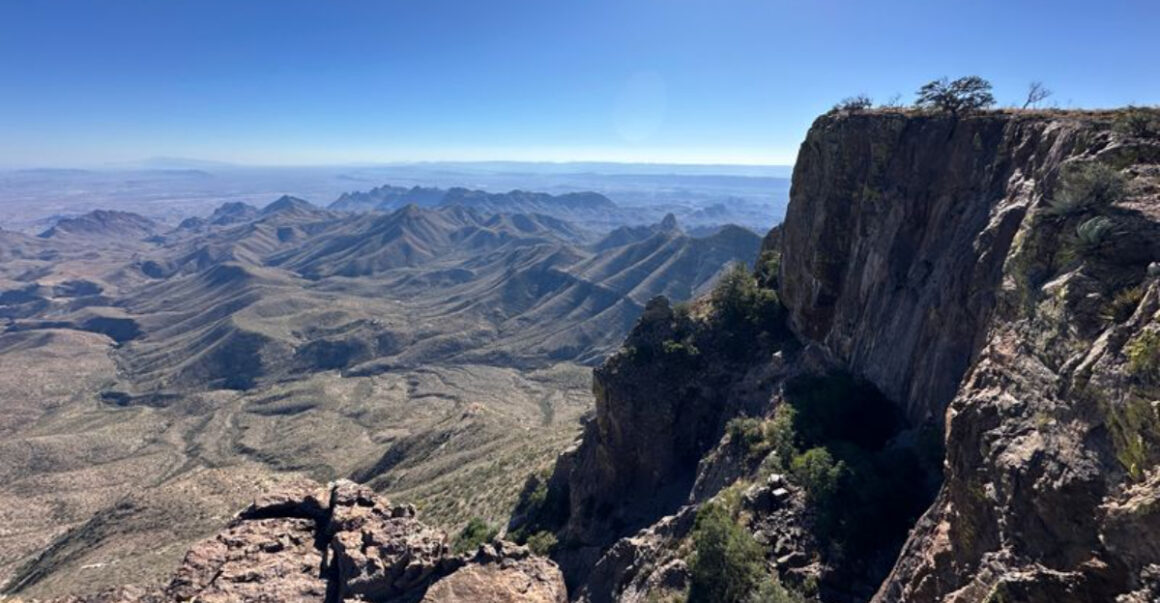
Some hikes humble your legs. The South Rim Loop Trail humbles your perspective. This Big Bend classic climbs high above the Chihuahuan Desert, where exposure, distance, and sheer drop offs make even confident hikers pause.
If you crave sky island drama, this route delivers views so vast you might feel your stomach drop before your feet do.
1. Why Hikers Turn Back
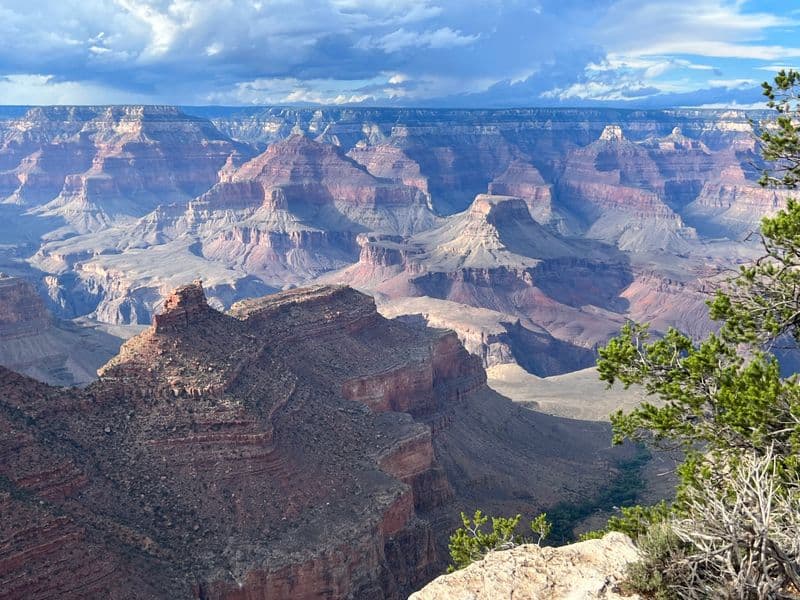
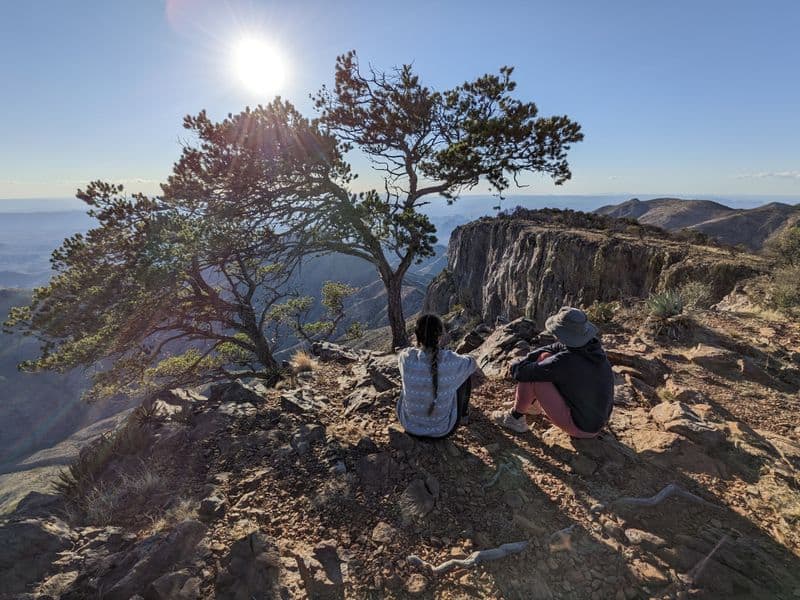
You will feel it in your calves first, then in your gut. The South Rim Loop rises relentlessly through forested switchbacks before spilling you onto a knife edge of limestone with nothing but wind and a thousand feet of air. The drop is clean, the views are endless, and your instincts tell you to step back.
Exposure is the real antagonist here, not just elevation gain. Gusts can push your balance and your nerves. People turn around because fear is a teacher, and the rim speaks loudly, but if you respect the trail, keep a safe margin, and pace your day, the payoff is unforgettable.
2. Route Overview and Mileage
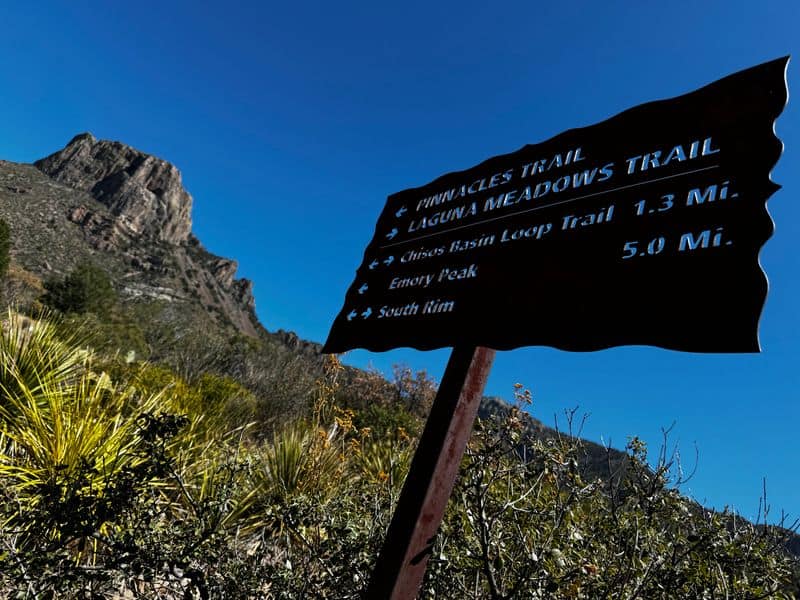
The South Rim Loop is roughly 12.6 miles, a full day for most hikers. Many climb via Laguna Meadows for a steady grade, then wrap along the rim before descending the steeper Pinnacles. This flow spreads the effort, saves the showstopping views for mid hike, and lets you finish with long downhill switchbacks.
Expect about 2,000 to 3,000 feet of elevation gain depending on spurs, including the photogenic Northeast Rim when open. Start early, move consistently, and budget time to sit in silence. The amphitheater parking near Chisos Basin is the usual launch pad.
Once you commit beyond the junctions, options narrow, so know your turnaround time.
3. Safety, Weather, and Timing
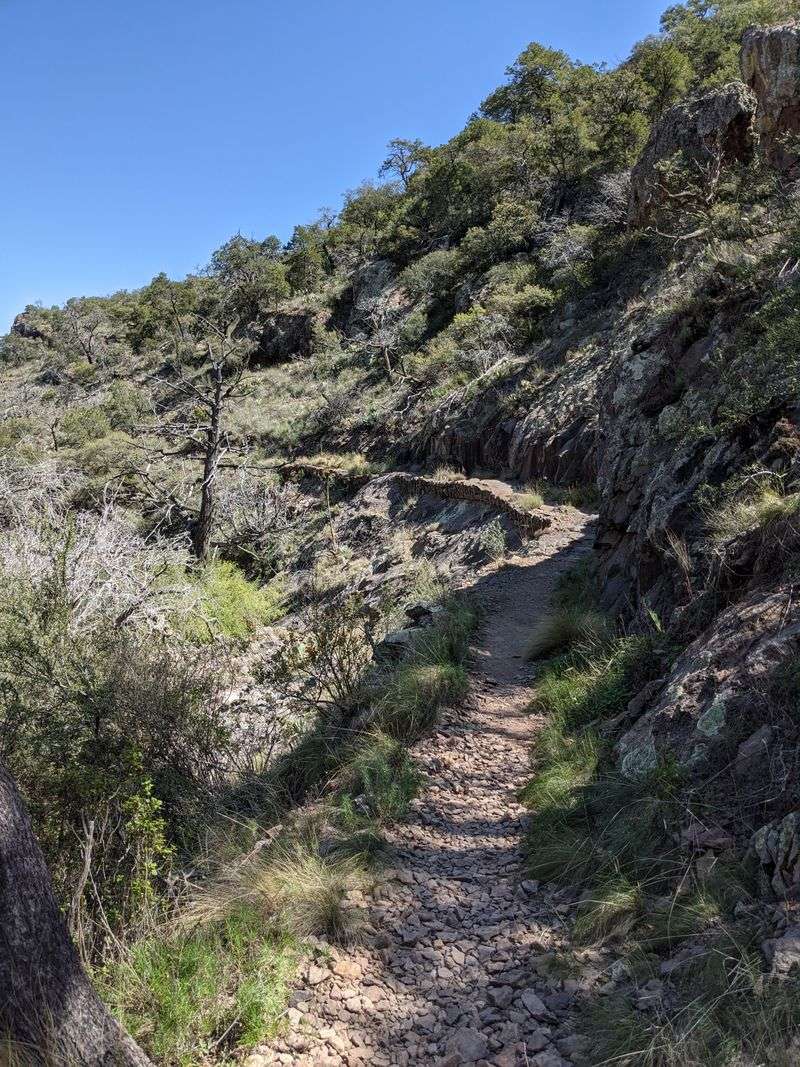
Heat, storms, and wind rule this trail. In summer, the climb becomes an oven, so dawn starts are smart and sometimes essential. In monsoon season, lightning loves the rim, and those big views turn into big targets.
If forecasts hint at thunderstorms, choose forested sections or another day entirely.
Winter can bring ice in shaded switchbacks, while overcast days may hide distant ranges but gift cooler miles. Carry layers, a hat, and sun protection year round. Set a firm turnaround time tied to daylight, not vibes.
Your goal is to finish with a margin, not a story about stumbling by headlamp.
4. Water, Food, and Hydration Strategy
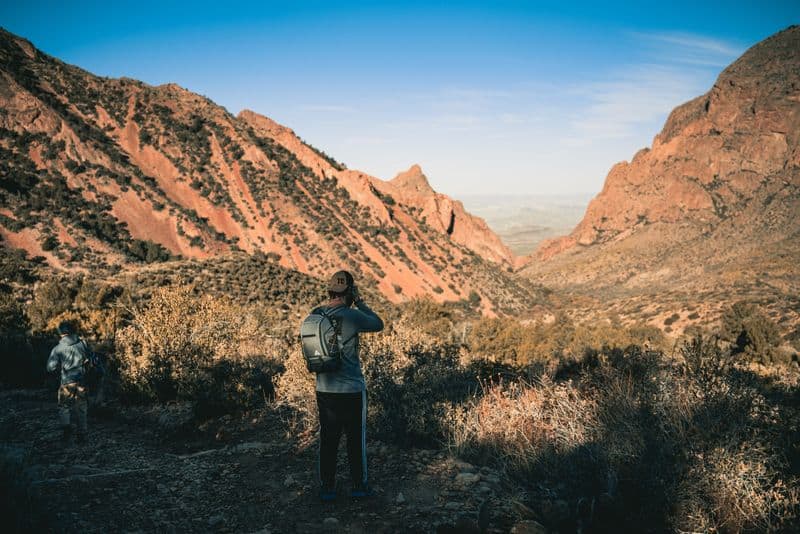
Plan for scarcity. There is no reliable water on the South Rim Loop, and desert air pulls moisture from you faster than you realize. Carry at least 3 liters in cool months and 4 to 5 in heat.
Add electrolytes to keep cramps at bay. Small, frequent snacks beat big lunches on big climbs.
Think salty, simple, and packable: nuts, jerky, tortillas, cheese, and fruit leather. A proper lunch on the rim is tempting, but wind and exposure can make lingering risky. Sip often, even when you are not thirsty.
Ending with extra water is success, not overpacking.
5. Navigating Laguna Meadows and Pinnacles
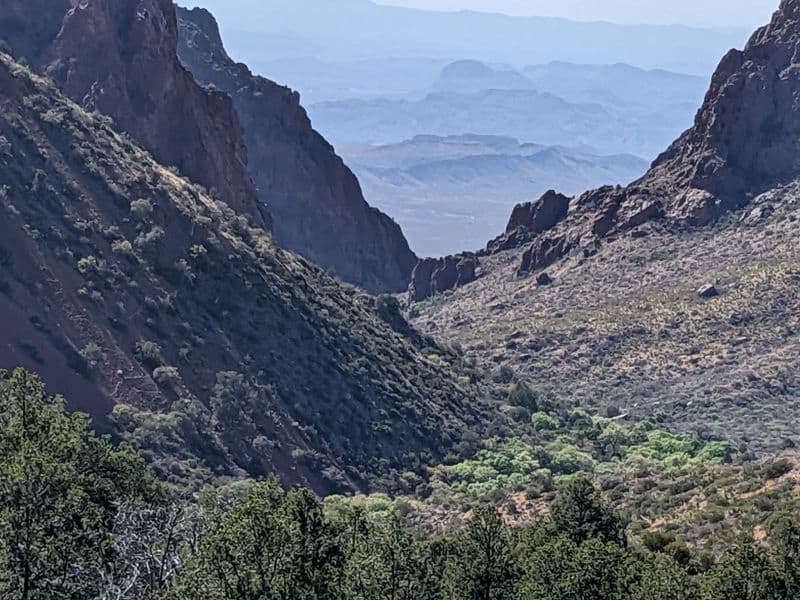
Laguna Meadows climbs smoothly through pines and open meadows, offering shade and a steady rhythm. It is a confidence builder before the rim’s drama. Pinnacles, in contrast, is stonier and steeper, with tight switchbacks that bite tired quads.
Poles shine here, taking pressure off knees and helping on loose grit.
Wayfinding is excellent, with clear signs at major junctions. Still, carry a map or offline GPS because fog and fatigue can blur judgment. Pace the ascent, keep rests short, and protect the downhill with careful footwork.
If you reverse the loop, be ready for a punchy climb and a gentler exit.
6. South Rim Viewpoints and Photography
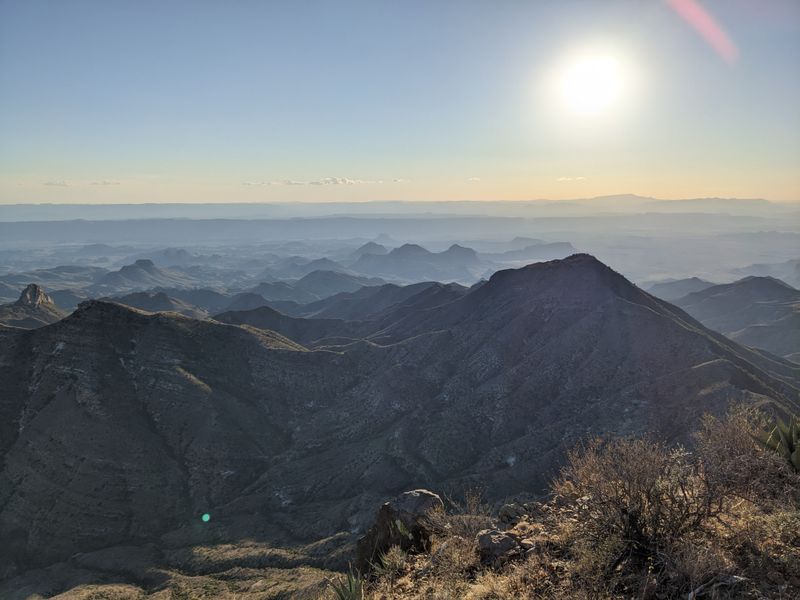
The rim is theater. Step carefully to designated viewpoints and you will see the desert unspool in layers toward the Rio Grande and Santa Elena Canyon. Early or late light sculpts endless ridgelines and paints the cliffs honey gold.
Midday still dazzles but flattens textures. Wind often arrives with the spectacle.
Keep a low stance near edges, anchor camera straps, and avoid loose gravel. Wide lenses capture the sweep, while a short tele compresses distant mesas beautifully. Respect closures on the Northeast Rim when in effect.
Clouds add drama, but storms add danger, so shoot fast and retreat when the sky speaks.
7. Camping Permits and Backcountry Etiquette
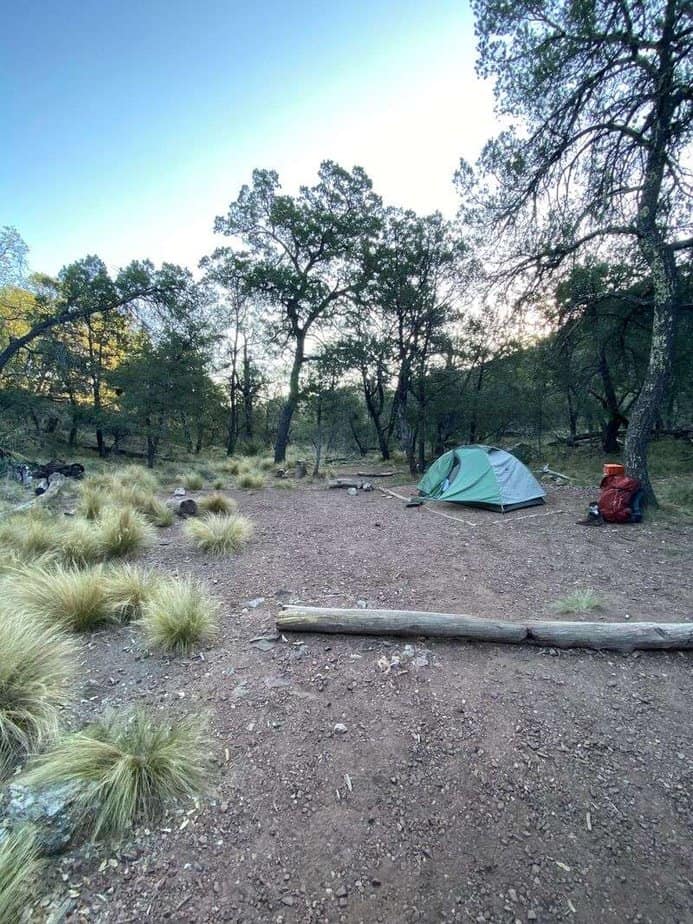
Overnighting near the rim turns the hike into a memory that glows. Designated backcountry sites like Pinnacles or Colima often have bear boxes and space to spread out. You will need a permit from the park, and popular weekends go fast.
Plan early, arrive early, and know exact site names before stepping up to the desk.
Follow Leave No Trace with zeal. Pack out every crumb, secure scented items, and keep voices low when the desert gathers stars. Choose durable surfaces, avoid trampling fragile grasses, and respect quiet hours.
Sunrise from a legal site beats any risky cliffside bivy.
8. Gear, Fitness, and Mindset
Good shoes, better judgment. Wear supportive boots or grippy trail runners, bring poles, and pack layers for wind and sun. A headlamp, basic first aid, and a backup battery are cheap insurance.
Fitness matters, but mindset matters more. Break the loop into chapters: climb, rim, descent. Celebrate small wins and keep moving.
You will meet fear as a companion near the edge. That is fine. Keep safe distance, listen to your feet, and remember why you came.
The South Rim rewards patience, preparation, and humility. Step back when needed. Step forward when ready.