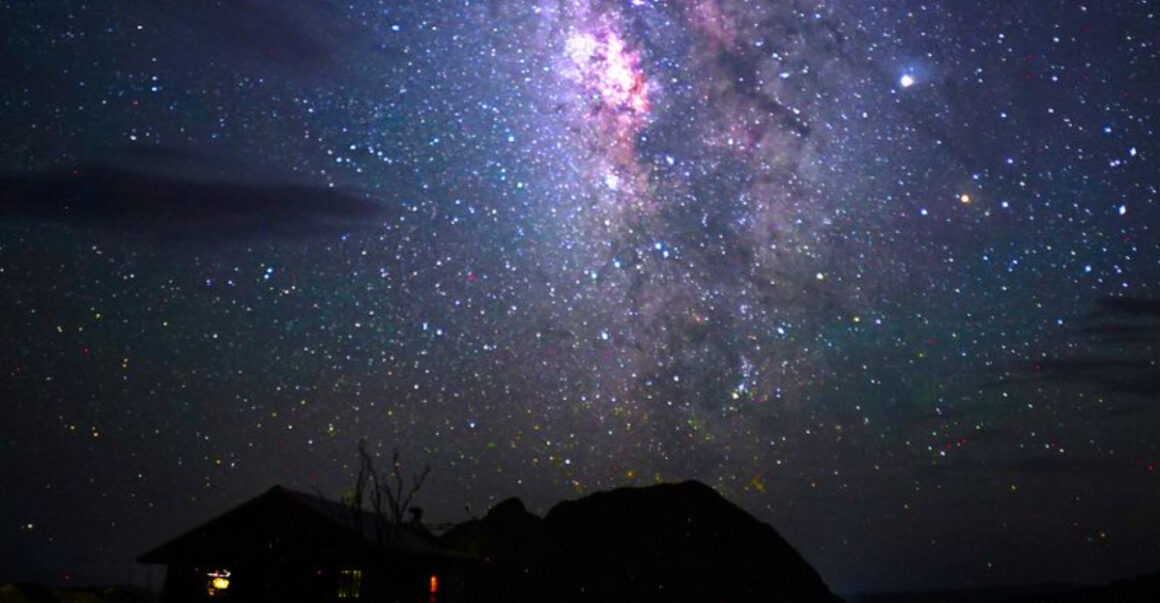
If you have ever dreamed of sleeping under a river of stars, you will love the Big Bend Observatory in Terlingua, Texas. Here, the night sky is not background scenery, it is the headline act, dazzling you with Milky Way arcs and silent meteor streaks. By day, the desert feels vast and otherworldly, but after sunset the darkness blooms with detail and wonder.
Keep reading to discover how this little observatory turns stargazing into an unforgettable stay.
1. Stargazing Deck Experience
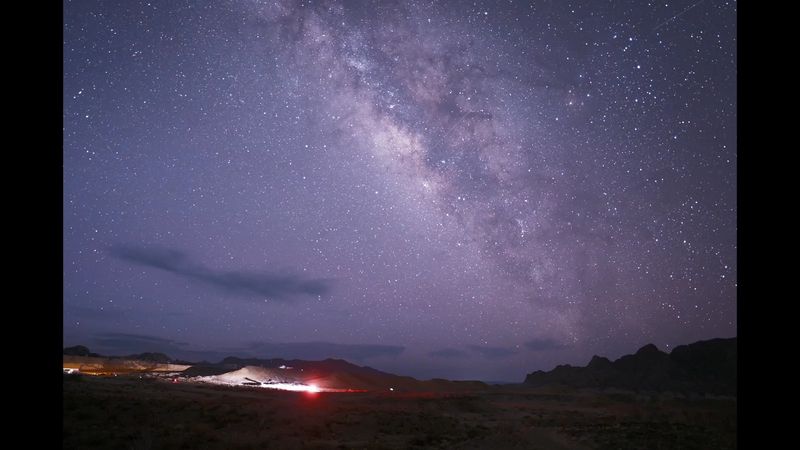
Step onto the stargazing deck and you will feel the night open like a book written in light. The Milky Way is visible to the naked eye on clear nights, spilling across the sky in a silver ribbon. You can sit back with a warm drink, keep conversations hushed, and simply let your eyes adjust until galaxies pop into view.
Expect meteor flares, satellites slipping by, and occasional owl calls from the desert. Red lights keep your night vision intact, so you will catch subtle details in star clusters. It is the kind of stillness that slows time and tunes your senses.
You will leave the deck feeling both small and surprisingly connected to everything shimmering above.
2. SeeStar S50 Smart Telescope Sessions
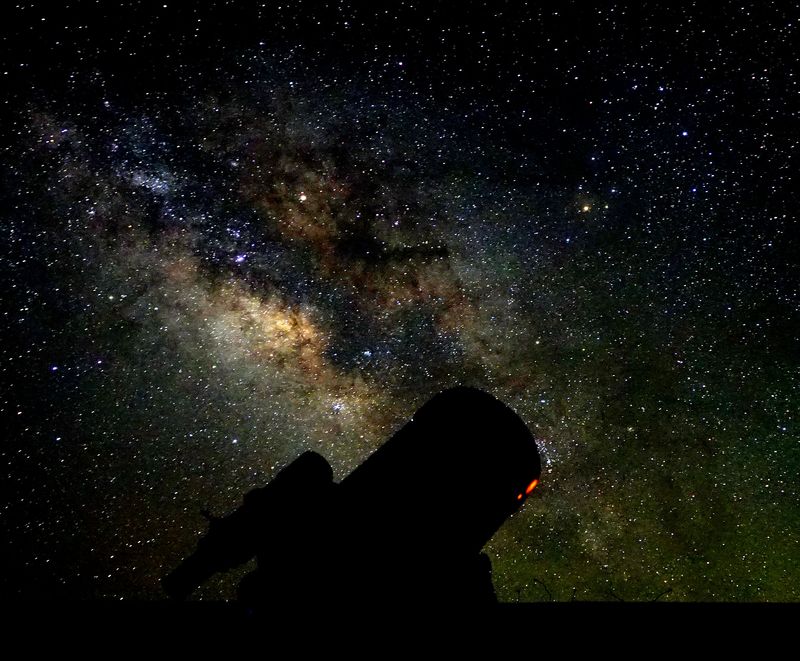
The observatory equips a SeeStar S50 smart telescope that makes astrophotography feel easy, even for beginners. You will use a phone or tablet to align, select targets, and start live stacking. Within minutes, faint nebulae and galaxies sharpen into colorful frames that your eyes alone might miss.
The best part is watching detail build in real time. Spiral arms appear, star clusters resolve, and you get a sharable image by the end. If you struggled with focus dials before, this system reduces guesswork.
You can still step back to appreciate the naked eye view while the telescope quietly collects light. It is approachable, rewarding, and ideal for first-time space photographers.
3. Cedar Cabin Comforts
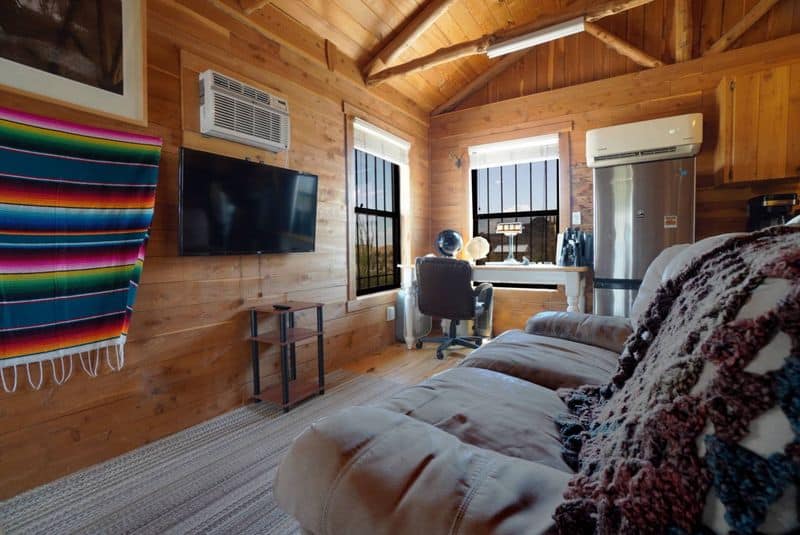
After hours of stargazing, you will appreciate how thoughtfully stocked the cedar cabin is. Expect a reclining loveseat, cozy bed setup, and a smart TV for winding down. The compact kitchen includes a stove, fridge, microwave, coffee maker, and basic cookware, so simple meals are stress free.
Everything feels clean, organized, and easy to navigate in low light. You will find little touches like flashlights and instructions that anticipate questions. Climate control keeps nights comfortable regardless of desert swings.
While the observatory is the star, the cabin makes the experience relaxing, not rugged. It is the balance that turns a good sky into a great trip.
4. Dark Sky Orientation and Tips
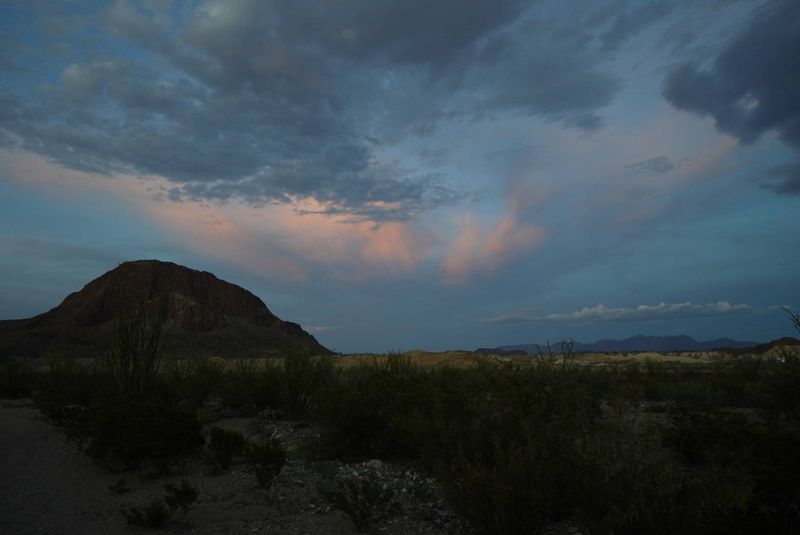
Getting the most from these skies starts with a quick dark sky routine. Dim screens, switch to red-light mode, and give your eyes 20 minutes to adjust. You will be amazed at how many stars appear as your night vision kicks in.
Use a stargazing app sparingly and keep brightness low to stay dark adapted. Learn a few constellations like Scorpius or Orion depending on season, then hop to deep-sky targets. If the wind rises, a light jacket helps you linger on the deck.
With just a bit of prep, you will see more, photograph better, and savor the quiet rhythm of the desert night.
5. Seasonal Sky Highlights
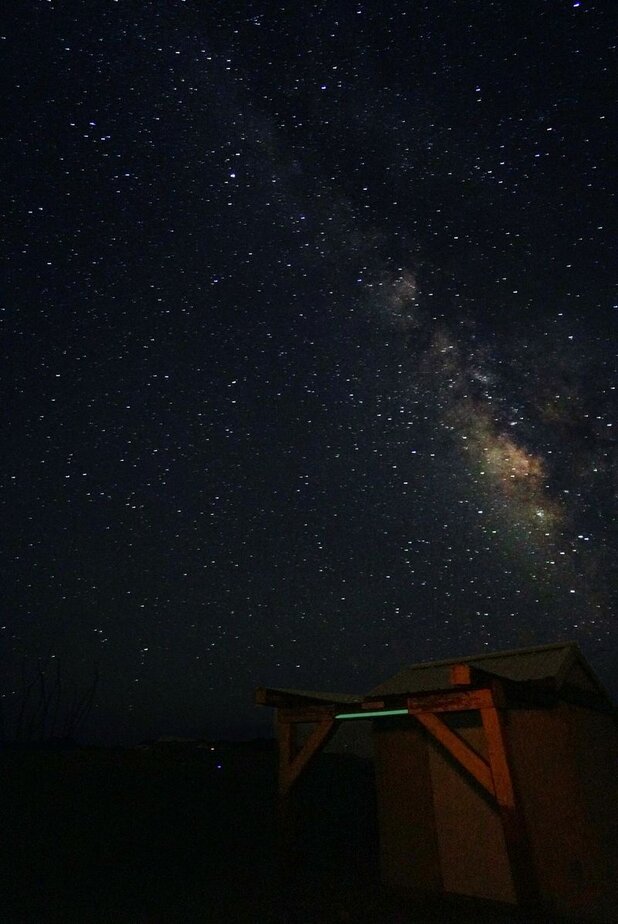
Timing your visit can shape the show you get. Summer offers the Milky Way core blazing from Sagittarius through Scorpius, perfect for wide-field photos. Autumn brings razor-sharp transparency and classic Andromeda galaxy views.
Winter features Orion’s bright nebula and long, steady nights.
Spring is galaxy season, with Leo and Virgo hosting distant island universes. Each season rewards patience and a bit of curiosity. Plan a target list beforehand, then let spontaneity lead after you arrive.
The deck and smart scope make it easy to pivot when something unexpected appears. No matter when you visit, there is always a constellation stepping into the spotlight over Terlingua.
6. Terlingua Location Advantages
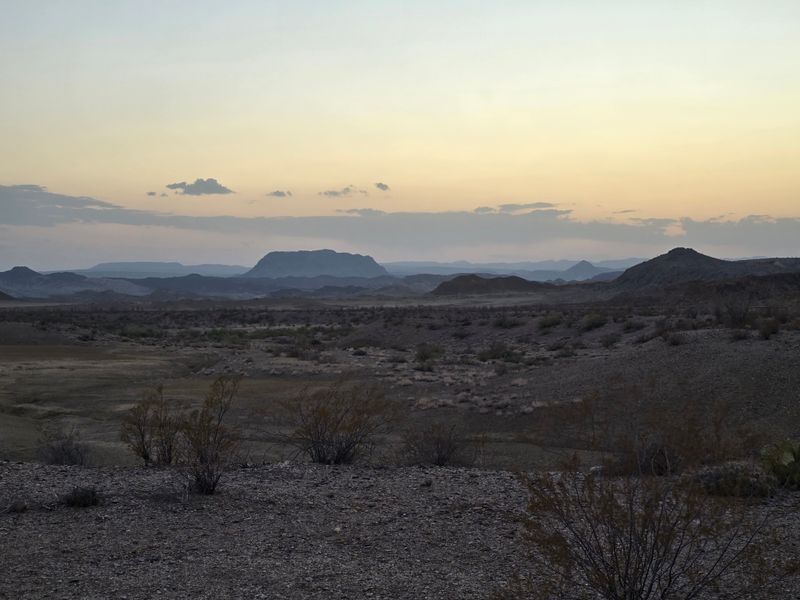
The observatory sits along TX-118 with the desert sprawling wide in every direction. It feels secluded, yet you can reach groceries, gas, and Big Bend National Park without hassle. That balance means you will spend more time under stars and less time on logistics.
Daylight brings hikes, ghost town wandering, and dramatic vistas. Nightfall switches the stage to galaxies and meteor trails, no long drive required. The location cuts light pollution and maximizes horizon views, which matters for low constellations and rising planets.
You will get the isolation you want with just enough convenience to relax. It is a sweet spot for both sky chasers and casual stargazers.
7. How to Book and Prepare
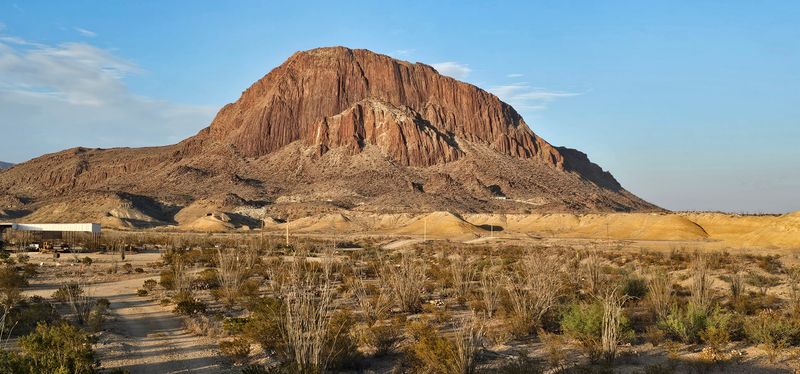
Start by checking the official website for availability, rates, and detailed arrival instructions. You will receive helpful messages from the hosts, who are known for clear communication. Confirm check-in, read the telescope guide, and plan your target list around moon phases.
Packing is simple: warm layers, red headlamp, portable chargers, tripod if you shoot photos, and snacks for late sessions. Bring patience for clouds and the flexibility to pivot to binocular or naked eye viewing. Save your eyes by enabling night mode on devices before you arrive.
With a little prep, your first evening can be productive instead of spent troubleshooting.
8. Who This Stay Is Perfect For
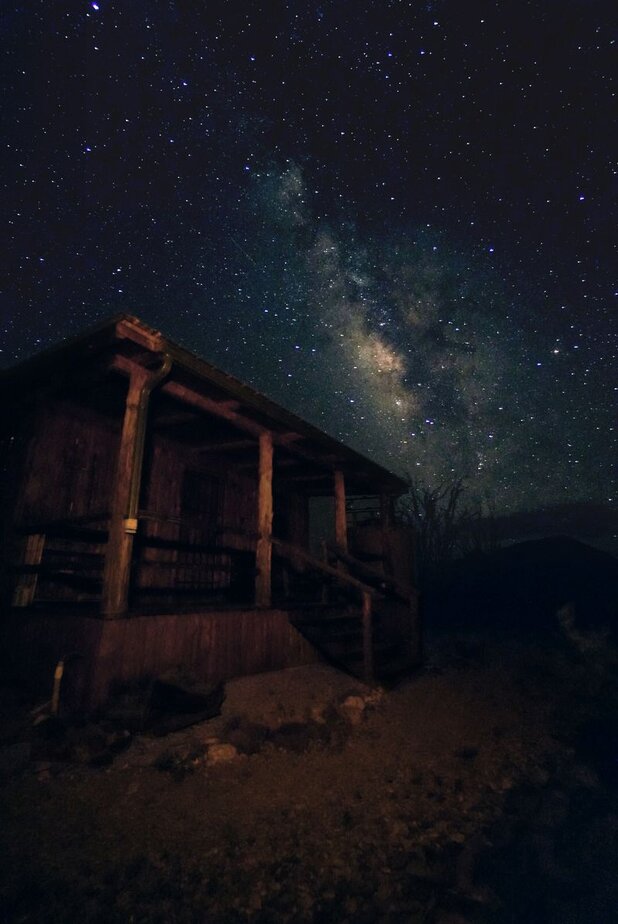
If you want quiet, big skies, and a touch of science, this place fits. Couples get a romantic dome of stars without city noise. Solo travelers can dive into astrophotography at their own pace.
Families find a gentle introduction to constellations that feels magical, not technical.
It is also great for anyone chasing dark-sky time near Big Bend. The cabin comforts make long nights sustainable, and the smart telescope removes steep learning curves. If you prefer big resorts or nightlife, look elsewhere.
But if your idea of luxury is silence, clarity, and galaxies blooming on a screen while coyotes sing far off, you will feel right at home.