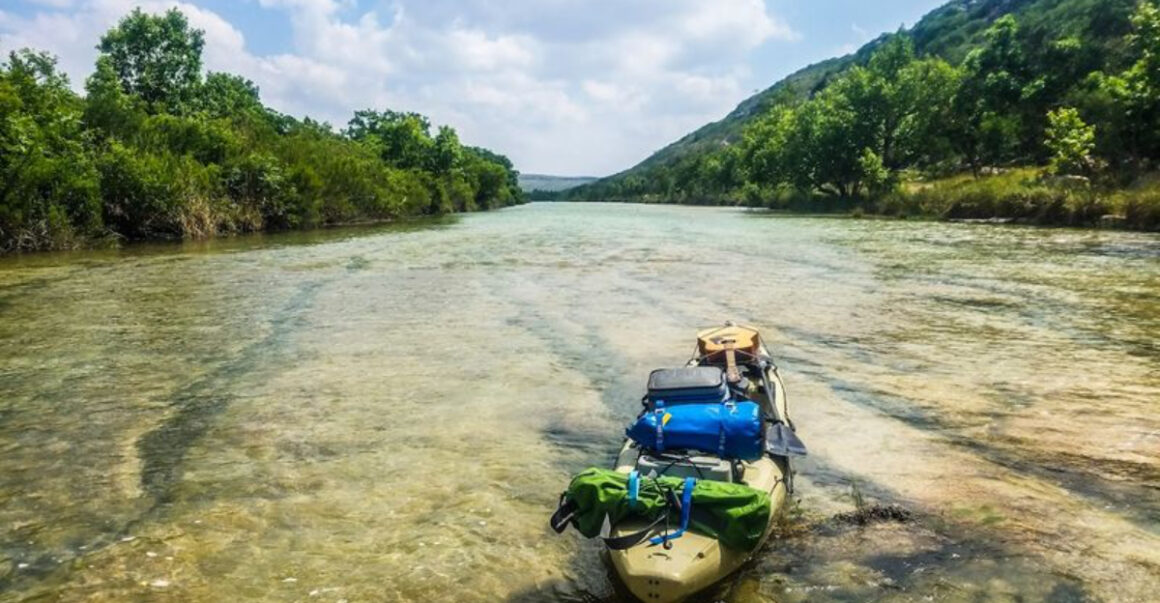
If you crave solitude, clear turquoise water, and a true backcountry challenge, Devil’s River delivers. Tucked far from cell service and city noise, this West Texas gem rewards preparation with pristine paddling and unforgettable views. Springs shimmer into limestone runs, fish dart beneath you, and stars put on a nightly show.
Bring grit, a permit, and a camera, because this river will steal your breath and your heart.
1. Why Devil’s River Feels So Wild
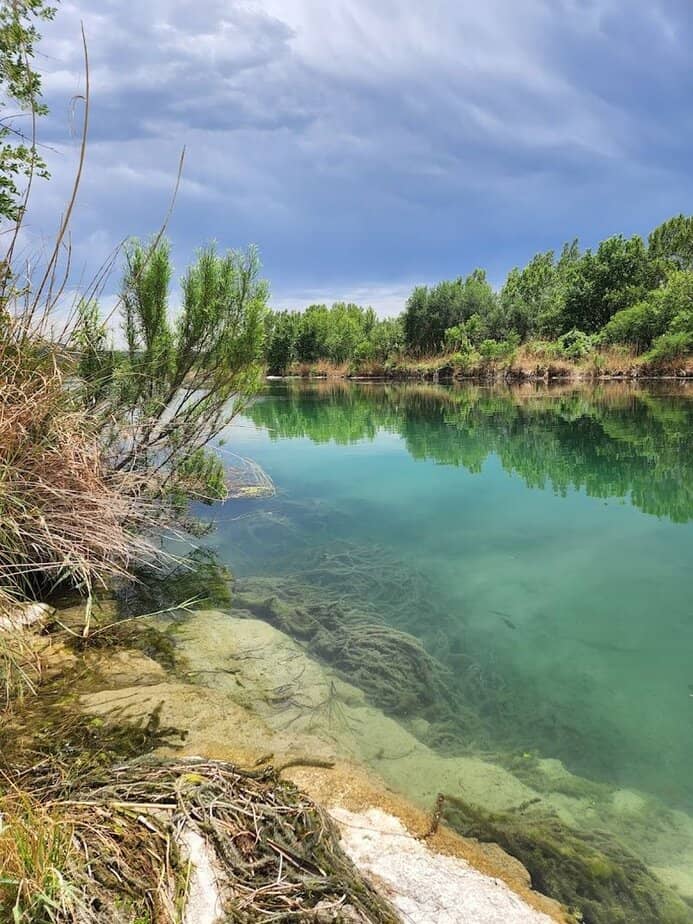
Devil’s River stays wild because access is limited and remote, which protects its clarity and wildlife. You will paddle through water so transparent you can see every pebble, gar, and bass finning beneath your hull. The canyon country feels vast, quiet, and wonderfully unplugged.
Permits and strict rules keep crowds low, campsites scarce, and the river healthy. That means solitude, better fishing, and less noise overall. It also means you must plan carefully, pack out trash, and respect private ranch land that borders long stretches.
Expect changeable flows, headwinds, and technical limestone ledges. The payoff is huge: shimmering springs, monarch migrations in season, and night skies blazing with stars. It is Texas at its most elemental.
2. Best Put Ins, Take Outs, and Permits
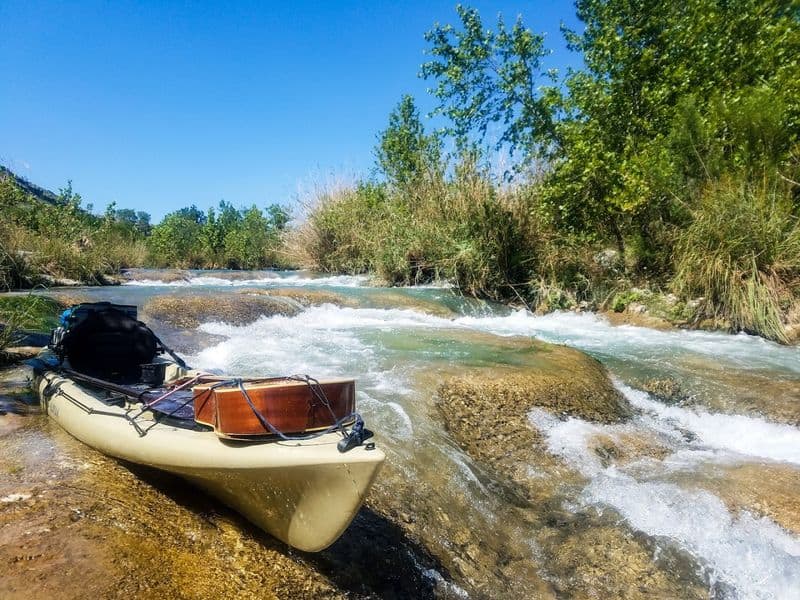
Start at Devil’s River State Natural Area Del Norte Unit for secure parking and a managed put in. Some paddlers use Baker’s Crossing upstream, but always verify flow, access, and private property boundaries. Finishing at Rough Canyon on Lake Amistad is popular for longer trips.
Permits are essential. Day use and overnight paddling often require coordination with Texas Parks and Wildlife, plus Devils River State Natural Area rules. Only designated paddle camps are allowed, and private banks are off limits without explicit permission.
Confirm shuttles early, as distances are long and roads rough. Carry physical maps and GPS waypoints. Rangers can explain the Devils River Access Permit, seasonal closures, and campsite quotas that keep this place special and sustainable.
3. Flow, Season, and Weather Timing
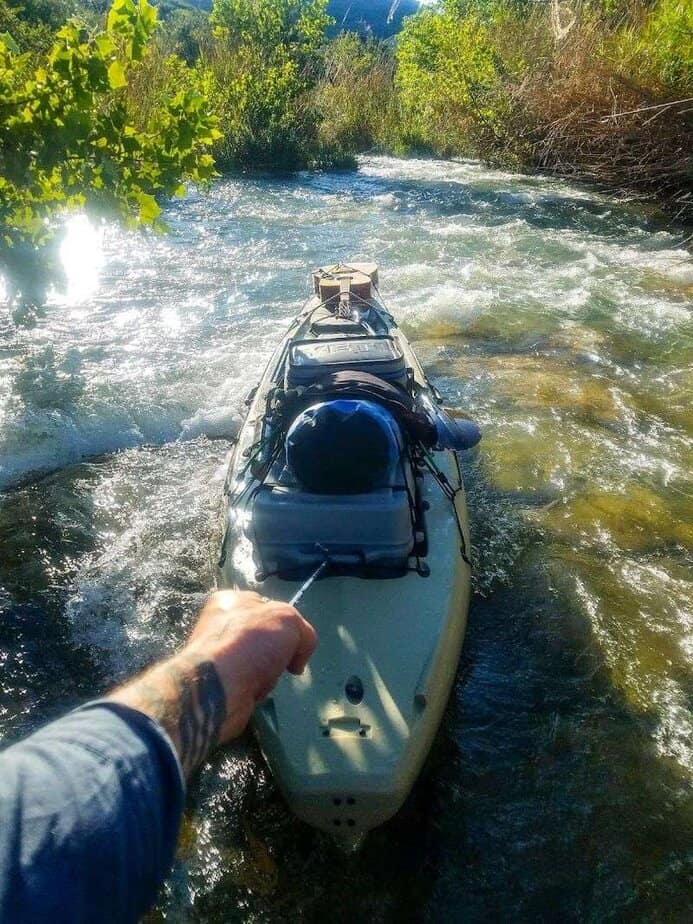
Flows fluctuate with rainfall and spring output, so check gauges before committing. Low water reveals more rock gardens and scraping, while higher flows speed up ledges and require quicker maneuvering. Late spring and fall often balance comfortable temps with decent water.
Summer heat is fierce, with little shade and big distances between camps. Start early, take river dips, and protect yourself from sun and dehydration. Winter brings crisp air, clearer skies, and quieter banks, but cold water safety matters.
Sudden wind can stall progress on pools and widen wave trains below ledges. Build buffer time into your itinerary. Always carry extra food and a warm layer, because weather out here changes fast and help is far away.
4. Rapid and Ledge Highlights
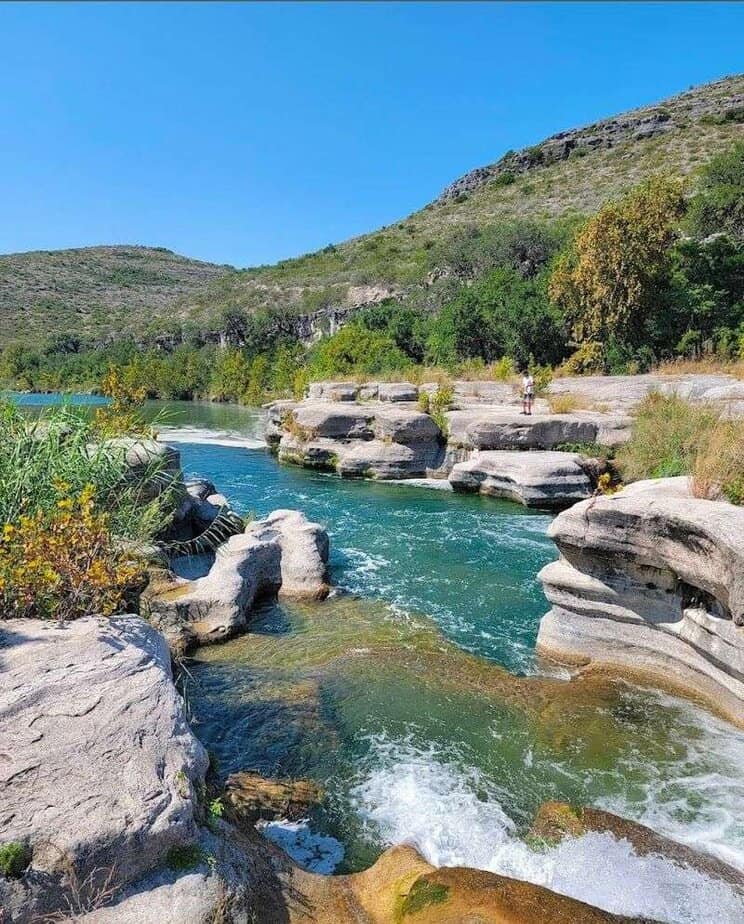
Devil’s River is more technical than it looks. Ledges form narrow chutes, pour overs, and bony slots where precise strokes count. Scout blind drops, especially when flows are up, and watch for sieves, strainers, and hidden fin catchers.
Most rapids are class I to II with limestone shelves, swift tongues, and pebble bars. The excitement spikes at ledge sequences that demand boat control and clean lines. When in doubt, eddy out, walk, or line your kayak using a bow line to avoid damage.
Crystal water helps you read features, but glare can hide shallow fins. Wear good polarized sunglasses. Protect your hull, ankles, and shins, and keep a throw rope handy for quick rescues in tight, slick sections.
5. Overnight Paddle Camping Done Right
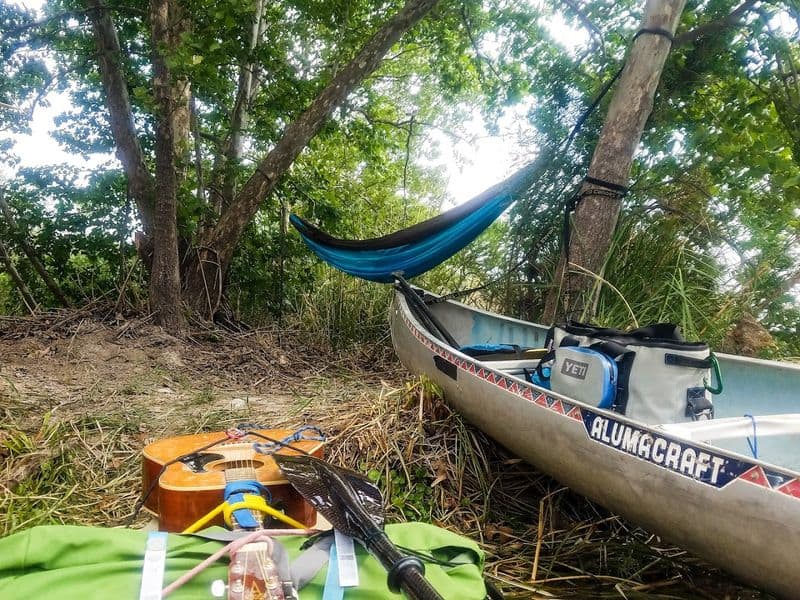
Designated paddle camps are limited and first come with permits, so plan mileage carefully. Gravel bars shift, ledges slow progress, and headwinds stretch days. Aim to reach camp early to avoid searching in fading light.
Practice strict Leave No Trace. Pack out all trash, microtrash, and food scraps, and keep fires in approved containers when allowed. Use wag bags for human waste where required, and never trample fragile riparian plants.
Food storage matters because raccoons are crafty. Dry bags alone are not critter proof, so hang or hard case where possible. Overnight, the sky ignites with stars and coyotes sing across the canyon, making the extra effort feel completely worth it.
6. Crystal Springs, Wildlife, and Dinosaur Tracks
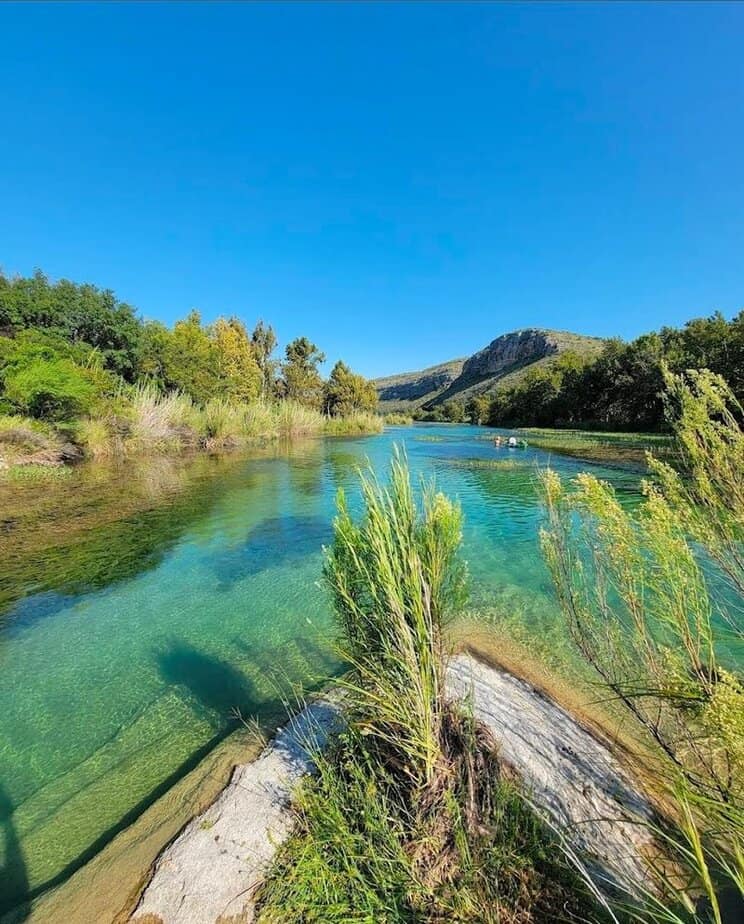
Cold springs pour into Devil’s River, cooling you after dusty hill hikes and creating those famous Caribbean like hues. You will spot bass, gar, and turtles, plus dragonflies that patrol glassy pools. In migration season, monarch butterflies can drift like orange confetti.
Keep eyes peeled for birdlife along cottonwoods and willows. Respect sensitive habitats and never disturb nests or flip rocks for fun. Some limestone flats show faint dinosaur tracks near spring areas, which are slippery and fragile.
View with care, step lightly, and avoid crowding delicate surfaces. Binoculars elevate every break on shore. The living and ancient stories here remind you the river is both museum and sanctuary, deserving quiet footsteps and gentle paddles.
7. Fishing Etiquette and Tactics
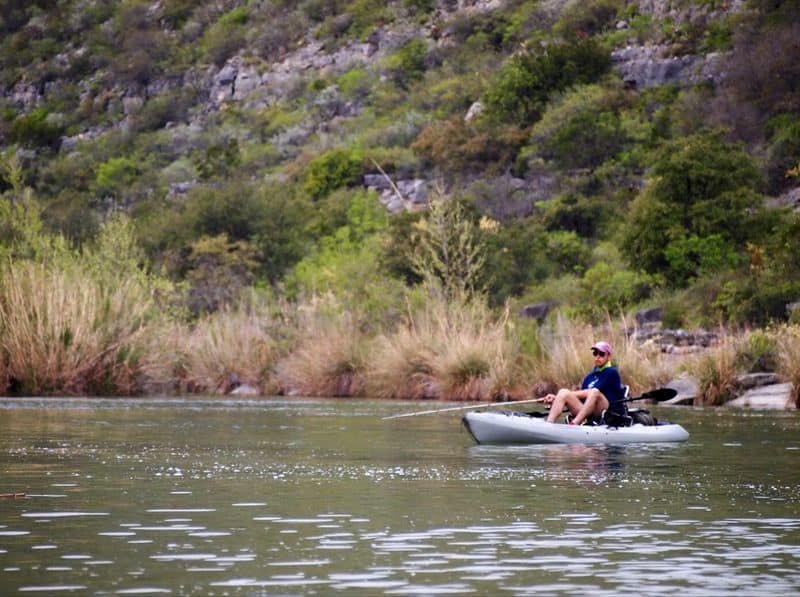
Anglers call Devil’s River some of the best in Texas, thanks to clean water and limited pressure. Sight cast along ledges, undercut banks, and spring inlets where bass ambush. Subtle presentations with soft plastics, small streamers, or topwater in low light work beautifully.
Pack barbless hooks and handle fish with wet hands for quick releases. Keep fish in the water as much as possible. Respect other paddlers by giving space and minimizing bank trampling on fragile vegetation.
Obey all regulations, lengths, and bag limits. Private land is prevalent, so only wade where legal and avoid anchoring on sensitive habitats. The goal is simple: leave the fishery healthier than you found it, one careful release at a time.
8. Safety, Gear, and Going Unplugged
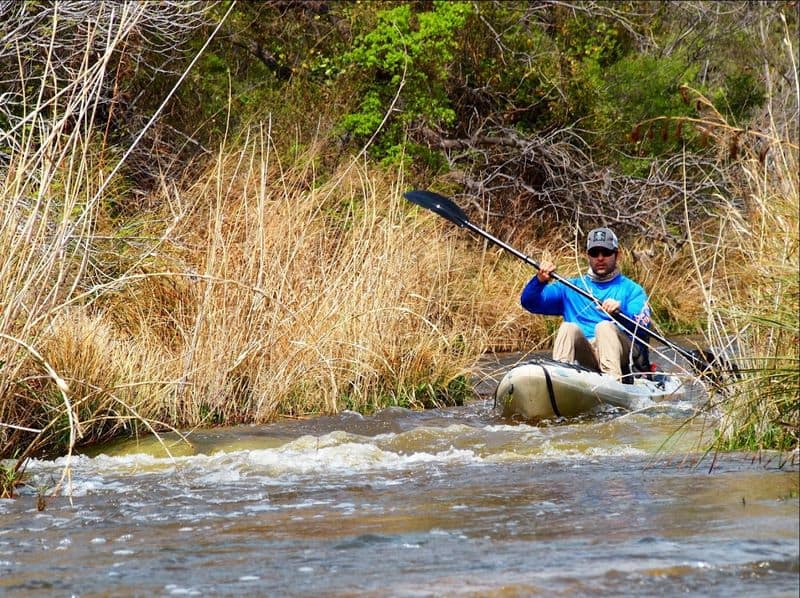
This is a commit heavy river, so self sufficiency is everything. Wear a PFD, consider a helmet for ledges, and bring spare paddles, repair tape, and a comprehensive first aid kit. A satellite communicator or PLB is smart because service is unreliable.
Water is critical. Carry jugs or treat clear but mineral rich flows carefully. Sun hoody, hat, sunscreen, and sturdy river shoes make desert miles manageable, especially on slick limestone around springs.
Tell someone your float plan and timeline. Double check permits, shuttle timing, and forecast before launching. Embrace being unplugged, because silence, stars, and turquoise water create the kind of reset you have been craving for months.