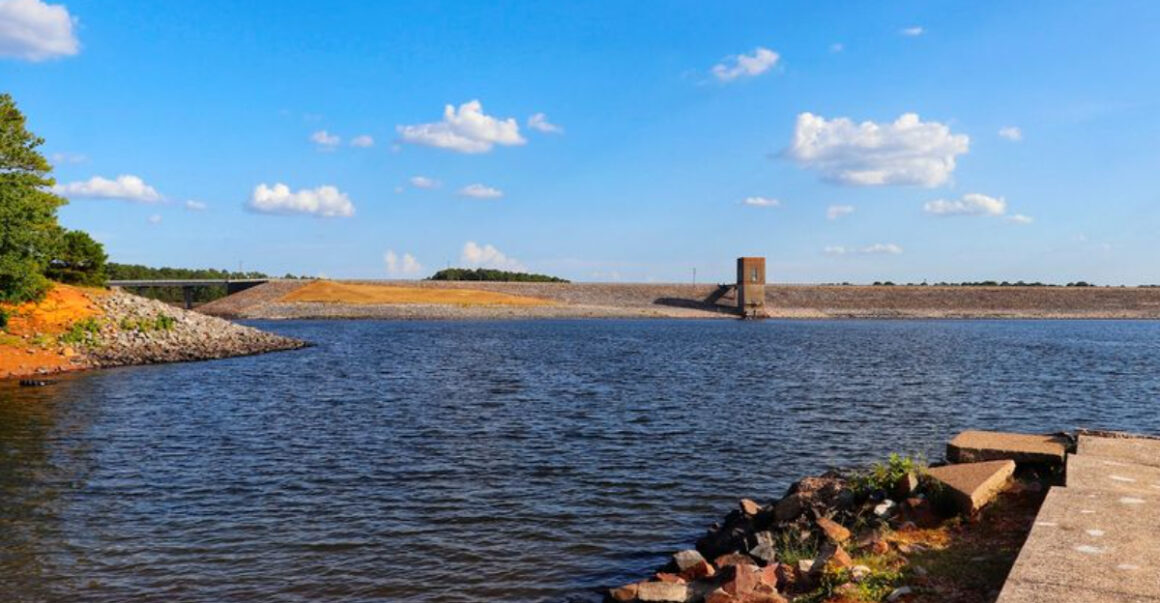
Lake O’ the Pines looks serene, but the conversations swirling around it are anything but quiet. From water levels and wake boats to marinas and invasive plants, everyone has an opinion and a stake. You come for sunsets and bass, then discover a community negotiating how to share beauty without breaking it.
Here is what people are debating right now, and how your choices can help.
1. Water Levels and Flood Control
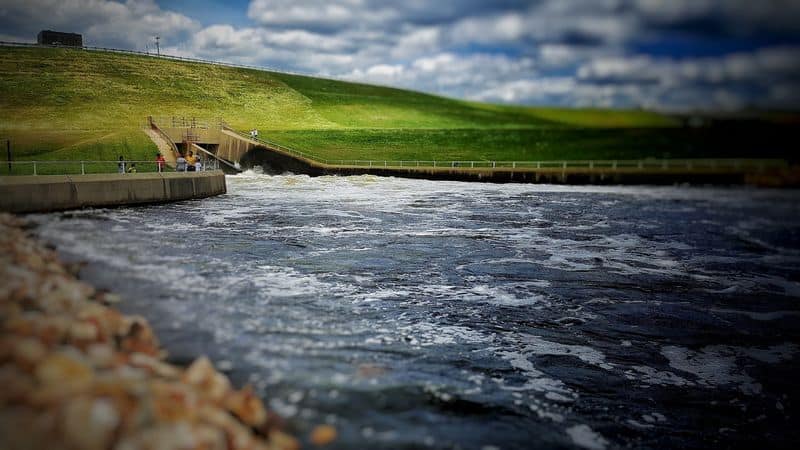
Lake O’ the Pines was built for flood control, and that mission still shapes your weekend. When heavy rains hit, the Corps raises or holds levels, which can drown beaches and docks you planned to use. If you want certainty for camping, boating, or baptisms at the shoreline, fluctuating water can feel like a broken promise.
On dry stretches, low water exposes stumps and extends the walk from campsite to splash zone. Anglers love the shifting edges because bass pin bait against new brush, but swimmers and skiers lose easy entry. The debate is simple and tricky at once: should operations favor predictable recreation, or prioritize downstream safety every time.
You can vote with patience, or lobby for clearer seasonal targets.
2. Wake Boats and Shoreline Erosion
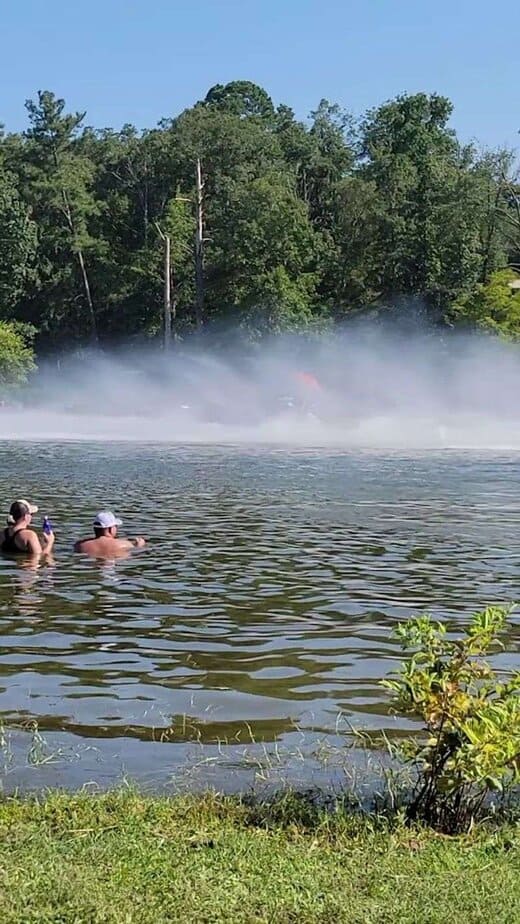
Calm coves invite waterskiing, but wake boats now carve rolling swells that slap the red clay banks. If you like kayaking near the trees, those stacked waves can feel like a surprise punch. Homeowners argue the artificial surf chews shorelines, uproots seedlings, and muddies water that used to leave boats cleaner than most lakes.
Riders counter that the lake is public and built for fun, with plenty of space to share. Reasonable limits exist, they say, in no wake zones and courteous distance from docks and swimmers. You can add your voice by supporting education signage, mapping quieter paddling corridors, and nudging clubs to embrace rider etiquette that keeps the Pines peaceful truly for everyone.
3. Fishing Tournaments and Bass Pressure
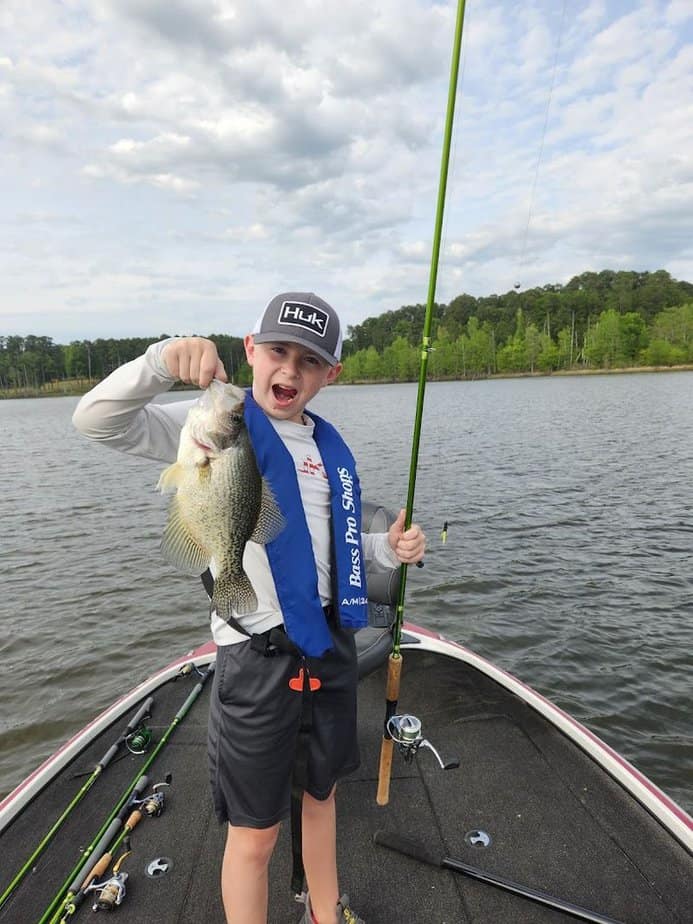
Ask around and you will hear love and frustration in the same breath. Bass tournaments bring energy, sponsor tents, and bragging rights that light up local ramps. Yet a streak of tough bites can make faithful anglers swear they will never return, especially after bluebird fronts or sudden drawdowns scatter fish across timber.
If you fish for fun, weigh the tradeoffs. Big events educate newcomers and stock community pride, but concentrated pressure can nudge catch rates down for a while. Solutions exist you can champion: better release tanks, dispersed weigh sites, seasonal slot limits, and volunteer cleanup after weigh-ins.
The lake fishes in moods, so patience and pattern-hopping truly pay. Consider midweek outings to dodge crowds.
4. Campgrounds, Cleanliness, and Capacity
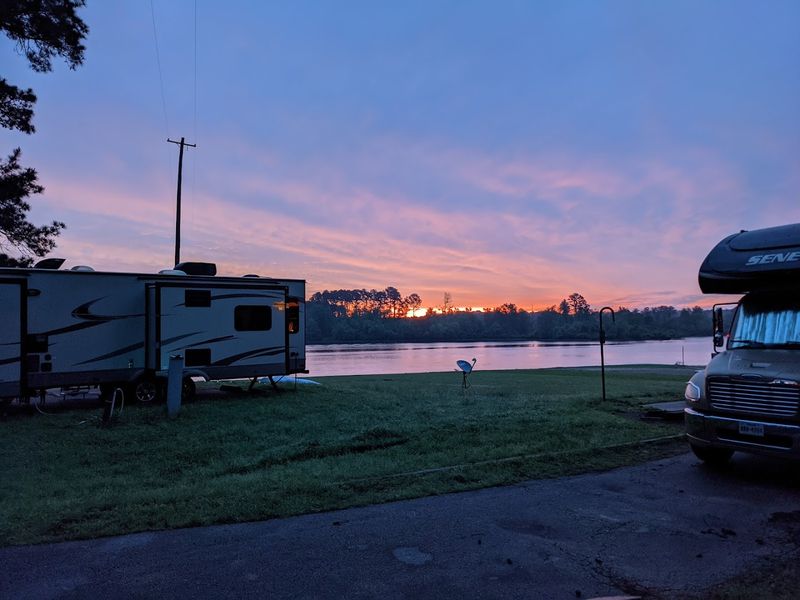
COE gems like Alley Creek and Johnson Creek win constant praise for scenery, bathrooms, and roomy waterfront sites. Still, busy weekends can strain dumpsters, and wind can spread trash faster than volunteers can chase it. You might arrive to perfect fishing and a messy shoreline, a contradiction that sparks heated threads and heartfelt apologies.
The fix is not glamorous, but it works when neighbors pitch in. Pack it out, join a shoreline sweep, and report overflowing cans before the raccoons celebrate. Campsite capacity also matters, because overflow parking pushes crowds onto fragile banks.
If you want sunsets minus the litter, book early, model respect, and turn small cleanups into friendly rituals that families remember fondly.
5. Public Access, Marinas, and Food
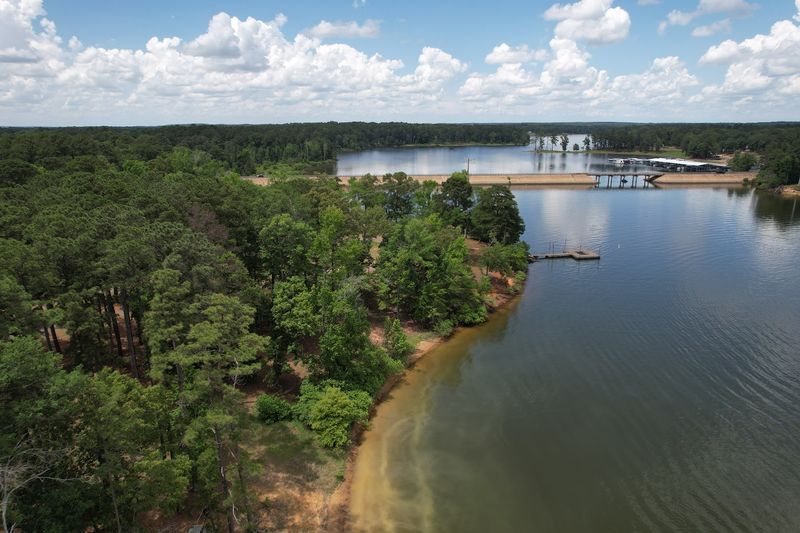
Reviewers rave about sunsets but wish for more marinas with fuel and snacks. When your cooler runs low, the distance to a burger can turn a golden evening into logistics. The lake was built for function, not waterfront retail, which leaves paddlers and pontoon crews plotting smarter resupply and bathroom stops.
You can help by encouraging small concessions, food trucks on peak Saturdays, and better dock directories online. Access is only access if newcomers can find ramps, tie up safely, and share space with anglers and swimmers without drama. Clear maps and courteous lines change everything.
Local groups could pilot pop up services. Until then, pack thoughtfully and plan a refuel loop that respects no wake zones.
6. Quiet Recreation vs Jet Skis
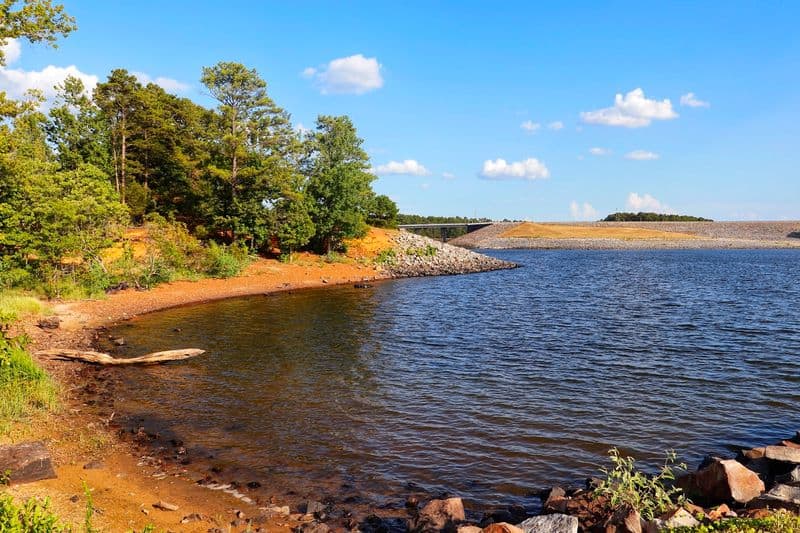
Part of the magic here is slipping a kayak past cypress knees at dawn, listening to loons and distant laughter. Midday, jet skis stitch bright zippers across coves, bringing quick thrills and sharp engine notes. Neither activity is wrong, yet the clash is real when wakes flip rods, or noise chases solitude from narrow timber lanes.
The compromise lives in time and place. Aim for early mornings and no wake corridors if you crave hush, and lean into open water sprints during hot afternoons. Clubs and rental outfits can teach etiquette, like turning wide near paddlers and idling inside creek mouths.
Kind habits travel fast, and they keep peace floating alongside freedom on busy weekends.
7. Habitat Management and Invasive Plants
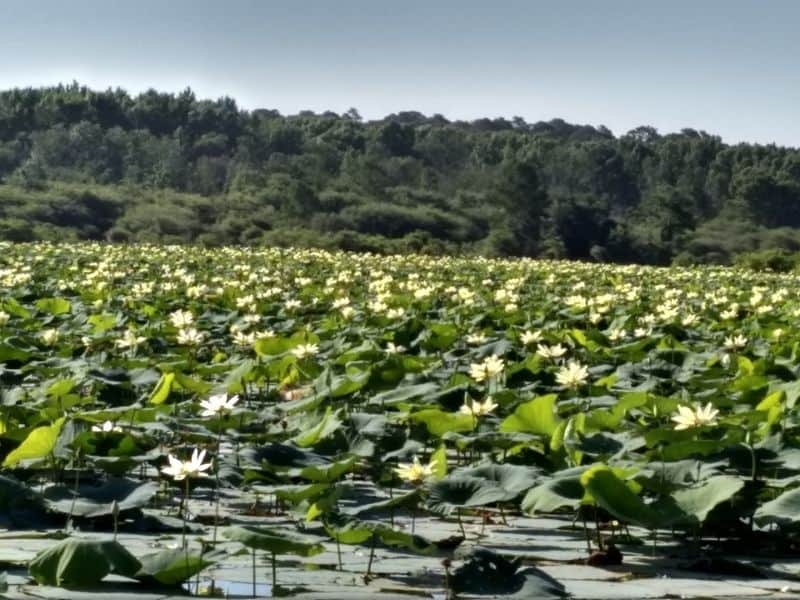
Healthy grass and timber make fishing dreams, but invasive mats can choke coves and frustrate boaters. The lake wrestles with fast growers after wet years, then loses cover when managers spray too broadly. You feel it in your casts and your prop, toggling between snag-city and bare banks where baitfish have nowhere to hide.
Balance is possible. Targeted treatment plus strategic plantings can defend navigation while keeping nursery habitat for crappie and bass. Anglers can log sightings, support ramp washdowns, and celebrate fish attractors instead of ripping every pad.
If you want better bites and cleaner runs, ask for science led plans and timelines the public can actually follow. Volunteer planting days build durable trust.
8. Trails, Sunset Spots, and Overcrowding
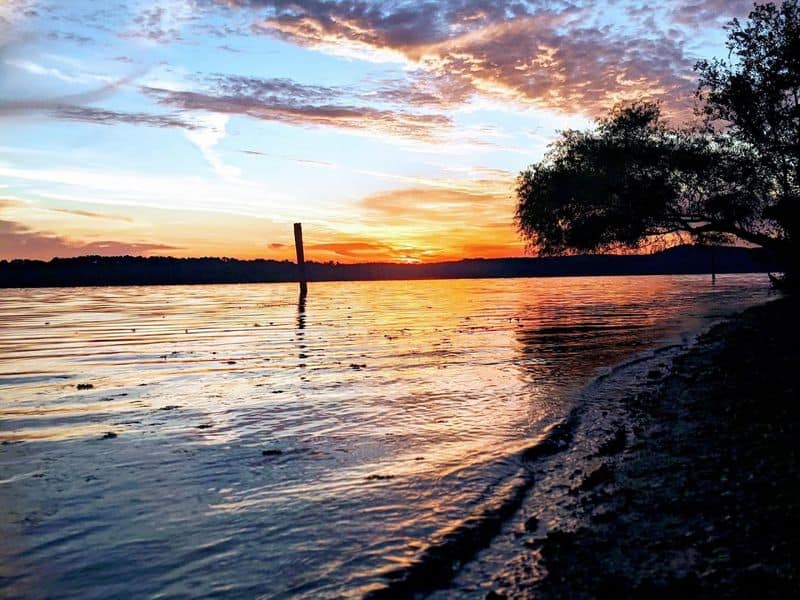
Everyone recommends the dam and peninsulas for sunsets, which is exactly the problem. Word spreads, tripods multiply, and parking lots spill into shoulder grass that erodes with each quick stop. If you want the romance without the scramble, scout lesser known pullouts and consider bikes for short hops between views.
Locals wish for more signed trails and overlooks to spread pressure. Until that happens, you can treat photo hour like fishing pressure and rotate spots. Share space, dim headlights, and keep music off so baptisms and quiet moments can breathe.
The lake gives awe for free, so give a little back with low impact habits. Pack out glitter, confetti, and spent charcoal. Close doors gently to avoid slamming echoes.