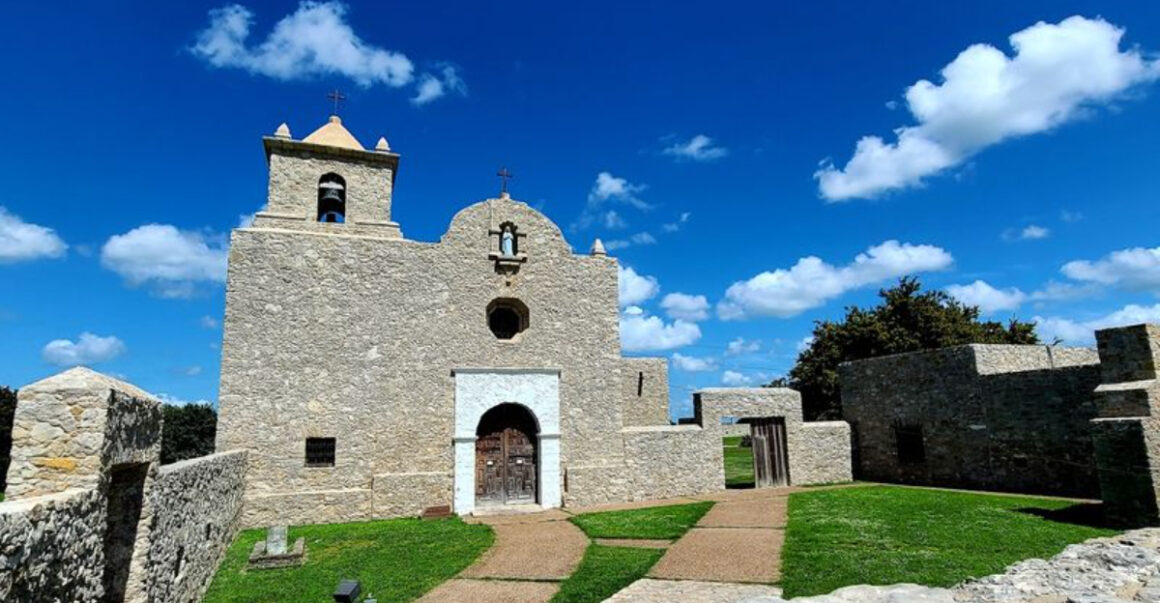
Tucked along the San Antonio River, this Spanish fortress predates the Alamo and still whispers with the echoes of empire, revolution, and resilience. You can walk stone ramparts, step into a candlelit chapel, and feel centuries converge within arm’s reach. For the price of a quick lunch, you get a gripping crash course in Texas history that sticks with you long after the gates close.
Ready to see where pivotal moments changed the course of a nation’s story?
1. Stone Walls and Spanish Ramparts
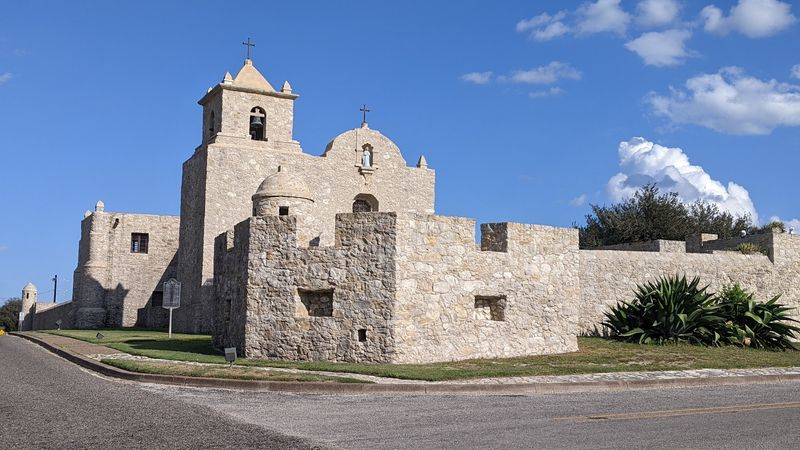
Stand beside these rugged limestone walls and you immediately sense how power once projected across a wild frontier. The masonry is stout, weathered, and humble, yet it radiates authority that outlived flags and commanders. Run your fingers along the chisel marks and you touch work measured in lifetimes.
Look out over the parade ground and imagine sentries pacing, eyes on the horizon for dust plumes and danger. The ramparts were rebuilt with care, aligning old-world skill with modern preservation. You do not need a guide to feel the strategy built into every angle.
Even the breeze seems to funnel stories along the battlements. Pause, listen, and the stones give their own quiet tour.
2. Our Lady of Loreto Chapel
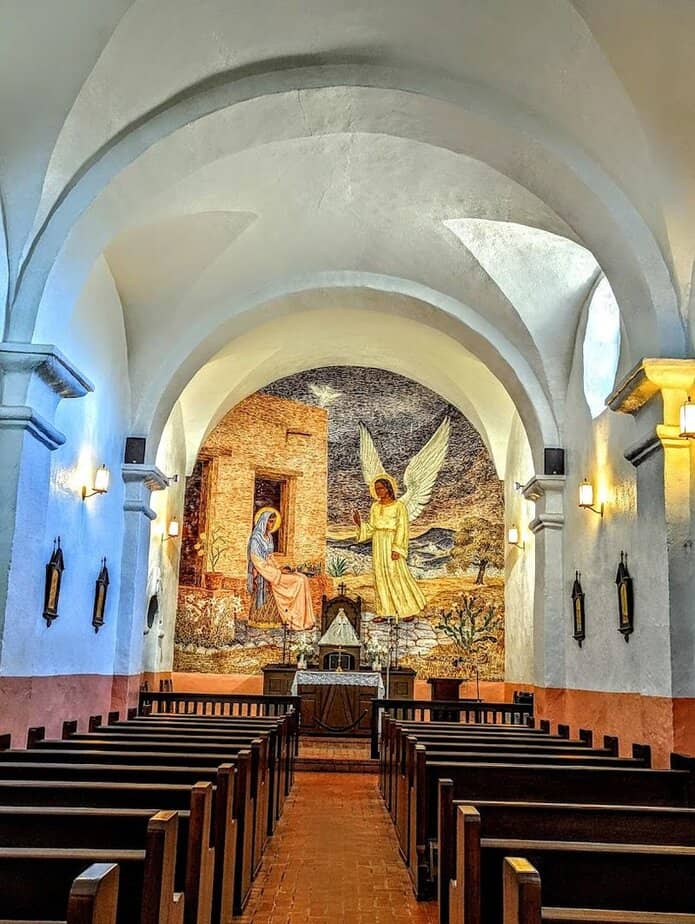
Step inside the chapel and the fortress softens into sanctuary. Blue and white walls glow gently, while candles stitch light across polished floors. The altar, tenderly kept, frames a space that feels both intimate and enduring.
Here, soldiers prayed before marches and families marked milestones of joy and grief. The acoustics cradle whispered petitions as easily as hymn harmonies. Even if you are not religious, the calm hush folds around you like a shawl.
When sunbeams angle through the windows, dust motes float like tiny processions. You feel time slow, then pool. Walk out changed, carrying a little quiet back into the world beyond the gate.
3. Museum Galleries and Artifacts
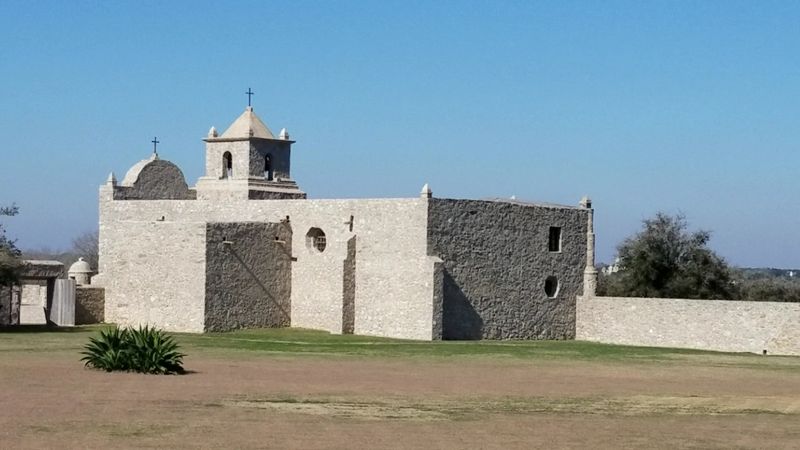
The museum galleries turn dates and names into objects you can almost hear clink, rustle, and march. Uniform buttons, musket parts, and maps trace shifting borders and loyalties. Labels are concise and friendly, so you never feel lost.
Start with the short introductory video. It sets the stage, then the artifacts fill in the heartbeat. You notice handwriting on a faded letter and suddenly a long-ago soldier stands right beside you.
The curation balances Spanish colonial life with Texas Revolution stakes. You get context without clutter, story without spectacle. Take your time and let each case answer a question you did not know to ask.
4. The Goliad Massacre Story
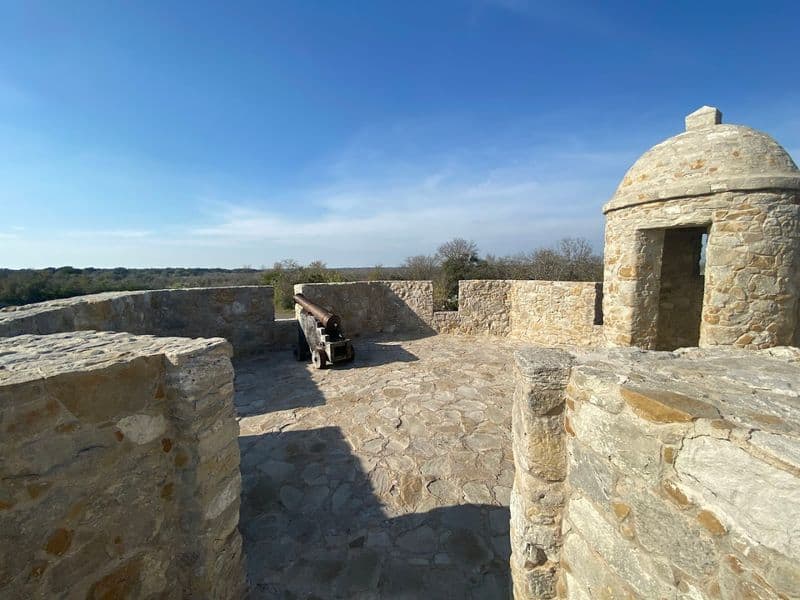
Some ground asks you to stand still. The Goliad Massacre narrative is told with restraint, but it lands heavy. You read the panels, look across the fields, and your imagination fills in the drumbeats and shouted orders.
It is a chapter older than your textbooks probably made it feel, sharper too. Here, you wrestle with brutality, mercy, and the fog of war. The site does not push conclusions.
It lets you keep your own silence.
When reenactments occur, the air itself seems to tighten. Even on a quiet weekday, you will leave with names and faces you did not bring. Remembering becomes an act of respect.
5. Living History and Reenactments
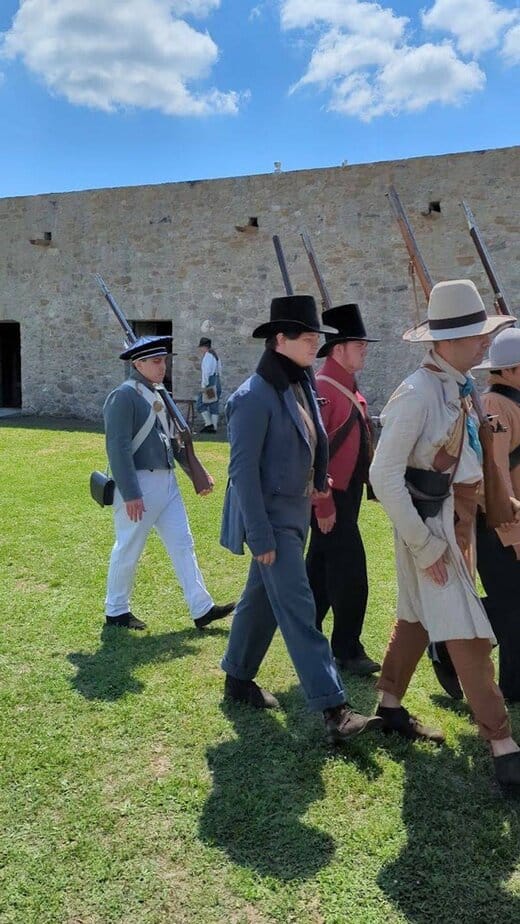
When the tents go up and the drums roll, the presidio exhales the past into the present. Reenactors greet you with stories sewn into their uniforms, eager to demonstrate drills, rations, and camp life. Kids lean in.
Adults do too.
Candlelight tours turn corridors theatrical, but not cheesy. Voices echo against the stone, carrying dilemmas from centuries ago. You walk behind the lantern, stepping through choices that shaped the region.
These events are well organized, friendly, and wonderfully interactive. Bring curiosity and comfortable shoes. If you can, plan your trip around a reenactment weekend.
You will carry home more than photos. You will carry scenes.
6. Planning Your Visit and Hours
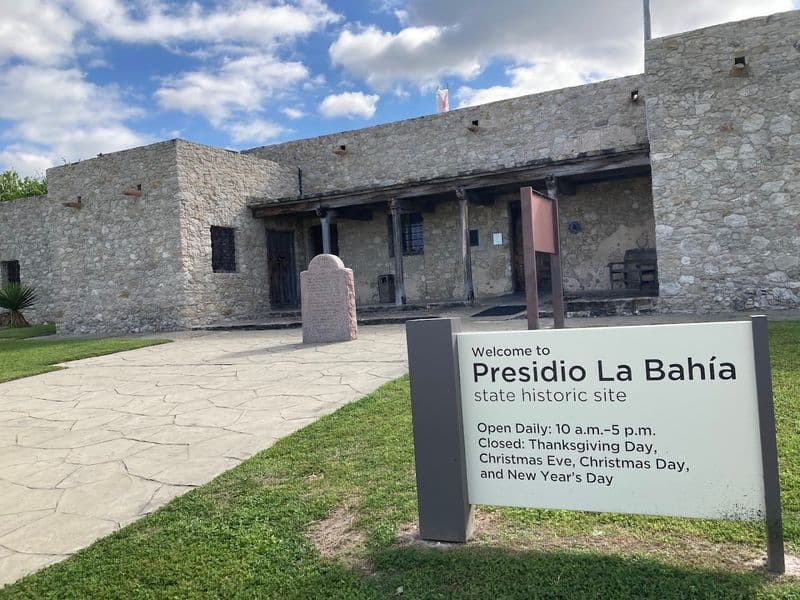
Good trips start with solid timing. The site keeps steady hours, 10 AM to 5 PM daily, making it easy to fit into a weekend loop between Austin and the coast. Budget a couple of unrushed hours, more if you like to read every label.
Admission is affordable, with discounts common for veterans and seniors. Start with the 15 minute video. It gives the lay of the land so your walk connects quickly.
Staff are welcoming and generous with tips. Phone ahead at +1 361-645-3752 if you are planning a group or chasing a special program. The official website lists events and updates, so check before you roll.
7. Family-Friendly Learning
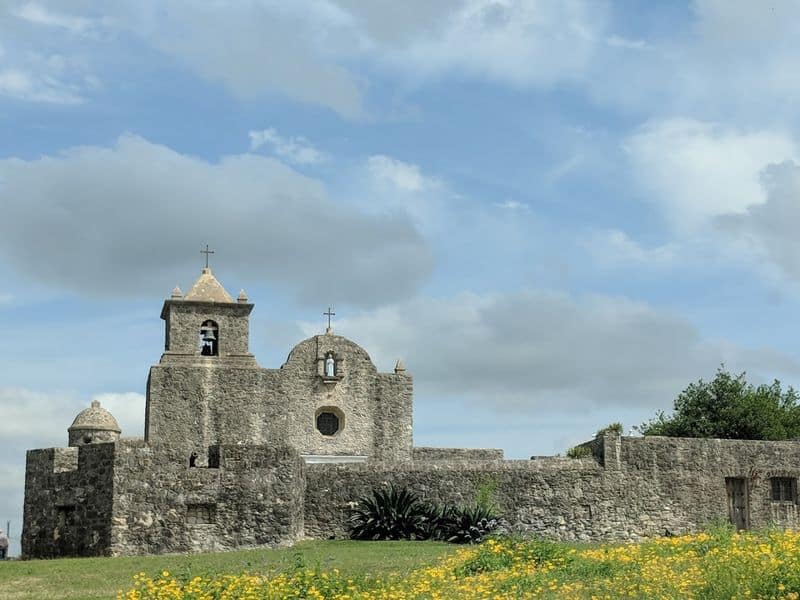
This place makes history approachable for every age. Short videos, hands-on talks, and scavenger hunts turn dates into discoveries. You can feel the staff cheering for your curiosity at every turn.
Field trips roll in, and guides match the energy beautifully. There is space to wander, sit, and reflect without rushing. The courtyard becomes a classroom where the bell is a breeze through mesquite.
Accessibility is solid, so strollers and wheelchairs are not an afterthought. Pack water, a hat, and maybe a simple picnic for the nearby grounds. By the time you leave, your group’s inside jokes will involve flags, drums, and a fort that refuses to be forgotten.
8. Staying Overnight in the Quarters
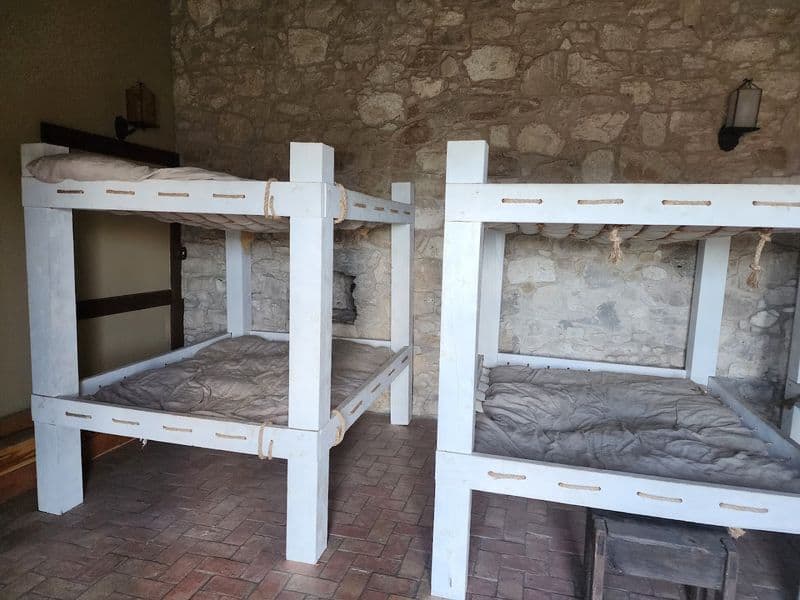
Spending the night inside a fortress changes everything. After the gates close, footsteps fade and the walls hold your secrets. The quarters are simple, comfortable, and wrapped in history thicker than the stone.
There is no TV or buzzing distraction, just quiet and a sky that remembers constellations by heart. You brew coffee, step into dawn, and have the courtyard to yourself. It feels like time paused so you could catch up.
Reserve ahead because availability is limited and popular. Bring a book, a journal, and a willingness to listen. By sunrise, you will understand why people return and call it the best room key in Texas.