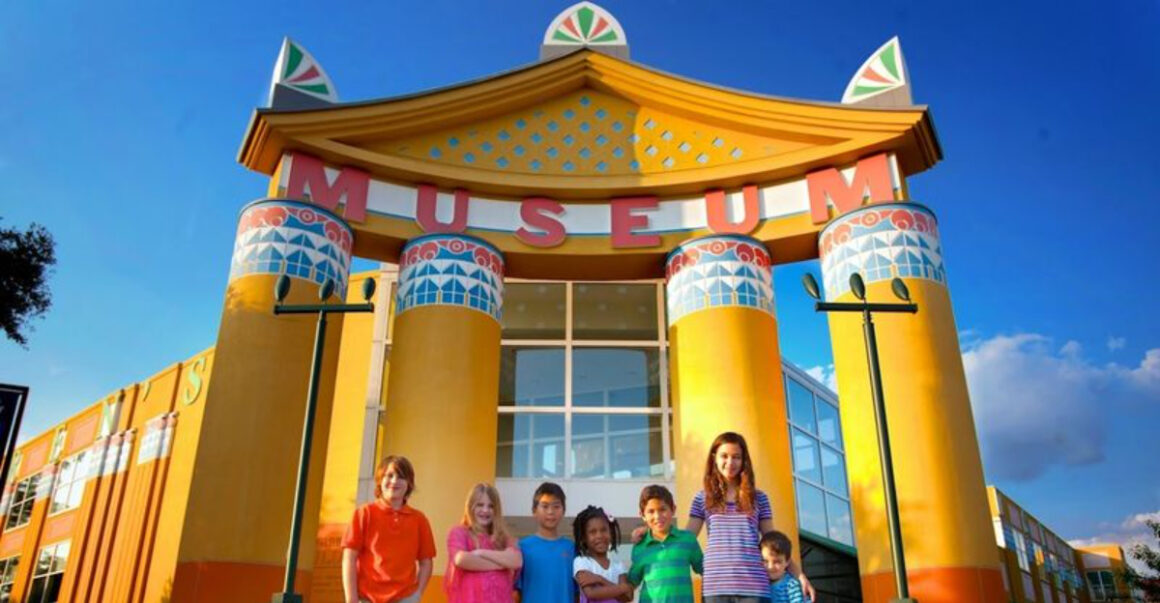
Ready to spark curiosity and wear out some little legs in the best possible way? At Children’s Museum Houston, every corner invites hands-on discovery that feels like pure play. From splashing through water experiments to role-playing in a pint-sized city, there is always something new to try.
Bring comfy shoes, big energy, and a sense of wonder.
1. Kidtropolis USA: Run the City
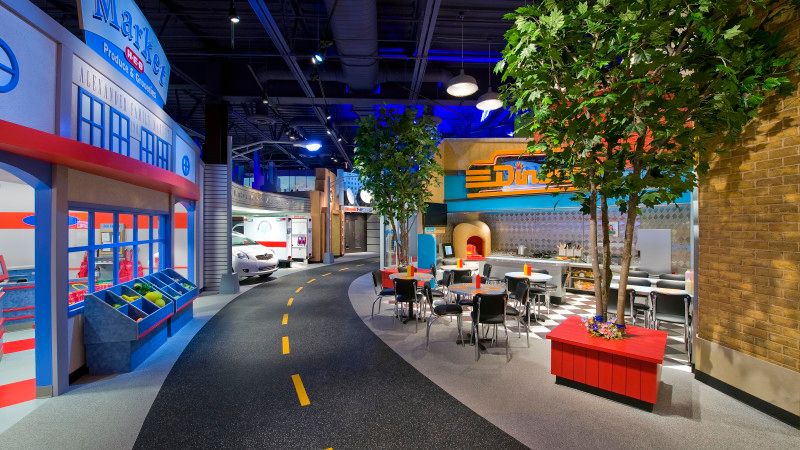
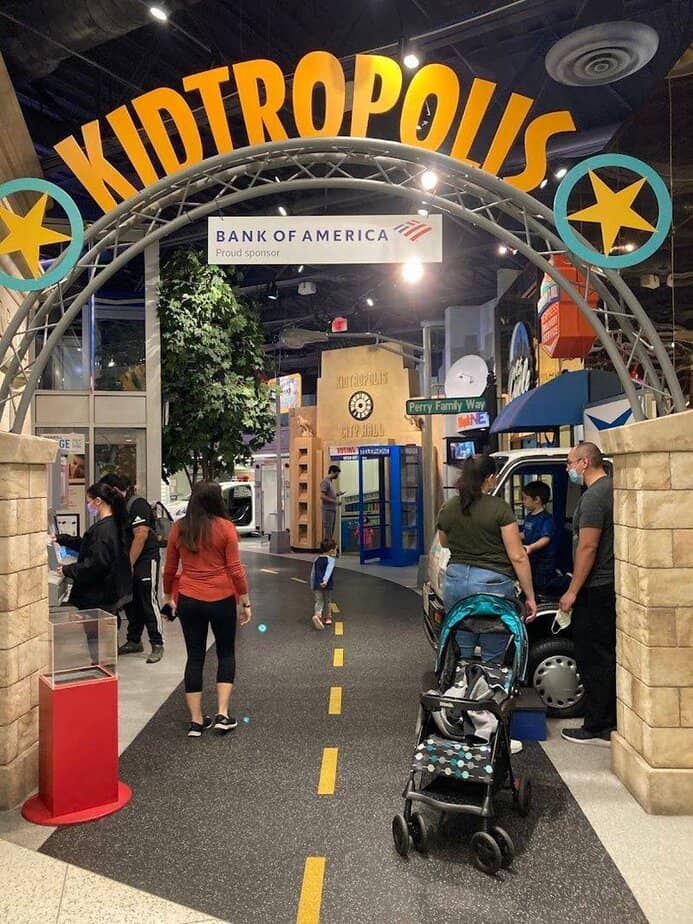
Walking into Kidtropolis USA feels like handing your kid a tiny set of keys to the city. You see a bustling mini H E B market, a bank window, a newsroom stage, and even emergency vehicles waiting for brave helpers. Kids clock in, pick roles, and start earning a pretend paycheck while solving real world problems with teamwork.
You can shop for produce, ring it up, and talk about budgeting without a single eye roll. Then switch gears to write a traffic ticket, deliver a package, or film a breaking story under bright lights. It is imaginative play that sneaks in math, civics, and communication skills while everyone is grinning.
Pro tip, arrive early so your child can grab favorite jobs before it gets busy. Bring your phone for adorable photos, but stand back and let them lead every choice. You will leave with shared jokes, new vocabulary, and a kid who suddenly understands what work, community, and responsibility really feel like.
If your child is shy, start together at the check out and narrate small wins. After two quick tasks, step aside and cheer from the curb. The city belongs to them, and confidence grows with every brave little decision.
2. FlowWorks and Outdoor Water Play
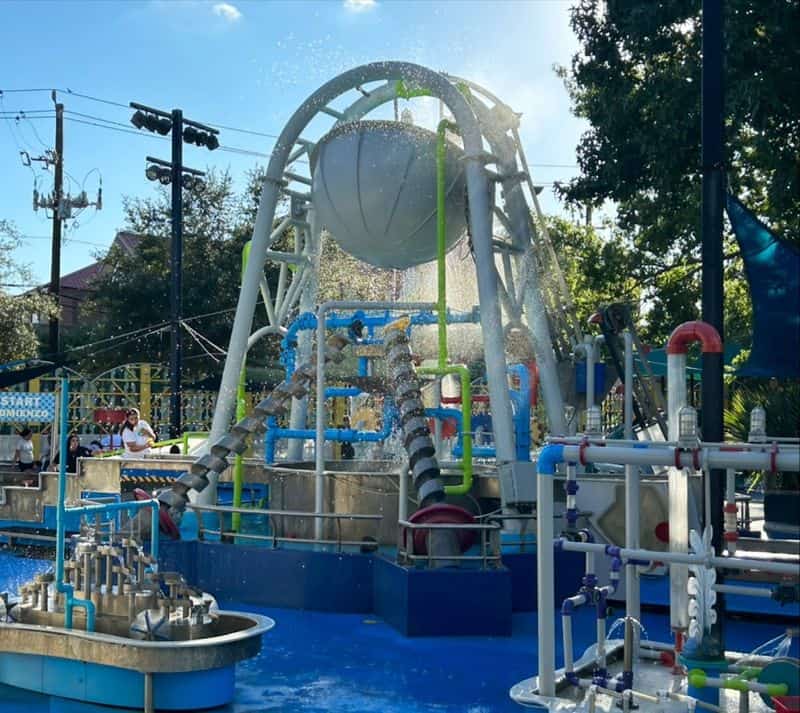
FlowWorks is where kids grab the controls and make water move. You can open gates, reroute channels, and test how speed and pressure change when a valve turns. Suddenly vocabulary like current, force, and resistance makes perfect sense because tiny hands are steering the results.
Expect giggles and splashes while kids build dams, race boats, and set turbines spinning. The exhibit nudges cause and effect thinking without a lecture. Stand close and ask what you notice, what you predict, and how you would fix it.
Little engineers love owning the experiment and seeing immediate feedback.
Outdoors, the splash features feel like a mini science park. If the sun is out, you will want a towel and a change of clothes. Water shoes help with traction, and lightweight layers dry fast.
It is all about safe exploration, so staff watch the zones while you enjoy the discoveries.
Make it a challenge, can you move a float from start to finish using the fewest gate flips. Try again using only pumps. Then swap roles so your child becomes the coach and you do the building.
Everyone leaves damp, happy, and a little smarter about how rivers, pipes, and cities actually work.
3. Power Play: Energy In Motion
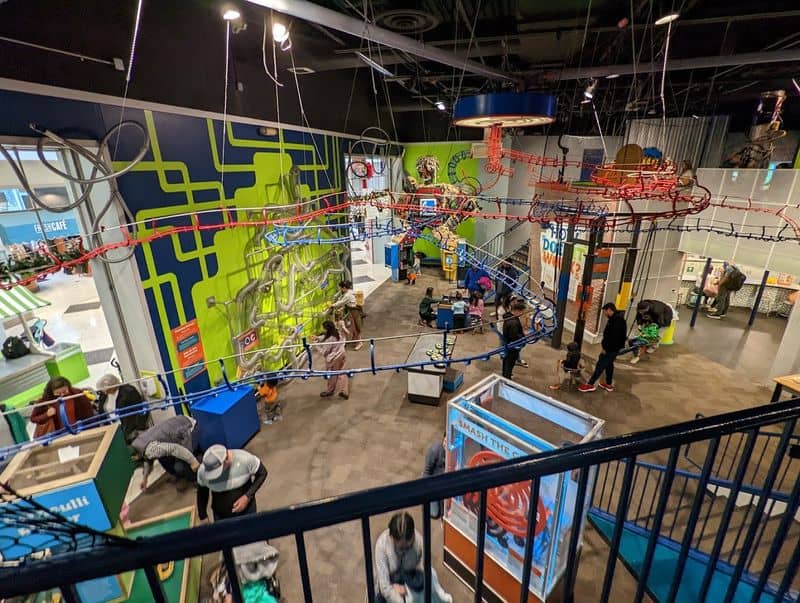
Here kids jump, cycle, and lift to see how motion becomes measurable energy. You can race lights with a sprint, feel a pulse quicken, and discover how simple machines make hard work easier. It is fitness, physics, and fun rolled into one buzzing zone.
Try the pulley challenges together and talk about effort versus distance. Spin pedals to power a display, then compare which cadence lights more bulbs. These quick trials encourage observation, prediction, and revision.
The best part is watching confidence rise with each attempt as kids test strategies and celebrate personal records.
Sneak in a mini lesson on muscles and oxygen by counting breaths before and after activity. Ask which choices conserve energy and which demand more. You will notice that science vocabulary sticks when connected to a sweaty, joyful moment.
Bring water bottles and closed toe shoes. Plan short bursts with breaks so excitement stays high. If a station is crowded, circle back, because everything moves fast here.
You will leave inspired to keep bodies moving at home with stair races, living room relays, and friendly debates about which machines make the best helpers.
4. Science Station: Robots, Reactions, and Wow Moments
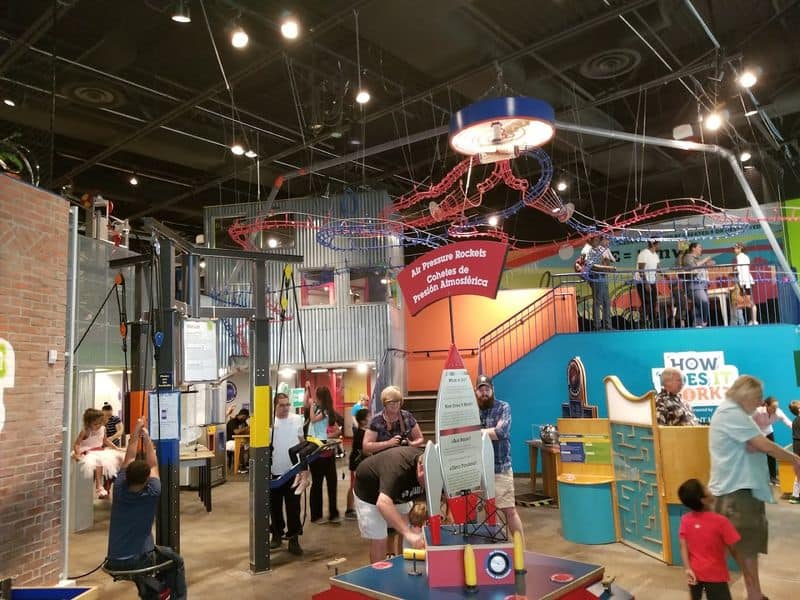
Pull up a stool and jump into real experiments at the Science Station. You might drive a small robot, test for starch, or mix safe solutions to watch color changes bloom. Educators guide steps while kids do the work, building lab habits that make science feel both brave and doable.
The magic is in the process. Measuring, timing, recording, and asking why turn play into discovery. You can compare results, question outliers, and repeat trials like a pro.
Kids love the sense of ownership, and you get that proud grin when a prediction lands perfectly on target.
Conversations matter here, so use talk moves like I notice and I wonder. Celebrate smart mistakes, because they are often the best clues. Snap photos of data charts to revisit later at dinner, and suddenly you have family science night without any extra planning.
Arrive early for popular demonstrations, and check the day’s board for surprise labs. If your kid loves gadgets, ask about programming basics on simpler bots. You will walk out with new vocabulary, a calmer fear-free attitude toward experiments, and a shared story about that moment the reaction fizzed exactly as planned.
5. Tot Spot: Big Discoveries for Little Ones
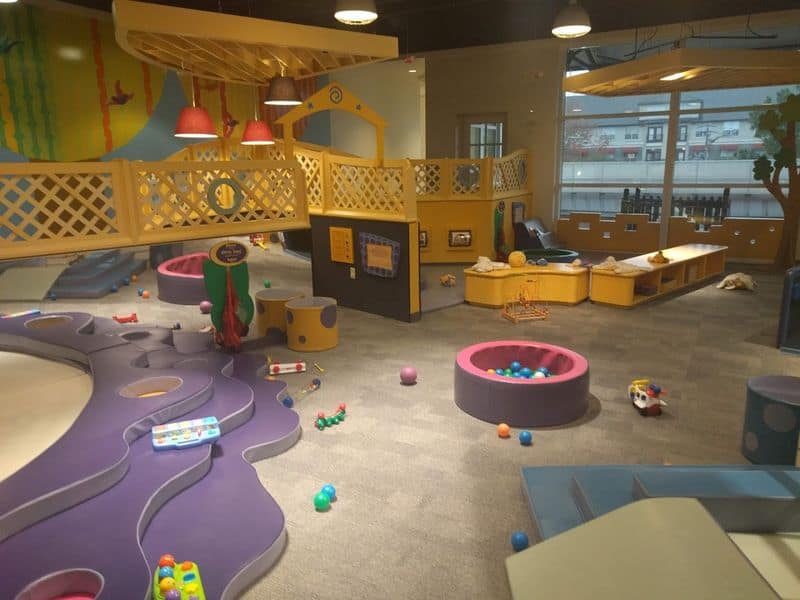
This part is built for crawlers and early walkers, so younger siblings get a place that truly fits. You will find soft ramps, mirrors, and chunky blocks that invite safe exploration. Everything sits at toddler height, with textures and sounds that encourage reaching, cruising, and grinning.
Caregivers can relax, because the space controls pace and crowds. Seating rings the area, and staff keep toys tidy and sanitized. Simple prompts on the walls suggest playful ways to build language, balance, and problem solving.
Even five minutes here can reset a wobbly mood and spark new milestones.
Try copycat games, tap tap, clap clap, roll the ball, now your turn. Narrate movements so little brains link words to actions. Point to colors, count steps, and name emotions, you look proud, that was tricky, you did it.
The smallest celebrations matter most at this age.
Bring socks, a spare onesie, and a snack for later. Take photos from low angles to capture those triumphant faces. When older kids need a break, this calm zone helps everyone reset.
You will leave thankful for a space designed with tiny bodies in mind and big development goals at heart.
6. Maker Annex and Art Studio
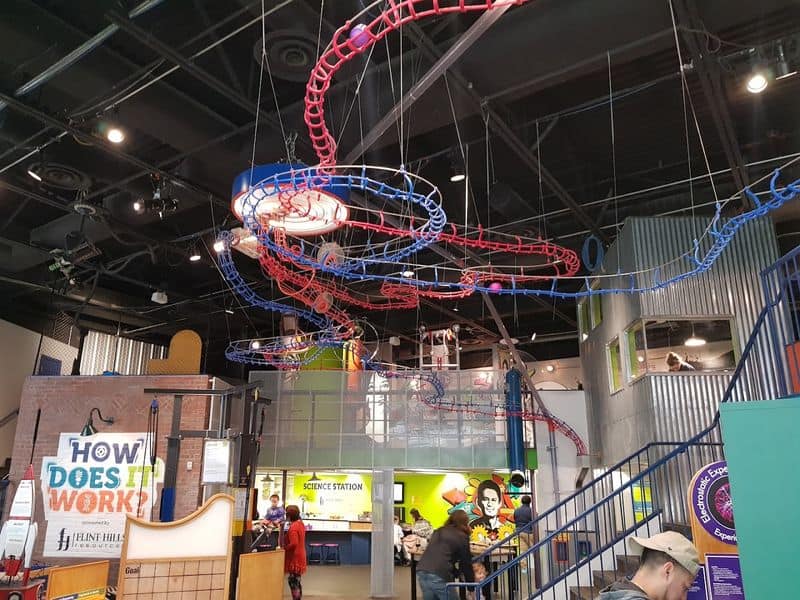
When hands are itching to build, the Maker Annex delivers. Tables brim with cardboard, fabric, connectors, and safe tools that empower kids to prototype like designers. You can sketch, test, and iterate, then proudly hang a project on the gallery wall.
It is creative confidence training disguised as art time.
Start with a simple prompt, build a bridge that holds five toy cars. Then add constraints like length, weight, or style. As kids revise, you can name the design cycle, imagine, plan, create, improve, share.
Suddenly feedback feels friendly, and mistakes turn into the next great idea.
Helpful facilitators float around with tips for joints, hinges, and balance. Ask about sewing basics or how to add movement with brads and levers. Kids love discovering that everyday materials can become lamps, puppets, habitats, and wild contraptions that really work.
Bring patience and let your child steer choices. Pack a tote for transporting masterpieces without tears. Snap a final photo beside the project wall and talk about how to extend the idea at home.
You will leave with glitter on your sleeves, a head full of possibilities, and a maker who cannot wait to build again.
7. EcoStation and Outdoor Discoveries
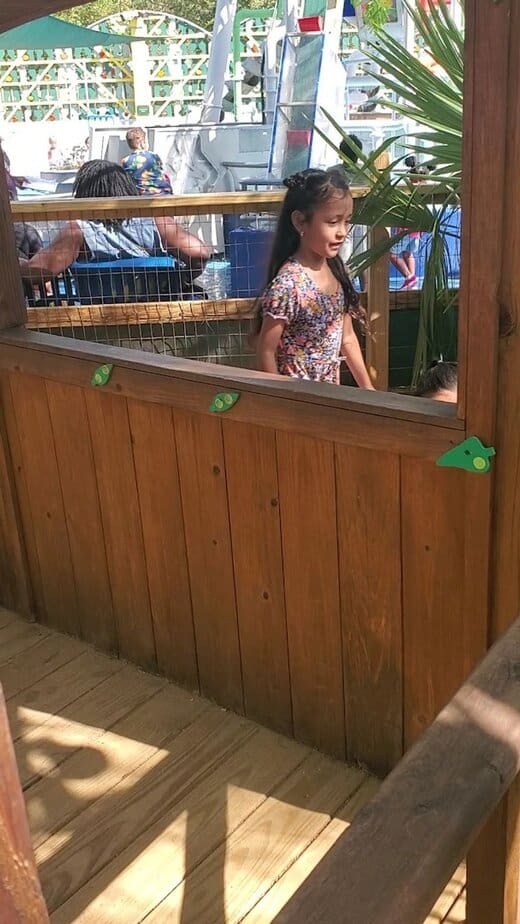
EcoStation invites kids to slow down and notice the living world. You might study soil layers, investigate bug models, or peek at compost in action. Gentle prompts encourage observation and care, turning small hands into careful scientists who protect the spaces they explore.
Try a mini field study, choose a plant, sketch it, and count visitors like bees or butterflies. Ask why shade matters, how roots drink, and where water goes after rain. Big ideas like habitats and cycles land softly when kids discover answers with their senses first.
Outdoors, you can take a breath while little explorers compare textures and listen for birds. The pace feels different here, less hurry, more noticing. It pairs beautifully with a snack break and a quick chat about reducing waste, reusing tools, and respecting living neighbors.
Pack a hat, sunscreen, and a small notebook for drawings. If the weather shifts, duck inside and keep the investigation going with display materials. You will leave with calmer energy, muddy fingertips, and a new habit of asking kind questions about nature.
That care often follows kids home to backyards, balconies, and school gardens.
8. Climbing Tower and Active Atrium
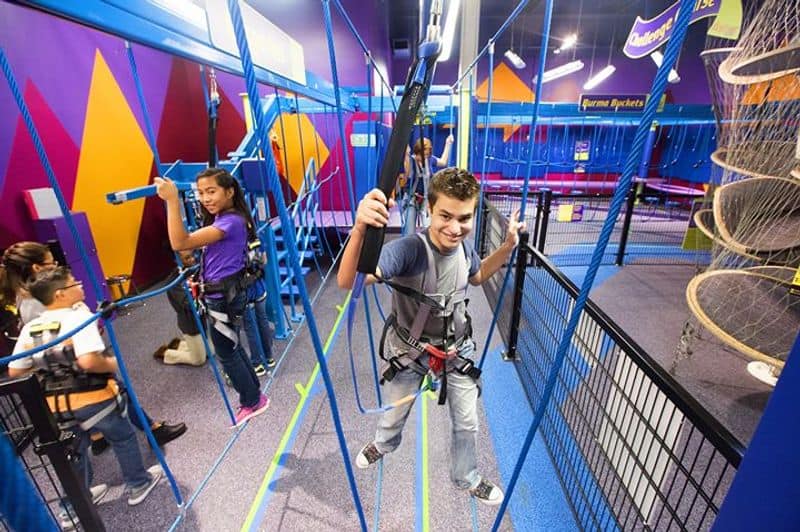
The soaring climbing tower is pure kid magnet. Nets, platforms, and winding paths invite brave feet to discover new views of the atrium. Multiple exits keep it friendly for different comfort levels, so cautious climbers can hop off while others push a little higher with each pass.
Stand nearby and spot without crowding. Offer simple challenges, touch the orange platform, count ten steps, wave from the top window. These tiny goals stack into real courage, and you can practically see posture and pride grow as kids master the maze.
Pair the climb with a breathing pause, in for four, out for four, before each attempt. It helps channel excitement into focus. You might talk about center of gravity, balance, and where to place hands next.
Science sneaks in while hearts thump happily.
Wear flexible clothes and closed toe shoes. If it is crowded, set a timer for turns so everyone gets a chance. Celebrate descents as much as summits.
You will leave with rosy cheeks, big smiles, and a new family mantra, brave is a practice you build one safe step at a time.
9. Game Quest and STEM Play
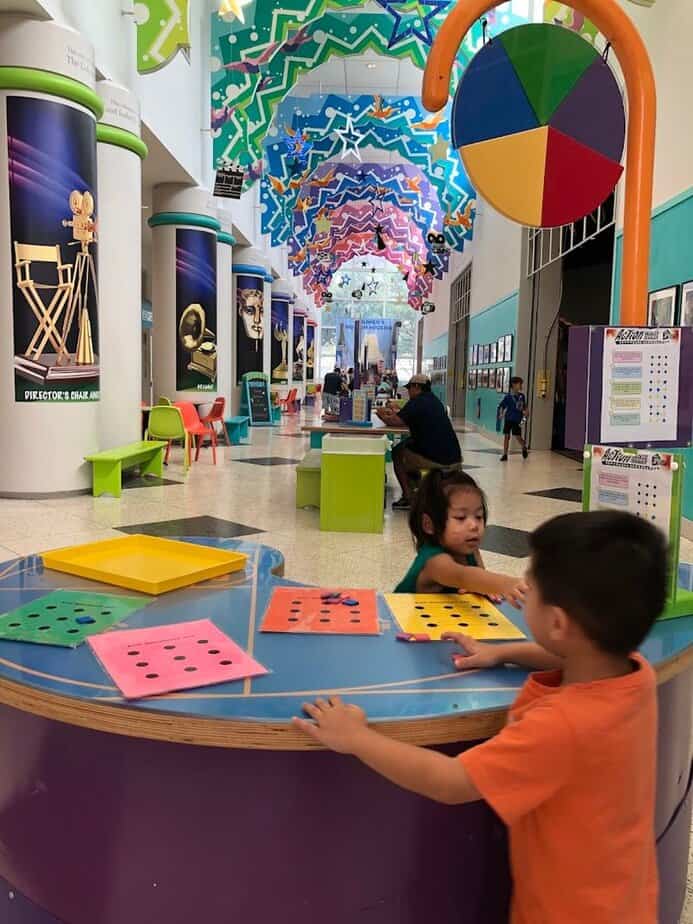
Game Quest blends tabletop puzzles, coding challenges, and digital play to stretch problem solving muscles. You can tinker with patterns, program simple sequences, and test logic against timed obstacles. It is collaborative by design, so kids learn to explain strategies, trade roles, and cheer for brilliant moves.
Rotate seats every few minutes to keep energy fresh. Ask questions that spark thinking, what rule do you notice, what happens if we reverse that step. The mix of physical and screen based tasks keeps attention locked and makes abstract ideas like algorithms feel concrete and friendly.
Parents often discover hidden talents here, like patience, leadership, or a flair for debugging. When frustration shows up, breathe, label it, and try a smaller sub goal. That quick reset teaches resilience faster than any pep talk.
Bring curiosity and a willingness to lose a round or two. Let kids coach the grownups sometimes, it builds voice and confidence. Snap a photo of the final scoreboard or a sticky note strategy map.
You will leave with new tactics, new jokes, and a kid who sees puzzles as invitations instead of roadblocks.
10. Seasonal Magic: BOOseum and Special Events
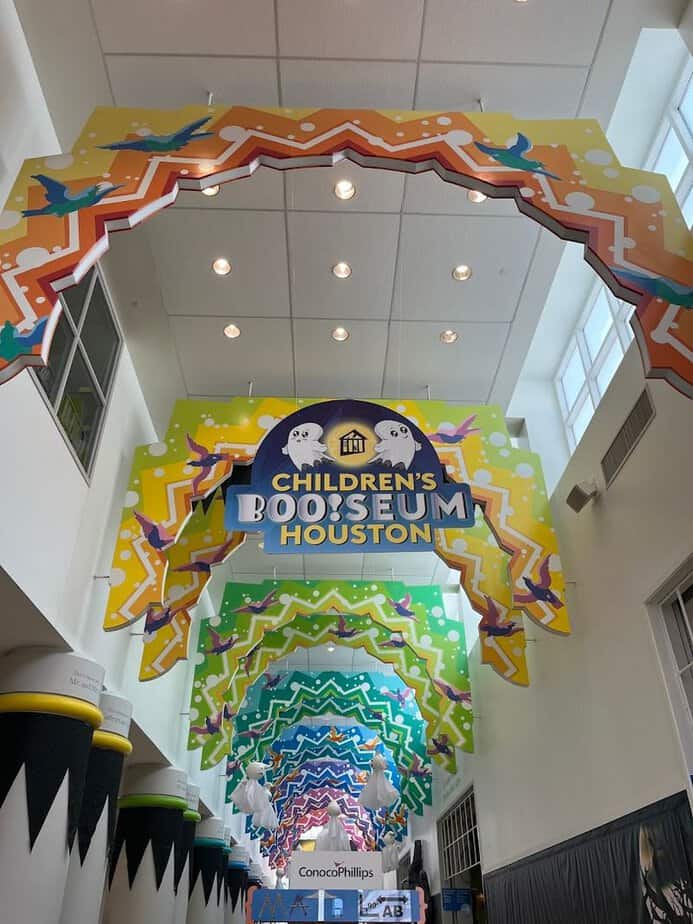
Special events at the museum turn a great visit into a tradition. BOOseum is a favorite, with staff in full costume, treat maps, and themed experiments that make October sparkle. Kids zip through stations collecting candy and science memories, and you get that rare combo of festive and educational.
Watch for cultural celebrations, live music, and guest performers that turn exhibits into stages. The energy lifts, but the learning remains strong with hands-on twists. Costumes, drums, and dance often appear, and families beam while kids connect play with history, art, and community pride.
Plan ahead by checking the calendar and arriving early. Bring a small bag for treasures, comfy layers, and a plan for breaks. If crowds spike, slip into a quieter gallery for a reset, then rejoin the fun when smiles return.
Ask staff about stamps or scavenger sheets to guide your path. Take photos at themed backdrops and label them later with your child to boost writing skills. You will leave with sticky fingers, bright eyes, and a date circled on the calendar for the next can’t miss celebration at 1500 Binz Street.
11. Stress-Free Visit Tips: Hours, Parking, and Perks
A smooth visit starts with timing. The museum is closed Monday, opens at 9 AM most days, and runs late on Thursday. Weekday mornings tend to feel calmer.
Check the website for updates before you roll, and build in at least three hours, because kids rarely want to leave early.
Parking is straightforward with a paid garage across the street. Bring a card for meters if you try street parking. Pack water, snacks for afterward, and a change of clothes for water play.
Closed toe shoes help in active zones. Strollers navigate well, and there is a dedicated infant and breastfeeding room.
Thursday evenings can be crowded yet joyful, so arrive early and set a simple meet up spot. Rotate high energy exhibits with calmer areas like EcoStation or the art studio. You will cover more by doing less, letting kids linger where curiosity grips.
Grab a map, snap photos of favorite stations, and jot quick notes for next time. Staff are friendly and plentiful, so ask questions. You will leave with happy tired kiddos, a short list of must return exhibits, and confidence that Children’s Museum Houston delivers every single visit.