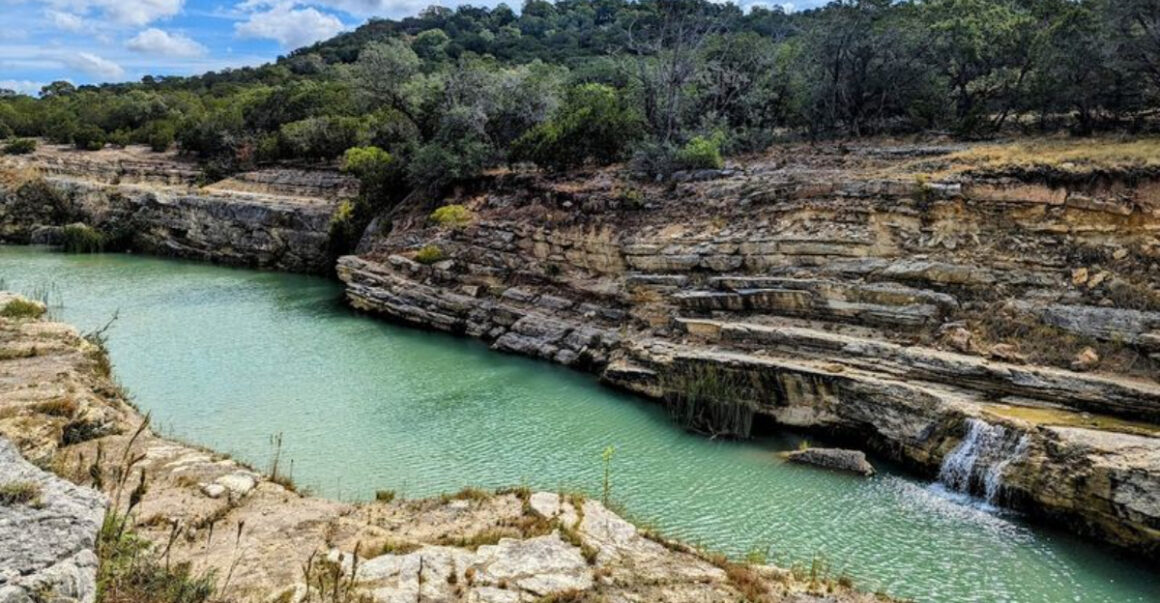
Step onto bedrock where dinosaurs actually walked, and feel history pressed beneath your boots. Canyon Lake Gorge is a rare Texas hike that blends science, scenery, and story in one unforgettable route. With ranger-led tours that take you into the gorge and a self-guided rim trail for easy exploring, you can choose your pace without missing the magic.
Bring curiosity, good shoes, and a sense of wonder, because this landscape still tells time.
1. Guided Gorge Tour Highlights

The guided tour is your ticket into the heart of Canyon Lake Gorge, where the story of the 2002 flood and ancient seas comes alive. A ranger points out ripple marks, fault lines, and the subtle outlines of dinosaur tracks pressed into limestone. You are not just looking at rocks, you are time traveling with excellent narration and dad jokes.
Expect uneven terrain, stone steps, and short scrambles that keep the pace engaging without feeling extreme. You will pause at shaded stops, refill water, and handle fossils that make textbook diagrams feel small. Bring sturdy shoes, sun protection, and questions.
The group energy is friendly, curious, and welcoming, so first-timers feel comfortable.
Book ahead, especially on weekends.
2. Self-Guided Rim Trail Experience
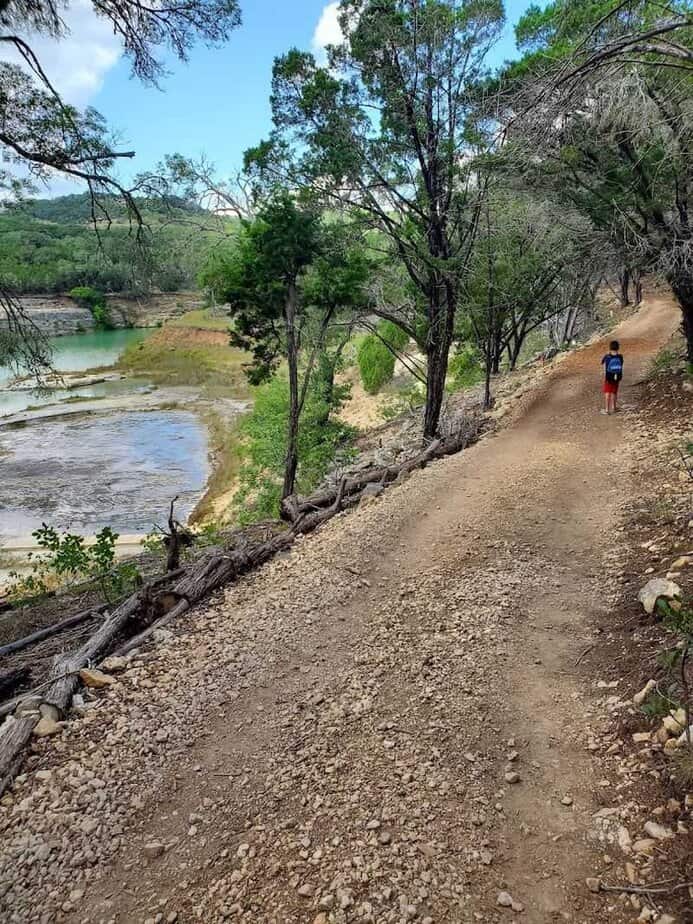
If a mellow pace is more your style, the self-guided rim trail keeps things simple and scenic. The path is well marked, mostly level, and dotted with interpretive signs that decode what you are seeing. You still get sweeping views into the gorge, along with benches and picnic spots for easy breaks.
Budget-friendly pricing makes it a great spontaneous outing, especially with kids or mixed-ability groups. Pick up a map at the visitor station, borrow a fun explorer pack when available, and follow the numbered stops. Bring water and a hat, because shade comes and goes.
You will finish feeling refreshed, informed, and tempted to upgrade to the guided tour next time.
Leashed pets are allowed on designated sections.
3. Authentic Dinosaur Footprints
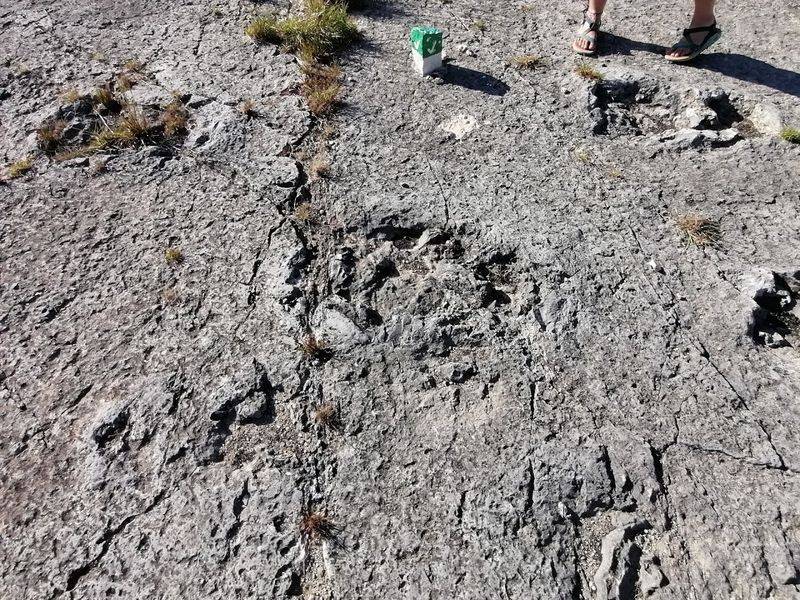
Nothing beats the quiet thrill of spotting a three-toed track set in stone. On the guided tour, you can stand within arm’s reach of authentic dinosaur footprints, preserved where ancient shorelines once shimmered. Rangers explain how sediment, pressure, and time locked each step into the rock.
The prints look delicate yet permanent, like signatures the river forgot to erase. You will learn to read depth, claw marks, and stride spacing, turning scattered impressions into motion. It is hands-on paleontology without the museum glass.
Photos are welcome, but step lightly and respect boundaries.
Seeing those tracks changes the scale of the day. You realize this hike is not themed, it is real Texas prehistory underfoot.
4. Geology Uncovered by the 2002 Flood
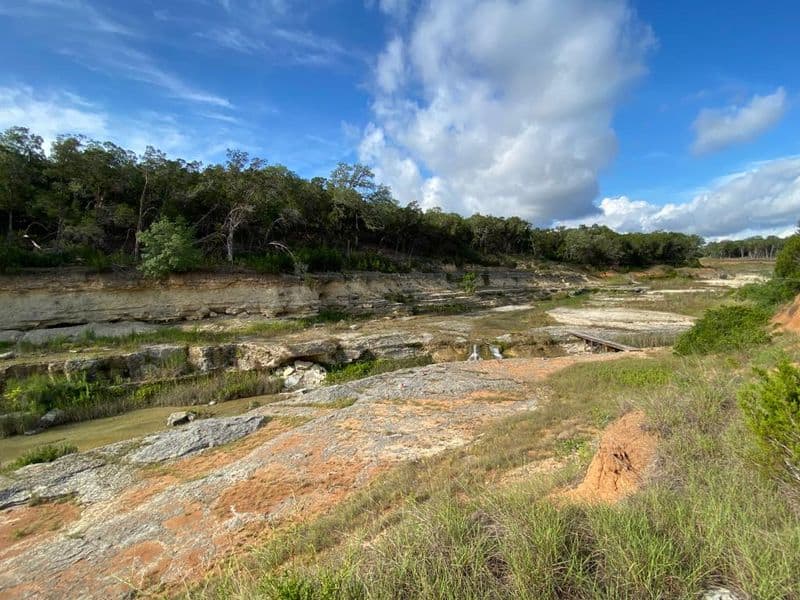
The gorge exists because of a single supercharged event in 2002, when spillway waters carved through layers in days. What takes rivers millennia happened here in breathtaking speed, peeling back limestone to reveal geologic chapters. Guides stitch that story together using faults, channels, and ripples as living diagrams.
You will see cross-bedding, bedding planes, and erosional potholes that make processes visible. It is like walking through a cutaway model, except the model is real and the air smells like cedar. The experience connects water management with landscape change.
Expect to leave with new eyes for texture and time. Even if rocks are not your thing, the drama of exposure and the clarity of the layers are mesmerizing.
5. How to Plan Your Visit
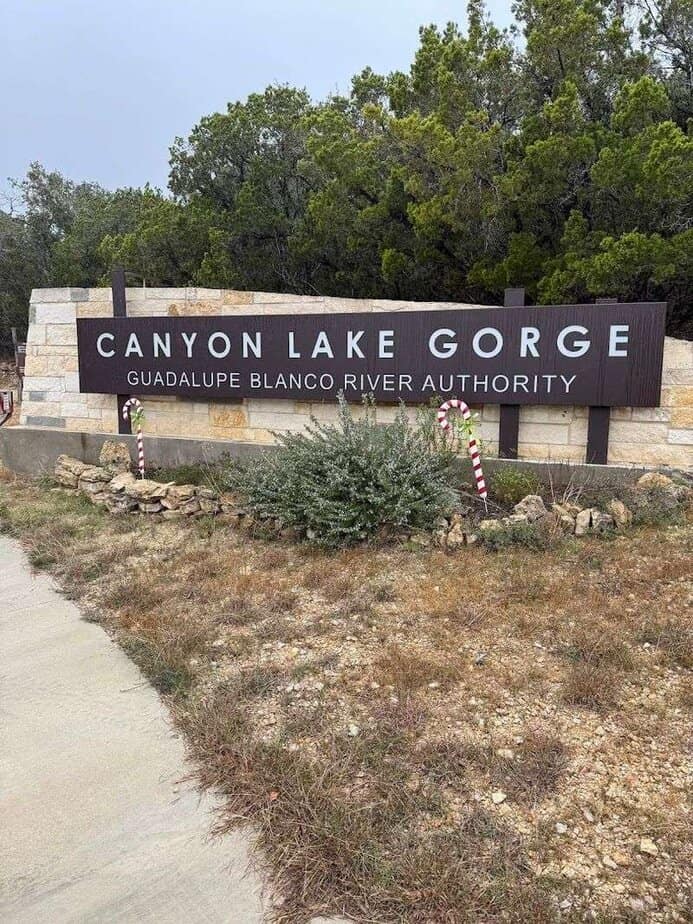
Check operating hours before you go: generally 8:30 AM to 4 PM on most days, with Sunday closed. Morning slots are cooler and less crowded, and tours fill fast, so reserve online when possible. Bring water, a hat, sunblock, and shoes with traction for steps and limestone.
Parking and check-in are straightforward, and staff are friendly if you have questions. Self-guided entry is affordable, while guided tours cost more but unlock the gorge floor. Allow extra time for photos and a picnic near the trailhead.
Cell service can be patchy, so download confirmations and maps. If you are pairing with nearby sights, Overlook Park and the dam views fit nicely. Keep an eye on weather, since wet rock changes plans.
6. Family-Friendly Touches
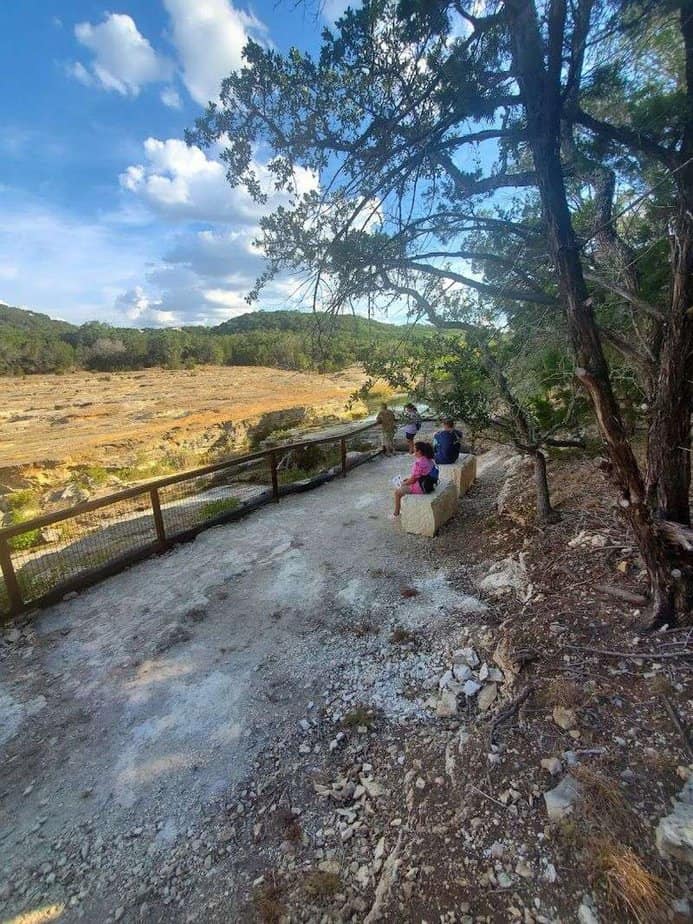
Kids light up here because the trail feels like a treasure hunt. Look for loaner explorer backpacks, scavenger lists, binoculars, and interpretive stops that turn wandering into discovery. Benches, picnic tables, and clear markers help everybody pace the day without stress.
The self-guided route is approachable, while older kids can handle the longer guided tour. Friendly rangers turn questions into hands-on moments, pointing out fossils and plant life. Restrooms near the start and at the turnaround are a welcome surprise.
Bring snacks, water, and layers for shifting sun and breeze. Encourage curiosity: count layers, spot tracks, and compare rock textures. The shared aha moments are what you will remember long after the trail dust brushes off your shoes.
7. Safety, Terrain, and Accessibility
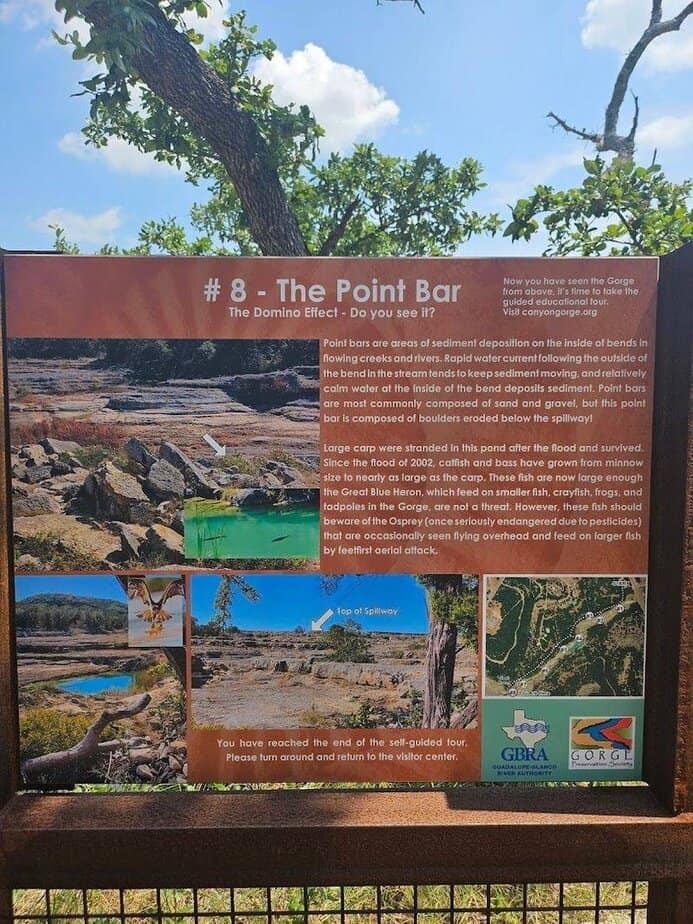
Expect natural hazards common to Hill Country hikes: uneven limestone, loose gravel, and steps that test balance. Closed-toe shoes with tread are essential, and trekking poles help on steeper sections. Hydrate early and often, because the sun and reflective rock can sneak up on you.
Self-guided rim paths are easier and well marked. The guided descent is moderate, with short scrambles and stone stairs that may be challenging for knees. Rangers set a steady pace and pause in shade.
This is not a wheelchair-friendly trail, so plan accordingly. Respect all railings and boundaries to protect fragile surfaces, including fossil beds. Keep your eyes on footing while you admire the views, and you will finish confident, happy, and safe.
8. Best Times, Weather, and Photography
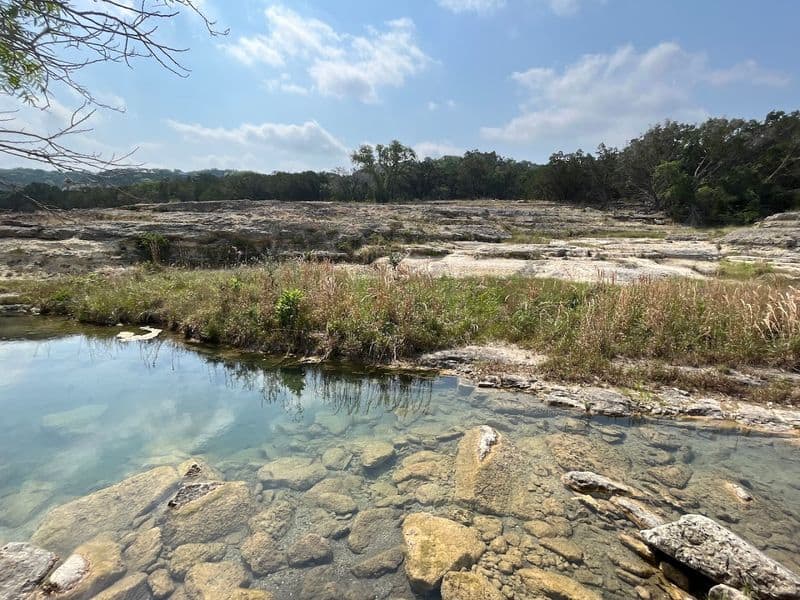
Light is your friend here, especially early morning when the gate opens and late afternoon when shadows carve depth. Cooler months amplify comfort, but spring greens and fall tones look fantastic in photos. Summer brings bold skies and contrast, so pack extra water and patience.
After gentle rains, small pools shimmer and textures pop without making footing slick. Avoid storms and heavy runoff days for safety and clarity. A polarizing filter helps tame glare on wet rock and water.
Compose wide shots to show terraces and fault lines, then switch to detail frames of ripples, fossils, and tracks. Keep people in frame for scale. You will leave with images that feel like field notes from another era.