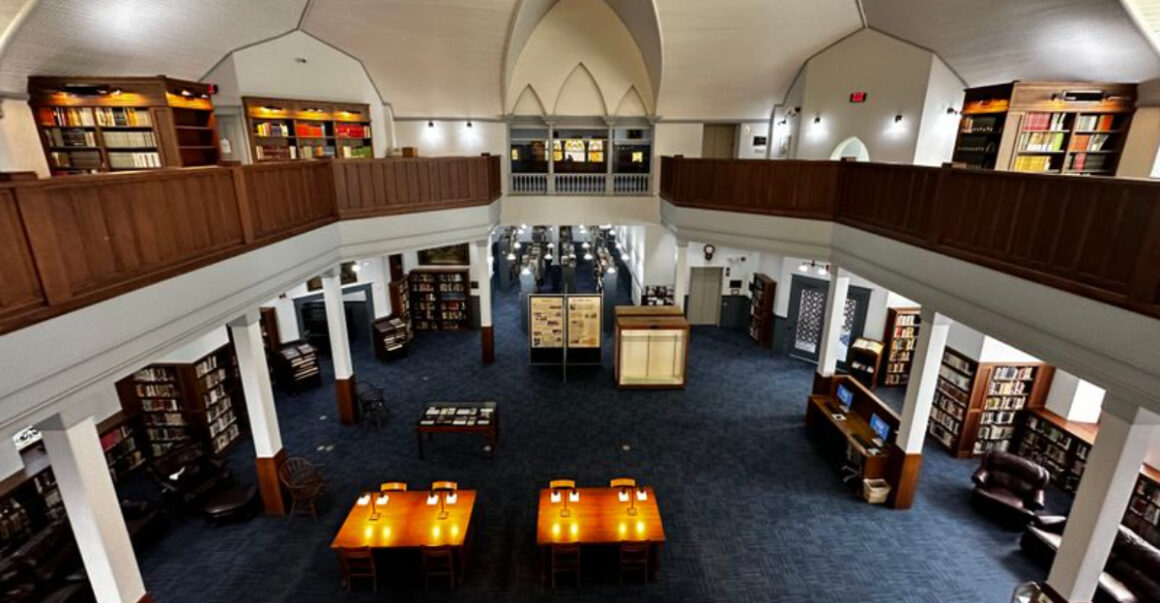
Step inside a former Gothic Revival church in downtown Beaumont where stained glass glows over shelves of history. Tyrrell Historical Library turns hushed pews into research tables and whispers into discoveries. If genealogy, Texas lore, or old maps pull you in, this place will feel like a secret you are thrilled to share.
Come curious, leave with stories you did not know you were missing.
1. Gothic Revival Architecture and Stained Glass
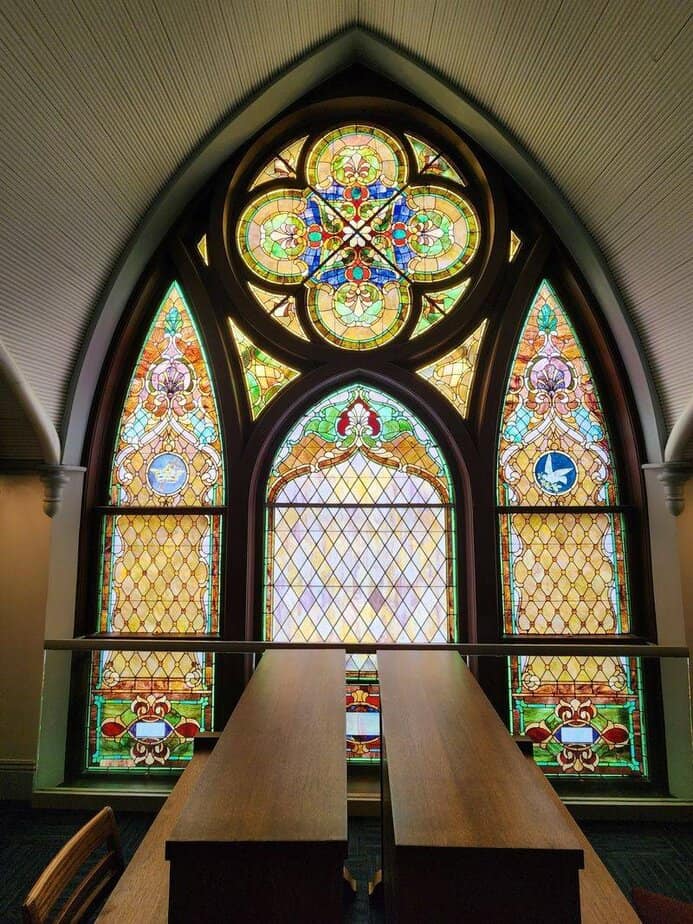
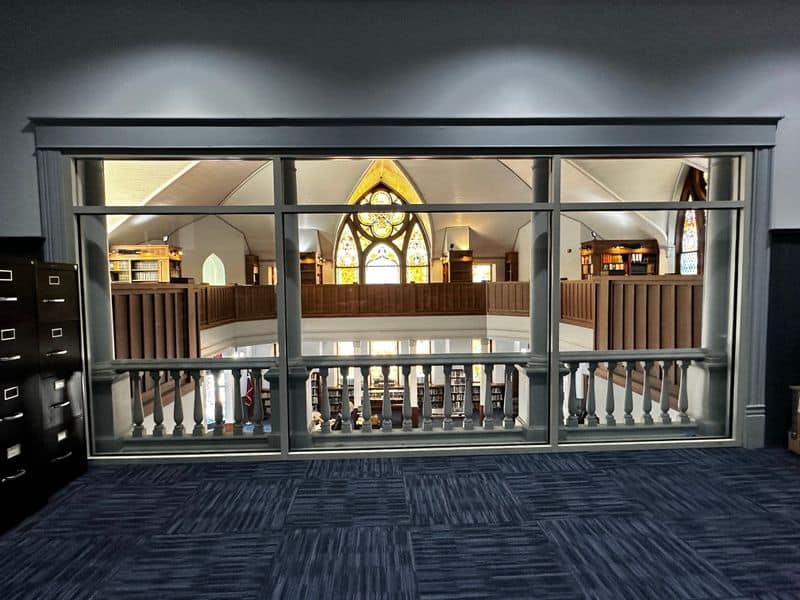
Walk beneath pointed arches and you will feel the hush change. Colored light from 1903 stained glass lands on oak tables, turning research into a kind of ceremony. The vaulted ceiling carries every page turn like a soft bell.
Originally a Baptist church, the building keeps its dignity while welcoming notebooks, laptops, and quiet conversations. You can trace a family line while sunlight paints your notes. Even the floor creaks seem to encourage patience and wonder.
Look up and you will notice woodwork that rewards slowing down. The space feels sacred without being fussy. It is a setting that makes everyday curiosity feel important and reminds you why libraries can still astonish.
2. Genealogy Research Hub
If family history keeps tugging at you, this is where loose threads tighten. Staff in the genealogical section are patient guides, quick with indexes and strategies. They help you jump from rumor to record, surname to certificate, snapshot to story.
Here, census rolls, obituaries, and local registries do more than list dates. They place your people in neighborhoods, storms, and celebrations. You can scan fragile pages on high quality equipment and leave with crisp digital files.
Expect a gentle rhythm: search, discover, breathe, repeat. Questions sharpen, names bloom, timelines click. Before long, you feel rooted, as if the building itself wanted your family’s past to find daylight.
3. Local History Collections and Real Estate Records
Real estate sleuths, this collection is your toolbox. City directories, deed books, and maps let you watch Beaumont change block by block. You can trace a house through owners, industries, and storms, then match that story to photographs.
The staff points you toward finding aids so you do not drown in paper. Soon, a plat becomes a narrative and a parcel number turns personal. You start hearing the past speak in the margins.
Bring addresses, dates, and patience. You will leave with context you cannot get from listings or satellite views. It is a satisfying way to anchor your curiosity in facts and see how land remembers everything.
4. Quiet Study and Reading Nooks
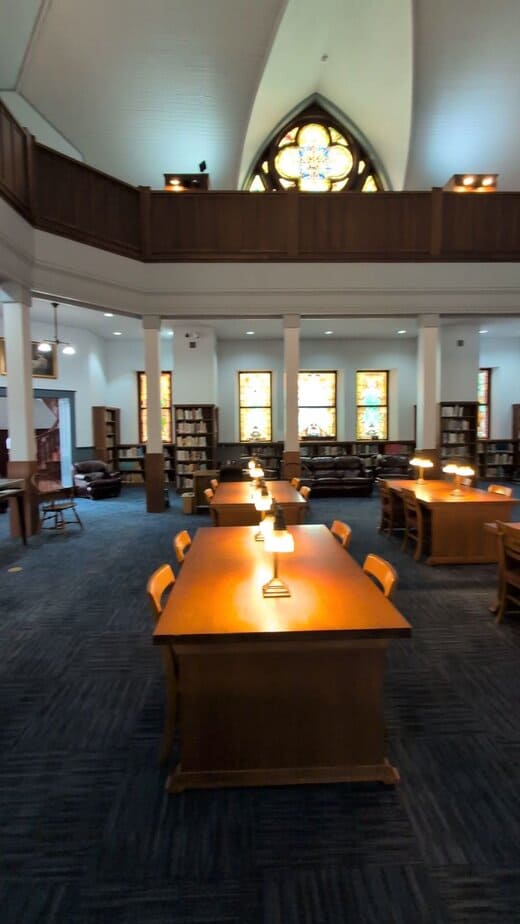
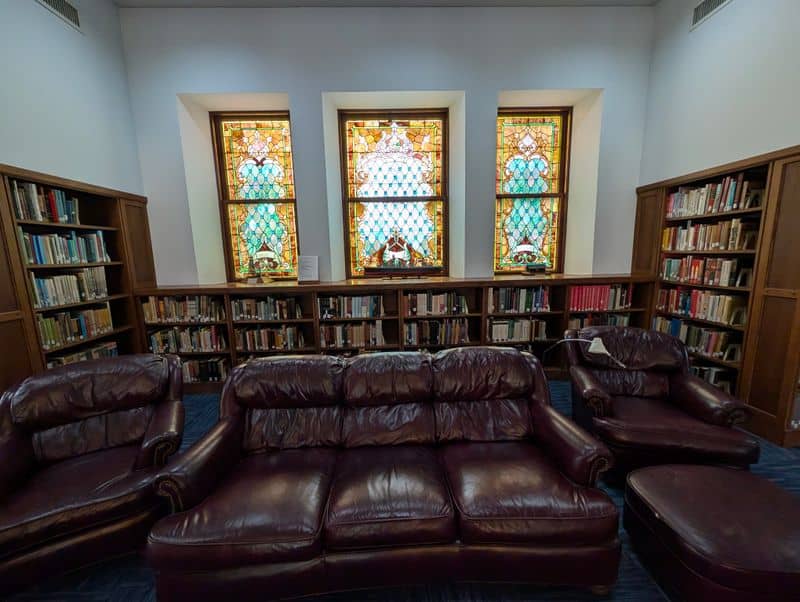
Sometimes you just need quiet that actually holds. Tyrrell offers that kind of silence, the supportive kind that helps you finish a chapter or outline a project. Natural light spills across generous tables without glare or fuss.
You can settle near a window and let colors drift across your notebook. The chairs are solid, the air steady, the distractions minimal. Even brief visits feel productive, like your thoughts finally agreed to cooperate.
Bring headphones if you must, but you likely will not need them. The space respects focus and rewards commitment. Leave with pages filled and a sense that studying can be beautiful again.
5. Visitor Basics: Hours, Access, and Parking Tips
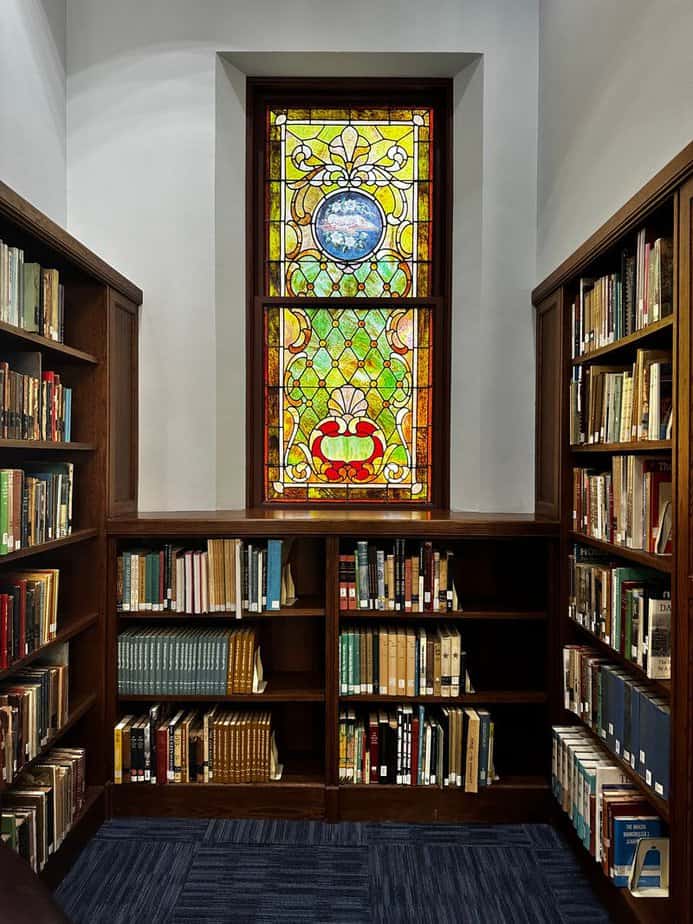
Plan your visit with the clock in mind. The library opens Monday through Thursday and Friday from 9 AM to 6 PM and is closed on weekends. Morning light makes the windows glow, and early hours are often the calmest.
Parking is limited, so arrive a bit early or consider nearby street options. Bring a government ID if you expect to handle archives, and check the website for any policy updates. A quick call never hurts.
Pack a list of names, addresses, or topics to maximize time. Phones stay quiet here, and that helps everyone. You will walk in prepared and walk out feeling like the day belonged to you.
6. Scanning, Preservation, and Research Help
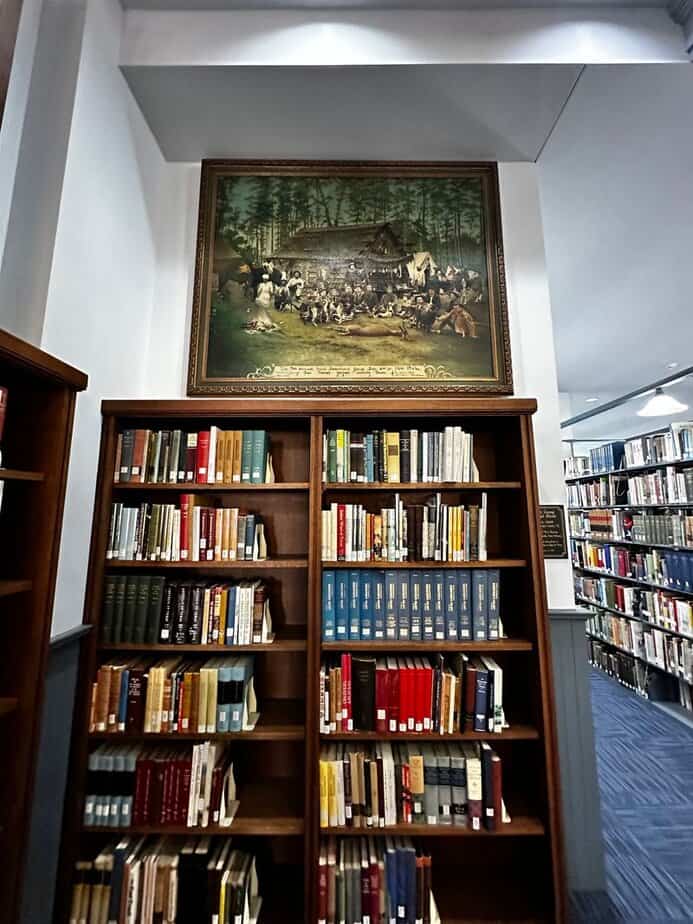
Bring your questions and watch them gain edges. Staff guide you to indexes, teach scanners gently, and keep fragile materials safe. The equipment produces clean, shareable files so you leave with more than notes.
There is an art to handling history, and you will feel it in the calm, deliberate pace. Ask for help and you get it, no fuss. The process respects both the documents and your time.
Expect to learn small tricks: how to frame a scan, cite sources, or track a lead. Those skills travel with you. By the end, your research will look sharper and feel fully yours.
7. Why Book Lovers Keep Coming Back
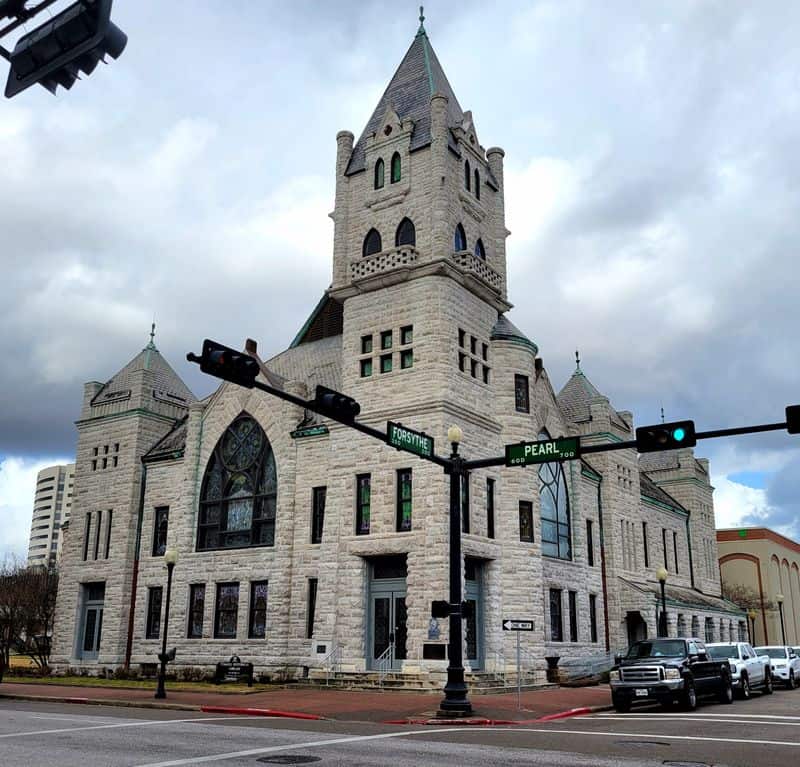
Some libraries are practical. This one is practical and transporting. You arrive for a record and stay for the feeling that history sits down beside you.
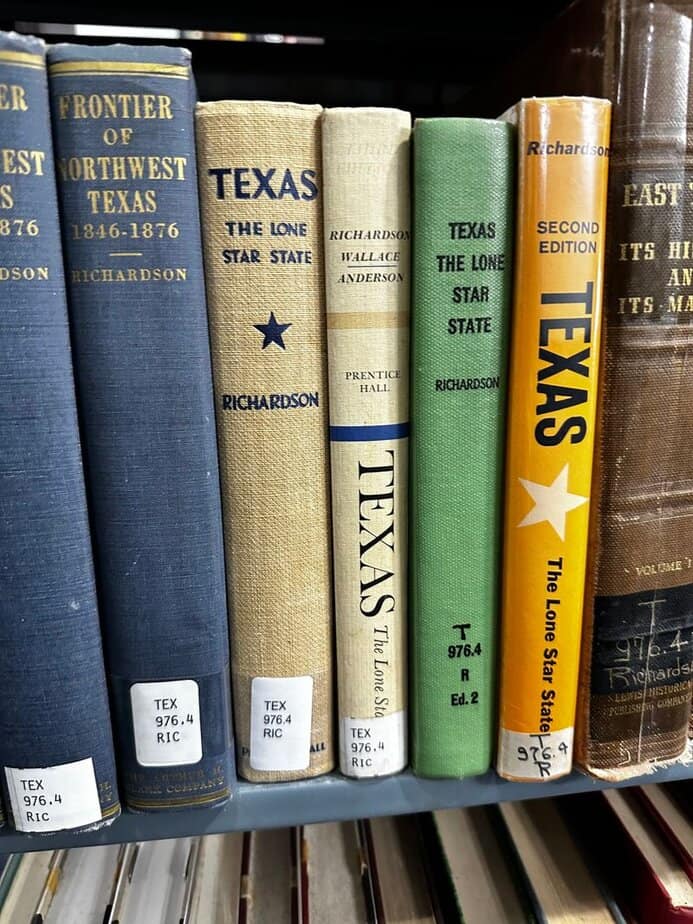
Great old books line shelves with textured spines that beg to be touched. The selection leans local, but curiosity finds plenty to chew on. You move slower, pay attention, and leave with a fuller mind.
Readers return because the setting whispers keep going. Even small wins feel big here. It is the kind of place that makes bookish hearts steady and brave at the same time.
8. Make the Most of Your First Visit
Start with a goal and a short list. Names, dates, addresses, and a rough timeline will save you wandering time. Tell staff what you hope to find, and they will suggest the right tools.
Use city directories to anchor people, then expand to maps and newspapers. Scan only what matters, and label files immediately. Small habits keep the story clear and future you grateful.
Finally, give yourself moments to look around. The building helps you breathe between breakthroughs. You will leave ready to return, and your research will feel less like work and more like discovery.