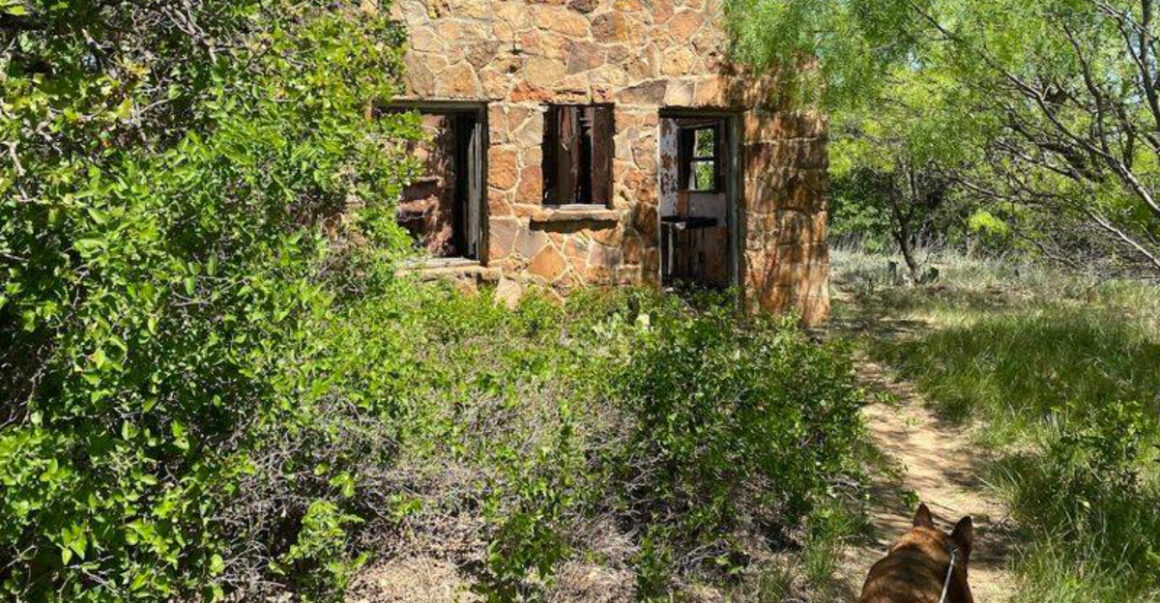
Step onto the Old Zoo Nature Trails and you can almost hear long-gone crowds and animal calls echoing off the stone. This quiet hiking area outside Cisco blends rugged Texas beauty with the haunting remains of a 1920s zoo. You will weave past crumbling enclosures, boulder scrambles, lake views, and hidden medallions that spark a playful scavenger hunt.
Come early, bring curiosity, and let the past guide your steps through a place that feels suspended in time.
1. Finding the Animal Medallions
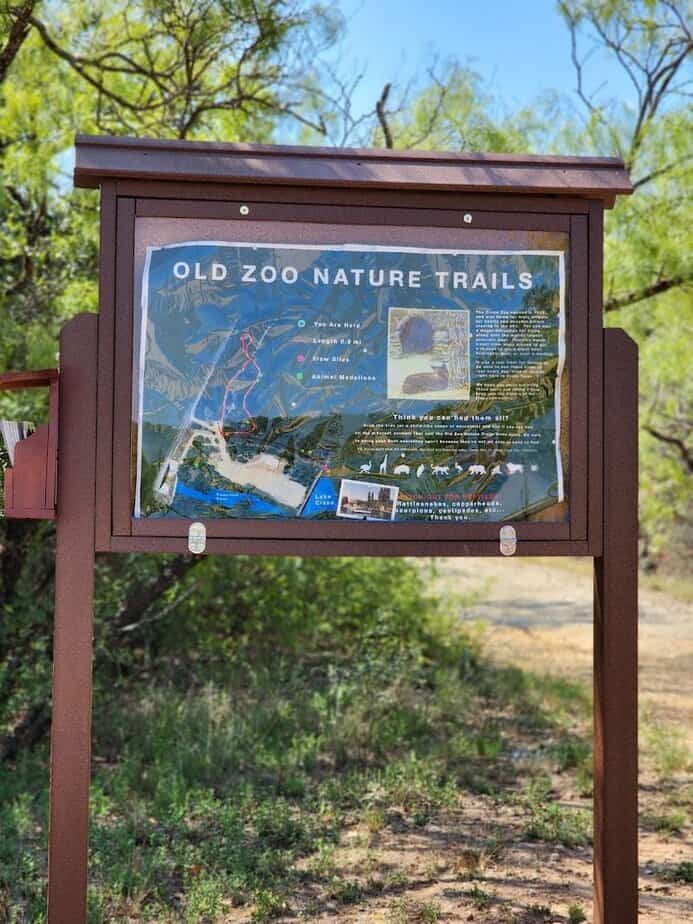
The first thing to do is snap a photo of the medallion pole at the trailhead. Use it as your checklist, then head out to hunt for the lion, bear, and other embossed creatures tucked into rock and railing. It feels part history lesson, part treasure hunt, and you will love the little wins.
Some are missing, which adds mystery and a bittersweet edge. Bring patience, good shoes, and a playful mindset, because a few are perched on boulders that require scrambling. You will leave with dusty knees, a grin, and a phone full of proof.
Even if you fall short, the search sends you into quiet corners others skip. That is the real prize.
2. Stone Cages and Cliffside Enclosures
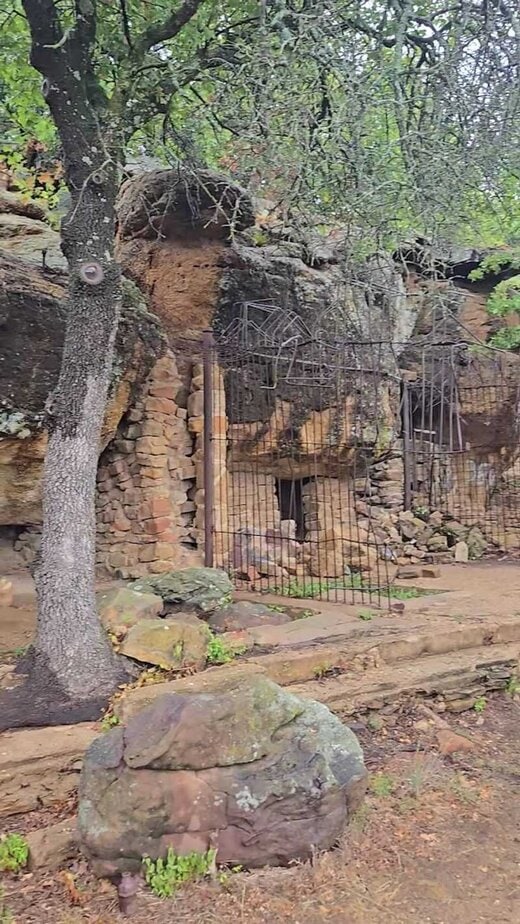
Walk the slope and you will meet the bones of the old zoo. Stone pens fold into natural cliffs, and rusted bars cling to openings like a memory that refuses to loosen. It is eerie and beautiful, a reminder of how quickly nature softens hard stories.
Graffiti appears here and there, a jarring modern layer over 100-year-old work. The craftsmanship still shows, from chiseled steps to dry-stacked walls that frame lake breezes. You will catch yourself picturing bears pacing, then the wind answers instead.
Keep hands free for balance on uneven steps and roots. This is not a polished park, and that is the point. The past is not behind glass here.
It breathes.
3. Lake Cisco Vistas and the Old Pool Story

Follow the path toward the water and a quiet view opens across Lake Cisco. The breeze lifts the oaks, and sunlight plays on ripples where summer crowds once cheered near a massive concrete pool. You can feel that buzz even now, wrapped in birdsong and the hush of waves.
Read a bit of local history before you come, then stand here and connect the dots. The skating rink is gone, the pool a legend, yet the shoreline still gathers people for picnics and photos. Sit, breathe, and listen.
Stay inside posted boundaries and respect private property. The lake trail can be steeper than it looks, with cactus and low branches. Step carefully and enjoy the reward at the overlook.
4. Best Times and Trail Etiquette
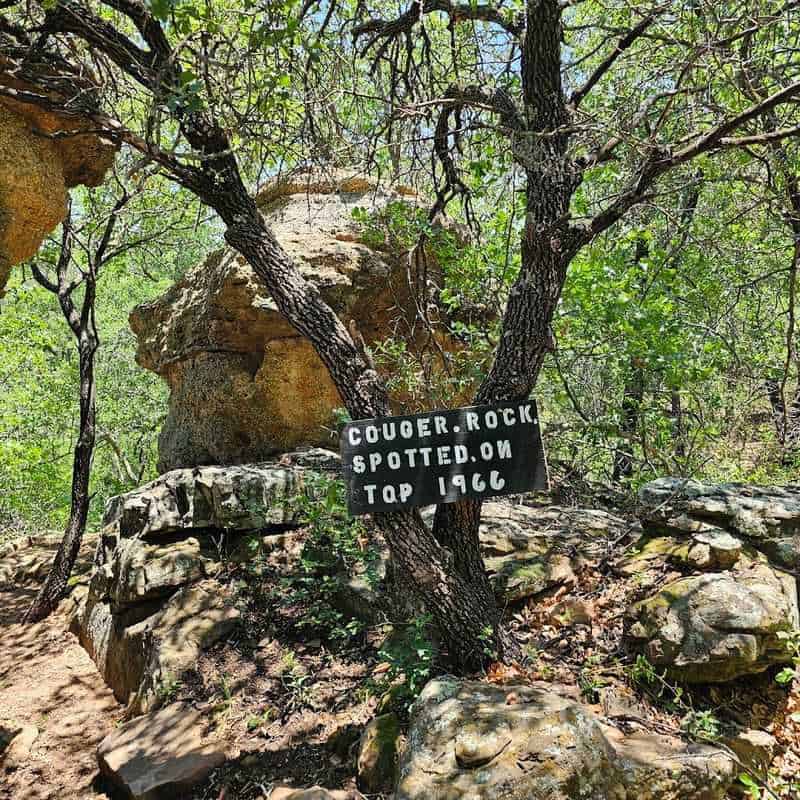
Plan for an early start. The area opens at 6 AM most days, and cool mornings make the climbs friendlier. You will find easier parking, fewer crowds, and softer light that flatters every stone wall and staircase.
Stay on marked paths, pack out trash, and give volunteers a mental high five. Their care keeps this place accessible without losing its wild edge. Avoid crossing into posted private property, and skip risky shortcuts that erode slopes.
Dogs are a judgment call. Shards of glass near the entrance can be a hazard, though it clears deeper in. Leash up, watch paws, and bring water.
Your good manners protect a fragile, beloved spot.
5. Terrain, Footing, and What to Wear
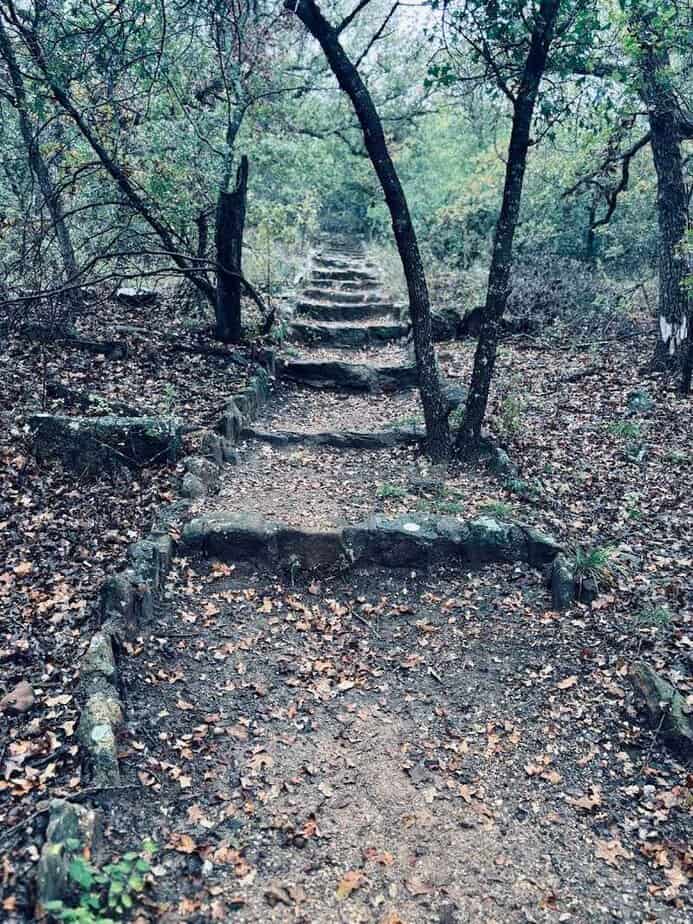
Expect uneven steps, slanted rock, roots, and the occasional scramble. The loop is short but punches above its weight when the sun turns up the heat. Sturdy shoes are your best friend, and long sleeves help with thorny brush along narrower cuts.
Bring plenty of water, a brimmed hat, and a small first-aid kit. A photo of the map at the entrance is gold when you hit an unmarked junction. You will feel prepared yet still pleasantly challenged.
After rain, watch for slick limestone. Trekking poles are optional but helpful on steeper pitches. Travel light, keep hands free, and you will dance over the rocks instead of wrestling them.
Small choices add up to a smooth day.
6. Family-Friendly Adventure Spots
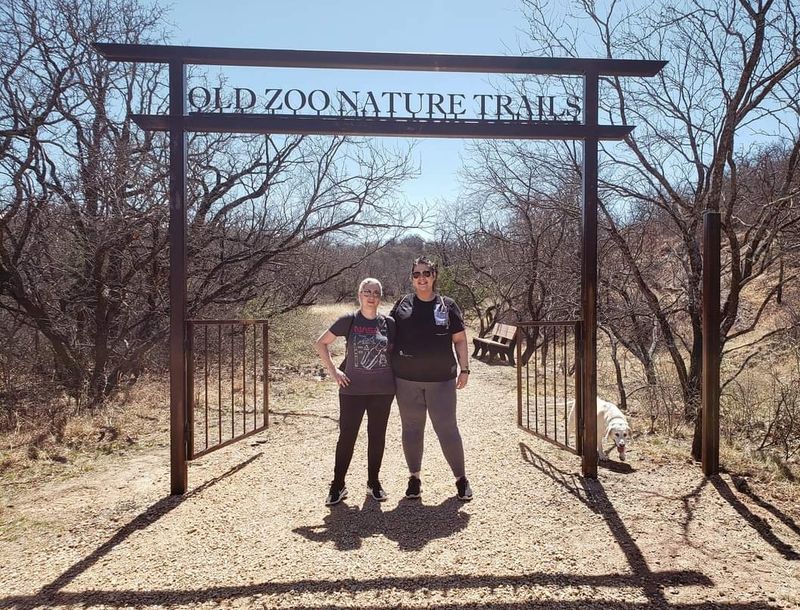
Bring kids with curiosity and shoes that grip. The playground, picnic tables, and shorter spur trails make this an easygoing half day, with just enough challenge to feel adventurous. Turn the medallions into a game and give small prizes for each find.
Set ground rules at the start. No climbing on unstable walls, watch for glass near the entrance, and keep hands off old metal where edges bite. With those basics, you will have a fun, safe ramble.
Break for lunch under the oaks, then try a boulder scramble that builds confidence. A bathroom stop before the hike helps everyone relax. You will head home tired, proud, and already plotting a return.
7. Quiet Moments: Soundtrack of the Trails
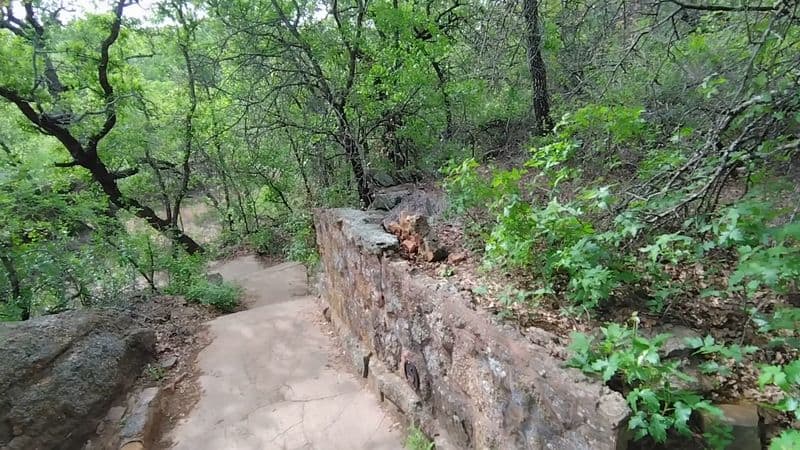
Between ruins and rocky climbs, the trail offers hush. Stop on a stone step and you will hear oak leaves whisper, a jay scold, and wind unravel inside old enclosures. The place is eerie, yes, but it is also deeply calm.
Leave headphones in your pack. Let the landscape score your visit and the past murmur through mortar and wire. You will notice more medallions, more textures, more stories hiding in plain sight.
Practice trail courtesy during these pauses. Step aside for others, greet with a nod, and keep conversations soft. In a world that shouts, this forgotten zoo speaks quietly.
Meeting it halfway feels right.
8. Make the Most of a Short Visit
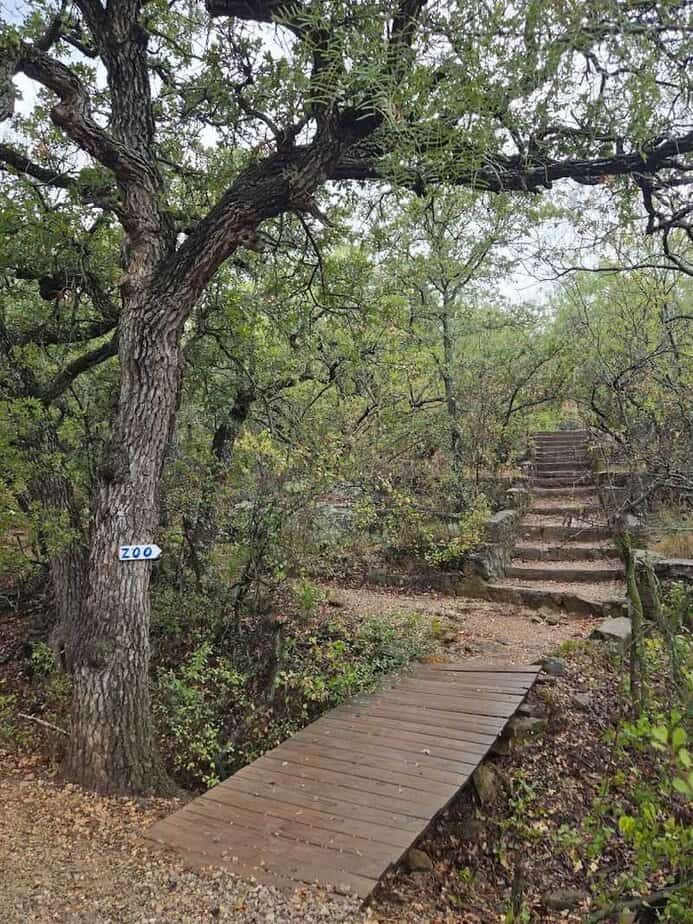
Only have an hour or two. Start at the trailhead pole, photograph the medallions, then walk the main zoo loop past the stone cages. Tag the lake overlook if time and heat allow, and watch your clock at each junction.
Pack light and move steady. You will cover more ground than you expect, and the terrain rewards focus. Snap photos early while light is kind, because shadows get harsh by midday.
End with a picnic near the playground or a quiet sit beneath the oaks. Log which medallions you found, then plan the rematch. Short visits here feel complete, but the place invites another round.