
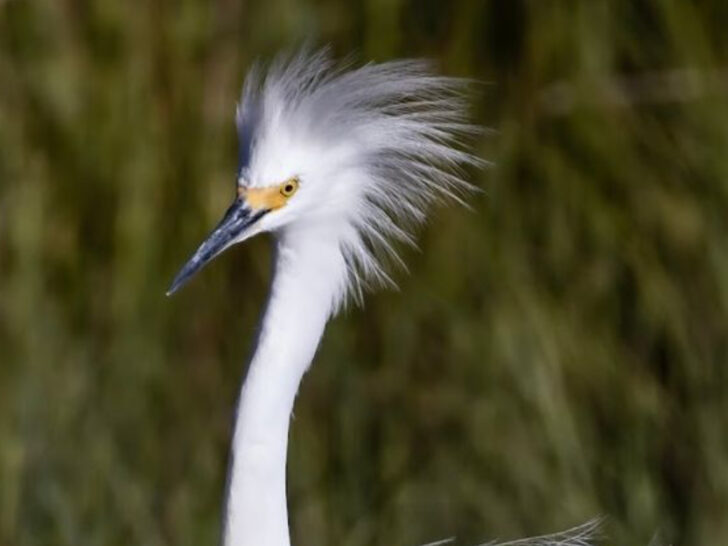
If your idea of a perfect day includes binoculars, salt air, and the thrill of spotting something rare in the reeds, Edwin B. Forsythe National Wildlife Refuge is your kind of place.
Stretching for roughly 50 miles along New Jersey’s southern coast, this wild slice of the state feels worlds away from boardwalk noise and beach traffic. One minute you’re driving through everyday South Jersey, and the next you’re surrounded by shimmering marshes, open sky, and more birds than you can count.
It’s peaceful, a little dramatic, and surprisingly easy to explore. Whether you know your egrets from your ibis or just like seeing nature show off, this refuge delivers the kind of quiet spectacle that sticks with you.
Why Edwin B. Forsythe Is One of New Jersey’s Greatest Birding Escapes
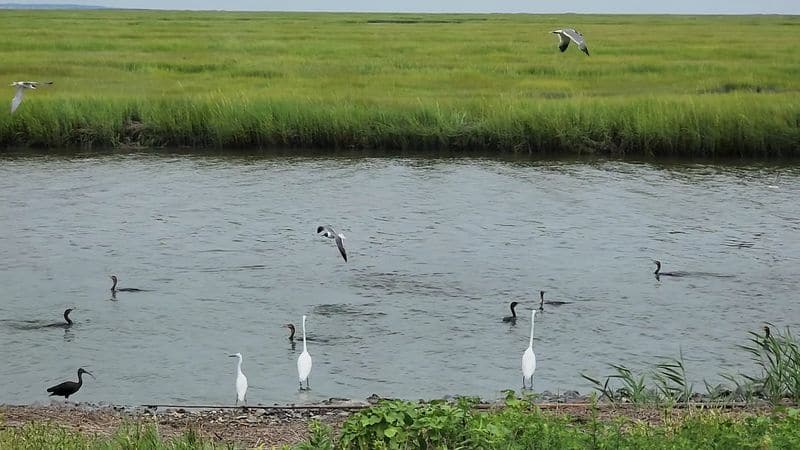
South Jersey has a few places that birders speak about with real reverence, and Forsythe is high on that list. The refuge protects a huge stretch of tidal salt marsh, mudflats, woodlands, and freshwater impoundments, which means birds have plenty of reasons to stop, feed, nest, or linger awhile.
That variety is the magic. You are not staring at one type of habitat and hoping for the best.
You are moving through an active, always-changing landscape where the cast shifts by season, tide, and even time of day. On a good visit, you might catch great egrets stalking the shallows, ospreys cruising overhead, and waterfowl packed into the marsh like they got the group text.
It also feels wonderfully unpolished in the best way. No theme-park packaging, no overdone presentation.
Just miles of open coastal habitat doing exactly what it is supposed to do, with birds taking full advantage of every inch.
The Coastal Marshes That Make This Refuge a Magnet for Migrating Birds
A lot of New Jersey residents drive past marshland without realizing how important it is. At Forsythe, those marshes are the whole story.
These wide coastal wetlands act like a rest stop, dining room, and shelter all at once for birds traveling the Atlantic Flyway. During migration, the refuge turns into a seriously busy corridor.
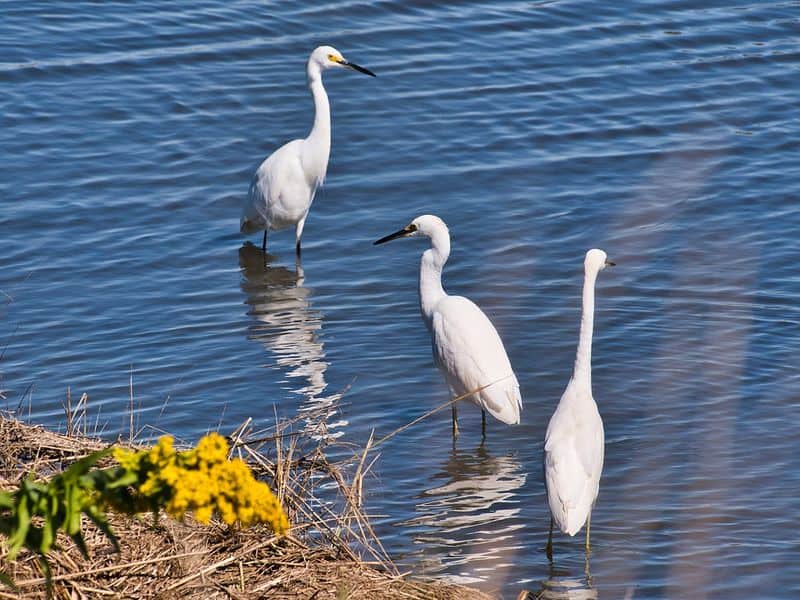
Shorebirds probe the mud for food, ducks raft together in the water, and wading birds pick through the shallows with total confidence. The geography helps too.
This part of the coast offers protected back-bay habitat that birds can use without battling the harsher conditions of the open ocean. That matters more than most people think.
What looks quiet to us is actually full of movement and survival math. Tides expose feeding grounds, grasses provide cover, and shallow pools create safe places to regroup.
It is one of those landscapes that seems understated until you understand how many wings depend on it.
What You Can See Along the Scenic Wildlife Drive
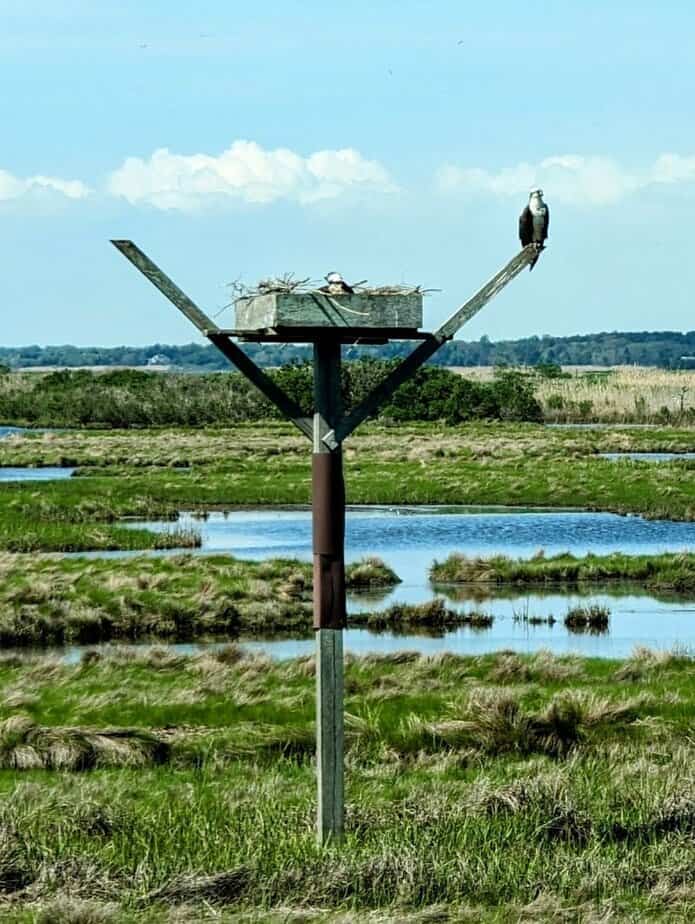
The Wildlife Drive is where even casual visitors start feeling like bird people. It is an easy route through the refuge that gives you front-row views of the marsh without needing to hike deep into anything.
Windows down, eyes open, camera ready. That is basically the formula.
Depending on the season, you may spot snowy egrets flashing bright white against the grass, northern harriers gliding low over the marsh, or clappers rails keeping mostly hidden while making their presence very known. On some days, the sheer number of birds is the headline.
On others, it is one standout sighting that takes over the whole trip. The drive also has that classic South Jersey coastal mood that locals know well: breezy, flat, wide open, and somehow calming even when everything around you is alive and moving.
Pull-offs let you stop and really look, which is important, because the best details are often not obvious at first glance.
The Best Time of Year to Visit for Birdwatching and Wildlife Sightings
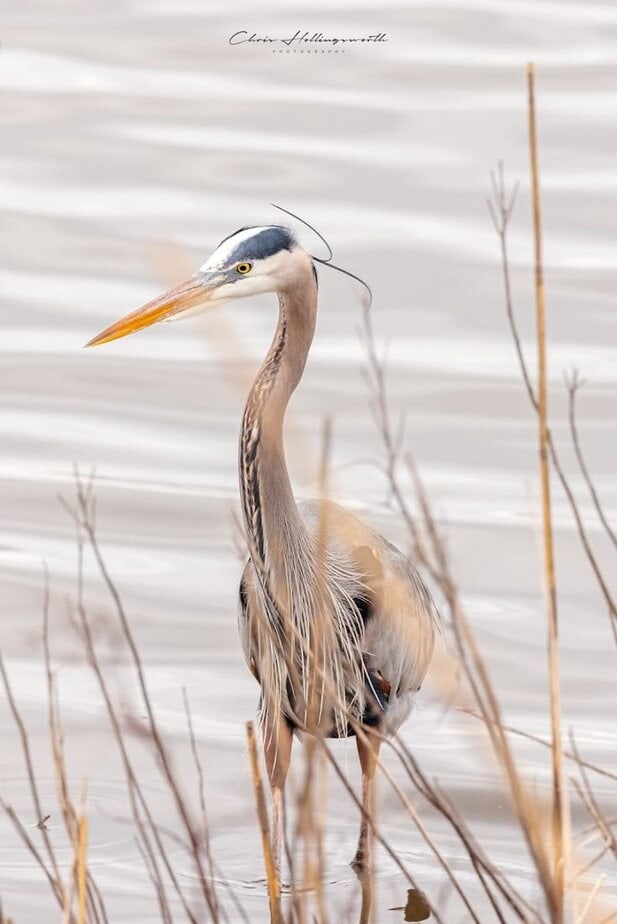
Timing changes everything here. Spring and fall are the big crowd-pleasers because migration turns the refuge into a revolving show of shorebirds, waders, raptors, and waterfowl.
Spring has that fresh-energy feeling, when everything seems to be arriving at once. Fall can feel even more dramatic, especially when huge numbers of ducks and geese begin stacking up in the marshes.
Winter is quieter in terms of atmosphere, but it is excellent for seeing large rafts of waterfowl and enjoying the stark beauty of the landscape without distraction. Summer has its own appeal too, especially for nesting birds and people who want a greener, more settled version of the refuge.
The truth is, there is no bad season, only different personalities. Early morning is usually your best bet if you want active wildlife and softer light.
Go around sunset, though, and the place can look almost unreal, with the marsh glowing like it knows it is being watched.
How This South Jersey Refuge Protects More Than Birds
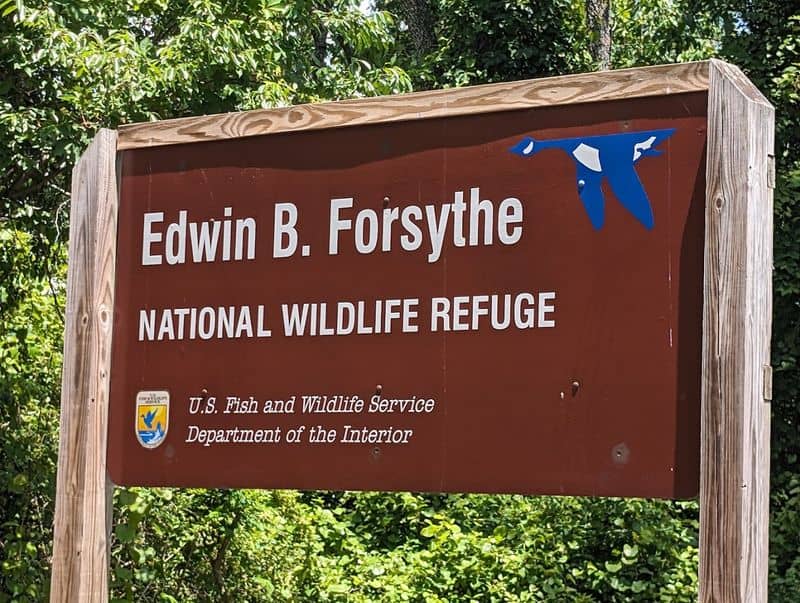
Birds may get top billing, but they are only part of what this refuge is keeping alive. Forsythe protects one of the largest stretches of coastal salt marsh habitat in the region, and that matters for everything from fish nurseries to diamondback terrapins to the health of the shoreline itself.
These wetlands help absorb floodwaters, buffer storms, and support a food web that reaches far beyond what most visitors see from the road. That is the bigger picture.
A refuge like this is not just scenic land set aside for weekend birding. It is working habitat with a serious job.
The area also supports threatened and sensitive species, which makes conservation here more than a nice idea. It is necessary.
In a state where development pressure is never exactly low-key, places like Forsythe are a reminder that New Jersey still has room for wild systems to function as they should. That is a big deal, even if the herons are what first catch your eye.