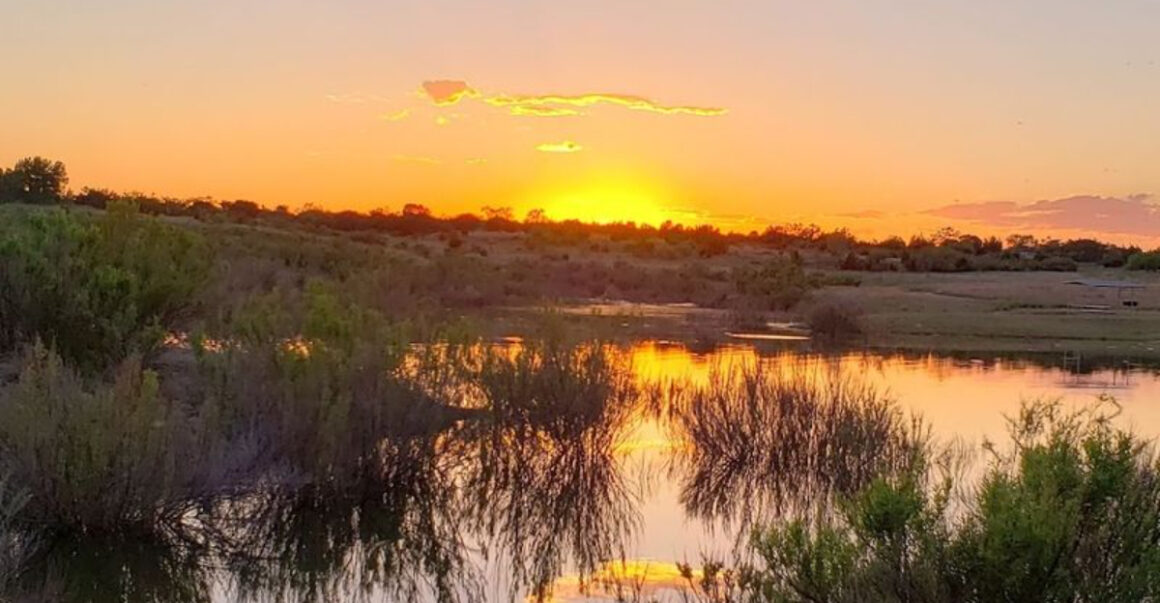
Across Texas, familiar shorelines are slipping away, revealing cracked mud and stranded docks. It is not just inconvenient for weekend plans, it is a warning about stressed water systems and hotter, drier seasons ahead. You can feel the tension between recreation, wildlife, farms, and cities every time levels dip.
If you care about these places, the choices we make now will shape what remains tomorrow.
1. Lake Corpus Christi
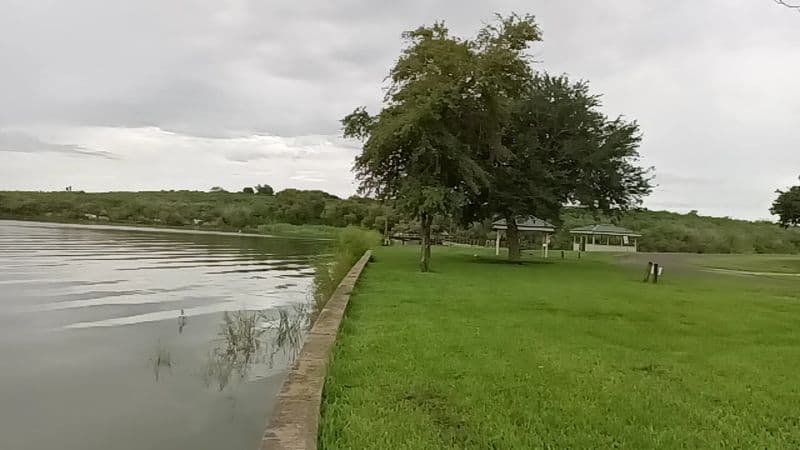
Waterlines that once felt stable are slipping lower each month, exposing cracked shorelines and thirsty brush. Anglers mention longer walks to reach the launch, and you can see docks resting awkwardly on dry ground. Local officials cite a tough mix of sustained drought, hotter summers, and rising demand from nearby towns pulling more water.
Wildlife responds quickly when levels drop, so birding can feel quieter and fish patterns shift unpredictably. Weekenders still come for sunsets and calm coves, but you notice the hush that falls when wind skims wide mudflats. If you love this lake, conservation habits matter now, from mindful water use at home to supporting habitat projects and smarter infrastructure that protect supply through future dry spells ahead.
2. Choke Canyon Reservoir
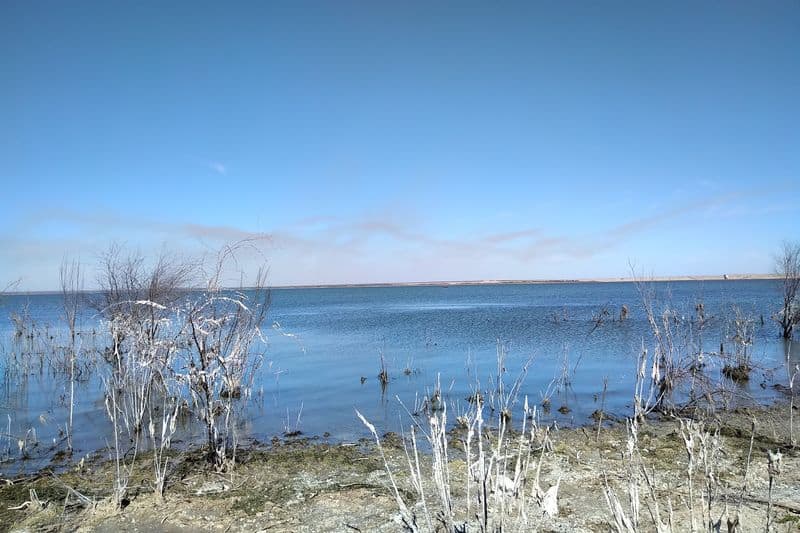
On hot afternoons the shoreline looks farther away than memory suggests, with boat ramps ending in dusty gaps. You hear stories from regulars about submerged trees now standing tall, and campgrounds edging away from the receding edge. The reservoir feeds communities and industries, so every drought cycle tightens tradeoffs between recreation, wildlife, and essential supply.
Fishing can still be rewarding if you adapt, focusing on deeper channels and dawn starts when temperatures ease. Birders watch shifting rookeries as wading habitat disappears, then reappears after rare rains. If this place matters to you, simple choices help, like fixing leaks, mulching yards, supporting riparian restoration, and backing policies that improve measurement, reuse, and drought planning for everyone in towns across South Texas.
3. Falcon Lake
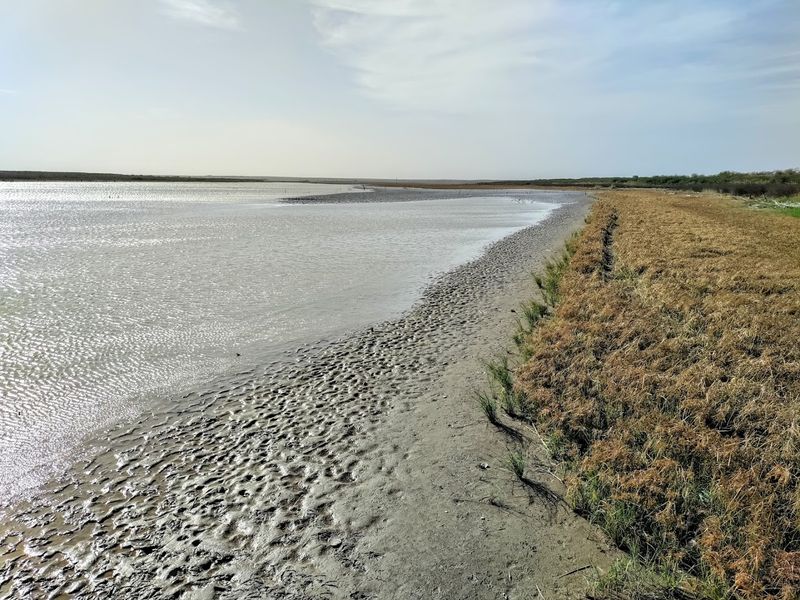
Along the border, broad coves shrink into narrow fingers, revealing sunbaked rock and old fence lines. Locals talk about the boom days for bass, and you can still find them, but strategies keep changing with each foot of decline. Irrigation withdrawals remain vital to farms downstream, so timing and volume shape what visitors experience here.
Heat builds fast, making morning launches your best friend, along with extra water and patience. Wind can stack floating debris in new places, and shallow hazards require slow idling near once familiar routes. Care for the lake means caring for the valley too, supporting efficient irrigation, urban conservation, and binational cooperation that respects shared rivers and future summers that keep communities and wildlife more resilient.
4. Lake Amistad
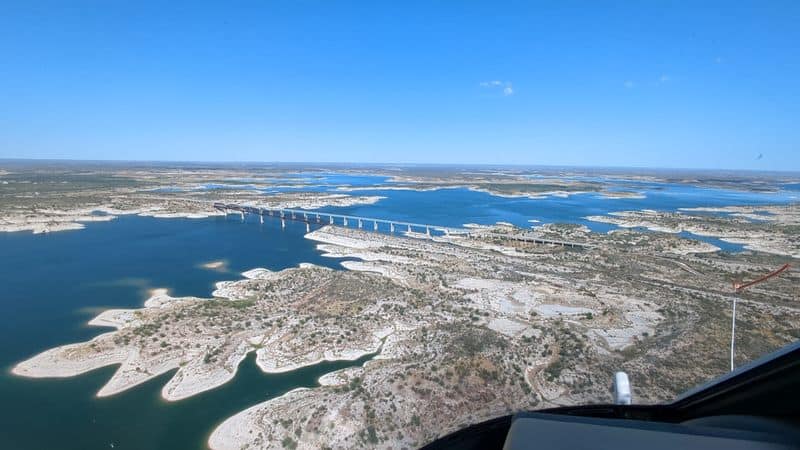
Cliffs that once met blue water now tower over dry shelves, and boaters eye longer distances to channels. Divers reminisce about submerged sites sitting shallow, while marinas adjust ramps and moorings with every stubborn forecast update. With the Rio Grande system under stress, managers juggle hydropower, habitat, recreation, and cross border obligations daily.
Clear water still dazzles on calm mornings, rewarding careful navigation and early starts to beat the heat. You will want a depth map, spare prop, and sunscreen, plus a flexible plan if winds rise. Helping here looks practical and local, like reducing outdoor use, advocating repairs for leaky mains, and supporting projects that store stormwater for drier months so neighborhoods and businesses can weather tough seasons ahead.
5. Medina Lake
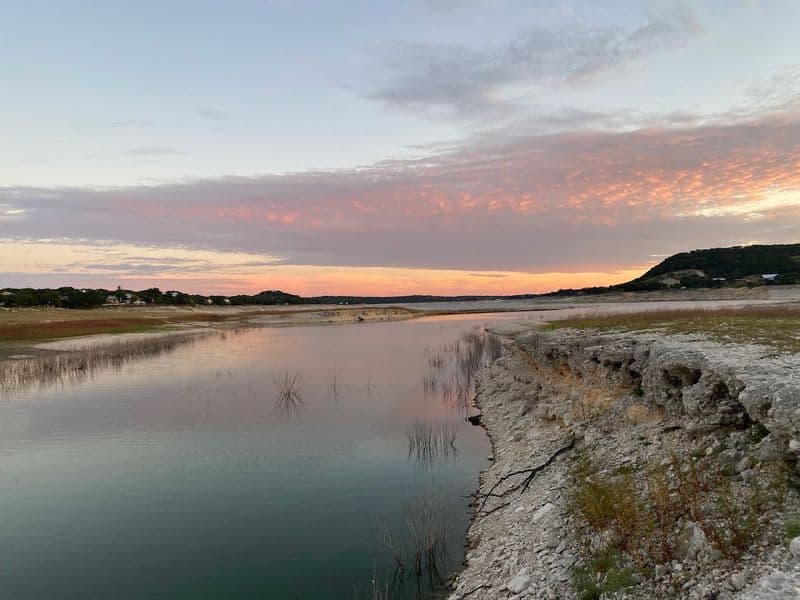
Steep banks reveal bathtub rings that tell a story of feast and famine, with piers left high. Locals remember busy summers on full water, and you can almost trace former shorelines by the ghost boats. This basin relies on rainfall and spring inflows, so a stubborn deficit echoes fast across ranchland and neighborhoods.
When levels sink, boating windows narrow and safety becomes a planning habit more than a guess. Weekend plans still shine with picnic spots, paddling, and hill country views if you stay flexible. The best help feels close to home, like harvesting rain, planting hardy natives, upgrading irrigation timers, and pushing for coordinated drought triggers that protect supplies for families, farms, wildlife, and the region we share together.
6. E.V. Spence Reservoir
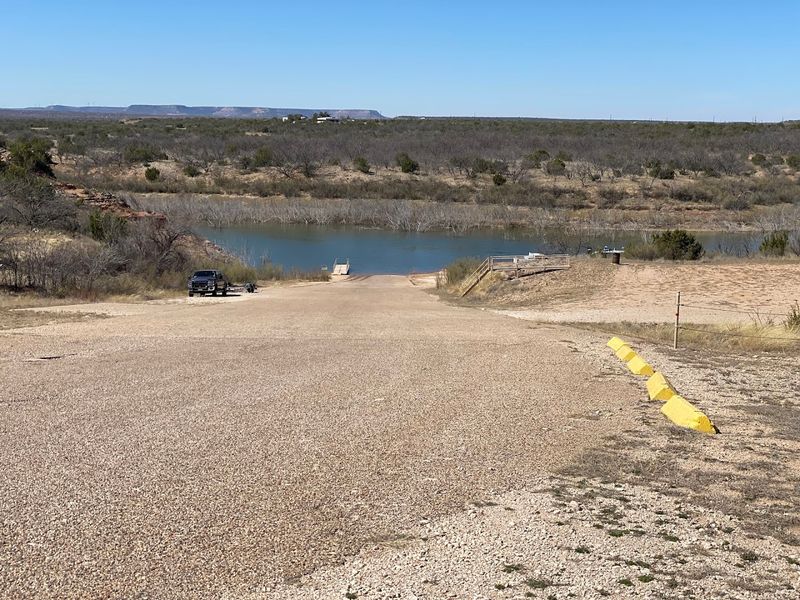
Far out on the plateau, wind lifts dust from exposed flats where waves lapped just a year ago. Longtime residents talk about historic lows, and you can see intake structures standing stark above shrinking pools. With little upstream storage, single storm bursts help briefly, then heat and drawdowns pull levels back again.
Access points shift with conditions, so call ahead, pack patience, and expect a longer carry for boats. Fishing rewards persistence, especially near old channels at dawn and dusk when temperatures relax. Real relief takes teamwork, from xeriscaping yards to updating meters, fixing leaks, and supporting regional pipelines and reuse that stretch every gallon without leaving neighbors behind during harsher summers that test equipment, budgets, patience, and resolve alike.
7. Champion Creek Reservoir
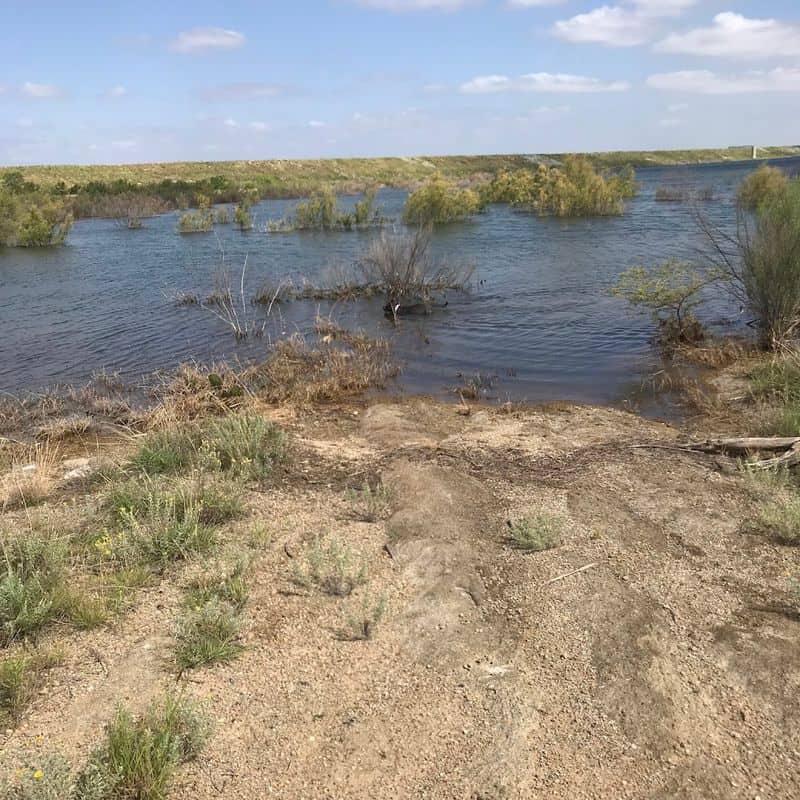
What looks like a gentle prairie lake has pulled back from mesquite stands, leaving cracked clay in patterns. Folks mention the long view of towers and pump stations, and you notice how quiet the shoreline feels. Local managers balance municipal needs with recreation, so conservation upstream and downstream affects everyone who cares about weekends here.
Launch logistics change as levels fluctuate, making smaller craft and cautious speeds your smartest choices. Shore fishing can shine near drops and shade, especially early before heat finds the flats. Every saved gallon counts, whether that means retrofitting fixtures, collecting roof runoff, or backing investments in leak detection that protect pressure, quality, and reliability across communities now and during the tougher years many remember well.
8. Lake Meredith
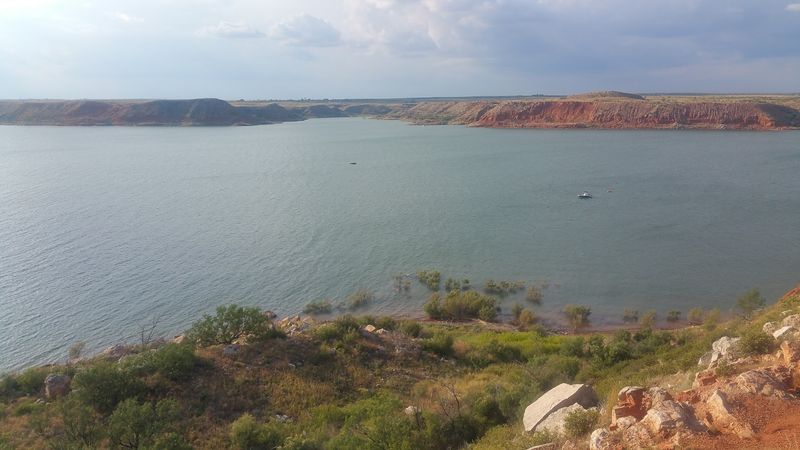
Panhandle winds race across open water that is not as open as it used to be. You can walk past old shore markers to reach the edge, and cliffs show stark mineral bands. After years of swings, managers track inflows, releases, and evaporation closely while nearby cities work hard to diversify supply.
Hikes along canyons still reward with big skies, but boaters plan carefully around shallow stretches and changing ramps. Early starts help with heat and gusts, and extra fuel plus a backup plan add comfort. Caring for this place looks practical and hopeful, from home conservation to supporting aquifer storage, reuse, and smart growth that gives the lake breathing room even when long dry spells settle over the plains.