Think shark teeth are only an East Coast thing? Texas quietly delivers, and the thrill of spotting a glossy triangle in the sand is unbeatable. With the right timing, tide, and a little patience, these stretches of coast reveal surprising finds that most beachgoers miss.
Bring a small mesh bag, sharpen your eye for shiny enamel, and let the hunt begin.
1. Galveston Island
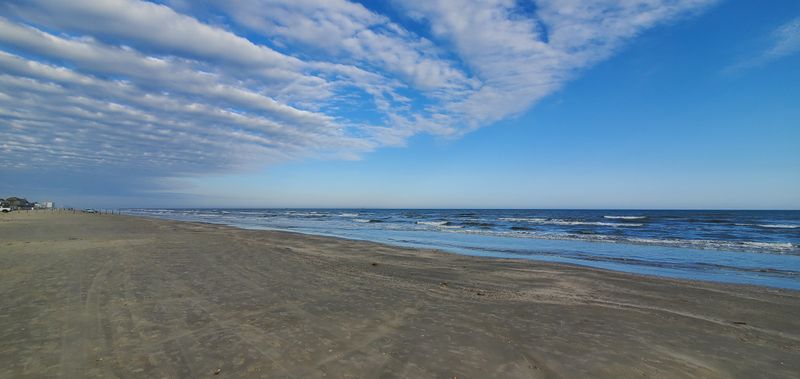
Morning light makes everything sparkle, including the enamel you are chasing. Focus on the wrack line where seaweed and shells pile up, especially after storms churn the nearshore. A slow, steady scan works best, pausing whenever something triangular and shiny catches your eye.
Small black teeth hide among oyster and cockle shards, so tilt items in your hand to catch the light. Bring a palm-sized scoop or a hand rake to lift clusters without scattering them. After heavy weather, fresh deposits can appear several times in a day.
When the crowds arrive, shift to less trodden patches. Keep a small water bottle to rinse promising pieces.
2. Bolivar Peninsula
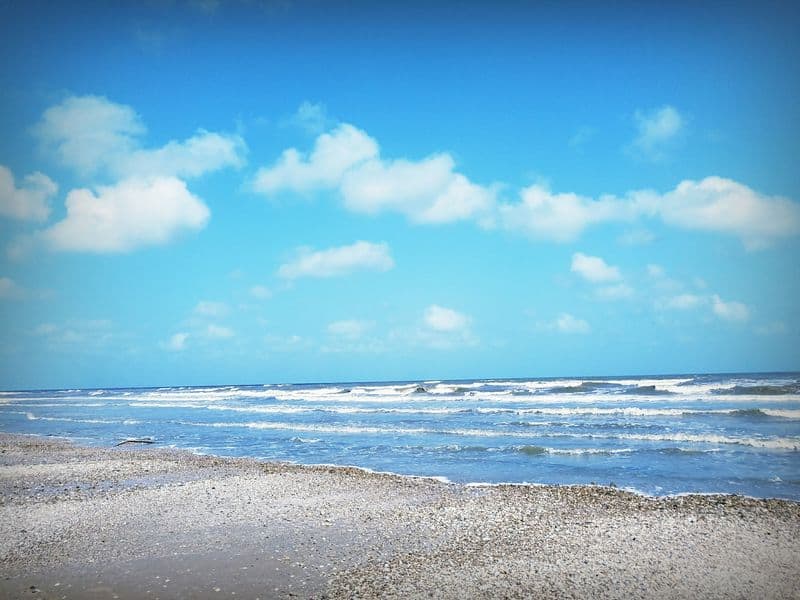
Quieter stretches make this peninsula a patient hunter’s dream. Shell beds are the giveaway, so target spots where surf leaves crunchy ridges beneath your feet. Kneel and sift slowly, because smaller teeth blend into the pale grit until a hint of enamel flashes.
Tidal changes shift the beds hour by hour, revealing new layers like pages in a book. Bring a shallow tray so finer material can be swished and separated.
Parking pullouts help you hop between zones until you find the right texture. Once you score one tooth, linger and grid the area. Clusters often mean more pieces tucked inches away.
3. Surfside Beach
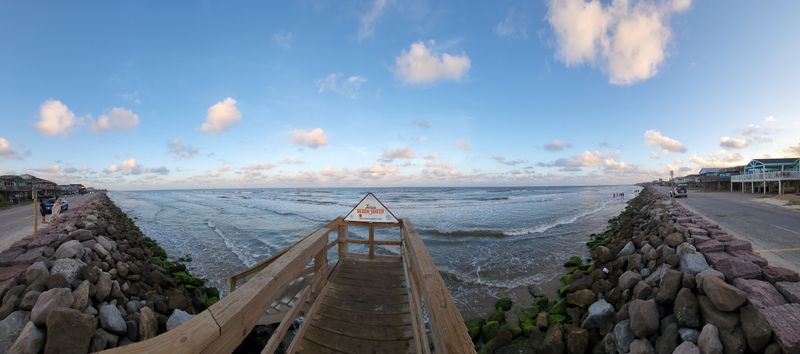
Storm-darkened sand makes fossil colors pop here. Look for compact shell patches just above the last wave swash, where heavier pieces settle together. Dark, glossy triangles often stand out against tan sand, especially right after sunrise.
Work in short passes and keep your eyes five feet ahead, then circle back to recheck. A small sieve helps separate pebbles from promising fragments without losing the good stuff. Rinse finds to reveal serrations that confirm a shark tooth, not a broken shell.
Weekdays bring fewer footprints covering the evidence. When surf is rough, return as soon as it calms to scan fresh deposits. Patience pays, and even one tooth makes the whole walk memorable.
4. Matagorda Peninsula
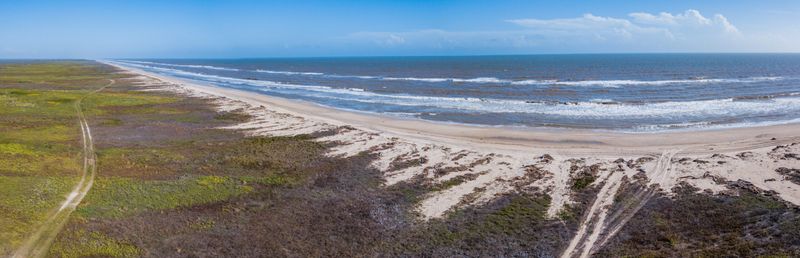
With fewer footprints, shell deposits stay undisturbed longer, giving you time to comb carefully. Target the high tide line first, then the mid beach swales where shells collect in crescent shapes.
Bring water, sun protection, and a small kneeling pad because this search rewards patience. Move inch by inch through dense patches and scoop into a shallow pan for a gentle swirl. Watch for enamel shine and triangular shadows among broken clam and snail chips.
After cold fronts or strong onshore winds, fresh lines appear like newly set conveyor belts. Walk until you find the right sound of crunch underfoot. When that texture changes, slow down and grid thoroughly before moving on.
5. Mustang Island (Port Aransas area)
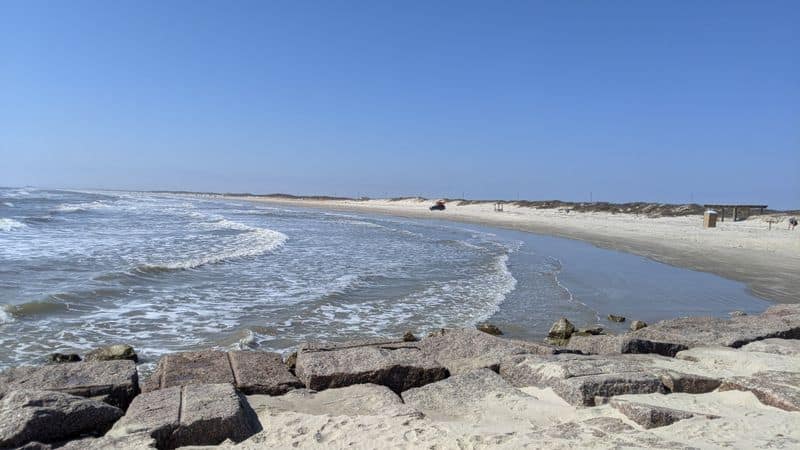
Jetties act like giant combs, catching shells and tiny fossils in their eddies. Work the down-current side after rough surf, where heavier pieces settle into pockets. Kneel and scan slowly, letting sunlight skim the surface to reveal enamel sheen.
Shell heavy spots hide teeth of various sizes, so scoop small batches and rinse in a mesh basket. Listen for that click of harder material against plastic as a clue. Early and late sessions beat glare and crowds, giving your eyes a break.
Walk the jetty edges carefully for safety and better angles. When waves calm, revisit the same pocket because new items tumble in. Keep finds separated so serrations do not rub against other shells.
6. Padre Island National Seashore
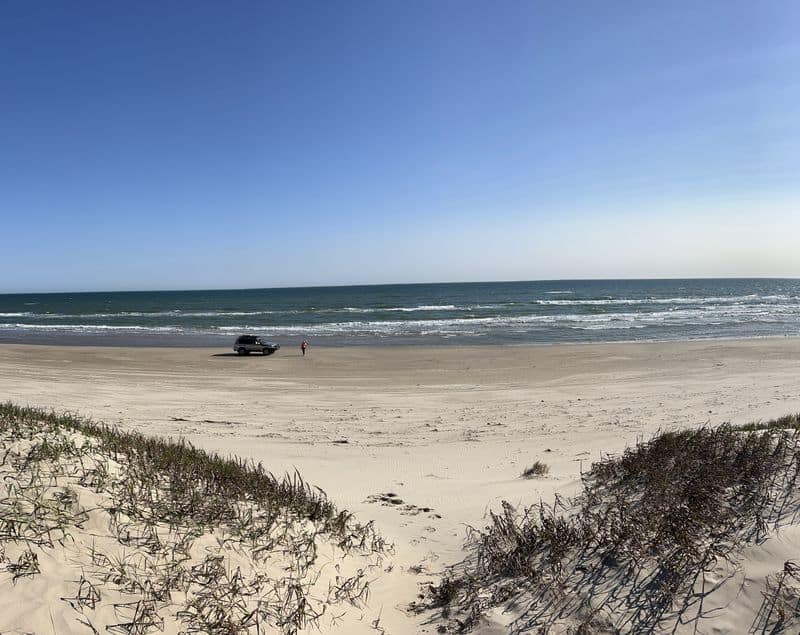
Length and constant wave action make this shoreline a top Texas producer. Drive-on access opens miles of fresh hunting zones, so pick a mile marker and work methodically. Concentrate on wrack lines and slight berms where denser items settle after each set.
Carry a small scoop, a sieve, and fresh water to clean finds on the spot. Sun angle matters, so plan passes morning and late afternoon for better contrast. Tiny teeth add up quickly when you slow down and sweep low.
After strong onshore winds, new layers often appear like confetti along the beach. Mark productive micro zones with natural landmarks. Circle back every hour, because shifting surf keeps replenishing your search area.
7. South Padre Island
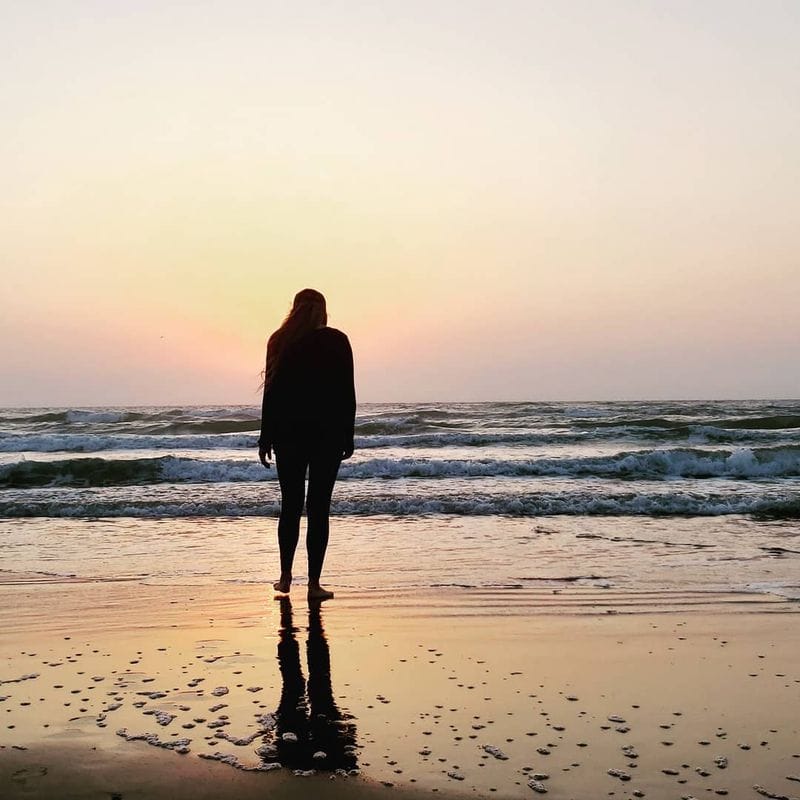
Smaller teeth make the hunt trickier here, but timing turns the tide in your favor. Aim for low tide windows and the first light of day for the strongest contrast. Scan for subtle triangular outlines rather than obvious black points.
A simple hand sieve is your best friend, letting tiny pieces separate from sand quickly. Focus near minor shell drifts and the edges of ripples where heavier bits pause. Rinse often and look for enamel shine that stays glossy when wet or dry.
Patience is everything, so cover short sections slowly instead of sprinting the shoreline. After wind shifts, revisit yesterday’s productive lane. You will be amazed how new teeth appear right where you walked.