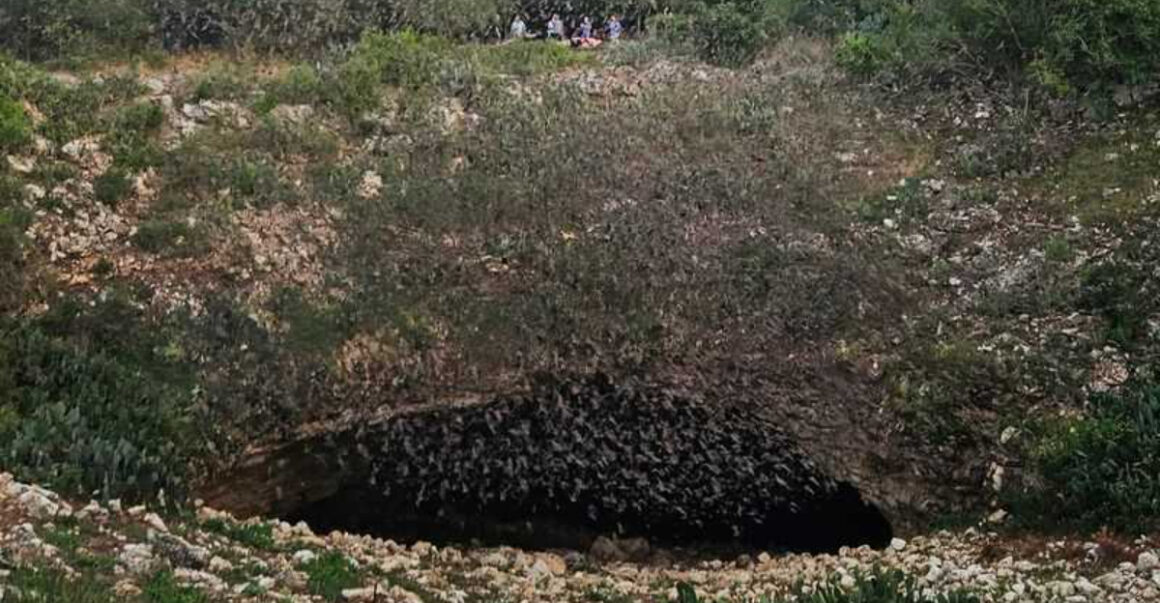
Every summer night, the Texas sky over San Antonio comes alive with a river of wings. At Bracken Cave Preserve, millions of Mexican free-tailed bats rise in a swirling vortex that feels like standing beside a living thunderstorm. The scale is hard to grasp until you hear the rush, smell the desert air, and feel dusk turn electric.
If you crave a once-in-a-lifetime wildlife encounter, this is where it begins.
1. The Legendary Bat Emergence
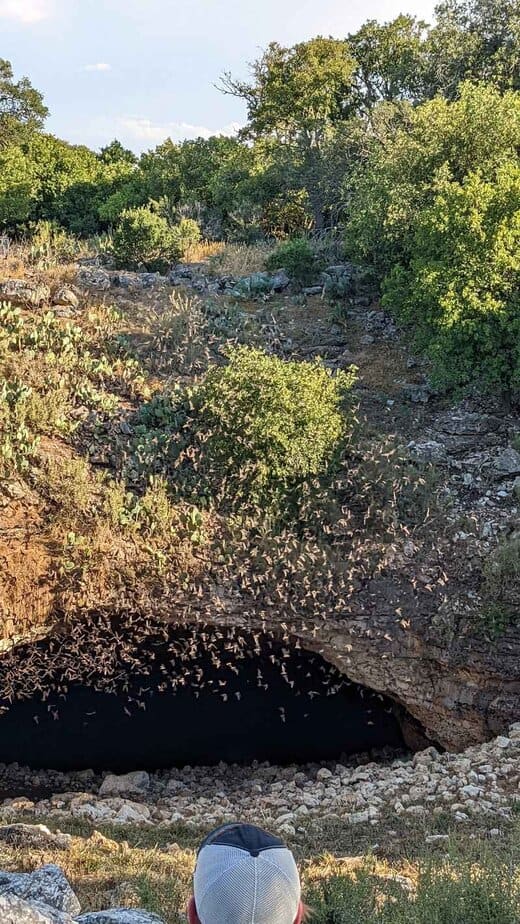
Picture dusk settling over the Edwards Plateau and the horizon rubbing pink against mesquite silhouettes. Then the cave breathes. A tight column of Mexican free-tailed bats unspools into a smoky ribbon, turning overhead like ink in water.
You do not just watch it. You feel it, a soft hiss that becomes a wind, a living river of wings.
Numbers help but never explain it. Twenty to thirty million bodies, each a tiny hunter, sweeping out to devour crop pests and paint the sky with motion. Cameras struggle because the moment is wider than your lens.
You lean back, mouth open, forgetting to narrate. When the column bends and doubles back, dusk finally feels earned.
2. How to Visit Responsibly
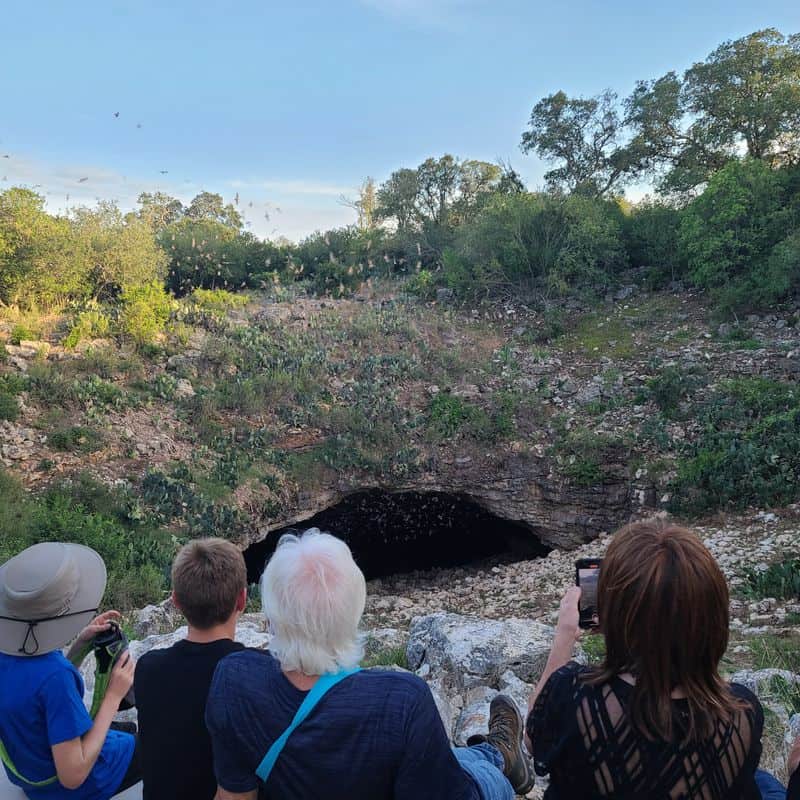
Bracken Cave Preserve is protected for a reason, and your choices matter. Reservations are required, often weeks ahead in peak season, and visits are typically with scheduled groups. Read your confirmation email carefully.
Bring water only, no food, and leave pets at home. Expect a dirt road approach and gravel paths to the viewing area. Closed-toe shoes beat sandals every time.
Arrive early for check-in and a short talk that frames the night. Keep voices low, lights dim, and flash off as darkness deepens. Stay on designated paths, give wildlife space, and pack out what you bring.
You will thank yourself for bug spray, a light jacket, and patience as the show unfolds. Good etiquette protects the colony and your awe.
3. Why This Colony Matters Globally
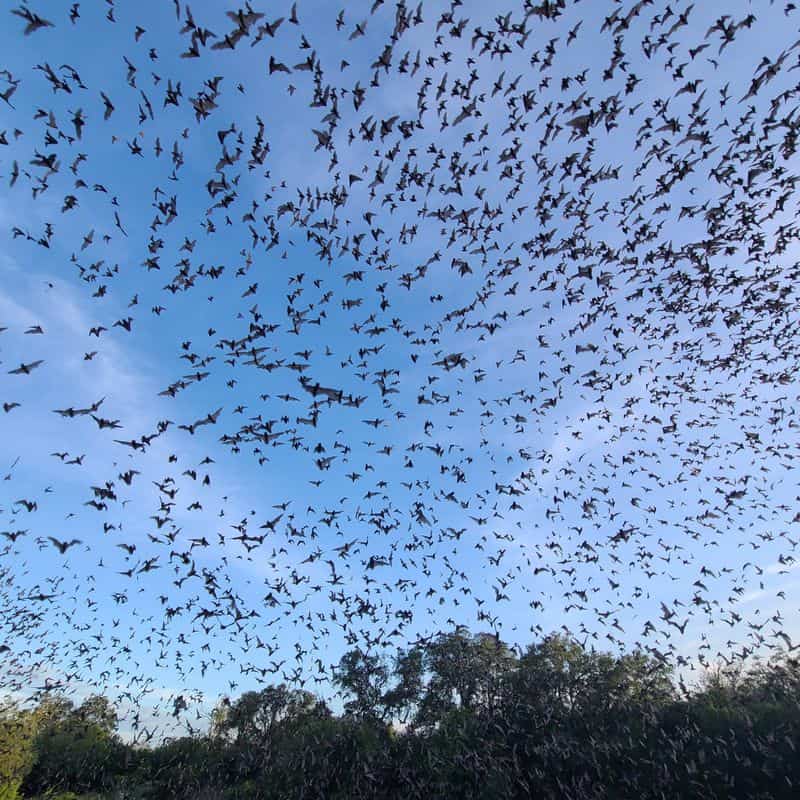
Bracken is not just big. It is the beating heart of a species each summer, a biological engine that hums across Texas skies. These bats migrate to raise pups here, then fan out nightly to eat staggering numbers of moths and beetles over farms and wildlands.
Think natural pest control at continental scale.
Ecologists study this colony to understand migration corridors, maternal roosting, and how landscapes knit together life. The economic benefits ripple through agriculture, saving growers on pesticide costs and reducing chemical loads. Protecting this cave safeguards more than a spectacle.
It preserves a system linking soil, crops, predators, and stars. When millions lift at once, you witness resilience designed by evolution and defended by stewardship.
4. What You Will See And Hear
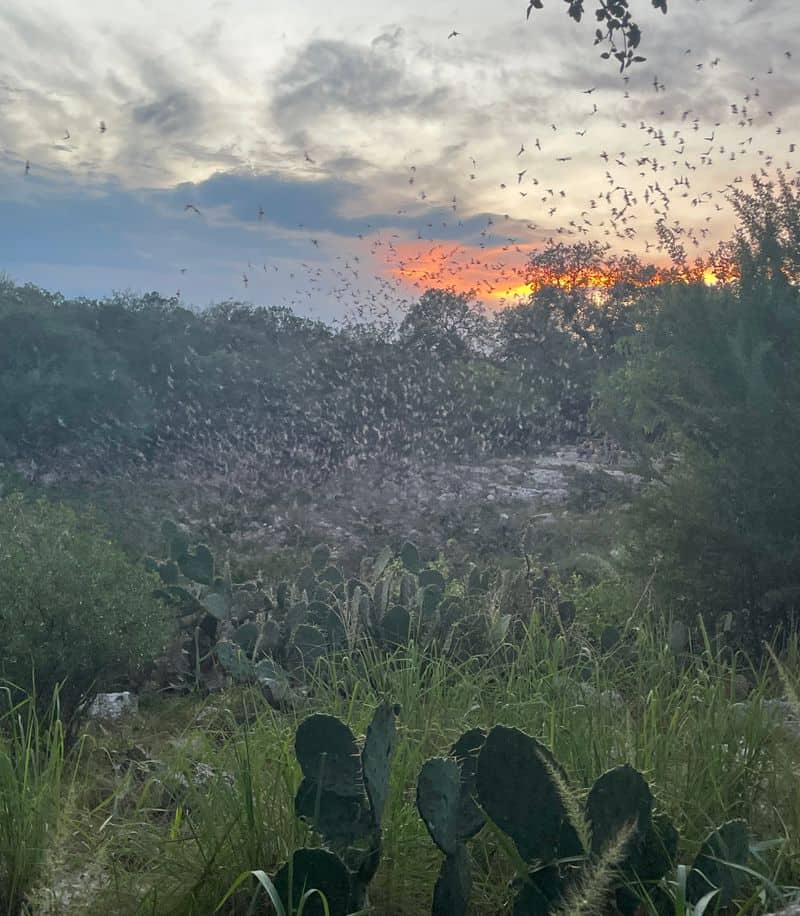
As the sun slides down, you will notice stillness first, then a hush that feels expectant. A docent explains the plan. Suddenly a few scouts appear, tick marks against peach light.
The air begins to whisper. The column tightens, lengthens, and starts to pour, like smoke that learned to think.
You might glimpse hawks at the edges, a snake slipping through grass, or a skunk shuffling the margins. The smell is earthy, unmistakable, and part of the memory. The sound gathers, soft rain that never touches ground.
Shadows braid overhead and stretch toward farmland. Headlamps stay low. Conversations fade to murmurs.
The night takes the lead, and you simply follow your ears and eyes.
5. Timing Your Trip
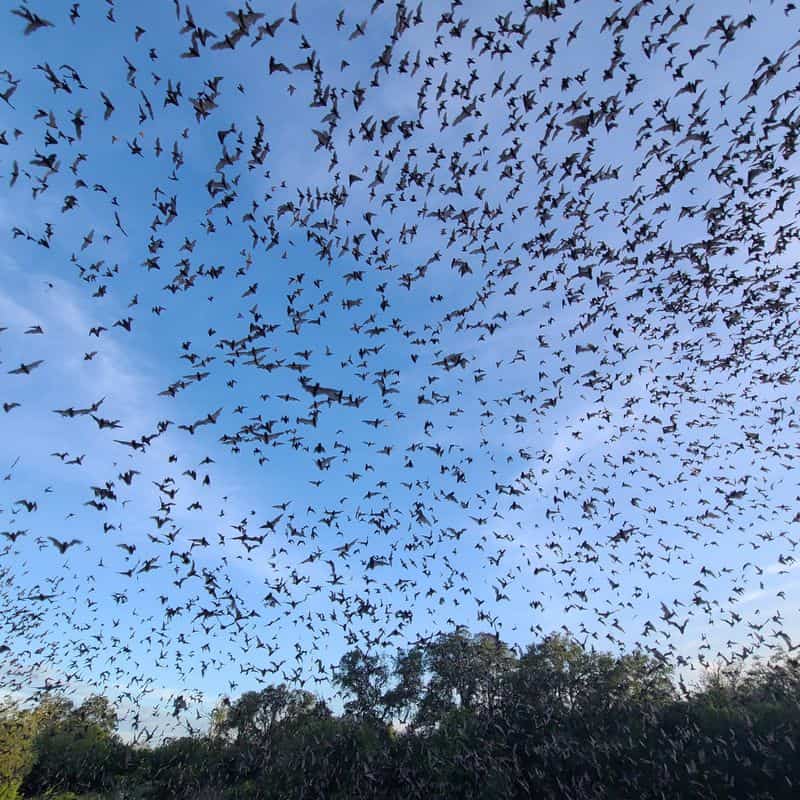
Bracken Cave is a summer home for millions, so plan for warm months when females give birth and pups grow strong. Reservations often open in spring and fill quickly, especially around peak emergences in late summer evenings. Arrive early enough to settle in, hear the briefing, and watch light fade across the brush.
Cloud cover, wind, and temperature shape the show, but bats still rise, typically right after dusk. Longer, denser rivers are common once juveniles start flying. Bring flexibility and give yourself time afterward to sit in the dark and listen.
You will leave slowly, headlights low, guided by volunteers and stars. The best timing is the night you treat with patience and curiosity.
6. Comfort, Safety, And Accessibility Tips
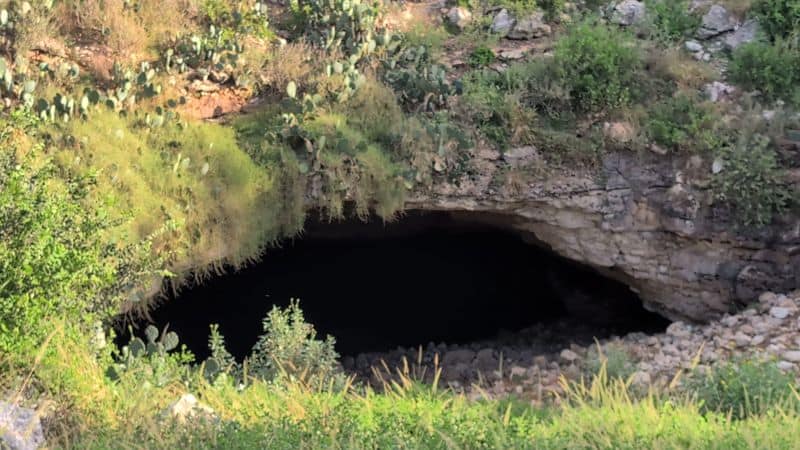
Comfort starts with shoes that grip gravel and a mindset for rustic roads. Pack water, insect repellent, and a light layer for breezy nights. Seating is usually simple, so a small cushion helps.
Avoid scented products and bright lights. A red-light flashlight preserves night vision while keeping disturbance low.
There are portable restrooms, surprisingly tidy by field standards, and volunteers who keep the flow smooth and welcoming. Keep hands free for balance on uneven ground. Watch your step, keep distance from wildlife, and follow the docents.
If mobility is a concern, ask ahead about accommodations. The preserve works hard to balance protection and inclusion. Safety blooms naturally when everyone respects the place and the creatures overhead.
7. The People Behind The Magic
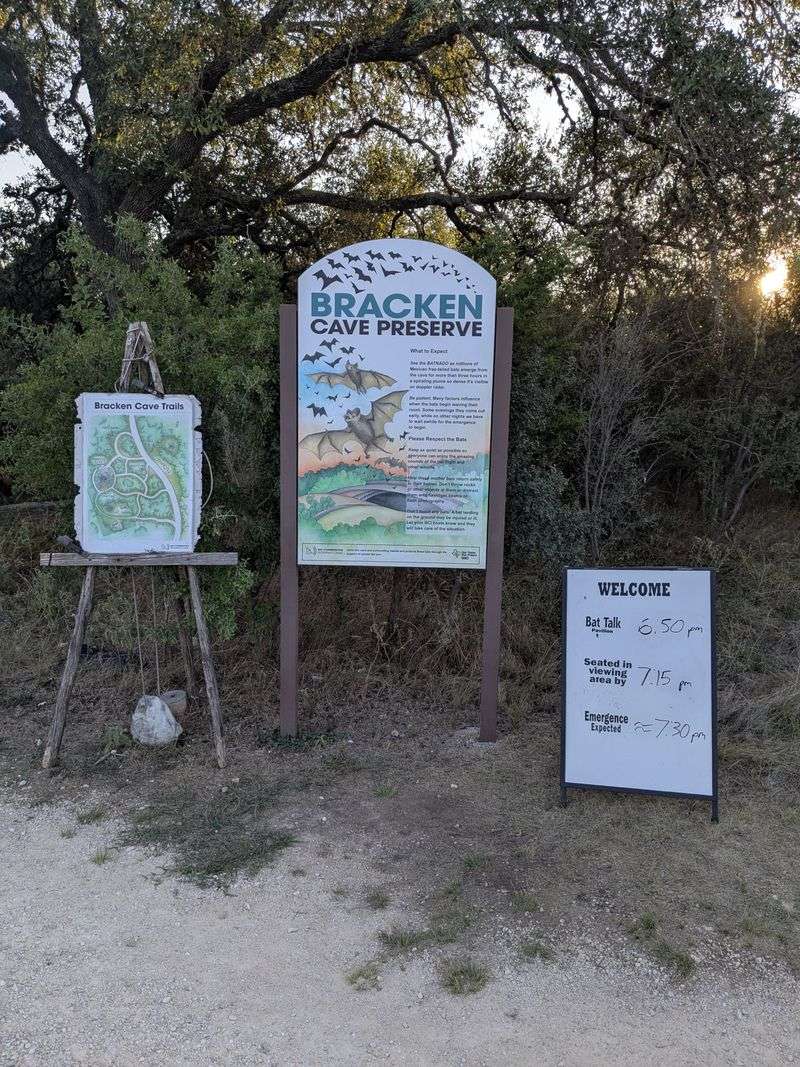
Before the first bat lifts, people have already worked for months to make the night possible. Bat Conservation International protects this cave, stewards the land, and runs programs that welcome you while safeguarding the colony. Volunteers greet, guide, and answer questions with the calm of those who have watched wonders repeat.
You will notice radios, clipboards, quiet coordination, and a deep respect for the animals. Their talks turn mystery into meaning without dulling wonder. Ask about migration, research, or how to help at home.
Donations and memberships fuel habitat protection, field science, and education. When you applaud the bats, consider the humans too. Their devotion is the invisible scaffolding beneath the river of wings.
8. Make Your Visit Count After You Leave
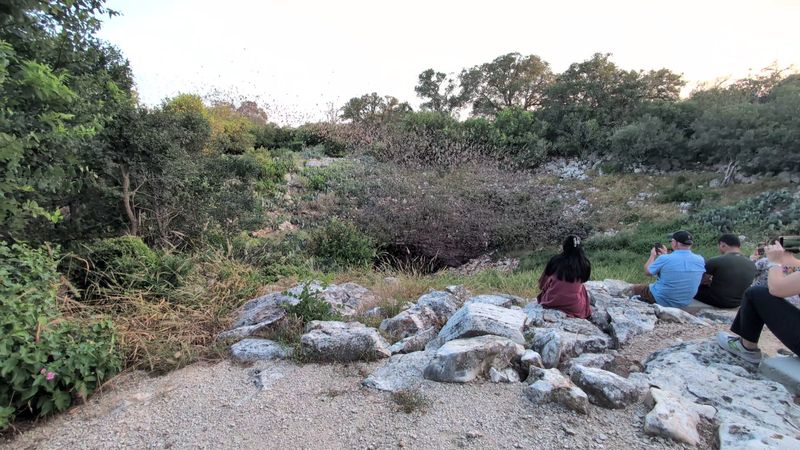
A great night should echo. Start by sharing responsibly, choosing photos and words that respect wildlife and avoid location details that invite trespass. Consider joining Bat Conservation International, supporting research, or gifting a membership to a friend.
At home, plant native species and reduce pesticides so night skies stay useful to hungry wings.
Dim unnecessary outdoor lights, use warm color bulbs, and add shields to keep beams downward. Invite a classroom or scout troop to learn about bats as neighbors, not myths. If you loved the show, channel that awe into stewardship.
The cave thrives when the wider landscape does too. Your small choices become tailwinds for millions, season after season.