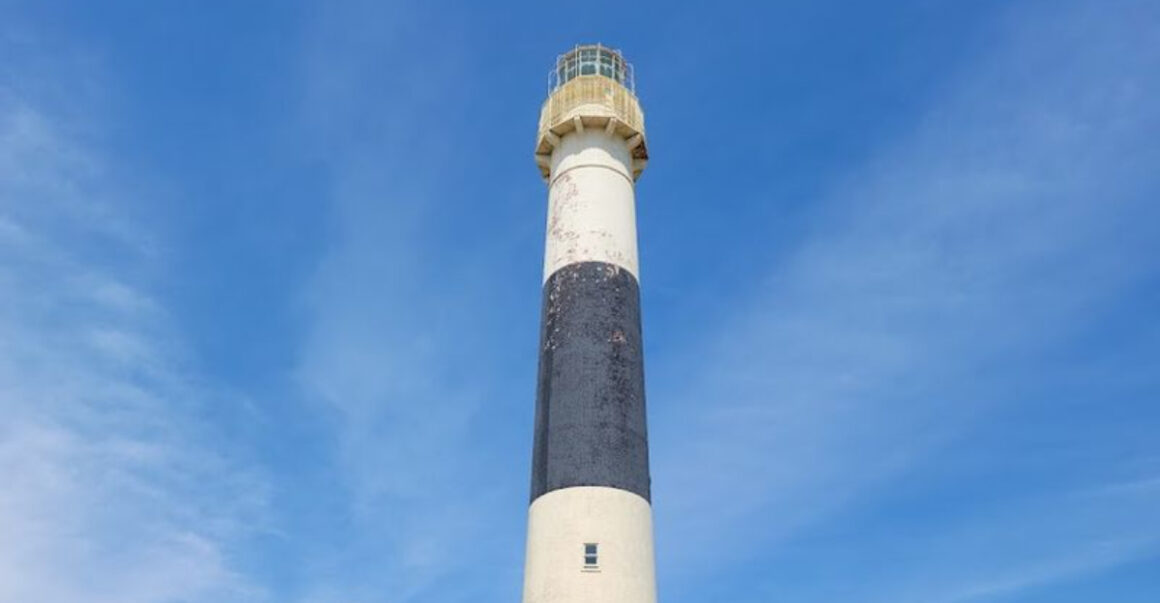
Most people climb Absecon Lighthouse for the view. The brave ones come for the story.
Standing over Atlantic City with its red-brick tower and long spiral climb, this place already feels a little removed from the everyday. Then you hear the local legend: during the wild Jersey Devil panic of 1909, one of New Jersey’s strangest creatures was reportedly spotted near the lighthouse.
That’s when a historic landmark starts feeling a lot more interesting. Absecon isn’t just tall, old, and beautiful.
It has the exact kind of eerie backstory Jersey loves—part maritime history, part neighborhood folklore, and part tale nobody can quite prove or forget. If you like your Shore history with a side of goosebumps, this lighthouse delivers.
Why Absecon Lighthouse Still Feels So Unsettling After All These Years
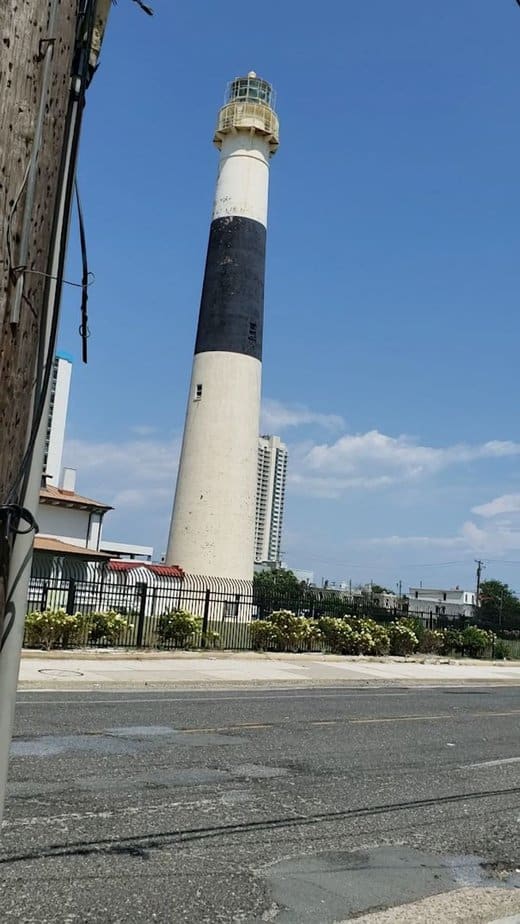
At first glance, Absecon Lighthouse looks like a postcard-perfect piece of the Jersey Shore. It’s tall, handsome, and deeply historic.
Then you stand at the base of that massive brick tower, look up, and realize this place has been looming over the coastline since the 1850s. That changes the mood fast.
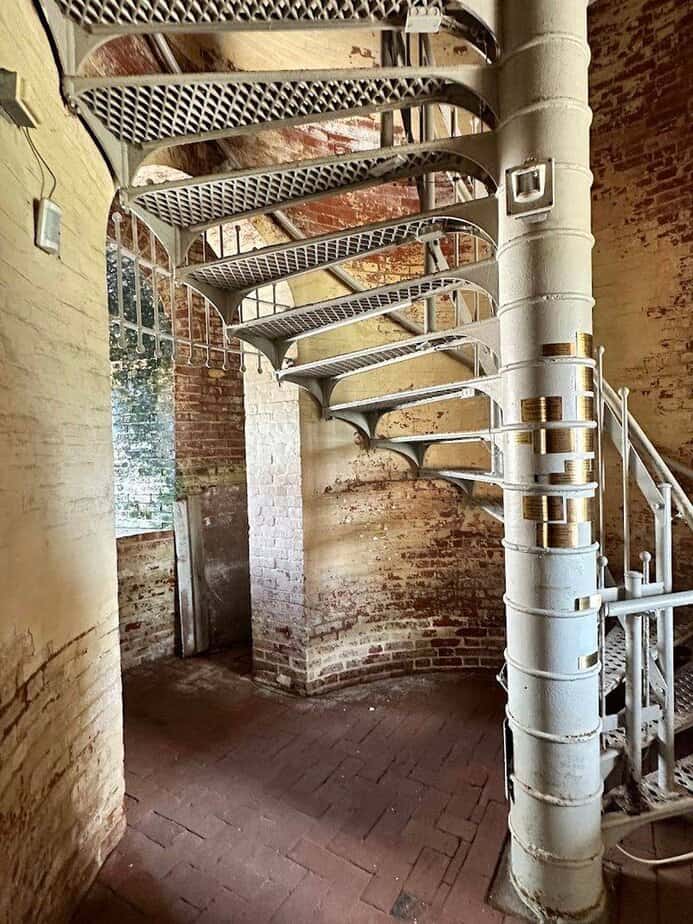
The building carries the weight of another era, when shipwrecks were a real threat and lighthouse keepers worked through storms that could swallow the horizon whole. Inside, the winding climb adds to the atmosphere.
The stairwell narrows your focus. The brick walls feel close.
Every footstep echoes in a way that makes you suddenly very aware of how old the place is. Add in the keeper’s quarters, the sea air, and the long-running ghost talk, and it’s easy to see why people leave saying it feels different from other historic sites.
Not fake spooky. Just genuinely a little off, in the best possible way.
The Night the Jersey Devil Was Said to Appear Near the Tower
The Jersey Devil story around Absecon Lighthouse taps into one of New Jersey’s favorite old obsessions. In January 1909, reports of the creature were everywhere across South Jersey and beyond.
People claimed they saw something flying, screaming, and leaving strange tracks in the snow. Schools closed.
Trolley cars stopped. Towns buzzed for days.
Near Atlantic City, the panic spread right to the lighthouse, where local accounts tied the eerie wave of sightings to the tower and its surrounding area. Whether anyone truly saw the creature is another matter, but that barely affects the legend.
What matters is the setting: a lonely lighthouse, winter weather, dark skies, and a region already primed to believe something bizarre was moving through the night. That combination is catnip for folklore.
Even now, the story sticks because it feels exactly like the kind of place where New Jersey’s most famous monster would make an appearance, or at least make people swear it did.
What It’s Like to Climb All 228 Steps Inside New Jersey’s Tallest Lighthouse
Calling it a climb is more accurate than calling it a stroll. Absecon Lighthouse has 228 steps, and you earn every bit of that view.
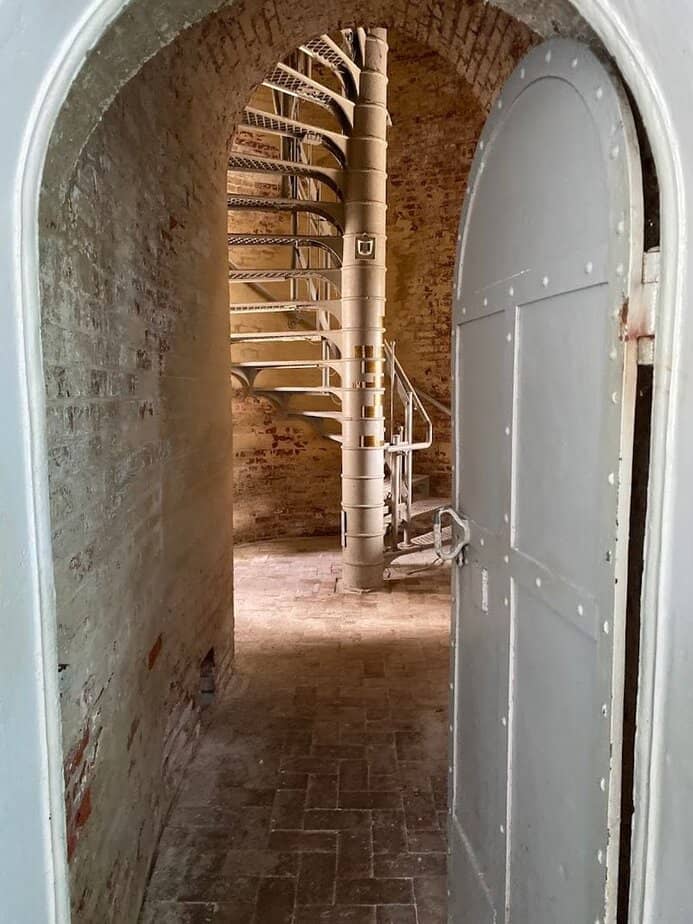
The trip up is tight, circular, and pleasantly dramatic, with brick walls curving around you as the tower seems to pull you higher one turn at a time. It’s not some sleek modern staircase either.
It feels historic, which is part of the thrill. Along the way, you start noticing the sounds more than anything else: shoes landing on steps, voices bouncing upward, the hush that creeps in between groups.
By the time you reach the top, Atlantic City opens wide around you. You get the ocean, the boardwalk, the city, and that weird little rush that comes from standing inside a structure that has watched over this coast for generations.
And yes, if you’ve come for the haunted reputation, the descent can feel even stranger. Going down always seems quieter.
The Keeper’s Quarters Where the Past Never Seems to Stay Quiet
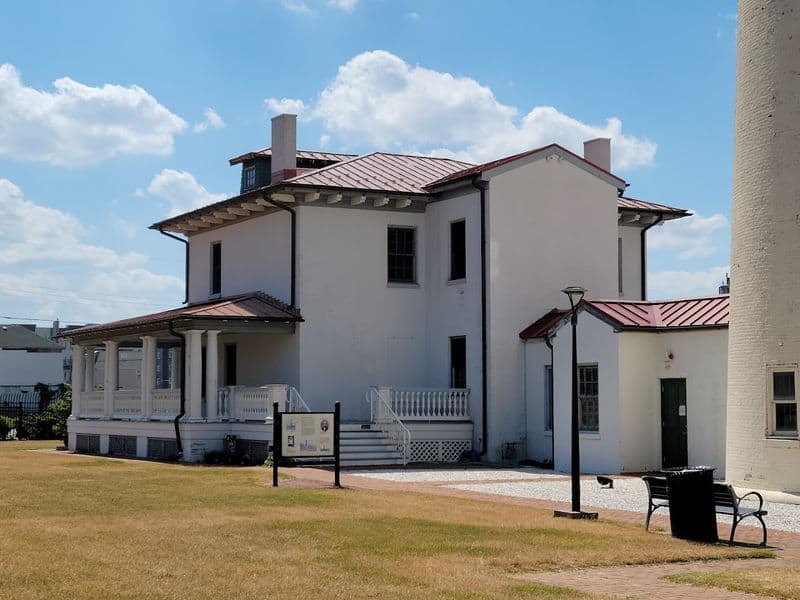
The keeper’s house is where the lighthouse shifts from impressive to intimate. Towers are grand, but living quarters tell you how people actually moved through a place.
At Absecon, that’s where the history gets personal. You start picturing the daily rhythm—lamps, maintenance, weather reports, meals, long nights, and the constant responsibility of keeping the light going for ships offshore.
There’s something about old domestic spaces that can feel more haunted than the dramatic landmarks beside them. Maybe it’s because homes hold routine, and routine leaves a trace.
Visitors have long swapped stories about odd feelings, sudden chills, and the sense that they aren’t quite alone in certain rooms. None of it needs jump-scare theatrics to work.
The setting does enough on its own. Old wood, historic furnishings, and the knowledge that people once lived and worried here creates a strong atmosphere.
You don’t need to believe every ghost story to understand why they keep getting told.
How Shipwreck History and Ghost Stories Became Part of the Lighthouse Legend
South Jersey’s coastline earned the nickname the Graveyard of the Atlantic for a reason. Before modern navigation made things easier, this stretch of shore was dangerous, especially in foul weather.
That history matters because lighthouses were never decorative. They were lifelines.
Absecon existed to warn ships away from disaster, and that mission gives the whole place a heavier emotional charge. Anytime you have a site tied to storms, rescues, shipwreck fear, and sleepless nights, folklore tends to move in right behind the facts.
People remember danger through stories. Over time, practical history and local imagination blur together.
A creaking old building becomes a haunted one. A strange sound becomes a presence.
A famous regional monster gets folded into the tale. None of that erases the real history.
If anything, it amplifies it. The ghost stories around Absecon stick because they grow naturally out of the lighthouse’s job, its age, and the harsh realities of life along this coast.
Why Absecon Lighthouse Still Draws Curious Visitors After Dark
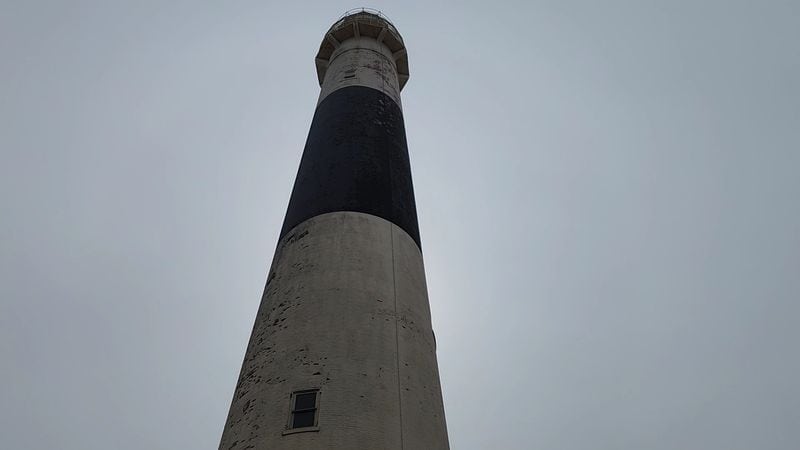
Plenty of historic places are worth seeing once. Absecon has the kind of reputation that makes people talk about it afterward.
Some come for architecture. Some come for local history.
Others show up because Jersey residents have a sixth sense for places with a weird backstory, and this one has a very good one. When evening rolls in, the tower takes on a completely different personality.
The brick looks darker. The grounds feel quieter.
Even the city noise seems to back off just enough to let your imagination get louder. That’s part of the appeal.
It’s a landmark with real substance, not a gimmick dressed up in fake fog. You get a genuine slice of Shore history, plus the added pleasure of wondering whether the Jersey Devil legend, the ghost stories, and the odd energy around the place are all connected somehow.
For locals, that mix is irresistible. For visitors, it’s the kind of Jersey story they don’t forget.