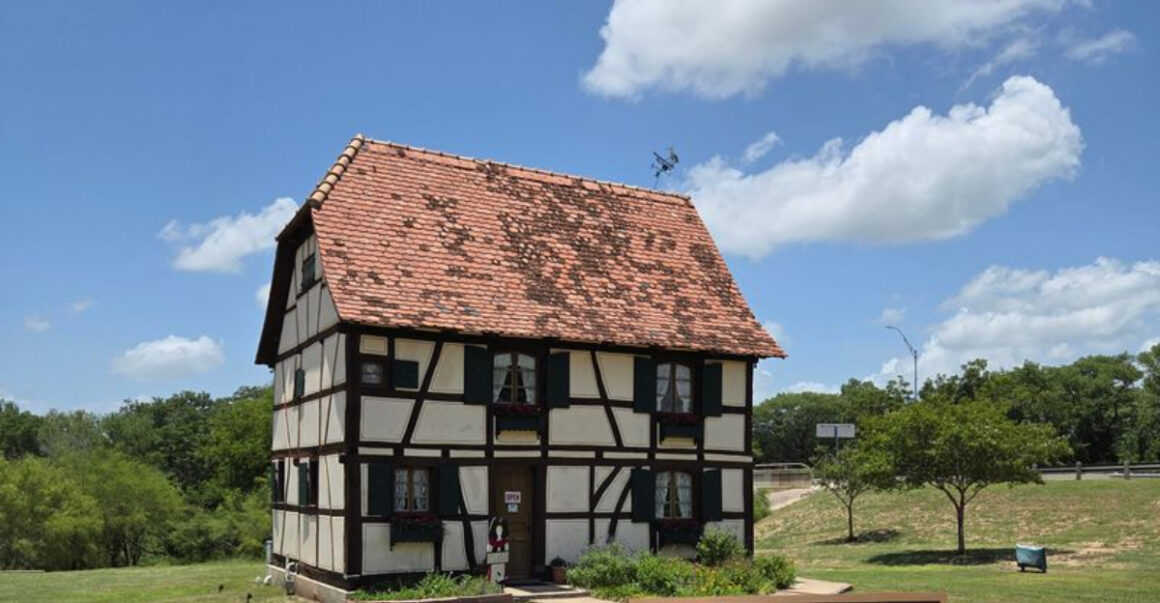
Close your eyes and you might swear you are strolling a quiet Alsatian village, but this dreamy escape sits just west of San Antonio. Castroville blends Old World charm with Texas warmth in a way that surprises first timers and keeps locals fiercely proud. From timbered cottages to bakery aromas that drift down historic streets, every corner whispers a story.
Ready to see why so many mistake it for France at first glance?
1. Historic Alsatian Architecture on Fiorella Street
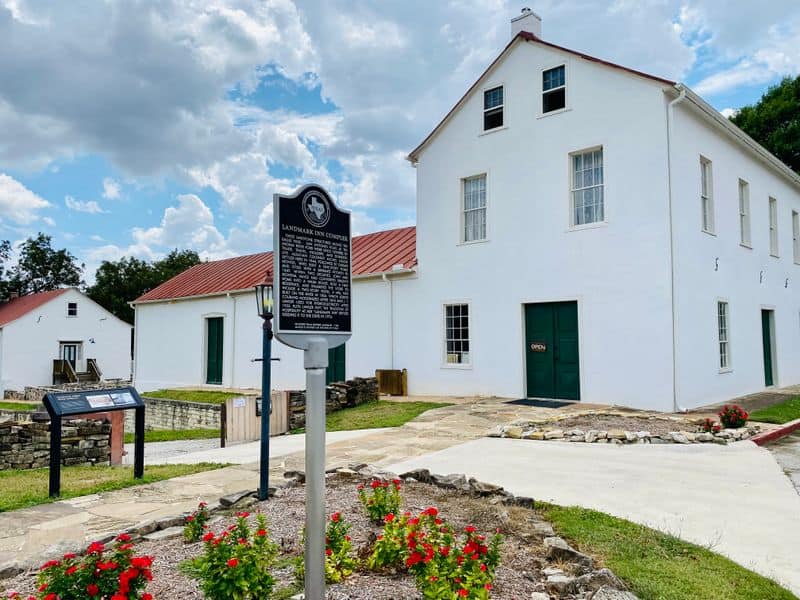
Walk Fiorella Street and you will understand why people compare this place to a village in Alsace. Timber beams crisscross pale plaster, while limestone foundations root each cottage in Texas earth. Flower boxes spill color under wooden shutters, and the air feels quietly old fashioned.
Stand back for a full facade view and notice the steep rooflines and tidy proportions. These homes were built by Alsatian settlers who carried skills, tools, and patterns across the ocean. Modern Castroville keeps them cared for, so you can shoot photos and still glimpse daily life.
Listen for screen doors, distant church bells, and neighbors chatting over fences. It is charming without feeling staged, authentic without fuss.
2. Steinbach Haus Visitors Center
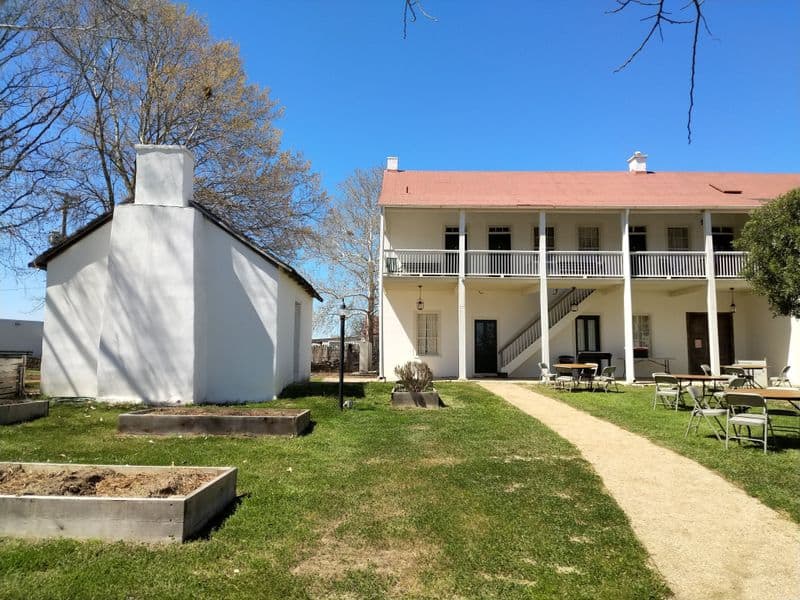
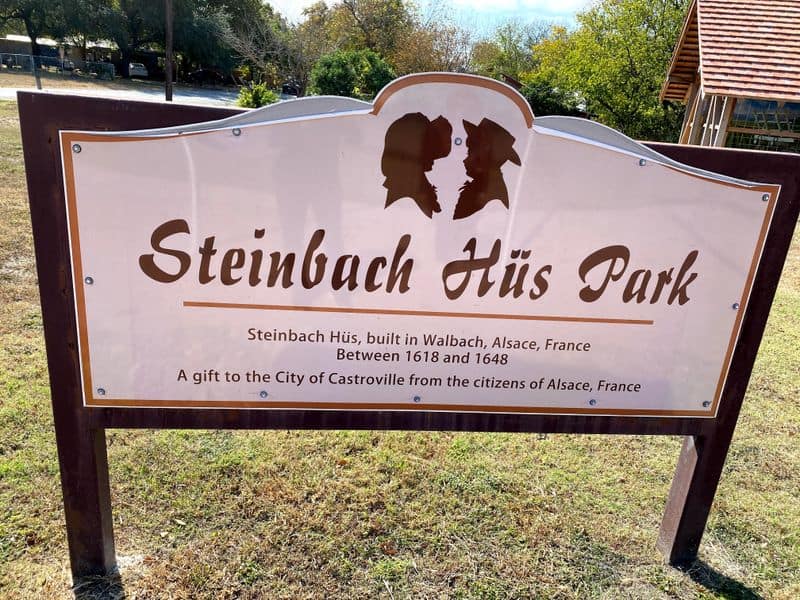
The Steinbach Haus looks like it was plucked from rural France and placed gently on Castroville soil. Built in the 1600s in Alsace, then moved here piece by piece, it now welcomes visitors as the town’s storybook front door. Step inside to find displays on migration, craftsmanship, and community traditions.
Knowledgeable volunteers share tips for exploring nearby streets and historical landmarks. You can pick up brochures, souvenirs, and a deeper sense of how French culture blended with Texas grit. The exterior itself is a masterclass in historic construction.
Photographers love the angles and textures, especially with morning light. You will leave with context that transforms every timbered facade you see afterward. It is a perfect first stop.
3. St. Louis Catholic Church and Grotto
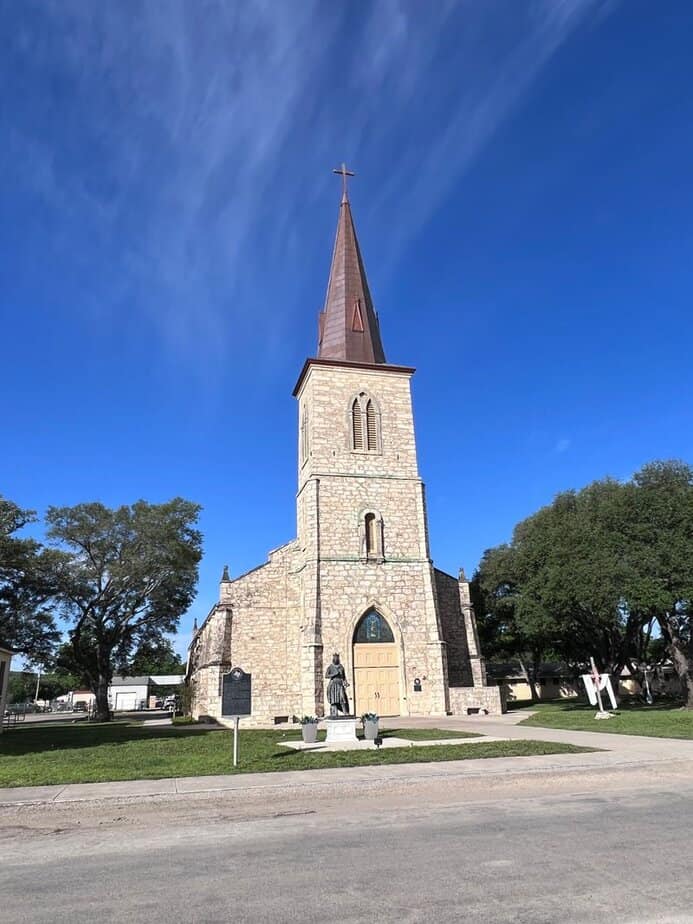
Approach the bell tower and you will notice careful stonework that feels both European and Texan. Inside, colored light washes pews from stained glass, and the hush invites reflection.
Behind the church, the grotto offers a shaded place to pause. Candles flicker against stone, and the atmosphere encourages slow breathing. Whether attending Mass or simply visiting, you can sense the community’s roots reaching back generations.
Walk the grounds to appreciate trees, statuary, and the way sunlight glints off limestone. It is a powerful reminder that faith and architecture shaped this town together, giving visitors a calm center point.
4. Alsatian Bakery Traditions
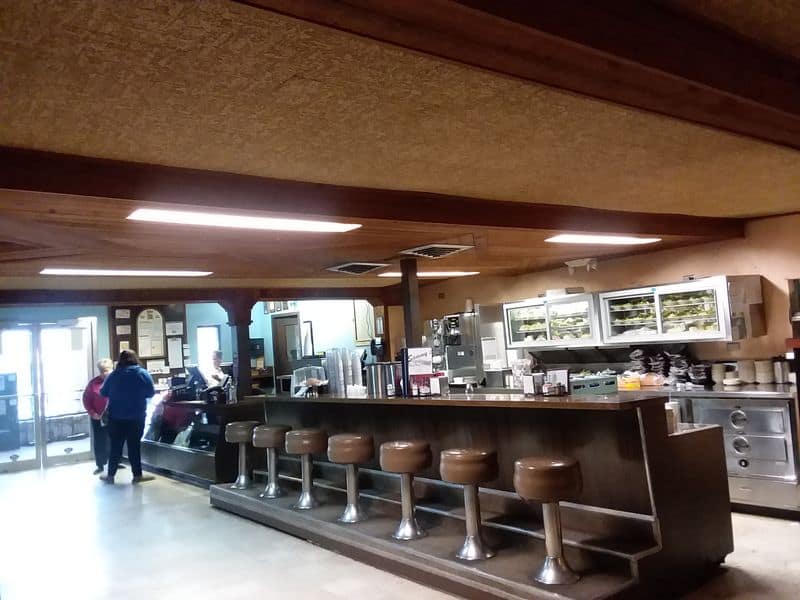
Follow the smell of fresh bread and you will land in a Castroville bakery that feels straight out of Alsace. Crusty baguettes line wooden shelves, and golden brioche winks from behind glass. Ask about kouglof, a traditional cake that pairs beautifully with coffee.
Locals swap news while ordering, and it is easy to join the conversation. You will taste butter and heritage in every bite, with recipes passed down for decades. The staff happily recommends treats that travel well if you are road tripping.
Bring cash and patience on weekend mornings because lines form early. Snap a quick photo of flour dust catching sunlight. Nothing fussy, just honest baking that comforts and delights.
5. Medina River Walk and Regional Park
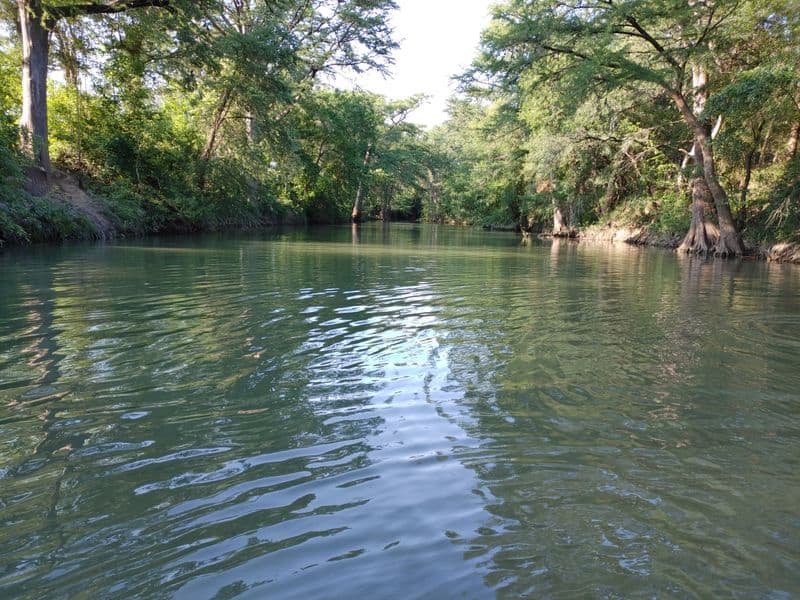
When you need a breath of fresh air, the Medina River delivers. Trails wind beneath cypress and oak, and the water moves with an easy, glassy confidence. Birds chatter, and dragonflies flicker above slow bends, making it ideal for casual walks and family picnics.
You will find playgrounds, sports fields, and shady tables in Regional Park. Bring snacks, sunscreen, and time, because the afternoon slips away fast here. The river’s coolness offers relief on warm Texas days.
Photographers should aim for golden hour to catch glowing greens and smooth reflections. It is not dramatic wilderness, but it is beautiful, approachable nature. Perfect for resetting before another round of historic sightseeing downtown.
6. Castroville Poppies and Seasonal Blooms
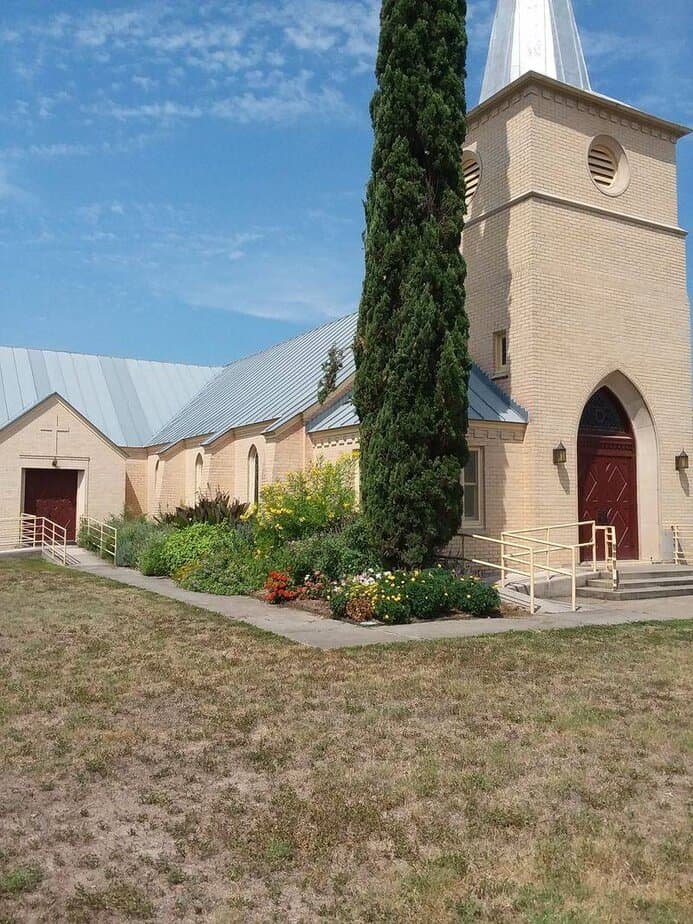
Spring in Castroville sometimes bursts into color with poppies and wildflowers edging streets and fields. The contrast of red petals against pale timbered homes is pure postcard material. You can wander early to avoid crowds and catch dew on leaves.
Locals share bloom timing by word of mouth and social posts, so stay flexible. Please respect yards and do not trample plantings for photos. A small step back often gets a better shot anyway.
Bring a light jacket and a prime lens if you are serious about pictures. Even without peak bloom, roadside meadows and gardens feel quietly celebratory. It is a gentle reminder that heritage and nature thrive together here.
7. Local Eats Beyond Pastries
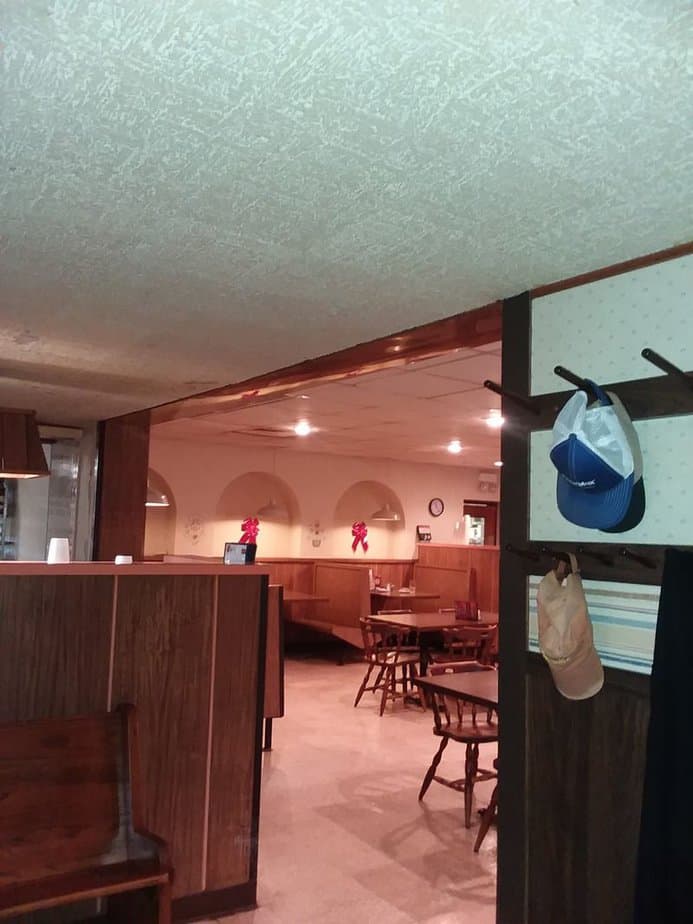
Pastries get the headlines, but Castroville’s savory side deserves attention. Look for menus that nod to Alsace with schnitzel, spaetzle, or onion tart alongside Texas staples. It is fun to mix plates, pairing a hearty cutlet with a local beer.
Servers often share family stories behind recipes, which adds flavor before the first bite. Portions are friendly without feeling heavy, and prices are refreshingly fair. If you are day tripping from San Antonio, this is an easy lunch stop.
Ask about seasonal specials and house mustards. Then take a slow stroll afterward to walk it off. Food here proves that heritage is not only preserved in buildings, but simmered and served with pride.
8. Self Guided Heritage Walking Tour
Start at the visitors center, grab a map, and set an easy pace through historic blocks. Plaques mark architectural details and stories of families who built this place. The route is compact, so you can linger at doorways and peep rooflines.
Wear comfy shoes and bring water in warmer months. Morning light flatters plaster and timber details, while late afternoon gives deeper shadows. You will collect small moments that guidebooks miss, like a porch cat or wind chimes.
End where you began and ask staff for follow ups, festivals, or detours. The tour feels personal, not museum stiff. By the time you finish, Castroville’s French Texas identity makes perfect sense.