Most New Jersey landmarks come with a plaque, a park sign, or maybe a gift shop. This one comes with locked gates, deep woods, and a horror-movie backstory that still gives people a thrill.
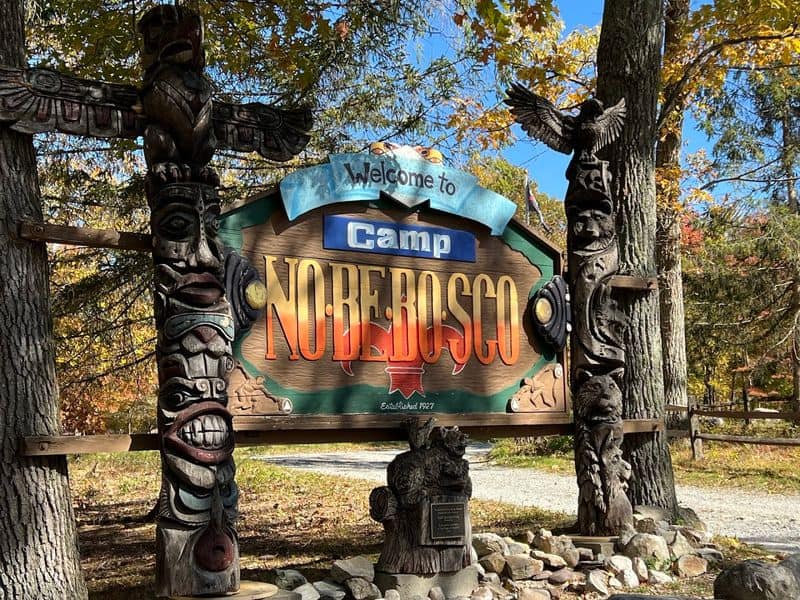
Tucked into Hardwick Township, Camp No-Be-Bo-Sco is a real Scout camp with a very unreal pop-culture afterlife: it served as the primary filming location for the original Friday the 13th. For most of the year, the property is completely off-limits to the public, which only adds to the mystique.
Then, on select official tour dates tied to the fandom’s favorite calendar omen, horror lovers finally get their shot to step inside. That mix is what makes the place so Jersey-great.
It is historic, a little weird, fiercely protected, and somehow still more interesting because you cannot just wander in whenever you feel like it. Around here, that kind of exclusivity only makes the legend grow.
The hidden New Jersey camp that became the original Camp Crystal Lake
Long before movie fans started treating it like sacred ground, Camp No-Be-Bo-Sco was simply a Scout camp carved into the Kittatinny Mountains. It opened in 1927 and still operates as an active youth camping facility, which is part of what makes the place feel so strange in the best way.
You are not looking at some manufactured attraction dressed up to cash in on a franchise. You are looking at a real New Jersey camp that happened to be exactly atmospheric enough for filmmaker Sean Cunningham, who used it as the main setting for the 1980 original.
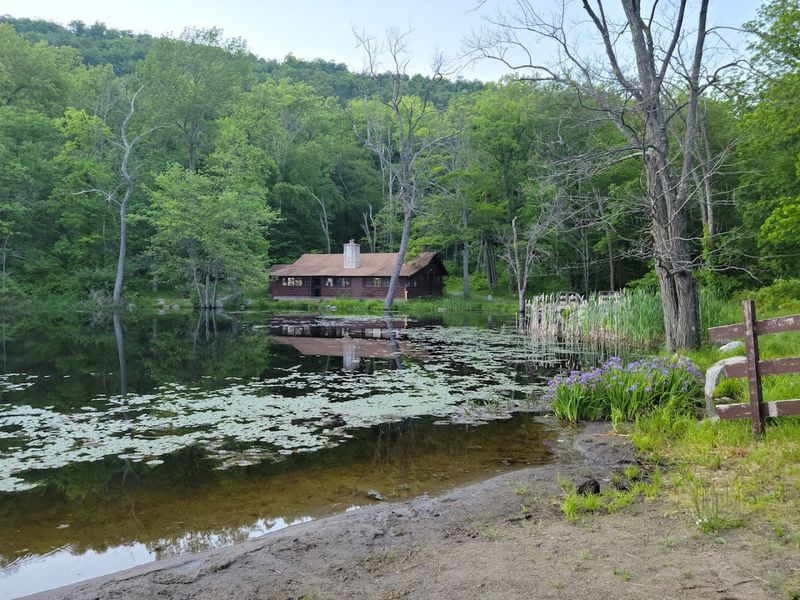
More than 80 percent of Friday the 13th Part 1 was filmed here, and the camp’s rustic cabins, quiet lake, and thick tree cover did a lot of the work before the first scream ever landed on screen. That is the magic of this place.
It was not built to look creepy. It just already had the mood.
Even now, it still feels like a location first and a legend second, which somehow makes it even better.
Why the gates stay closed for most of the year
Anyone hoping to roll up for a casual peek is going to be disappointed fast. The camp is private property owned by the Northern New Jersey Council, Scouting America, and the official policy is clear: no public access outside sanctioned tour dates.
That is not some theatrical gimmick cooked up for horror branding. It is a working youth camp, and the property is kept closed to protect campers, preserve the site, and avoid the kind of chaos that would come with nonstop fan drop-ins.
Honestly, that decision is exactly why the place still has its power. Too many famous filming spots get flattened into selfie factories.
No-Be-Bo-Sco has stayed intact because access is limited and controlled. The locked-gate reputation has become part of the lore, but the reason behind it is practical, not dramatic.
The upside for fans is that when the camp does open, it still feels special. You are not arriving at a place that has been picked over all season.
You are stepping into somewhere that has been protected enough to still feel hushed, wooded, and a little off-limits.
What makes Friday the 13th the perfect day to visit
Some places lean gently into their theme. This one knows exactly what it is.
Crystal Lake Tours schedules special events around the mythology of Friday the 13th, and when the calendar actually lands on that date, the whole experience gets an extra jolt. It is not that the camp is only ever open on Friday the 13th, because the official schedule includes other dates too.
It is that those Friday-the-13th-adjacent events carry the kind of built-in drama horror fans love. In 2026, for example, the camp’s public schedule includes a full run of June dates, October events, and a November 13 lineup with multiple extended tours.
That means fans can visit beyond the famous date, but the symbolic pull of a real Friday the 13th still hits differently. There is something deliciously on-brand about entering the original Camp Crystal Lake when everybody else is already joking about bad luck.
If you are going to do a horror pilgrimage in New Jersey, you may as well do it when the calendar is practically helping with the atmosphere.
Inside the eerie filming locations fans finally get to walk through
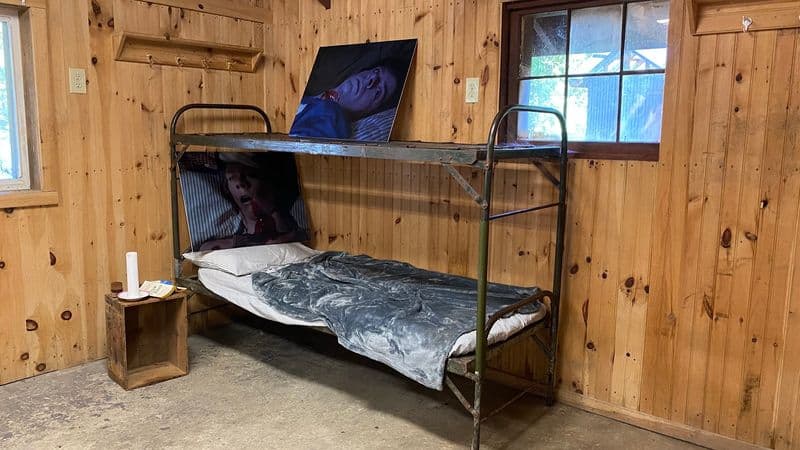
This is the part that turns casual curiosity into full-on fan giddiness. The official guided tours take visitors through the locations that have barely changed since filming in 1979, and that includes some of the spots horror people most want to see up close.
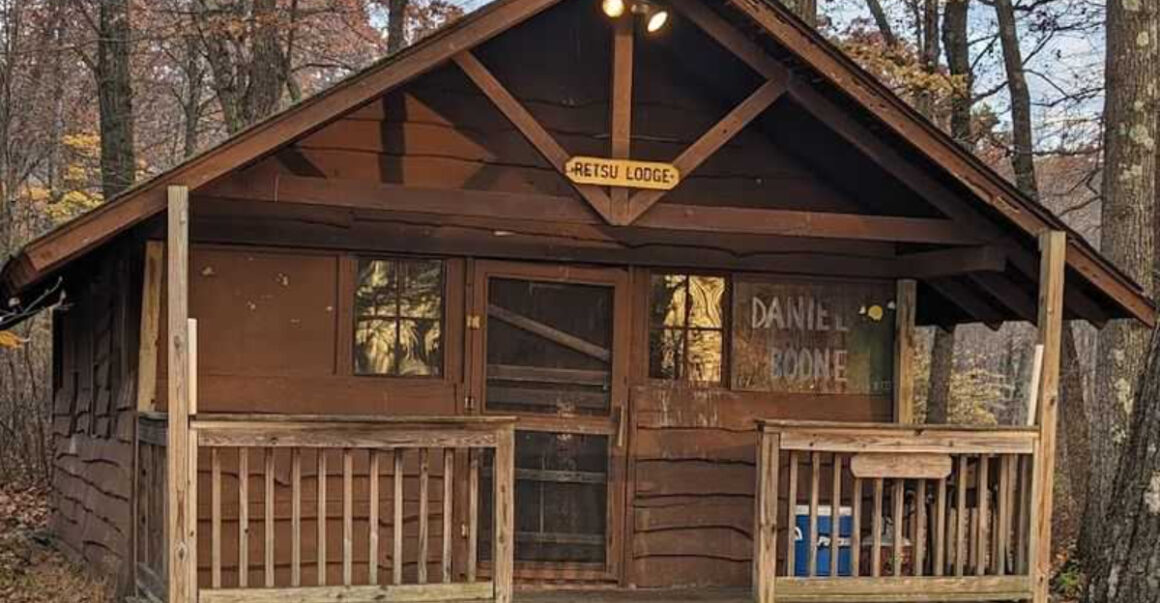
The extended tour visits the main cabin known on-site as Comanche Lodge, Brenda’s cabin, Alice’s cabin, the lake, the beach, the canoe scene area, the opening fireplace scene location, the storage building, the generator shed, and the archery range.
That is a lot of cinematic real estate packed into one walk through the woods.
What makes it land is not just recognition. It is scale. On screen, these places feel mythic. In person, they are wonderfully specific. A cabin is right there. The shoreline is right there.
The path between them is narrower, quieter, and more lived-in than you might expect. You are not touring an imitation of Camp Crystal Lake.
You are standing in the actual bones of it, which is why the effect sneaks up on people.
How a working Scout camp became a horror pilgrimage site
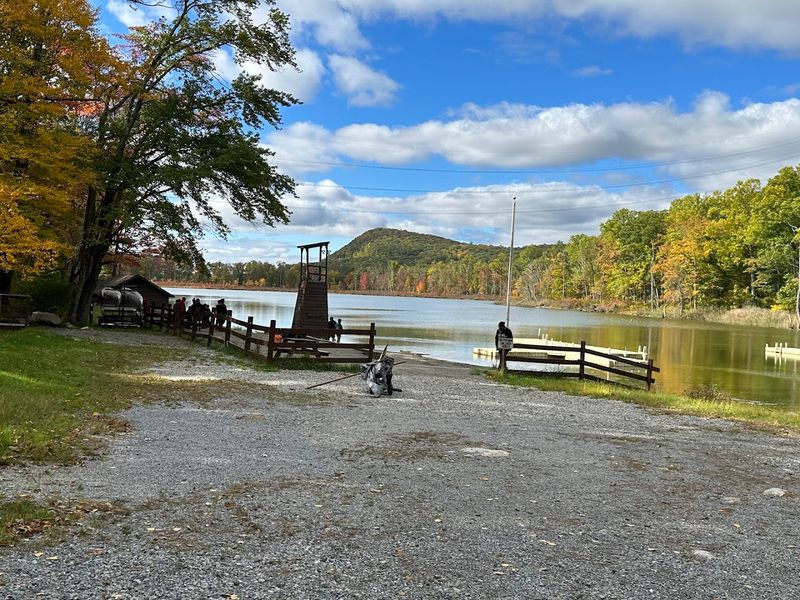
The weirdest and most fascinating part of No-Be-Bo-Sco is that it never stopped being what it was. After the cameras left, the camp did not morph into a permanent movie attraction.
Scouts kept using it. Summers kept happening.
The property stayed rooted in its original purpose while the film slowly grew into a slasher institution. That split identity is exactly why fans are drawn to it now.
The place is not preserved in some sterile, museum-like way. It is still alive, still functional, still tied to real camp traditions.
Public tours began in 2011, and the organizers note that there have only been about 100 public tour days since then, which helps explain why tickets have such a bucket-list aura.
The tours are run by camp alumni, and the proceeds support restoration, maintenance, and youth camping programs.
That means the horror fame is not replacing the camp’s legacy. In a very New Jersey way, it is helping keep the old place going.
That is a much better story than simple nostalgia.
What Crystal Lake Tours is really like for first-time visitors
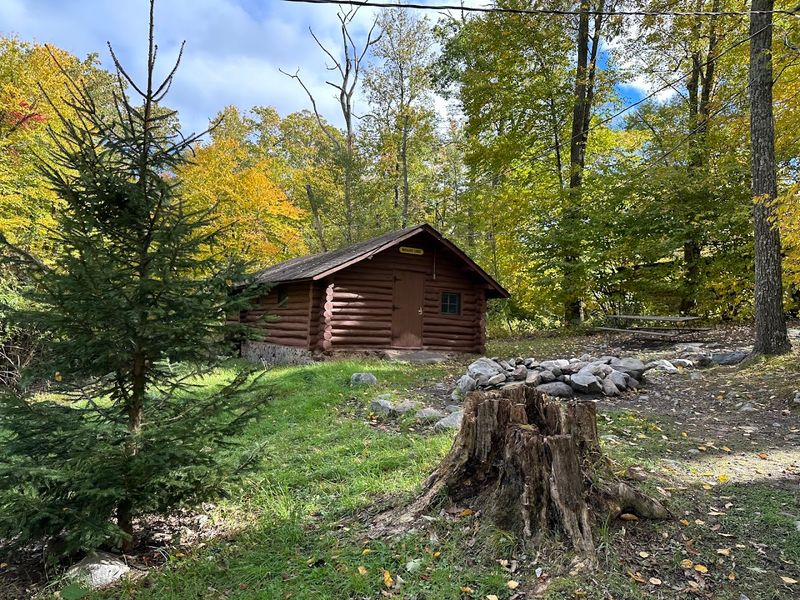
Forget the idea of a cheesy haunted-house setup with random jump scares and plastic props in the bushes. The official tours are guided walking experiences built around the camp’s real history and filming geography.
According to the tour FAQ, they are not meant to be scary, though visitors often say the nighttime versions still deliver plenty of chills. That sounds about right.
The thrill here is not shock. It is recognition, mood, and the creeping realization that the place on screen is suddenly around you in three dimensions.
First-timers can choose from several formats, including extended tours, shorter lakefront visits, movie-screening combos, and even a VIP overnight experience with dinner, a screening, campfire time, breakfast, canoeing, and a stay on-site for adults 21 and up.
There is also a photo area with replica vehicles and props available during all tours, which gives fans a little extra fun without turning the whole thing into cosplay camp.
It sounds immersive, but still grounded enough to feel like a real visit rather than a forced spectacle.
Why this off-limits New Jersey landmark feels even creepier in real life
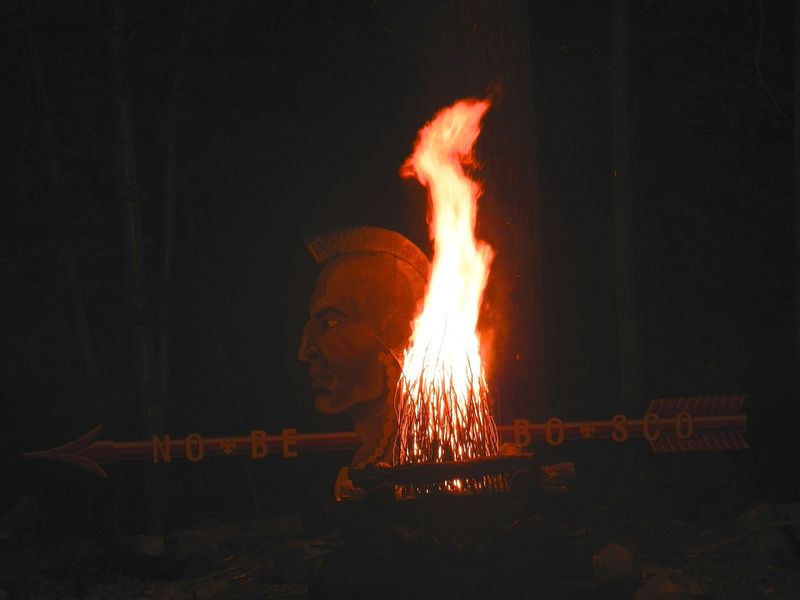
Movies can frame a place, score it, and edit it until it feels sinister. Real life usually softens the effect.
Somehow, No-Be-Bo-Sco seems to do the opposite. Part of that is the setting itself.
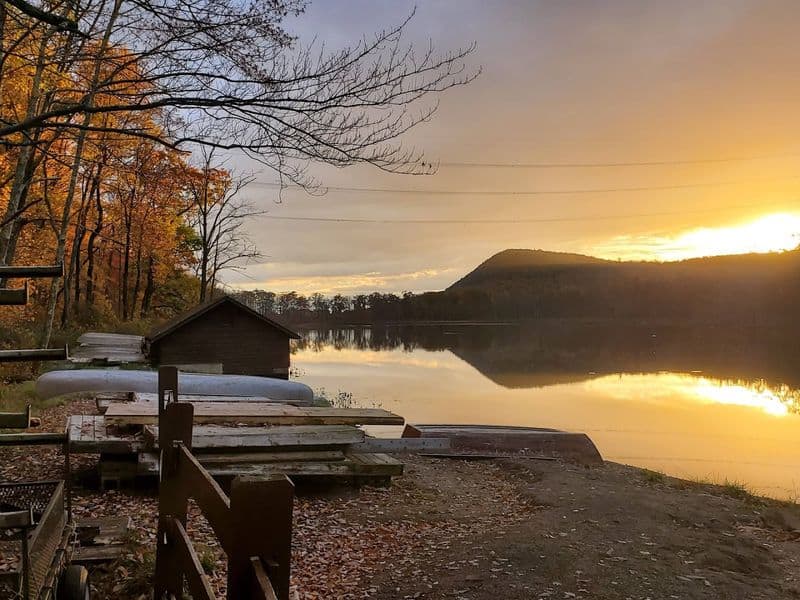
The camp sits on 380 acres in the Kittatinny Mountains, and the mix of lake water, trees, cabins, and silence does not need much help. Part of it is the tension between normal and notorious.
You are looking at a genuine camp with a long history, not a fake horror set, and that makes every familiar detail feel a little more uncanny. The lake is just a lake until you remember the movie.
The cabins are ordinary until your brain starts matching angles from scenes shot there. Because the site is closed most of the time, it also avoids the worn-out energy that comes from constant crowds.
When people say it feels frozen in time, that does not read like marketing fluff. It reads like the natural result of a place that has been carefully protected, rarely accessed, and permanently attached to one of horror’s most durable myths.