New Jersey does not mess around when it comes to tea. One minute you can be sitting on tatami mats, watching a carefully choreographed Japanese tea ceremony unfold in near-silence.
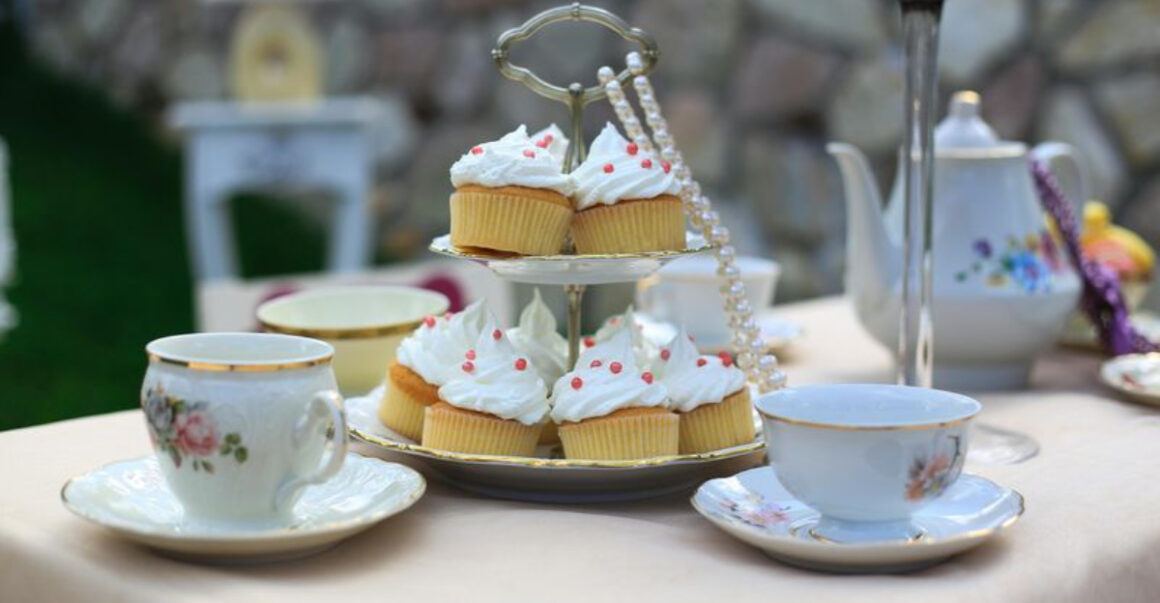
A short drive later, you’re eyeing a three-tier tray loaded with scones, finger sandwiches, and desserts in a room that feels borrowed from the English countryside. That range is exactly what makes the state such a fun place to sip your way through.
This isn’t a list of bland cup-and-teabag stops. These are places with personality: historic homes, tucked-away gardens, polished parlors, and tea experiences that feel transportive without requiring a passport.
Some lean formal and traditional. Others go whimsical, cozy, or a little theatrical in the best way.
So whether you want a quiet ceremony, a proper afternoon out, or just an excuse to order something called rose black tea with a plate of pastries, these 12 New Jersey tea houses are worth carving out an afternoon for.
2. Boukakuan Japanese Tea House and Garden
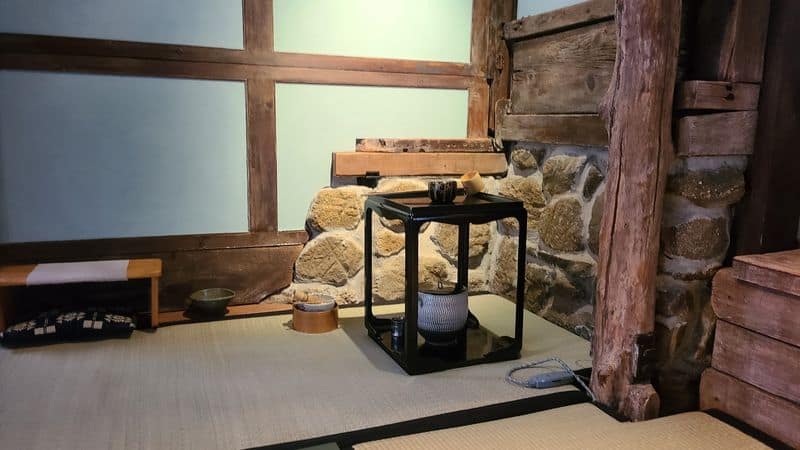
Tucked beside the historic Friends Meeting House grounds in Columbus, Boukakuan feels less like a casual stop and more like stepping into a different rhythm entirely. This is the place to go when you want the real ceremonial side of tea, not just a pretty cup and a vague “zen” atmosphere.
The setting matters here. The tea house was built in traditional style, with tatami mats and the kind of thoughtful design that makes even the act of entering feel intentional.
What makes it memorable is how much attention is paid to ritual. Every gesture has a purpose.
Every object seems chosen for a reason. Instead of rushing you toward the next course, the experience asks you to slow down and actually notice what’s happening in front of you.
That alone makes it stand out in a state full of faster, chattier afternoon tea spots. For the article, lean into the contrast.
This is not tiered trays and gossip over scones. It’s quiet, focused, and deeply rooted in tradition.
If your readers want the tea experience that feels most transportive, this is the one to spotlight early.
3. Princeton Chanoyu
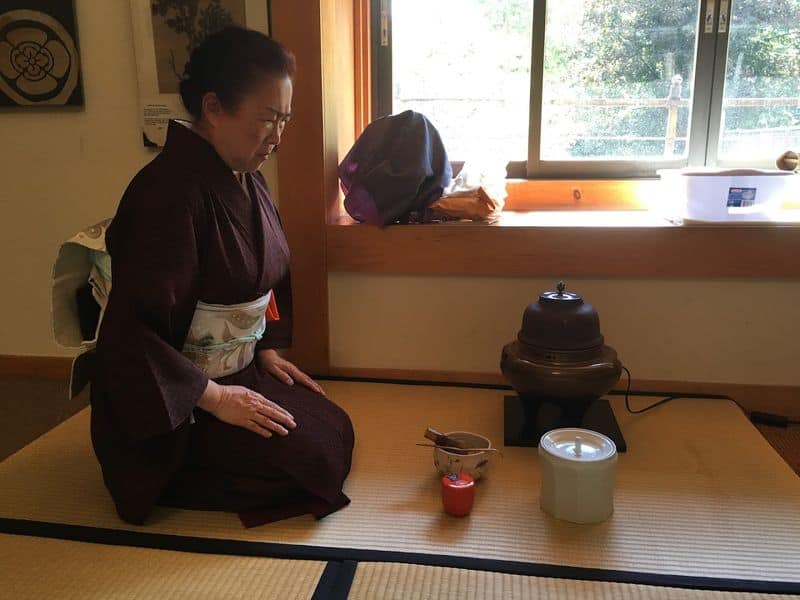
Just because it’s in Princeton doesn’t mean this one is stiff or overly academic. Princeton Chanoyu brings a serious respect for Japanese tea tradition, but the overall feel is intimate and human rather than museum-like.
The experience centers on the Omotesenke style, and that detail matters because it gives the place credibility far beyond “inspired by Japan” décor. The appeal here is in the precision.
Tea is prepared with care, movement is deliberate, and the ceremony has a calm structure that draws you in quickly. Even readers who don’t know much about chanoyu will understand that this is about more than drinking matcha.
It’s a cultural practice with etiquette, symbolism, and atmosphere all working together at once. This section should highlight how rare that is in New Jersey.
A lot of places can serve green tea. Very few offer a setting where the ceremony itself is the main event.
Princeton Chanoyu makes a strong counterpoint to the more frilly British-style rooms on this list. It’s quieter, more focused, and perfect for readers who like their outings with a little depth and intention.
4. Japanese Tea Experience at Georgian Court University
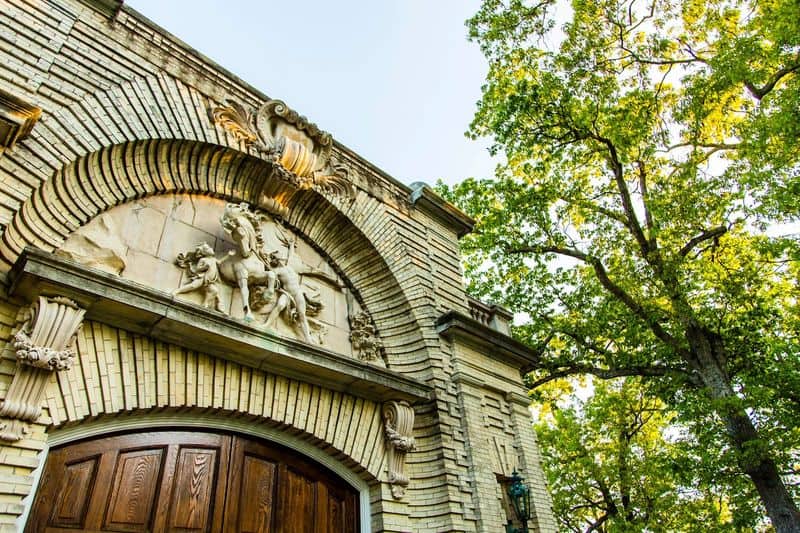
Lakewood is not the first place most people think of when they picture a Japanese tea experience, which is exactly why this one lands so well.
Held at Georgian Court University, the program pairs tea ceremony with a guided look at the campus’s Japanese garden and tea house, turning an afternoon outing into something a lot more immersive.
There’s a built-in sense of occasion here. You’re not simply seated and handed a menu.
The experience unfolds through the setting itself, from the garden paths to the architecture to the ceremony presentation. That broader cultural context makes it especially good for readers who want something memorable without needing to know all the formal details in advance.
For your article, this is a nice bridge between strict ceremonial tea houses and classic tea-room outings. It still delivers authenticity and atmosphere, but in a way that feels accessible to curious first-timers.
It also helps that the surroundings are genuinely beautiful. If someone wants an experience that feels reflective, elegant, and a little unexpected for central New Jersey, this entry earns its place fast.
5. Teaberry’s Tea Room
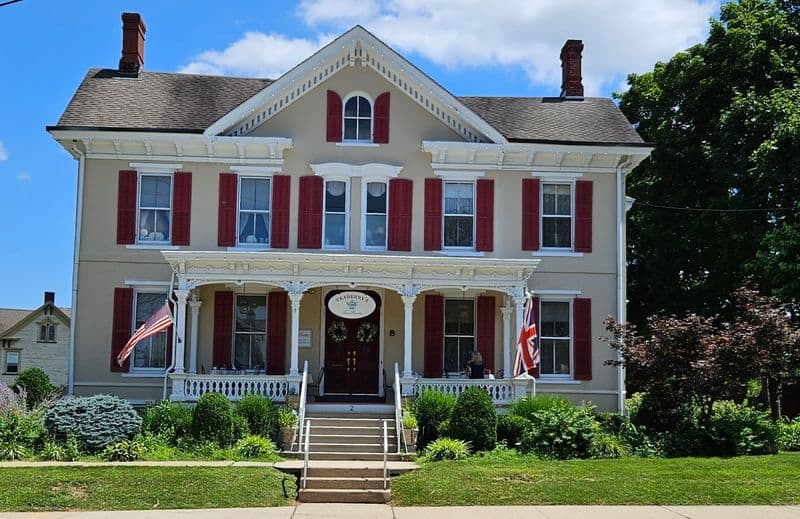
A restored Victorian house in Flemington is already a promising start, and Teaberry’s knows exactly how to make the most of it. This is the kind of place people picture when they hear “tea room” and immediately start craving a scone.
The rooms feel polished but not precious, with enough charm to make the whole outing feel special before the teapot even lands on the table. What keeps Teaberry’s from feeling generic is the setting.
The house gives the experience real texture. Instead of a restaurant trying on afternoon tea as a side hustle, this feels like a place built for it.
Lunches, afternoon tea service, and private events all fit naturally into the space. In the article, play up its classic appeal.
This is one for birthday outings, bridal showers, mother-daughter afternoons, or anyone who wants the full British-style tea mood without leaving New Jersey. Readers who love a little elegance but still want it comfortable will get the idea immediately.
Teaberry’s delivers the familiar tiered-tray fantasy, but it does it in a space with actual personality instead of generic floral wallpaper and forced quaintness.
6. Harmony Tea Room
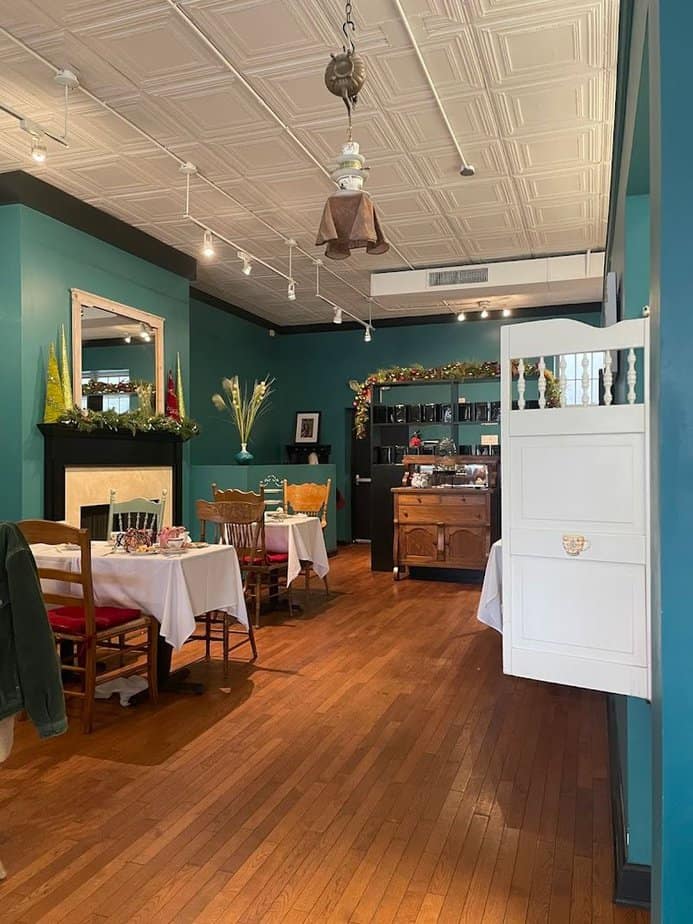
Westwood’s Harmony Tea Room leans right into the English afternoon tea vibe, and thankfully, it does so with enough confidence to make it work. This is not a minimalist modern café pretending to care about tea.
It’s a full-on tea-room experience, complete with dozens of tea options, classic sweets, and the kind of menu that encourages you to slow down and linger. The draw here is balance.
It feels polished, but not intimidating. That matters, especially for readers who like the idea of afternoon tea but don’t want to feel like they need a rulebook.
You can appreciate the pretty presentation, order a pot that suits your mood, and settle into the ritual without it becoming overly formal. For the section, focus on how easy it is to imagine a relaxed afternoon here.
Harmony works for catch-ups, celebrations, and those days when coffee just feels too abrupt. There’s a softness to the whole setup, but it doesn’t come off as overly sugary or fussy.
In a list with more ceremonial experiences and more historic settings, Harmony holds its own by delivering exactly what many readers want: dependable, charming, British-style tea done well.
7. High SocieTea House
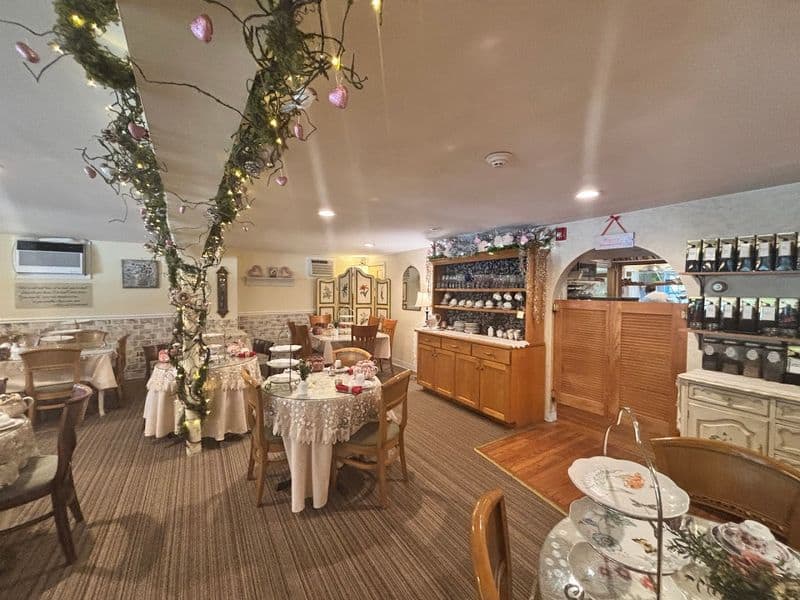
Wayne’s High SocieTea House has a name that could have gone terribly wrong in less capable hands, but the place actually earns it. Set in a historic building tied to the town’s past, it has the kind of old-school character that makes afternoon tea feel a little more theatrical in a good way.
Not costume-drama ridiculous. Just enough drama to make ordering a second pot feel completely justified.
This is one of those spots where the surroundings do half the storytelling for you. Historic details, traditional tea-room touches, and a sense of occasion all come together fast.
If your readers like places that feel a little tucked away and a little transportive, this is an easy sell without sounding salesy. The section should capture that mix of charm and confidence.
High SocieTea is ideal for people who want their tea outing to feel like an event rather than a quick bite. It has that “let’s make an afternoon of it” energy.
On a list full of lovely choices, this one stands out for leaning into the experience with a wink instead of taking itself too seriously.
8. Sally Lunn’s Tea Room & Restaurant
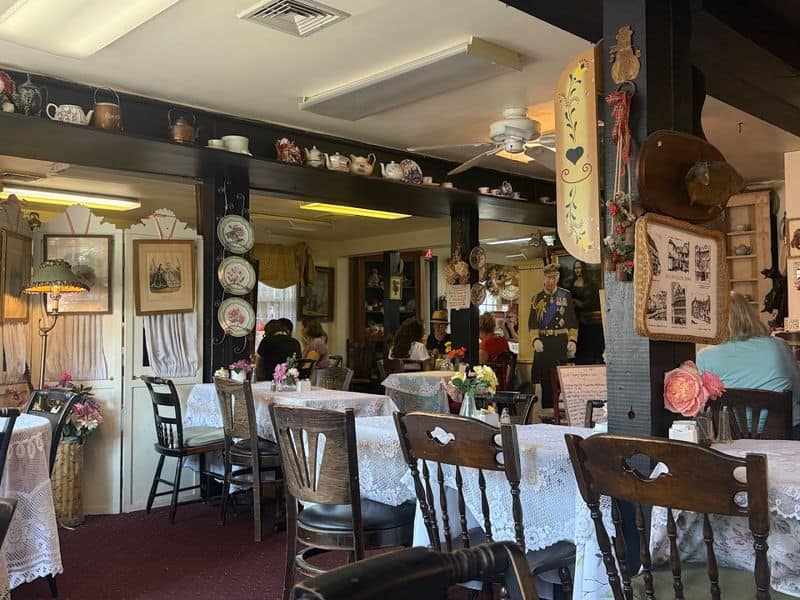
Chester already has the right backdrop for a tea room, and Sally Lunn’s fits the town beautifully. There’s a long-running, well-loved feel to it that makes the place come across as established rather than trendy.
That’s part of its charm. It doesn’t need to reinvent afternoon tea or dress it up with gimmicks.
It just needs to do the classics well in a setting that invites people to settle in. That steadiness makes it especially appealing for readers who value a traditional experience.
This is the sort of spot where lunch and tea feel equally at home, where regulars probably have favorite tables, and where the room itself helps set the tone before the menu even does. Chester’s small-town polish only adds to the effect.
For your article, position Sally Lunn’s as a reliable classic. Not every destination on this list needs to be surprising.
Some are worth visiting because they’re exactly what they promise to be, and this is one of them. It’s warm, pretty, and comfortable in its own identity.
That kind of consistency has a lot of appeal, especially in a category where forced whimsy can get old fast.
9. The New Leaf Tea Room & Gift Shoppe
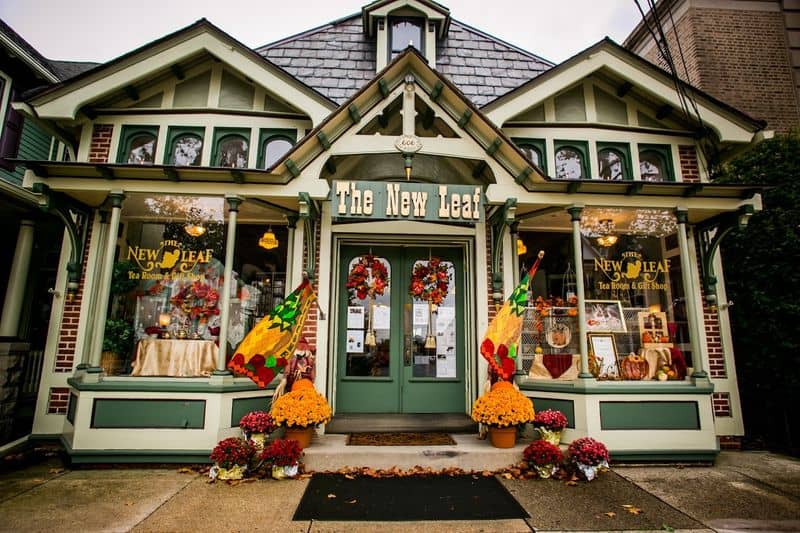
Riverton’s Victorian setting gives The New Leaf a head start, and the tea room uses it well. There’s an old-fashioned sweetness to the whole setup, but it doesn’t feel dusty or stuck in time.
Instead, it reads as cheerful and inviting, the kind of place that makes a simple afternoon feel more put together than usual. This entry works nicely because it’s not only about tea.
The gift-shop element adds a little browse-and-linger energy that suits the experience. Readers who like making an outing out of things will get the appeal right away.
Come for a pot of tea, stay for the atmosphere, and leave with the vague sense that your day was somehow more charming than expected. In the article, emphasize the town as much as the tea room itself.
Riverton’s Main Street location helps this one feel like part of a broader local experience rather than an isolated stop. That makes it especially useful for readers planning a day trip.
There’s enough personality here to stand out, but not so much that it feels over-designed. Think classic, cozy, and just a little storybook without crossing into parody.
10. Tipple + Rose Tea Parlor and Apothecary
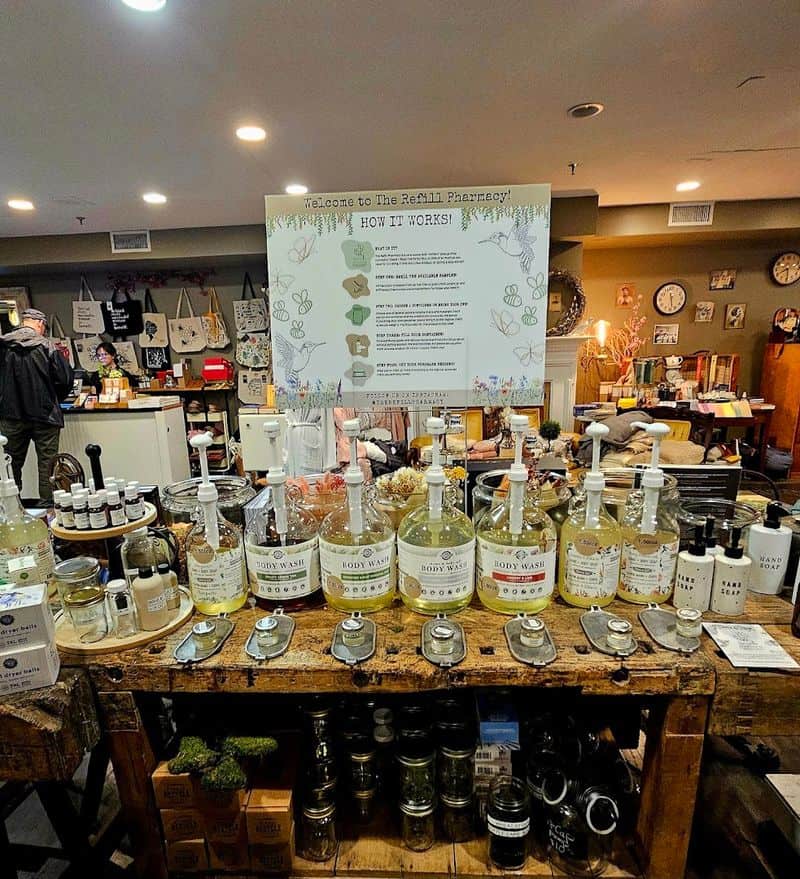
Princeton gets a second entry here, but the mood is completely different. Tipple + Rose feels more contemporary and style-conscious than the classic Victorian tea rooms on this list.
The tea parlor and apothecary pairing gives it a fresh twist, making it a strong pick for readers who want a polished tea outing without the lace-and-doily overload. What makes it click is the mix of refinement and modern personality.
Afternoon tea is still central, but the space doesn’t rely on nostalgia alone. It feels curated.
The menu, the shop component, and the overall aesthetic all suggest someone thought carefully about how to make tea feel relevant, not just traditional. That gives your article useful range.
Not every reader wants a heritage-house experience or a formal ceremony. Some want a place that feels elegant, photogenic, and current while still delivering the pleasure of a proper pot and a beautiful spread.
Tipple + Rose covers that lane nicely. It’s especially easy to picture for birthdays, catch-up afternoons, or anyone who appreciates their tea with a little design sensibility and zero need for fake old-world theatrics.
11. Windsor House Tea Room & Bakery

Lafayette is a great fit for a tea room, and Windsor House makes the most of that quieter North Jersey charm. The tea-room-and-bakery combo gives it instant appeal because it promises two important things at once: a cozy sit-down experience and baked goods worth paying attention to.
That second part matters. A lot of tea spots rely on atmosphere to do the heavy lifting.
Bakery credibility changes the equation. This is the kind of place that sounds especially tempting in cooler weather, when readers are looking for somewhere warm, relaxed, and just indulgent enough.
Tea rooms can sometimes feel delicate to the point of being untouchable. A bakery attached to the experience makes it feel more grounded and welcoming.
For your section, play up that comfort factor. Windsor House has an easy charm that works for people who like tea but maybe love pastries even more.
And honestly, that’s a large and honorable demographic. It also helps round out the statewide spread of your list, giving readers outside the central corridor a destination that feels worth seeking out.
Not flashy, not overhyped, just deeply pleasant in all the right ways.
12. Your Cup of Tea
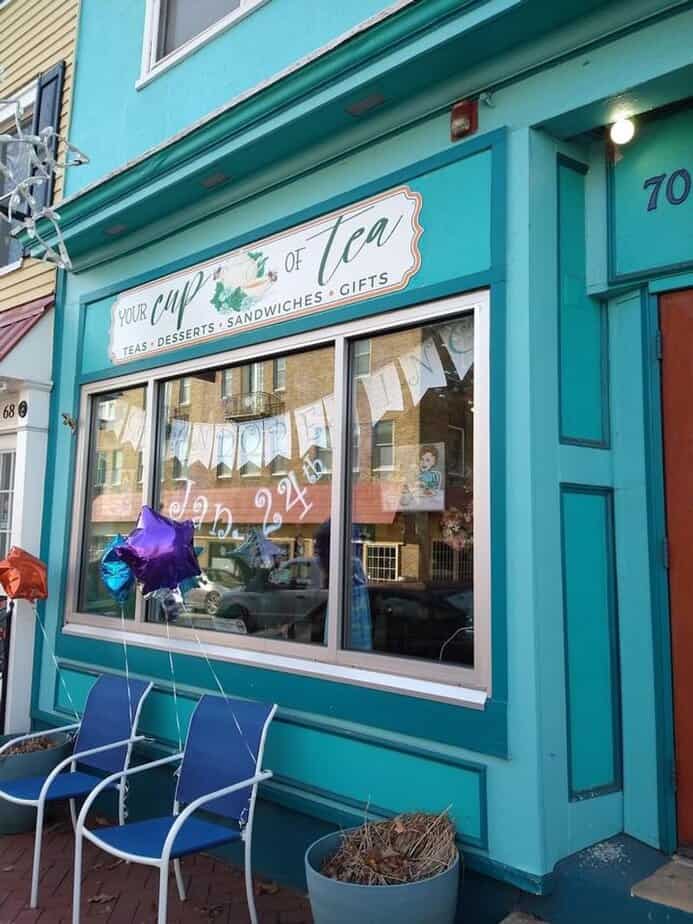
Mount Holly has the kind of historic district that already feels made for leisurely wandering, and Your Cup of Tea slides neatly into that atmosphere. There’s something approachable about the name, and the place seems to follow through on that feeling.
Rather than going grand or overly formal, it reads as a local spot where tea, sweets, and conversation are still enough to build an outing around. That accessibility is its strength.
Some readers want the big ritual. Others want a place that feels comfortable from the second they walk in.
This entry speaks to the second group. It’s a good reminder that a worthwhile tea-house visit does not always need elaborate ceremony or a towering dessert display to feel satisfying.
In the article, frame it as a charming historic-district stop with low-pressure appeal. It’s easy to picture pairing this with a stroll through town, a browse through nearby shops, or a slower weekend afternoon that doesn’t need an elaborate plan.
Among the more formal and theatrical destinations on this list, Your Cup of Tea adds a friendly, unfussy counterpoint that keeps the overall roundup from feeling too precious.
13. Tea-For-All
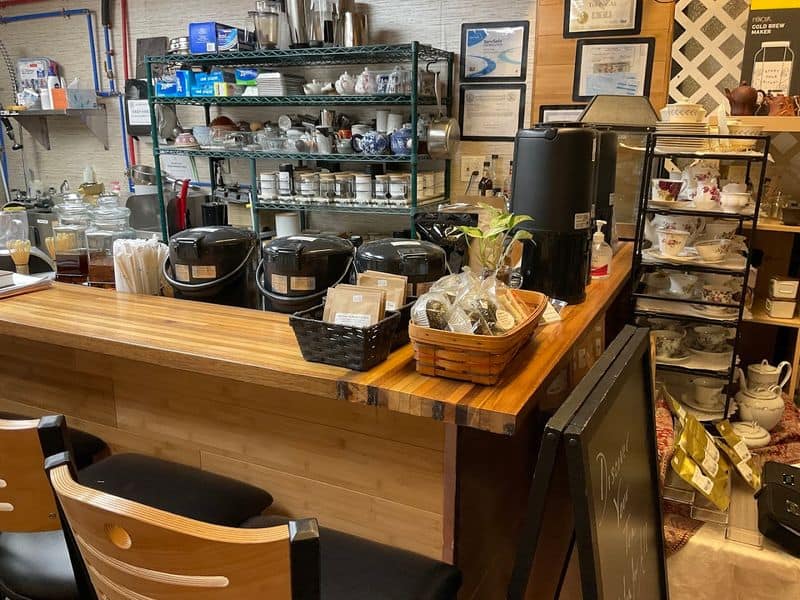
Inside the Trenton Farmers Market, Tea-For-All brings a completely different energy to the list. This is not the place for lace curtains and whispered conversation over petit fours.
It’s more hands-on, more educational, and more clearly rooted in the tea itself. That shift is useful because it broadens what a New Jersey tea destination can look like.
The appeal here comes from curiosity. Tea classes, tastings, and specialty offerings make it a strong choice for readers who genuinely want to learn something while they sip.
It feels less like a formal afternoon outing and more like a spot for people who are ready to get a little nerdy about leaves, blends, brewing, and flavor. That’s a compliment.
For your article, treat Tea-For-All as the wildcard that keeps the list interesting. It may not deliver the same visual fantasy as a full British tea room, but it offers something just as compelling: depth.
Readers who already know they like tea, and want to go beyond the usual black, green, and chamomile rotation, will probably find this one especially rewarding. It proves New Jersey’s tea scene has range far beyond pretty china.