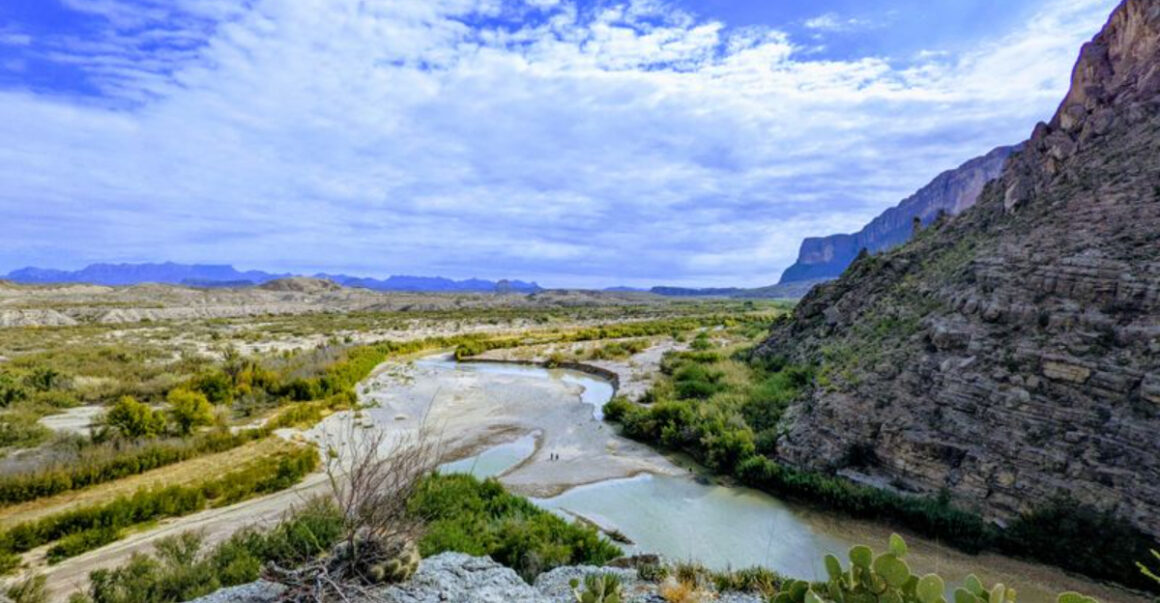
Winter flips a hidden switch in Big Bend National Park, turning the desert into a cathedral of stars. You feel the hum of everyday life fade as the Milky Way pours over the Chisos like a river of light. Cold, crisp air sharpens constellations, and quiet trails lead to sky theaters you will remember for years.
If you have been craving dark skies and deeper stillness, this star party is your sign to go.
1. Chisos Basin Night Hike and Sky Watch
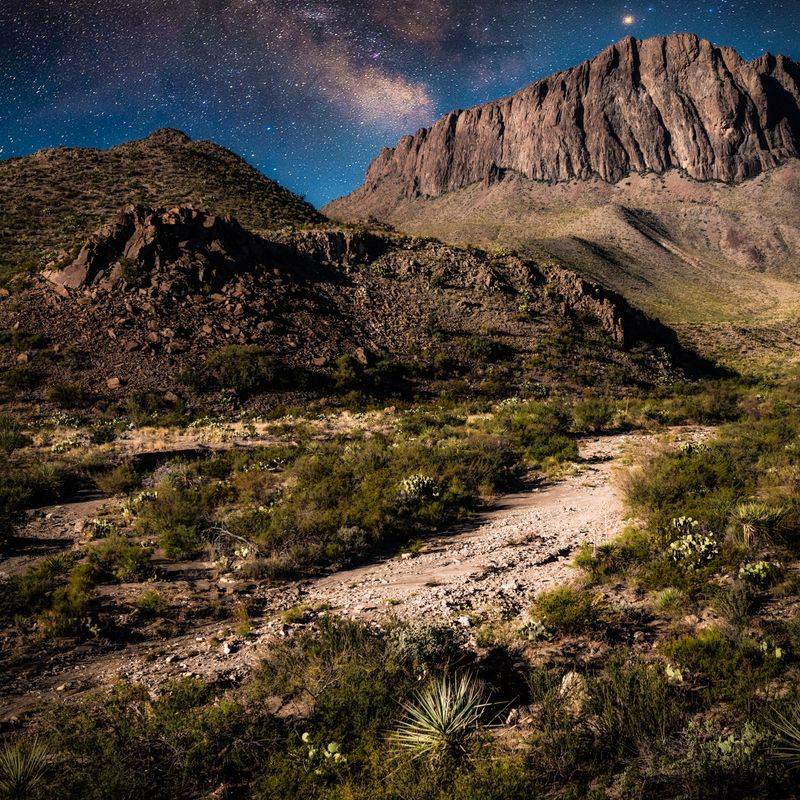
Chisos Basin feels like a natural amphitheater built for winter stargazing. The mountains form dark teeth against the sky, giving you that perfect horizon break to spot constellations. Bring a red-light headlamp, layer up, and hike a short stretch of the Basin Loop before settling onto warm rocks.
When the cold steadies, your eyes adjust and the Milky Way climbs into view. Orion hangs over Casa Grande, and you can trace the Pleiades like frost scattered across velvet. You will hear only distant wind through sotol and your own breaths.
Keep snacks handy, but store them properly because wildlife roams. Finish by quietly walking back, letting the stars guide patience into your steps.
2. Santa Elena Canyon Twilight Constellation Session
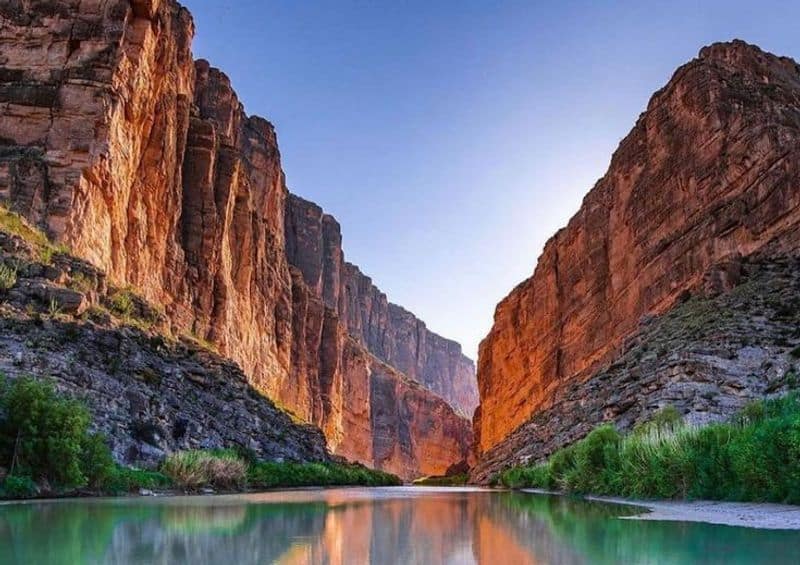
Arrive before sunset to watch canyon walls drink the last light, then stay as stars scatter across the river’s dark glass. Santa Elena feels intimate at night, a stone corridor focusing your gaze upward. Choose a safe pullout and avoid riverbeds if rain threatens.
When the first stars show, you can trace Cassiopeia over the rim and follow Orion drifting west. The canyon softens sound, so keep voices low and savor the hush. You might catch a meteor stitching across the gap.
Pack extra insulation because the cold settles quickly near water. A thermos of cocoa is morale magic. When you leave, drive slowly and watch for wildlife crossing the road.
3. Rio Grande Village Dark Sky Lawn
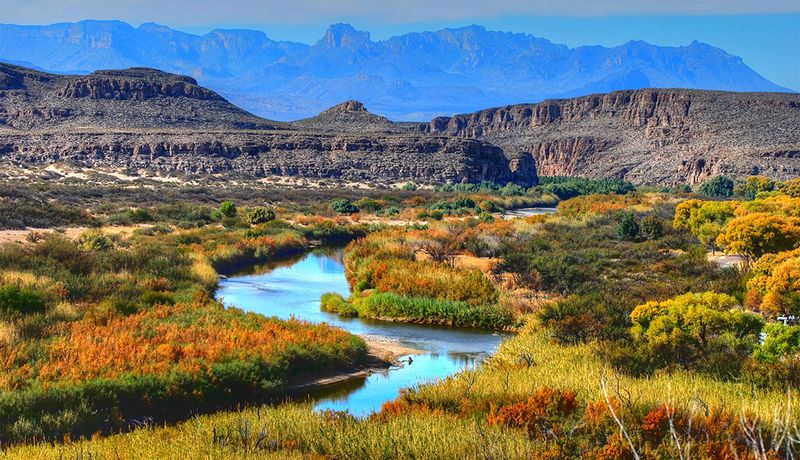
For a welcoming star party vibe, the Rio Grande Village area often becomes a casual observing lawn. You can lay out a blanket, tune binoculars on Orion’s sword, and swap tips with fellow sky fans. If a ranger program is happening, you will get constellation stories and safe night etiquette.
Shield your lights, let your eyes dark adapt, and keep snacks simple. Binoculars reveal star clusters that naked eyes miss, especially the Hyades and Pleiades. You will hear owls sometimes, and the silence between calls is part of the show.
Nights get chilly, so bring insulated layers and a sit pad. Respect quiet hours and neighbors. The atmosphere feels friendly, patient, and wonderfully unhurried.
4. Lost Mine Trail Sunset to Starrise
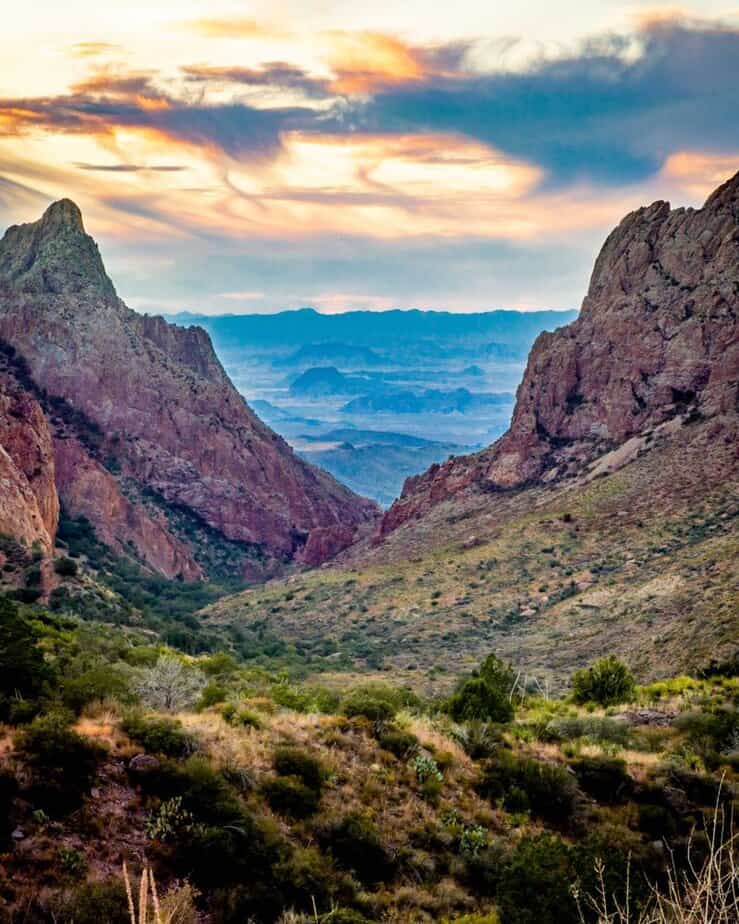
Time it so you reach the overlook for sunset, then stay as dusk deepens into a brilliant starfield. The Lost Mine Trail delivers sweeping angles on the Chisos, ideal for spotting constellations as they wheel across open sky. You will need warm layers, a headlamp, and clear weather.
Once darkness lands, Orion glows like a badge above ridgelines. You can sweep binoculars through the winter Milky Way and watch satellites drift by. Keep your footing secure and avoid cliff edges.
Return slowly with red light, giving your eyes time to read rocks and roots. The quiet makes the journey feel ceremonial. Check trail conditions and start early so you descend safely.
5. Boquillas Overlook Meteor Moments
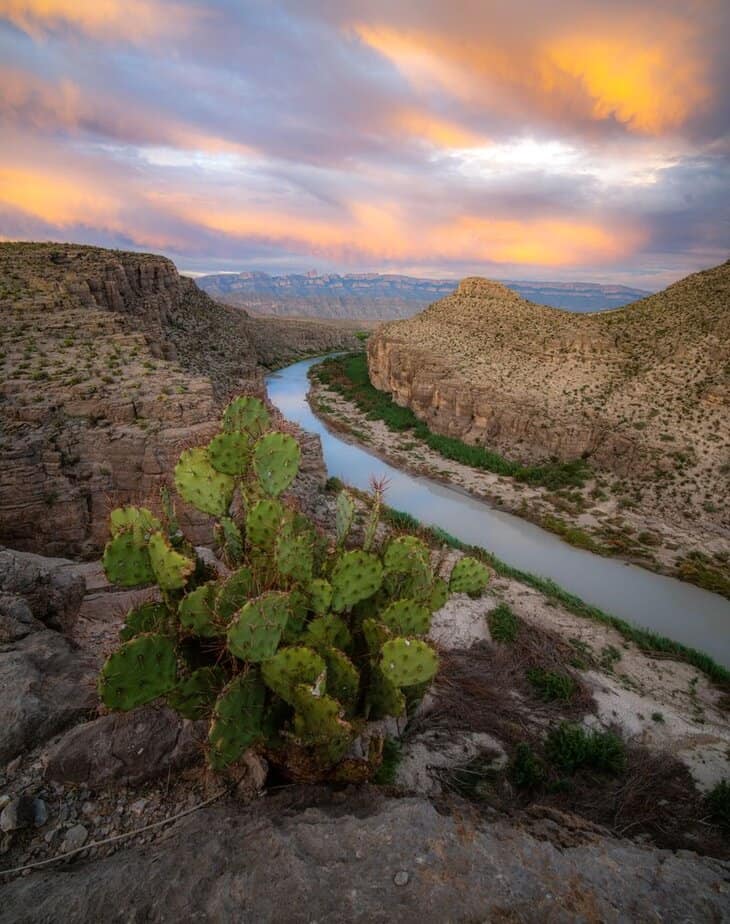
Boquillas Overlook is a low-effort, high-reward perch for a winter star session. Park, step out, and you are in a panoramic dome with the river curving below. Set up a chair, pour something warm, and let the sky do the heavy lifting.
With the right timing, you might catch a minor meteor shower brushing the darkness. The horizon is broad, which helps with satellite spotting and constellation hopping. Keep headlamps pointed down and use red light only.
Even mild wind can chill quickly here, so pack hats and gloves. Respect international boundary rules and stay on the U.S. side. When you are done, leave no trace and enjoy the quiet drive back.
6. Ross Maxwell Scenic Drive Pullouts After Dark
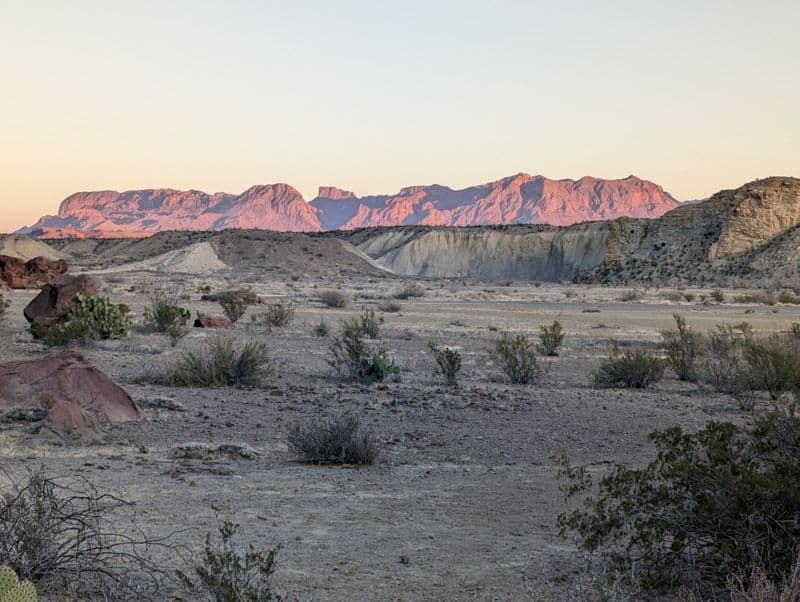
Ross Maxwell Scenic Drive strings together natural observatories like beads. After dark, many pullouts transform into quiet platforms for sky-watching. You can sample multiple horizons in one evening, chasing the clearest pocket of sky.
Turn off interior lights, shield screens, and step into the cool silence. Star trails over Mule Ears look mesmerizing if you bring a camera. Without a camera, you still get the deep satisfaction of naked-eye constellations.
Check road status before you go and watch for wildlife at night. Keep your vehicle visible but do not block traffic. Rotate stops, sip something warm, and let the desert teach patience and presence.
7. Hot Springs Historic Area Moonlit Soak Vibes
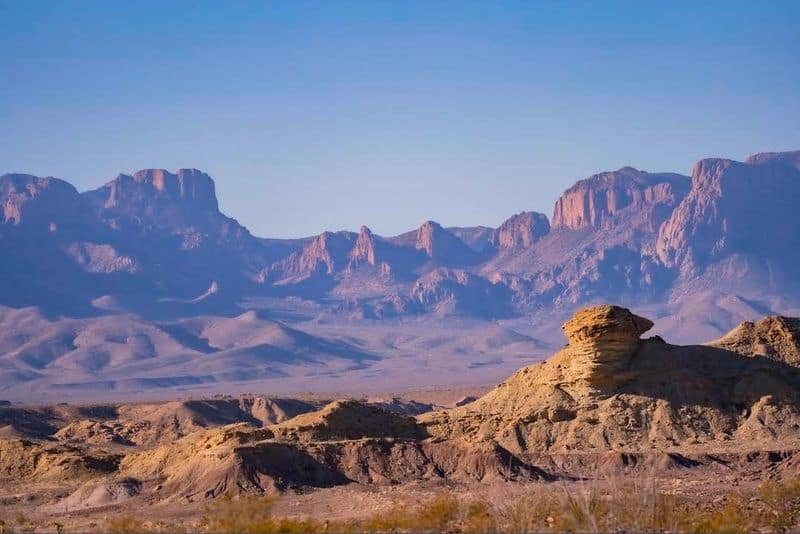
On bright moon nights, trade the Milky Way for silvered landscapes at the Hot Springs Historic Area. The ruins glow softly, and the river mirrors that pale light. Even if soaking access varies, the walk itself under moonlight feels cinematic.
Bring traction and warm layers for the return, as temperatures plunge. Moonlit nights let you navigate with minimal artificial light, protecting the mood. You will see fewer stars but gain sculpted shadows and textures.
Respect closures and posted guidance, especially after rains. Keep voices low, pack out everything, and watch your footing near water. You will come away with a different kind of night magic, calm and quietly luminous.
8. Panther Junction Visitor Center Star Prep Hub
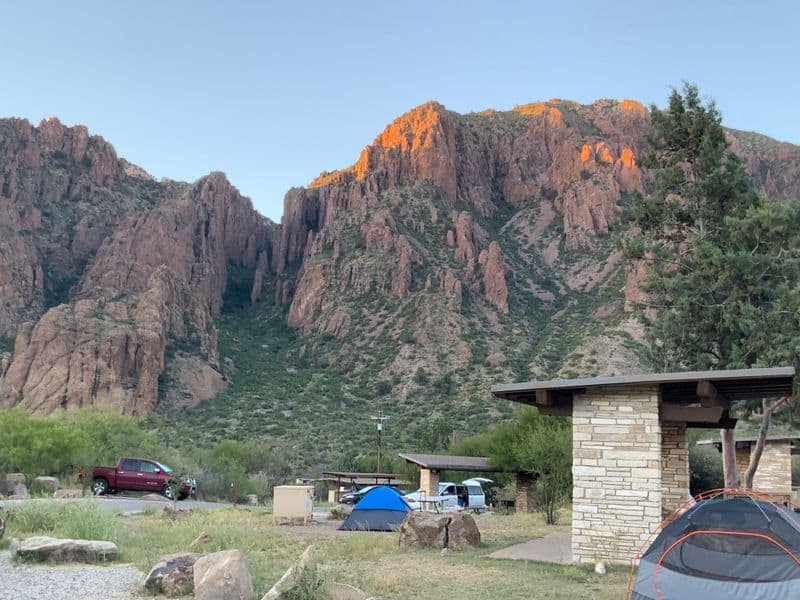
Start or end your star party rhythm at Panther Junction, the park’s information heartbeat. Rangers can brief you on road conditions, closures, and sky visibility. Pick up maps, confirm camp logistics, and ask about any evening programs.
Use the parking area to sort layers, gloves, and red-light gear before heading into deeper darkness. You will feel more confident knowing your plan matches current conditions. Restrooms and water here make prepping simple.
When you roll out, choose a route with minimal light and good horizons. After your session, return to debrief, warm up, and check the next night’s forecast. It is your reliable base camp for smarter, safer winter stargazing.