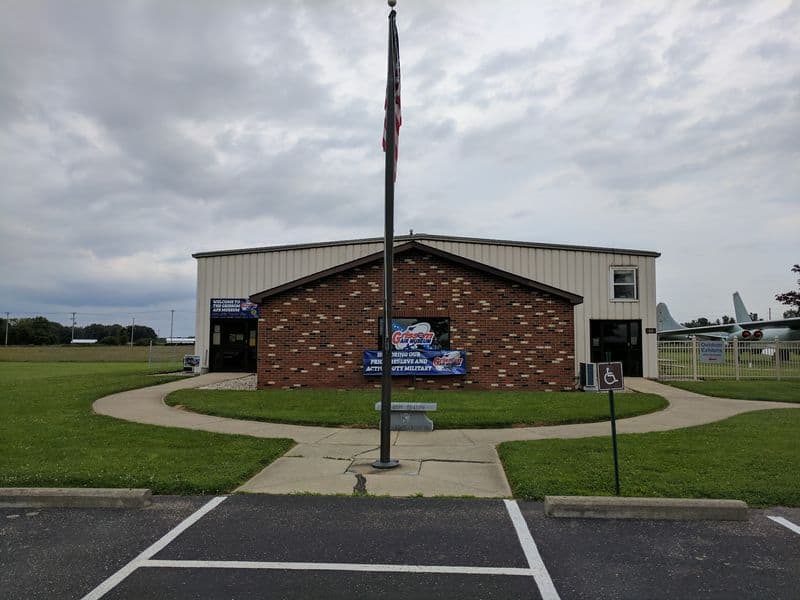
North of Kokomo, the cornfields part and something unexpected shows up. Big military planes sit in neat rows, wings out, noses pointed at the sky.
It looks like a movie crew packed up and forgot to take the props home. The truth is even better, because these aircraft are real, and the airfield next door is still very much in business.
Indiana families have been driving up US 31 for years to stand under bombers, tankers and fighters that once guarded the country. The story behind the place reaches back to World War II, ties into the Space Race, and still adds new chapters every week.
Keep reading to learn where it is, how it got its famous name, what makes the planes worth the drive, and how to plan a day trip that costs very little.
An Air Base Hiding in Hoosier Farm Country
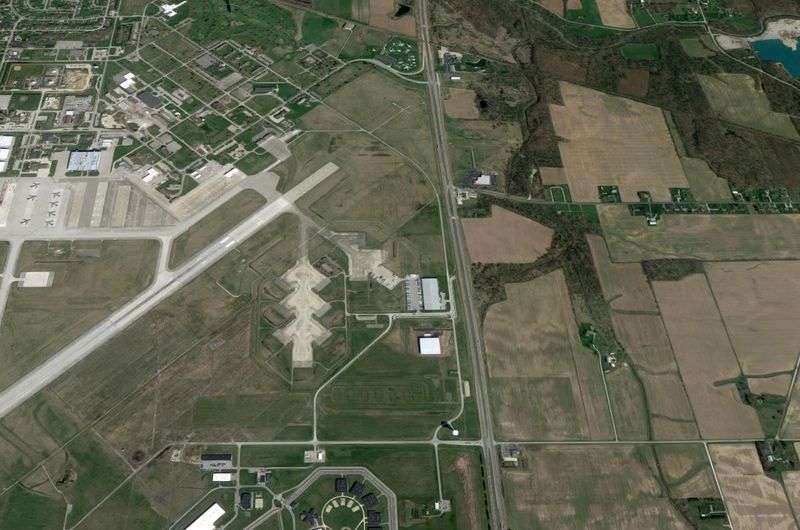
Grissom Joint Air Reserve Base sits in Pipe Creek Township, IN, USA, in the north-central part of the state. The base is about 12 miles north of Kokomo and stretches across parts of Cass and Miami counties in Indiana.
That location surprises a lot of first-time travelers. One minute the road is lined with barns and grain bins, and the next there is a long military runway in view.
This is not a closed relic. Grissom is an active United States Air Force base, run today as an Air Force Reserve installation.
Right beside it, a museum area shows off retired military aircraft, close to the number promised in the headline. That pairing is the whole appeal.
Travelers get the history of old planes and the reminder that the mission here keeps going.
For Hoosiers, it is a drive that fits easily into a Saturday. Kokomo, Peru and Logansport are all nearby, so the trip works well as part of a larger loop through the region.
The official base website is grissom.afrc.af.mil, and it is a smart first stop before any visit. Up next comes the name on the gate, and the story behind it is out of this world.
The Astronaut Behind the Name
Few air bases can say their namesake rode a rocket. Grissom carries the name of Virgil “Gus” Grissom, an Indiana native from the town of Mitchell.
Grissom was one of the original Mercury Seven astronauts chosen by NASA. He became the second American to travel into space in 1961.
He later commanded the first crewed Gemini mission in 1965. That made him a true Space Race pioneer and a point of serious Hoosier pride.
The base took on his name in 1968. Before that, it went by a different title tied to the nearby town of Bunker Hill.
The connection gives the place a special meaning for Indiana families. Kids who come to see airplanes leave knowing that someone from a small southern Indiana town helped push America toward the Moon.
It is a handy history lesson that does not feel like homework. Parents can point at the sign and share the story in under a minute.
Of course, the name came late in the story. The runway itself was poured during a much earlier and very different era.
From Navy Training Field to Air Force Base
Here is a fun twist for trivia night. Grissom started life as a Navy airfield, even though Indiana is about as far from the ocean as a state can get.
The field opened in 1942 as Naval Air Station Bunker Hill. During World War II, it trained young Navy pilots who would later fly from carriers.
After the war, activity slowed for a while. Then the Cold War brought new life to the runway.
The Air Force took over in the 1950s and named it Bunker Hill Air Force Base. Bomber and tanker units moved in, and the base grew into a key part of national defense.
In 1968, the name changed to Grissom Air Force Base. Decades later, in the 1990s, it shifted to its current role as a reserve base.
That long timeline is why the museum collection feels so varied. The planes on display reflect several chapters of American military aviation.
Each era left something behind. The next section looks at what it means for the base to still be active today.
Still Flying, Still on Duty
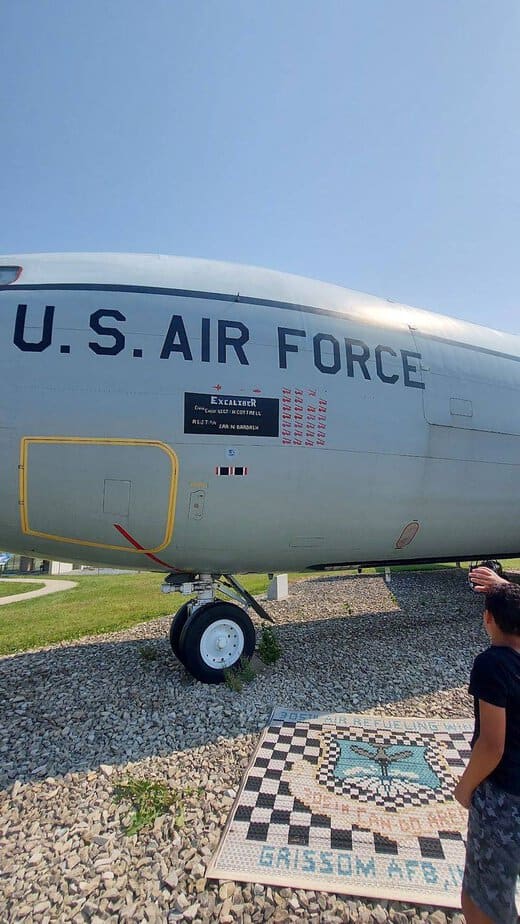
Retired planes get the spotlight, but the working ones deserve a nod too. Grissom remains an active United States Air Force base.
Today it operates as part of the Air Force Reserve Command. The host unit is the 434th Air Refueling Wing, which flies the KC-135 Stratotanker.
Those tankers have one big job. They refuel other military aircraft in midair so missions can go farther without landing.
Reserve members often live in nearby Indiana communities. Many hold regular civilian jobs and serve part time, ready to step up when called.
That gives the base a hometown feel in an unusual way. The neighbors down the road might be the same people keeping these tankers in the air.
Travelers should remember that an active base has rules. The secure areas are not open for casual wandering, and access policies are set by the military.
Thankfully, the retired aircraft are a different story. They sit where the public can enjoy them, and that is where the real fun begins.
A Parking Lot Full of Legends
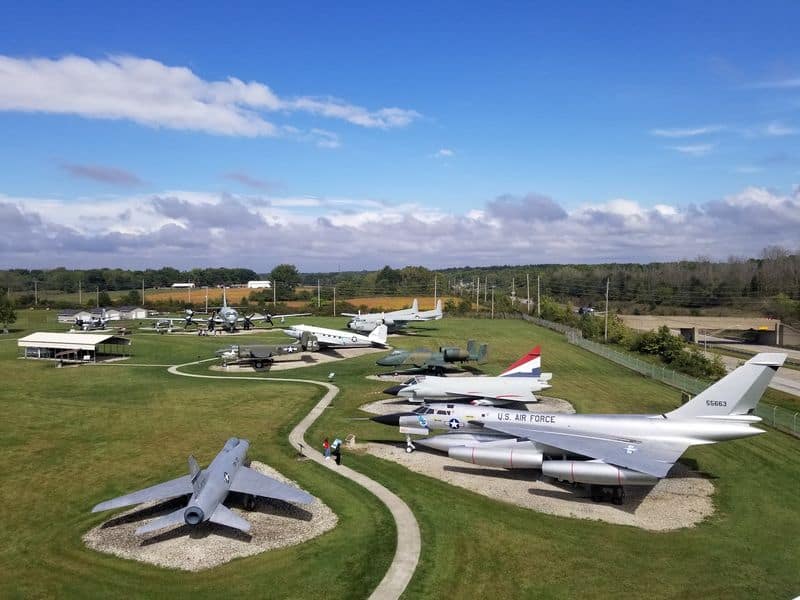
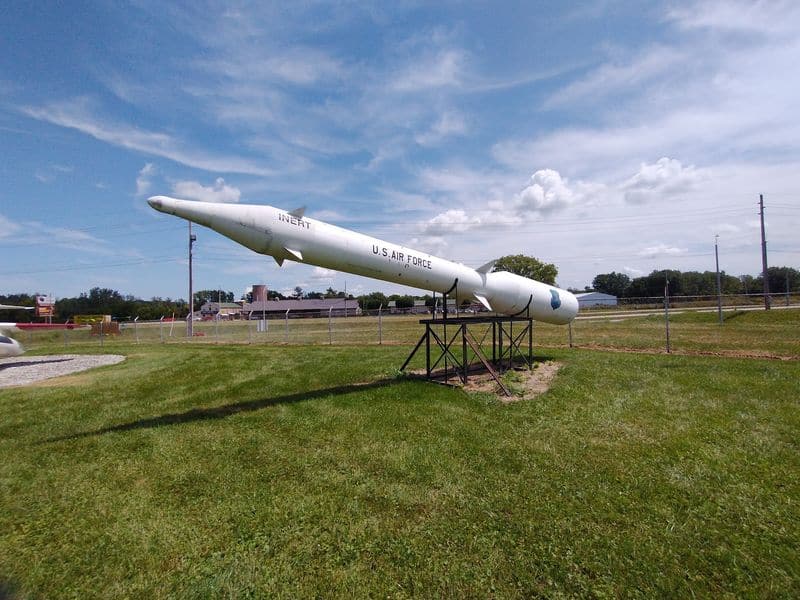
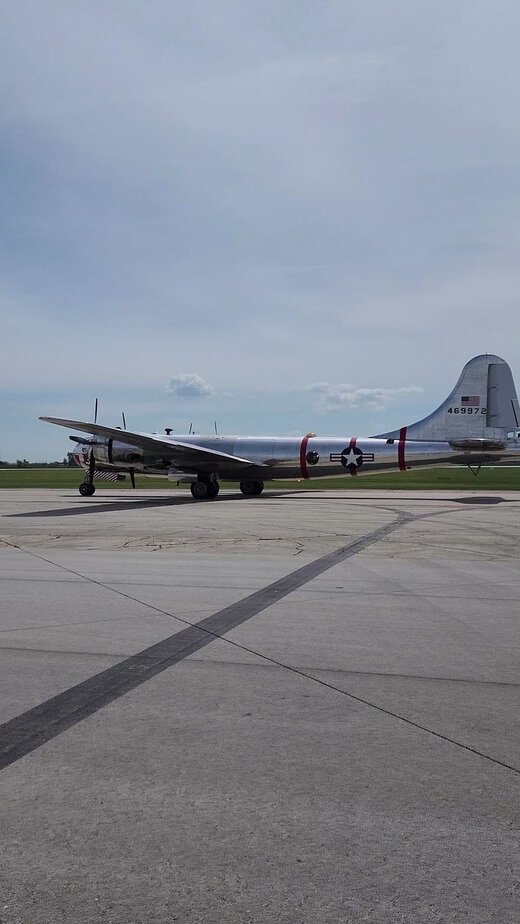
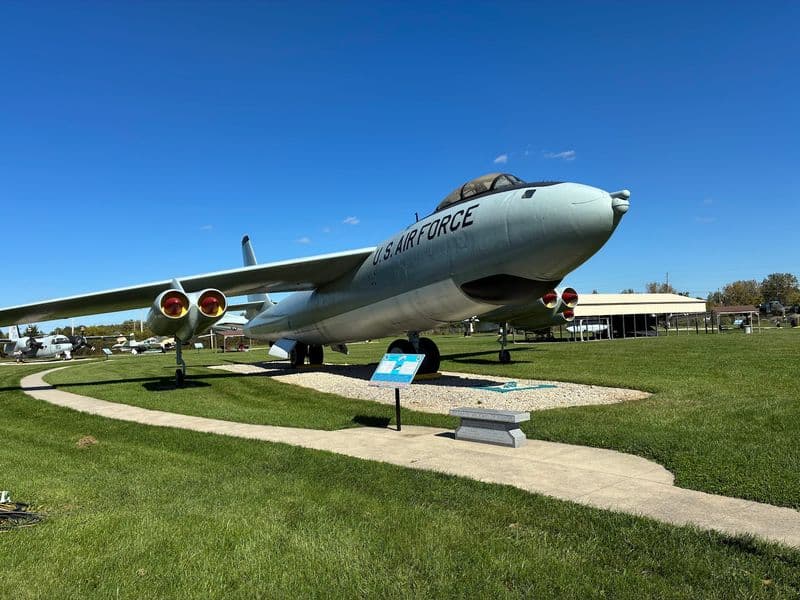
Nearly 30 retired aircraft wait outside near the base, and that number makes a strong first impression. Rows of bombers, tankers, fighters and helicopters stretch across the grounds.
The outdoor setting is the big difference from many indoor museums. Planes sit in the open, so guests can walk around each one and see it from every angle.
That layout is exactly why the experience gets compared to a movie set. Wings stretch overhead, and fighter jets point their noses at the sky as if they are ready to roll.
The collection covers several decades of military flight. Some aircraft come from the early jet age, while others served much more recently.
Families tend to spread out and pick favorites. Some kids head straight for the sleek fighters, while others want the biggest plane on the lot.
Each aircraft usually has signs that explain its role. A slow lap with stops to read them turns a quick look into an easy history lesson.
Size, though, is where things get truly jaw-dropping. One kind of plane on display is a giant even by Air Force standards.
Bombers Built for the Cold War
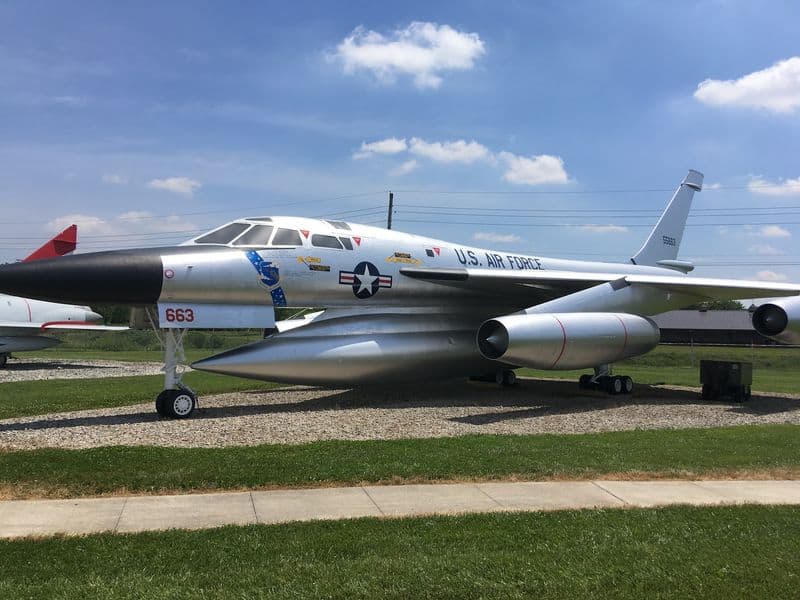
Some airplanes are big, and then there are Cold War bombers. Standing beneath one makes adults feel about as tall as a kid again.
Grissom played a real part in that era. During the 1960s, the base was home to the B-58 Hustler, a supersonic bomber with a dramatic delta wing.
The Hustler was famous for speed. It was the first operational bomber able to fly at twice the speed of sound.
The museum grounds celebrate this connection to the base’s past. Seeing bomber types tied to the area adds a local layer that a random collection could never match.
Bombers like these flew during a tense time in world history. Signs nearby help explain why they mattered and how crews used them.
Photographers love this part of the grounds. A person standing under the wing gives scale that a phone screen cannot otherwise capture.
Big bombers are only half the story, though. The faster, smaller jets are the ones that spark the strongest movie comparisons.
Fighter Jets with Main Character Energy
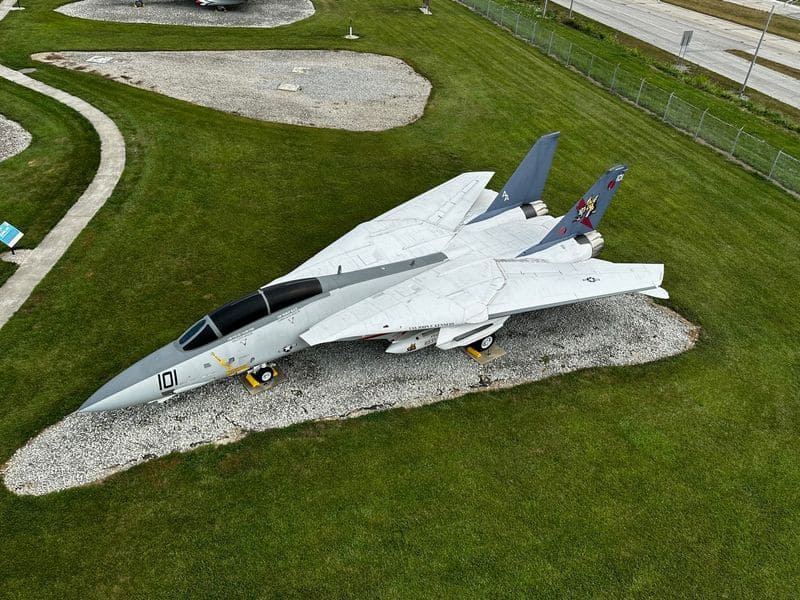
Cue the soundtrack in your head. The fighter jets are where the Top Gun comparison really earns its keep.
These aircraft were built for speed and agility. Pointed noses, swept wings and tight cockpits give them the look that Hollywood loves.
Up close, the scale surprises people. Fighters look tiny next to the bombers, yet they are still much bigger than most guests expect.
The display gives a sense of how jet design changed over the years. Older models sit not far from more modern ones, so the evolution is easy to follow.
Aspiring pilots tend to linger here the longest. Many kids, and plenty of grown-ups, start pretending to call signs before they reach the end of the row.
No flight suit or aviator sunglasses are required. Still, nobody will judge a visitor who shows up wearing them for the photos.
The heroes of the sky are not always the flashy ones. Next up are the workhorse planes that rarely get movie roles but kept every mission going.
Unsung Heroes of the Sky
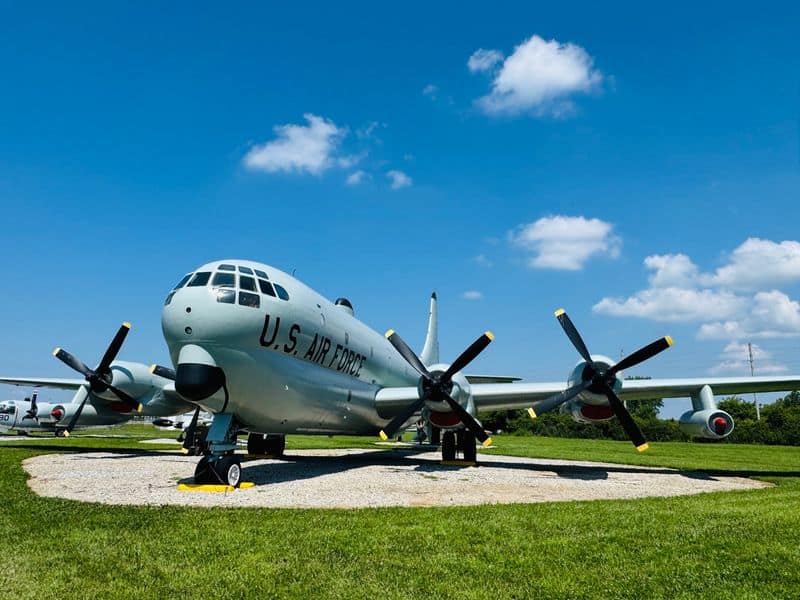
Every action movie needs a supporting cast. At Grissom, that role goes to tankers, cargo planes and helicopters.
Air refueling is a huge part of the base identity. The tanker mission has been tied to Grissom for decades and continues today with the KC-135.
Seeing a retired tanker on the ground helps explain the mission in a simple way. A boom extends from the rear so other aircraft can take on fuel in flight.
Without tankers, fighters and bombers would have far less range. That makes these big, plain-looking planes some of the most important ones on the lot.
Helicopters add even more variety. Their rotors and compact shapes give kids something completely different to study after a row of jets.
Signs near each aircraft share its job and history. Taking time to read them shows how many types of planes it takes to run a single operation.
Outdoor exhibits are only part of the visit. There is also an indoor side, and it rounds out the experience in a big way.
Inside the Museum Walls
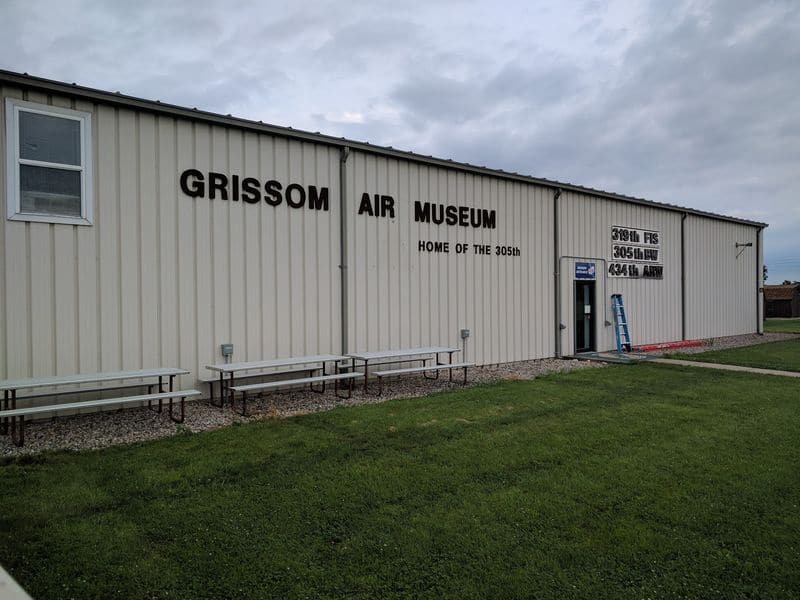
After the outdoor lap, the indoor exhibits offer a welcome change of pace. They also add the human side of the story.
Military museums like this one often focus on the people who served. Uniforms, photographs and personal items help connect the machines outside to the crews who flew and fixed them.
The base history gets plenty of attention. Its journey from a World War II Navy field to a modern reserve base is a story that unfolds well with photos and artifacts.
This is also a good spot for younger kids to take a break. Smaller displays and models make the history easier to grasp at their level.
Many local veterans have a personal link to the base. For some families, the visit becomes a chance to hear stories from a grandparent who once worked there.
Gift shop items often support the museum directly. A small patch or model plane makes a simple keepsake from the trip.
Hours for the indoor exhibits can change with the seasons. The practical notes come a little later, right after a look at who will enjoy this outing most.
A Day Trip for Every Generation
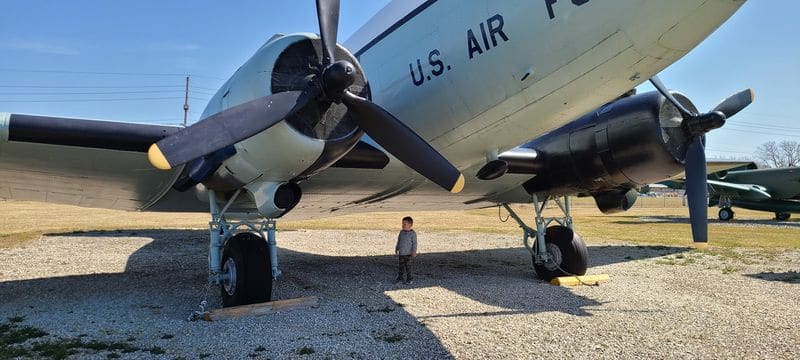
Grandpa wants the history, the kids want the jets, and Mom wants a cheap outing. Few places check all three boxes as neatly as this one.
Families with young children get plenty of room to roam. The open outdoor layout means kids can explore without the strict quiet of a formal gallery.
Veterans and retirees often find the visit meaningful. The base and its aircraft tie into real service and real memories for many Hoosiers.
Aviation fans can spend hours here. Comparing designs, eras and missions turns the lot into a hands-on timeline of military flight.
Photographers also have plenty to work with. Wide wings, sharp noses and big skies make for striking pictures in nearly any season.
School groups and scout troops tend to find it useful too. The Gus Grissom story adds a science and space angle on top of the aviation history.
The crowd is usually relaxed and friendly. It is the kind of stop that sparks car conversations long after the drive home begins.
Of course, a great outing still needs a plan. The next section covers timing and getting there.
Planning the Drive and the Visit
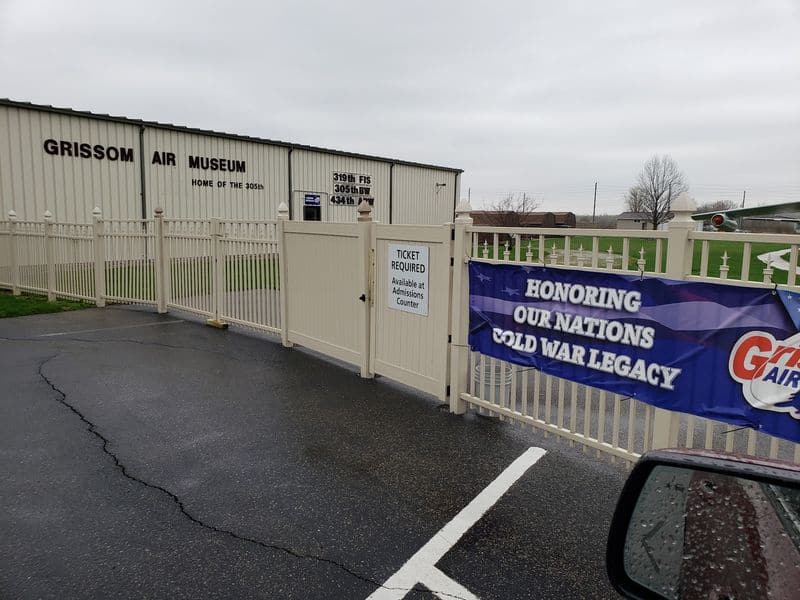
Getting there is refreshingly simple. The base sits about 12 miles north of Kokomo, and US 31 runs right past the area.
Drivers from Indianapolis can head north on US 31 for an easy day trip. Travelers from South Bend and the northern part of the state can come south on the same highway.
Hours and admission details are not covered here, so checking ahead is essential. The official base site at grissom.afrc.af.mil is the right place for base news and any access updates.
Because the base is active, rules matter. Secure areas are off limits without proper authorization, and guests should follow all posted signs.
Weather plays a big role in an outdoor visit. Comfortable shoes, sun protection and a light jacket for windy days make the walk easier.
Plan for at least an hour or two. Aviation lovers who read every sign may want to set aside half a day.
Nearby Kokomo and Peru offer places to grab a meal and fuel up. That makes it easy to build a full Hoosier road trip around the planes.
Why the Runway Is Worth the Road Trip
Some places tell one story. Grissom manages to tell several at once.
There is the World War II chapter, when Navy pilots trained in the middle of Indiana farmland. There is the Cold War chapter, when bombers and tankers stood ready.
Then comes the Space Race link through Gus Grissom, a Mitchell native who flew on Mercury and Gemini. And there is the present day, with reserve crews still flying tankers from the same runway.
The nearly 30 retired aircraft tie all of that together. Each one gives a reason to slow down, read a sign and ask a question.
For Indiana families, the value is hard to ignore. It is close, it is easy to reach, and it delivers a big helping of Hoosier pride.
Movie fans get their Top Gun moment, history buffs get real stories, and kids get a giant playground of ideas. Few day trips in the state offer quite that mix.
So gas up the car and point it north of Kokomo. The jets are parked, the runway is busy, and the next great family story is waiting on the flight line.